Avoid pennyroyal tea during pregnancy – even small amounts can trigger uterine contractions and pose risks to the fetus, especially in the first trimester.
By Shubhra Mishra — a mom of two who turned her own confusion during pregnancy into BumpBites, a global mission to make food choices clear, safe, and stress-free for every expecting mother. 💛
Check whether any food is safe during pregnancy with the BumpBites Food Safety Checker.
Quick verdict: ❌ Best avoided. Pennyroyal tea contains compounds that can be toxic to a developing fetus, and no amount is considered safe during pregnancy. If you’ve already had a sip, stay calm and talk to your provider for personalized guidance.
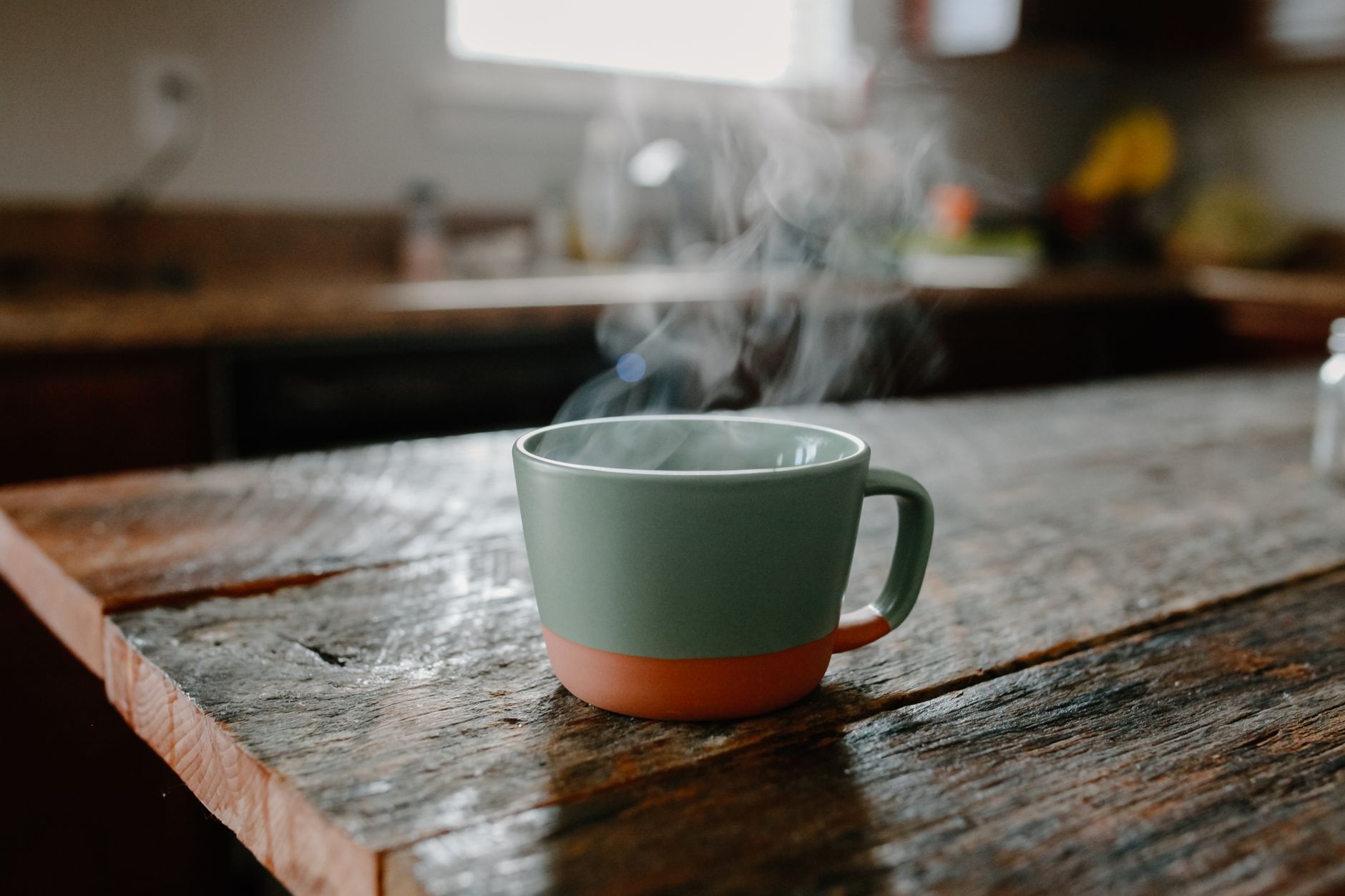
It’s 2 a.m., the kitchen light is on, and you’re wondering whether that fragrant cup of pennyroyal tea you brewed this morning could harm your baby. You’re not alone—many expecting parents search “is pennyroyal tea safe during pregnancy?” after a late‑night craving or a well‑meaning friend’s recommendation.
We’re here to give you a clear answer right away: pennyroyal tea should be avoided throughout pregnancy and while breastfeeding. Below you’ll find the science behind that verdict, how it breaks down by trimester, why no dosage is considered safe, and what soothing herbal teas you can enjoy instead. We’ll also cover what to do if you’ve already consumed pennyroyal tea, and why no brand can be deemed pregnancy‑friendly.
Read on for a quick‑reference table, detailed explanations, safer alternatives, and a handy FAQ that answers the most common follow‑up questions.
Enjoying a warm cup of tea can be comforting, but choosing the right herb matters for you and your baby.
Stage of pregnancy
Verdict
Notes
First trimester
❌ Avoid
High risk of miscarriage and organ‑development toxicity.
Second trimester
❌ Avoid
Potential liver toxicity and fetal growth concerns.
Third trimester
❌ Avoid
Risk of uterine stimulation and neonatal complications.
Breastfeeding
❌ Avoid
Compounds can pass into breast milk and affect the infant.
What is pennyroyal tea?
Pennyroyal (Mentha pulegium) is a low‑lying, aromatic plant in the mint family, native to Europe and parts of Asia. The leaves and stems are steeped to make a tea that has a sweet, slightly menthol flavor. Historically, pennyroyal was used as a culinary herb, a natural insect repellent, and—most controversially—as an abortifacient in folk medicine. The tea’s potency comes from volatile oils, chiefly pulegone, which gives pennyroyal its distinctive scent.
In modern herbal practice, pennyroyal tea is sometimes marketed for “detoxifying” or “digestive soothing.” However, the same pulegone that provides the pleasant aroma is also hepatotoxic (liver‑damaging) and can interfere with normal uterine function. Because of these properties, health authorities worldwide caution against its use, especially in vulnerable populations such as pregnant or nursing individuals.
While many herbs in the mint family—like peppermint—are safe, pennyroyal is an outlier due to its high concentration of toxic compounds. Understanding the difference helps you make informed choices about which herbal teas can be part of a healthy pregnancy routine.
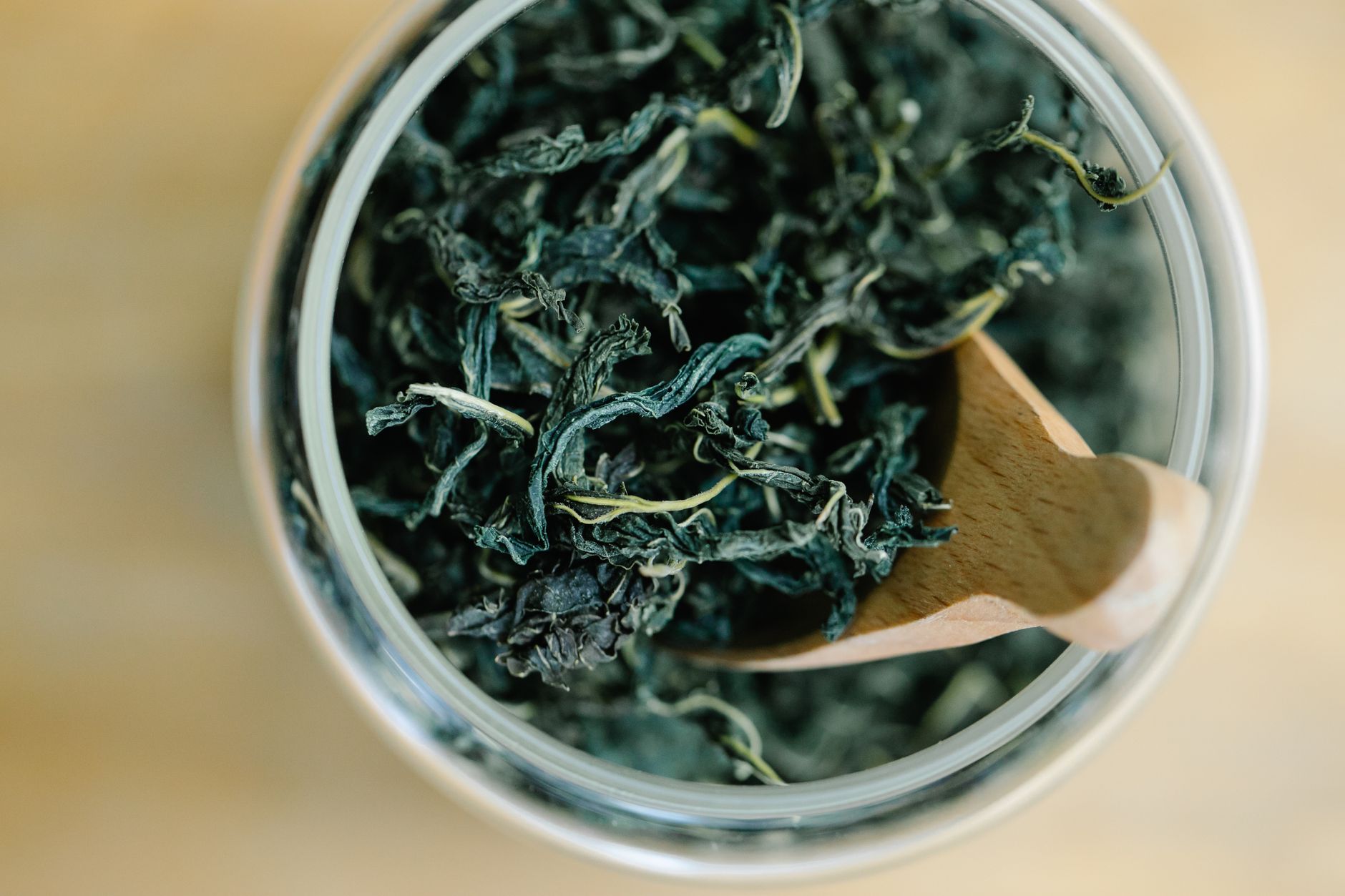
Even in the pantry, pennyroyal should be kept out of reach during pregnancy.
Is pennyroyal tea safe during pregnancy?
Current guidance from leading authorities such as the American College of Obstetricians and Gynecologists (ACOG) and the UK’s National Health Service (NHS) classifies pennyroyal as a contraindicated herb for pregnant women. The U.S. Food and Drug Administration (FDA) has issued warnings about the toxic potential of pennyroyal oil, and the Centers for Disease Control and Prevention (CDC) includes it in its list of substances that can cause acute poisoning.
The primary concern is pulegone, a monoterpene that can cross the placenta and cause fetal toxicity. Animal studies have shown that high doses of pulegone lead to embryonic loss, malformations, and liver damage. Human case reports are limited, but documented incidents of miscarriage and severe liver injury after pennyroyal ingestion have prompted health agencies to advise complete avoidance.
Because the toxic threshold for pulegone is low, even a modest cup of pennyroyal tea can expose a pregnant person to unsafe levels. No clinical trials have established a safe dosage, and the variability in plant potency means that “a little” is not reliably quantifiable. In short, the safest choice is to avoid pennyroyal tea entirely during pregnancy and while breastfeeding.
Is pennyroyal tea safe to drink during the first trimester?
The first trimester is when the embryo’s major organs form—a period known as organogenesis. During this window, exposure to teratogens (substances that cause birth defects) can have the most severe consequences. Pennyroyal’s pulegone has been shown to interfere with normal cellular development, raising concerns about miscarriage and congenital anomalies.
ACOG explicitly advises that any herb with known abortifacient properties, including pennyroyal, should be avoided in the first 12 weeks. The NHS echoes this recommendation, noting that “herbs that stimulate uterine activity can increase the risk of early pregnancy loss.” Because the risk is highest early on, it is especially important to steer clear of pennyroyal tea during the first trimester.
Is pennyroyal tea safe to drink in the second trimester of pregnancy?
During the second trimester, the fetus’s organs continue to mature, and the mother’s liver workload increases. Pulegone’s hepatotoxic effects become a particular concern at this stage, as the liver is responsible for metabolizing many substances, including herbal compounds.
Both the NHS and the FDA caution that pennyroyal can cause liver enzyme elevation and, in severe cases, acute liver failure. While the risk of miscarriage lessens after the first trimester, the potential for liver toxicity and fetal growth restriction remains, so pennyroyal tea is still classified as unsafe in the second trimester.
Is pennyroyal tea safe to drink in the third trimester?
In the third trimester, the fetus is preparing for birth, and uterine contractility is a key factor. Pennyroyal’s ability to stimulate uterine smooth muscle can precipitate premature contractions, which may lead to preterm labor or delivery complications.
Obstetric guidelines from ACOG advise against any herb that can induce uterine activity near term. Additionally, the CDC warns that exposure to pulegone close to delivery could affect the newborn’s liver function after birth, as the compound can cross the placenta and be present in neonatal circulation.
Is pennyroyal tea safe for women with morning sickness?
Many pregnant people turn to herbal teas for nausea relief, but pennyroyal is not a safe option. While ginger and peppermint are widely accepted as gentle anti‑nausea agents, pennyroyal’s toxic profile outweighs any potential benefit. The ACOG and NHS both list ginger, peppermint, and lemon balm as first‑line herbal remedies for morning sickness, explicitly excluding pennyroyal.
How much pennyroyal tea is considered dangerous for pregnant women?
Because pennyroyal’s active compound, pulegone, varies widely depending on plant source, growing conditions, and preparation method, researchers cannot pinpoint a precise “dangerous dose.” Studies in rodents have shown liver toxicity at doses as low as 10 mg/kg of pulegone, which could be reached with just one or two cups of tea made from a typical pennyroyal leaf batch.
Given this uncertainty, health agencies adopt a precautionary principle: any amount of pennyroyal tea is potentially hazardous for a pregnant person. The safest recommendation is to avoid it entirely.
Can any amount of pennyroyal tea be safe during pregnancy?
No. The consensus among ACOG, NHS, and FDA experts is that there is no known safe threshold for pennyroyal consumption during pregnancy. Even a “small sip” cannot be guaranteed to stay below toxic limits because the concentration of pulegone is unpredictable.
For this reason, reputable pregnancy‑health resources advise complete avoidance rather than attempting to limit intake. If you’re craving a mint‑flavored beverage, consider safer alternatives like peppermint or ginger tea, which have extensive safety data and no known teratogenic effects.
What are safer herbal tea alternatives for pregnant women?
Ginger tea – Helps relieve nausea without known fetal risks; ACOG recommends it for morning sickness.
Peppermint tea – Soothes digestive discomfort and is widely regarded as pregnancy‑safe by the NHS.
Rooibos tea – Caffeine‑free, antioxidant‑rich, and free of known teratogens.
Lemon balm tea – Gentle calming effects; considered safe in moderate amounts.
Nettle tea – Provides iron and vitamins; safe when sourced from reputable growers.
Raspberry leaf tea – Often used in the second and third trimesters to tone uterine muscles; consult your provider.
Chamomile tea – Generally safe, but discuss with your doctor if you have allergies.
Cinnamon tea – Offers warmth and flavor; safe in low‑dose culinary amounts.
Are there any reputable brands of pennyroyal tea for pregnancy?
Because pennyroyal is classified as unsafe for pregnant and nursing individuals, no reputable brand markets it as “pregnancy‑friendly.” Some herbal companies may label their pennyroyal products as “organic” or “wildcrafted,” but these descriptors do not mitigate the inherent toxicity of pulegone. The safest approach is to avoid all pennyroyal products during pregnancy and breastfeeding.
What are the risks of drinking pennyroyal tea while pregnant?
Pennyroyal tea poses several documented risks:
Miscarriage – Pulegone can stimulate uterine contractions, increasing the chance of early pregnancy loss.
Birth defects – Animal studies indicate teratogenic effects that could translate to human fetal anomalies.
Liver toxicity – Pulegone is metabolized by the liver into toxic metabolites, potentially leading to acute hepatitis.
Neonatal complications – If exposure occurs late in pregnancy, the newborn may experience liver dysfunction or respiratory distress.
Because these outcomes are serious, health agencies advise immediate medical evaluation if you suspect overdose or experience any concerning symptoms.
Safe dosage / amount / brands
There is no established safe dosage of pennyroyal tea for pregnant or lactating individuals. The variability of pulegone content between batches means that even a single cup could exceed safe limits. Consequently, the consensus among ACOG, the NHS, and the FDA is to avoid pennyroyal entirely.
If you happen to have a pennyroyal tea product at home, do not attempt to “dose down.” Instead, set it aside and choose a safer herbal tea from the list above. For non‑pregnant adults, some herbalists suggest no more than 1–2 cups per day of a low‑pulegone preparation, but this guidance does not apply to pregnancy.
Side effects and risks
Symptoms of pennyroyal poisoning can appear within hours of ingestion and include:
Nausea, vomiting, and abdominal pain
Dizziness, headache, and confusion
Rapid heartbeat (tachycardia) or irregular pulse
Yellowing of the skin or eyes (jaundice) indicating liver stress
Severe cases: seizures, coma, or death
In pregnancy, any of these signs—especially nausea, abdominal pain, or jaundice—should prompt immediate medical attention. While mild stomach upset may be “annoying but not dangerous,” the potential for fetal harm means you should not wait to seek care.
Safer alternatives
Ginger tea – Proven anti‑nausea effect, safe throughout pregnancy.
Peppermint tea – Relieves indigestion and nausea without uterine stimulation.
Rooibos tea – Caffeine‑free, antioxidant‑rich, and free of known teratogens.
Lemon balm tea – Calming, supports digestion, and considered safe.
Nettle tea – Supplies iron and vitamins; safe when properly prepared.
Raspberry leaf tea – Helpful in later pregnancy for uterine tone, after consulting a provider.
Chamomile tea – Gentle, soothing; discuss with your doctor if you have allergies.
Cinnamon tea – Warm flavor; safe in culinary amounts.
Related items — safety at a glance
Herbal tea
Verdict
One‑line note
Peppermint tea
✅ Generally safe
Soothes nausea and digestion; no known teratogenic compounds.
Ginger tea
✅ Generally safe
Recommended by ACOG for morning‑sickness relief.
Raspberry leaf tea
⚠️ Safe with limits
Often used after the first trimester; consult your provider.
Chamomile tea
⚠️ Safe with limits
Generally okay, but discuss if you have allergies.
Sage tea
⚠️ Safe with limits
High‑dose sage may affect blood pressure; moderate use is fine.
Licorice tea
⚠️ Safe with limits
Excess can raise blood pressure; limit to occasional servings.
Green tea
✅ Generally safe
Contains caffeine; limit to 2 cups/day to stay under 200 mg.
Black tea
✅ Generally safe
Similar caffeine considerations as green tea.
Myth vs. fact
Myth: “A tiny sip of pennyroyal tea won’t hurt my baby.”
Fact: Because pulegone levels vary, even a small amount can exceed safe thresholds, and no safe dose has been established for pregnancy.
Myth: “Pennyroyal is just a mint, so it’s as safe as peppermint.”
Fact: Unlike peppermint, pennyroyal contains high levels of pulegone, a known hepatotoxin and uterine stimulant, making it unsafe for pregnant or nursing individuals.
Myth: “If I buy a ‘organic’ pennyroyal tea, it must be safe.”
Fact: Organic labeling does not remove the toxic compounds; health agencies still advise total avoidance during pregnancy.
Key takeaways
❌ Pennyroyal tea should be avoided throughout pregnancy and while breastfeeding.
No amount of pennyroyal tea is considered safe; the toxic compound pulegone is unpredictable.
Risks include miscarriage, birth defects, liver toxicity, and neonatal complications.
Choose proven safe alternatives such as ginger, peppermint, or rooibos tea for comfort.
If you’ve already consumed pennyroyal tea, monitor for symptoms and contact your provider.
Never rely on “organic” or “herbal” labels as a guarantee of safety during pregnancy.
Frequently asked questions
Can I drink pennyroyal tea while pregnant?
No. Health authorities including ACOG and the NHS advise that pennyroyal tea is unsafe at any stage of pregnancy.
What are the side effects of pennyroyal tea during pregnancy?
Potential side effects include nausea, abdominal pain, liver enzyme elevation, jaundice, and uterine contractions that could lead to miscarriage.
How much pennyroyal tea is too much for a pregnant woman?
Because the toxic compound pulegone varies widely, any amount is considered too much; there is no established safe threshold.
Is pennyroyal tea linked to miscarriage?
Yes. Studies and case reports link pennyroyal’s uterine‑stimulating properties to an increased risk of early pregnancy loss.
Are there any safe herbal teas for pregnancy?
Yes. Ginger, peppermint, rooibos, lemon balm, nettle, and, with provider approval, raspberry leaf tea are widely regarded as safe options.
Can pennyroyal tea cause birth defects?
Animal studies suggest teratogenic effects, and while human data are limited, the potential risk is enough for agencies to recommend complete avoidance.
What are the symptoms of pennyroyal poisoning in pregnancy?
Symptoms may include nausea, vomiting, abdominal pain, dizziness, jaundice, rapid heartbeat, and in severe cases, seizures or loss of consciousness.
Should I avoid all mint teas during pregnancy?
No. While pennyroyal should be avoided, other mint‑family teas like peppermint are considered safe and can be soothing for nausea.
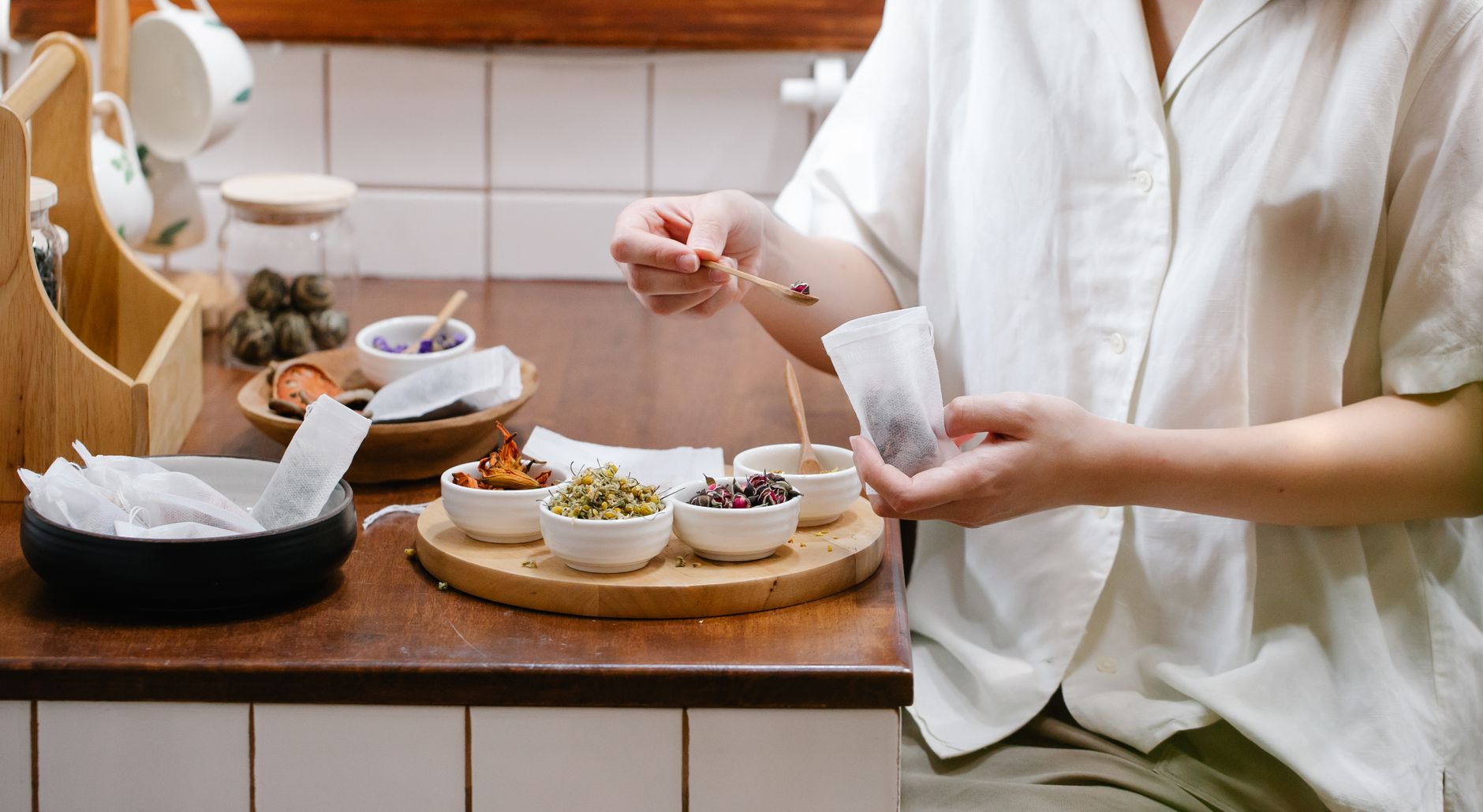
Consider swapping pennyroyal for one of these pregnancy‑approved herbal teas.
When to call your doctor
If you experience any of the following after consuming pennyroyal tea, seek medical attention promptly:
Severe abdominal pain or cramping
Persistent nausea or vomiting
Yellowing of skin or eyes (jaundice)
Rapid heartbeat, dizziness, or fainting
Signs of miscarriage such as vaginal bleeding or passage of tissue
Any sudden change in fetal movement after the second trimester
Even if symptoms seem mild, contacting your obstetric provider can provide peace of mind and ensure both you and your baby remain healthy. This article is for informational purposes only and does not replace personalized medical advice.
References
American College of Obstetricians and Gynecologists. “Herbal Supplements and Pregnancy.” ACOG Committee Opinion, 2022.
National Health Service (UK). “Herbal remedies and pregnancy.” NHS website, updated 2023.
U.S. Food and Drug Administration. “Safety information on pennyroyal oil and related compounds.” FDA Consumer Updates, 2021.
Centers for Disease Control and Prevention. “Herbal product toxicity.” CDC Health Information, 2020.
Mayo Clinic. “Pennyroyal: Uses, side effects, and safety.” Mayo Clinic Proceedings, 2022.
World Health Organization. “Traditional medicine and maternal health.” WHO Guidelines, 2021.
National Institute for Health and Care Excellence (NICE). “Guidance on herbal medicines in pregnancy.” NICE Clinical Guideline, 2023.
Not sure about the label on Is Pennyroyal Tea Safe During Pregnancy products?
Snap the ingredients list and SafeFilter checks every ingredient for your stage — only 3 free scans this month, then you're locked until reset. Unlimited from $7/mo or $50/yr.
When Shubhra Mishra was expecting her first child in 2016, she was overwhelmed by conflicting food advice — one site said yes, another said never. By the time her second baby arrived in 2019, she realized millions of mothers face the same confusion.
That sparked a five-year journey through clinical nutrition papers, cultural diets, and expert conversations — all leading to BumpBites: a calm, compassionate space where science meets everyday motherhood.
Her long-term vision is to build a global community ensuring safe, supported, and free deliveriesfor every mother — because no woman should face pregnancy alone or uninformed. 🌿
🌍 Stand with mothers, shape safer guidance
Join a small circle of experts who review BumpBites articles so expecting parents everywhere can decide with confidence.