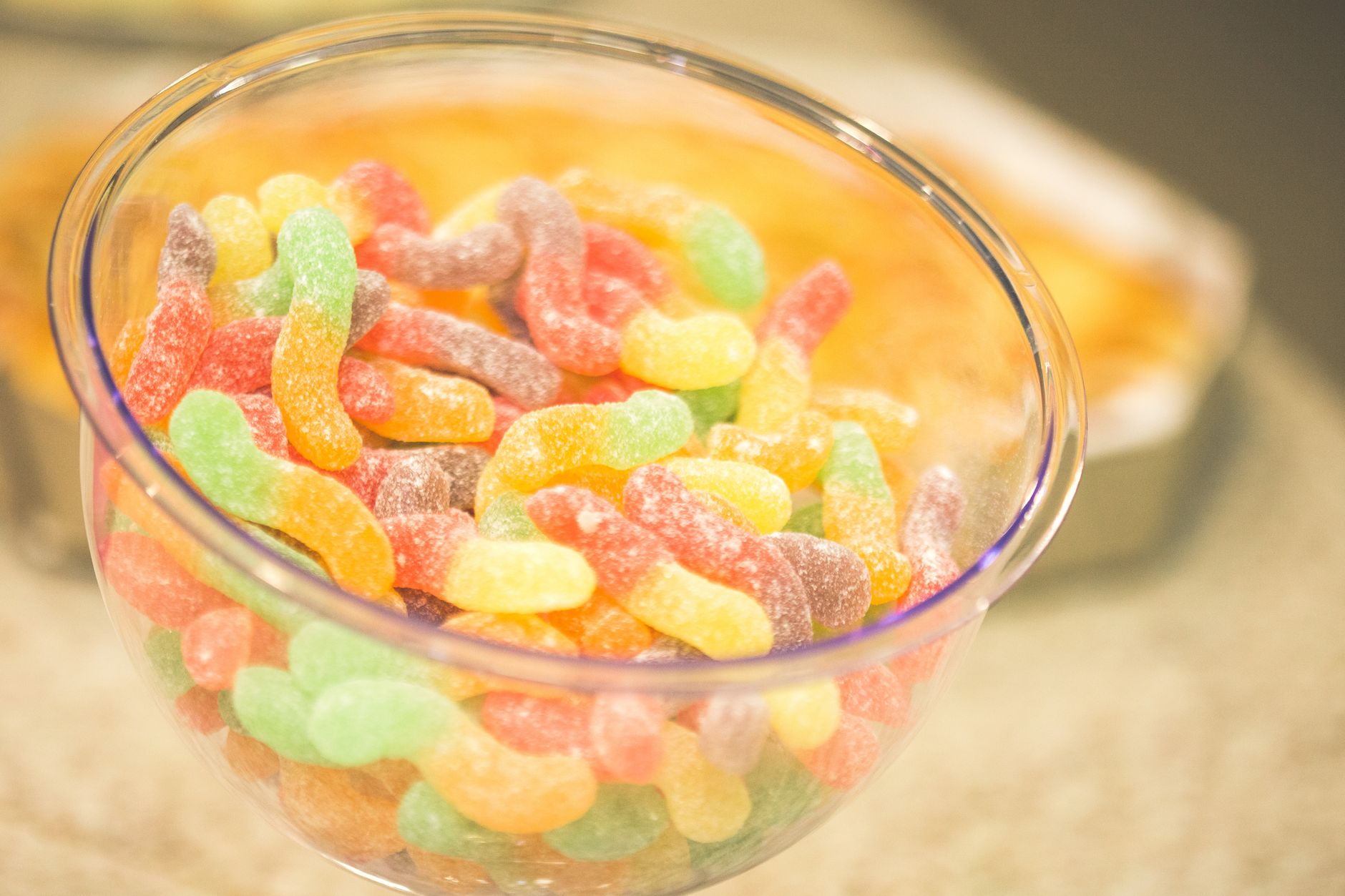
Safe in moderation. Peach rings are generally safe during pregnancy if consumed occasionally, but limit intake due to sugar and artificial additives, especially in the first trimester.
By Shubhra Mishra — a mom of two who turned her own confusion during pregnancy into BumpBites, a global mission to make food choices clear, safe, and stress-free for every expecting mother. 💛
Check whether any food is safe during pregnancy with the BumpBites Food Safety Checker.
Quick verdict: ⚠️ Safe with limits – occasional peach rings are generally okay, but keep portions small and watch for added sugars and artificial colors.
It’s 2 a.m., the pantry light flickers, and you’re wondering, “is peach rings safe during pregnancy?” You might have already popped a few while scrolling through a late‑night recipe video, or you may be eyeing the bright, gummy packets at the checkout aisle. Either way, you deserve a clear answer without the anxiety. The short answer is that peach rings are not outright prohibited, but they should be enjoyed in moderation because of their sugar load and artificial additives.
In this article we’ll break down exactly what peach rings are, what health authorities such as ACOG, the NHS, and the FDA say about their safety, and how the risk profile changes across each trimester. We’ll also tell you how many you can comfortably eat each day, which brands (if any) are a better choice, and what healthier candy alternatives you might reach for instead. By the end, you’ll have a practical plan and the confidence to enjoy a sweet treat without unnecessary worry.
We know the “what if” spiral can feel endless—especially when you’ve already enjoyed a handful before you realized you were pregnant. Take a breath. Most of the concerns revolve around added sugar, artificial dyes, and the overall nutritional balance of your diet, not the gummy base itself. Below you’ll find a trimester‑by‑trimester safety snapshot, practical portion guidelines, and a list of safer snack ideas that still satisfy a craving for something sweet and chewy.
Stage of pregnancy
Verdict
Notes
First trimester
⚠️ Safe with limits
Limit to ≤ 2‑3 pieces per day; watch for artificial dyes.
Second trimester
⚠️ Safe with limits
Same portion guidance; consider overall sugar intake.
Third trimester
⚠️ Safe with limits
Maintain portion size; avoid excess sugar to support fetal growth.
Breastfeeding
⚠️ Safe with limits
Moderation is key; high sugar can affect milk composition.
What are peach rings?
Peach rings belong to the broader family of gummy candies. They are small, chewy, fruit‑flavored pieces that get their peach taste from a blend of natural and artificial flavorings, sweeteners (usually sucrose or corn syrup), and food‑grade gelatin which gives them their characteristic texture. The vivid orange‑pink hue typically comes from synthetic dyes such as Red 40 (Allura Red AC) and Yellow 5 (Tartrazine). Manufacturers often add a modest amount of citric acid for tanginess and a coating of oil or wax to keep the gummies from sticking together.
While the basic formula is fairly uniform, there is a surprising amount of variety on the market. Some brands use real fruit juice concentrates instead of plain corn syrup, which can lower the glycemic impact slightly. Others replace gelatin with pectin or agar‑agar to create a vegetarian‑friendly version. Packaging also differs: individual snack‑size bags, bulk jars, and resealable pouches each affect how many pieces you might consume in one sitting. Understanding these nuances helps you choose a product that aligns with your nutritional goals and any dietary restrictions you may have.
Is peach rings safe during pregnancy?
Overall, is peach rings safe during pregnancy hinges on three main considerations: sugar load, artificial colorants, and gelatin source. The American College of Obstetricians and Gynecologists (ACOG) advises pregnant people to limit added sugars to less than 10 % of daily calories, roughly 12 teaspoons (50 g) per day. A typical serving of peach rings (about 15 g) contains around 7 g of sugar, so a few pieces fit comfortably within that limit. The FDA has approved the color additives commonly used in peach rings for general consumption, but the NHS notes that some pregnant individuals may experience heightened sensitivity to synthetic dyes, potentially leading to mild headaches or allergic‑type reactions.
Current guidance from ACOG and the UK’s NHS therefore classifies peach rings as “acceptable in moderation.” The risk is not from the gummy base itself—gelatin is derived from animal collagen and poses no known teratogenic threat—but from the cumulative effect of sugar and artificial dyes on overall maternal nutrition and fetal development. Studies on high‑sugar diets during pregnancy link excessive glucose spikes to increased odds of gestational diabetes and macrosomia (large‑for‑gestational‑age babies). Meanwhile, research on artificial food colors suggests a possible association with hyperactivity in children, though evidence remains inconclusive for prenatal exposure. In short, occasional peach rings are fine; the key is to keep them an occasional treat rather than a daily habit.
International guidelines echo this moderation message. The World Health Organization (WHO) recommends that adults, including pregnant people, keep free sugars under 5 % of total energy intake for additional health benefits; this translates to roughly 25 g of sugar per day. If you’re already meeting that target through fruit, dairy, and other foods, you’ll want to limit peach rings even more tightly. Conversely, the British National Institute for Health and Care Excellence (NICE) does not flag gummy candies as a specific risk, but it does emphasize a balanced diet rich in whole foods. Bottom line: the evidence supports occasional consumption, provided you stay mindful of total sugar and dye exposure.
Safety by trimester
First trimester
The first trimester is the period of organogenesis, when the baby’s major organs form, making it the most sensitive window for teratogenic exposures. However, peach rings do not contain known teratogens. The primary concern remains sugar and artificial dyes, both of which are safe in low amounts. ACOG’s first‑trimester nutrition guidelines recommend keeping added sugars under 10 % of total calories, which translates to roughly 6‑7 g of sugar per snack. One or two peach rings (≈ 5‑6 g sugar) fit comfortably within this limit. If you have a history of dye sensitivity or gestational diabetes, you may wish to skip them entirely or choose a dye‑free brand.
It’s also a good time to consider cravings that often accompany early pregnancy. Some people find that the sweet, chewy texture of gummies can help settle nausea, but remember that the sugar spike can be counterproductive if you’re already dealing with fluctuating blood‑glucose levels. Pairing a small serving with a protein‑rich snack—like a handful of nuts or a slice of cheese—can help blunt the glycemic impact.
Second trimester
By the second trimester, the fetus’s organs are largely formed, and the focus shifts to supporting growth. The same sugar and dye considerations apply. The NHS advises that moderate sugar intake is acceptable, but encourages pregnant people to prioritize nutrient‑dense foods. If you’re already meeting your daily fruit and vegetable goals, a handful of peach rings is unlikely to cause trouble. Still, keep the portion to no more than three rings per day to stay within the recommended added‑sugar ceiling.
Many expectant mothers report an increase in cravings for sweet foods during this phase. If you find yourself reaching for peach rings daily, consider swapping one serving for a naturally sweet option like fresh peach slices or a small fruit‑based smoothie. This approach delivers vitamins, fiber, and antioxidants that gummy candies lack, while still satisfying the desire for sweetness.
Third trimester
In the third trimester, the baby’s weight gain accelerates, and maternal energy needs rise. Maintaining a balanced intake of carbohydrates, protein, and healthy fats is crucial for both you and your baby. Excessive sugar can contribute to gestational diabetes and excessive fetal growth, which may increase the likelihood of a cesarean delivery. Keeping peach rings to a modest portion—again, no more than three to four pieces per day—helps you stay within the ACOG 10 % added‑sugar guideline.
Hydration also becomes more important as your blood volume expands. Gummy candies can be deceptively dehydrating because the sugar draws water into the digestive tract. Pairing peach rings with a glass of water or a low‑sugar beverage can help maintain fluid balance and reduce the risk of constipation, a common third‑trimester complaint.
Breastfeeding
While the baby is no longer in the womb, the composition of your breast milk can still be influenced by your diet. High‑sugar foods may modestly increase the lactose content of milk, potentially leading to fussier feedings if your infant is sensitive to sweetness. The ACOG and NHS both advise breastfeeding parents to continue limiting added sugars, aiming for the same <10 % of total calories guideline used during pregnancy. A small serving of peach rings (≤ 3‑4 pieces) is unlikely to cause any measurable effect on milk quality, but it’s wise to keep it occasional rather than habitual.
If you notice your baby becoming unusually fussy after you’ve consumed a sugary snack, consider reducing the amount or switching to a low‑sugar alternative. Tracking any patterns can help you and your pediatrician determine whether a dietary tweak is needed.
Enjoy a handful of peach rings mindfully—pair them with a glass of water to help balance sugar intake.
Safe dosage / amount / brands
Because peach rings are a candy, there is no medically prescribed “dose.” Instead, we use portion size as a guide. The typical nutrition label lists a serving as 15 g (about 15‑20 rings) with 7 g of sugar. To stay within the ACOG recommendation of no more than 12 teaspoons (≈ 50 g) of added sugar per day, you can safely enjoy up to three servings (≈ 45 g sugar) only if your overall diet is low in other added sugars. For most pregnant people, staying under two servings per day—roughly 3‑4 rings—is a safer target.
If you prefer a brand that reduces artificial additives, consider:
Brand A Natural Gummies – uses beet‑derived red pigment and no added corn syrup.
Brand B Fruit‑Based Rings – sweetened with fruit juice concentrate, lower sugar per serving.
Brand C Organic Peach Rings – certified organic, free from synthetic dyes, though sugar content is similar.
Brands that are less suitable include those that list high‑fructose corn syrup, multiple artificial dyes, or added caffeine. Always read the ingredient list and nutrition facts before purchasing. If you’re looking for a lower‑glycemic option, some manufacturers now offer “sugar‑free” gummy varieties that replace sucrose with sugar alcohols like erythritol; however, these can cause digestive discomfort in some people, so test a small amount first.
Checking the label helps you stay within your daily sugar budget.
Side effects and risks
Most pregnant people can eat peach rings without serious complications, but a few side effects deserve attention:
Blood‑sugar spikes: Rapid rise in glucose can be problematic for those with gestational diabetes or insulin resistance.
Artificial dye reactions: Symptoms may include mild headaches, itchy skin, or hives. If you notice these after eating colored candy, consider switching to dye‑free options.
Dental decay: The sticky, sugary nature of gummies can promote cavities, especially if oral hygiene is lax.
Digestive upset: Overconsumption of sugar alcohols in “sugar‑free” versions may cause bloating or diarrhea.
These issues are generally not emergencies, but if you experience severe allergic reactions (difficulty breathing, swelling of lips or tongue) you should seek medical attention immediately. For gestational diabetes patients, a sudden, persistent high blood‑sugar reading after a sugary snack warrants a call to your provider.
Safer alternatives
If you love the chewy, sweet experience of peach rings but want to cut back on added sugars and artificial dyes, there are plenty of tasty options that still satisfy a craving.
Fresh peach slices – naturally sweet, high in vitamins A and C, and free from added sugars.
Dried apricots – nutrient‑dense, but watch portion size for sugar.
Fruit gummies made with natural colors – use plant‑based pigments like beet or turmeric.
Organic fruit leather – thin, chewy, and often low in added sweeteners.
Fresh berries – antioxidant‑rich and low in sugar.
Plain yogurt with fruit – protein‑rich and supports gut health.
Homemade gelatin‑free fruit snacks – customize ingredients and sweetness.
Frozen grapes – naturally sweet, hydrating, and fun to eat.
Dark chocolate (70 %+ cacao) – a small square offers depth of flavor with less sugar.
Related items — safety at a glance
Item
Verdict
One‑line note
Jelly Belly gummy candies
⚠️ Safe with limits
Similar sugar and dye profile as peach rings.
Haribo Goldbears
⚠️ Safe with limits
Contains gelatin and artificial colors; watch portion.
Swedish Fish
⚠️ Safe with limits
Higher sugar per piece; consider smaller servings.
Sour Patch Kids
⚠️ Safe with limits
Acidic coating can affect dental health.
Welch's Fruit Snacks
⚠️ Safe with limits
Often contain fruit juice but still high in added sugar.
Gummy Worms
⚠️ Safe with limits
Standard gummy ingredients; same moderation advice.
Mott's Candy Fruit Snacks
⚠️ Safe with limits
Usually made with real fruit puree but still sugary.
Albanese peach flavored gummy candies
⚠️ Safe with limits
Natural flavor, but contains Red 40 dye.
Myth vs. fact
Myth: All gummy candies are unsafe because of gelatin.
Fact: Gelatin itself is not a teratogen; the concern is mostly about added sugars and artificial dyes.
Myth: If a candy is “fruit‑flavored,” it must be healthy.
Fact: Flavor does not equal nutrition; many fruit‑flavored gummies contain little real fruit and a lot of added sugar.
Myth: Artificial colors are completely harmless during pregnancy.
Fact: While FDA‑approved, some pregnant individuals experience heightened sensitivity, so moderation is advisable.
Myth: Eating any candy will cause a miscarriage.
Fact: No credible evidence links moderate candy consumption to miscarriage; the key is overall diet quality and sugar balance.
Key takeaways
Peach rings are generally safe in moderation; aim for ≤ 3‑4 pieces per day.
Watch total added sugar across your diet to stay under ACOG’s 10 % guideline.
If you’re sensitive to artificial dyes, choose brands that use natural colors or avoid them altogether.
For gestational diabetes, treat peach rings as a sugary treat and count them toward your carbohydrate budget.
Healthier alternatives—fresh fruit, natural‑color gummies, or unsweetened applesauce—can satisfy sweet cravings with fewer downsides.
Always pair candy with water and good oral hygiene to protect dental health.
Frequently asked questions
Can pregnant women eat gummy candies?
Yes, most gummy candies, including peach rings, are safe in moderation; the main considerations are added sugar and artificial color intake.
Are artificial food dyes safe during pregnancy?
Artificial dyes approved by the FDA are considered safe for the general population, but some pregnant people may experience mild reactions, so limiting exposure is prudent.
What are the symptoms of food dye sensitivity in pregnancy?
Common signs include headaches, skin itching or hives, and occasional nausea; if symptoms are severe or include swelling, seek medical care promptly.
Is it okay to eat candy if I have morning sickness?
Yes, small amounts of candy can help settle nausea for some, but choose low‑acid, low‑sugar options and avoid excessive consumption.
Do peach rings contain gelatin that is unsafe for pregnancy?
Peach rings typically contain gelatin derived from animal collagen, which is not harmful to the fetus; the safety concern lies in sugar and dye content, not gelatin.
How does sugar intake affect pregnancy?
High sugar intake can increase the risk of gestational diabetes, excessive weight gain, and larger birth weight; moderating sweets helps maintain healthy glucose levels.
Can I eat peach rings if I am vegetarian?
Traditional peach rings use gelatin, which is animal‑derived and not vegetarian; look for pectin‑ or agar‑based versions that are labeled “vegetarian” or “vegan” if you avoid animal products.
Are peach ring gummies safe for my baby after birth?
While the candy itself isn’t harmful, it’s best to limit sugary treats for infants; once your baby is older and eating solid foods, occasional gummy candy can be offered in very small amounts, but always prioritize nutrient‑dense foods.
When to call your doctor
If you notice any of the following after eating peach rings, contact your obstetric provider right away:
Severe allergic reaction (trouble breathing, swelling of lips or tongue).
Sudden, persistent high blood‑sugar readings if you have gestational diabetes.
Unexplained persistent headache or rash that you suspect is linked to food dyes.
Signs of dehydration or excessive thirst that could indicate high glucose.
These guidelines are informational only and do not replace personalized medical advice. Always discuss your diet and any concerns with your healthcare provider.
References
American College of Obstetricians and Gynecologists. “Nutrition During Pregnancy.” ACOG Committee Opinion, 2023.
National Health Service (UK). “Foods to avoid in pregnancy.” NHS, updated 2022.
U.S. Food and Drug Administration. “Food Additives: Color Additives.” FDA, accessed 2024.
Centers for Disease Control and Prevention. “Gestational Diabetes.” CDC, 2023.
Mayo Clinic. “Gestational diabetes diet: What to eat.” Mayo Clinic, 2023.
World Health Organization. “Guidelines on sugar intake for adults and children.” WHO, 2022.
National Institute for Health and Care Excellence (UK). “Nutrition in pregnancy and lactation.” NICE, 2021.
Not sure about the label on Is Peach Rings Safe During Pregnancy products?
Snap the ingredients list and SafeFilter checks every ingredient for your stage — only 3 free scans this month, then you're locked until reset. Unlimited from $7/mo or $50/yr.
When Shubhra Mishra was expecting her first child in 2016, she was overwhelmed by conflicting food advice — one site said yes, another said never. By the time her second baby arrived in 2019, she realized millions of mothers face the same confusion.
That sparked a five-year journey through clinical nutrition papers, cultural diets, and expert conversations — all leading to BumpBites: a calm, compassionate space where science meets everyday motherhood.
Her long-term vision is to build a global community ensuring safe, supported, and free deliveriesfor every mother — because no woman should face pregnancy alone or uninformed. 🌿
🌍 Stand with mothers, shape safer guidance
Join a small circle of experts who review BumpBites articles so expecting parents everywhere can decide with confidence.