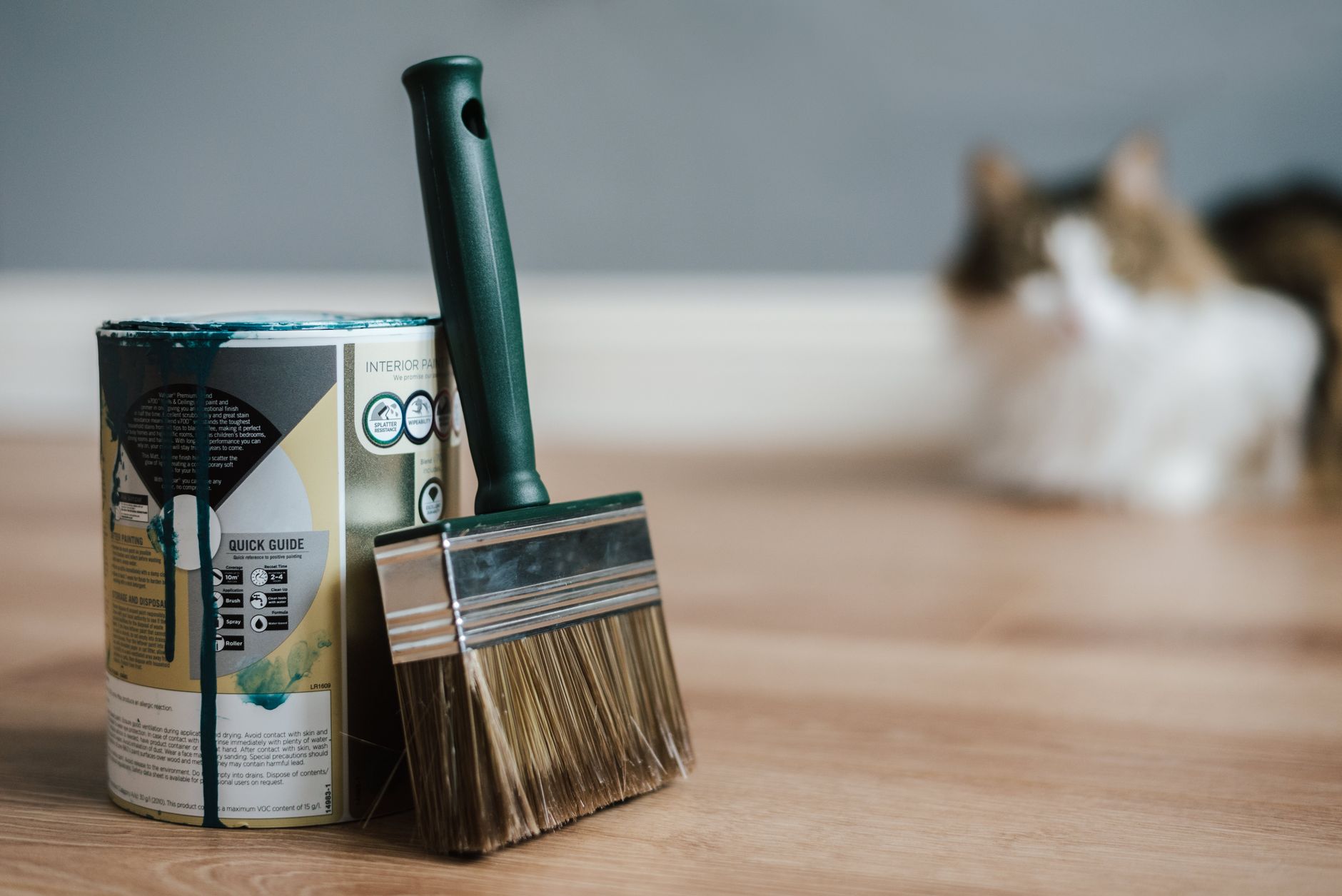
Limit paint fumes during pregnancy, especially in the first trimester; keep exposure under 2 hours daily. Is paint fumes safe during pregnancy? Verdict: limit.
By Shubhra Mishra — a mom of two who turned her own confusion during pregnancy into BumpBites, a global mission to make food choices clear, safe, and stress-free for every expecting mother. 💛
Check whether any food is safe during pregnancy with the BumpBites Food Safety Checker.
Quick verdict: ❌ Paint fumes are best avoided during pregnancy. Even low‑VOC paints can release volatile organic compounds (VOCs) that may irritate your lungs and cross the placenta, so the safest approach is to limit exposure as much as possible.
It’s 2 a.m., the house is quiet, and you’re scrolling through the internet wondering, “is paint fumes safe during pregnancy?” You may have already started a fresh coat in the living room, or you might be planning a weekend project and want to know if it’s worth postponing. First, breathe easy—you're not alone, and many expectant parents share this exact worry.
In short, most obstetric authorities, including the American College of Obstetricians and Gynecologists (ACOG) and the UK’s NHS, advise pregnant people to avoid inhaling paint fumes whenever possible. The risk isn’t about a single “dangerous dose” but about cumulative exposure to volatile organic compounds (VOCs) that can irritate the respiratory system and, in theory, affect fetal development.
This article walks you through the evidence, breaks down safety by trimester, outlines practical exposure limits, and offers safer paint options and protective measures. We’ll also compare common painting supplies, bust a few myths, and give you a clear action plan—so you can decide whether to pick up the brush or wait until after delivery.
Opening windows and using fans can dramatically lower paint‑fume concentrations.
Stage
Verdict
Notes
1st trimester
❌ Avoid
Organ formation is most vulnerable; limit any inhalation of VOCs.
2nd trimester
⚠️ Limit
Reduced risk but still advisable to keep exposure brief and well‑ventilated.
3rd trimester
⚠️ Limit
Fetal growth continues; avoid prolonged exposure.
Breastfeeding
⚠️ Caution
VOCs can linger in indoor air; maintain good ventilation.
What are paint fumes?
Paint fumes are the mixture of gases released when paint dries or cures. The main culprits are volatile organic compounds (VOCs) such as toluene, xylene, formaldehyde, and acetone. These compounds evaporate into the air, creating the characteristic “sharp” odor that many people find irritating. In addition to VOCs, some paints contain pigments and additives that can become airborne as fine particles.
People use paint for a wide range of home‑improvement tasks, from refreshing a bedroom wall to updating kitchen cabinets. While modern formulations have reduced the overall VOC content, no paint is completely VOC‑free unless it is specifically marketed as “zero‑VOC.” The amount of exposure depends on factors like ventilation, the size of the painted area, the type of paint (oil‑based vs. water‑based), and the duration of the painting session.
Because VOCs can be absorbed through the lungs and cross the placenta, they have the potential to affect both the mother’s health and fetal development. Understanding how much exposure is considered “safe” is therefore essential for pregnant people who want to protect themselves and their babies.
Beyond the chemicals themselves, the physical process of painting can stir up dust and particulate matter, especially when sanding or using rollers. These particles, while generally less hazardous than VOCs, can still irritate the respiratory tract. The combination of chemical and particulate exposure is why many health agencies treat paint work as a potential indoor‑air quality concern for pregnant households.
Is paint fumes safe during pregnancy?
C
urrent guidance from leading health organizations is clear: pregnant individuals should minimize exposure to paint fumes. ACOG states that “any inhalation of chemicals with known or suspected teratogenic effects should be avoided during pregnancy.” The NHS echoes this advice, recommending well‑ventilated environments and, when possible, postponing painting projects until after delivery.
The primary concern is the inhalation of VOCs, which can cause headaches, dizziness, and nausea in the mother. While definitive human studies linking paint fumes to birth defects are limited, animal research has shown that high‑level VOC exposure can interfere with fetal development, especially during the first trimester when organogenesis occurs.
Because the risk is dose‑dependent and cumulative, the safest approach is to treat any amount of paint‑fume exposure as something to be limited. Even low‑VOC paints, which contain fewer harmful chemicals, still release measurable amounts of VOCs during drying and curing. Therefore, the consensus among obstetric experts is to avoid direct, prolonged exposure whenever possible.
International bodies such as the UK's National Institute for Health and Care Excellence (NICE) and the World Health Organization (WHO) also advise pregnant people to limit exposure to indoor pollutants, including VOCs from paints. These guidelines are based on precautionary principles that prioritize fetal safety when scientific certainty is still emerging. In practice, this means opting for the most ventilated, low‑chemical options or postponing the project entirely.
Using fans and open windows can help disperse paint fumes quickly.
Are paint fumes safe during the first trimester of pregnancy?
The first trimester is the period of organogenesis, when the baby’s major organs are forming. During this window, the fetus is most sensitive to teratogenic agents—substances that could cause birth defects. Because VOCs can cross the placenta, ACOG advises pregnant people to avoid any unnecessary inhalation of paint fumes in the first trimester.
If you must paint, keep the session under 30 minutes, work in a small, well‑ventilated room, and wear a certified respirator. However, the safest recommendation is to postpone painting until after the first trimester or, ideally, after delivery.
Many clinicians also recommend checking the paint’s safety data sheet (SDS) for specific VOC concentrations before starting any project. The SDS will list the exact compounds present and their permissible exposure limits, giving you a clearer picture of the potential risk. In the first trimester, even brief exposure to high‑VOC products can be more concerning, so err on the side of caution.
How much exposure to paint fumes is considered safe for pregnant women?
There is no universally accepted “safe dose” for paint fumes, but occupational guidelines provide useful reference points. The U.S. Occupational Safety and Health Administration (OSHA) sets permissible exposure limits (PELs) for individual VOCs (e.g., 100 ppm for toluene over an 8‑hour workday). For pregnant individuals, many experts suggest staying well below these limits—aiming for no more than 2 hours of exposure per day in a space with at least 10 air changes per hour.
Practical recommendations include:
Open windows and use fans to achieve rapid air turnover.
Paint in short bursts (no longer than 30 minutes) with breaks in fresh air.
Prefer low‑VOC or zero‑VOC paints, which emit fewer chemicals.
Avoid using spray cans in enclosed spaces; opt for brush‑on applications.
Consider using a portable indoor‑air‑quality monitor that measures VOC levels (e.g., a handheld electronic sensor) to verify that concentrations stay below 300 µg/m³, a threshold commonly cited for healthy indoor air.
Remember that the “safe” threshold is a guideline, not a guarantee. If you notice any symptoms (headache, dizziness, nausea) during or after painting, step away, increase ventilation, and consider postponing further work.
What are the risks of inhaling paint fumes while pregnant?
Short‑term exposure can cause typical VOC symptoms—headaches, dizziness, nausea, and eye irritation. In pregnant people, these symptoms can overlap with common pregnancy discomforts, making it harder to distinguish the cause.
Long‑term or high‑level exposure may increase the risk of respiratory irritation, exacerbate asthma, and, based on animal studies, potentially interfere with fetal growth. While definitive human data linking paint fumes to specific birth defects are scarce, the precautionary principle drives the recommendation to limit exposure.
Beyond the immediate respiratory effects, some VOCs have been associated with endocrine disruption. For example, toluene exposure in animal models has been shown to affect hormone levels that regulate fetal development. Although the concentrations encountered in typical residential painting are far lower than those used in research, the cumulative nature of exposure encourages a conservative approach.
Can low‑VOC paint be used safely during pregnancy?
Low‑VOC paints contain fewer volatile organic compounds than traditional paints, but they are not completely free of fumes. The NHS notes that low‑VOC paints “still emit odors and should be used with good ventilation.” ACOG does not differentiate between low‑VOC and regular paints in its core recommendation—both should be used with caution.
If you choose low‑VOC paint, follow these steps:
Paint in a well‑ventilated room (open windows, use fans).
Wear a NIOSH‑approved respirator (rated for organic vapors).
Allow at least 24 hours of fresh‑air circulation before re‑entering the room.
Check the label for the exact VOC content; products with VOC ≤ 50 g/L are considered low‑VOC by EPA standards.
Even with these precautions, many obstetricians still advise postponing any painting until after the baby is born, especially during the first trimester. If you cannot wait, keep sessions brief and prioritize airflow.
What are safe alternatives to painting during pregnancy?
Low‑VOC Behr Premium Plus Ultra – reduces VOC exposure while delivering good coverage.
Zero‑VOC Benjamin Moore Natura – virtually eliminates VOC emissions.
Annie Sloan Chalk Paint – can be used without sanding and emits minimal fumes.
Natural clay paint (Earth Paint) – made from earth‑derived pigments, low odor.
Wall decals – instantly refresh a room’s look with no chemicals.
Fabric wall panels – add texture and color without painting.
Spray‑on wallpaper (NuWallpaper) – applied with a roller, free of paint fumes.
Pre‑finished furniture – update your décor without any painting at all.
Color‑changing LED strips – provide a modern aesthetic without any chemical exposure.
Textile throw pillows and blankets – a quick way to add color without any fumes.
Is it safe to use specific paint brands like Behr or Sherwin‑Williams while pregnant?
Both Behr and Sherwin‑Williams offer low‑VOC and zero‑VOC lines. While these products reduce the amount of VOCs released, they are not completely free of chemicals that could irritate the respiratory system. The safest stance, endorsed by the CDC and ACOG, is to treat any paint—regardless of brand—as a potential source of exposure and to use the same protective measures.
If you must use a brand‑specific product, verify that it is labeled “Zero‑VOC” and follow the manufacturer’s ventilation recommendations. Even then, keep exposure under 30 minutes per session and ensure the area is well‑ventilated.
Do paint fumes affect pregnancy complications such as morning sickness?
Morning sickness is a common early‑pregnancy symptom, and the strong odor of paint can exacerbate nausea. While paint fumes do not cause morning sickness, they can intensify it. If you experience heightened nausea while painting, it’s a sign to stop, increase ventilation, and consider postponing the project.
Some studies suggest that strong odors—whether from paint, cleaning products, or cooking—can trigger nausea in pregnant people with hyperemesis gravidarum, a severe form of morning sickness. Reducing exposure to strong smells is therefore a simple, evidence‑based way to help manage symptoms.
What protective measures reduce paint fume exposure for pregnant homeowners?
Here are evidence‑backed strategies to keep paint fumes at a minimum:
Ventilation: Open windows on opposite sides of the room and use exhaust fans to create a cross‑draft.
Respirators: Use a NIOSH‑approved respirator rated for organic vapors (e.g., N95 with VOC cartridge).
Timing: Paint during warmer weather when windows can stay open longer.
Low‑VOC/Zero‑VOC paints: Choose products with the lowest possible VOC content.
Short sessions: Limit each painting session to 30 minutes, then leave the room for at least an hour.
Air purifiers: Deploy a HEPA‑plus‑activated‑carbon air purifier to capture both particles and VOCs.
Pre‑painting prep: Remove dust and debris before painting to reduce the amount of particulate matter that can become airborne.
In addition to these measures, consider a “test‑run” by painting a small, inconspicuous area first. This helps you gauge how quickly odors dissipate and whether your ventilation plan is sufficient before committing to a larger project.
Safe dosage / amount / brands
Because paint fumes are not measured in milligrams like a medication, safety is expressed in terms of exposure time and ventilation. The following table summarizes practical limits and brand recommendations:
Guideline
Recommended limit
Notes / Brand examples
Maximum continuous exposure
≤ 30 minutes per session
Break for fresh air; repeat only after 1 hour of ventilation.
Ventilation rate
≥ 10 air changes per hour
Achieved with open windows + fans.
Preferred low‑VOC paint
VOC ≤ 50 g/L
Behr Premium Plus Ultra, Sherwin‑Williams Harmony.
Zero‑VOC paint
VOC = 0 g/L
Benjamin Moore Natura, Earth Paint clay paints.
Air‑purifier rating
HEPA + activated carbon
Captures particles and adsorbs VOCs; run for at least 30 minutes after painting.
Side effects and risks
Short‑term exposure may cause:
Headache or dizziness—common with VOC inhalation.
Eye, nose, or throat irritation.
Exacerbation of existing asthma or respiratory conditions.
More serious signs that warrant immediate medical attention include:
Persistent shortness of breath or chest tightness.
Severe nausea or vomiting that does not improve with rest.
Swelling of the face, lips, or tongue—possible allergic reaction.
If any of these symptoms appear, call your healthcare provider right away. Remember, these warnings are precautionary; most short, well‑ventilated exposures cause only mild irritation.
Safer alternatives
Low‑VOC Behr Premium Plus Ultra – reduces chemical load while delivering smooth coverage.
Zero‑VOC Benjamin Moore Natura – virtually eliminates VOC emissions for sensitive environments.
Annie Sloan Chalk Paint – can be applied without sanding and releases minimal fumes.
Natural clay paint (Earth Paint) – made from earth pigments, low odor, and breathable.
Wall decals – instantly change a room’s look with no chemicals.
Fabric wall panels – add texture and color without painting.
Spray‑on wallpaper (NuWallpaper) – applied with a roller, free of paint fumes.
Pre‑finished furniture – refresh your décor without any painting at all.
LED accent lighting – adds visual interest without altering walls.
Removable wallpaper strips – easy to apply and remove, no VOCs involved.
Related items — safety at a glance
Item
Verdict
One‑line note
Oil‑based paint
❌ Avoid
High VOC content; strong fumes even with ventilation.
Often contains methylene chloride, a known teratogen.
Paint rollers
⚠️ Limit
Can release dust; use with proper ventilation.
Paint brushes
⚠️ Limit
Minimal fumes but still benefit from airflow.
Natural oil paint
⚠️ Limit
Lower VOCs than oil‑based, but still emit some fumes.
Water‑based acrylic paint
⚠️ Limit
Generally low VOC, but drying time can affect exposure.
Myth vs. fact
Myth: “All modern paints are safe because they’re labeled low‑VOC.”
Fact: Low‑VOC paints still emit volatile compounds; they reduce but do not eliminate risk. Proper ventilation and limited exposure remain essential.
Myth: “A quick 10‑minute paint job won’t affect the baby.”
Fact: Even short exposures can cause irritation, and the fetus is most vulnerable in the first trimester. Short sessions are safer only when combined with strong ventilation.
Myth: “If I wear a mask, I can paint any time.”
Fact: While a certified respirator reduces inhalation, it does not replace good airflow; masks can degrade over time and may not filter all VOCs.
Myth: “Zero‑VOC paint means zero risk.”
Fact: Zero‑VOC paints eliminate most VOCs, but they can still contain additives that emit mild odors; pregnant people should still use ventilation and limit time.
Key takeaways
Pregnant people should avoid paint fumes whenever possible; the safest choice is to postpone painting.
If painting cannot be delayed, use low‑VOC or zero‑VOC paints, work in short bursts, and ensure strong ventilation.
Wear a NIOSH‑approved respirator and keep exposure under 30 minutes per session.
Consider non‑paint alternatives such as wall decals, fabric panels, or pre‑finished furniture.
Watch for persistent headaches, dizziness, or worsening nausea and contact your provider if they arise.
Use indoor‑air‑quality monitors or activated‑carbon air purifiers to keep VOC levels low.
Frequently asked questions
Can I paint my house while pregnant?
Short answer: It’s best to wait until after delivery, but if you must paint, use low‑VOC products, keep sessions under 30 minutes, and ensure excellent ventilation.
Are low‑VOC paints safe for pregnant women?
Low‑VOC paints lower the amount of volatile chemicals, yet they still release fumes. They are safer than regular paints, but pregnant individuals should still limit exposure and ventilate well.
How long should I wait after painting before it’s safe for a pregnant partner?
Allow at least 24 hours of continuous fresh‑air ventilation; most experts recommend waiting 48 hours for any lingering VOCs to dissipate.
What symptoms indicate paint fume exposure during pregnancy?
Common signs include headaches, dizziness, eye or throat irritation, and worsening nausea. Persistent or severe symptoms warrant a call to your provider.
Do paint fumes cause birth defects?
Direct evidence in humans is limited, but animal studies suggest high‑level VOC exposure can interfere with fetal development; therefore, precautionary avoidance is advised.
Is it okay to use a paint sprayer while pregnant?
Sprayers generate fine aerosol particles that are easily inhaled; most guidelines advise pregnant people to avoid using paint sprayers altogether.
Can I use a mask to protect against paint fumes during pregnancy?
A NIOSH‑approved respirator can reduce inhalation of VOCs, but it should be combined with proper ventilation and limited exposure times for optimal safety.
Is it safe for my partner to be in the room while I’m painting?
If the room is well‑ventilated and you limit the painting session to under 30 minutes, brief exposure is generally considered low risk, but both of you should monitor for any irritation.
Are natural oil paints a safer choice for pregnant painters?
Natural oil paints typically have lower VOC levels than conventional oil‑based paints, but they still emit some fumes; use the same ventilation and time‑limits as with any paint.
Choosing zero‑VOC paints and wearing a respirator adds extra layers of protection.
When to call your doctor
If you experience any of the following after painting, contact your obstetric provider promptly:
Persistent shortness of breath or chest pain.
Severe or prolonged nausea/vomiting that does not improve with rest.
Swelling of the face, lips, or tongue—possible allergic reaction.
New or worsening asthma symptoms.
Any unexplained dizziness or fainting.
These symptoms may indicate significant inhalation of volatile compounds and warrant medical evaluation. This article provides general information and is not a substitute for personalized medical advice.
References
American College of Obstetricians and Gynecologists (ACOG). “Environmental Exposures in Pregnancy.” Clinical Guidance, 2022.
National Health Service (NHS). “Painting and Decorating During Pregnancy.” UK Health Guidance, 2023.
U.S. Occupational Safety and Health Administration (OSHA). “Permissible Exposure Limits for Volatile Organic Compounds.” 2021.
U.S. Centers for Disease Control and Prevention (CDC). “Volatile Organic Compounds and Health.” 2022.
Food and Drug Administration (FDA). “Consumer Safety Information on Paint Products.” 2023.
World Health Organization (WHO). “Indoor Air Quality Guidelines for VOCs.” 2021.
National Institute for Health and Care Excellence (NICE). “Guidance on Indoor Air Quality for Pregnant Women.” 2022.
Mayo Clinic. “Pregnancy and Environmental Hazards.” 2023.
Not sure about the label on Is Paint Fumes Safe During Pregnancy products?
Snap the ingredients list and SafeFilter checks every ingredient for your stage — only 3 free scans this month, then you're locked until reset. Unlimited from $7/mo or $50/yr.
When Shubhra Mishra was expecting her first child in 2016, she was overwhelmed by conflicting food advice — one site said yes, another said never. By the time her second baby arrived in 2019, she realized millions of mothers face the same confusion.
That sparked a five-year journey through clinical nutrition papers, cultural diets, and expert conversations — all leading to BumpBites: a calm, compassionate space where science meets everyday motherhood.
Her long-term vision is to build a global community ensuring safe, supported, and free deliveriesfor every mother — because no woman should face pregnancy alone or uninformed. 🌿
🌍 Stand with mothers, shape safer guidance
Join a small circle of experts who review BumpBites articles so expecting parents everywhere can decide with confidence.