

Quick verdict: ❌ Best avoided. Over‑easy eggs, with a partially runny yolk, carry a salmonella risk that outweighs any nutritional benefit during pregnancy. If you crave eggs, choose fully cooked preparations or safer alternatives.
It’s 2 a.m., the kitchen light is on, and you’ve just cracked an egg into a pan, planning a quick over‑easy breakfast. Then a wave of worry hits: is over‑easy eggs safe during pregnancy? You’re not alone—many expecting parents experience that sudden panic after realizing the yolk might still be runy. The good news is that the answer is clear: most health authorities advise pregnant people to avoid over‑easy eggs because of the potential for food‑borne illness.
In this article we’ll break down exactly why over‑easy eggs are risky, how many you might safely enjoy per week (if any), and what changes you can make to keep your breakfast both nutritious and pregnancy‑friendly. We’ll cover trimester‑specific guidance, the role of salmonella, the impact on gestational diabetes, and whether organic or pasteurized eggs make a difference. By the end, you’ll have a calm, evidence‑based plan and a list of safer egg‑based options.
Eggs are a staple in many cultures, celebrated for their versatility and nutrient density. The temptation to enjoy that velvety yolk is strong, especially when cravings strike. Yet pregnancy brings a heightened need for food safety, and the simple act of adjusting cooking time can transform a beloved dish into a health‑conscious choice. Let’s explore how to enjoy eggs without compromising your baby’s wellbeing.
| Trimester / Breastfeeding | Verdict | Notes |
|---|---|---|
| First trimester | ❌ Best avoided | Highest risk period for fetal organ development; avoid any runny yolk. |
| Second trimester | ❌ Best avoided | Salmonella risk persists; no safe advantage to consuming runny eggs. |
| Third trimester | ❌ Best avoided | Continued risk of infection; fully cooked eggs recommended. |
| Breastfeeding | ❌ Best avoided | Pathogen risk can affect infant; choose fully cooked eggs. |
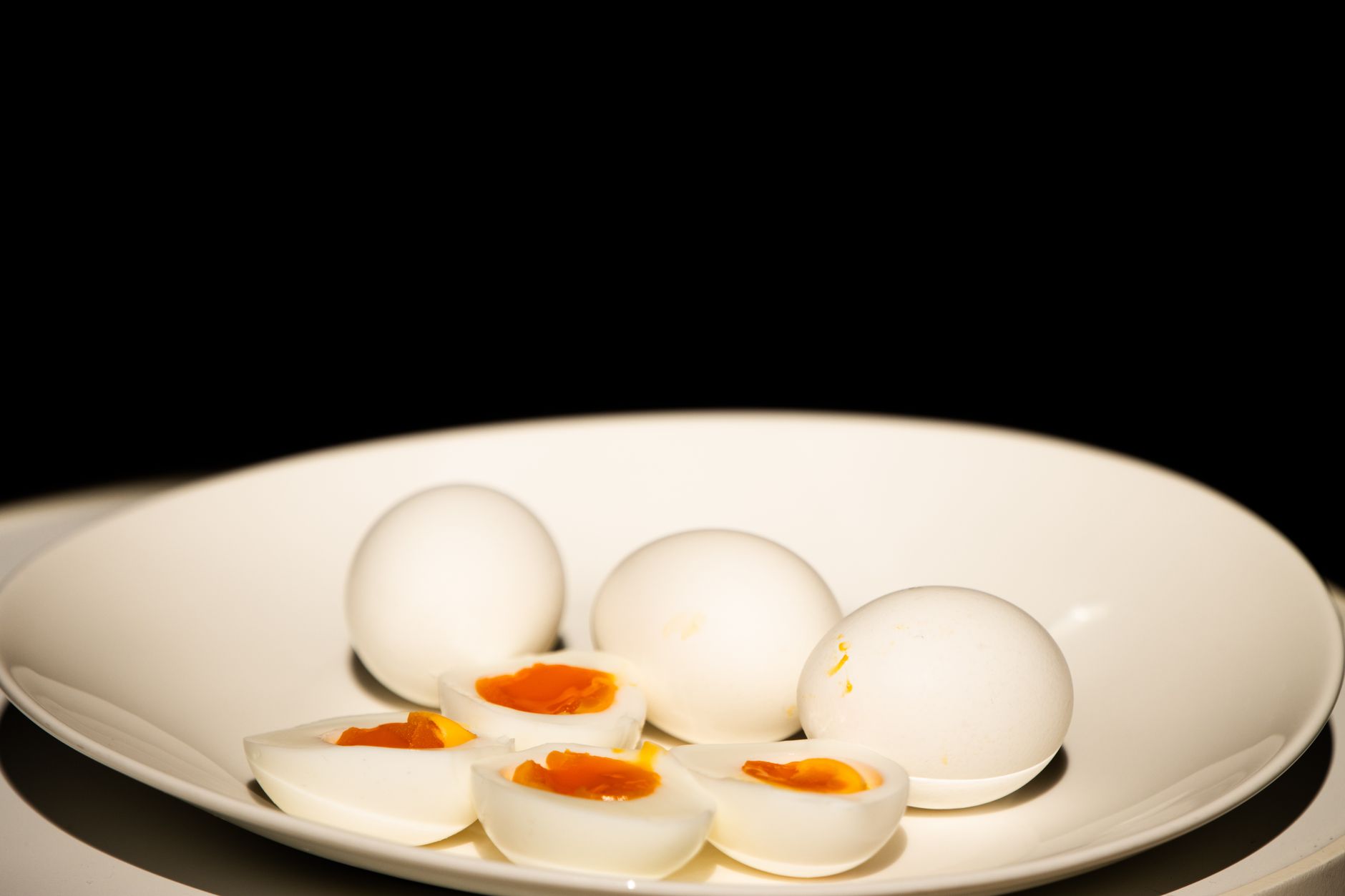
Over‑easy eggs are a style of fried egg where the whites are set but the yolk remains partially liquid, typically achieved by flipping the egg briefly and cooking it just enough to keep the center glossy. The “over‑easy” term refers to the gentle flip (“over”) and the light‑cooking (“easy”). People love them for their creamy texture and the way the yolk can be mixed into toast or a sandwich. Eggs are a rich source of protein, choline, vitamin D, and B‑vitamins, making them a popular choice for pregnant women who need extra nutrients for fetal brain development.
While the nutritional profile of eggs is excellent, the safety of over‑easy eggs during pregnancy is limited by the risk of salmonella contamination. The American College of Obstetricians and Gynecologists (ACOG) advises that pregnant people avoid foods that may contain raw or undercooked eggs because salmonella infection can cause severe gastrointestinal illness, fever, and dehydration, which in turn increase the risk of premature labor and low birth weight. The UK’s NHS echoes this guidance, stating that eggs should be “cooked until both the white and yolk are firm.” The FDA also recommends using pasteurized eggs for any preparation where the yolk remains runny.
Evidence from multiple outbreak investigations shows that pregnant individuals are more susceptible to severe outcomes from salmonella. A 2020 CDC review found that pregnant patients infected with salmonella were twice as likely to be hospitalized compared with non‑pregnant adults. Because over‑easy eggs leave the yolk partially liquid, they do not meet the “fully cooked” standard required to inactivate salmonella bacteria. Even if the egg appears fresh, the internal temperature may not reach the 71 °C (160 °F) threshold needed for safety.
Is it safe to eat over easy eggs in the first trimester?
The first trimester is the period of organogenesis, when the baby’s major organs form. During this window, any infection that triggers a high fever can be especially harmful. ACOG’s “Nutrition During Pregnancy” guidelines specifically list “under‑cooked eggs” as foods to avoid in the first trimester. Because over‑easy eggs have a runny yolk, they fall squarely into the “under‑cooked” category. Even a single episode of salmonella‑related fever in early pregnancy can increase the risk of miscarriage or congenital anomalies.
If you’ve already enjoyed an over‑easy egg before realizing you were pregnant, try not to panic. Most cases of mild salmonella resolve with supportive care, but you should monitor for symptoms such as fever, diarrhea, or abdominal cramps. Contact your provider promptly if any of these develop, especially in the first trimester.
How many over easy eggs can a pregnant woman safely eat per week?
Given the infection risk, the consensus among obstetric authorities is that over‑easy eggs should be avoided altogether, regardless of frequency. The safest approach is to keep the weekly count at zero. If you prefer to include eggs in your diet, switch to fully cooked preparations—hard‑boiled, scrambled (cooked through), or poached (white set, yolk firm). These methods reliably reach the temperature needed to kill salmonella, allowing you to enjoy the nutritional benefits without the pathogen risk.
For those who are determined to keep some yolk in their meals, the only FDA‑approved option is to use pasteurized eggs. Pasteurization heats the egg just enough to eliminate bacteria while preserving the liquid texture. However, even pasteurized eggs are recommended to be fully cooked for pregnant individuals, as a precautionary measure endorsed by the NHS.
Can over easy eggs cause salmonella risk during pregnancy?
Yes. Salmonella is a bacterium that can live inside the egg’s yolk or on its shell. When an egg is cooked only lightly, the interior temperature may stay below the 71 °C (160 °F) threshold needed to kill the bacteria. The CDC estimates that about 1 in 20,000 eggs in the United States is contaminated with salmonella, but the infection can be severe for pregnant people.
Symptoms typically appear 12–72 hours after ingestion and include nausea, vomiting, abdominal cramps, fever, and diarrhea. In pregnancy, these symptoms can lead to dehydration and fever, both of which have been linked to preterm labor. Therefore, avoiding any preparation that leaves the yolk runny—over‑easy, sunny‑side up, soft‑boiled, or runny‑egg dishes—is the most prudent strategy.
What are safe egg preparations for pregnant women?
Safe egg preparations are those that ensure the egg reaches an internal temperature of at least 71 °C (160 °F) throughout. The following methods meet that standard:
- Hard‑boiled eggs: Boil for 9–12 minutes; both white and yolk become firm.
- Scrambled eggs: Cook until no liquid remains and the eggs are no longer shiny.
- Poached eggs: Cook until the white is set and the yolk is firm (often 4 minutes for a “well‑cooked” poach).
- Egg white omelette: Use only whites, cooking until fully set.
- Cooked egg muffins: Bake in the oven until the center is firm.
All of these methods keep the egg’s interior hot enough to neutralize salmonella, satisfying ACOG and NHS recommendations.
Are organic over easy eggs safer for pregnancy?
Choosing organic eggs reduces exposure to certain pesticides and may improve animal welfare, but it does **not** eliminate the salmonella risk associated with a runny yolk. The USDA’s organic standards focus on farming practices, not on bacterial contamination. Both the CDC and FDA stress that the cooking method—not the egg’s origin—is the key factor for safety. If you prefer organic eggs, still cook them thoroughly or use pasteurized organic eggs if you need a liquid‑yolk texture for recipes.
What are the risks of eating over easy eggs if you have gestational diabetes?
Gestational diabetes primarily requires careful monitoring of carbohydrate intake, and eggs are low in carbs. However, the primary concern with over‑easy eggs for anyone with gestational diabetes is still salmonella. An infection can cause nausea, vomiting, and loss of appetite, making blood‑glucose control more difficult. Moreover, any fever can increase insulin resistance, potentially worsening glucose levels. Therefore, the safest approach is to avoid over‑easy eggs entirely and opt for fully cooked egg dishes.
Can I eat over easy eggs if I am pregnant and have a weakened immune system?
Pregnancy already modulates the immune system, and some individuals have additional immunocompromising conditions (e.g., HIV, immunosuppressive therapy). For these people, the consequences of a salmonella infection can be far more severe, including sepsis. ACOG explicitly advises immunocompromised pregnant patients to steer clear of any undercooked eggs. The recommendation is unequivocal: avoid over‑easy eggs and choose fully cooked alternatives.
Safe dosage / amount / brands
Because the safest recommendation is to avoid over‑easy eggs, there is no established “safe amount.” If you decide to consume eggs, aim for 2‑3 fully cooked eggs per week, which aligns with the American Dietetic Association’s guidance for protein intake during pregnancy. When selecting eggs, consider the following:
| Brand / Type | Recommended use for pregnancy | Notes |
|---|---|---|
| Pasteurized eggs (e.g., Eggland’s Best Pasteurized) | Can be used in recipes requiring liquid yolk, but still fully cooked. | Heat‑treated to kill salmonella. |
| Organic free‑range eggs | Safe when fully cooked. | Better animal welfare; no salmonella advantage. |
| Conventional shell eggs | Safe when fully cooked. | Standard choice; must reach 71 °C. |
| Egg substitutes (liquid egg whites) | Safe for all preparations. | Usually pasteurized. |
When cooking, use a food‑grade thermometer if you want certainty: the egg white should be opaque and the yolk should reach at least 71 °C throughout. This practice is especially useful for home cooks who enjoy experimenting with textures.
Side effects and risks
The primary risk of over‑easy eggs is salmonella infection, which can cause:
- Fever ≥ 38 °C (100.4 °F)
- Severe abdominal cramps
- Watery diarrhea lasting several days
- Dehydration, which can trigger uterine contractions
While mild gastrointestinal upset from a minor infection is usually self‑limited, any fever or persistent vomiting during pregnancy warrants a call to your provider. In rare cases, salmonella can spread to the bloodstream (bacteremia), a serious condition requiring hospitalization.
Beyond infection, some people worry about cholesterol. Eggs contain about 186 mg of cholesterol per large egg, but recent research (e.g., American Heart Association) shows dietary cholesterol has a modest impact on blood cholesterol for most people, including pregnant women. Nonetheless, if you have a history of high cholesterol or gestational hyperlipidemia, discuss egg intake with your provider.

Safer alternatives
- Hard‑boiled eggs – yolk is fully set, eliminating bacterial risk.
- Scrambled eggs (cooked through) – easy to prepare, protein‑rich.
- Poached eggs (fully cooked) – smooth texture, safe yolk.
- Egg white omelette – low‑cholesterol option, no yolk.
- Cooked egg muffins – portable and fully set.
- Cottage cheese – provides similar protein and calcium.
- Greek yogurt – probiotic‑rich, safe, and easy.
- Cooked tofu – plant‑based protein, versatile in recipes.
- Nut butter on whole‑grain toast – protein and healthy fats without eggs.
- Chia seed pudding – omega‑3s and fiber, a safe, egg‑free breakfast.
Related items — safety at a glance
| Item | Verdict | One‑line note |
|---|---|---|
| Soft boiled eggs | ❌ Best avoided | Yolk may still be runny. |
| Sunny side up eggs | ❌ Best avoided | Yolk remains uncooked. |
| Fried eggs | ❌ Best avoided | Depends on yolk doneness; runny is unsafe. |
| Boiled eggs (hard) | ✅ Generally safe | Both white and yolk are firm. |
| Egg salad | ❌ Best avoided | Often contains raw or partially cooked yolk. |
| Deviled eggs | ❌ Best avoided | May use raw yolk in filling. |
| Runny yolk eggs | ❌ Best avoided | Same risk as over‑easy. |
| Egg‑based sauces (e.g., hollandaise) | ❌ Best avoided | Often contain lightly cooked yolks. |
Myth vs. fact
Myth: “If the egg looks fresh, it can’t have salmonella.”
Fact: Salmonella can be present in any egg, regardless of appearance; only proper cooking destroys the bacteria.
Myth: “Organic eggs are automatically safe for pregnant women.”
Fact: While organic eggs avoid certain chemicals, they still carry the same salmonella risk if the yolk isn’t fully cooked.
Myth: “A single over‑easy egg won’t hurt me.”
Fact: Even one contaminated egg can cause illness; the safest approach is to avoid undercooked eggs entirely during pregnancy.
Myth: “Pasteurized eggs are safe to eat raw during pregnancy.”
Fact: Pasteurization reduces bacterial risk, but most obstetric guidelines still recommend cooking them fully to eliminate any remaining uncertainty.

