

Quick verdict: ⚠️ Outdoor climbing during pregnancy is not outright banned, but it comes with real risks—especially falls, altitude, and harness pressure. Most OB-GYNs recommend switching to indoor top-rope climbing or gentler activities after the first trimester. If you choose to climb outdoors, stick to low-angle routes, avoid high altitudes, and always climb with a trusted partner who knows you're pregnant.
You’re halfway up a sun-warmed crag, chalk bag swinging, when it hits you: Wait—is outdoor climbing safe during pregnancy? Maybe you’ve been climbing for years, or maybe this was your first season. Either way, the rules just changed. The good news? You don’t have to quit climbing entirely. But you do need to adjust—because the risks aren’t just about you anymore.
If you’ve already climbed while pregnant, take a breath. Most falls don’t cause harm, and many climbers continue safely with modifications. But if you’re planning ahead, this guide will walk you through what’s safe, what’s risky, and how to keep moving without putting your baby at risk. We’ll cover trimester-by-trimester advice, safer alternatives, and exactly when to call your doctor. Let’s start with the bottom line.
| Trimester | Verdict | Notes |
|---|---|---|
| First trimester (weeks 1–12) | ⚠️ Caution advised | Low-risk if you’re experienced, avoid high altitudes and falls. Morning sickness may affect balance. |
| Second trimester (weeks 13–26) | ⚠️ Proceed with modifications | Most OB-GYNs recommend switching to indoor top-rope or gentler activities. Avoid lead climbing and high-angle routes. |
| Third trimester (weeks 27–40) | ❌ Best avoided | Balance shifts, joint laxity increases, and fall risk rises. Most climbers stop outdoor climbing by this stage. |
| Breastfeeding | ✅ Generally safe | No direct risks to baby, but listen to your body—fatigue and joint sensitivity may linger. |
What is outdoor climbing?
Outdoor climbing—also called rock climbing—is a sport where you ascend natural rock formations using your hands, feet, and specialized gear. It comes in three main styles:
- Top-rope climbing: A rope runs from you up to an anchor at the top of the route and back down to your belayer. If you fall, the rope catches you with minimal slack.
- Lead climbing: You clip the rope into quickdraws as you ascend. Falls are longer and more dynamic, putting more strain on your body and the gear.
- Bouldering: Short, powerful climbs (usually under 20 feet) without ropes. Falls are onto crash pads, but the impact can be significant.
Outdoor climbing also involves environmental factors like altitude, weather, and remote locations—all of which add layers of risk during pregnancy. Unlike indoor gyms, outdoor crags don’t have padded floors, controlled temperatures, or easy access to medical help.
Is outdoor climbing safe during pregnancy?
Here’s why: pregnancy changes your body in ways that affect climbing safety. Your center of gravity shifts, ligaments loosen (thanks to the hormone relaxin), and your blood volume increases—all of which can throw off your balance and coordination. A fall that might have been a minor scare pre-pregnancy could now lead to abdominal trauma, placental abruption (a serious condition where the placenta separates from the uterus), or even preterm labor.
That said, the actual risk depends on several factors:
- Your experience level: A seasoned climber who rarely falls may have a lower risk than a beginner.
- Type of climbing: Top-rope climbing is safer than lead climbing or bouldering because falls are shorter and less jarring.
- Route difficulty: Low-angle, slabby routes are easier on your body than steep, overhanging climbs.
- Altitude: Climbing above 8,000 feet can reduce oxygen flow to your baby, increasing the risk of complications.
- Gear fit: A poorly fitted harness can press on your abdomen or restrict blood flow.
Most OB-GYNs recommend switching to indoor top-rope climbing or non-climbing activities after the first trimester. If you choose to climb outdoors, stick to familiar, low-risk routes and avoid pushing your limits. And always—always—climb with a partner who knows you’re pregnant and can assist in an emergency.
Is rock climbing safe in the first trimester of pregnancy?
The first trimester (weeks 1–12) is often called the “riskiest” phase of pregnancy because this is when the baby’s major organs and systems are forming. But here’s the thing: most falls don’t cause harm. The uterus is still tucked behind your pelvic bones, and the amniotic fluid acts like a cushion. That said, the risk isn’t zero—and it’s not just about falls.
During the first trimester, you’re also dealing with:
- Morning sickness: Nausea and dizziness can throw off your balance on the rock.
- Fatigue: Climbing when you’re exhausted increases the chance of mistakes.
- Dehydration: Pregnant people need more fluids, and climbing in hot weather can lead to overheating—a risk for neural tube defects in early pregnancy.
If you’re an experienced climber and feel good, most OB-GYNs will say low-risk outdoor climbing is fine in the first trimester—as long as you:
- Avoid high altitudes (above 8,000 feet).
- Stick to top-rope climbing or easy bouldering (no highballs).
- Climb with a trusted partner who knows you’re pregnant.
- Stay hydrated and take breaks often.
- Listen to your body—if you feel off, stop.
One caveat: if you have a history of miscarriage, placental issues, or other high-risk conditions, your doctor may advise against climbing altogether. Always check with your provider before continuing.
Can you go outdoor climbing in the second trimester?
The second trimester (weeks 13–26) is often called the “honeymoon phase” of pregnancy—energy returns, nausea fades, and you might feel like your old self again. But your body is still changing in ways that affect climbing safety:
- Your center of gravity shifts forward as your belly grows, making balance trickier.
- Your ligaments loosen (thanks, relaxin!), increasing the risk of joint injuries.
- Your blood pressure drops, which can cause dizziness—especially when standing up quickly after crouching on a route.
Most OB-GYNs recommend switching to indoor top-rope climbing or gentler activities during the second trimester. If you choose to climb outdoors, here’s how to reduce risks:
- Avoid lead climbing and bouldering. Falls are longer and more jarring, increasing the risk of abdominal trauma.
- Stick to low-angle routes. Slabby, less steep climbs are easier on your joints and balance.
- Wear a well-fitted harness. A harness that’s too tight can press on your abdomen; one that’s too loose won’t protect you in a fall. Look for a maternity-specific harness or adjust a regular harness to sit above your bump.
- Climb with a partner who knows you’re pregnant. They should be prepared to assist in an emergency and know how to call for help if needed.
- Avoid hot, humid conditions. Overheating can reduce blood flow to the baby.
If you experience any of the following, stop climbing and call your doctor:
- Vaginal bleeding or spotting
- Contractions or cramping
- Dizziness or fainting
- Shortness of breath that doesn’t improve with rest
- Decreased fetal movement
Is outdoor climbing allowed in the third trimester of pregnancy?
The third trimester (weeks 27–40) is when most climbers hang up their harnesses—and for good reason. Your belly is bigger, your balance is off, and your joints are looser than ever. Falls become more likely, and the consequences can be serious. Here’s what changes in your body:
- Your center of gravity shifts even more, making it harder to stay upright on the rock.
- Your joints are at their loosest, increasing the risk of sprains or dislocations.
- Your blood volume peaks, which can cause swelling in your hands and feet—making it harder to grip holds.
- Your uterus is now above your belly button, so a fall could directly impact the baby.
Most OB-GYNs recommend avoiding outdoor climbing in the third trimester. If you’re determined to climb, stick to indoor top-rope routes on easy terrain and follow these precautions:
- Climb with a partner who can assist you. Your balance is unpredictable, and you may need help getting down.
- Avoid routes that require dynamic moves. Stick to static, controlled climbing.
- Take frequent breaks. Fatigue sets in faster, and you’re more prone to overheating.
- Stay hydrated and snack often. Low blood sugar can cause dizziness.
- Listen to your body. If you feel off—even slightly—stop climbing.
If you experience any of the following, stop climbing immediately and call your doctor:
- Contractions or cramping
- Vaginal bleeding or fluid leakage
- Severe back or pelvic pain
- Decreased fetal movement
- Headache, vision changes, or sudden swelling (signs of preeclampsia)
How high can you climb when pregnant? Safe elevation limits
Altitude is one of the biggest risks of outdoor climbing during pregnancy. When you climb above 8,000 feet, the air gets thinner, and your body—and your baby—get less oxygen. This can lead to:
- Reduced oxygen flow to the baby, which may affect growth and development.
- Increased risk of altitude sickness, which can cause headaches, nausea, and dizziness—all of which are already common in pregnancy.
- Higher risk of dehydration, as the dry air at high altitudes increases fluid loss.
ACOG recommends avoiding altitudes above 8,000 feet during pregnancy, and the NHS advises against climbing above 6,000 feet. If you live at high altitude, your body may be more adapted, but sudden exposure—like driving up a mountain for a climbing trip—can still be risky.
Here’s a quick guide to safe elevation limits during pregnancy:
| Elevation | Verdict | Notes |
|---|---|---|
| Below 6,000 feet | ✅ Generally safe | No major risks, but stay hydrated and listen to your body. |
| 6,000–8,000 feet | ⚠️ Caution advised | Limit time at this altitude, avoid strenuous activity, and watch for symptoms of altitude sickness. |
| Above 8,000 feet | ❌ Best avoided | Increased risk of complications for you and your baby. Not recommended during pregnancy. |
If you must climb at higher elevations, follow these precautions:
- Acclimate slowly. Spend a day or two at a lower elevation before climbing higher.
- Stay hydrated. Drink more water than you think you need.
- Avoid overexertion. Stick to easy routes and take frequent breaks.
- Watch for symptoms of altitude sickness: headache, nausea, dizziness, shortness of breath, or fatigue. If you experience these, descend immediately.
- Climb with a partner. They can help if you start feeling unwell.
What are the risks of outdoor climbing while pregnant?
Outdoor climbing comes with unique risks during pregnancy—some obvious, some less so. Here’s what you need to watch for:
1. Falls and abdominal trauma
The biggest risk of outdoor climbing is falling. Even a short fall can cause:
- Placental abruption: A serious condition where the placenta separates from the uterus, cutting off the baby’s oxygen and nutrients. Symptoms include vaginal bleeding, abdominal pain, and contractions.
- Preterm labor: A hard fall can trigger contractions, especially in the second or third trimester.
- Direct injury to the baby: In the third trimester, your uterus is more exposed, and a fall could cause trauma to the baby.
2. Harness pressure
A poorly fitted harness can press on your abdomen, especially as your belly grows. This can:
- Restrict blood flow to the baby.
- Cause discomfort or pain.
- Increase the risk of uterine irritation or contractions.
If you climb, use a maternity-specific harness or adjust a regular harness to sit above your bump. Avoid tight waist belts and leg loops that dig into your stomach.
3. Altitude sickness
Climbing at high elevations reduces the oxygen available to you and your baby. This can lead to:
- Fetal hypoxia: Low oxygen levels in the baby, which may affect growth and development.
- Maternal altitude sickness: Symptoms include headache, nausea, dizziness, and fatigue—all of which are already common in pregnancy.
- Increased risk of preterm birth: Some studies suggest that high-altitude exposure may increase the risk of preterm labor.
4. Dehydration and overheating
Pregnant people are more prone to dehydration and overheating, both of which can be dangerous for the baby. Climbing in hot or humid conditions can lead to:
- Neural tube defects: Overheating in the first trimester may increase the risk of spina bifida and other neural tube defects.
- Low amniotic fluid: Dehydration can reduce the amount of amniotic fluid, which cushions the baby.
- Preterm labor: Severe dehydration can trigger contractions.
To stay safe, drink water before, during, and after climbing, and take breaks in the shade.
5. Joint and ligament injuries
The hormone relaxin loosens your ligaments during pregnancy, making you more prone to:
- Sprains and strains: Ankles, wrists, and knees are especially vulnerable.
- Dislocations: Loose joints can pop out of place more easily.
- Pelvic girdle pain: A common pregnancy condition that can make climbing painful.
Avoid dynamic moves, overstretching, or pushing through pain. If you feel joint instability, stop climbing.
What are safer alternatives to outdoor climbing during pregnancy?
If you’re not ready to give up climbing entirely, there are plenty of ways to stay active without the risks. Here are some safer alternatives to outdoor climbing during pregnancy:
-
Indoor top-rope climbing with a harness:
Indoor gyms have padded floors, controlled conditions, and easy access to help. Stick to top-rope routes (no lead climbing or bouldering) and use a maternity harness or adjust your regular harness to sit above your bump. Most OB-GYNs consider this safe in the first and second trimesters if you’re experienced and feel good.
-
Walking or hiking on flat terrain:
A low-impact way to stay active and enjoy nature. Choose flat, well-maintained trails and avoid steep or rocky terrain. Bring water, snacks, and a buddy—especially in the third trimester.
-
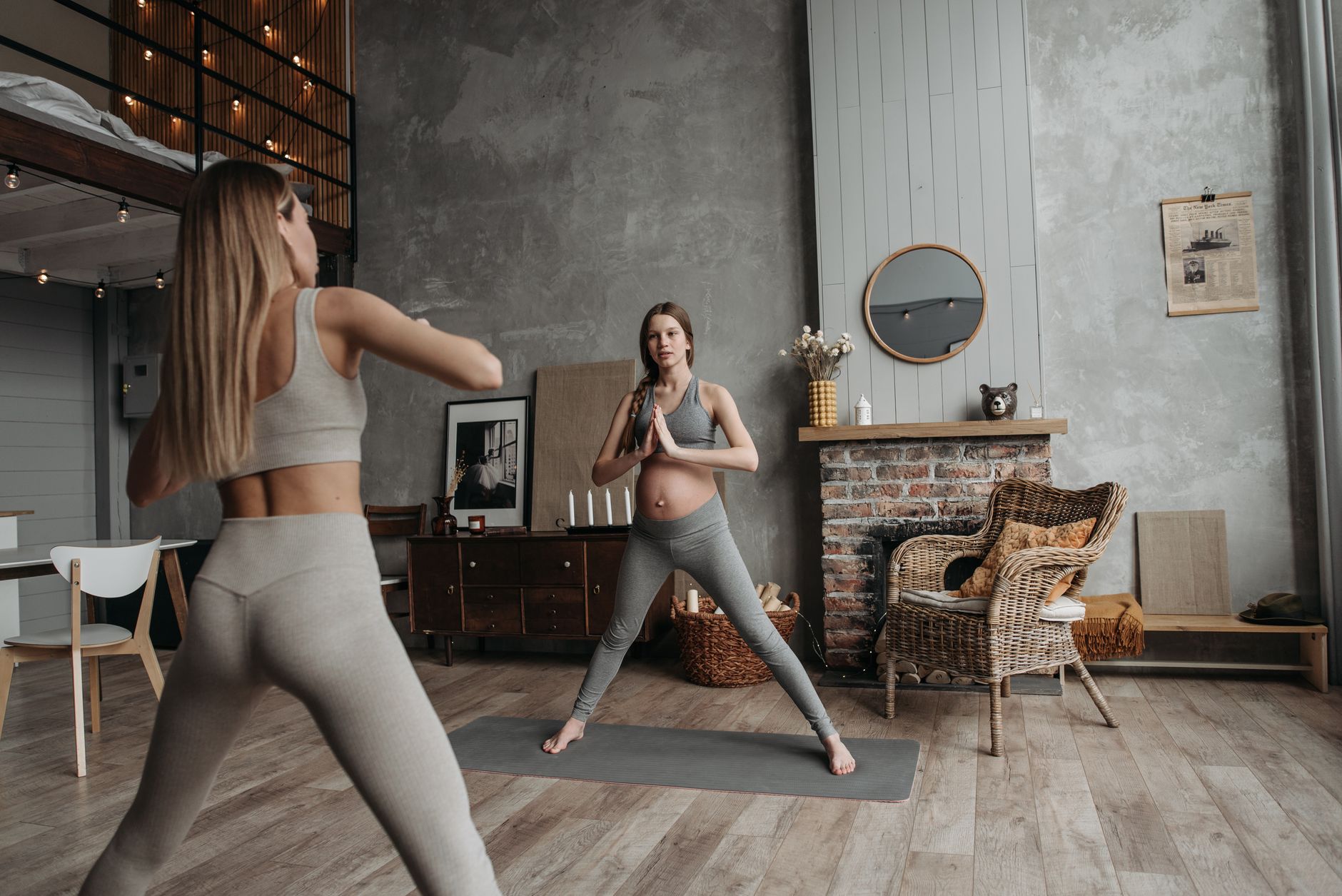
Prenatal yoga:
Gentle yoga improves flexibility, strength, and balance—all of which are helpful during pregnancy. Look for a prenatal-specific class or follow a video designed for pregnant people. Avoid hot yoga and poses that involve lying on your back or belly.
-
Swimming:
Swimming is one of the safest exercises during pregnancy. The water supports your joints, reduces swelling, and keeps you cool. Avoid diving, jumping, or flip turns, and stick to shallow water in the third trimester.
-
Stationary cycling:
A low-impact cardio option that’s easy on your joints. Use a recumbent bike if you have back pain, and avoid standing up or sprinting. Stop if you feel dizzy or short of breath.
-
Low-impact aerobics:
Look for a prenatal aerobics class or follow a video designed for pregnant people. Avoid jumping, twisting, or sudden changes in direction. Keep your heart rate below 140 beats per minute (or follow your doctor’s advice).
-
Pilates for pregnancy:
Pilates strengthens your core and improves posture—both of which can help with back pain and labor. Choose a prenatal-specific class and avoid exercises that involve lying on your back or twisting your abdomen.
-
Elliptical machine workouts:
A low-impact cardio option that’s easy on your joints. Use the handles for balance, and avoid pushing yourself too hard. Stop if you feel dizzy or short of breath.
Before starting any new exercise routine, check with your doctor—especially if you have a high-risk pregnancy or other health conditions.
Can you boulder while pregnant or is top-rope climbing safer?
If you’re choosing between bouldering and top-rope climbing during pregnancy, top-rope is the safer option. Here’s why:
| Factor | Bouldering | Top-rope climbing |
|---|---|---|
| Fall risk | High. Falls are onto crash pads, but the impact can be significant—especially in the second and third trimesters. | Low. Falls are short and controlled, with minimal impact. |
| Harness use | No harness. Your abdomen is unprotected in a fall. | Harness required. A well-fitted harness protects your abdomen and distributes force in a fall. |
| Route difficulty | Often involves dynamic, powerful moves that strain your joints and core. | Can be done on easy, low-angle routes that are gentler on your body. |
| Environment | Outdoor bouldering often involves uneven terrain and remote locations. | Indoor gyms have padded floors, controlled conditions, and easy access to help. |
Most OB-GYNs recommend avoiding bouldering during pregnancy, especially after the first trimester. If you choose to boulder, follow these precautions:
- Stick to easy problems. Avoid dynamic moves, overhangs, and highballs (tall boulders).
- Climb with a spotter. They should be ready to guide you to the crash pad and protect your head and neck in a fall.
- Avoid outdoor bouldering. Indoor gyms have better padding and easier access to help.
- Listen to your body. If you feel off—even slightly—stop climbing.
- Avoid bouldering in the third trimester. Your balance is unpredictable, and the risks outweigh the benefits.
If you’re unsure, switch to top-rope climbing. It’s the safest way to keep climbing during pregnancy.
Does the type of climbing gear affect safety during pregnancy?
Yes—your gear can make a big difference in safety during pregnancy. Here’s what to watch for:
Harness
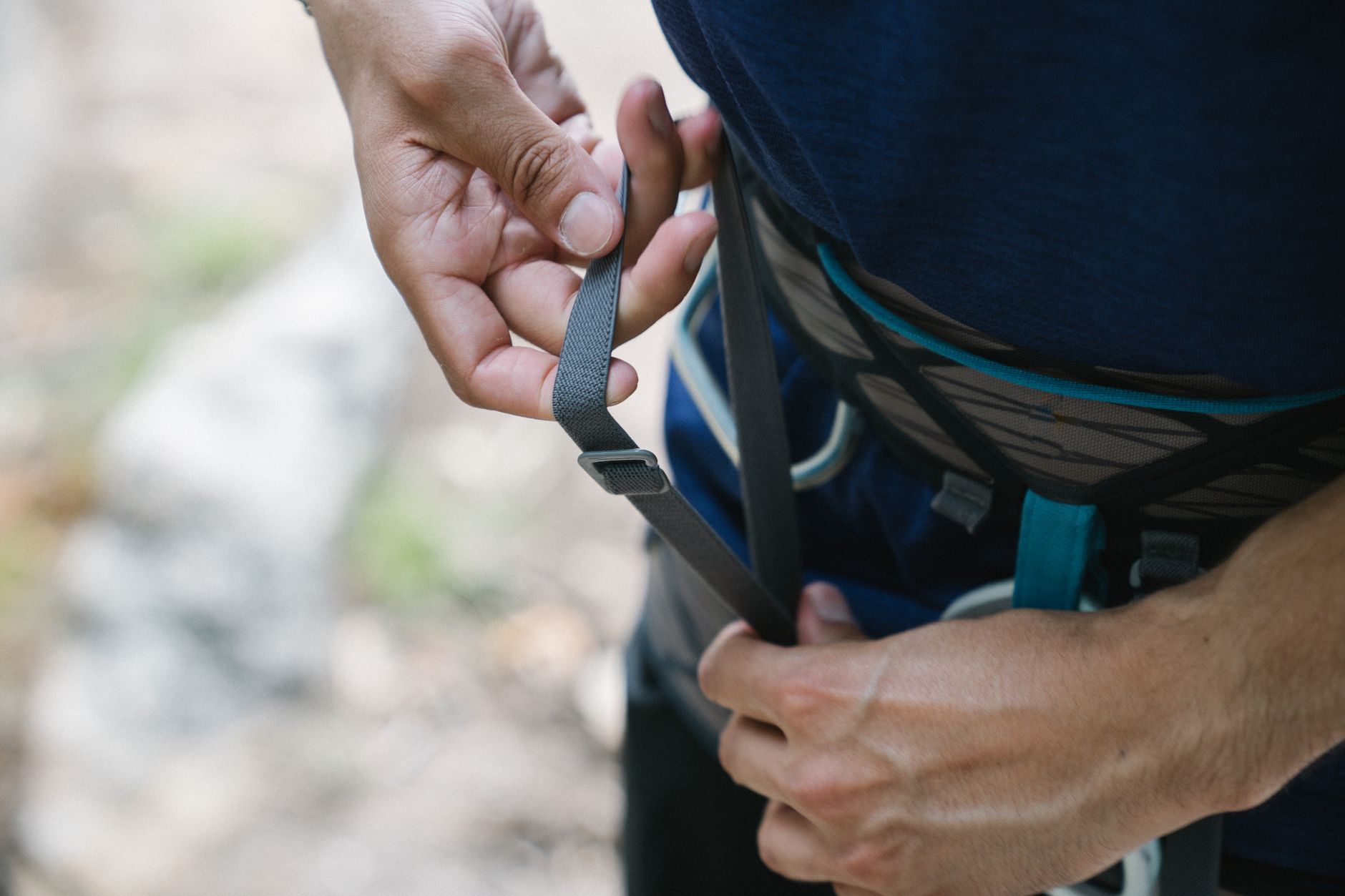
A poorly fitted harness can press on your abdomen, restrict blood flow, or cause discomfort. Here’s how to choose and adjust your harness:
- Use a maternity-specific harness. These are designed to sit above your bump and distribute pressure evenly. Brands like Black Diamond and Petzl offer maternity options.
- Adjust a regular harness. If you don’t have a maternity harness, adjust your regular harness to sit above your bump. Loosen the waist belt and leg loops to avoid pressure on your abdomen.
- Avoid tight waist belts. A tight waist belt can press on your uterus and restrict blood flow to the baby.
- Check the fit often. Your body changes quickly during pregnancy, so adjust your harness before every climb.
Helmet
A helmet protects your head in a fall—and it’s non-negotiable during pregnancy. Choose a helmet that:
- Fits snugly but comfortably.
- Doesn’t press on your forehead or temples.
- Is certified for climbing (look for UIAA or CE labels).
Shoes
Your feet swell during pregnancy, so your climbing shoes may feel tighter than usual. Here’s what to do:
- Wear shoes that fit comfortably. Avoid shoes that pinch or squeeze your toes.
- Choose shoes with a wider toe box. Brands like La Sportiva and Scarpa offer wider options.
- Take breaks to stretch your feet. Swelling can cause discomfort, so remove your shoes between climbs.
Chalk and chalk bags
Chalk can dry out your skin and irritate your lungs—both of which are more sensitive during pregnancy. Here’s how to use it safely:
- Use liquid chalk. It’s less messy and reduces dust inhalation.
- Avoid over-chalking. Too much chalk can dry out your hands and make them more prone to cracking.
- Wash your hands after climbing. Chalk residue can irritate your skin and eyes.
Ropes and anchors
If you’re top-rope climbing, make sure your rope and anchors are in good condition. Here’s what to check:
- Inspect your rope for fraying or damage. A damaged rope can fail in a fall.
- Use a dynamic rope. Dynamic ropes stretch to absorb the force of a fall, reducing impact on your body.
- Check your anchors. Make sure they’re secure and properly placed.
- Climb with a trusted partner. They should know how to belay safely and be prepared to assist in an emergency.
What do OB-GYNs say about outdoor climbing and pregnancy?
Most OB-GYNs take a cautious but not prohibitive stance on outdoor climbing during pregnancy. Here’s what they typically advise:
- First trimester: Low-risk outdoor climbing is generally fine if you’re experienced, avoid high altitudes, and stick to top-rope routes. But if you have a history of miscarriage or other high-risk conditions, your doctor may advise against it.
- Second trimester: Most OB-GYNs recommend switching to indoor top-rope climbing or gentler activities. If you choose to climb outdoors, avoid lead climbing, bouldering, and high-angle routes.
- Third trimester: Most OB-GYNs recommend avoiding outdoor climbing altogether. Your balance is unpredictable, and the risks outweigh the benefits.
- Breastfeeding: Outdoor climbing is generally safe, but listen to your body—fatigue and joint sensitivity may linger.
Dr. Sarah Yamaguchi, an OB-GYN and climber, puts it this way: “I tell my patients that climbing isn’t banned during pregnancy, but it’s not the time to push your limits. If you’re going to climb, do it indoors, on top-rope, and with a partner who knows you’re pregnant. And if you feel even a little off, stop.”
The bottom line? Talk to your doctor. Every pregnancy is different, and your provider can give you personalized advice based on your health history and risk factors.
Are there specific climbing conditions to avoid when pregnant?
Yes—some climbing conditions are riskier than others during pregnancy. Here’s what to avoid:
1. High altitudes
Climbing above 8,000 feet reduces oxygen flow to your baby and increases the risk of altitude sickness. Avoid high-altitude crags, especially in the first trimester when the baby’s neural tube is forming.
2. Hot or humid weather
Overheating can reduce blood flow to the baby and increase the risk of neural tube defects in the first trimester. Avoid climbing in hot or humid conditions, and take breaks in the shade.
3. Remote or hard-to-access locations
If you’re climbing in a remote area, help may be far away in an emergency. Stick to crags with easy access to roads and medical facilities.
4. Steep or overhanging routes
Steep routes require more strength and balance, increasing the risk of falls. Stick to low-angle, slabby climbs that are gentler on your body.
5. Dynamic or powerful moves
Dynamic moves (like dynos) strain your joints and core, increasing the risk of injury. Stick to static, controlled climbing.
6. Solo climbing
Climbing alone is never a good idea—especially during pregnancy. Always climb with a partner who knows you’re pregnant and can assist in an emergency.
7. Poorly maintained gear
Damaged or worn-out gear can fail in a fall. Inspect your harness, rope, and anchors before every climb, and replace anything that’s frayed or worn.
Myth vs. fact
There’s a lot of misinformation out there about climbing and pregnancy. Let’s clear up some common myths:
Myth: If you’re a strong climber, you can keep climbing like normal during pregnancy. Fact: Pregnancy changes your body in ways that affect climbing safety—even if you’re experienced. Your balance shifts, your ligaments loosen, and your blood volume increases, all of which can throw off your coordination. Most OB-GYNs recommend modifying your climbing routine, regardless of your skill level. Myth: Falling while climbing will always hurt the baby. Fact: Most falls don’t cause harm to the baby. The uterus is well-protected behind your pelvic bones in the first trimester, and the amniotic fluid acts like a cushion. That said, the risk increases in the second and third trimesters, especially with hard falls or abdominal trauma. Myth: You have to quit climbing entirely during pregnancy. Fact: You don’t have to quit climbing—you just need to adjust. Indoor top-rope climbing is generally safe in the first and second trimesters if you’re experienced and feel good. After that, most OB-GYNs recommend switching to gentler activities.Key takeaways
- Outdoor climbing during pregnancy is not outright banned, but it comes with real risks—especially falls, altitude, and harness pressure.
- Most OB-GYNs recommend switching to indoor top-rope climbing or gentler activities after the first trimester.
- The first trimester is the safest time to climb outdoors, but avoid high altitudes and falls.
- In the second trimester, most OB-GYNs recommend indoor top-rope climbing or gentler activities. If you climb outdoors, avoid lead climbing, bouldering, and high-angle routes.
- The third trimester is the riskiest time to climb outdoors. Most OB-GYNs recommend avoiding it altogether.
- Avoid climbing above 8,000 feet during pregnancy, as high

