Safe: Is oral sex receiving during pregnancy safe during pregnancy? Generally yes, with key precautions. Learn when it's safe and what to avoid for a healthy
By Shubhra Mishra — a mom of two who turned her own confusion during pregnancy into BumpBites, a global mission to make food choices clear, safe, and stress-free for every expecting mother. 💛
Check whether any food is safe during pregnancy with the BumpBites Food Safety Checker.
Quick verdict: ✅ Generally safe with limits. Receiving oral sex is typically safe during pregnancy for most healthy individuals, provided there are no underlying complications, your partner has no STIs, and certain precautions are taken, particularly in the later stages of pregnancy.
That 3 AM Google search, "is oral sex receiving during pregnancy safe during pregnancy?" is a common one, and if you’ve found yourself here, you’re not alone. Many expecting parents wonder about the safety of various sexual activities during pregnancy, and it's completely normal to feel a bit anxious about anything that might affect your baby. The good news is that for most healthy pregnancies, receiving oral sex is generally considered safe. However, there are important considerations and precautions to be aware of, especially regarding sexually transmitted infections (STIs) and a rare but serious risk of air embolism in later pregnancy.
At BumpBites, we understand your concerns. We're here to provide clear, evidence-based information, reviewed by obstetric doctors, so you can make informed decisions about intimacy during this special time. This article will break down the safety of receiving oral sex during pregnancy, trimester by trimester, discuss potential risks like STIs and air embolism, and offer guidance on when it's best to avoid it altogether. We'll also explore safer alternatives for intimacy if you or your partner have concerns.
Intimacy during pregnancy is important for many couples, and understanding safe practices can help maintain connection.
Safety Snapshot: Receiving Oral Sex During Pregnancy
Trimester/Phase
Verdict
Notes
First Trimester
✅ Generally Safe
No direct evidence links receiving oral sex to miscarriage. Focus on comfort and avoiding STIs.
Second Trimester
✅ Generally Safe
Continue precautions regarding STIs. Generally a comfortable time for sexual activity for many.
Third Trimester
⚠️ Safe with Limits
Generally safe, but avoid air being blown into the vagina, especially after the 36th week, due to rare air embolism risk. Partner's oral hygiene is key.
Breastfeeding
✅ Generally Safe
No specific risks related to breastfeeding. Continue STI precautions.
What is Receiving Oral Sex?
Receiving oral sex, also known as cunnilingus, involves one partner using their mouth, lips, and tongue to stimulate the clitoris, vulva, and surrounding areas of the other partner. It's a common and often pleasurable form of sexual activity that can be a significant part of intimacy for many couples. For some, it's a primary method of achieving orgasm, while for others, it's a form of foreplay or a way to explore pleasure without penetrative sex. During pregnancy, couples may turn to oral sex for various reasons, including changes in comfort with other sexual positions, physical limitations, or simply as a way to maintain sexual intimacy and connection.
Understanding what this activity entails is important because the specific mechanics can influence safety considerations during pregnancy. For instance, the focus of stimulation is external, which generally means less direct impact on the uterus compared to vaginal intercourse. However, the potential for fluid exchange and the introduction of bacteria or air are factors that need careful consideration in the context of pregnancy health, which we will explore in detail.
Is Receiving Oral Sex Safe During Pregnancy?
For most healthy pregnancies, receiving oral sex is generally considered safe, according to leading health organizations like the American College of Obstetricians and Gynecologists (ACOG) and the NHS in the UK. The primary concerns typically revolve around the risk of sexually transmitted infections (STIs) and, in very rare cases, the potential for an air embolism, especially later in pregnancy. If you and your partner are in a monogamous relationship, both free of STIs, and your pregnancy is uncomplicated, the risks are minimal.
The act itself does not directly harm the baby, as the fetus is well-protected within the uterus by the amniotic sac and the cervical mucus plug. The physical stimulation involved in receiving oral sex is external and doesn't typically create any direct pressure or trauma to the cervix or uterus. Many couples find that sexual activity, including oral sex, can be a wonderful way to maintain intimacy and reduce stress during pregnancy, contributing positively to maternal well-being.
However, it's crucial to be aware of your partner's health status. Any oral infection, such as herpes or thrush, could potentially be passed on. The most significant concern, as highlighted by health experts, is the transmission of STIs. If there's any uncertainty about your partner's STI status, or if either of you has multiple partners, it's essential to use barrier protection (like a dental dam) or avoid oral sex altogether to protect both your health and your baby's. Open communication with your partner and your healthcare provider about your sexual health is always recommended.
Good oral hygiene for both partners is an important consideration when engaging in oral sex during pregnancy.
Is Receiving Oral Sex Safe in the First Trimester?
Yes, for most healthy pregnancies, receiving oral sex is considered safe in the first trimester. This is often a period of significant hormonal changes, fatigue, and morning sickness, which can impact libido. However, if you feel up to it, there's no evidence to suggest that receiving oral sex directly causes miscarriage. The developing embryo is well-protected within the uterus, and external stimulation from oral sex does not typically affect it.
The primary concern in the first trimester, as with any trimester, remains the risk of sexually transmitted infections (STIs). If your partner has an STI, or if there's any doubt about their sexual health, the risk of transmission to you, and potentially to your baby, is present. It's always wise to ensure both partners are healthy and free from STIs. If you have any vaginal bleeding or other concerning symptoms in the first trimester, it's always best to consult your doctor before any sexual activity.
What are the Potential Risks of Receiving Oral Sex During Pregnancy?
While generally safe, there are a few potential risks associated with receiving oral sex during pregnancy that you should be aware of:
Sexually Transmitted Infections (STIs): This is the most significant risk. STIs like herpes, chlamydia, gonorrhea, syphilis, and HIV can be transmitted through oral sex. If you contract an STI during pregnancy, it can have serious implications for both your health and your baby's, potentially leading to preterm birth, low birth weight, birth defects, or transmission to the baby during delivery. This is why knowing your partner's STI status and practicing safe sex (or having a mutually monogamous relationship where both partners are tested and negative) is paramount. The CDC emphasizes the importance of STI screening during pregnancy.
Air Embolism: This is a very rare but serious risk, almost exclusively associated with receiving oral sex in late pregnancy, particularly after 36 weeks. It occurs if air is forcefully blown into the vagina, creating bubbles that can enter the bloodstream through dilated blood vessels in the cervix or uterus. An air embolism can travel to the heart or lungs, leading to a sudden and potentially life-threatening medical emergency for the pregnant person. While extremely rare, it's a risk that medical professionals warn against. We will delve deeper into this specific risk in the next section.
Bacterial Infections from Oral Flora: While less common than STIs, bacteria from your partner's mouth can potentially disrupt the delicate balance of your vaginal flora, leading to bacterial vaginosis (BV) or yeast infections. While these are typically not dangerous to the baby, they can be uncomfortable and may require treatment. Maintaining good oral hygiene for your partner can help mitigate this risk.
Open communication with your partner about sexual health and comfort levels is crucial. If you have any concerns about these risks, discussing them with your healthcare provider is always the best course of action.
Can Receiving Oral Sex Cause an Air Embolism During Pregnancy?
The risk of an air embolism during receiving oral sex in pregnancy is extremely rare, but it is a serious concern, particularly in the third trimester. An air embolism occurs when air enters the bloodstream and forms a bubble, which can then travel to the heart, lungs, or brain, potentially causing a stroke, heart attack, or respiratory failure. For pregnant individuals, the concern arises because blood vessels in the vaginal and cervical areas become more dilated and fragile in late pregnancy.
The specific scenario that poses a risk is when air is forcefully blown into the vagina during oral sex. This action can create enough pressure for air to be introduced into the maternal circulation through small tears or open vessels in the cervix or uterus, especially if the cervix is slightly dilated or effaced. While the risk is minimal, it's significant enough for obstetricians to advise against any act that involves blowing air into the vagina, particularly during the third trimester, and especially after 36 weeks of pregnancy. The ACOG advises that blowing air into the vagina can be dangerous during pregnancy.
It's important to distinguish between general oral sex and the specific act of blowing air. Gentle oral stimulation without any forceful air insufflation is generally not considered to carry this risk. However, due to the severity of a potential air embolism, many healthcare providers recommend avoiding oral sex that involves any blowing into the vagina as a precautionary measure in late pregnancy. If you're concerned about this risk, it's a good topic to discuss with your obstetrician or midwife.
Is it Safe to Receive Oral Sex in the Third Trimester?
Receiving oral sex in the third trimester is generally safe, with one very important caveat: avoiding any forceful blowing of air into the vagina. As discussed, this specific action carries a rare but serious risk of air embolism, which can be life-threatening for the pregnant person. Beyond this, the general safety considerations remain similar to earlier trimesters, primarily focusing on STI prevention.
In the third trimester, your body is undergoing significant changes. You might feel more tired, experience discomfort, or find certain positions challenging. For some, sexual activity, including oral sex, can become a more comfortable alternative to vaginal intercourse during pregnancy. As long as you and your partner are in good health, free from STIs, and your pregnancy is uncomplicated, gentle oral sex can be a safe and enjoyable part of your intimacy.
However, if you have any pregnancy complications such as placenta previa, cervical insufficiency, unexplained vaginal bleeding, or preterm labor, your doctor may recommend abstaining from all sexual activity, including receiving oral sex. Always follow your healthcare provider's specific advice tailored to your individual pregnancy circumstances. Communication with your partner about comfort and any specific concerns you have is also vital during this stage of pregnancy.
What Precautions Should Be Taken When Receiving Oral Sex While Pregnant?
To ensure receiving oral sex is as safe as possible during your pregnancy, consider the following precautions:
STI Screening and Monogamy: This is the most critical precaution. Ensure both you and your partner have been screened for STIs and are negative. If you are not in a mutually monogamous relationship, or if there is any doubt about your partner's STI status, it is essential to use barrier methods like dental dams or to avoid oral sex. Untreated STIs can have serious consequences for your pregnancy and baby.
Avoid Blowing Air into the Vagina: As emphasized, especially in the third trimester, avoid any forceful blowing of air into the vagina. This is the specific action linked to the rare risk of air embolism.
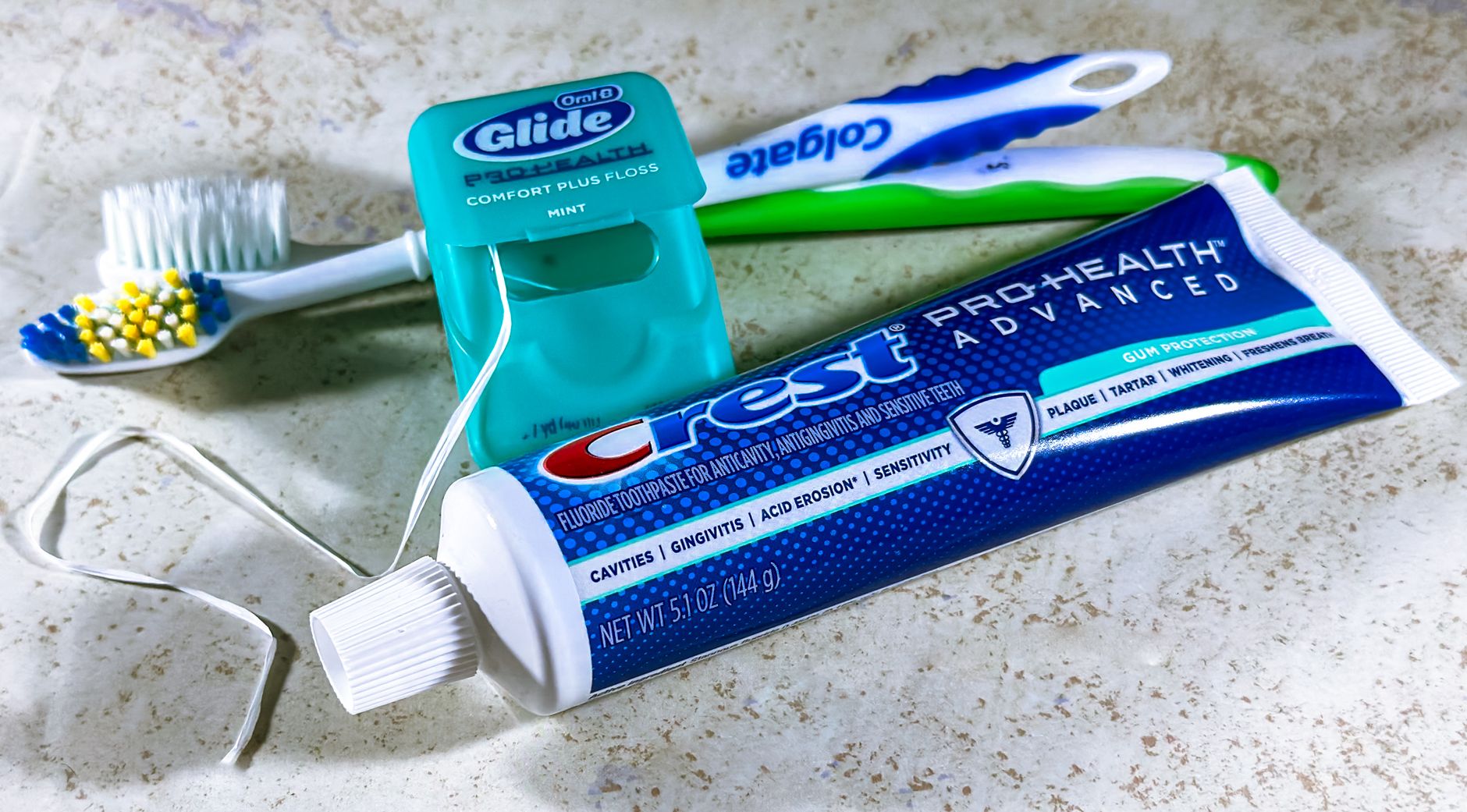
Good Oral Hygiene: Your partner should practice good oral hygiene. Brushing and flossing can reduce the bacterial load in their mouth, minimizing the risk of introducing unwanted bacteria into the vaginal area.
Avoid During Active Infections: If your partner has an active oral infection (e.g., cold sores, thrush, gum disease), it's best to avoid receiving oral sex until the infection has cleared. These can potentially be transmitted and cause discomfort or complications.
Listen to Your Body: If you experience any discomfort, pain, or bleeding during or after receiving oral sex, stop immediately and contact your healthcare provider. Your body is changing, and what felt good before might not feel comfortable now.
Communicate with Your Partner: Openly discuss your comfort levels, any concerns you have, and what feels good or doesn't feel good. Pregnancy can bring many changes, and maintaining clear communication about intimacy is key.
By taking these precautions, you can help ensure that receiving oral sex remains a safe and enjoyable part of your intimate life during pregnancy.
Is Receiving Oral Sex Safe With a High-Risk Pregnancy or Complications?
If you have a high-risk pregnancy or specific complications, the safety of receiving oral sex, or any sexual activity, may change. In these situations, your healthcare provider will give you personalized advice based on your medical history and current condition. It is crucial to follow their recommendations closely, as sexual activity could potentially exacerbate certain conditions or pose risks to your pregnancy.
Conditions that might lead your doctor to recommend avoiding receiving oral sex or other forms of sex include:
Placenta Previa: A condition where the placenta covers part or all of the cervix. Sexual activity, including oral sex, could increase the risk of bleeding.
Cervical Insufficiency: When the cervix shortens or opens prematurely, increasing the risk of preterm birth. Any stimulation could potentially worsen this.
Unexplained Vaginal Bleeding or Spotting: If you are experiencing any bleeding, sex is usually advised against until the cause is determined and resolved.
Preterm Labor or History of Preterm Birth: Sexual activity, including nipple stimulation and uterine contractions that can occur with orgasm, might theoretically stimulate uterine contractions.
Ruptured Membranes (Water Breaking): Any sexual activity after your water has broken significantly increases the risk of infection.
Multiple Gestation with Complications: Pregnancies with twins, triplets, or more can have higher risks, and your doctor might advise caution.
Active Herpes Lesions: If your partner has active oral herpes lesions, there's a risk of transmitting the virus to you, which can be dangerous during pregnancy, especially if it leads to neonatal herpes.
Always have an open and honest conversation with your obstetrician or midwife about your sexual activity if you have any of these or other pregnancy complications. They can provide the most accurate guidance for your specific situation to ensure the safest possible outcome for you and your baby.
When Should You Completely Avoid Receiving Oral Sex During Pregnancy?
While generally safe for most, there are specific situations where you should completely avoid receiving oral sex during pregnancy to protect your health and your baby's. These include:
Any Warning Signs: If you experience unexplained vaginal bleeding, spotting, uterine contractions, or abdominal pain, avoid all sexual activity, including oral sex, and contact your doctor immediately.
High-Risk Pregnancy Conditions: As mentioned above, if you have conditions like placenta previa, cervical insufficiency, a history of preterm labor, or if your water has broken (ruptured membranes), your doctor will almost certainly advise against all forms of sex.
Partner's STI Status is Unknown or Positive: If you are not in a mutually monogamous relationship, or if your partner has an active STI (e.g., oral herpes lesions, gonorrhea, chlamydia), the risk of transmission is too high. STIs can have severe consequences for pregnancy.
Partner Has an Active Oral Infection: Beyond STIs, if your partner has an active cold sore, thrush, or any other oral infection, it's best to avoid receiving oral sex until the infection has fully cleared to prevent transmission.
Risk of Air Embolism: Specifically in the third trimester, and especially after 36 weeks, avoid any act that involves blowing air into the vagina. This is a crucial safety measure to prevent a rare but serious air embolism.
Doctor's Specific Advice: Your healthcare provider's recommendations are paramount. If your doctor has advised against any sexual activity due to your specific pregnancy circumstances, always follow their guidance.
When in doubt, it's always safer to abstain and consult with your healthcare provider. Your well-being and the health of your baby are the top priorities.
Safer Alternatives to Receiving Oral Sex During Pregnancy
If receiving oral sex is not an option for you due to medical reasons, personal discomfort, or partner concerns, there are many other ways to maintain intimacy and enjoy sexual pleasure during pregnancy. Here are some safe and satisfying alternatives:
Mutual Masturbation: This allows both partners to explore their own bodies and pleasure zones, either together or separately, without direct contact or penetration. It's a highly safe option as it minimizes the risk of STI transmission and physical strain.
Manual Stimulation: Partners can use their hands to stimulate each other's genitals, clitoris, or other erogenous zones. This offers a high degree of control over pressure and sensation, making it a very safe and adaptable option throughout pregnancy.
Outercourse: This refers to any sexual activity that does not involve penetration. It can include kissing, cuddling, manual stimulation, mutual masturbation, and body rubbing. It's a broad category of safe intimacy that allows for exploration and connection.
Sensual Massage: A full-body massage can be incredibly relaxing and intimate during pregnancy. It can relieve tension, improve circulation, and foster a deep sense of connection without involving genital contact. Focus on areas like the back, feet, and shoulders.
Kissing and Cuddling: Sometimes, simple physical affection is all that's needed. Extended periods of kissing, cuddling, and intimate conversation can strengthen your bond and provide emotional closeness, which is vital during pregnancy.
Vaginal Intercourse (with protection if needed): For many healthy pregnancies, vaginal intercourse is safe, provided there are no complications. If you and your partner are not tested for STIs or are not monogamous, using condoms is essential to prevent infection. You might also want to explore comfortable sex positions during pregnancy.
Remember, intimacy is about connection and pleasure, not just one specific act. Exploring different forms of closeness can enrich your relationship during this unique time.
Related Items – Safety at a Glance
Many forms of sexual activity are safe during pregnancy, but understanding the nuances of each can help you and your partner make informed choices. Here's a quick overview of common sexual activities and their general safety during an uncomplicated pregnancy:
Activity
Verdict
Notes
Vaginal intercourse during pregnancy
✅ Generally Safe
Safe for most healthy pregnancies until your water breaks or if advised otherwise by your doctor due to complications.
Anal sex during pregnancy
⚠️ Safe with Limits
Generally safe, but ensure good hygiene to prevent bacterial transfer to the vagina. Avoid if hemorrhoids are present or if there's any discomfort.
Performing oral sex during pregnancy
✅ Generally Safe
Safe for the pregnant partner to perform oral sex, provided they are comfortable and free of oral infections. No direct risk to the baby.
Using sex toys during pregnancy
✅ Generally Safe
Safe for most, as long as they are clean, used gently, and don't cause discomfort or introduce air into the vagina.
Masturbation during pregnancy
✅ Generally Safe
A very safe form of sexual activity, as it carries no risk of STIs and allows you to control intensity and comfort.
Nipple stimulation during pregnancy
⚠️ Safe with Limits
Generally safe, but can sometimes stimulate uterine contractions, especially in late pregnancy. Avoid if at risk of preterm labor.
Myth vs. Fact
There are many myths surrounding sex and pregnancy. Let's clear up some common misconceptions about "is oral sex receiving during pregnancy safe during pregnancy" and other related topics.
Myth: Receiving oral sex can cause a miscarriage.
Fact: For healthy pregnancies, there is no scientific evidence that receiving oral sex directly causes a miscarriage. Miscarriages in the first trimester are usually due to chromosomal abnormalities, not external factors like sexual activity. The baby is well-protected in the uterus.
Myth: Swallowing semen during pregnancy is dangerous for the baby.
Fact: Swallowing semen is generally considered safe during pregnancy, as the proteins in semen are digested in the stomach. The only concern would be if your partner has an STI that could be orally transmitted, or if you have a specific allergy. Otherwise, it poses no direct risk to the baby.
Myth: All forms of sex should be avoided in the third trimester.
Fact: This is generally untrue. For most uncomplicated pregnancies, sexual activity, including receiving oral sex (with the air embolism precaution), is safe throughout the third trimester. Many couples continue to have sex until labor begins. However, certain complications or a doctor's advice would override this general rule.
Key Takeaways
For most healthy pregnancies, receiving oral sex is generally safe.
The biggest risks are sexually transmitted infections (STIs) and, rarely, an air embolism in late pregnancy if air is blown into the vagina.
Always ensure your partner is STI-free, or use barrier protection like a dental dam.
Avoid any forceful blowing of air into the vagina, especially in the third trimester, to prevent a rare but serious air embolism.
If you have a high-risk pregnancy or complications like placenta previa or unexplained bleeding, avoid all sexual activity and consult your doctor.
Communication with your partner and healthcare provider about sexual health and comfort is crucial.
Frequently Asked Questions
Can oral sex cause miscarriage?
No, receiving oral sex does not directly cause miscarriage in a healthy pregnancy. Miscarriages, especially in the first trimester, are typically due to chromosomal issues or other underlying medical conditions, not external sexual activity. The fetus is well-protected within the uterus.
Is it safe to swallow semen during pregnancy?
Yes, swallowing semen is generally considered safe during pregnancy. Semen is primarily composed of proteins, sugars, and other substances that are harmlessly digested. The only concern would be if your partner has an STI that could be orally transmitted, in which case it should be avoided.
Can oral sex cause an air embolism in pregnancy?
Yes, in rare cases, receiving oral sex can cause an air embolism if air is forcefully blown into the vagina, particularly in the third trimester. This is a serious, potentially life-threatening risk. It's crucial to avoid any action that involves blowing air into the vagina during pregnancy.
When should you avoid sex during pregnancy?
You should avoid sex if you have unexplained vaginal bleeding or spotting, placenta previa, cervical insufficiency, a history of preterm labor, if your water has broken, or if your doctor has advised against it due to other high-risk pregnancy complications. Always consult your provider if you have concerns.
Is performing oral sex safe during pregnancy?
Yes, performing oral sex is generally safe during pregnancy for the pregnant partner, assuming they are comfortable and free of oral infections (like cold sores). There is no direct risk to the baby from the pregnant person performing oral sex on their partner.
What are the risks of STIs during pregnancy?
STIs during pregnancy can pose significant risks to both you and your baby, potentially leading to preterm birth, low birth weight, birth defects, or transmission of the infection to the baby during delivery or breastfeeding. Regular STI screening and safe sex practices are vital.
Can sex induce labor?
While some components of sex, like prostaglandins in semen or uterine contractions from orgasm, are theoretically linked to labor induction, there's no strong evidence that sex can induce labor in a healthy, full-term pregnancy unless your body is already preparing for it. However, if you're at risk for preterm labor, your doctor might advise caution.
When to Call Your Doctor
While receiving oral sex is generally safe, it's always important to listen to your body and know when to seek medical advice. Call your doctor or midwife immediately if you experience any of the following during or after any sexual activity, including receiving oral sex:
Vaginal bleeding or spotting
Persistent abdominal pain or cramping
Strong, regular contractions
A gush or trickle of fluid from your vagina (could indicate your water has broken)
Sudden, severe shortness of breath, chest pain, dizziness, or confusion (these could be signs of an air embolism, which requires immediate emergency medical attention)
Any unusual vaginal discharge, itching, or odor
Pain during sex that is new or worsening
Always remember that this information is for educational purposes only and is not a substitute for professional medical advice. If you have any concerns about your pregnancy or sexual activity, please consult your healthcare provider.
Not sure about the label on Is Oral Sex Receiving During Pregnancy Safe During Pregnancy products?
Snap the ingredients list and SafeFilter checks every ingredient for your stage — only 3 free scans this month, then you're locked until reset. Unlimited from $7/mo or $50/yr.
When Shubhra Mishra was expecting her first child in 2016, she was overwhelmed by conflicting food advice — one site said yes, another said never. By the time her second baby arrived in 2019, she realized millions of mothers face the same confusion.
That sparked a five-year journey through clinical nutrition papers, cultural diets, and expert conversations — all leading to BumpBites: a calm, compassionate space where science meets everyday motherhood.
Her long-term vision is to build a global community ensuring safe, supported, and free deliveriesfor every mother — because no woman should face pregnancy alone or uninformed. 🌿
🌍 Stand with mothers, shape safer guidance
Join a small circle of experts who review BumpBites articles so expecting parents everywhere can decide with confidence.