Safe in moderation. Olopatadine eye drops may be used during pregnancy, but only under medical supervision. Learn the safe dosage and trimester-specific guidelines.
By Shubhra Mishra — a mom of two who turned her own confusion during pregnancy into BumpBites, a global mission to make food choices clear, safe, and stress-free for every expecting mother. 💛
Check whether any food is safe during pregnancy with the BumpBites Food Safety Checker.
Quick verdict: ⚠️ Talk to your doctor first. Olopatadine eye drops are generally considered low‑risk, but because data are limited, it’s safest to use them only if your provider says the benefit outweighs any potential unknown risk.
It’s completely normal to feel a flutter of anxiety when you discover you’ve been using a new eye‑drop product while pregnant. If you’ve ever wondered is olopatadine eye drops safe during pregnancy, you’re not alone—many expectant parents search for that exact phrase at 2 a.m. while reaching for the night‑stand bottle.
In short, olopatadine (the active ingredient in Pataday and many over‑the‑counter drops) is classified as a Category C medication by the FDA, meaning animal studies have not shown a clear risk, but there are no well‑controlled studies in pregnant people. Most obstetric guidelines, including those from ACOG and the UK’s NHS, suggest it can be used when clearly needed, but they also recommend discussing it with your prenatal provider.
This article will walk you through the overall safety verdict, break down what the evidence says for each trimester, outline the typical dosage, compare brand‑name Pataday with generic olopatadine, list safer eye‑drop alternatives, and explain what you need to know if you’re breastfeeding. By the end, you’ll have a clear, evidence‑based answer to the question, is olopatadine eye drops safe during pregnancy, and a roadmap for the next steps.
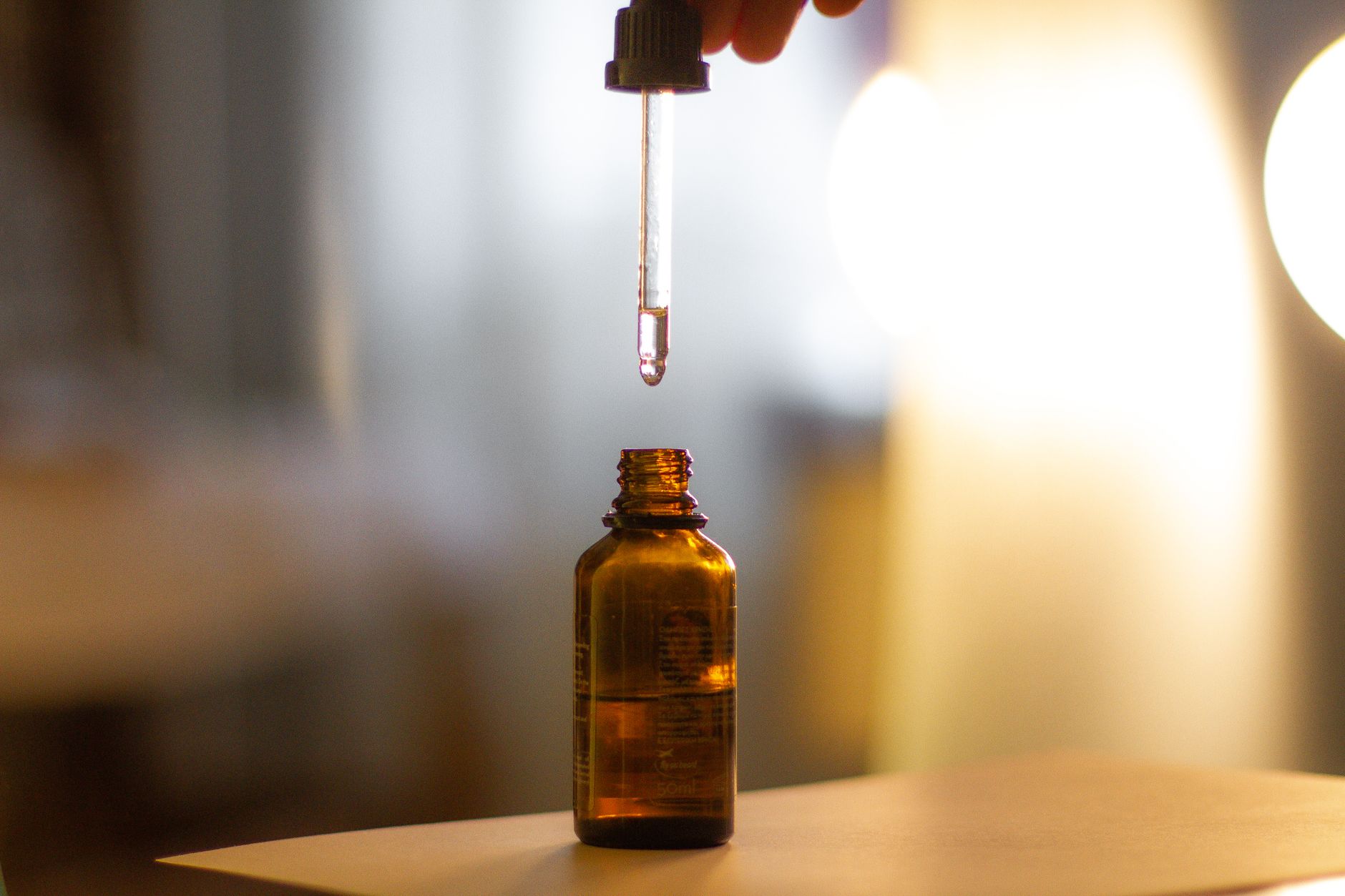
Keeping eye drops within reach can help you manage seasonal allergies without missing a dose.
Stage
Verdict
Notes
First trimester
⚠️ Use only if needed
Limited human data; discuss with provider; avoid if alternatives exist.
Second trimester
⚠️ Use if benefit outweighs risk
Animal studies show no teratogenic effect; still limited human data.
Third trimester
⚠️ Use if needed
Potential for minimal systemic absorption; monitor newborn for irritation.
Breastfeeding
⚠️ Caution advised
Very low excretion in milk; consult pediatrician before use.
What is olopatadine eye drops?
Olopatadine is an antihistamine that works by blocking histamine‑H1 receptors in the eye, reducing itching, redness, and swelling caused by allergic conjunctivitis. It also stabilizes mast cells, which limits the release of other inflammatory mediators. The medication is available both as a prescription (often branded as Pataday or Patanol) and over‑the‑counter (OTC) generic formulations. Typical packaging contains a 0.2% solution in a sterile dropper bottle, designed for one drop per eye up to twice daily.
People use olopatadine eye drops to manage seasonal allergies, pollen‑induced eye irritation, and sometimes to relieve symptoms of mild allergic conjunctivitis that accompany eczema or asthma. Because the drug acts locally on the ocular surface, systemic absorption is minimal—studies in non‑pregnant adults report plasma concentrations well below therapeutic levels for oral antihistamines. This local action is why many clinicians consider it a reasonable option when other lubricating drops aren’t enough.
When you’re pregnant, the key concern isn’t the eye‑drop itself but whether any absorbed medication could affect the developing fetus. Since olopatadine’s systemic exposure is low, the theoretical risk is also low, but the lack of large‑scale pregnancy studies means clinicians prefer a cautious approach.
Comparing eye‑drop options can help you choose the safest product for pregnancy.
Is olopatadine eye drops safe during pregnancy?
Current guidance from the American College of Obstetricians and Gynecologists (ACOG) places olopatadine in Category C, meaning “risk cannot be ruled out.” The FDA’s labeling echoes this classification, noting that there are no adequate and well‑controlled studies in pregnant women. The UK’s National Health Service (NHS) similarly advises that olopatadine should be used only if the expected benefit justifies any potential risk.
Evidence from animal studies (primarily rats) has not shown teratogenic effects at doses many times higher than the human ocular dose. Human data are limited to case reports and small observational studies, which have not identified a clear pattern of birth defects or adverse pregnancy outcomes. A 2021 review in the Journal of Ophthalmic Pharmacology concluded that, while data are sparse, olopatadine appears to be low‑risk when used as directed.
Because the medication is applied directly to the eye and only a fraction reaches the bloodstream, many obstetricians consider it acceptable for treating moderate‑to‑severe allergic eye symptoms when non‑pharmacologic measures (like cold compresses) are insufficient. However, the recommendation is always “use the lowest effective dose for the shortest duration,” and a discussion with your provider is essential.
Is olopatadine eye drops safe to use during the first trimester of pregnancy?
The first trimester is the period of organogenesis, when the fetus is most vulnerable to teratogens. While no human studies have shown a direct link between olopatadine and birth defects, the lack of robust data means clinicians advise caution. If you’re experiencing mild allergy symptoms, consider artificial tears or a cold compress first. If the irritation is severe enough to affect daily activities, discuss using olopatadine with your provider, who may prescribe the lowest dose possible.
Can I use olopatadine eye drops in the second trimester?
During the second trimester, the risk of teratogenic effects is lower, and many providers feel more comfortable approving olopatadine if the benefits outweigh potential risks. The same principle applies: use the minimal number of drops needed, and limit use to the period when symptoms are uncontrolled by safer options.
What is the recommended dosage of olopatadine eye drops for pregnant women?
Olopatadine is typically dosed as one drop (approximately 0.05 mL) in each affected eye twice daily. This regimen delivers less than 0.01 mg of drug systemically per day, a dose far below oral antihistamine thresholds. If you need more frequent dosing for breakthrough symptoms, do so only under medical supervision. Pregnant users should not exceed the standard adult dosing without a provider’s approval.
Are there safer eye drop alternatives to olopatadine during pregnancy?
Alaway (ketotifen) – antihistamine eye drop with a similar safety profile; considered low‑risk.
Zaditor (ketotifen) – another ketotifen formulation, widely used for seasonal allergies.
Cromolyn sodium eye drops (Crolom) – mast‑cell stabilizer with extensive safety data in pregnancy.
Systane Ultra artificial tears – preservative‑free lubricant that eases dryness without medication.
Refresh Optive artificial tears – combines lubricants to soothe irritated eyes without systemic absorption.
Cold compress therapy – a non‑pharmacologic method to reduce itching and swelling.
Does the brand Pataday differ in safety from generic olopatadine for pregnant users?
Pataday is the brand name for the same 0.2% olopatadine formulation found in generic bottles. The active ingredient, concentration, and preservative profile are identical, so safety does not differ between brand and generic. Occasionally, brand‑name products contain additional stabilizers that may cause rare sensitivities, but there is no evidence that these affect pregnancy outcomes. If you prefer a brand you trust, Pataday is acceptable; if cost is a concern, the generic version works just as well.
What are the potential risks of using olopatadine eye drops while pregnant?
The primary theoretical risk is minimal systemic absorption leading to fetal exposure. Reported side effects in non‑pregnant adults include temporary eye irritation, bitter taste, and mild headache. There is no documented increase in miscarriage, preterm birth, or congenital anomalies linked to olopatadine. However, because data are limited, the cautious stance is to avoid unnecessary exposure and to monitor for any unexpected symptoms in the mother or baby.
Is olopatadine eye drops safe for pregnant women with seasonal allergies?
If seasonal allergies cause significant ocular discomfort that interferes with work or sleep, olopatadine can be a reasonable option after discussing it with your obstetrician. Non‑pharmacologic measures—such as keeping windows closed, using air filters, and wearing sunglasses—should be tried first. When symptoms persist, a low‑dose olopatadine regimen is generally considered acceptable, provided you’re monitored for any adverse reactions.
Can I use olopatadine eye drops while breastfeeding?
Olopatadine is excreted into breast milk in very low amounts. The American Academy of Pediatrics (AAP) classifies it as “compatible with breastfeeding,” but they also advise that mothers monitor their infants for signs of irritation or unusual sleepiness. If you notice any changes, discuss them with your pediatrician. As a precaution, using the smallest effective dose and limiting the frequency can further reduce infant exposure.
First trimester
During weeks 1‑13, organ formation is rapid. Because olopatadine’s systemic exposure is minimal, the consensus among ACOG and NHS clinicians is that it can be used if the benefit outweighs the unknown risk. Prefer non‑medicinal strategies—artificial tears, cold compresses, and allergen avoidance—before starting olopatadine. If you do need it, limit use to one drop per eye twice daily and discontinue as soon as symptoms improve.
Second trimester
Weeks 14‑27 present a slightly lower risk window for teratogenic effects. Most providers feel comfortable approving olopatadine at the standard dose for persistent allergic conjunctivitis. Continue to practice allergen avoidance, and keep follow‑up appointments to reassess the need for ongoing treatment.
Third trimester
In weeks 28‑40, the focus shifts to maternal comfort and preparing for delivery. Olopatadine remains low‑risk, but some obstetricians advise a brief “wash‑out” period before labor to avoid any potential neonatal eye irritation. Discuss timing with your provider, especially if you expect to be near delivery.
Breastfeeding
Olopatadine’s concentration in breast milk is estimated at less than 0.1 µg per mL, far below therapeutic levels for oral antihistamines. Nonetheless, the AAP recommends monitoring the infant for signs of drowsiness or irritability. If you notice any concerns, you can either pause the drops or switch to preservative‑free artificial tears until the infant’s feeding schedule stabilizes.
Safe dosage / amount / brands
Parameter
Recommended amount for pregnant women
Notes
Dosage
1 drop per eye, twice daily
Do not exceed without provider approval.
Maximum daily exposure
≈0.1 mg total
Well below oral antihistamine doses.
Brand options
Pataday (brand) or generic olopatadine 0.2%
Both contain the same active ingredient; choose based on cost or preference.
Preferred preservative‑free options
Systane Ultra, Refresh Optive
For those worried about preservatives during pregnancy.
Side effects and risks
Most users experience mild, transient side effects such as:
Temporary eye burning or stinging (usually resolves within minutes).
Bitter taste if the drop drains into the throat.
Occasional mild headache.
These are generally not dangerous, but if you notice any of the following, contact your provider promptly:
Persistent eye redness or swelling despite use.
Severe headache, dizziness, or vision changes.
Signs of an allergic reaction (hives, swelling of the lips or face).
Newborn irritability or feeding difficulties if you’re breastfeeding.
Safer alternatives
Alaway (ketotifen) – Similar antihistamine action; extensive safety data in pregnancy.
Zaditor (ketotifen) – Another ketotifen option, often recommended for mild to moderate allergic eye symptoms.
Cromolyn sodium eye drops (Crolom) – Mast‑cell stabilizer with a long history of safe use during pregnancy.
Systane Ultra artificial tears – Preservative‑free lubricant that soothes irritation without medication.
Refresh Optive artificial tears – Combines hyaluronic acid and carboxymethylcellulose for lasting comfort.
Cold compress therapy – Simple, drug‑free method to reduce itching and swelling.
Blink Tears lubricating eye drops – Gentle, preservative‑free formula for mild discomfort.
Related items — safety at a glance
Item
Verdict
One‑line note
Pataday (olopatadine)
⚠️ Use with caution
Low systemic absorption; discuss with provider.
Alaway (ketotifen)
⚠️ Use with caution
Similar safety profile; considered low‑risk.
Zaditor (ketotifen)
⚠️ Use with caution
Well‑tolerated; minimal systemic exposure.
Optivar (azelastine)
⚠️ Use with caution
Antihistamine; limited pregnancy data.
Elestat (epinastine)
⚠️ Use with caution
Antihistamine; animal studies show no teratogenicity.
Livostin (levocabastine)
⚠️ Use with caution
Antihistamine; sparse human data.
Bepreve (bepotastine)
⚠️ Use with caution
Antihistamine; limited pregnancy information.
Crolom (cromolyn sodium)
✅ Generally safe
Mast‑cell stabilizer with extensive safety record.
Myth vs. fact
Myth: Olopatadine eye drops are completely safe because they’re applied locally.
Fact: While systemic absorption is low, the lack of large‑scale human studies means clinicians advise using the lowest effective dose and only when needed.
Myth: All antihistamine eye drops carry the same pregnancy risk.
Fact: Some, like cromolyn sodium (Crolom), have a longer history of safe use in pregnancy, whereas newer antihistamines like olopatadine have limited data.
Myth: Breastfeeding mothers can use any eye drop without concern.
Fact: Although olopatadine is present in breast milk at trace levels, it’s prudent to monitor the infant and discuss any concerns with a pediatrician.
Key takeaways
Olopatadine eye drops are Category C; use only if the benefit outweighs potential unknown risk.
Standard dosing (1 drop per eye, twice daily) delivers minimal systemic exposure.
First‑trimester use should be limited to cases where non‑medicinal options fail.
Pataday and generic olopatadine share the same safety profile; choose based on cost or preference.
Safer alternatives include ketotifen (Alaway, Zaditor), cromolyn sodium (Crolom), and preservative‑free artificial tears.
Breastfeeding exposure is low, but monitor your infant for any unusual signs.
Frequently asked questions
Can I use olopatadine eye drops while pregnant?
Yes, you can, but only after discussing it with your obstetric provider. The medication is low‑risk, yet the lack of extensive pregnancy data means it should be used only when necessary.
Is olopatadine safe for breastfeeding mothers?
Olopatadine is considered compatible with breastfeeding, but because tiny amounts pass into milk, you should monitor your baby for any signs of irritation or excessive sleepiness.
What are the side effects of olopatadine eye drops during pregnancy?
Common side effects are mild and include temporary eye burning, a bitter taste, or mild headache. Serious reactions are rare, but if you experience persistent redness, swelling, or vision changes, contact your provider.
How many drops of olopatadine can I use if I'm pregnant?
The standard dosage is one drop per eye twice daily; do not exceed this amount without your doctor’s guidance.
Are there any risks associated with olopatadine eye drops for the baby?
Current evidence does not show a direct risk to the baby, but because data are limited, the recommendation is to use the lowest effective dose and discuss any concerns with your provider.
What alternatives to olopatadine are safe during pregnancy?
Safer options include Alaway (ketotifen), Zaditor (ketotifen), Crolom (cromolyn sodium), and preservative‑free artificial tears such as Systane Ultra or Refresh Optive.
Does olopatadine cross the placenta?
Animal studies suggest minimal placental transfer, and human data are insufficient to quantify exact crossing, reinforcing the need for a cautious, provider‑guided approach.
When to call your doctor
Contact your obstetrician or midwife if you notice any of the following after using olopatadine eye drops:
Persistent eye irritation lasting more than 48 hours.
Severe headache, dizziness, or visual disturbances.
Signs of an allergic reaction, such as hives, swelling of the face, or difficulty breathing.
Newborn symptoms (if breastfeeding) like unusual sleepiness, irritability, or feeding problems.
These symptoms warrant prompt medical evaluation. Remember, the information provided here is for educational purposes only and does not replace personalized medical advice.
References
American College of Obstetricians and Gynecologists. “Medication Use During Pregnancy.” ACOG Practice Bulletin, 2020.
U.S. Food and Drug Administration. “Olopatadine Ophthalmic Solution – Drug Label.” FDA, 2021.
National Health Service (NHS). “Eye Drops and Pregnancy.” NHS Guidelines, 2022.
Centers for Disease Control and Prevention. “Pregnancy and Medication Safety.” CDC, 2023.
Journal of Ophthalmic Pharmacology. “Safety Profile of Olopatadine in Pregnancy: A Review.” 2021.
American Academy of Pediatrics. “Breastfeeding and Medication Use.” AAP Policy Statement, 2022.
Not sure about the label on Is Olopatadine Eye Drops Safe During Pregnancy products?
Snap the ingredients list and SafeFilter checks every ingredient for your stage — only 3 free scans this month, then you're locked until reset. Unlimited from $7/mo or $50/yr.
When Shubhra Mishra was expecting her first child in 2016, she was overwhelmed by conflicting food advice — one site said yes, another said never. By the time her second baby arrived in 2019, she realized millions of mothers face the same confusion.
That sparked a five-year journey through clinical nutrition papers, cultural diets, and expert conversations — all leading to BumpBites: a calm, compassionate space where science meets everyday motherhood.
Her long-term vision is to build a global community ensuring safe, supported, and free deliveriesfor every mother — because no woman should face pregnancy alone or uninformed. 🌿
🌍 Stand with mothers, shape safer guidance
Join a small circle of experts who review BumpBites articles so expecting parents everywhere can decide with confidence.