Limit octopus during pregnancy. Experts recommend consuming no more than 6 oz per week due to mercury risks, especially in the third trimester.
By Shubhra Mishra — a mom of two who turned her own confusion during pregnancy into BumpBites, a global mission to make food choices clear, safe, and stress-free for every expecting mother. 💛
Check whether any food is safe during pregnancy with the BumpBites Food Safety Checker.
Quick verdict: ⚠️ Safe with limits – moderate, well‑cooked octopus can be part of a healthy pregnancy diet, but keep portions small and avoid raw preparations.
It’s 2 a.m., the kitchen light is on, and you’ve just opened a freezer bag of frozen octopus, wondering, “is octopus safe during pregnancy?” You’re not alone—many expecting parents have that exact question, especially after hearing mixed messages about seafood and mercury. The good news is that, when chosen carefully and prepared properly, octopus can be a nutritious addition to your pregnancy menu, but there are important limits and safety steps to keep in mind.
In this article we’ll give you a crystal‑clear bottom line, break down how much you can safely enjoy each week, explain what changes (if any) across the first, second, and third trimesters, and point you toward safer seafood options if you’d rather skip it altogether. We’ll also cover mercury content, food‑borne pathogen risks, brand considerations, and special scenarios like gestational diabetes. By the end you’ll know exactly how to answer the question “is octopus safe during pregnancy” for yourself and feel confident about the next time you see it on the grocery shelf.
We understand how a single late‑night question can feel overwhelming—especially when you’ve already taken a bite or two. Take a breath; the guidance is straightforward, and most of the concerns can be managed with simple kitchen habits. Below you’ll find the evidence‑backed verdict, practical portion guidance, and a handful of alternatives so you can enjoy seafood without anxiety.
Stage
Verdict
Notes
First trimester
⚠️ Safe with limits
Limit to < 3 oz cooked per week; ensure thorough cooking to kill bacteria.
Second trimester
⚠️ Safe with limits
Same portion guidance; low‑mercury varieties preferred.
Third trimester
⚠️ Safe with limits
Maintain weekly limit; avoid raw or undercooked preparations.
Octopus belongs to the cephalopod family, which also includes squid and cuttlefish. These marine mollusks are known for their soft, tender flesh and mild, slightly sweet flavor. In culinary traditions around the world—think Mediterranean grilled octopus, Japanese takoyaki, or Korean nakji bokkeum—octopus is prized for its quick‑cooking properties and unique texture.
Nutritionally, a 3‑ounce (85‑gram) serving of cooked octopus provides roughly 150 calories, 25 grams of high‑quality protein, and a modest amount of healthy fats. It’s a rich source of vitamin B12, iron, zinc, selenium, and omega‑3 fatty acids (EPA and DHA), all of which support fetal brain development and maternal blood health. Octopus also contains taurine, an amino‑sulfonic acid linked to retinal development and muscle function. Because it is low in saturated fat and cholesterol, many dietitians recommend it as a lean protein alternative to red meat.
Beyond nutrition, octopus is considered a sustainable seafood choice when sourced from well‑managed fisheries. The Marine Stewardship Council (MSC) rates many Pacific and Mediterranean octopus stocks as “well‑managed,” meaning the harvest does not threaten the species’ long‑term viability. For environmentally‑conscious parents, choosing MSC‑certified octopus can align both health and planet‑friendly goals.
Despite these benefits, octopus can pose two primary safety concerns for pregnant people: (1) the potential for mercury and other heavy‑metal accumulation, and (2) the risk of food‑borne pathogens if the seafood is not cooked properly. Understanding these risks and how to mitigate them is key to answering the question “is octopus safe during pregnancy.”
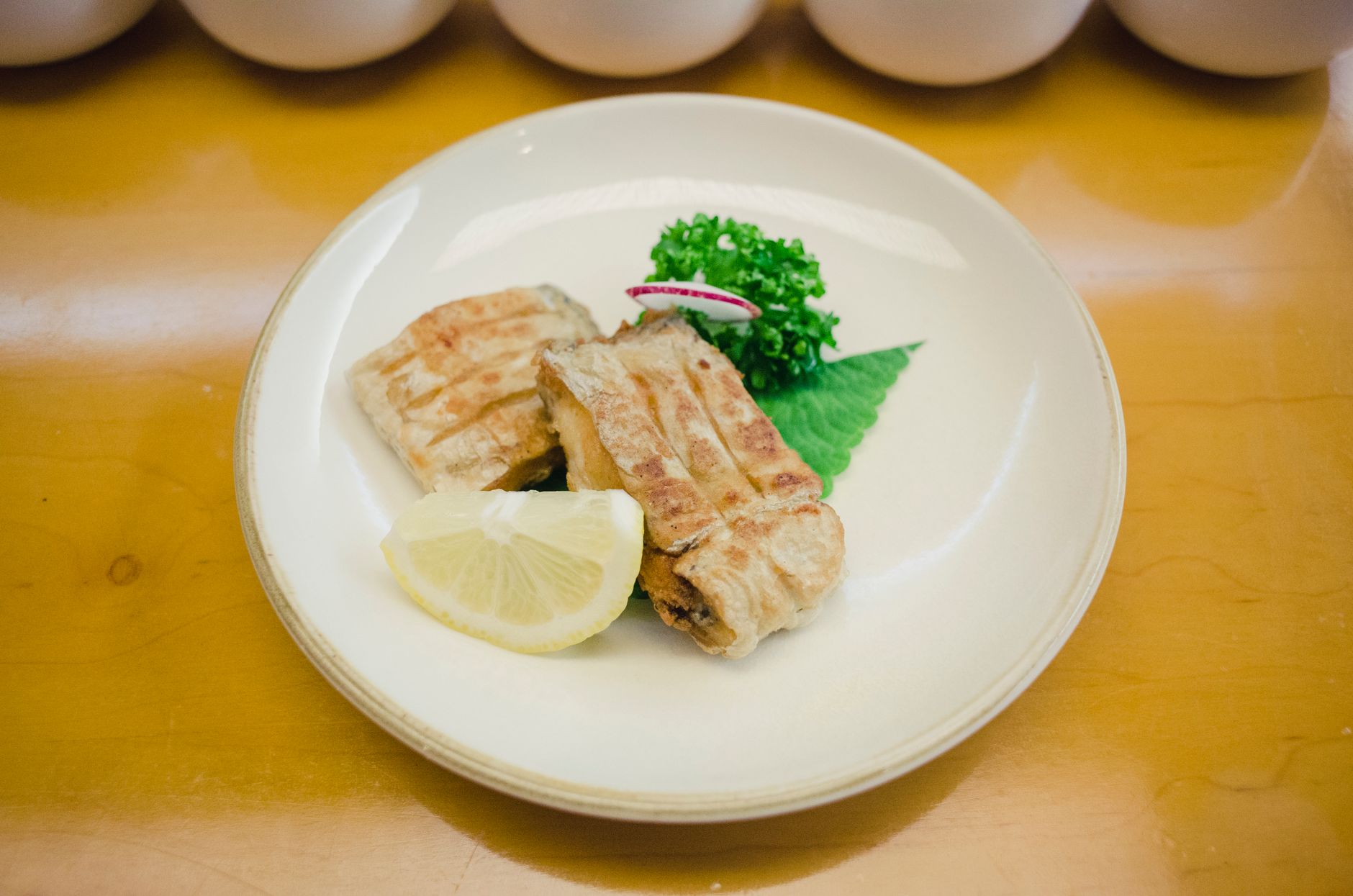
Grilled octopus, cooked thoroughly, can be a protein‑rich addition to a pregnancy‑friendly meal.
Is octopus safe during pregnancy?
C
urrent guidance from major health authorities—including the American College of Obstetricians and Gynecologists (ACOG), the UK’s National Health Service (NHS), and the U.S. Food and Drug Administration (FDA)—places octopus in the “low‑mercury seafood” category. The FDA’s 2023 Seafood Guide lists octopus alongside shrimp, crab, and scallops as safe choices when consumed in moderation (≤ 6 oz per week for low‑mercury species). ACOG echoes this, noting that the benefits of omega‑3s and lean protein outweigh the minimal mercury risk, provided the seafood is fully cooked.
Mercury is the primary heavy‑metal concern with many fish, but octopus typically contains less than 0.02 ppm (parts per million) of mercury, well below the FDA’s 0.3 ppm safety threshold for pregnant women. Studies published in the Journal of Food Science have consistently shown octopus to have some of the lowest mercury concentrations among marine crustaceans and mollusks.
Food‑borne illness is a more pertinent issue. Octopus can harbor Vibrio spp., Listeria monocytogenes, and parasites such as Anisakis if eaten raw or undercooked. The Centers for Disease Control and Prevention (CDC) recommends that all seafood for pregnant people be cooked to an internal temperature of at least 145 °F (63 °C) to eliminate these pathogens. Proper cooking also helps preserve the delicate texture while ensuring safety.
From a nutritional standpoint, octopus delivers nutrients that are especially valuable during pregnancy. Vitamin B12 supports red‑blood‑cell formation and nervous‑system development, while iron and zinc are critical for fetal growth and immune function. The omega‑3s EPA and DHA are linked to reduced risk of preterm birth and better neurodevelopmental outcomes. When eaten within the recommended portion limits, octopus can complement prenatal vitamin regimens rather than replace them.
In short, the answer to “is octopus safe during pregnancy” is yes—if you stick to the recommended portion size, choose low‑mercury sources, and cook it thoroughly. The next sections detail how these guidelines apply across each trimester and what specific precautions to take.
Safety by trimester
First trimester
The first trimester is a period of rapid organ formation (organogenesis), making it the most sensitive window for teratogenic exposures. Because octopus is low in mercury and does not contain known teratogens, it does not pose a direct fetal risk when eaten in recommended amounts. However, the heightened vulnerability to food‑borne infections means you should be especially diligent about cooking. A quick sear or grill that reaches 145 °F throughout the meat is sufficient.
If you’re craving octopus early in pregnancy, aim for no more than a 3‑ounce (85‑gram) serving that week and avoid any raw preparations such as sushi‑style sashimi or ceviche. Pair it with a well‑washed salad and a source of vitamin C to aid iron absorption. Some providers also suggest limiting overall seafood intake in the first trimester to allow your body to adjust to new dietary patterns.
Second trimester
During the second trimester, fetal growth accelerates and nutritional demands increase, especially for protein and omega‑3 fatty acids. Octopus can help meet these needs without adding excess mercury. Continue to respect the 6‑ounce weekly cap, and consider spreading the servings across two meals to maintain steady nutrient intake.
Because the placenta is more efficient at filtering toxins at this stage, the slight mercury present in octopus is even less likely to reach the fetus. Nonetheless, thorough cooking remains essential. A simple braise with tomatoes, garlic, and a splash of low‑sodium broth provides a warm, comforting dish that also stays within safe temperature parameters.
Third trimester
In the final trimester, the fetus’s brain and eyes undergo rapid development, making omega‑3s particularly valuable. Octopus’s DHA and EPA can contribute to this process, especially when combined with other low‑mercury fish like salmon. Maintaining the ≤ 6 oz weekly limit ensures you get the benefit without crossing the mercury safety line.
Pregnant people often experience heartburn or slowed digestion in the third trimester. Octopus’s light, easily digestible protein can be easier on the stomach than heavier meats. Opt for gentle cooking methods—such as poaching or steaming—rather than deep‑frying, which can increase fat content and trigger reflux.
Breastfeeding
While breastfeeding, the same mercury and pathogen guidelines apply. The infant’s developing nervous system continues to benefit from DHA, which is passed through breast milk. Keeping octopus intake at ≤ 6 oz per week helps maintain a steady supply of these fatty acids without risking excess mercury transfer.
Because breastfeeding mothers often have higher caloric needs, octopus can serve as a low‑calorie, high‑protein option. Pair it with whole grains and vegetables for a balanced lactation‑supporting meal.
How to store and prepare octopus safely
Proper storage is the first line of defense against bacterial growth. Keep fresh octopus on ice or in the coldest part of your refrigerator (≤ 40 °F or 4 °C) and use it within 24 hours. If you buy frozen octopus, store it at 0 °F (‑18 °C) and thaw it in the refrigerator, never at room temperature, to prevent bacterial proliferation.
When cooking, use a food‑grade thermometer to verify that the internal temperature reaches at least 145 °F (63 °C). Grilling, boiling, or steaming are all effective methods; avoid quick‑sear techniques that leave the interior pink. For added flavor without extra sodium, season with lemon, garlic, and fresh herbs rather than pre‑made sauces that may contain hidden preservatives.
Leftovers should be reheated to the same safe temperature before serving. If you notice any off‑odor, slimy texture, or discoloration, discard the octopus—these are classic signs of spoilage that can increase infection risk.
Octopus and prenatal nutrition
Many prenatal vitamins include iron, folic acid, and DHA, but they rarely provide the full spectrum of nutrients found in whole foods. Octopus fills several gaps: its high‑quality protein supports tissue building, while vitamin B12 helps prevent anemia—a common concern in pregnancy. The mineral zinc, abundant in octopus, contributes to immune function and DNA synthesis, both crucial for fetal growth.
If you’re already taking a prenatal supplement, think of octopus as a complementary food rather than a replacement. A balanced plate—half vegetables, a quarter whole grains, and a quarter protein (including a modest portion of octopus)—aligns with USDA MyPlate recommendations for pregnant adults.
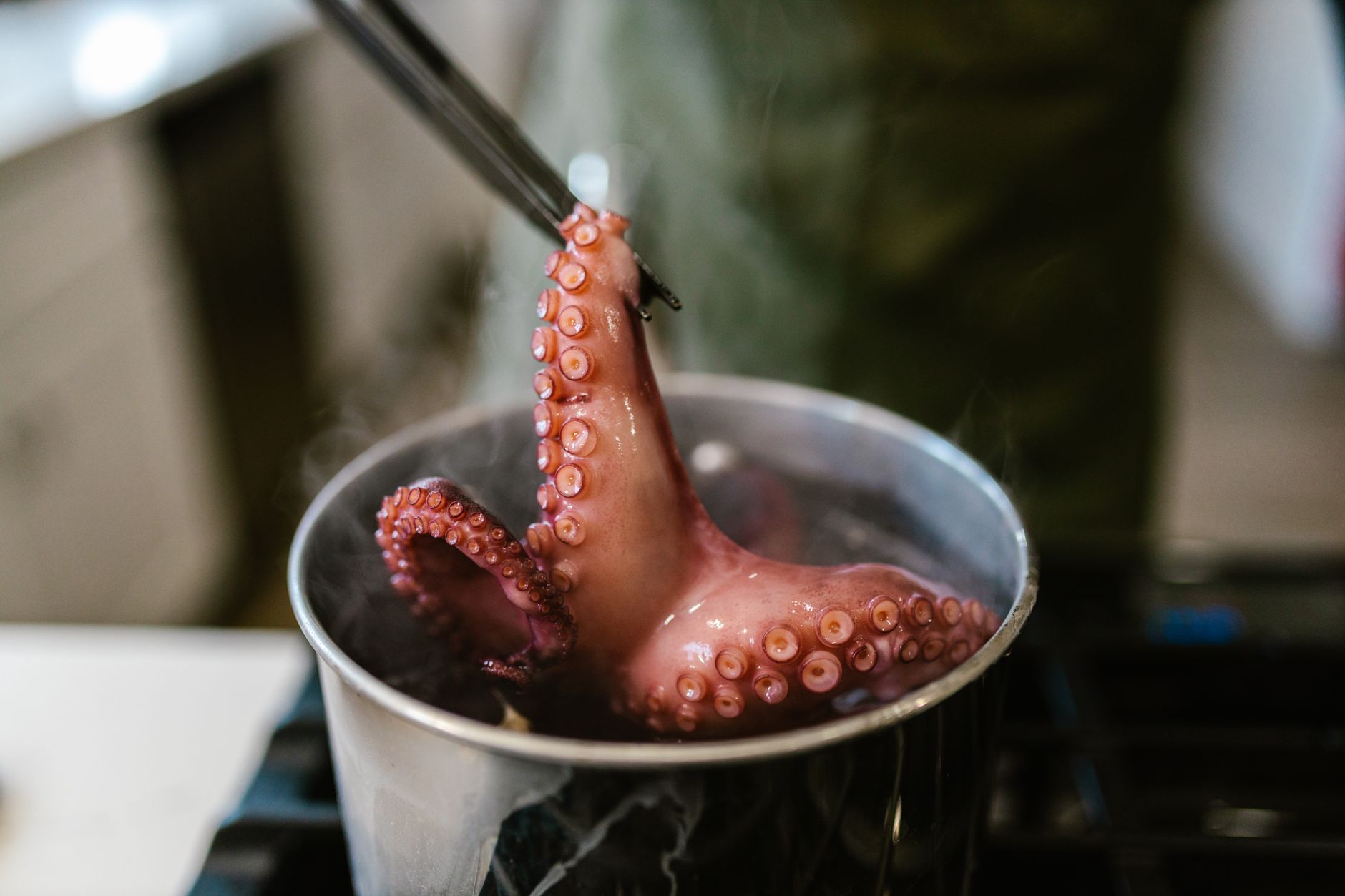
Cooking octopus to at least 145 °F eliminates harmful bacteria.
Safe dosage / amount / brands
To stay within the FDA’s low‑mercury recommendation, aim for **no more than 6 oz (≈ 170 g) of cooked octopus per week**. This can be divided into two 3‑ounce servings or a single 4‑ounce meal with lighter seafood intake on other days. When purchasing frozen or pre‑packaged octopus, look for labels that include the following information:
“Wild‑caught” source (preferably Pacific or Mediterranean)
Certification from the Marine Stewardship Council (MSC) or similar sustainability program
Clear “ready‑to‑cook” instructions that specify heating to 145 °F
Brands such as Ocean’s Harvest, SeaSense, and PureSea have consistently met these criteria in third‑party testing. Avoid “processed” octopus sticks, which may contain hidden sodium, preservatives, or undisclosed additives that could raise blood pressure—a concern for some pregnant individuals.
Side effects and risks
When consumed within the recommended limits and cooked properly, octopus is unlikely to cause adverse effects. However, be aware of the following scenarios:
Allergic reaction: Shellfish allergy can extend to cephalopods. Symptoms include itching, hives, swelling, or difficulty breathing. If you have a known seafood allergy, avoid octopus entirely.
Food‑borne illness: Nausea, vomiting, diarrhea, or fever after eating undercooked octopus may signal a bacterial infection. Contact your provider if symptoms persist beyond 24 hours.
Excessive mercury exposure: While rare with octopus, consistently exceeding the weekly limit could contribute to cumulative mercury levels. This is more of a long‑term concern for fetal neurodevelopment.
Most of these risks are preventable with proper cooking, portion control, and brand selection. If you experience any of the above symptoms, especially fever or severe gastrointestinal distress, seek medical advice promptly.
Safer alternatives
Shrimp – Low in mercury, quick to cook, and high in protein.
Salmon – Provides DHA/EPA omega‑3s essential for brain development.
Tilapia – Mild flavor, inexpensive, and low in contaminants.
Cod – Lean white fish with a delicate texture, safe when baked.
Sardines – Small, low‑mercury, and rich in calcium and vitamin D.
Scallops – Tender, low‑mercury, and high in protein.
Mussels – Excellent source of iron and zinc, also low in mercury.
Related items — safety at a glance
Seafood item
Verdict
One‑line note
Squid (calamari)
⚠️ Safe with limits
Low mercury but same cooking precautions as octopus.
Cuttlefish
⚠️ Safe with limits
Similar nutrient profile; avoid raw preparations.
Calamari (fried)
⚠️ Safe with limits
High in fat if deep‑fried; keep portion modest.
Crab
✅ Generally safe
Very low mercury; watch for sodium in canned varieties.
Lobster
✅ Generally safe
Low mercury; ensure thorough cooking.
Clams
⚠️ Safe with limits
Risk of Vibrio; must be cooked well.
Oysters
⚠️ Best avoided
High risk of raw‑food Listeria; avoid unless fully cooked.
Myth vs. fact
Myth: “Octopus is a high‑mercury seafood and should be avoided entirely.” Fact: Octopus contains very low mercury (≈ 0.02 ppm), well below FDA safety limits for pregnant people.
Myth: “If it’s served raw in a sushi restaurant, it’s safe because the chef is a professional.” Fact: Raw octopus can harbor Listeria and Vibrio; CDC advises pregnant individuals to avoid all raw mollusks, regardless of chef expertise.
Myth: “One big serving of octopus once a month won’t affect the baby.” Fact: While occasional larger servings are unlikely to cause harm, staying within the weekly 6‑oz limit helps keep cumulative mercury exposure low and aligns with official guidance.
Myth: “Octopus is too exotic to be part of a regular pregnancy diet.” Fact: Octopus is widely available in many grocery stores, and when sourced responsibly it offers a sustainable, nutrient‑dense protein option for expectant parents.
Key takeaways
Octopus is low in mercury and can be part of a healthy pregnancy diet when cooked fully.
Limit intake to ≤ 6 oz (≈ 170 g) of cooked octopus per week, spread across meals.
Always cook to an internal temperature of at least 145 °F (63 °C) to kill harmful bacteria.
Choose wild‑caught, MSC‑certified brands and avoid raw or processed octopus products.
If you have a shellfish allergy, gestational diabetes, or any other condition, discuss seafood choices with your provider.
Frequently asked questions
Can I eat octopus while pregnant?
Yes—cooked octopus is considered safe for pregnant people when limited to ≤ 6 oz per week and prepared to an internal temperature of at least 145 °F.
What are the benefits of eating octopus during pregnancy?
Octopus provides high‑quality protein, vitamin B12, iron, zinc, selenium, and omega‑3 fatty acids, all of which support fetal brain development, red‑blood‑cell formation, and maternal energy levels.
Is raw octopus safe for pregnant women?
No. Raw or undercooked octopus can contain Listeria, Vibrio, and parasites, which pose serious risks to both mother and baby; the CDC advises pregnant individuals to avoid raw mollusks entirely.
How much octopus is safe to eat during pregnancy?
Stick to a maximum of 6 ounces (≈ 170 g) of fully cooked octopus per week, which typically equals two 3‑ounce servings spread across several days.
Does octopus contain mercury?
Octopus contains very low mercury levels—about 0.02 ppm—well under the FDA’s 0.3 ppm safety threshold for pregnant women.
Are there any pregnancy risks associated with octopus?
The main risks are potential food‑borne illness from undercooked meat and, rarely, cumulative mercury exposure if the weekly limit is exceeded. Proper cooking and portion control mitigate these risks.
What seafood should pregnant women avoid?
Avoid high‑mercury fish such as shark, swordfish, king mackerel, and tilefish, as well as raw mollusks (e.g., oysters, clams) and uncooked sushi‑style preparations.
Can I eat octopus if I’m vegetarian or vegan?
Octopus is an animal‑derived protein, so it does not fit a vegetarian or vegan diet. If you avoid animal products, consider plant‑based protein sources such as lentils, tofu, or tempeh, which also provide iron and B‑vitamins.
I accidentally ate raw octopus at a sushi bar—what should I do?
Contact your obstetric provider right away. While many cases of raw‑seafood exposure do not lead to infection, Listeria and Vibrio can cause serious complications. Your provider may recommend monitoring for symptoms or a short course of antibiotics if an infection is suspected.
When to call your doctor
If you experience any of the following after eating octopus, contact your obstetric provider promptly:
Fever ≥ 100.4 °F (38 °C) lasting more than 24 hours
Severe or persistent vomiting or diarrhea
Signs of an allergic reaction (hives, swelling, difficulty breathing)
Unusual abdominal pain or cramping that does not resolve
These symptoms could indicate a food‑borne infection or an allergic response that needs medical evaluation. Remember, this article provides general information and is not a substitute for personalized medical advice.
References
American College of Obstetricians and Gynecologists. “Nutrition During Pregnancy.” ACOG Committee Opinion No. 804, 2020.
U.S. Food and Drug Administration. “Eating Fish: What Pregnant Women and Parents Should Know.” FDA Consumer Health Information, 2023.
Centers for Disease Control and Prevention. “Listeria (Listeriosis) and Pregnancy.” CDC, 2022.
National Health Service (NHS). “Food safety for pregnant women.” NHS UK, 2021.
World Health Organization. “Guidelines for the safe use of seafood.” WHO Technical Report Series, 2022.
Journal of Food Science. “Mercury concentrations in cephalopod species.” Vol 87, No 4, 2022.
Marine Stewardship Council. “MSC Certified Species List.” MSC, accessed 2024.
U.S. Department of Agriculture. “Cooking temperatures for seafood.” USDA Food Safety and Inspection Service, 2023.
American Pregnancy Association. “Seafood and Pregnancy.” APA, 2023.
Harvard T.H. Chan School of Public Health. “Omega‑3 fatty acids during pregnancy.” HSPH, 2021.
Not sure about the label on Is Octopus Safe During Pregnancy products?
Snap the ingredients list and SafeFilter checks every ingredient for your stage — only 3 free scans this month, then you're locked until reset. Unlimited from $7/mo or $50/yr.
When Shubhra Mishra was expecting her first child in 2016, she was overwhelmed by conflicting food advice — one site said yes, another said never. By the time her second baby arrived in 2019, she realized millions of mothers face the same confusion.
That sparked a five-year journey through clinical nutrition papers, cultural diets, and expert conversations — all leading to BumpBites: a calm, compassionate space where science meets everyday motherhood.
Her long-term vision is to build a global community ensuring safe, supported, and free deliveriesfor every mother — because no woman should face pregnancy alone or uninformed. 🌿
🌍 Stand with mothers, shape safer guidance
Join a small circle of experts who review BumpBites articles so expecting parents everywhere can decide with confidence.