Avoid Obagi Nu-Derm System during pregnancy due to retinoids and hydroquinone. Understand why these ingredients pose risks and discover safer skincare
By Shubhra Mishra — a mom of two who turned her own confusion during pregnancy into BumpBites, a global mission to make food choices clear, safe, and stress-free for every expecting mother. 💛
Check whether any food is safe during pregnancy with the BumpBites Food Safety Checker.
Quick verdict: ⚠️ Obagi Nu-Derm System is generally safe to use during pregnancy with caution and only after consulting your provider, as some ingredients may pose low but potential risks, especially in the first trimester. Most dermatologists recommend avoiding retinol-based products and strong exfoliants during pregnancy, so the Nu-Derm System’s active formulations (like tretinoin) should be paused. If you’re already using it, there’s no need to panic—we’ll explain what to do next.
You’re scrolling through your skincare routine at 2 am, heart pounding, when you realize: I’ve been using Obagi Nu-Derm for months—and I just found out I’m pregnant. Or maybe you’re standing in the pharmacy aisle, staring at the Nu-Derm products, wondering if the same system that cleared your acne or eczema is safe now. We get it. Pregnancy turns even the most mundane routines into a minefield of "what ifs," and skincare is no exception. The constant worry about what might harm your baby can be exhausting, especially when it comes to products you rely on daily.
The good news? Many pregnant people can continue their skincare regimens with minor adjustments. The bad news? Obagi Nu-Derm System isn’t one of them—at least, not without a conversation with your provider. This system is beloved for its science-backed approach to skin renewal, but its active ingredients (like tretinoin and glycolic acid) raise red flags during pregnancy. The concern isn't just about direct harm, but also about increased skin sensitivity and the potential for systemic absorption, however small. Below, we’ll break down whether Obagi Nu-Derm System is safe during pregnancy, trimester-by-trimester safety, safer alternatives, and what to do if you’ve already used it. Let’s start with the bottom line.
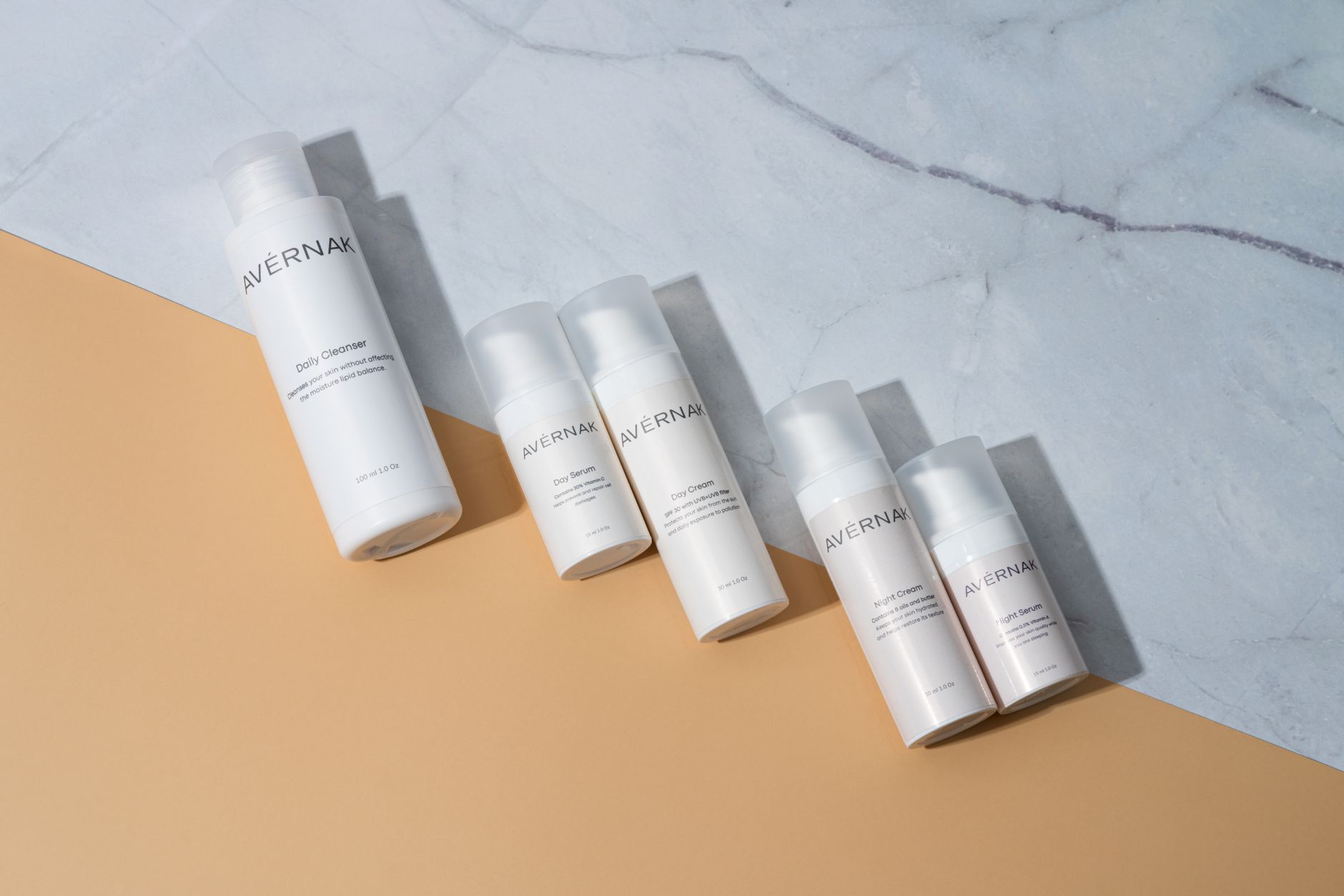
Obagi Nu-Derm products compared to pregnancy-safe alternatives like Cetaphil. Stress management can also help reduce skin flare-ups during pregnancy.
Safety Snapshot: Obagi Nu-Derm System by Trimester
Trimester
Verdict
Notes
First Trimester
❌ Best avoided
Highest risk for birth defects; avoid retinol (tretinoin) and strong exfoliants.
Second Trimester
⚠️ Safe with provider approval
Possible if no alternatives exist, but minimal evidence supports safety. Monitor closely.
Third Trimester
⚠️ Safe with provider approval
Same as second trimester; avoid if near due date or breastfeeding.
Breastfeeding
❌ Best avoided
Retinol and glycolic acid may pass into breastmilk; safer alternatives exist.
What Is the Obagi Nu-Derm System?
T
he Obagi Nu-Derm System is a dermatologist-recommended, multi-step skincare regimen designed to improve skin texture, reduce acne scars, and treat conditions like eczema, rosacea, and hyperpigmentation. Developed by Dr. Zein Obagi, the system combines gentle cleansers, exfoliants, moisturizers, and active ingredients like tretinoin (a retinoid), glycolic acid, and lactic acid to promote cell turnover and collagen production. Its core philosophy is to transform skin at the cellular level, addressing concerns from sun damage to uneven tone through a targeted and consistent approach.
Many pregnant people with chronic skin conditions rely on Obagi Nu-Derm for relief, but pregnancy changes everything. Hormonal fluctuations can worsen acne, eczema, or dryness, leaving you desperate for solutions—but not all skincare is created equal when you’re expecting. The system is known for its potency, which is why it delivers results, but this potency is also precisely why caution is advised during pregnancy. The key lies in understanding which ingredients are safe and which to avoid, and how your body's unique state during pregnancy might react to powerful formulations.
Is Obagi Nu-Derm System Safe During Pregnancy?
The short answer: **No, Obagi Nu-Derm System is not considered safe to use during pregnancy without explicit approval from your provider.** While some of its passive ingredients (like ceramides or hyaluronic acid) are generally safe, the active formulations—particularly tretinoin (Retin-A) and higher concentrations of alpha hydroxy acids (AHAs) like glycolic acid—pose risks that most obstetricians and dermatologists advise against during pregnancy. The concern stems from the potential for these powerful ingredients to be absorbed into the bloodstream, even if in small amounts, and impact fetal development.
Why the Concern About Obagi Nu-Derm During Pregnancy?
Retinoids (Tretinoin) Are Teratogens
Retinoids, including tretinoin, are classified as **Category C drugs by the FDA**, meaning animal studies show potential risks, and human data is limited. High doses or prolonged use of oral retinoids during pregnancy have been definitively linked to **birth defects**, including neural tube defects, craniofacial abnormalities, and congenital heart issues. While topical absorption is significantly lower, the **American College of Obstetricians and Gynecologists (ACOG)** strongly advises avoiding topical retinoids like tretinoin during pregnancy unless the benefits significantly outweigh the risks—something rarely justified for purely cosmetic use. The principle here is to err on the side of caution when a safer alternative exists.
Exfoliants and Pregnancy
Glycolic acid and lactic acid (alpha hydroxy acids, or AHAs) are generally considered safe in small amounts (under 5-10% concentration) and for limited use, but the Obagi Nu-Derm System often features higher concentrations. These can cause **skin irritation or sensitivity**, which may lead to breakouts, inflammation, or increased photosensitivity—especially when combined with pregnancy-related hormonal changes. The **National Health Service (NHS)** recommends avoiding strong exfoliants during pregnancy due to potential irritation and the theoretical risk of increased systemic absorption, particularly on compromised skin.
Lack of Long-Term Evidence
Most skincare ingredients lack large-scale, long-term studies specifically on pregnant populations. While occasional use of mild AHAs might not cause harm, the Obagi Nu-Derm System’s **structured, high-frequency application** of multiple active ingredients raises concerns about cumulative exposure and potential interactions. Your provider may recommend pausing it entirely to err on the side of caution, prioritizing fetal safety over cosmetic benefits.
Understanding Topical vs. Oral Retinoids in Pregnancy
It’s important to distinguish between oral and topical retinoids. Oral retinoids, such as isotretinoin (Accutane), are highly potent and are **known teratogens**, meaning they are absolutely contraindicated in pregnancy due to a high risk of severe birth defects. Topical retinoids, like the tretinoin found in the Obagi Nu-Derm System, are absorbed into the bloodstream in much smaller quantities. However, while the risk is significantly lower than with oral forms, it's not zero. The amount absorbed can vary depending on the concentration, frequency of use, and the integrity of your skin barrier. Because even a small theoretical risk is generally avoided during pregnancy for non-essential treatments, most medical guidelines recommend pausing topical retinoids to eliminate any potential concern.
What Does the Evidence Say?
ACOG’s **2023 guidelines** on dermatologic medications during pregnancy state that **topical retinoids should be avoided** unless the condition being treated (like severe acne or psoriasis) poses a greater risk to the pregnancy than the medication itself. This guidance reflects a cautious approach to any ingredient with potential teratogenic effects, even if the risk from topical application is low.
The **FDA’s pregnancy labeling rules** classify tretinoin as **Category C**, implying potential risks in animal studies that haven’t been confirmed in humans. This classification means that while controlled human studies are lacking, the possibility of adverse effects cannot be ruled out.
A **2022 study in *Dermatologic Therapy*** noted that while low-dose topical retinoids *may* be used under strict supervision in some cases, the **lack of robust human data** makes it impossible to guarantee safety. They emphasize the need for individualized risk-benefit assessment by a healthcare provider.
Bottom line: Unless your provider has thoroughly reviewed your specific skin condition and explicitly approved Obagi Nu-Derm System for your situation, it’s safer to pause it during pregnancy. If you’re struggling with acne, hyperpigmentation, or eczema, there are **gentler, pregnancy-safe alternatives** (we’ll cover those next) that can help manage your symptoms without the added worry.
Safety by Trimester: What You Need to Know
Is Obagi Nu-Derm System Safe During the First Trimester of Pregnancy?
❌ **Best avoided.** The first trimester is the most critical period for fetal development, particularly **organogenesis** (weeks 3–8), when all major organs are forming. During this sensitive window, the risk of birth defects from exposure to teratogens is highest. Retinoids like tretinoin and strong exfoliants can interfere with this intricate process, even if absorbed topically. While the amount absorbed is typically small, the potential consequences warrant extreme caution. If you’ve already used Obagi Nu-Derm in the first trimester, **there’s no need to panic**—the overall risk from topical use is considered low—but you should stop using it immediately and discuss monitoring with your provider for reassurance.
Can I Use Obagi Nu-Derm System in the Second Trimester?
⚠️ **Safe with provider approval only.** While the risk of major birth defects decreases significantly after the first trimester, the **ACOG still recommends avoiding topical retinoids** unless absolutely necessary for a severe medical condition. In the second trimester, your skin may become more sensitive due to hormonal changes, making you more prone to irritation from active ingredients. If you have a severe skin condition (like cystic acne or widespread psoriasis) that your provider deems more harmful to your health than the medication, they *might* approve low-dose, short-term use—but this is rare and would involve careful monitoring. Most dermatologists suggest **switching to a pregnancy-safe regimen** that focuses on soothing and protecting your skin.
Is Obagi Nu-Derm System Safe in the Third Trimester?
⚠️ **Safe with provider approval only.** The third trimester carries risks too, particularly if you’re near your due date or planning to breastfeed. Retinoids can linger in the body, and glycolic acid may irritate your skin more as hormones fluctuate and blood volume increases. Additionally, skin can become drier or more prone to hyperpigmentation in late pregnancy. If you’re using Obagi Nu-Derm for a medical condition (not just cosmetic reasons), your provider may allow it—but **only under close supervision** and with a clear understanding of the risks versus benefits. For general anti-aging or texture improvement, it’s best to avoid.
Is Obagi Nu-Derm System Safe While Breastfeeding?
❌ **Best avoided.** Retinoids and glycolic acid can potentially pass into breastmilk, although the exact amount and impact on a nursing baby are not well-studied. Given the lack of conclusive safety data, the **World Health Organization (WHO)** advises avoiding topical retinoids while breastfeeding unless the benefits to the mother far outweigh any theoretical risks to the infant. The infant's skin is also highly sensitive, and exposure to these ingredients through breastmilk or direct skin contact (e.g., if you apply the product and then hold your baby) is a concern. If you’re struggling with postpartum skin issues, **gentler cleansers and moisturizers** are safer choices that won't risk exposing your baby to these active ingredients.
Safe Dosage and Usage: What’s the Limit?
If your provider *does* approve Obagi Nu-Derm System during pregnancy, which is highly unlikely for cosmetic purposes, here’s what they’ll likely recommend:
Product
Safe Usage (If Approved)
Notes
Obagi Nu-Derm Cleanser
Use as directed (1–2x daily)
Mild and generally safe, but avoid if you have sensitive skin or if it causes dryness.
Obagi Nu-Derm Exfoliant
Avoid glycolic acid exfoliants; use only if provider approves low concentration (5% or less).
Patch test first; discontinue if irritation occurs. Stronger concentrations are a definite no.
Obagi Nu-Derm Moisturizer
Use as directed (2x daily)
Ceramides and hyaluronic acid are safe; avoid if fragranced or contains other active ingredients.
Obagi Nu-Derm Serum (with tretinoin)
❌ Do not use unless provider prescribes a **lowest possible dose** for a **short-term medical need**.
High risk; alternatives exist. This is the primary ingredient to avoid.
Obagi Nu-Derm Sunscreen
Use **broad-spectrum SPF 30+ daily** (pregnancy-safe ingredients like zinc oxide or titanium dioxide).
Critical for preventing hyperpigmentation (melasma) and skin damage during pregnancy.
Key takeaway: If you’re using Obagi Nu-Derm System for **cosmetic reasons** (e.g., anti-aging, general skin texture improvement), there’s **no medical need** to continue it during pregnancy. For **medical conditions** (like severe acne or eczema), your provider may allow *specific, modified components* of the system—but **only at the lowest effective dose and for the shortest time possible**, and always under strict medical supervision. Never self-prescribe or adjust dosage without explicit guidance from your OB/GYN or dermatologist.
Side Effects and Risks of Obagi Nu-Derm System During Pregnancy
While Obagi Nu-Derm System is generally well-tolerated by many, pregnancy significantly changes how your body and skin react to ingredients. Hormonal shifts can make your skin more sensitive, prone to dryness, or more reactive to active ingredients. Here’s what to watch for:
Common (But Annoying) Risks
Increased dryness or irritation: Pregnancy hormones can make your skin more delicate and susceptible to dryness. Even mild exfoliants may cause redness, peeling, or a stinging sensation that you didn't experience before pregnancy.
Breakouts or clogged pores: Ironically, while retinoids are often used for acne, the combination of hormonal shifts and potential irritation from strong products can sometimes worsen acne in pregnant people, leading to more inflammatory lesions.
Dark spots (melasma): Glycolic acid and other strong exfoliants can increase photosensitivity. During pregnancy, many people develop melasma (dark patches on the face) due to hormonal influences, and sun exposure combined with irritating products can exacerbate this hyperpigmentation, making it worse or harder to treat.
Impact on Your Pregnancy Skin Barrier and Sensitivity
Pregnancy often leads to changes in skin barrier function. Your skin might become thinner, more permeable, or simply more reactive. This heightened sensitivity means that products that were once perfectly fine can now cause significant irritation, redness, or even allergic reactions. Strong active ingredients like those in Obagi Nu-Derm can further compromise this delicate skin barrier, leading to increased trans-epidermal water loss, making your skin feel tight and dry, and potentially allowing for greater absorption of ingredients than intended. Opting for gentle, barrier-supporting skincare is crucial during this time.
Serious Risks (When to Stop Immediately)
Severe skin reactions: Hives, widespread rash, severe swelling (especially of the face, tongue, or throat), or difficulty breathing are signs of a serious allergic reaction and require immediate medical attention.
Signs of systemic absorption: While rare with topical application, if you notice **unusual fatigue, persistent nausea, dizziness, or headaches** after using the product, it could indicate systemic absorption of retinoids or other ingredients. This requires prompt medical evaluation.
Fetal development concerns: While topical use is generally safer than oral retinoids, **no ingredient is 100% risk-free** during pregnancy. If your provider expresses any concerns about fetal development during routine scans and links it to potential exposures, it's a serious matter.
What to do if you experience these symptoms?
Stop using Obagi Nu-Derm System and contact your provider immediately. If you’ve already used it in the first trimester and are now worried, **no further action is needed unless your provider advises monitoring** (like a specific ultrasound) based on your individual circumstances. Most of the time, reassurance and switching to a safer routine are the primary recommendations.
Gentle skincare routines can help maintain healthy skin during pregnancy without risk.
Safer Alternatives to Obagi Nu-Derm System for Pregnancy
If you’re looking to **keep your skin clear, address concerns like acne or hyperpigmentation, and maintain a healthy glow without the risks** associated with Obagi Nu-Derm, these pregnancy-safe alternatives focus on **gentle cleansing, hydration, and soothing**—without retinoids or strong exfoliants. Many of these products are widely available and dermatologist-recommended for sensitive skin, making them excellent choices for expecting parents.
Cetaphil Gentle Skin Cleanser – A classic, fragrance-free, and non-comedogenic option, ideal for sensitive and dry skin, maintaining the skin's natural pH balance.
La Roche-Posay Toleriane Hydrating Gentle Cleanser – Formulated with ceramides and niacinamide, it soothes irritation while helping to restore and maintain the skin barrier, perfect for reactive skin.
CeraVe Hydrating Cleanser – Contains essential ceramides and hyaluronic acid to lock in moisture without stripping the skin, a great choice for all skin types, especially dry or normal.
Aveeno Ultra-Calming Cleanser – Oat-based and gentle, this cleanser is specifically designed to reduce redness and calm irritated or eczema-prone skin during pregnancy.
Neutrogena Hydro Boost Gel Cleanser – Hydrating and non-irritating, this hyaluronic acid-rich cleanser is great for maintaining moisture, especially for acne-prone skin that still needs hydration.
Eucerin Advanced Cleansing Body and Face Cleanser – A mild, soap-free formula effective for daily use on sensitive skin, helping to prevent dryness.
Vanicream Gentle Facial Cleanser – Hypoallergenic, fragrance-free, and free of common chemical irritants, making it a top dermatologist recommendation for highly sensitive skin.
Neutrogena Ultra Gentle Hydrating Cleanser – pH-balanced and safe for all skin types, it cleanses without disrupting the skin's natural moisture barrier.
Pro tip: If you’re dealing with **acne**, consider adding **benzoyl peroxide (2.5% or less)** as a spot treatment or short-contact therapy—it’s generally considered safe in pregnancy and effective for mild to moderate breakouts. For **eczema**, look for **colloidal oatmeal cleansers** or **ceramide-based moisturizers** to soothe and protect the skin barrier. For **hyperpigmentation**, prioritize daily broad-spectrum SPF 30+ with mineral blockers (zinc oxide, titanium dioxide) and consider topical Vitamin C serums, which are pregnancy-safe antioxidants.
Key Ingredients to Look for in Pregnancy-Safe Skincare
When selecting skincare products during pregnancy, focus on ingredients known for their gentleness and proven safety. Look for:
Hyaluronic Acid: A powerful humectant that draws moisture into the skin, keeping it hydrated and plump. It's excellent for all skin types and completely safe.
Ceramides: These are lipids that help form the skin's barrier, essential for locking in moisture and protecting against environmental aggressors. Products rich in ceramides support a healthy skin barrier.
Glycerin: Another humectant that attracts and retains moisture, making it a common and safe ingredient in many hydrating products.
Niacinamide (Vitamin B3): Generally considered safe during pregnancy, niacinamide helps reduce inflammation, improve skin barrier function, and can even help with hyperpigmentation and mild acne.
Vitamin C: A potent antioxidant that can help brighten skin, reduce hyperpigmentation, and protect against environmental damage. It's a safe and effective alternative to retinoids for brightening.
Zinc Oxide & Titanium Dioxide: These are mineral sunscreens, forming a physical barrier on the skin to block UV rays. They are the preferred choice for sun protection during pregnancy, especially for preventing melasma.
Colloidal Oatmeal: Known for its soothing and anti-inflammatory properties, ideal for sensitive, itchy, or eczema-prone skin.
Always check ingredient lists for fragrance and alcohol, which can be irritating, especially during pregnancy.
Related Items: Safety at a Glance
Product
Verdict
Notes
Obagi Nu-Derm Cleanser
⚠️ Safe with provider approval
Mild formula; generally okay but avoid if it causes dryness or irritation.
Obagi Nu-Derm Moisturizer
✅ Generally safe
Ceramides and hyaluronic acid are safe; always check for added fragrances or other active ingredients.
Obagi Nu-Derm Serum
❌ Best avoided
Contains tretinoin; high risk due to retinoid content.
Obagi Nu-Derm Toner
⚠️ Safe if alcohol-free
Many toners contain alcohol or strong exfoliants; avoid if it contains glycolic acid or high alcohol content.
Obagi Nu-Derm Exfoliator
❌ Best avoided
Strong AHAs (glycolic/lactic acid) pose irritation and absorption risks, especially in higher concentrations.
Obagi Nu-Derm Retinol
❌ Best avoided
All retinoids are teratogens; safer alternatives exist for anti-aging or acne.
Obagi Nu-Derm Sunscreen
✅ Safe (if zinc oxide/titanium dioxide)
Critical for pregnancy-safe sun protection; mineral sunscreens are preferred.
Obagi Nu-Derm Face Mask
⚠️ Safe if no active ingredients
Avoid masks with glycolic acid, salicylic acid, or retinol; opt for hydrating or soothing masks instead.
Obagi-C Rx System
❌ Best avoided
Contains hydroquinone, which is generally avoided in pregnancy due to absorption concerns.
Obagi CLENZIderm M.D. System
⚠️ Safe with provider approval
Contains benzoyl peroxide and salicylic acid; benzoyl peroxide is generally safe, but salicylic acid should be used sparingly as a spot treatment if at all. Consult your doctor.
Myth vs. Fact: Obagi Nu-Derm System and Pregnancy
There's a lot of information and misinformation floating around when it comes to skincare during pregnancy. Let's clear up some common myths about the Obagi Nu-Derm System.
Myth: *"Obagi Nu-Derm is just topical, so it won’t affect my baby."* Fact: While topical application means **less systemic absorption** than oral medications, **no skincare ingredient is 100% risk-free during pregnancy**. Retinoids and strong exfoliants can still pose theoretical risks, especially in the first trimester when fetal development is most vulnerable. The skin, particularly if irritated or compromised, can absorb ingredients into the bloodstream. It's always best to err on the side of caution for non-essential treatments.
Myth: *"I’ve been using Obagi Nu-Derm for years—it’s safe now."* Fact: Pregnancy profoundly changes your body’s metabolism, hormonal balance, and skin sensitivity. What was safe and effective for you before pregnancy may not be now. Your skin can become more reactive, drier, or more prone to pigmentation. Always check with your provider before continuing any skincare routine, even long-standing ones, as your body's needs and sensitivities have changed.
Myth: *"If I stop Obagi Nu-Derm, my skin will break out worse."* Fact: While you might experience an initial adjustment period, switching to **gentler, pregnancy-safe products** can actually **reduce breakouts and irritation** by avoiding harsh ingredients and supporting your skin's natural barrier. Many pregnant people find their skin improves with a simpler, more nurturing routine, as the underlying hormonal acne may not respond well to aggressive treatments anyway. Any temporary worsening is usually part of the skin adjusting, not a sign that the safe alternatives aren't working.
Key Takeaways: What You Need to Do Now
**Stop using Obagi Nu-Derm System immediately** if you’re pregnant or planning to become pregnant, especially products containing tretinoin or high concentrations of AHAs.
**Switch to gentle, fragrance-free cleansers and moisturizers** (like Cetaphil or CeraVe) to maintain your skin barrier and prevent irritation.
**Avoid strong exfoliants and retinoids**—opt for pregnancy-safe alternatives like hyaluronic acid, niacinamide, or topical Vitamin C instead.
**Talk to your provider** (OB/GYN or dermatologist) if you have a chronic skin condition (like severe acne or eczema) that requires medical treatment. They can guide you to safe prescription options.
**Use broad-spectrum SPF daily** with mineral blockers (zinc oxide, titanium dioxide) to prevent hyperpigmentation (melasma) and protect your skin from sun damage.
**Monitor your skin closely**—if irritation, dryness, or breakouts worsen with your new routine, switch products immediately and consult your dermatologist.
**Remember: Most skin issues improve postpartum**—your skin’s hormonal balance will shift again after delivery, and your routine can return to normal once you're no longer breastfeeding.
Frequently Asked Questions
Is Obagi Nu-Derm safe during pregnancy?
❌ **No, Obagi Nu-Derm System is not considered safe during pregnancy** due to its active ingredients (like tretinoin and higher concentrations of glycolic acid). The **ACOG recommends avoiding topical retinoids** unless the benefits significantly outweigh the risks, which is rare for cosmetic use. If you’ve already used it, there’s no need to panic—the risk from topical use is generally low—but stop using it and discuss safer alternatives with your provider.
Can I use Obagi Nu-Derm during pregnancy?
⚠️ **Only with explicit provider approval.** Most dermatologists advise against Obagi Nu-Derm during pregnancy unless you have a **severe medical condition** (like cystic acne or widespread psoriasis) that your provider deems more harmful to skip treatment. For general skincare or anti-aging, **gentler, pregnancy-safe products** are always the preferred and safer option.
What are the side effects of Obagi Nu-Derm during pregnancy?
Potential side effects include **increased dryness, irritation, redness, peeling, breakouts, or exacerbation of dark spots (melasma)** due to increased skin sensitivity during pregnancy. In rare cases, **severe allergic reactions or signs of systemic absorption** (unusual fatigue, nausea, dizziness) could occur. If you experience **redness, swelling, or any unusual symptoms**, stop using it and contact your provider.
Is Obagi Nu-Derm safe for pregnant women with acne?
❌ **No, Obagi Nu-Derm is not generally recommended for acne during pregnancy.** The tretinoin is contraindicated. Safer alternatives for acne include **benzoyl peroxide (2.5% or less)** as a spot treatment, **azelaic acid**, or **topical antibiotics** (like clindamycin) prescribed by your provider. If your acne is severe, your provider can guide you to appropriate and safe treatments.
Does Obagi Nu-Derm cause birth defects?
While **topical retinoids like tretinoin are not as strongly linked to birth defects as oral retinoids** (like isotretinoin/Accutane), they **cannot be guaranteed safe** during pregnancy. The **FDA classifies tretinoin as Category C**, meaning potential risks exist but aren’t fully understood in humans. To be completely safe and avoid any theoretical risk, **avoid it entirely** unless your provider explicitly approves its use for a specific medical condition.
What should I avoid while using Obagi Nu-Derm during pregnancy?
If you’re already using Obagi Nu-Derm and realize you’re pregnant, **stop immediately** and avoid:
**Fragranced or alcohol-heavy products** that can increase irritation
**Any product not explicitly approved by your provider**
Can I use Obagi Nu-Derm in the third trimester?
⚠️ **Only with provider approval.** The third trimester still carries risks, especially if you’re near your due date or planning to breastfeed. Retinoids can linger in the body, and glycolic acid may irritate your skin more as hormones fluctuate. If you have a **medical need** (not just cosmetic), your provider may allow it—but **only at the lowest dose possible** and with careful monitoring.
What about other Obagi lines (e.g., Obagi-C, CLENZIderm) during pregnancy?
Other Obagi lines also contain active ingredients that require caution. For example, **Obagi-C Rx System** contains **hydroquinone**, which is generally avoided during pregnancy due to potential systemic absorption. The **Obagi CLENZIderm M.D. System** contains **benzoyl peroxide** (generally considered safe in low concentrations) and **salicylic acid** (should be used sparingly as a spot treatment). Always review the full ingredient list of any Obagi product with your provider before use during pregnancy or breastfeeding.
Can I use *some* individual Obagi Nu-Derm products, like the cleanser, during pregnancy?
Potentially, but with caution and provider approval. The **Obagi Nu-Derm Gentle Cleanser** and **Hydrating Cleanser** are generally mild. However, other products like the **Toner** or **Exfoderm** may contain ingredients like alcohol or higher concentrations of AHAs that are best avoided. It's crucial to examine each product's full ingredient list and discuss it with your provider, as even "mild" products can cause irritation on sensitive pregnancy skin.
When to Call Your Doctor
Contact your healthcare provider **immediately** if you experience any of these symptoms after using Obagi Nu-Derm System during pregnancy:
**Severe skin reactions** such as widespread hives, significant swelling (especially of the face, tongue, or throat), or difficulty breathing, which could indicate a serious allergic reaction.
**Signs of systemic absorption** like unusual or persistent fatigue, nausea, vomiting, dizziness, or severe headaches, which could suggest that active ingredients have entered your bloodstream in concerning amounts.
**Any new or worsening fetal development concerns** mentioned by your provider during routine ultrasounds or check-ups, especially if you had significant exposure to the products.
**Worsening skin conditions** such as increased breakouts that are painful or widespread, severe dryness and cracking, bleeding, or signs of infection (pus, fever).
If you’ve already used Obagi Nu-Derm and are worried, **no further action is needed unless your provider advises it**. Most providers will simply recommend switching to a **pregnancy-safe skincare routine** and monitoring your skin and pregnancy progress as usual. Your peace of mind is important, so don't hesitate to reach out with any concerns.
References
American College of Obstetricians and Gynecologists (ACOG) – *Dermatologic Medications During Pregnancy* (2023).
FDA Pregnancy and Lactation Labeling Rule (PLLR) – Information on drug classifications and labeling for reproductive safety.
National Health Service (NHS) – *Skincare During Pregnancy* (2022).
World Health Organization (WHO) – Guidelines on Topical Retinoids and Breastfeeding (General recommendations on drug use during lactation).
Dermatologic Therapy Journal – *Topical Retinoids and Pregnancy: A Review* (2022).
Journal of Clinical and Aesthetic Dermatology – *Safety of Cosmetic Ingredients in Pregnancy* (2018).
Switching to pregnancy-safe alternatives can keep your skin clear without risk. Mindful skincare also supports overall well-being.
Not sure about the label on Is Obagi Nu Derm System Safe During Pregnancy products?
Snap the ingredients list and SafeFilter checks every ingredient for your stage — only 3 free scans this month, then you're locked until reset. Unlimited from $7/mo or $50/yr.
When Shubhra Mishra was expecting her first child in 2016, she was overwhelmed by conflicting food advice — one site said yes, another said never. By the time her second baby arrived in 2019, she realized millions of mothers face the same confusion.
That sparked a five-year journey through clinical nutrition papers, cultural diets, and expert conversations — all leading to BumpBites: a calm, compassionate space where science meets everyday motherhood.
Her long-term vision is to build a global community ensuring safe, supported, and free deliveriesfor every mother — because no woman should face pregnancy alone or uninformed. 🌿
🌍 Stand with mothers, shape safer guidance
Join a small circle of experts who review BumpBites articles so expecting parents everywhere can decide with confidence.