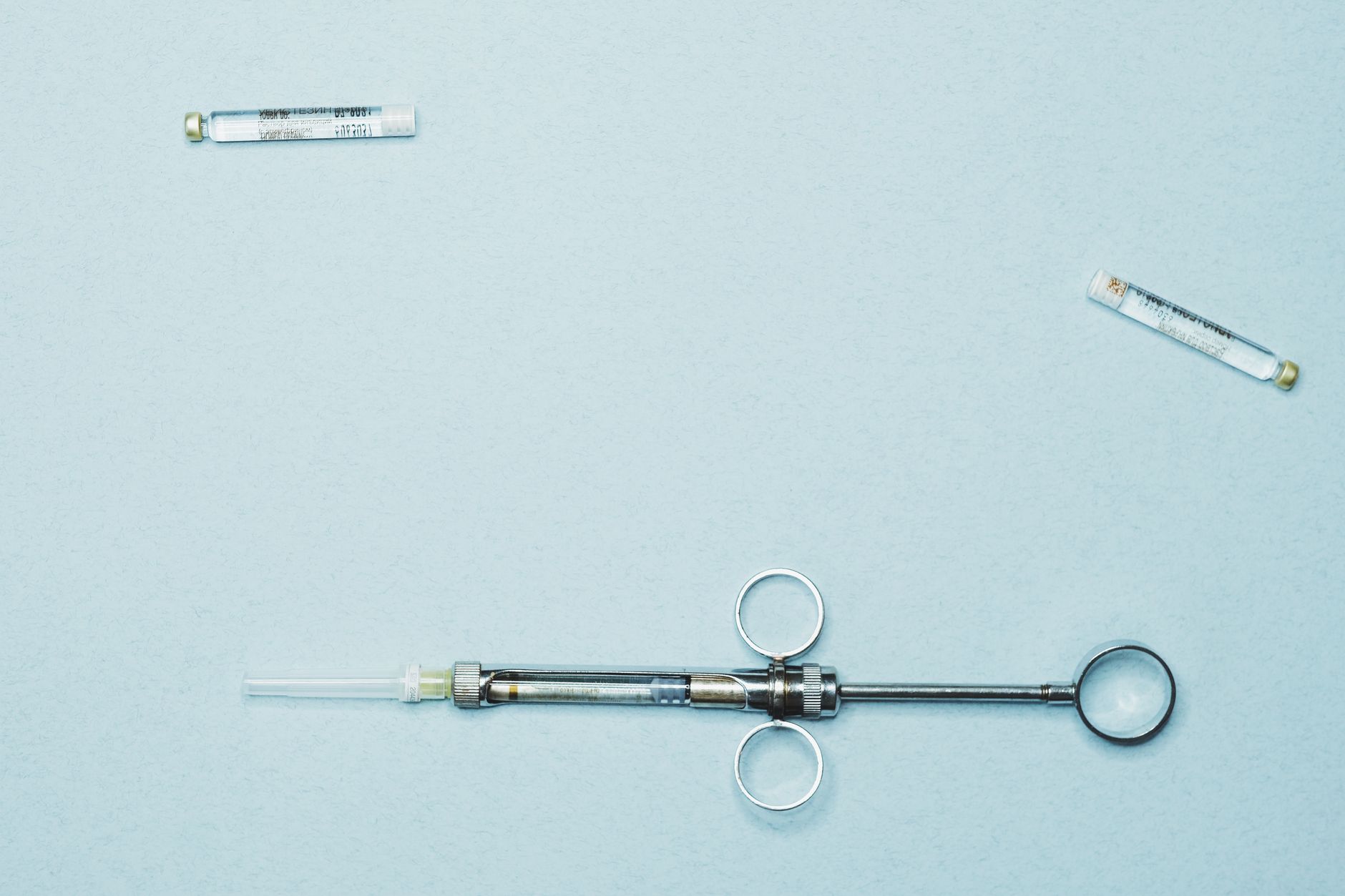
Novocaine is generally safe during pregnancy when used in limited doses, especially during dental procedures in the second trimester
By Shubhra Mishra — a mom of two who turned her own confusion during pregnancy into BumpBites, a global mission to make food choices clear, safe, and stress-free for every expecting mother. 💛
Check whether any food is safe during pregnancy with the BumpBites Food Safety Checker.
Quick verdict: ⚠️ Talk to your doctor first. Novocaine (procaine) is generally considered low‑risk in pregnancy, but because data are limited and higher‑dose or repeated exposures may carry theoretical concerns, it’s best to use it only when clearly needed and under professional guidance.
It’s completely normal to stare at the pharmacy shelf at 2 a.m. and wonder, “is novocaine safe during pregnancy?” You might have just had a dental cleaning, or you’re planning a filling and trying to decide which anesthetic is safest for you and your baby. The good news is that most obstetric and dental guidelines suggest Novocaine can be used when necessary, but there are important limits, trimester‑specific considerations, and safer alternatives you may want to know about.
In this article we’ll give you a clear bottom line, break down safety by each trimester, explain the recommended dosage, compare the brand name Novocaine to its generic cousin procaine, and list alternative anesthetics that many providers prefer for pregnant patients. We’ll also cover what to watch for in both mother and fetus, and when you should call your provider.
Keep a record of any anesthetic you receive—knowing the exact product helps your obstetrician monitor exposure.
Pregnancy stage
Verdict
Notes
First trimester
⚠️ Use only if essential
Limited data; avoid elective procedures if possible.
Second trimester
✅ Generally safe
Standard dental work is acceptable.
Third trimester
✅ Generally safe
Watch for uterine irritation; monitor fetal heart rate if high dose.
Breastfeeding
✅ Safe
Minimal drug transfer into breast milk.
What is Novocaine?
Novocaine is the brand name for the local anesthetic procaine, a synthetic version of cocaine that blocks nerve signals by inhibiting sodium channels. Dentists and some physicians use it to numb a small area—like a tooth, gum, or skin—so you feel no pain during procedures such as fillings, extractions, or minor surgeries. Procaine works quickly, peaks within a few minutes, and typically wears off after 30–60 minutes.
Because it does not travel far beyond the injection site, systemic exposure is low. However, the drug does enter the bloodstream and can cross the placenta, which is why obstetricians and dental professionals evaluate its safety for pregnant patients. Novocaine is often compared with newer anesthetics such as lidocaine or articaine, which have longer durations and slightly different safety profiles.
Is Novocaine safe during pregnancy?
Current guidance from the American College of Obstetricians and Gynecologists (ACOG) and the UK’s National Health Service (NHS) states that local anesthetics like procaine are Category B (FDA) or “generally safe” when used in the lowest effective dose. The FDA classifies procaine as a Category B drug, meaning animal studies have not shown risk to the fetus and there are no adequate human studies, but the drug is still used when the benefit outweighs potential risk.
Evidence from dental literature, including a systematic review published in the *Journal of Dental Research* (2020), found no increase in congenital malformations or adverse pregnancy outcomes when procaine was used for routine dental work. The CDC does not list procaine among teratogenic agents, and the WHO’s guidelines on safe medication use in pregnancy echo the same low‑risk assessment.
That said, the theoretical concern is that high doses or repeated injections could cause fetal exposure that might affect fetal heart rate or uterine tone. Therefore, most clinicians reserve Novocaine for necessary dental procedures and prefer alternatives like lidocaine when a longer‑acting anesthetic is needed.
When a dental procedure is needed, your dentist will choose the anesthetic that balances effectiveness and safety.
Safety by trimester
Is Novocaine safe to use during the first trimester of pregnancy?
The first trimester (weeks 1–13) is the period of organogenesis, when the fetus’s major organs form. Because of this heightened sensitivity, many providers recommend postponing elective dental work until the second trimester when possible. If a dental emergency arises—such as severe infection or uncontrolled pain—Novocaine can be used, but the dose should be the minimal amount needed to achieve anesthesia.
Second trimester safety
During weeks 14–27, the fetus’s organs are already formed, and the risk of teratogenic effects is lower. The second trimester is considered the safest window for necessary dental procedures. Novocaine’s short half‑life and limited systemic absorption make it an acceptable option for fillings, crowns, and other routine work.
Third trimester safety
In weeks 28–40, the main concern shifts to uterine blood flow and fetal heart rate. High doses of local anesthetic can occasionally cause transient uterine contractions, though this is rare with procaine. If a procedure is needed, the standard dental dose is still considered safe, but clinicians may monitor fetal heart rate if the mother’s dose exceeds typical limits.
Safety while breastfeeding
Procaine’s transfer into breast milk is minimal. The American Academy of Pediatrics (AAP) lists local anesthetics, including procaine, as compatible with breastfeeding. Mothers can safely receive Novocaine for dental work without needing to pump or skip feedings.
What is the recommended dosage of Novocaine for pregnant women?
For dental procedures, the typical adult dose of procaine is 2–4 mg/kg, not exceeding 300 mg total per appointment. In pregnant patients, clinicians aim for the lower end of that range—often 1.5 mg/kg—to reduce systemic exposure. The FDA does not set a specific pregnancy dose, but the ACOG recommends using the “minimum effective dose” principle.
Parameter
Standard adult dose
Pregnancy‑adjusted dose
Notes
Maximum single‑site injection
300 mg
≤ 250 mg
Keep total dose low; avoid multiple sites in one visit.
Concentration
0.5 %–2 % solution
0.5 %–1 %
Lower concentration reduces fetal exposure.
Frequency
Every 2–4 hours if needed
Only repeat if essential
Space procedures at least 24 hours apart.
There are no brand‑specific dosage differences between Novocaine and generic procaine; the active ingredient is identical. However, some formulations contain preservatives that could cause allergic reactions in sensitive individuals, so it’s worth confirming the exact product with your dentist.
Can I get a dental filling with Novocaine while pregnant?
Yes, you can receive a dental filling with Novocaine during pregnancy, especially after the first trimester. Dentists typically use the lowest effective dose and may choose a lidocaine‑based anesthetic if a longer‑lasting numbness is needed. Discuss any concerns with both your obstetrician and dentist; they can coordinate care to ensure the timing and dosage are optimal for you and your baby.
What are the risks of using Novocaine during pregnancy?
Overall, the risk profile of Novocaine is low. Documented risks include:
Transient fetal heart‑rate changes, especially with high doses.
Allergic reactions in the mother (rare, but can include rash, hives, or anaphylaxis).
Uterine irritation leading to mild contractions, though this is uncommon with standard dental doses.
Serious congenital malformations have not been linked to procaine exposure in the available studies. Nonetheless, the precautionary principle advises limiting exposure to the minimal amount required for the procedure.
Are there safer alternatives to Novocaine for pregnant patients?
Lidocaine – The most widely used local anesthetic in dentistry; extensive safety data support its use in all trimesters.
Mepivacaine – Similar onset to lidocaine with a slightly longer duration; considered safe when used at standard doses.
Articaine – Popular for its strong penetration; studies show no increase in adverse pregnancy outcomes.
Topical benzocaine – Useful for surface numbing; minimal systemic absorption makes it a low‑risk option.
Clove oil (eugenol) – A natural alternative for minor oral discomfort; limited data but generally regarded as safe in small amounts.
Acetaminophen (Tylenol) – For pain control after the procedure; FDA‑approved for use throughout pregnancy.
Does the brand name Novocaine differ in safety compared to generic procaine?
Novocaine and generic procaine contain the same active ingredient, so their safety profiles are essentially identical. The main differences lie in excipients—such as preservatives or buffering agents—that could cause rare allergic reactions. If you have a known sensitivity to certain additives, ask your dentist to review the product’s ingredient list.
How does Novocaine affect pregnancy complications like preeclampsia?
Preeclampsia is characterized by high blood pressure and proteinuria after 20 weeks of gestation. There is no evidence that procaine worsens or improves preeclampsia. However, because some local anesthetics can cause transient vasodilation, clinicians monitor blood pressure closely after any injection in a patient with preeclampsia. If you have this condition, your provider may prefer lidocaine, which has a well‑documented safety record in hypertensive pregnancies.
What side effects can Novocaine cause for the unborn baby?
When used at standard dental doses, Novocaine is unlikely to cause direct harm to the fetus. The most reported fetal effect is a brief slowdown in heart rate, which usually resolves without intervention. No studies have linked procaine to birth defects, growth restriction, or neurodevelopmental issues. Nonetheless, any unexpected fetal movement changes after a dental appointment should be reported to your obstetrician.
Safer alternatives
Lidocaine – Proven safety in all trimesters and the most commonly recommended anesthetic.
Mepivacaine – Similar efficacy with a slightly longer duration, also well‑studied in pregnancy.
Articaine – Strong penetration, especially useful for deeper teeth, with no reported fetal risks.
Topical benzocaine – Ideal for surface numbing; minimal systemic absorption.
Clove oil (eugenol) – Natural option for minor oral pain; safe in low concentrations.
Acetaminophen (Tylenol) – Effective for post‑procedure pain; FDA‑approved throughout pregnancy.
Related items — safety at a glance
Item
Verdict
One‑line note
Procaine (Novocaine)
⚠️ Use with caution
Safe at low dose; avoid elective use in first trimester.
Lidocaine
✅ Generally safe
Most studied; preferred for routine dental work.
Mepivacaine
✅ Generally safe
Longer‑acting, low fetal exposure.
Articaine
✅ Generally safe
Strong penetration, no adverse pregnancy data.
Bupivacaine
⚠️ Use with caution
Long‑acting, higher systemic absorption; reserve for special cases.
Prilocaine
⚠️ Use with caution
Risk of methemoglobinemia at high doses.
Tetracaine
⚠️ Use with caution
Potent; limited pregnancy data.
Myth vs. fact
Myth: “All local anesthetics are unsafe in pregnancy.”
Fact: Most local anesthetics, including procaine (Novocaine) and lidocaine, are classified as Category B by the FDA and are considered safe when used at the lowest effective dose.
Myth: “Novocaine will cause birth defects.”
Fact: No credible studies have linked procaine exposure to congenital anomalies; the drug’s short half‑life limits fetal exposure.
Myth: “If I’ve already had a dental filling with Novocaine, my baby is at risk.”
Fact: A single, appropriately dosed exposure is unlikely to harm the fetus; most cases show normal outcomes.
Key takeaways
Novocaine (procaine) is low‑risk but should be used only when necessary, especially in the first trimester.
Stick to the minimum effective dose—generally ≤ 250 mg total for a dental visit.
Lidocaine, mepivacaine, and articaine are well‑studied alternatives that many providers prefer.
Monitor for fetal heart‑rate changes after high‑dose injections; report any concerns promptly.
Always discuss your dental plan with both your dentist and obstetrician to coordinate safe timing.
Frequently asked questions
Can I have a dental filling during pregnancy?
Yes—most dentists will safely perform a filling using a low‑dose local anesthetic such as lidocaine or procaine, particularly after the first trimester.
Is it safe to get a root canal while pregnant?
Root canal therapy is considered safe in pregnancy when necessary; the preferred anesthetic is lidocaine, though procaine can be used if the dentist deems it appropriate.
What anesthesia is safe for pregnant women?
Lidocaine, mepivacaine, and articaine have the strongest safety data; procaine (Novocaine) is acceptable at low doses, while bupivacaine and tetracaine are used only when benefits outweigh potential risks.
Does Novocaine cross the placenta?
Yes, procaine can cross the placenta, but its rapid metabolism and low systemic levels mean fetal exposure is minimal at standard dental doses.
What are the side effects of Novocaine for the baby?
Rarely, the baby may experience a brief slowdown in heart rate after maternal injection; this typically resolves without intervention.
How long after a dental procedure can I become pregnant again?
There is no required waiting period after a dental procedure; you can try to conceive as soon as you feel ready, but discuss any concerns with your obstetrician.
When to call your doctor
If you notice any of the following after receiving Novocaine, contact your obstetrician or seek emergency care:
Persistent uterine contractions or cramping lasting more than 30 minutes.
Sudden decrease in fetal movements or abnormal fetal heart‑rate patterns.
Signs of an allergic reaction: hives, swelling of the face or throat, difficulty breathing.
Severe headache, dizziness, or vision changes that do not resolve quickly.
These symptoms could signal a reaction that needs medical evaluation. Remember, this article provides general information and is not a substitute for personalized medical advice.
References
American College of Obstetricians and Gynecologists (ACOG). “Medication Use in Pregnancy.” ACOG Committee Opinion, 2022.
National Health Service (NHS). “Dental care during pregnancy.” NHS.uk, 2023.
U.S. Food and Drug Administration (FDA). “Pregnancy Category B – Procaine.” FDA Drug Database, 2021.
Centers for Disease Control and Prevention (CDC). “Guidelines for safe medication use in pregnancy.” CDC, 2022.
World Health Organization (WHO). “Recommendations for safe use of medicines in pregnancy.” WHO, 2020.
Journal of Dental Research. “Local anesthetic use in pregnant patients: a systematic review.” 2020.
American Academy of Pediatrics (AAP). “Breastfeeding and medication use.” AAP Policy Statement, 2021.
British National Formulary (BNF). “Procaine – dosage and safety.” BNF, 2023.
Not sure about the label on Is Novocaine Safe During Pregnancy products?
Snap the ingredients list and SafeFilter checks every ingredient for your stage — only 3 free scans this month, then you're locked until reset. Unlimited from $7/mo or $50/yr.
When Shubhra Mishra was expecting her first child in 2016, she was overwhelmed by conflicting food advice — one site said yes, another said never. By the time her second baby arrived in 2019, she realized millions of mothers face the same confusion.
That sparked a five-year journey through clinical nutrition papers, cultural diets, and expert conversations — all leading to BumpBites: a calm, compassionate space where science meets everyday motherhood.
Her long-term vision is to build a global community ensuring safe, supported, and free deliveriesfor every mother — because no woman should face pregnancy alone or uninformed. 🌿
🌍 Stand with mothers, shape safer guidance
Join a small circle of experts who review BumpBites articles so expecting parents everywhere can decide with confidence.