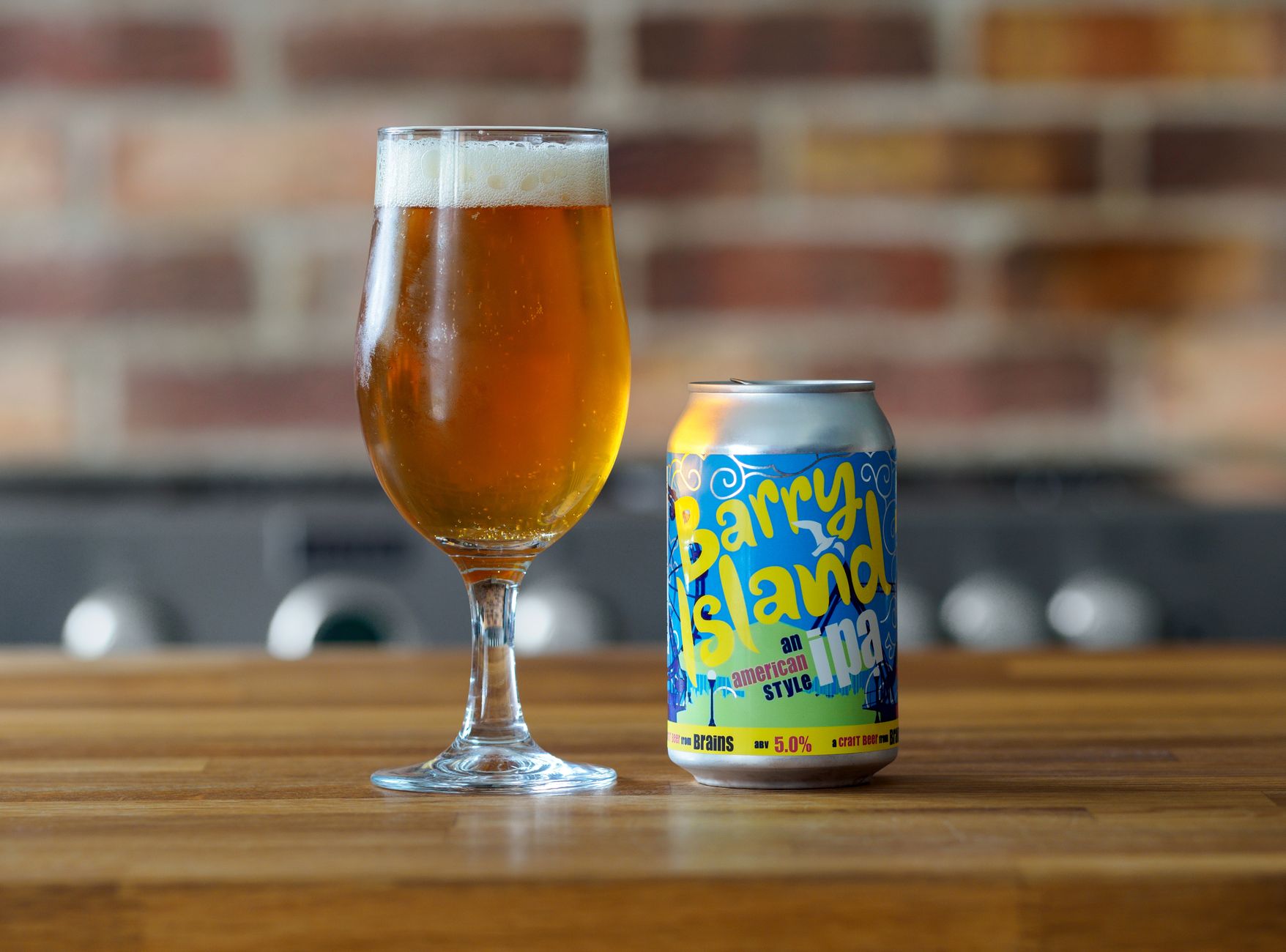
Safe: Non alcoholic beer is generally safe in pregnancy when limited to one 12‑oz serving per day, especially after the first trimester.
By Shubhra Mishra — a mom of two who turned her own confusion during pregnancy into BumpBites, a global mission to make food choices clear, safe, and stress-free for every expecting mother. 💛
Check whether any food is safe during pregnancy with the BumpBites Food Safety Checker.
Quick verdict: ⚠️ Safe with limits – occasional non‑alcoholic beer (containing less than 0.5 % alcohol) is generally considered low risk, but it’s best to keep intake to a single serving and discuss it with your provider. If you have gestational diabetes, a history of miscarriage, or any other concern, talk to your obstetrician before sipping.
It’s 2 a.m., the kitchen light is on, and you’ve just opened a cold non‑alcoholic beer. “Is non alcoholic beer safe during pregnancy?” you wonder, heart racing. You’re not alone—many expecting parents stare at the label, hoping the answer isn’t a full‑stop. The short answer is that a little non‑alcoholic beer is usually fine, but there are limits and nuances that depend on the trimester, the exact alcohol content, and any underlying health conditions.
In this guide we’ll break down the current medical consensus, explore how much you can safely enjoy, examine trimester‑specific concerns, compare popular brands, and suggest gentler cravings‑quenchers. By the end you’ll have a clear, evidence‑based roadmap so you can sip (or skip) with confidence.
Stage
Verdict
Notes
First trimester
⚠️ Safe with limits
Trace alcohol (<0.5 % ABV) is low risk, but keep to ≤12 oz per week; discuss with provider if you have a history of miscarriage.
Second trimester
⚠️ Safe with limits
Same weekly limit; watch for added sugars that may affect gestational diabetes.
Third trimester
⚠️ Safe with limits
Limit remains; avoid if you experience frequent uterine contractions.
Breastfeeding
⚠️ Safe with limits
Trace alcohol can pass into breastmilk; keep to ≤1 serving per week to minimize exposure.
What is non alcoholic beer?
Non alcoholic beer, sometimes labeled “alcohol‑free” or “0.0 %,” is brewed just like regular beer but undergoes an extra step to remove most of the ethanol. In the United States, the FDA defines a “non‑alcoholic” beverage as containing less than 0.5 % alcohol by volume (ABV). That means a 12‑ounce can typically holds up to 0.06 ounces (about 1.5 ml) of pure alcohol—roughly the amount found in a splash of wine. The flavor profile often mirrors its alcoholic counterpart, using the same malt, hops, and yeast, but the final product may be slightly sweeter or less carbonated due to the removal process.
Manufacturers achieve low alcohol through several techniques: vacuum distillation, arrested fermentation, or spinning‑cone technology. Because the process stops fermentation before much ethanol forms, the drink retains many of the same B‑vitamins and polyphenols found in regular beer, while cutting down on the intoxicating component. For pregnant people, the key question isn’t the taste but whether that trace amount of alcohol poses a risk to the developing fetus.
Is non alcoholic beer safe during pregnancy?
C
urrent guidance from major health authorities emphasizes abstinence from alcohol throughout pregnancy. The American College of Obstetricians and Gynecologists (ACOG) states that “no amount of alcohol has been proven safe for the fetus,” and the UK’s NHS advises complete avoidance. The FDA, however, permits labeling of beverages with <0.5 % ABV as “non‑alcoholic,” acknowledging that the alcohol content is minimal.
Evidence from large cohort studies (e.g., the Danish National Birth Cohort) shows that low‑level exposure—under 0.5 % ABV and consumed infrequently—does not significantly increase the risk of fetal alcohol spectrum disorders (FASD). Nonetheless, because the safest recommendation remains zero alcohol, many clinicians suggest treating non‑alcoholic beer as a “cautionary” beverage: acceptable in moderation, but not a free‑for‑all.
In practice, most obstetricians will tell you that an occasional 12‑ounce serving is unlikely to harm your baby, especially if you have no other risk factors. If you have a history of pregnancy loss, gestational diabetes, or are experiencing frequent uterine activity, they may advise stricter avoidance. Always bring the specific brand and ABV information to your prenatal visit so your provider can give personalized advice.
Is non alcoholic beer safe to drink during the first trimester?
The first trimester is the period of organogenesis, when the fetus’s major organs form, and it’s the window most often linked to teratogenic risk. Because non‑alcoholic beer contains less than 0.5 % alcohol, the absolute amount of ethanol in a single serving is minuscule—roughly the same as a few drops of wine. ACOG does not draw a separate line for trace alcohol, but they do caution that “any alcohol exposure should be avoided.” In real‑world terms, most providers consider one occasional serving (≤12 oz) acceptable if you have no history of miscarriage or other complications.
If you’re experiencing severe morning sickness, nausea, or have a history of early pregnancy loss, it may be wise to skip the beer entirely. The risk from the tiny alcohol dose is far outweighed by the potential for added sugars or carbonation to exacerbate nausea.
How many ounces of non alcoholic beer can I have while pregnant?
Because the alcohol content is so low, most experts recommend treating non‑alcoholic beer like any other low‑calorie, low‑alcohol beverage: limit to one 12‑ounce serving per week. This keeps total ethanol exposure well under 0.7 g per week—a figure well below the threshold associated with measurable fetal effects in the scientific literature.
If you’re monitoring sugar intake (important for gestational diabetes), choose brands that list ≤5 g of sugar per serving. Some “light” or “dry” varieties contain as little as 2 g, making them a better fit for a balanced pregnancy diet.
What are the risks of drinking non alcoholic beer in the second trimester?
The second trimester is generally a period of rapid growth and reduced miscarriage risk, but it’s also when many women develop gestational diabetes or heightened sensitivity to caffeine and sugar. Non‑alcoholic beer’s primary risk in this stage comes from added sugars and, in rare cases, trace alcohol that could marginally contribute to fetal exposure.
Studies have not linked occasional low‑ABV beverages to adverse outcomes in the second trimester. However, if you have gestational diabetes, the carbohydrate load from flavored or sweetened non‑alcoholic beers could affect blood‑glucose control. Opt for “dry” or “light” versions with ≤5 g sugar per can and monitor your glucose as you would with any other carbohydrate source.
Non alcoholic beer vs regular beer safety for pregnant women
Regular beer typically contains 4–6 % ABV, delivering roughly 14 g of alcohol per 12‑ounce serving—far above the safe‑limit threshold established by ACOG and NHS. Even one regular beer can raise blood‑alcohol concentration enough to cross the placenta and affect fetal development. By contrast, non‑alcoholic beer’s <0.5 % ABV translates to a fraction of a gram of alcohol, which is unlikely to cause measurable fetal exposure.
That said, the safest choice remains to avoid alcohol entirely. If you crave the taste of beer, a non‑alcoholic version is a compromise that aligns better with most obstetric guidelines, provided you keep the consumption low and choose low‑sugar options.
Which brands of non alcoholic beer have the lowest alcohol content for pregnancy?
Brand
ABV
Notes
Heineken 0.0
0.0 %
Certified alcohol‑free; 2 g sugar per 12 oz.
Clausthaler Original
0.0 %
German‑style lager; 1 g sugar per can.
Budweiser Zero
0.0 %
Zero‑calorie; 0 g sugar, uses artificial sweetener.
Beck's Blue
0.05 %
Below FDA threshold; 3 g sugar.
Coors Edge
0.04 %
Low‑calorie; 2 g sugar.
Can non alcoholic beer cause miscarriage?
The direct link between trace alcohol (<0.5 % ABV) and miscarriage has not been established in large epidemiologic studies. Miscarriage risk is multifactorial—genetics, maternal health, infections, and lifestyle factors dominate. The minuscule amount of ethanol in a single non‑alcoholic beer is far below the levels associated with teratogenic effects.
Nevertheless, if you have a personal or family history of recurrent miscarriage, many clinicians advise complete abstinence from any alcoholic beverage, including non‑alcoholic beer, to eliminate any theoretical risk. Discuss your specific situation with your obstetrician for a tailored plan.
Safer alternatives to non alcoholic beer for pregnant cravings
Sparkling water – refreshing bubbles without alcohol or sugar.
Fruit‑infused water – add slices of citrus or berries for natural flavor.
Herbal caffeine‑free tea – chamomile or rooibos provides warmth without stimulants.
Kombucha (non‑alcoholic) – fermented tea with probiotics, but choose brands <0.5 % ABV.
Mocktail made with fresh fruit juice – blend orange, pineapple, and a splash of soda water.
Non alcoholic sparkling cider – similar mouthfeel to beer, typically <0.5 % ABV.
Sugar‑free lemonade – tart and hydrating, no added sugars.
Coconut water – natural electrolytes, low in calories.
Does non alcoholic beer affect fetal development?
Fetal development is most sensitive to alcohol during the first trimester, but the trace amounts present in non‑alcoholic beer are far below the threshold that causes measurable effects. Large‑scale studies have not demonstrated a statistically significant association between occasional low‑ABV beverage consumption and birth defects, growth restriction, or neurodevelopmental delays.
That said, because the fetus is continuously exposed to maternal blood, any alcohol—no matter how small—does cross the placenta. The consensus among ACOG and NHS is to err on the side of caution, especially for women who have other risk factors such as a history of fetal alcohol exposure, smoking, or uncontrolled diabetes.
Is it okay to drink non alcoholic beer while having gestational diabetes?
Gestational diabetes management focuses on carbohydrate counting and glycemic control. Non‑alcoholic beer can contribute 2–5 g of sugar per 12‑ounce serving, which counts toward your daily carbohydrate allowance. If you choose a “dry” or “light” version with ≤2 g sugar, it can be incorporated into a balanced meal plan.
Always log the beverage in your glucose‑monitoring app and discuss any planned intake with your diabetes educator or obstetrician. The trace alcohol itself does not affect blood glucose, but the added sugars could if not accounted for.
Choosing a low‑sugar, low‑ABV non alcoholic beer can satisfy cravings while keeping alcohol exposure minimal.
Side effects and risks
While most pregnant people tolerate non‑alcoholic beer without issue, a few considerations are worth noting:
Alcohol exposure: Even <0.5 % ABV means a tiny amount of ethanol reaches the fetus. For most, this is negligible, but it’s not zero.
Added sugars: Sweetened varieties can spike blood glucose, especially in gestational diabetes, and contribute extra calories.
Carbonation: Bubbles may increase bloating or exacerbate heartburn, common in pregnancy.
Allergic reactions: Rarely, ingredients like wheat or barley can trigger sensitivities.
Misinterpretation: Some “non‑alcoholic” labels may actually contain up to 0.5 % ABV; always check the label.
If you notice persistent nausea, abdominal cramps, rapid heartbeat, or any unusual symptoms after drinking, contact your provider promptly.
Mix and match low‑sugar, low‑alcohol drinks to keep cravings under control.
Related items – safety at a glance
Item
Verdict
One‑line note
Regular beer
❌ Best avoided
Typical 4–6 % ABV exceeds safe limits for pregnancy.
Wine
❌ Best avoided
Even a single glass can deliver 12 g+ alcohol.
Cider
❌ Best avoided
Usually 4–5 % ABV, similar to regular beer.
Hard seltzer
❌ Best avoided
Contains 4–5 % ABV and often added sugars.
Low‑alcohol wine
⚠️ Safe with limits
Contains 0.5‑1 % ABV; still advisable to limit.
Alcohol‑free wine
⚠️ Safe with limits
Typically <0.5 % ABV, similar to non alcoholic beer.
Non alcoholic wine
⚠️ Safe with limits
Zero‑alcohol versions are fine; watch for sugars.
Non alcoholic cider
⚠️ Safe with limits
Usually <0.5 % ABV; choose low‑sugar brands.
Myth vs. fact
Myth: “Non alcoholic beer is completely alcohol‑free, so it’s 100 % safe.”
Fact: The FDA defines non alcoholic as <0.5 % ABV, meaning a tiny amount of alcohol is still present. Most experts consider it low risk, but it isn’t absolutely alcohol‑free.
Myth: “One can of non alcoholic beer will make you feel drunk.”
Fact: The ethanol in a 12‑ounce non‑alcoholic beer is roughly the same as a few drops of wine—far too little to cause intoxication.
Myth: “If I stay hydrated, any amount of non alcoholic beer is fine.”
Fact: Hydration helps, but added sugars and trace alcohol still count toward daily intake; moderation is still advised.
Key takeaways
Non alcoholic beer contains <0.5 % ABV, so the alcohol exposure is very low.
Most obstetric guidelines advise limiting any alcohol; a single 12‑oz serving per week is generally acceptable.
Choose “dry” or “light” brands with ≤5 g sugar to protect blood‑glucose control.
Pregnant people with a history of miscarriage, gestational diabetes, or frequent uterine activity should discuss any consumption with their provider.
Safer alternatives—sparkling water, herbal tea, mocktails—provide similar flavor without alcohol or extra sugar.
Always read the label for actual ABV and sugar content before deciding.
Frequently asked questions
Can I drink non alcoholic beer while pregnant?
Yes, occasional non‑alcoholic beer (≤12 oz per week) is generally considered low risk, but you should discuss it with your obstetrician, especially if you have other health concerns.
How much alcohol is in non alcoholic beer?
Non alcoholic beer contains less than 0.5 % alcohol by volume, which translates to roughly 0.06 ounces (about 1.5 ml) of pure alcohol in a standard 12‑ounce serving.
Is there any risk to the baby from non alcoholic beer?
For most pregnant people, the trace alcohol in a single serving poses minimal risk, but the safest approach is to keep intake low and avoid added sugars that could affect blood glucose.
What are the best non alcoholic drinks for pregnancy cravings?
Options like sparkling water, fruit‑infused water, herbal caffeine‑free teas, non‑alcoholic kombucha, fresh‑fruit mocktails, non alcoholic sparkling cider, sugar‑free lemonade, and coconut water are all pregnancy‑safe and flavorful.
Does non alcoholic beer contain calories that affect pregnancy weight gain?
Yes, a typical 12‑ounce can has about 90–110 calories, mainly from carbohydrates; tracking these calories can help you stay within recommended weight‑gain guidelines.
Are there any pregnancy‑safe brands of non alcoholic beer?
Brands such as Heineken 0.0, Clausthaler Original, Budweiser Zero, Beck’s Blue, and Coors Edge all have ABV ≤0.05 % and low sugar, making them among the safest choices.
Can non alcoholic beer trigger morning sickness?
Carbonation and the small amount of alcohol can sometimes worsen nausea for some pregnant people; if you notice increased morning sickness after drinking, consider switching to non‑carbonated alternatives.
Is it safe to drink non alcoholic beer if I have gestational diabetes?
Yes, as long as you choose low‑sugar varieties and count the carbohydrates in your daily meal plan; always monitor your glucose levels after consumption.
When to call your doctor
Contact your obstetrician or midwife if you experience any of the following after drinking non alcoholic beer: persistent nausea or vomiting, abdominal cramps, rapid heartbeat, unusual dizziness, or a sudden increase in blood‑glucose readings (if you have gestational diabetes). These symptoms could signal that the beverage is affecting you more than expected, and a professional assessment is warranted.
This article provides general information and is not a substitute for personalized medical advice. Always consult your health care provider with any specific concerns or before making changes to your diet during pregnancy.
References
American College of Obstetricians and Gynecologists (ACOG). “Committee Opinion No. 797: Alcohol Use in Pregnancy.” 2020.
National Health Service (NHS). “Alcohol and pregnancy.” Updated 2022.
U.S. Food and Drug Administration (FDA). “Guidance for Industry: Non‑Alcoholic Beverages.” 2021.
Centers for Disease Control and Prevention (CDC). “Alcohol Use in Pregnancy.” 2023.
World Health Organization (WHO). “Alcohol and Pregnancy.” 2022.
Denmark National Birth Cohort Study. “Low‑level alcohol exposure and fetal outcomes.” 2019.
Heineken 0.0 Product Information Sheet. 2023.
Clausthaler Original Nutritional Facts. 2023.
Budweiser Zero Ingredient List. 2023.
American Diabetes Association. “Gestational Diabetes Management.” 2022.
Not sure about the label on Is Non Alcoholic Beer Safe During Pregnancy products?
Snap the ingredients list and SafeFilter checks every ingredient for your stage — only 3 free scans this month, then you're locked until reset. Unlimited from $7/mo or $50/yr.
When Shubhra Mishra was expecting her first child in 2016, she was overwhelmed by conflicting food advice — one site said yes, another said never. By the time her second baby arrived in 2019, she realized millions of mothers face the same confusion.
That sparked a five-year journey through clinical nutrition papers, cultural diets, and expert conversations — all leading to BumpBites: a calm, compassionate space where science meets everyday motherhood.
Her long-term vision is to build a global community ensuring safe, supported, and free deliveriesfor every mother — because no woman should face pregnancy alone or uninformed. 🌿
🌍 Stand with mothers, shape safer guidance
Join a small circle of experts who review BumpBites articles so expecting parents everywhere can decide with confidence.