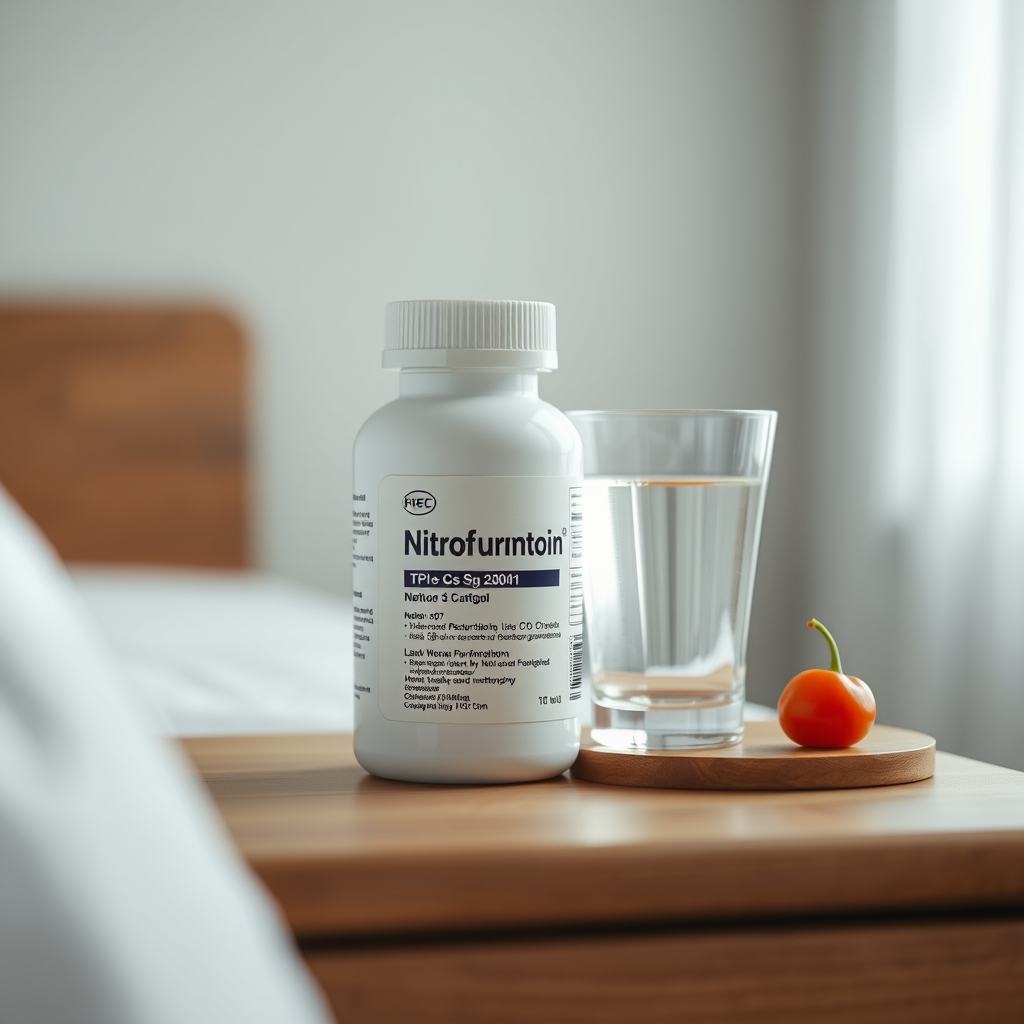
Is nitrofurantoin safe during pregnancy? It's generally considered conditional. Learn about safe dosages, specific trimester considerations, and important alternatives for expectant mothers.
By Shubhra Mishra — a mom of two who turned her own confusion during pregnancy into BumpBites, a global mission to make food choices clear, safe, and stress-free for every expecting mother. 💛
Check whether any food is safe during pregnancy with the BumpBites Food Safety Checker.
Quick verdict: ⚠️ Safe with limits. Nitrofurantoin is generally considered a safe and effective antibiotic for treating urinary tract infections (UTIs) during the first and second trimesters of pregnancy, but it should typically be avoided in late third trimester and near term due to potential risks to the newborn. Always consult your healthcare provider for the correct diagnosis and treatment plan.
The sudden discomfort of a urinary tract infection (UTI) is unwelcome at any time, but during pregnancy, it can bring a wave of extra worry. You might find yourself staring at a prescription for nitrofurantoin, or perhaps you’ve already started taking it and now the question is nagging at you: **is nitrofurantoin safe during pregnancy**? That late-night Google search is perfectly normal, and we understand you want clear, reassuring answers.
We're here to help you navigate these concerns. Nitrofurantoin is a commonly prescribed antibiotic for UTIs, which are unfortunately quite common during pregnancy. The good news is that for most of your pregnancy, this medication is a well-established and generally safe option. However, there are specific times and circumstances when it's best to avoid it, particularly as you approach your due date. We'll break down the safety of nitrofurantoin trimester by trimester, discuss appropriate dosages, potential risks, and safer alternatives, so you can feel confident and informed.
Trimester/Stage
Verdict
Notes
First Trimester
✅ Generally Safe
Considered a first-line treatment for uncomplicated UTIs. Studies show no increased risk of major birth defects.
Second Trimester
✅ Generally Safe
Continues to be a preferred choice for UTI treatment. Well-tolerated by most pregnant individuals.
Third Trimester (before 38 weeks)
⚠️ Safe with Caution
Generally safe, but individual risk factors (like G6PD deficiency) should be discussed.
Third Trimester (after 38 weeks & near term)
❌ Best Avoided
Avoid taking after 38 weeks gestation or during labor due to the theoretical risk of hemolytic anemia in the newborn.
Breastfeeding
✅ Generally Safe
Minimal transfer into breast milk. Generally compatible with breastfeeding, but caution for infants under one month old or those with G6PD deficiency.
What is Nitrofurantoin?
Nitrofurantoin is an antibiotic medication specifically designed to treat and prevent urinary tract infections (UTIs). It belongs to a class of drugs called nitrofuran antibiotics. Unlike some other antibiotics that circulate widely throughout the body, nitrofurantoin works primarily by concentrating in the urine, where it targets and kills the bacteria responsible for UTIs. This localized action is one of the reasons it's often favored for urinary infections, as it can be very effective against common UTI-causing bacteria like *E. coli*.
When you take nitrofurantoin, it's absorbed and quickly filtered by your kidneys, reaching high concentrations in the bladder. This allows it to act directly on the infection site with minimal impact on beneficial bacteria elsewhere in your body. It's available in several forms, including capsules and oral suspensions, and commonly goes by brand names like Macrobid (a long-acting form) and Macrodantin. Because of its targeted approach and effectiveness against many common UTI pathogens, it's a go-to option for healthcare providers when diagnosing and treating uncomplicated UTIs.
Always take medication with a full glass of water, as directed by your healthcare provider.
Is Nitrofurantoin Safe During Pregnancy?
For
many pregnant individuals, the answer to "is nitrofurantoin safe during pregnancy?" is generally yes, especially during the first and second trimesters. Leading health organizations, including the American College of Obstetricians and Gynecologists (ACOG) and the UK's National Institute for Health and Care Excellence (NICE), consider nitrofurantoin a first-line antibiotic for treating uncomplicated urinary tract infections in pregnant individuals. This guidance is based on extensive research and clinical experience showing no increased risk of major birth defects when used early in pregnancy.
The reason for this favorable safety profile largely comes down to how nitrofurantoin works. It concentrates in the urine and has limited systemic absorption, meaning less of the drug reaches the developing fetus compared to some other antibiotics. This targeted action helps to effectively clear the UTI while minimizing potential exposure to the baby. Studies have consistently shown that when used appropriately, **is nitrofurantoin safe during pregnancy** is answered with a high degree of confidence for most of the gestational period.
However, like all medications, there are specific considerations. The primary caution with nitrofurantoin during pregnancy relates to its use in the very late stages, specifically after 38 weeks of gestation or during labor. This is due to a theoretical risk of hemolytic anemia in the newborn, particularly if the baby has an immature enzyme system or an underlying condition like glucose-6-phosphate dehydrogenase (G6PD) deficiency. Because of this, many obstetricians recommend avoiding nitrofurantoin as you approach your due date. Your healthcare provider will weigh the benefits against these rare risks, especially considering the potential complications of an untreated UTI during pregnancy, which can include preterm labor and kidney infections.
Is nitrofurantoin safe in early pregnancy?
If you’re wondering, "is nitrofurantoin safe in early pregnancy?", you can generally breathe a sigh of relief. The first trimester, when a baby's organs are forming, is often the period of greatest concern for medication exposure. However, nitrofurantoin is widely considered a safe and effective option for treating UTIs during this crucial time. Multiple studies and major medical guidelines, including those from ACOG, have found no consistent evidence linking nitrofurantoin use in the first trimester to an increased risk of major birth defects. Its mechanism of action, which largely keeps it concentrated in the urinary tract rather than circulating widely in the bloodstream, contributes to its safety profile during early fetal development. Therefore, if your doctor has prescribed nitrofurantoin for a UTI in your first trimester, it's typically a well-considered and appropriate choice.
Can you take nitrofurantoin in the second trimester?
Yes, you can generally take nitrofurantoin in the second trimester. As your pregnancy progresses into the second trimester, the safety profile of nitrofurantoin remains favorable. It continues to be a go-to antibiotic for treating UTIs, which are still common during this period. The concerns about organogenesis (major organ development) have largely passed, and the specific late-term risks associated with nitrofurantoin are not typically relevant during the second trimester. Many pregnant individuals take nitrofurantoin successfully during this time without adverse effects on their pregnancy or baby. Your healthcare provider will prescribe the appropriate dosage and duration to effectively clear the infection and ensure your well-being.
Is nitrofurantoin safe in late pregnancy?
When it comes to **is nitrofurantoin safe during pregnancy** in the late stages, the answer becomes more nuanced. While generally safe throughout most of the third trimester, it's typically recommended to avoid nitrofurantoin after 38 weeks of gestation, or during labor and delivery. The primary concern is a theoretical risk of hemolytic anemia in the newborn. This condition occurs when red blood cells are destroyed faster than they can be made. Newborns, especially those who are premature or have an underlying condition like glucose-6-phosphate dehydrogenase (G6PD) deficiency, have immature enzyme systems that might be more susceptible to this effect from nitrofurantoin. For this reason, many healthcare providers will switch to a different antibiotic for UTI treatment if you are nearing your due date. Always discuss your specific situation and timing with your doctor to ensure the safest treatment plan.
Is it safe to take nitrofurantoin while breastfeeding?
For new parents, the question of "is it safe to take nitrofurantoin while breastfeeding?" is important for continuing care. Generally, nitrofurantoin is considered compatible with breastfeeding. The amount of the medication that passes into breast milk is minimal and is not typically expected to cause adverse effects in a healthy, full-term infant. However, caution is advised for infants under one month old, those with G6PD deficiency, or premature babies, as their systems are still developing and may be more sensitive. If your infant develops diarrhea or thrush, or if you have any concerns, consult with your pediatrician or healthcare provider. Most experts agree that the benefits of treating a maternal UTI outweigh the very low risk to the breastfed infant in the majority of cases.
Managing UTIs promptly and safely is crucial for both your health and your baby's well-being during pregnancy.
What is the recommended nitrofurantoin dosage for pregnant women?
The recommended nitrofurantoin dosage for pregnant women is typically the same as for non-pregnant adults, but always at the specific dose your healthcare provider prescribes. For an acute, uncomplicated urinary tract infection (UTI), a common regimen might be 100 mg of nitrofurantoin monohydrate/macrocrystals (often known by the brand name Macrobid) taken twice daily for 5 to 7 days. Another common formulation, nitrofurantoin macrocrystals (Macrodantin), might be prescribed as 50 mg to 100 mg four times daily for 7 days.
In some cases, if you have recurrent UTIs during pregnancy, your doctor might prescribe a lower dose for prophylactic (preventative) purposes, such as 50 mg once nightly. It is absolutely crucial to complete the full course of antibiotics as prescribed, even if your symptoms improve quickly. Stopping early can lead to the infection returning and potentially becoming more resistant to antibiotics. Always follow your doctor's instructions precisely and do not adjust the dosage or duration on your own. If you miss a dose, take it as soon as you remember unless it's almost time for your next dose, then skip the missed dose and continue with your regular schedule. Do not double up doses.
Side effects and risks
While often effective, it's important to be aware of the potential side effects and risks associated with taking nitrofurantoin during pregnancy. Most side effects are mild and common, but some can be more serious.
Common side effects include:
Nausea and vomiting: This is one of the most frequently reported side effects. Taking the medication with food can often help reduce stomach upset.
Headache: Mild headaches can occur.
Diarrhea: Changes in bowel habits are possible.
Urine discoloration: Nitrofurantoin can turn urine a dark yellow or brown color, which is harmless.
More serious, but less common, risks include:
Allergic reactions: Symptoms like rash, itching, swelling (especially of the face, tongue, or throat), severe dizziness, or trouble breathing require immediate medical attention.
Liver problems: In rare cases, nitrofurantoin can cause liver damage, indicated by symptoms such as persistent nausea/vomiting, dark urine, yellowing eyes/skin (jaundice), or severe stomach pain.
Lung problems (pulmonary toxicity): Though rare, long-term use can lead to lung inflammation or scarring. Symptoms include persistent cough, chest pain, or difficulty breathing.
Peripheral neuropathy: This involves nerve damage, causing symptoms like numbness, tingling, or weakness in the hands or feet. It's more common with long-term use or in individuals with kidney problems.
Hemolytic anemia in the newborn: As discussed, this is the primary concern when nitrofurantoin is used late in the third trimester (after 38 weeks) or during labor. It's a theoretical risk where the drug could cause the breakdown of red blood cells in a newborn, particularly those with G6PD deficiency or immature enzyme systems. This is why avoidance near term is generally recommended.
It is crucial to discuss your full medical history, including any known allergies or conditions like G6PD deficiency, with your healthcare provider before starting nitrofurantoin. If you experience any severe or unusual symptoms while taking the medication, contact your doctor immediately.
What are the alternatives to nitrofurantoin for UTI during pregnancy?
If nitrofurantoin isn't suitable for you – perhaps due to late-term pregnancy, allergies, or other medical reasons – there are several other safe and effective alternatives for treating urinary tract infections during pregnancy. Your doctor will choose the best option based on the specific bacteria causing your infection (identified through a urine culture) and your individual health profile.
Here are some commonly recommended alternatives:
Amoxicillin: A penicillin-class antibiotic that is widely considered safe during all trimesters of pregnancy and effective against many UTI-causing bacteria.
Cephalexin: Another well-established and pregnancy-safe antibiotic from the cephalosporin class, often used as a first-line treatment for UTIs.
Fosfomycin: This antibiotic is often given as a single-dose treatment, which can be convenient. It's considered safe for use during pregnancy and effectively targets common UTI pathogens.
Cranberry supplements: While not a treatment for an active infection, cranberry products (juice or supplements) can be helpful in *preventing* UTIs by inhibiting bacteria from adhering to the urinary tract walls. Always choose sugar-free options and consult your doctor before using.
Increased water intake: Drinking plenty of water helps to flush bacteria from the urinary tract and can alleviate discomfort. This is an important supportive measure for both prevention and treatment, but not a standalone cure for an active infection.
D-Mannose: A type of sugar that can help prevent certain bacteria (especially *E. coli*) from sticking to the bladder wall. Like cranberry, it's generally used for prevention or as an adjunct, not as a primary treatment for an active UTI during pregnancy. Discuss with your doctor before taking.
Always remember that self-treating a UTI during pregnancy is not recommended. It's essential to get a proper diagnosis and prescription from your healthcare provider to ensure the infection is fully cleared and to prevent more serious complications.
Related items — safety at a glance
Understanding the safety of various antibiotics is key during pregnancy. Here's a quick look at how other common antibiotics compare for UTI treatment:
Antibiotic
Verdict
Notes
Amoxicillin
✅ Generally Safe
Commonly used and considered a first-line agent for UTIs throughout pregnancy.
Cephalexin
✅ Generally Safe
Another first-line option, well-studied and safe for all trimesters.
Fosfomycin
✅ Generally Safe
Often used as a single-dose treatment, effective and safe for pregnancy.
Trimethoprim-sulfamethoxazole (Bactrim)
⚠️ Safe with Limits
Generally avoided in the first trimester due to folate antagonist effects, and in the third trimester due to theoretical risk of kernicterus in the newborn. Safe in 2nd trimester if other options aren't suitable.
Ciprofloxacin
⚠️ Safe with Caution
Generally avoided as a first-line due to theoretical concerns about cartilage development, but may be used if other options are ineffective and benefits outweigh risks.
Azithromycin
✅ Generally Safe
Often used for other infections in pregnancy (e.g., STIs), but not typically a first-line for uncomplicated UTIs. Considered safe.
Penicillin
✅ Generally Safe
A broad category of antibiotics, generally considered safe for use during pregnancy.
Erythromycin
✅ Generally Safe
Another macrolide antibiotic, generally considered safe in pregnancy, but less commonly used for UTIs.
Myth vs. fact
It's easy to get caught up in misinformation, especially when you're pregnant and trying to make the best choices for your baby. Let's clear up some common myths about antibiotics and UTIs during pregnancy.
Myth: All antibiotics are unsafe during pregnancy and should be avoided at all costs.
Fact: This is a common misconception that can lead to untreated infections. While it's true that some antibiotics are not safe, many, including nitrofurantoin (with specific timing caveats), amoxicillin, and cephalexin, are considered safe and effective for use during pregnancy. Untreated infections like UTIs can pose significant risks, including kidney infections and preterm labor, so it's crucial to take prescribed antibiotics when needed.
Myth: Nitrofurantoin causes major birth defects if taken in the first trimester.
Fact: Current evidence from extensive studies and major health organizations like ACOG consistently shows no increased risk of major birth defects when nitrofurantoin is used in the first trimester. The concerns about nitrofurantoin are specifically related to its use in very late pregnancy (after 38 weeks) due to a theoretical risk of hemolytic anemia in the newborn, not birth defects.
Myth: You can treat a UTI during pregnancy with just cranberry juice or other natural remedies.
Fact: While cranberry products and increased water intake can be helpful for *preventing* UTIs or alleviating mild discomfort, they are generally not sufficient to *treat* an active bacterial infection, especially during pregnancy. Untreated UTIs can escalate to kidney infections, which are serious and can lead to complications like preterm labor. Always seek medical advice for a suspected UTI and complete any prescribed antibiotic course.
Key takeaways
Nitrofurantoin is generally a safe and effective antibiotic for treating UTIs during the first and second trimesters of pregnancy.
It should typically be avoided after 38 weeks of gestation or during labor due to a theoretical risk of hemolytic anemia in the newborn.
Always take nitrofurantoin exactly as prescribed by your healthcare provider, completing the full course even if symptoms improve.
Common side effects are usually mild (nausea, headache), but report any severe or unusual symptoms to your doctor immediately.
If nitrofurantoin isn't suitable, safe alternatives like amoxicillin, cephalexin, or fosfomycin are available.
Prompt treatment of UTIs during pregnancy is crucial to prevent more serious complications for both you and your baby.
Frequently asked questions
Is nitrofurantoin safe for UTI during pregnancy?
Yes, nitrofurantoin is generally considered safe and is a first-line treatment for uncomplicated urinary tract infections (UTIs) during the first and second trimesters of pregnancy. It effectively targets bacteria in the urinary tract with minimal systemic absorption, reducing exposure to the developing fetus. However, it is typically avoided in late third trimester, especially after 38 weeks, due to a theoretical risk to the newborn.
What are the side effects of nitrofurantoin in pregnancy?
Common side effects include nausea, vomiting, headache, and diarrhea. Taking the medication with food can often help reduce stomach upset. More serious but rare side effects can include allergic reactions, liver problems, or lung issues. It's crucial to report any severe or unusual symptoms to your doctor immediately.
Can I take Macrobid in my first trimester?
Yes, Macrobid, which is a brand name for nitrofurantoin monohydrate/macrocrystals, is generally considered safe to take in your first trimester. Major health organizations affirm that studies show no increased risk of major birth defects when nitrofurantoin is used during early pregnancy. Your doctor will prescribe the appropriate dosage and duration.
What antibiotics are safe for UTI in pregnancy?
Several antibiotics are considered safe for UTI treatment during pregnancy. Besides nitrofurantoin (with late-term caveats), commonly prescribed and safe options include amoxicillin, cephalexin, and fosfomycin. Your healthcare provider will select the best antibiotic based on your specific urine culture results and individual health factors.
Does nitrofurantoin affect the baby?
When used appropriately, nitrofurantoin is not known to cause birth defects or significantly affect the baby during most of pregnancy. The primary concern is a theoretical risk of hemolytic anemia (breakdown of red blood cells) in the newborn if taken very late in the third trimester (after 38 weeks) or during labor, particularly in babies with G6PD deficiency.
When should nitrofurantoin be avoided in pregnancy?
Nitrofurantoin should be avoided in late third trimester, specifically after 38 weeks of gestation, or during labor and delivery. It should also be avoided if you have a known allergy to nitrofurantoin, significant kidney impairment, or a history of specific lung or liver conditions. Always inform your doctor of your full medical history.
Is it safe to take nitrofurantoin while breastfeeding?
Yes, nitrofurantoin is generally considered safe while breastfeeding. Only minimal amounts transfer into breast milk, and it's not expected to cause harm to healthy, full-term infants. However, caution is advised for premature infants, newborns under one month old, or those with G6PD deficiency, due to their developing systems.
When to call your doctor
While nitrofurantoin is generally safe during much of pregnancy, it's always important to monitor your symptoms and how you feel. Call your doctor or healthcare provider immediately if you experience:
Signs that your UTI is worsening or not improving after a few days of antibiotics (e.g., persistent burning, increased frequency, fever).
New or worsening pain in your back or side, especially accompanied by fever or chills, which could indicate a kidney infection.
Symptoms of a severe allergic reaction: rash, itching, hives, swelling of the face, tongue, or throat, or difficulty breathing.
Persistent or severe nausea, vomiting, or diarrhea.
Yellowing of your skin or eyes (jaundice), dark urine, or severe stomach pain, which could indicate liver problems.
New or worsening cough, chest pain, or difficulty breathing.
Numbness, tingling, or weakness in your hands or feet.
Any other concerning or unusual symptoms.
This information is for educational purposes only and is not a substitute for professional medical advice, diagnosis, or treatment. Always seek the advice of your physician or other qualified health provider with any questions you may have regarding a medical condition.
References
American College of Obstetricians and Gynecologists (ACOG). (2020). Urinary Tract Infections. ACOG Practice Bulletin, No. 222.
National Institute for Health and Care Excellence (NICE). (2018). Urinary tract infection (lower) - women. NICE Clinical Knowledge Summary.
U.S. Food and Drug Administration (FDA). (2023). Nitrofurantoin prescribing information.
Centers for Disease Control and Prevention (CDC). (2023). Treatment for Specific Types of Infections: Urinary Tract Infections.
Mayo Clinic. (2023). Urinary tract infection (UTI) during pregnancy.
Drugs and Lactation Database (LactMed). (2023). Nitrofurantoin. National Library of Medicine.
Not sure about the label on Is Nitrofurantoin Safe During Pregnancy products?
Snap the ingredients list and SafeFilter checks every ingredient for your stage — only 3 free scans this month, then you're locked until reset. Unlimited from $7/mo or $50/yr.
When Shubhra Mishra was expecting her first child in 2016, she was overwhelmed by conflicting food advice — one site said yes, another said never. By the time her second baby arrived in 2019, she realized millions of mothers face the same confusion.
That sparked a five-year journey through clinical nutrition papers, cultural diets, and expert conversations — all leading to BumpBites: a calm, compassionate space where science meets everyday motherhood.
Her long-term vision is to build a global community ensuring safe, supported, and free deliveriesfor every mother — because no woman should face pregnancy alone or uninformed. 🌿
🌍 Stand with mothers, shape safer guidance
Join a small circle of experts who review BumpBites articles so expecting parents everywhere can decide with confidence.