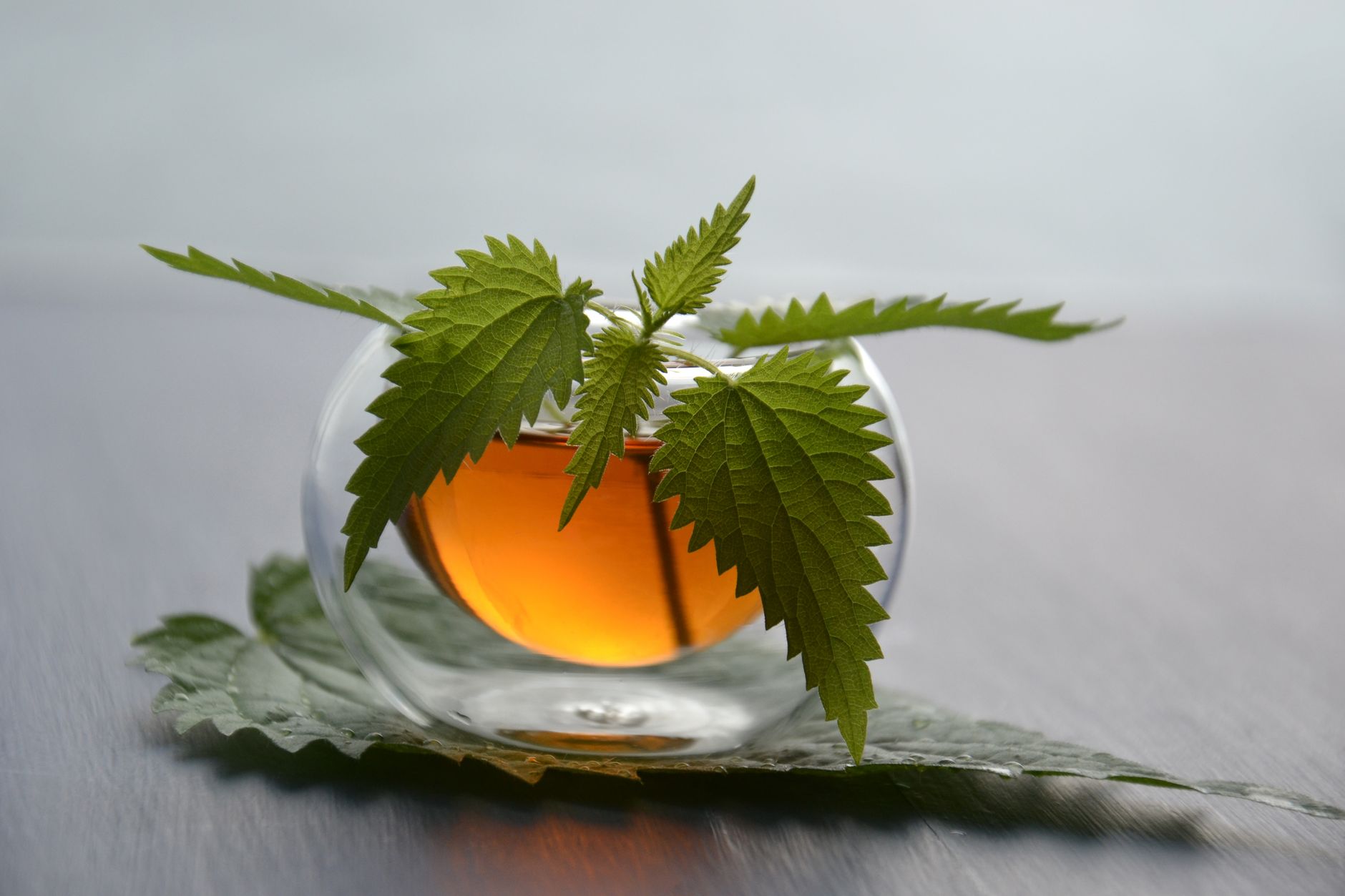
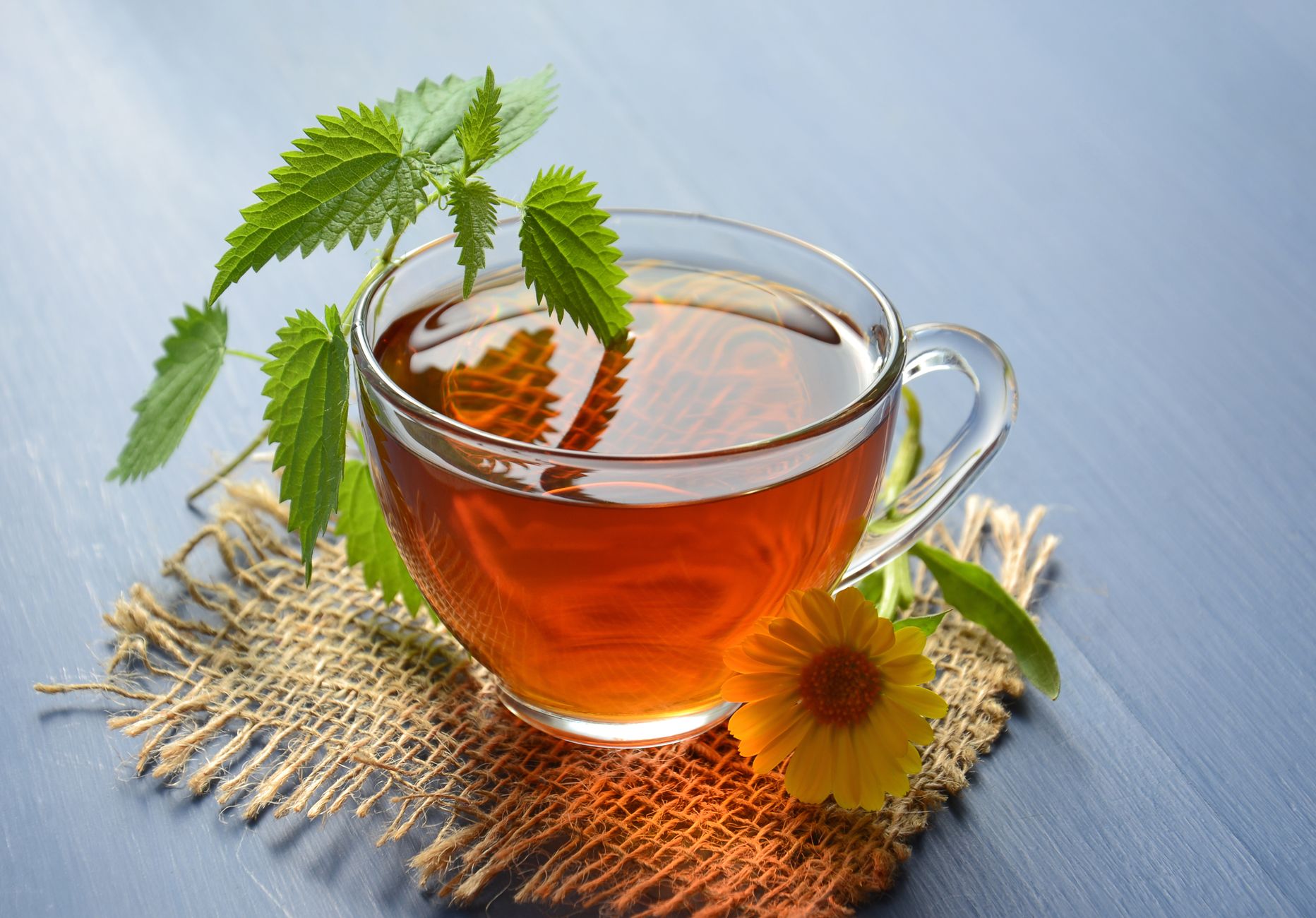
Limit nettle tea during pregnancy, especially in the first trimester. Experts recommend no more than 1-2 cups daily to avoid potential uterine stimulation or diuretic effects.
By Shubhra Mishra — a mom of two who turned her own confusion during pregnancy into BumpBites, a global mission to make food choices clear, safe, and stress-free for every expecting mother. 💛
Check whether any food is safe during pregnancy with the BumpBites Food Safety Checker.
Quick verdict: ⚠️ Safe with limits – one to two cups (about 240‑480 ml) of nettle tea per day are generally considered okay for most pregnant people, but it’s best to avoid high‑dose or concentrated extracts and to talk with your provider if you have hypertension or anemia.
It’s 2 a.m., you’re scrolling through a list of herbal teas, and a sudden thought—“is nettle tea safe during pregnancy?”—sends a ripple of worry through your mind. You might have already brewed a warm cup, or you’re debating whether to add it to your daily routine. First, breathe. The short answer is that moderate amounts of plain nettle tea are usually fine, but there are a few nuances to keep in mind.
In this article we’ll break down exactly what the research and major health bodies (ACOG, NHS, FDA) say about nettle tea, how safety changes from the first to the third trimester, how much you can safely sip each day, which brands are reputable, and what safer herbal‑tea alternatives you might consider. We’ll also cover potential risks for conditions like hypertension, the difference between fresh nettle leaves and tea, and give you a clear set of take‑aways so you can stop Googling and start feeling confident about your choices.
Whether you’re a tea‑lover who enjoys a calming cuppa before bedtime or someone who’s just discovered nettle tea’s reputation for iron support, you’ll find the answers you need right here. Let’s dive in.
Enjoying nettle tea can be soothing, but moderation is key during pregnancy.
Period
Verdict
Notes
First trimester
⚠️ Safe with limits
Limit to 1 cup/day; monitor for uterine stimulation.
Second trimester
⚠️ Safe with limits
Up to 2 cups/day acceptable; avoid high‑dose extracts.
Third trimester
⚠️ Safe with limits
Same as second trimester; watch for diuretic effect.
Breastfeeding
✅ Generally safe
Moderate intake (1‑2 cups) is okay; ensure baby tolerates.
What is nettle tea?
Nettle tea is an infusion made from the leaves (or occasionally the stems) of the stinging nettle plant (Urtica dioica). Despite its “stinging” nickname, the leaves are harvested, dried, and steeped to produce a mild, slightly earthy tea that is rich in vitamins (especially A, C, K) and minerals such as iron, calcium, and magnesium. Historically, nettle has been used in herbal medicine to support blood health, alleviate seasonal allergies, and act as a gentle diuretic.
When you brew a cup, the hot water extracts bioactive compounds like flavonoids, chlorophyll, and trace minerals. The resulting beverage is caffeine‑free, making it a popular evening drink for those who want to avoid the stimulant effects of coffee or black tea. In modern wellness circles, nettle tea is often marketed for its “iron‑boosting” properties, which can be appealing during pregnancy when iron needs increase dramatically.
Because the plant contains histamine‑releasing substances, some people experience a mild tingling sensation when handling fresh leaves—hence the “stinging” moniker. However, once the leaves are dried and steeped, that sensation disappears, leaving a soothing tea that many find both comforting and nutritious.
Is nettle tea safe during pregnancy?
C
urrent guidance from major health authorities suggests that plain nettle tea, consumed in moderate amounts, is generally safe for most pregnant people. The American College of Obstetricians and Gynecologists (ACOG) notes that herbal teas are not automatically unsafe, but they advise limiting intake to 1‑2 cups per day and avoiding concentrated extracts unless specifically recommended by a provider. The UK's National Health Service (NHS) echoes this sentiment, stating that nettle tea can be part of a balanced diet but should be consumed in moderation, especially in the first trimester.
Potential concerns stem from two main mechanisms: (1) the diuretic effect of nettle, which could increase fluid loss if taken in large quantities, and (2) the theoretical uterine‑stimulating properties of certain phytochemicals, which might raise the risk of contractions when taken in high doses. However, the existing research—mostly observational and based on traditional use—has not demonstrated a clear link between moderate nettle tea consumption and adverse pregnancy outcomes.
Because the FDA does not regulate herbal teas as strictly as prescription drugs, the quality and potency can vary between brands. This is why choosing reputable, third‑party‑tested products is emphasized by both ACOG and the CDC. If you have a condition such as hypertension, anemia, or a history of preterm labor, it’s especially important to discuss nettle tea use with your obstetric provider before adding it to your routine.
Is nettle tea safe to drink during each trimester of pregnancy?
First trimester
The first trimester is the period of organogenesis, when the fetus’s major organs form, making it the most sensitive window for any potential teratogen. Nettle tea does not contain known teratogenic compounds, but the cautious approach recommended by ACOG is to limit intake to one cup (≈240 ml) per day. This limit helps reduce any theoretical risk of uterine stimulation and keeps the diuretic effect modest.
If you notice any cramping, spotting, or increased urgency to urinate after drinking nettle tea, consider cutting back or stopping and discuss the symptoms with your provider.
Second trimester
During the second trimester, many pregnant people experience increased iron needs, and nettle’s iron‑rich profile can be appealing. ACOG and NHS both indicate that up to two cups per day are acceptable, provided you’re not using high‑concentration extracts. The diuretic effect can actually help with mild swelling, but you should stay well‑hydrated and monitor blood pressure if you have hypertension.
For those with iron‑deficiency anemia, nettle tea can complement iron‑rich foods, but it should not replace prescribed iron supplements unless advised by a clinician.
Third trimester
In the third trimester, the focus shifts to supporting fetal growth and preparing for labor. Nettle tea remains safe at the same 1‑2 cup limit. Some providers suggest that the mild diuretic effect may help reduce edema, but it’s still important to avoid excessive fluid loss, especially if you’re close to delivery.
Women with a history of preterm labor should be especially cautious and may choose to avoid herbal teas that have any uterine‑stimulating potential, even if the risk is low.
Breastfeeding
After delivery, the limited research on nettle tea’s transfer into breastmilk suggests that moderate consumption (1‑2 cups) is unlikely to cause issues for the infant. The CDC notes that many breastfeeding mothers use nettle tea to support milk production, but they advise monitoring the baby for any signs of fussiness or changes in feeding patterns.
Choosing reputable brands helps ensure quality and safety.
How much nettle tea can a pregnant woman safely consume per day?
Most experts agree that 1‑2 cups (≈240‑480 ml) of plain nettle tea per day is a safe amount for most pregnant people. This recommendation comes from a synthesis of ACOG’s guidance on herbal tea moderation and the NHS’s advice to limit herbal infusions to a few cups daily. The key is to avoid concentrated extracts, which can deliver higher doses of active compounds and increase the risk of uterine stimulation or significant diuresis.
For context, a typical commercial tea bag contains about 1‑2 grams of dried nettle leaf, delivering roughly 10‑20 mg of flavonoids per cup. This is well within the range of nutrients found in a balanced diet. If you prefer a stronger brew, you can steep the tea a little longer, but keep the total daily volume under two cups.
Women with specific health concerns—such as hypertension, kidney issues, or anemia—should discuss the exact amount with their provider. In some cases, clinicians may recommend a lower limit (e.g., one cup) or suggest alternative iron‑rich foods instead of relying on nettle tea.
What are the potential risks of drinking nettle tea while pregnant?
While nettle tea is generally safe in moderation, certain risks merit attention:
Diuretic effect: Nettle can increase urine output, potentially leading to dehydration if you drink large volumes without adequate water intake.
Uterine stimulation: Some phytochemicals may have mild uterine‑contracting properties. High doses could theoretically trigger cramping or early contractions, especially in the first trimester.
Allergic reactions: Rarely, individuals may experience skin irritation or gastrointestinal upset from nettle.
Blood‑pressure changes: For those with hypertension, the diuretic effect might lower blood pressure too much, so monitoring is essential.
Interaction with medications: Nettle can interact with blood‑thinners (e.g., warfarin) and antihypertensive drugs, potentially enhancing their effects.
Most of these risks are dose‑dependent, which is why the “safe with limits” verdict emphasizes moderate consumption and consultation with a provider if you have underlying health conditions.
Are there any safe nettle tea brands for pregnant women?
Choosing a reputable brand reduces the chance of contamination, pesticide residues, or unusually high concentrations of active compounds. The following brands are frequently cited by herbal‑medicine experts and have third‑party testing for purity:
Traditional Medicinals – “Nettle Leaf Tea” (organic, non‑GMO)
Yogi – “Nettle Leaf Tea” (certified USDA Organic)
Gaia Herbs – “Nettle Leaf” (herbal tincture, but use the tea form only)
Herb Pharm – “Nettle Leaf Tea” (single‑origin, pesticide‑free)
Mountain Rose Herbs – “Nettle Leaf” (bulk leaf, ideal for home steeping)
When selecting a product, look for clear labeling that indicates “no added herbs” and “tested for heavy metals.” Avoid blends that contain other potent herbs (e.g., blue cohosh or black cohosh) unless specifically approved by your provider.
What are safe herbal tea alternatives to nettle tea during pregnancy?
Ginger tea – helps with nausea and has anti‑inflammatory properties.
Peppermint tea – soothing for digestive discomfort and safe for most pregnant people.
Rooibos tea – caffeine‑free, rich in antioxidants, and low in tannins.
Lemon balm tea – calming, may aid sleep without stimulating the uterus.
Fruit‑infused water – provides flavor and hydration without herbal compounds.
Coconut water – natural electrolyte source, safe and hydrating.
Can nettle tea cause complications for pregnant women with hypertension?
Because nettle has a mild diuretic effect, it can lower blood pressure modestly. For pregnant women already managing hypertension, this could be a double‑edged sword: the modest reduction may be beneficial, but an excessive drop might lead to dizziness or reduced placental perfusion. The ACOG recommends that anyone with hypertension monitor blood pressure closely when adding any diuretic‑type herb to their diet.
If you have hypertension, start with a single cup of nettle tea and check your blood pressure before and after consumption. Discuss any significant changes with your obstetrician, who may suggest limiting or avoiding nettle tea altogether.
Is there a difference between fresh nettle leaf and nettle tea safety in pregnancy?
Fresh nettle leaves, when cooked, retain the same nutrient profile as the dried leaves used for tea, but they also contain higher levels of histamine‑releasing compounds that can cause a tingling sensation on the skin. When boiled, these compounds are neutralized, making the leaf safe to eat. However, the preparation is more labor‑intensive, and there is a greater risk of inconsistent dosing compared to a standardized tea bag.
Because most pregnant people prefer the convenience and consistency of tea bags, most guidelines focus on the tea form. If you choose to use fresh leaves, ensure they are thoroughly cooked (boiled for at least 10 minutes) and limit intake to the same 1‑2 cup equivalent per day.
Side effects and risks
Most side effects are mild and reversible:
Increased urination: Common due to the diuretic effect; stay hydrated.
Stomach upset or nausea: May occur if you drink the tea on an empty stomach; consider having it after a snack.
Allergic reaction: Rare; symptoms include rash or itching. Discontinue use and seek medical advice if they appear.
Uterine cramping: If you notice persistent cramps after drinking nettle tea, reduce your intake and discuss with your provider.
Blood‑pressure fluctuations: Particularly relevant for those on antihypertensive medication; monitor levels regularly.
Any of these symptoms that are severe, persist, or are accompanied by bleeding, fever, or severe headache should prompt a call to your obstetrician or a visit to urgent care.
Safer alternatives
Ginger tea – excellent for morning sickness without uterine stimulation.
Peppermint tea – soothing for digestion and safe throughout pregnancy.
Rooibos tea – caffeine‑free antioxidant boost, no diuretic effect.
Lemon balm tea – calm‑inducing, helpful for sleep.
Fruit‑infused water – adds flavor and vitamins without herbal compounds.
Coconut water – natural electrolyte replenishment, safe for both mother and baby.
Related items — safety at a glance
Herbal tea
Verdict
One‑line note
Red raspberry leaf tea
⚠️ Talk to your doctor
Often used to tone the uterus; avoid in first trimester.
Chamomile tea
✅ Generally safe
Mild calming effect; safe in moderate amounts.
Dandelion tea
⚠️ Safe with limits
Diuretic; limit to 1 cup/day.
Green tea
⚠️ Safe with limits
Contains caffeine; limit to ≤200 mg caffeine/day.
Black tea
⚠️ Safe with limits
Higher caffeine; same caffeine limit applies.
Hibiscus tea
⚠️ Safe with limits
May lower blood pressure; monitor if hypertensive.
Myth vs. fact
Myth: Nettle tea can replace iron supplements during pregnancy.
Fact: While nettle contains iron, the amount per cup is modest and should complement—not replace—prescribed iron therapy when anemia is present.
Myth: All herbal teas are unsafe for pregnant people.
Fact: Many herbal teas, including nettle, are safe in moderation; the key is to avoid high‑dose extracts and to check each herb’s specific safety profile.
Myth: Fresh nettle leaves are more beneficial than tea.
Fact: Both provide similar nutrients, but the tea’s standardized dosing makes it easier to control intake, which is important during pregnancy.
Key takeaways
Moderate nettle tea (1‑2 cups per day) is generally safe for most pregnant people.
First trimester intake should be limited to one cup to minimize any theoretical uterine‑stimulating effect.
Choose reputable, third‑party‑tested brands and avoid concentrated extracts.
If you have hypertension, anemia, or are on medication, discuss nettle tea with your provider before use.
Safer herbal‑tea alternatives include ginger, peppermint, rooibos, and lemon balm.
Monitor for side effects like increased urination, cramping, or allergic reactions, and call your doctor if they are severe.
Frequently asked questions
Can I drink nettle tea while pregnant?
Yes, you can, but keep it to 1‑2 cups per day and avoid high‑dose extracts. Most authorities, including ACOG, say moderate intake is safe for most pregnant people.
Is nettle tea safe in the first trimester?
It is considered safe with limits—stick to one cup (≈240 ml) and watch for any uterine cramping or spotting.
What are the benefits of nettle tea during pregnancy?
Nettle tea provides vitamins A, C, K and minerals such as iron and calcium, which can support blood health and overall nutrition, especially if you have increased iron needs.
How many cups of nettle tea are safe for pregnant women?
Most guidelines recommend no more than two cups (≈480 ml) per day; the first trimester limit is one cup.
Does nettle tea cause uterine contractions?
There is no strong evidence that normal‑strength nettle tea triggers contractions, but very high doses might have a mild stimulating effect, so moderation is key.
Are there any side effects of nettle tea for pregnant moms?
Common side effects include increased urination and mild stomach upset; rare reactions may involve allergic skin irritation or uterine cramping.
Which nettle tea brands are recommended for pregnancy?
Reputable options include Traditional Medicinals, Yogi, Gaia Herbs, Herb Pharm, and Mountain Rose Herbs—look for organic, third‑party‑tested products without added herbs.
When to call your doctor
If you experience any of the following after drinking nettle tea, contact your obstetric provider promptly:
Persistent uterine cramping or pain.
Vaginal bleeding or spotting.
Significant drop in blood pressure (dizziness, faintness).
Severe dehydration (dry mouth, dark urine, dizziness).
Allergic reactions such as rash, itching, or swelling.
Any new or worsening symptoms that cause concern.
Remember, this article provides general information and is not a substitute for personalized medical advice. Always discuss any herbal supplement or tea with your healthcare provider, especially if you have pre‑existing conditions or are taking prescription medications.
References
American College of Obstetricians and Gynecologists (ACOG). “Herbal Supplements in Pregnancy.” 2023.
National Health Service (NHS). “Herbal teas and pregnancy.” Updated 2022.
U.S. Food and Drug Administration (FDA). “Guidance for Industry: Botanical Drug Products.” 2021.
Centers for Disease Control and Prevention (CDC). “Pregnancy and Herbal Medicine.” 2022.
World Health Organization (WHO). “Traditional Medicine Strategy.” 2022.
Mayo Clinic. “Nettle: Uses, side effects, interactions.” 2023.
Healthline. “Is Nettle Tea Safe During Pregnancy?” 2023.
Not sure about the label on Is Nettle Tea Safe During Pregnancy products?
Snap the ingredients list and SafeFilter checks every ingredient for your stage — only 3 free scans this month, then you're locked until reset. Unlimited from $7/mo or $50/yr.
When Shubhra Mishra was expecting her first child in 2016, she was overwhelmed by conflicting food advice — one site said yes, another said never. By the time her second baby arrived in 2019, she realized millions of mothers face the same confusion.
That sparked a five-year journey through clinical nutrition papers, cultural diets, and expert conversations — all leading to BumpBites: a calm, compassionate space where science meets everyday motherhood.
Her long-term vision is to build a global community ensuring safe, supported, and free deliveriesfor every mother — because no woman should face pregnancy alone or uninformed. 🌿
🌍 Stand with mothers, shape safer guidance
Join a small circle of experts who review BumpBites articles so expecting parents everywhere can decide with confidence.