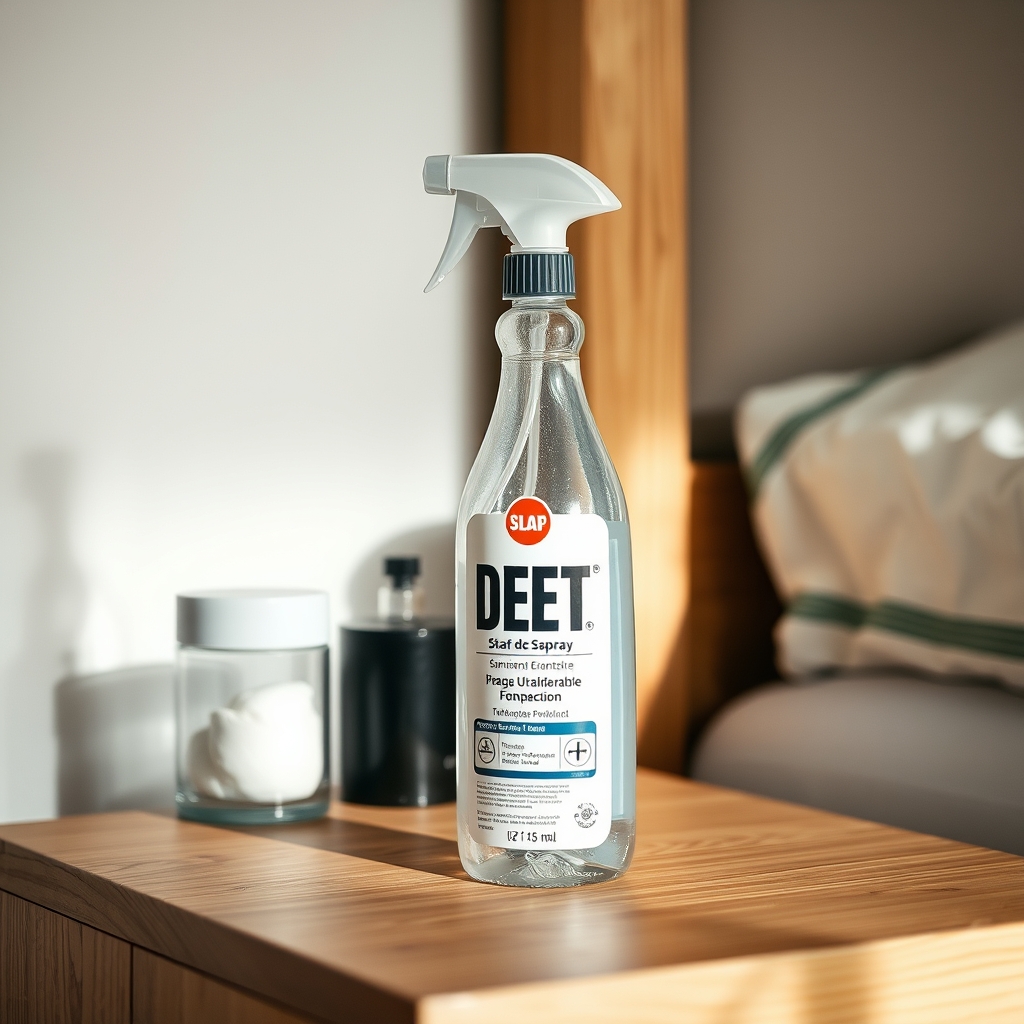
Safe in moderation: Mosquito spray is generally safe during pregnancy if used correctly. Learn the safe dosage, trimester precautions, and alternatives to protect you and your baby.
By Shubhra Mishra — a mom of two who turned her own confusion during pregnancy into BumpBites, a global mission to make food choices clear, safe, and stress-free for every expecting mother. 💛
Check whether any food is safe during pregnancy with the BumpBites Food Safety Checker.
Quick verdict: ⚠️ Talk to your doctor first. Mosquito spray can be used during pregnancy, but only at low concentrations and with careful application. Stick to the recommended amount, avoid high‑DEET products, and consider pregnancy‑friendly alternatives whenever possible.
It’s 2 a.m., you’re scrolling through a forum, and a tiny buzzing sound in the bedroom makes your heart race. “Is mosquito spray safe for pregnancy?” you whisper, half‑awake, half‑worried. You’ve already sprayed a bit of DEET on your wrists and now wonder if you’ve put your baby at risk. You’re not alone—many expecting parents grapple with the same question, especially during mosquito season.
Good news: most reputable health agencies, including the American College of Obstetricians and Gynecologists (ACOG) and the UK’s NHS, say that certain mosquito repellents are acceptable when used correctly. In this article we’ll break down exactly what “mosquito spray safe for pregnancy” means, how much you can apply, which trimesters have special considerations, and what safer alternatives exist. We’ll also cover potential side effects, medical‑condition warnings, and give you a quick‑reference safety table so you can stop worrying and start protecting yourself—and your baby.
Stage
Verdict
Notes
First trimester
⚠️ Conditional
Use low‑concentration DEET (≤ 10 %) or non‑DEET options; apply only to exposed skin.
Second trimester
✅ Generally safe
Standard CDC‑recommended concentrations (up to 30 % DEET) are acceptable if used as directed.
Third trimester
✅ Generally safe
Same guidelines as second trimester; avoid excessive re‑application.
Breastfeeding
✅ Generally safe
Low‑to‑moderate DEET concentrations are considered safe; keep spray away from infant’s mouth.
Keep the spray out of reach of children and apply only to exposed skin for best safety.
What is mosquito spray?
Mosquito spray, also known as insect repellent, is a topical formulation designed to keep mosquitoes and other biting insects away from the skin. The most common active ingredients include DEET (N,N‑diethyl‑m‑toluamide), picaridin, IR3535, and oil of lemon eucalyptus (OLE). Each works by confusing the insects’ scent receptors, making it harder for them to locate a human host. In addition to synthetic chemicals, many “natural” sprays rely on plant‑derived oils such as citronella, geraniol, or essential oil blends.
These products come in various formats—spray cans, pump bottles, wipes, and even wearable bands. Concentrations can range from as low as 5 % DEET to as high as 100 % (pure DEET), though most consumer products fall between 10 % and 30 %. The higher the concentration, the longer the protection period, but also the greater potential for skin irritation and systemic absorption. Because pregnant people are often more cautious about chemical exposure, understanding the ingredient, concentration, and application method is essential when determining whether a mosquito spray is safe for pregnancy.
Is mosquito spray safe during pregnancy?
C
urrent guidance from the CDC, ACOG, and the NHS says that mosquito repellents containing DEET up to 30 % are considered safe for pregnant people when used as directed. The CDC notes that DEET has been studied in thousands of pregnant women with no consistent evidence of birth defects or adverse pregnancy outcomes. ACOG’s Committee on Obstetric Practice echoes this, stating that “low‑to‑moderate concentration DEET products can be used when the benefit outweighs any theoretical risk.” The NHS similarly advises that “DEET concentrations up to 20 % are acceptable during pregnancy.”
Non‑DEET options such as picaridin (up to 20 % concentration), IR3535, and oil of lemon eucalyptus are also deemed safe by the WHO and CDC, especially for people who prefer to avoid DEET. However, the evidence base for natural oils like citronella is less robust, and some studies suggest higher rates of skin irritation. In short, the phrase “mosquito spray safe for pregnancy” is accurate only when you choose a product with an appropriate concentration, follow label instructions, and avoid excessive re‑application.
It’s worth noting that while the data are reassuring, the precautionary principle still applies. If you have any underlying health conditions, or if you’re in the first trimester, you may want to opt for the lowest effective concentration or a non‑chemical alternative.
Is mosquito spray safe during pregnancy in the first trimester?
The first trimester is the period of organogenesis, when the embryo’s major organs are forming. Because this window is theoretically the most vulnerable to teratogens, many clinicians advise extra caution with any chemical exposure. For mosquito repellents, the CDC and ACOG recommend limiting DEET to ≤ 10 % concentration during the first 12 weeks and applying it only to exposed skin (hands, arms, legs) rather than the face or neck. Non‑DEET options such as picaridin (≤ 20 %) and IR3535 are also considered low‑risk, but the same principle of limited surface area applies.
If you’re unsure whether a product meets these limits, check the label or choose a pregnancy‑certified brand that clearly states “safe for use in pregnancy.” Many maternity‑focused brands formulate sprays with 10 % DEDE (a DEET‑like ingredient) or use plant‑based repellents that have been dermatologically tested on pregnant users.
Is mosquito spray safe for pregnancy in the second trimester?
During the second trimester, the baby’s organs are already formed, and the placenta is fully functional, which helps filter many substances. The CDC’s guidance becomes more permissive after week 13, allowing DEET up to 30 % concentration when applied according to label directions. This means you can use the standard 20‑30 % DEET sprays that many outdoor‑gear manufacturers sell, provided you re‑apply only after the recommended time (usually 4–6 hours). Picaridin and IR3535 remain safe at their usual concentrations (up to 20 %).
Even though the data support safety, you should still avoid spraying directly onto the abdomen or breast area, and you should wash your hands after application if you’ll be handling food. If you have a history of skin sensitivity, consider a non‑DEET option to reduce irritation.
Is mosquito spray safe for pregnancy in the third trimester?
In the third trimester, the baby is growing rapidly and the skin barrier is robust. The CDC and NHS maintain that the same concentration limits used in the second trimester remain appropriate. Therefore, DEET up to 30 % is still acceptable, and you can continue using picaridin or IR3535 as needed. The main precaution is to avoid excessive re‑application that could lead to higher systemic absorption. If you’re planning a travel itinerary that involves long‑hour outdoor exposure, plan to bring a travel‑size bottle and re‑apply only after the product’s efficacy window expires.
Some obstetricians recommend using a combination approach—applying a DEET spray in the early evening and then switching to a natural citronella candle for later hours—to limit total chemical exposure while still maintaining protection.
Is mosquito spray safe while breastfeeding?
Both the CDC and the NHS state that DEET up to 30 % is compatible with breastfeeding because only minimal amounts cross into breast milk, and no adverse effects have been documented in infants. Nonetheless, the same practical steps apply: apply the spray to exposed skin, avoid the breast area, and wash your hands before nursing. Non‑DEET repellents such as picaridin and IR3535 are also considered safe for nursing mothers.
Choosing a product that clearly labels its concentration helps you stay within safety limits.
How much mosquito spray is safe during pregnancy?
Safety hinges on both concentration and surface area. The CDC recommends applying no more than 1 gram of DEET per kilogram of body weight per day. For an average adult (≈ 70 kg), this works out to roughly 70 grams of spray—a volume far larger than any realistic daily use. In practice, most users apply 2–3 sprays (about 0.5 mL each) to exposed arms, legs, and neck. This amount stays well under the CDC’s safety threshold, even with a 30 % DEET formula.
If you’re using a non‑DEET repellent, the same principle applies: follow the label’s recommended frequency (typically every 4–6 hours) and avoid covering large body areas in a single application. For essential‑oil‑based sprays, limit use to 15‑20 minutes of exposure before re‑applying, as these can cause skin irritation more readily.
Alternatives to mosquito spray during pregnancy
When you prefer to avoid chemical repellents altogether, several pregnancy‑friendly options can still keep mosquitoes at bay:
Natrapel – uses picaridin (10 %) and is labeled “safe for pregnant and nursing mothers.”
EcoSmart – a plant‑based spray with citronella, rosemary, and lemongrass oils, formulated for sensitive skin.
Babyganics – a DEET‑free, fragrance‑free repellent that combines peppermint and eucalyptus oils.
California Baby – a gentle, oil‑of‑lemon‑eucalyptus repellent with a low‑irritancy profile.
Cutter Lemon Eucalyptus – EPA‑registered, uses oil of lemon eucalyptus (23 % concentration) and is considered safe for pregnancy.
Repel Plant‑Based – a blend of citronella, geraniol, and lavender, designed for expectant mothers.
Citronella candles – provide localized protection for indoor or patio settings; keep them away from flammable materials.
Essential oil sprays – dilute a few drops of eucalyptus or lavender in water; test on a small skin area first.
Is off mosquito spray safe for pregnancy?
“Off!” is a well‑known brand that offers both DEET‑based and DEET‑free formulas. Their DEET product typically contains 25 % DEET, which falls within the CDC’s safe range for pregnant users after the first trimester. However, the label advises “use only on exposed skin” and “do not apply to infants under 2 months.” If you choose an Off! product, select the one with the lowest DEET concentration (e.g., Off! FamilyCare 10 % DEET) and follow the application guidelines strictly.
The DEET‑free Off! options rely on citronella and other plant extracts. While generally regarded as low‑risk, they may cause more skin irritation, especially on sensitive pregnancy skin. Patch‑test any new product before full‑body application.
Risks of using mosquito spray during pregnancy
When used properly, the risks are minimal. The most common side effects are mild skin irritation, itching, or a transient burning sensation—these are not harmful to the fetus. Systemic absorption of DEDE (the active ingredient in DEET) is low; however, theoretical concerns exist about high‑dose exposure potentially affecting fetal neurodevelopment, although no conclusive human data support this.
Rarely, over‑application can lead to headaches, nausea, or dizziness, especially with high‑DEET concentrations. If you notice any of these symptoms, wash the area with soap and water, discontinue use, and contact your provider. Pregnant people with a history of eczema or allergic skin reactions should opt for non‑DEET alternatives to reduce irritation risk.
Can I use mosquito spray with DEET while pregnant?
Yes, but only at concentrations approved for pregnancy. The CDC endorses DEET up to 30 % for pregnant individuals, provided you apply it only to exposed skin and avoid excessive re‑application. Brands like Off! FamilyCare (10 % DEET) and Cutter (20 % DEET) meet these criteria. Always read the label for the exact percentage, and consider using the lowest effective concentration to achieve protection.
If you have a medical condition such as asthma, chronic skin disease, or a known allergy to DEET, discuss alternatives with your obstetrician before using any DEET‑containing product.
Mosquito spray safety for pregnancy with certain medical conditions
People with asthma may experience respiratory irritation from strong fragrances in some natural sprays. In such cases, a low‑DEET product applied to the skin (rather than inhaled) is usually safer. For those with eczema or a history of contact dermatitis, non‑DEET options like picaridin or IR3535 are less likely to provoke a flare‑up. Individuals with thyroid disorders should be cautious with products containing high levels of essential oils such as thyme or rosemary, as these can affect hormone balance in rare cases.
Always discuss your specific health profile with your provider. They can help you choose a repellent that balances efficacy with your personal safety considerations.
Natural mosquito spray alternatives for pregnancy
Plant‑based repellents can be effective, especially when combined with environmental measures (screens, fans, and clothing). Here are a few that have been vetted for safety:
EcoSmart – a certified organic blend of citronella, rosemary, and lemongrass oils.
Babyganics – a DEET‑free spray using peppermint and eucalyptus, formulated for sensitive skin.
California Baby – oil of lemon eucalyptus (23 % concentration) with a gentle carrier.
Citronella candles – provide localized protection for indoor evenings; keep them away from flammable objects.
Essential oil spray – dilute 5 drops of lemon eucalyptus oil in 2 oz of water, apply sparingly, and test on a small skin area first.
Side effects and risks
Skin irritation – The most common complaint. If you notice redness, itching, or a rash, wash the area immediately and switch to a gentler product.
Systemic symptoms – Headaches, nausea, or dizziness can signal over‑exposure, especially with high‑DEET formulations. Stop using the spray, cleanse the skin, and seek medical advice if symptoms persist.
Fetal considerations – No solid evidence links standard mosquito repellent use to birth defects, but the precautionary approach remains to limit concentration and frequency, especially in the first trimester.
These side effects are generally mild and reversible. However, any persistent or severe reaction warrants a call to your obstetrician.
Safer alternatives
Natrapel – picaridin‑based, low irritation, labeled safe for pregnant users.
EcoSmart – plant‑derived, fragrance‑free, ideal for sensitive skin.
Babyganics – DEET‑free, baby‑approved, gentle on skin.
California Baby – oil of lemon eucalyptus, EPA‑registered, pregnancy‑friendly.
Cutter Lemon Eucalyptus – proven efficacy with a lower DEET alternative.
Repel Plant‑Based – natural blend, free from synthetic chemicals.
Citronella candles – safe indoor option when used with proper ventilation.
Essential oil sprays – customizable, but require patch testing.
Related items — safety at a glance
Item
Verdict
One‑line note
Insect repellent wipes
✅ Generally safe
Low‑concentration DEET or picaridin; convenient for quick use.
Permethrin spray
⚠️ Talk to your doctor
Usually for clothing; systemic absorption risk if applied to skin.
Picaridin spray
✅ Generally safe
Effective up to 20 % concentration; low irritation.
Oil of lemon eucalyptus spray
✅ Generally safe
EPA‑registered; 23 % concentration is pregnancy‑friendly.
DEET spray
⚠️ Conditional
Safe up to 30 % after first trimester; avoid high concentrations.
IR3535 spray
✅ Generally safe
Low‑risk synthetic repellent, suitable for all trimesters.
Citronella torches
✅ Generally safe
Provides area protection; keep away from flammable materials.
Thermacell mosquito repellent
✅ Generally safe
Uses metofluthrin; safe for outdoor use when used per instructions.
Myth vs. fact
Myth: All mosquito sprays are unsafe for pregnant people.
Fact: Reputable health agencies allow low‑to‑moderate DEET concentrations (up to 30 %) and non‑DEET options when used as directed.
Myth: Natural or “organic” sprays are automatically safer.
Fact: Plant‑based repellents can cause skin irritation and may offer shorter protection periods; safety depends on formulation, not just the “natural” label.
Myth: If you get a mosquito bite, the baby is at risk of disease.
Fact: Mosquito‑borne illnesses (e.g., Zika, malaria) pose a real threat, but the bite itself does not directly harm the fetus unless the disease is transmitted.
Key takeaways
Mosquito spray can be used during pregnancy, but stick to low‑DEET (≤ 10 %) in the first trimester and ≤ 30 % thereafter.
Apply only to exposed skin, avoid the face and abdomen, and follow the product’s re‑application schedule.
Non‑DEET options such as picaridin, IR3535, and oil of lemon eucalyptus are pregnancy‑friendly alternatives.
Watch for skin irritation or systemic symptoms; stop use and contact your provider if they occur.
Consider natural or device‑based alternatives (citronella candles, Thermacell) for indoor protection.
Always discuss any concerns with your obstetrician, especially if you have underlying medical conditions.
Frequently asked questions
What are the risks of mosquito bites during pregnancy?
Mosquito bites themselves are not harmful, but the diseases they can transmit—such as Zika, West Nile virus, and malaria—pose serious risks to the developing baby. Pregnant people should prioritize prevention, especially in areas where these illnesses are endemic.
Can I use mosquito spray on my baby?
For infants under two months, the CDC advises against applying DEET or other chemical repellents directly to the skin. Instead, dress the baby in long sleeves, use mosquito‑netting, and keep the environment screened. For older infants, low‑concentration DEET (≤ 10 %) or picaridin can be used sparingly on exposed areas.
How often can I apply mosquito spray during pregnancy?
Follow the label’s recommended re‑application interval, typically every 4–6 hours for DEET and every 8 hours for picaridin. Do not exceed the total daily amount advised by the CDC (approximately 1 gram per kilogram of body weight).
Are all mosquito sprays created equal?
No. Sprays differ in active ingredient, concentration, duration of protection, and potential for skin irritation. DEET, picaridin, IR3535, and oil of lemon eucalyptus each have distinct safety profiles, and the best choice depends on your trimester, skin sensitivity, and personal preference.
Do I need to use mosquito spray during pregnancy?
If you live in or travel to areas with mosquito‑borne diseases, using a repellent is strongly recommended. In low‑risk environments, physical barriers like screens, nets, and appropriate clothing may be sufficient.
Can I make my own mosquito spray at home?
Homemade sprays using essential oils can provide short‑term protection but lack the proven efficacy and safety data of regulated products. If you choose to make one, dilute the oils heavily, test on a small skin patch first, and understand that protection may last only 15–30 minutes.
What are the side effects of mosquito spray during pregnancy?
Most side effects are mild and include skin redness, itching, or a burning sensation. Systemic symptoms like headache, nausea, or dizziness may indicate over‑use, especially with high‑DEET formulas. Discontinue use and seek medical advice if these symptoms persist.
How does mosquito spray affect the unborn baby?
Current research, reviewed by the CDC and ACOG, shows no consistent link between approved concentrations of DEET, picaridin, or oil of lemon eucalyptus and fetal harm. The main precaution is to avoid high concentrations and excessive application, particularly in the first trimester.
When to call your doctor
If you experience any of the following after using mosquito spray, contact your obstetrician promptly:
Severe or spreading skin rash, blistering, or hives.
Persistent headache, dizziness, or nausea that does not resolve after washing the area.
Difficulty breathing, swelling of the face or throat, or other signs of an allergic reaction.
Fever, chills, or flu‑like symptoms that could indicate a mosquito‑borne illness.
These symptoms may be unrelated to the repellent, but it’s always safest to have a professional evaluate them. Remember, this article provides general information and is not a substitute for personalized medical advice.
References
American College of Obstetricians and Gynecologists. Committee Opinion No. 757: Use of Insect Repellents During Pregnancy, 2022.
Centers for Disease Control and Prevention. Insect Repellent Use for Pregnant Women, updated 2023.
National Health Service (UK). Mosquito Bite Prevention for Pregnant Women, 2023.
U.S. Food and Drug Administration. DEET and Picaridin Safety Information for Pregnant Women, 2022.
World Health Organization. Guidelines for Prevention of Mosquito‑Borne Diseases in Pregnancy, 2021.
National Institute for Health and Care Excellence (NICE). Advice on Insect Repellent Use, 2022.
Not sure about the label on Is Mosquito Spray Safe During Pregnancy products?
Snap the ingredients list and SafeFilter checks every ingredient for your stage — only 3 free scans this month, then you're locked until reset. Unlimited from $7/mo or $50/yr.
When Shubhra Mishra was expecting her first child in 2016, she was overwhelmed by conflicting food advice — one site said yes, another said never. By the time her second baby arrived in 2019, she realized millions of mothers face the same confusion.
That sparked a five-year journey through clinical nutrition papers, cultural diets, and expert conversations — all leading to BumpBites: a calm, compassionate space where science meets everyday motherhood.
Her long-term vision is to build a global community ensuring safe, supported, and free deliveriesfor every mother — because no woman should face pregnancy alone or uninformed. 🌿
🌍 Stand with mothers, shape safer guidance
Join a small circle of experts who review BumpBites articles so expecting parents everywhere can decide with confidence.