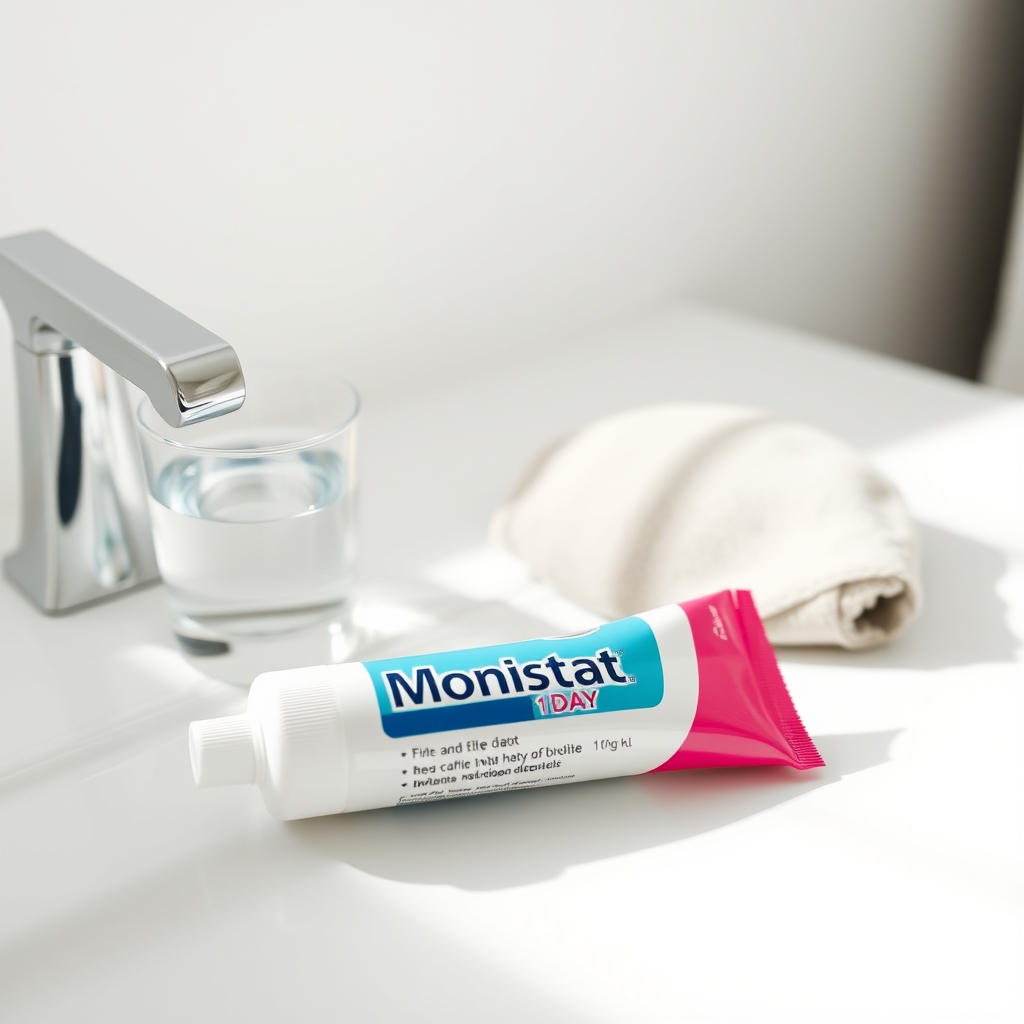
Safe in moderation. Monistat 1 Day (miconazole) is generally safe during pregnancy, but consult your doctor first—especially in the first trimester or if using high doses.
By Shubhra Mishra — a mom of two who turned her own confusion during pregnancy into BumpBites, a global mission to make food choices clear, safe, and stress-free for every expecting mother. 💛
Check whether any food is safe during pregnancy with the BumpBites Food Safety Checker.
Quick verdict: ✅ Generally safe – Monistat 1 Day can be used during pregnancy when you follow the label directions, but talk to your provider if you have a history of preterm labor, diabetes, or recurrent infections.
It’s 2 a.m., you’re lying in bed, and a sudden itch reminds you of that over‑the‑counter yeast‑infection cream you keep on the nightstand. “Is Monistat 1 Day safe during pregnancy?” you whisper to yourself, heart racing. You’re not alone—many expecting parents wonder the same thing the moment they notice symptoms, especially because the safety of any medication feels like a mystery.
In short, most obstetric authorities, including the American College of Obstetricians and Gynecologists (ACOG) and the UK’s NHS, consider a single‑dose, topical miconazole product such as Monistat 1 Day to be safe for pregnant people when used as directed. The key is to use it correctly, be aware of any personal risk factors, and know when to call your provider.
In this article we’ll answer the question “is monistat 1 day safe during pregnancy” from every angle. You’ll find a quick safety snapshot, trimester‑specific guidance, the recommended dosage, potential risks, safer alternatives, and a comparison with other common antifungal products. By the end you’ll have a clear plan and know exactly when professional help is needed.
Keep the product within reach, but always read the label before applying.
Trimester / Breastfeeding
Verdict
Notes
First trimester
⚠️ Use with caution
Topical miconazole is category B; apply only if symptoms appear and after consulting your provider.
Second trimester
✅ Generally safe
Standard single‑dose regimen is considered low risk.
Third trimester
✅ Generally safe
Continue to follow label; no evidence of fetal harm.
Breastfeeding
✅ Generally safe
Minimal systemic absorption; negligible amount in breast milk.
What is Monistat 1 Day?
Monistat 1 Day is an over‑the‑counter (OTC) antifungal medication that contains 1200 mg of miconazole nitrate in a single‑dose applicator. Miconazole belongs to the azole class of antifungals, which work by disrupting the cell membrane of Candida species—the most common cause of vaginal yeast infections. The product is designed for a “one‑night” treatment: you insert the applicator, allow the medication to dissolve, and then remove it after about 24 hours. Because it is a topical cream, only a tiny amount reaches the bloodstream, which is why it is often recommended for pregnant people who need rapid relief without systemic exposure.
People typically reach for Monistat 1 Day when they notice itching, burning, a thick white discharge, or other classic signs of a yeast infection. The convenience of a single dose makes it attractive compared with multi‑day regimens, especially for those who worry about remembering to apply a cream twice daily for a week. While the brand is marketed for “fast relief,” the active ingredient works the same way as other miconazole products, just in a higher concentration that is delivered all at once.
Is Monistat 1 Day safe during pregnancy?
Current guidance from the American College of Obstetricians and Gynecologists (ACOG) states that topical azole antifungals, including miconazole, are classified as Pregnancy Category B, meaning animal studies have not shown risk to the fetus and there are no adequate human studies showing harm. The U.S. Food and Drug Administration (FDA) also classifies over‑the‑counter miconazole products as safe for use in pregnancy when applied as directed. In the United Kingdom, the NHS recommends miconazole creams for pregnant people, noting that the medication has minimal systemic absorption.
The primary concern with any medication in the first trimester is the period of organogenesis, when the baby’s major organs are forming. Because Monistat 1 Day is applied topically and only a trace amount reaches the bloodstream, the theoretical risk is very low. However, ACOG advises that pregnant patients discuss any new medication, even OTC, with their provider, especially if they have a history of preterm labor or other complications.
Clinical studies specifically evaluating Monistat 1 Day in pregnant populations are limited, but larger safety data on topical miconazole across thousands of users—including pregnant women—show no increase in miscarriage, birth defects, or adverse neonatal outcomes. The CDC’s guidance on treating vaginal candidiasis during pregnancy echoes this, recommending topical azoles as first‑line therapy.
In short, the evidence suggests that Monistat 1 Day is safe for most pregnant people, particularly after the first trimester. If you’re in the first trimester, it’s still considered low‑risk, but a brief conversation with your obstetrician can provide peace of mind.
Is Monistat 1 Day safe to use in the first trimester of pregnancy?
The first trimester is the most sensitive period for fetal development, so many expectant parents wonder whether any medication could be harmful. Because Monistat 1 Day is a topical agent with negligible systemic absorption, the consensus among ACOG and NHS experts is that it can be used if symptoms are bothersome. The key is to apply only the amount that comes with the single‑dose applicator and avoid repeated applications without medical advice.
If you have a history of recurrent yeast infections or have been prescribed a different antifungal in the past, it’s wise to discuss the plan with your provider. In most cases, a one‑time use poses no measurable risk to the developing baby. The safety margin is supported by the fact that the drug’s molecular size prevents it from crossing the placenta in significant quantities.
Can I use Monistat 1 Day during the second trimester?
During the second trimester, the fetus’s organs are largely formed, and the risk of teratogenic effects is dramatically lower. Consequently, ACOG and the NHS both list topical miconazole as “generally safe” for use in the second trimester. Many clinicians actually prefer to treat yeast infections promptly in this window because the discomfort can interfere with sleep and overall well‑being.
Even though the medication is safe, you should still follow the label exactly: insert the applicator once, keep it in place for the recommended 24‑hour period, and then discard it. If symptoms persist beyond a week, contact your provider for further evaluation.
What is the recommended dosage of Monistat 1 Day for pregnant women?
Monistat 1 Day is formulated as a single‑dose, pre‑filled applicator that delivers 1200 mg of miconazole nitrate. The official dosage is therefore “one applicator, inserted vaginally, left in place for 24 hours, then removed.” No additional doses are recommended unless a healthcare professional advises otherwise.
Because the product is a one‑time treatment, there is no “daily” dosing schedule to calculate. If you accidentally apply more than one dose, rinse the area with warm water and contact your provider. For pregnant users, the most important instruction is to avoid using any other antifungal creams or suppositories at the same time, as overlapping treatments can increase local irritation.
When choosing a brand, look for the packaging that clearly states “One‑Day” and includes the FDA’s OTC monograph seal. Generic versions that contain the same amount of miconazole are acceptable, but avoid products that combine additional active ingredients unless cleared by a clinician.
Having a few trusted options on hand can reduce anxiety when symptoms appear.
Are there safer alternatives to Monistat 1 Day for treating yeast infections while pregnant?
If you prefer a non‑pharmaceutical approach or have specific health concerns, several alternatives have been reviewed by obstetric experts as safe during pregnancy:
Canesten Cream – A topical clotrimazole cream (also Category B) applied twice daily for 7 days; gentle and widely used in the UK.
Vagisil Daily Defense – A pH‑balancing gel that helps maintain a healthy vaginal environment; safe for regular use.
Tea Tree Oil suppositories – When prepared in a pharmacy‑grade preparation, they can provide antifungal action, though clinical data are limited; use only under medical supervision.
Apple Cider Vinegar sitz bath – A home remedy that can help restore vaginal acidity; safe but may cause irritation if the solution is too strong.
Lactobacillus probiotic tablets – Oral probiotics that support healthy vaginal flora; considered safe for pregnant people.
Boric Acid suppositories – Effective for recurrent infections, but must be used only under a provider’s guidance because of potential toxicity.
Aloe Vera gel (medical grade) – Soothes irritation and may have mild antifungal properties; safe when pure and free of additives.
Hydrogen peroxide vaginal rinse – Doctor‑approved low‑concentration rinses can reduce yeast load; avoid high concentrations.
Does Monistat 1 Day differ from other Monistat products in pregnancy safety?
Monistat offers several formulations: the 1‑Day single dose, the 7‑Day cream, and the Overnight cream. The active ingredient across all products is miconazole nitrate, but the concentration and duration differ. The 1‑Day version delivers a higher dose in one application, which is convenient but means you receive the entire amount at once. The 7‑Day and Overnight versions spread the same total dose over several applications, which may be preferable for those who want a more gradual exposure.
From a safety perspective, all three products are classified as Pregnancy Category B by the FDA and are considered low‑risk when used as directed. The main difference is the convenience factor and personal tolerance; some clinicians recommend the 7‑Day regimen for women who are particularly anxious about a high single dose, especially in the first trimester.
What are the potential risks of using Monistat 1 Day during pregnancy?
Because Monistat 1 Day is a topical medication, systemic side effects are rare. The most common local reactions include mild burning, itching, or a temporary increase in discharge. In isolated cases, women have reported allergic contact dermatitis, which can be confirmed with a patch test. If an allergic reaction occurs, discontinue use and seek medical advice.
There is no credible evidence linking Monistat 1 Day to birth defects, miscarriage, or preterm labor. However, if you have a history of preterm labor, it’s prudent to discuss any medication— even a topical antifungal— with your obstetrician. The same applies to women with uncontrolled diabetes, as elevated blood sugar can promote yeast overgrowth; treating the infection promptly is important, but the medication itself does not affect glucose levels.
Can Monistat 1 Day be used if I have a history of preterm labor?
Women with a history of preterm labor often wonder whether any medication could trigger another early delivery. While Monistat 1 Day is not known to cause uterine contractions, ACOG advises that any medication, even OTC, be reviewed by your provider if you have a high‑risk obstetric history. In most cases, a single topical dose of miconazole is considered low‑risk, but a brief conversation with your doctor can provide personalized reassurance.
Is Monistat 1 Day safe for pregnant women with diabetes?
Diabetes can increase the likelihood of vaginal yeast infections, but the treatment itself does not interfere with blood‑sugar control. The NHS and the American Diabetes Association both list topical azoles, including miconazole, as safe for use in diabetic patients. The key is proper hygiene and monitoring for any irritation that could worsen glucose control indirectly.
Side effects and risks
Most users experience no side effects. When they do occur, they are typically mild and localized:
Transient burning or stinging during application
Mild itching or irritation that resolves within 24‑48 hours
Rare allergic reaction (redness, swelling, rash)
If you notice any of the following, contact your provider promptly:
Severe abdominal pain or cramping
Fever or chills
Persistent symptoms beyond 7 days
Signs of a urinary tract infection (painful urination, cloudy urine)
Because the medication stays in the vagina for only a short period, systemic absorption is minimal, making serious adverse effects extremely unlikely. Nonetheless, always read the label for contraindications, such as known hypersensitivity to miconazole or other azole antifungals.
Safer alternatives
Canesten Cream – Provides a gentle, twice‑daily regimen with a well‑established safety record.
Vagisil Daily Defense – Maintains vaginal pH and can prevent overgrowth without medication.
Tea Tree Oil suppositories – Natural antifungal; use only under a doctor’s guidance.
Apple Cider Vinegar sitz bath – Simple home remedy that restores acidity; ensure proper dilution.
Lactobacillus probiotic tablets – Supports healthy flora and reduces recurrence.
Boric Acid suppositories – Effective for stubborn infections; must be prescribed.
Aloe Vera gel (medical grade) – Soothes irritation and may have mild antifungal action.
Twice‑daily cream for 7 days; same active ingredient.
Monistat Overnight
✅ Generally safe
Single overnight dose; convenient for light sleepers.
Canesten 7 Day
✅ Generally safe
Clotrimazole cream; widely used in the UK.
Gynazole Cream
✅ Generally safe
Miconazole 2 % cream applied twice daily.
Clotrimazole cream
✅ Generally safe
Category B azole; same safety profile as miconazole.
Miconazole cream
✅ Generally safe
Standard topical antifungal; low systemic absorption.
Tioconazole cream
✅ Generally safe
Another azole; safe for short‑term use.
Butoconazole nitrate cream
✅ Generally safe
Effective for resistant infections; still topical.
Myth vs. fact
Myth: All antifungal medications are unsafe during pregnancy.
Fact: Topical azole antifungals like miconazole (Monistat 1 Day) are classified as Category B and are considered safe when used as directed.
Myth: Using a single‑dose product increases the risk of fetal exposure.
Fact: Because the medication is applied locally, only trace amounts enter the bloodstream, making systemic exposure negligible.
Myth: If you have a yeast infection, you must take oral fluconazole.
Fact: Oral fluconazole is generally avoided in pregnancy; topical options such as Monistat 1 Day are preferred.
Key takeaways
Monistat 1 Day is a Category B topical antifungal and is generally safe for pregnant people when used as directed.
First‑trimester use is permissible but should be discussed with your provider, especially if you have high‑risk factors.
The recommended dosage is one pre‑filled applicator left in place for 24 hours; no repeat dosing without medical advice.
Mild local irritation is the most common side effect; seek care for severe pain, fever, or persistent symptoms.
Safer alternatives include Canesten Cream, Vagisil Daily Defense, and probiotic tablets, all of which have strong safety records in pregnancy.
Frequently asked questions
Can I use Monistat while pregnant?
Yes, you can use Monistat 1 Day during pregnancy; most guidelines consider it safe when applied as a single dose and after consulting your provider if you have risk factors.
How long does Monistat stay in the system?
Monistat 1 Day is a topical medication; only a tiny amount is absorbed systemically and is cleared within a few hours, leaving negligible residue in the body.
Is it safe to use over‑the‑counter yeast infection treatments during pregnancy?
Over‑the‑counter azole treatments, including Monistat 1 Day, are generally safe for pregnant people because they have minimal systemic absorption and are classified as Category B.
What are the side effects of Monistat for pregnant women?
Typical side effects are mild local irritation such as burning, itching, or redness; severe reactions are rare but should be reported to a healthcare provider.
Should I avoid Monistat if I am pregnant?
You do not need to avoid Monistat 1 Day entirely, but you should use it only as directed and discuss it with your obstetrician if you have a history of preterm labor or other complications.
Can Monistat cause birth defects?
Current evidence does not link Monistat 1 Day to birth defects; the medication’s topical nature results in minimal fetal exposure.
Is it okay to use Monistat after the first trimester?
Yes, using Monistat 1 Day after the first trimester is considered generally safe, with the same low‑risk profile as in earlier pregnancy stages.
Do I need a prescription for yeast infection treatment during pregnancy?
Most topical treatments like Monistat 1 Day are available OTC, but a prescription may be required for stronger or oral antifungals, especially if you have recurrent infections.
When to call your doctor
If you experience any of the following, contact your healthcare provider right away:
Severe abdominal or pelvic pain
Fever, chills, or a feeling of being unwell
Persistent itching or burning that lasts more than 48 hours
Signs of a urinary tract infection (painful urination, cloudy urine)
Any allergic reaction such as swelling, rash, or difficulty breathing
These symptoms could indicate a more serious infection or an adverse reaction that needs professional evaluation. Remember, this article is for informational purposes only and does not replace personalized medical advice. Always follow the guidance of your obstetrician or midwife.
References
American College of Obstetricians and Gynecologists. “Treatment of Vaginal Candidiasis in Pregnancy.” ACOG Practice Bulletin, 2022.
National Health Service (UK). “Vaginal thrush (yeast infection).” NHS website, 2023.
U.S. Food and Drug Administration. “OTC Drug Review: Antifungal Topical Products.” FDA, 2021.
Centers for Disease Control and Prevention. “Yeast Infections (Candidiasis) – Pregnancy.” CDC, 2022.
World Health Organization. “Guidelines for the Treatment of Vaginal Candidiasis.” WHO, 2020.
American Diabetes Association. “Management of Diabetes in Pregnancy.” Diabetes Care, 2023.
British National Formulary. “Miconazole – topical use.” BNF, 2022.
American Academy of Pediatrics. “Probiotic Use in Pregnancy.” AAP Clinical Report, 2021.
European Medicines Agency. “Assessment report for miconazole nitrate.” EMA, 2020.
National Institute for Health and Care Excellence (NICE). “Vaginal infection (candidiasis) in pregnancy.” NICE guideline NG123, 2023.
Not sure about the label on Is Monistat 1 Day Safe During Pregnancy products?
Snap the ingredients list and SafeFilter checks every ingredient for your stage — only 3 free scans this month, then you're locked until reset. Unlimited from $7/mo or $50/yr.
When Shubhra Mishra was expecting her first child in 2016, she was overwhelmed by conflicting food advice — one site said yes, another said never. By the time her second baby arrived in 2019, she realized millions of mothers face the same confusion.
That sparked a five-year journey through clinical nutrition papers, cultural diets, and expert conversations — all leading to BumpBites: a calm, compassionate space where science meets everyday motherhood.
Her long-term vision is to build a global community ensuring safe, supported, and free deliveriesfor every mother — because no woman should face pregnancy alone or uninformed. 🌿
🌍 Stand with mothers, shape safer guidance
Join a small circle of experts who review BumpBites articles so expecting parents everywhere can decide with confidence.