Safe if fully cooked. Meringue made with raw egg may pose risks during pregnancy due to salmonella. Learn safe preparation tips and alternatives for all trimesters.
By Shubhra Mishra — a mom of two who turned her own confusion during pregnancy into BumpBites, a global mission to make food choices clear, safe, and stress-free for every expecting mother. 💛
Check whether any food is safe during pregnancy with the BumpBites Food Safety Checker.
Quick verdict: ❌ Best avoided. Raw egg meringue is not considered safe during pregnancy because of the risk of salmonella, and no amount is proven risk‑free. If you’ve already eaten a small serving, stay calm and monitor for symptoms while keeping your provider in the loop.
It’s 2 a.m., you’re scrolling through dessert recipes, and a glossy picture of a cloud‑light meringue beckons. Suddenly, the question pops up: is meringue raw egg safe during pregnancy? You might wonder whether that airy treat could harm your growing baby, especially if you’ve already tasted a spoonful.
We’ve got you covered. The short answer is that raw egg meringue should be avoided, but we’ll walk you through why, how the risk changes across each trimester, what portion (if any) might be tolerated, and which safer alternatives you can enjoy without worry. We’ll also flag the signs of salmonella infection, discuss pasteurized‑egg options, and list brands and related desserts so you can make confident choices.
Most of the anxiety around raw egg desserts comes from the fear of “one bite, one bug.” In reality, the bacteria that cause salmonella can be present even in a single egg, and pregnancy alters your immune response enough that a mild infection in the general population can become more serious for you and your baby. Understanding the science behind the risk—and knowing the concrete steps you can take—helps turn that midnight worry into informed, calm decision‑making.
Stage
Verdict
Notes
First trimester
❌ Avoid
Organ development is most vulnerable; raw egg poses a salmonella risk.
Second trimester
❌ Avoid
Risk remains; no evidence that later pregnancy reduces salmonella severity.
Third trimester
❌ Avoid
Even late in pregnancy, infection can cause dehydration and preterm labor.
Breastfeeding
❌ Avoid
Salmonella can be transmitted via breast milk if the mother is ill.
Raw egg meringue is a sweet, airy confection made by whisking whole egg whites (sometimes with yolks) together with sugar until stiff peaks form. The mixture is then baked at low temperature or, in some recipes, left uncooked for a “Swiss” or “French” style meringue that stays soft and glossy. People love it for its light texture and ability to top pies, cupcakes, or stand alone as delicate cookies.
The magic of meringue comes from the proteins in egg whites, primarily ovalbumin, which unfold and create a foam when beaten. Sugar stabilizes the foam, preventing the bubbles from collapsing. When the meringue is baked, the heat coagulates the proteins, making the structure set. In raw or partially cooked versions, the proteins remain in their liquid state, which is where the safety concern lies.
Beyond the protein chemistry, the presence of raw egg means that any contaminating bacteria—most notably salmonella—remain viable. Pasteurization, a low‑heat treatment that destroys pathogens without cooking the egg, is the only way to guarantee safety while preserving the foaming ability. Because most home‑made meringues use fresh, unpasteurized eggs, the default recommendation is to treat them as high‑risk foods during pregnancy.
Is raw egg meringue safe to eat in the first trimester?
The first trimester is the period of organogenesis, when the baby’s major organs are forming. During this time, any infection—especially food‑borne illnesses like salmonella—can be more harmful. The American College of Obstetricians and Gynecologists (ACOG) advises pregnant people to avoid raw or undercooked eggs throughout pregnancy, not just in the first three months. The UK’s NHS echoes this guidance, stating that “raw egg dishes such as homemade mayonnaise, hollandaise sauce or meringue carry a risk of salmonella and should be avoided.” Because raw egg meringue is essentially uncooked egg whites, it falls squarely under that recommendation.
Even a single bite can introduce salmonella bacteria, which may cause fever, abdominal cramps, and diarrhea. While many pregnant people recover without complications, the infection can lead to dehydration, which in turn raises the risk of preterm labor. For these reasons, the consensus among obstetric authorities is to steer clear of raw egg meringue during the first trimester.
What to do if you develop symptoms after eating raw meringue?
If you notice fever, persistent diarrhea, or abdominal pain within 12‑72 hours after consuming raw meringue, it’s important to stay hydrated and contact your obstetric provider promptly. The CDC recommends oral rehydration solutions or clear broths to replace lost fluids, and many clinicians will prescribe a short course of antibiotics if salmonella is confirmed. Early medical attention can prevent complications such as dehydration‑induced preterm labor.
In most cases, salmonella resolves on its own within a week, but pregnant patients are advised to avoid anti‑diarrheal medications unless prescribed, as some can slow bacterial clearance. Keep a record of what you ate and when symptoms began; this information helps your provider decide on testing and treatment.
Can I eat a small amount of raw egg meringue during pregnancy?
U
nfortunately, there isn’t a scientifically established “safe amount” for raw egg meringue. The risk of salmonella isn’t dose‑dependent in a way that allows a tiny serving to be considered harmless. The CDC notes that even a low bacterial load can cause illness, especially in pregnancy when the immune system is slightly altered. Consequently, ACOG and the FDA recommend a zero‑tolerance approach: if the egg isn’t pasteurized, it should be avoided entirely.
If you’ve already had a small spoonful, stay calm. Most cases of salmonella resolve with supportive care—fluids, rest, and monitoring. However, you should watch for fever, persistent diarrhea, or abdominal pain, and contact your provider promptly if any of those symptoms appear.
What are the risks of consuming raw egg meringue while pregnant?
The primary risk is salmonella infection. Salmonella bacteria live on the shells and inside the egg white, and they can survive in raw or lightly cooked egg mixtures. In pregnancy, the infection can lead to more severe dehydration, and some studies have linked it to a slightly higher chance of preterm birth or low birth weight. The CDC’s guidance for pregnant people emphasizes that “food‑borne illness can be more serious for pregnant people and their unborn babies.”
Beyond salmonella, raw eggs contain avidin, a protein that binds biotin (vitamin B7) and can theoretically reduce biotin absorption. However, the amount of avidin in a typical serving of meringue is unlikely to cause a deficiency, and the concern is far less significant than the bacterial risk.
Are there pasteurized egg meringue options safe for pregnant women?
Yes. Pasteurized egg whites have been heat‑treated just enough to kill salmonella while preserving the ability to whip into a stable foam. The FDA approves pasteurized liquid egg whites for safe consumption without cooking. When a recipe calls for “pasteurized egg whites” or “pasteurized egg yolks,” the resulting meringue is considered safe for pregnant people, provided all other ingredients are pregnancy‑friendly.
Many commercial brands now sell pasteurized egg whites in cartons, and some specialty bakeries market “pregnancy‑safe meringue” made with those ingredients. Always check the label for “pasteurized” and store the product according to the manufacturer’s instructions to avoid cross‑contamination.
Which brands of meringue use pasteurized eggs and are safe for pregnancy?
While brand availability varies by region, a few well‑known options include:
Eggland’s Best Pasteurized Egg Whites – widely sold in U.S. grocery stores, these are USDA‑approved and can be used directly in meringue recipes.
Vital Farms Pasteurized Egg Whites – marketed as “organic” and pasteurized, suitable for desserts that require raw egg.
Bob’s Red Mill Egg‑Free Meringue Mix – a dry mix that uses a commercial egg replacer and is labelled “no raw eggs.”
Free‑Range Pasteurized Egg Products (UK) – available in some British supermarkets, these are certified pasteurized and safe for pregnant consumers.
When buying pre‑made meringue cookies, always read the ingredient list. Look for “pasteurized egg whites” or “egg‑free” statements. If the label is unclear, contact the manufacturer for confirmation.
How does raw egg meringue affect pregnant women with compromised immune systems?
Pregnant people with conditions that weaken immunity—such as HIV, organ transplants, or certain autoimmune diseases—are at higher risk for severe food‑borne infections. The CDC advises that immunocompromised individuals should avoid all raw or undercooked eggs, including meringue, because even a mild salmonella infection can progress quickly to severe illness.
For these patients, the safest route is to use pasteurized egg products or egg‑free alternatives. Their obstetric team may also recommend additional precautions, such as avoiding cross‑contamination in the kitchen and ensuring that all utensils are thoroughly cleaned.
Is baked meringue safer than raw egg meringue for pregnant women?
Baked meringue—where the mixture is heated to at least 160 °F (71 °C) for several minutes—does reduce the salmonella risk because the heat kills the bacteria. However, many “soft‑serve” or “Swiss” meringues are only lightly cooked, sometimes just enough to achieve a glossy surface. If you’re unsure whether the meringue was baked to a safe internal temperature, it’s best to treat it as raw.
To be completely safe, aim for a fully cooked, crisp meringue (like traditional French meringue cookies) that reaches the recommended temperature. If the dessert is still soft or appears glossy, assume it contains raw egg and avoid it during pregnancy.
Can I substitute raw egg meringue with aquafaba for a pregnancy‑safe dessert?
Absolutely. Aquafaba—the liquid from canned chickpeas—whips up into a foam that mimics egg whites. It contains no animal protein, so there’s no salmonella risk. When mixed with sugar, aquafaba creates a stable “meringue” that can be baked or used raw, making it a popular vegan and pregnancy‑friendly alternative.
When using aquafaba, follow a trusted recipe (typically 3 Tbsp aquafaba per egg white) and bake to at least 160 °F if you want extra assurance. Many pregnant bakers enjoy aquafaba meringue for its light texture and allergen‑friendly profile.
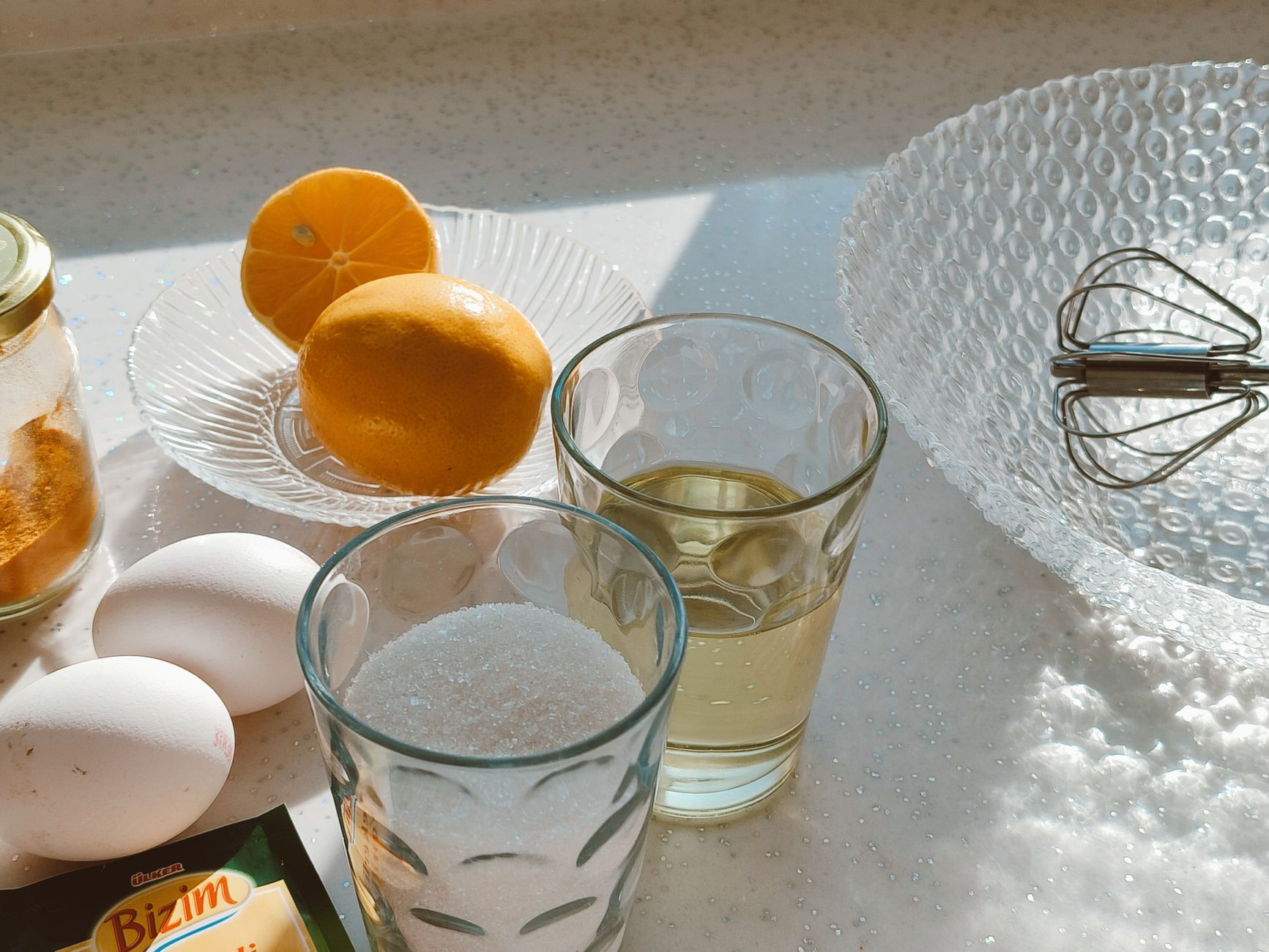
When whisking raw egg whites with sugar, remember that the mixture remains a potential source of salmonella unless the eggs are pasteurized.
Safety by trimester
First trimester
During weeks 1–13, the embryo’s organs are forming. Any infection, especially gastrointestinal, can theoretically interfere with nutrient absorption and increase the chance of miscarriage. Because salmonella can cause fever and dehydration, ACOG recommends a strict “no raw egg” rule in this period. Even if the meringue looks perfectly fluffy, the underlying egg whites are still raw.
If you crave a light dessert, consider a fully baked meringue that reaches 160 °F, or switch to a pasteurized‑egg version. The NHS also advises pregnant people to keep raw egg dishes out of the kitchen until after the first trimester, though the safest practice is to avoid them throughout pregnancy.
Second trimester
Weeks 14–27 bring rapid growth and the beginning of fetal movement. While the placenta provides a barrier that protects the baby from many pathogens, the mother’s immune response still matters. Salmonella infection can lead to severe dehydration, which can trigger uterine contractions. The CDC’s “Pregnancy and Food Safety” guidance stresses that “even in later pregnancy, food‑borne illness can cause complications.”
Therefore, the recommendation remains unchanged: avoid raw egg meringue. If you’re making a dessert for a gathering, opt for a pasteurized‑egg version or an egg‑free alternative such as aquafaba.
Third trimester
In weeks 28–40, the baby’s organs are fully formed, but the risk of preterm labor rises if the mother becomes ill. Salmonella can cause high fever, which is a known trigger for early labor. ACOG’s “Nutrition in Pregnancy” bulletin specifically lists raw egg dishes as “high‑risk foods” throughout the entire pregnancy, emphasizing that the danger does not diminish in the third trimester.
Pregnant people who love meringue can still enjoy a safely baked version—think classic lemon meringue pie where the topping is browned in the oven—or choose a pasteurized‑egg product. The key is ensuring the interior temperature is sufficient to kill bacteria.
Breastfeeding
After delivery, the mother’s immune system continues to protect both herself and the infant. If a breastfeeding parent contracts salmonella, the bacteria can be passed to the baby via breast milk, potentially causing illness in the newborn. The CDC advises that “any foodborne illness in a nursing mother should be taken seriously.” Thus, the same avoidance of raw egg meringue applies while breastfeeding.
Tips for safe handling and storage of meringue
Even when you use pasteurized eggs, proper food safety practices are essential. Keep meringue mixtures refrigerated at 40 °F (4 °C) or below if they will sit for more than two hours. Use clean, dry utensils to prevent cross‑contamination from raw egg surfaces. When serving, keep the dessert on a chilled platter and discard any leftovers that have been left at room temperature for more than an hour. These steps dramatically lower the chance of any bacterial growth, even with pasteurized products.
If you purchase pre‑made meringue cookies, store them according to the package instructions—usually in a sealed container in the refrigerator after opening. Never re‑freeze meringue that has been thawed, as temperature fluctuations can promote bacterial proliferation.
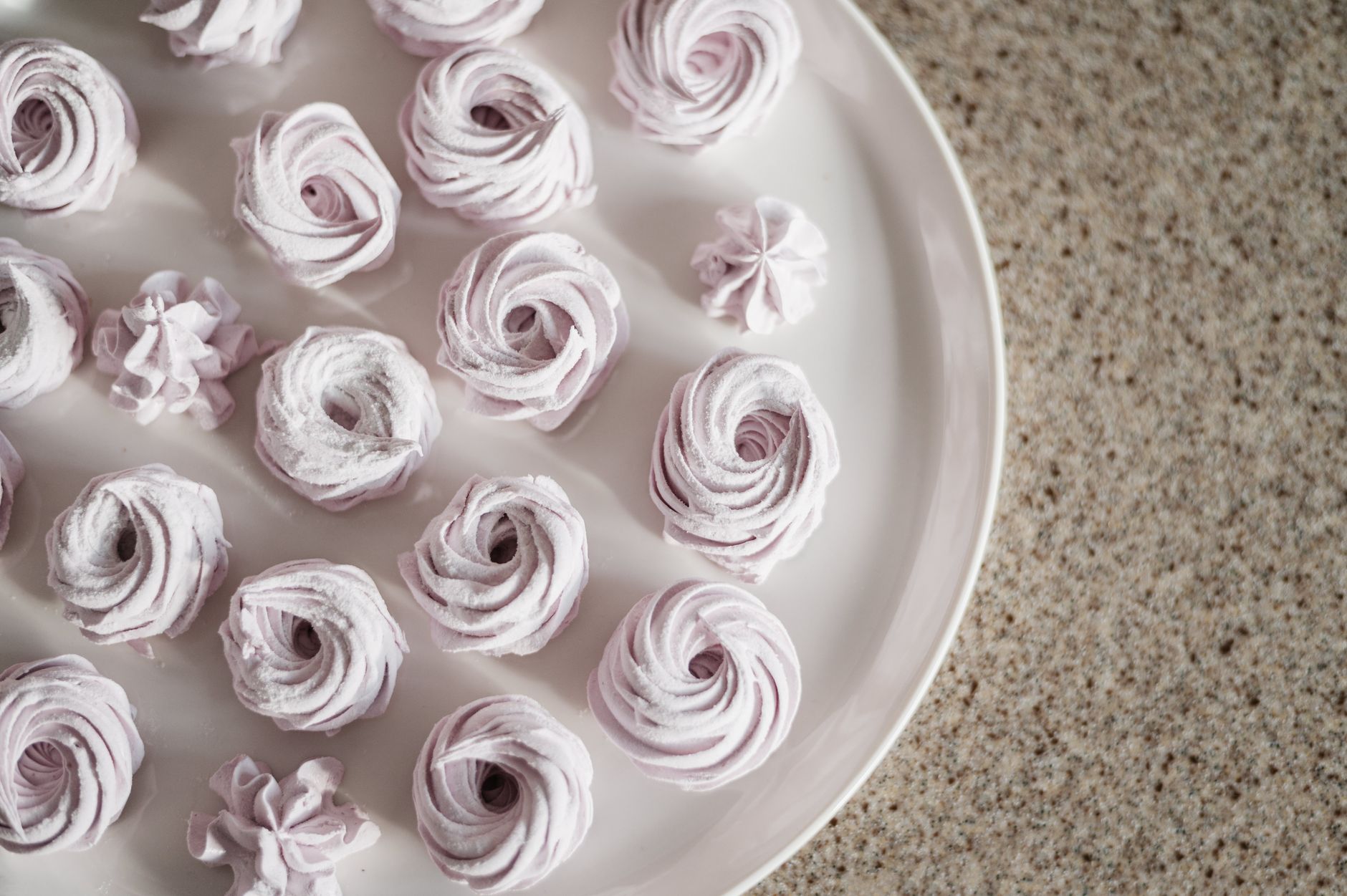
Baked meringue cookies that have reached a safe internal temperature are a pregnancy‑friendly alternative to raw egg versions.
Safe dosage / amount / brands
Because raw egg meringue carries a bacterial risk, the safest “dosage” is none. There is no scientifically validated safe portion size for uncooked egg whites. If you choose to consume a meringue made with pasteurized eggs, you can treat it like any other dessert—moderation is key. A typical serving of pasteurized‑egg meringue (about 1–2 tablespoons) provides roughly 30–50 calories and a modest amount of protein.
When purchasing pre‑made meringue products, look for these label cues:
Pasteurized – explicitly states “pasteurized egg whites” or “pasteurized eggs.”
Egg‑free – uses aquafaba or a commercial egg replacer; safe for all trimesters.
Refrigerated – indicates the product is kept cold, reducing bacterial growth.
Expiration date – always respect it; older products can harbor more bacteria.
For homemade meringue, use a kitchen thermometer to confirm the interior reaches at least 160 °F (71 °C) if you are baking it. If the recipe calls for “soft‑serve” or “Swiss” meringue that isn’t heated, substitute pasteurized egg whites or aquafaba instead. Reading the label carefully and understanding the terminology can prevent accidental exposure to raw egg.
Side effects and risks
Salmonella infection typically presents with:
Fever (often >38 °C/100.4 °F)
Abdominal cramps
Diarrhea (sometimes bloody)
Nausea or vomiting
In pregnant people, dehydration from diarrhea can lead to reduced amniotic fluid and increase the risk of preterm labor. Rarely, salmonella can spread to the bloodstream (bacteremia), which is a medical emergency. If you experience any of the above symptoms, especially fever or persistent diarrhea, contact your obstetric provider immediately.
Non‑infectious side effects of raw egg include mild biotin binding, but this is not clinically significant compared with the infection risk. Therefore, the primary concern remains bacterial.
Whipped cream topping – provides airy texture without any egg.
Silken tofu “meringue” – blended tofu with sugar creates a fluffy, egg‑free frosting.
Vegan egg‑free meringue using commercial egg replacer – formulated to mimic egg‑white foam safely.
Related items — safety at a glance
Item
Verdict
Note
French macarons
⚠️ Safe with limits
Made with pasteurized egg whites or aquafaba; check label.
Custard
❌ Avoid
Often contains raw egg; cook to >160 °F.
Tiramisu
❌ Avoid
Contains raw egg yolks in traditional recipe.
Eggnog
❌ Avoid
Raw egg base; use pasteurized version if desired.
Soufflé
⚠️ Safe with limits
Fully baked; ensure internal temperature is reached.
Angel food cake
⚠️ Safe with limits
Baked thoroughly; no raw egg left.
Cream pie
❌ Avoid
Often contains raw egg‑based filling.
Pavlova
⚠️ Safe with limits
Traditional version uses raw egg whites; use pasteurized version instead.
Myth vs. fact
Myth: “A small bite of raw meringue won’t hurt because the risk is low.” Fact: Salmonella can cause illness even from a tiny amount, and pregnancy amplifies the potential complications.
Myth: “If the meringue looks fluffy and white, it’s safe.” Fact: Appearance doesn’t indicate bacterial presence; only pasteurization or adequate cooking guarantees safety.
Myth: “Baking a meringue for a few minutes makes it safe.” Fact: Only meringues baked to an internal temperature of 160 °F (71 °C) are considered safe; many soft‑serve styles never reach that heat.
Key takeaways
Raw egg meringue is best avoided throughout pregnancy and while breastfeeding due to salmonella risk.
No “safe amount” exists for uncooked egg whites; the safest choice is zero.
Use pasteurized egg whites, aquafaba, or commercial egg‑free mixes for a pregnancy‑friendly meringue.
Watch for fever, diarrhea, or abdominal cramps—these may signal salmonella infection and require prompt medical attention.
Even in later trimesters, raw egg meringue remains a high‑risk food; fully baked versions are acceptable if they reach 160 °F.
Proper storage, refrigeration, and label reading are essential even when using pasteurized products.
Frequently asked questions
Can pregnant women eat meringue?
Pregnant women can safely enjoy meringue only if it’s made with pasteurized eggs, aquafaba, or a certified egg‑free substitute; raw egg meringue should be avoided.
Is it safe to eat raw egg desserts while pregnant?
No, raw egg desserts—including traditional meringue, tiramisu, and homemade mayonnaise—carry a salmonella risk and are not recommended for pregnant people.
What are the symptoms of salmonella infection during pregnancy?
Typical symptoms include fever, abdominal cramps, diarrhea, nausea, and vomiting; if you experience any of these, especially fever, contact your obstetric provider right away.
How can I tell if my meringue contains raw eggs?
If the recipe calls for “egg whites” without specifying “pasteurized,” or if the meringue is served soft and glossy without baking, it likely contains raw eggs.
Do pasteurized eggs eliminate the risk of salmonella?
Yes—pasteurization heats eggs just enough to kill salmonella while preserving the ability to whip into a foam, making them safe for pregnant consumers.
Can I make meringue at home using pasteurized eggs?
Absolutely; simply substitute pasteurized egg whites for regular ones, and you can whip and bake the meringue just as you would with raw eggs.
Is it okay to eat leftover meringue during pregnancy?
If the leftover meringue was fully baked and stored properly (refrigerated within two hours), it’s safe; however, any soft‑serve or raw‑egg version should be discarded.
What are safe egg substitutes for pregnant women?
Safe substitutes include aquafaba, commercial egg‑white replacers (e.g., Egg Beaters), silken tofu blends, or vegan egg‑free mixes that are specifically labeled as “egg‑free.”
Can I enjoy meringue if I have a gluten intolerance during pregnancy?
Yes—gluten intolerance does not affect the safety of the egg component. Focus on using pasteurized or egg‑free meringue; just ensure any added flavorings or fillings are also gluten‑free.
Is it okay to use meringue powder instead of fresh eggs while pregnant?
Meringue powder is typically made from dried egg whites that have been pasteurized, so it is generally considered safe for pregnant people. Always verify the label for “pasteurized” or “heat‑treated” claims before using.
When to call your doctor
If you develop any of the following after eating meringue—fever above 38 °C (100.4 °F), persistent diarrhea (more than two days), severe abdominal pain, vomiting, or signs of dehydration (dry mouth, dizziness)—call your obstetric provider or seek urgent care immediately. Even milder symptoms should be discussed if you’re unsure, as early treatment can prevent complications for both you and your baby. This article provides general information and is not a substitute for personalized medical advice.
References
American College of Obstetricians and Gynecologists. “Nutrition During Pregnancy.” ACOG Committee Opinion No. 804, 2020.
National Health Service (UK). “Food safety for pregnant women.” NHS.uk, updated 2022.
U.S. Food and Drug Administration. “Egg Safety.” FDA.gov, accessed 2024.
Centers for Disease Control and Prevention. “Salmonella and Pregnancy.” CDC.gov, 2023.
Mayo Clinic. “Salmonella infection.” MayoClinic.org, 2023.
World Health Organization. “Food safety: guidelines for the safe handling of eggs.” WHO.int, 2021.
Not sure about the label on Is Meringue Raw Egg Safe During Pregnancy products?
Snap the ingredients list and SafeFilter checks every ingredient for your stage — only 3 free scans this month, then you're locked until reset. Unlimited from $7/mo or $50/yr.
When Shubhra Mishra was expecting her first child in 2016, she was overwhelmed by conflicting food advice — one site said yes, another said never. By the time her second baby arrived in 2019, she realized millions of mothers face the same confusion.
That sparked a five-year journey through clinical nutrition papers, cultural diets, and expert conversations — all leading to BumpBites: a calm, compassionate space where science meets everyday motherhood.
Her long-term vision is to build a global community ensuring safe, supported, and free deliveriesfor every mother — because no woman should face pregnancy alone or uninformed. 🌿
🌍 Stand with mothers, shape safer guidance
Join a small circle of experts who review BumpBites articles so expecting parents everywhere can decide with confidence.