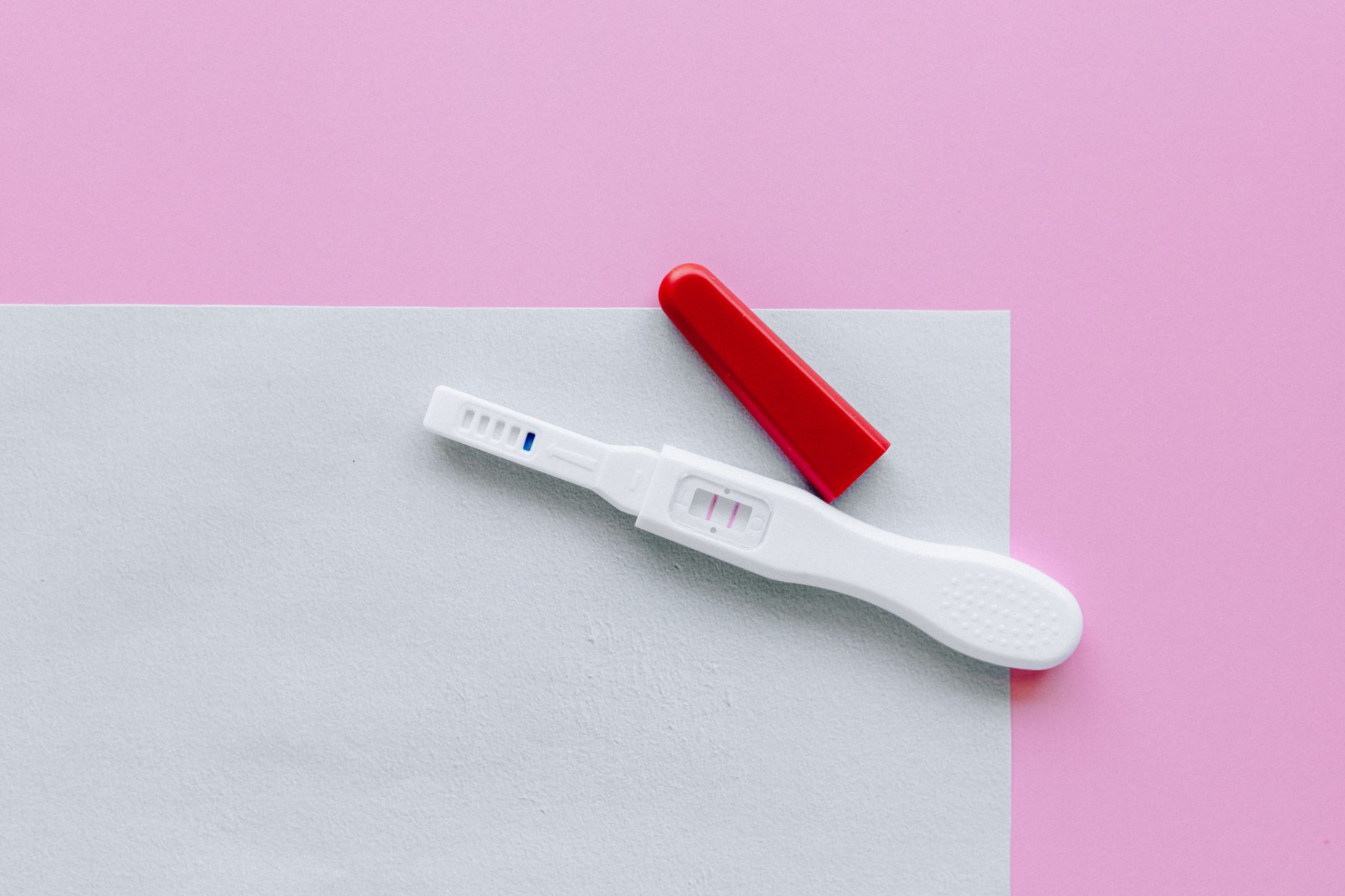
It’s important to distinguish between natural progesterone and synthetic progestins like medroxyprogesterone. Natural progesterone is produced by the ovaries and plays a vital role in supporting a healthy pregnancy. Synthetic progestins, like those in Provera, mimic progesterone but are chemically different. While they may achieve similar hormonal effects, they can also interfere with the body’s natural processes.
Natural progesterone is often considered safer during pregnancy, especially when used in forms like micronized progesterone cream or supplements. Synthetic progestins, however, have been linked to higher rates of miscarriage and other complications when used during pregnancy. This distinction is crucial for understanding why Provera is not recommended during pregnancy, even though it contains progesterone-like properties.
---
Is Medroxyprogesterone Provera safe during pregnancy?
The short answer is no, it is not generally recommended during pregnancy unless prescribed for a very specific high-risk condition. The American College of Obstetricians and Gynecologists (ACOG) and the U.S. Food and Drug Administration (FDA) classify Provera as a Category X drug for pregnancy. This means there’s evidence of fetal risk based on animal studies and, in some cases, human experience.
Progesterone itself is essential for a healthy pregnancy, but synthetic progestins like medroxyprogesterone can interfere with implantation and may increase the risk of early pregnancy loss. Studies have shown that women taking high-dose progestins (like those in fertility treatments) had higher rates of miscarriage compared to those not taking them. Additionally, Provera has been linked to:
- Increased bleeding during pregnancy
- Potential hormonal disruption that could affect fetal development
- Higher risk of preterm birth in some cases
The National Health Service (NHS) in the UK echoes this caution, advising that Provera should not be used to treat infertility or hormonal imbalances during pregnancy unless there’s a compelling medical reason. The FDA’s pregnancy labeling system further reinforces this by stating that Provera may cause birth defects or harm the fetus when taken during pregnancy.
However, it’s important to note that natural progesterone (like micronized progesterone cream or supplements) is often considered safer during pregnancy for conditions like luteal phase defect or recurrent miscarriage. The issue lies with synthetic progestins like medroxyprogesterone.
If you’ve already taken Provera before realizing you were pregnant, most providers won’t recommend stopping it abruptly unless you’re experiencing symptoms like heavy bleeding or cramping. But they’ll likely advise switching to a safer alternative as soon as possible.
---
How Provera Affects Fertility Treatments
For women who have taken Provera as part of fertility treatments, such as IVF protocols, the transition to pregnancy can be particularly confusing. Provera is sometimes used in the luteal phase to support the endometrial lining, but once pregnancy is confirmed, it is typically discontinued. The reason is that high doses of synthetic progestins can interfere with the natural progression of early pregnancy and increase the risk of complications.
If you’ve taken Provera during fertility treatment and discover you’re pregnant, it’s crucial to stop the medication immediately and consult your fertility specialist. They may recommend switching to micronized progesterone cream or another natural form of progesterone to support your pregnancy safely. Monitoring with ultrasounds and beta hCG tests can help ensure the pregnancy is progressing normally.
---
Is Medroxyprogesterone Provera safe during the first trimester?
The first trimester is the most critical period for fetal development, particularly the first 12 weeks when organs are forming. Provera is strongly discouraged in the first trimester due to its potential to disrupt implantation and increase the risk of miscarriage. Research published in the Journal of Clinical Endocrinology & Metabolism found that women taking high-dose progestins early in pregnancy had a significantly higher rate of pregnancy loss compared to those not taking them.
If you’ve taken Provera in the first trimester and haven’t yet confirmed a viable pregnancy, your provider may recommend monitoring with serial beta hCG tests or an ultrasound to ensure the pregnancy is progressing normally. If you’ve already confirmed a pregnancy and are continuing Provera, switch to a safer alternative as soon as possible—ideally within the first few weeks.
If you’re experiencing any of the following symptoms after taking Provera in early pregnancy, contact your provider immediately:
- Heavy vaginal bleeding
- Severe cramping or abdominal pain
- No pregnancy symptoms despite a positive test
---
How to Safely Taper Off Provera
If you’ve been taking Provera and decide to stop it during pregnancy, your provider may recommend a gradual taper to avoid withdrawal symptoms. Abruptly stopping Provera can sometimes lead to headaches, mood swings, or even light spotting. A typical tapering schedule might involve reducing the dose by 2.5 mg every few days until you reach zero. Always follow your provider’s guidance for tapering, as individual responses can vary.
During the tapering process, it’s important to monitor for any signs of hormonal imbalance, such as fatigue, breast tenderness, or changes in your menstrual cycle (if applicable). Switching to a safer alternative like micronized progesterone cream can help maintain hormonal balance while avoiding the risks associated with synthetic progestins.
---
Can I take Medroxyprogesterone Provera in the second trimester?
While the risks are slightly lower in the second trimester, Provera is still not recommended unless prescribed for a very specific condition like cervical insufficiency or recurrent pregnancy loss. The ACOG guidelines specify that Provera should only be used in pregnancy if the potential benefit clearly outweighs the risk.
In the second trimester, Provera may increase the risk of:
- Placental abnormalities
- Hormonal imbalances affecting fetal development
- Increased bleeding or spotting
If you’re taking Provera for a condition like endometriosis and your provider determines it’s essential to continue, they may switch you to a safer progestin alternative (like micronized progesterone) or monitor you closely with ultrasounds. But in most cases, they’ll recommend stopping it entirely.
---
What is the recommended dosage of Medroxyprogesterone Provera for pregnant women?
There is no recommended dosage of Provera for pregnant women outside of very specific, high-risk scenarios. The standard dosages for non-pregnant conditions (e.g., 5 mg or 10 mg daily) are not safe during pregnancy. If your provider prescribes Provera during pregnancy, it will likely be at a much lower dose and only for a short period.
For reference, the typical non-pregnant dosages are:
- Endometriosis or abnormal uterine bleeding: 10 mg daily for 5–10 days per cycle
- Infertility treatment: 10 mg twice daily for 5 days (sometimes combined with estrogen)
- Postmenopausal hormone therapy: 2.5 mg daily
If you’re taking Provera for fertility treatment and discover you’re pregnant, stop it immediately and switch to a safer alternative like micronized progesterone cream or natural progesterone supplements. Your provider may also recommend frequent ultrasounds to monitor fetal development.
---
How to Manage Withdrawal Symptoms Safely
Stopping Provera can sometimes lead to withdrawal symptoms, particularly if you’ve been on it for an extended period. Common symptoms include headaches, fatigue, mood swings, and even light spotting. To manage these symptoms safely, consider the following approaches:
- Gradual tapering under your provider’s supervision to minimize withdrawal effects.
- Hydration and rest to help your body adjust to the hormonal changes.
- Supportive supplements like magnesium or vitamin B6, which may help with mood and stress.
- Regular follow-ups with your provider to monitor your symptoms and adjust your care plan as needed.
If symptoms become severe or persistent, contact your provider immediately. They may recommend temporary support with natural progesterone or other interventions to help stabilize your hormones.
---
Are there safer alternatives to Medroxyprogesterone Provera during pregnancy?
If you’ve been relying on Provera to manage hormonal imbalances or fertility issues, there are safer alternatives that can support your pregnancy while avoiding synthetic progestins. Here are the best options:
- Micronized progesterone cream – Topical progesterone is often considered safer during pregnancy and can be used to support luteal phase defects or recurrent miscarriage. It’s absorbed through the skin and bypasses the liver, reducing systemic risks.
- Natural progesterone supplements – Wild yam or soy-based progesterone supplements (like Prometrium) are sometimes prescribed off-label for pregnancy support, though consult your provider first.
- Chasteberry (Vitex) – An herbal supplement that may help regulate hormones naturally. Always check with your provider before using herbs during pregnancy.
- Dong Quai – Another herbal option sometimes used for hormonal balance, but use with caution and under medical supervision.
- Luteinizing hormone (LH) support – If your provider determines your progesterone levels are low due to LH deficiency, they may recommend hCG injections (like Pregnyl) instead of synthetic progestins.
- Dietary changes – Foods rich in phytoestrogens (like flaxseeds, soy, and legumes) or zinc and vitamin C (found in citrus fruits and nuts) may help support natural hormone balance.
- Stress reduction – Chronic stress can disrupt progesterone levels. Prenatal yoga, meditation, or acupuncture (under a licensed practitioner’s guidance) may help.
- Vaginal progesterone gel – In some cases, a low-dose progesterone gel (like Crinone) may be prescribed for cervical insufficiency, as it targets the uterine environment directly.
If you’re switching from Provera, your provider may recommend a gradual taper to avoid withdrawal symptoms like headaches or mood swings. Always discuss alternatives with them before making changes.
---
Which brands of Medroxyprogesterone Provera are considered safe in pregnancy?
There are no brands of Provera that are considered safe during pregnancy outside of very specific, high-risk scenarios. The active ingredient—medroxyprogesterone acetate—is the same regardless of brand, and all forms carry the same risks. Common brand names include:
- Provera (generic and brand-name tablets)
- Cycrin (another brand-name version)
- Depo-Provera (injectable form, not recommended during pregnancy)
If you’re currently taking Provera and discover you’re pregnant, stop taking it immediately and contact your provider. They may recommend switching to a safer alternative or monitoring you closely. Do not continue taking Provera without medical supervision during pregnancy.
---
What are the potential risks of using Medroxyprogesterone Provera while pregnant?
While Provera is not typically prescribed during pregnancy, there are real risks associated with its use, even in low doses. Here’s what to watch for:
- Increased risk of miscarriage – Studies link high-dose progestins to higher rates of early pregnancy loss.
- Hormonal disruption – Synthetic progestins may interfere with natural progesterone production, affecting fetal development.
- Heavy bleeding or spotting – Provera can thin the uterine lining, leading to breakthrough bleeding.
Longer-Term Risks
- Preterm birth – Some research suggests synthetic progestins may increase the risk of delivering early.
- Placental abnormalities – Rare but possible, including placental previa or abnormal blood flow.
- Hormonal imbalances in the baby – While rare, there’s a theoretical risk of affecting the baby’s hormone regulation.
Risks for Fertility Treatment Context
- Increased risk of ovarian hyperstimulation syndrome (OHSS) – If Provera was used in conjunction with fertility drugs, this risk may persist.
- Emotional distress – The uncertainty of stopping a medication you’ve relied on can cause stress, which may impact pregnancy.
If you experience any of the following after taking Provera during pregnancy, contact your provider immediately:
- Severe abdominal pain or cramping
- Heavy vaginal bleeding (soaking a pad in an hour)
- No pregnancy symptoms despite a positive test
- Signs of preterm labor (contractions, water breaking)
- Sudden swelling, shortness of breath, or chest pain (possible blood clot risk)
---
Is Medroxyprogesterone Provera safe for women with gestational diabetes?
Women with gestational diabetes are often advised to avoid unnecessary medications during pregnancy, as insulin sensitivity and metabolic changes can complicate drug metabolism. While there’s no direct evidence that Provera worsens gestational diabetes, it’s not recommended for this group unless prescribed for a very specific condition like cervical insufficiency.
The focus for gestational diabetes is typically on diet, exercise, and insulin management, not synthetic progestins. If you’re taking Provera for another reason and have gestational diabetes, your provider may:
- Monitor your blood sugar more closely
- Recommend switching to a safer alternative
- Adjust your insulin or oral diabetes medications
Always discuss any medication changes with your obstetrician and endocrinologist to ensure your blood sugar stays stable.
---
Can Medroxyprogesterone Provera be used for fertility treatment during pregnancy?
Provera is not used for fertility treatment during pregnancy—it’s primarily prescribed before conception as part of IVF protocols or to support the luteal phase (the period after ovulation). However, if you’ve taken Provera as part of fertility treatment and discover you’re pregnant, here’s what to do:
- Stop taking Provera immediately and switch to a safer alternative like micronized progesterone cream.
- Monitor your pregnancy closely with ultrasounds and beta hCG tests, especially in the first trimester.
- Avoid high-dose progestins if possible, as they may increase miscarriage risk.
- Discuss with your fertility specialist whether you need additional support (e.g., hCG injections) to maintain a healthy pregnancy.
Many fertility clinics recommend natural progesterone support (like vaginal gels or creams) instead of synthetic progestins once pregnancy is confirmed.
---
How to Support Hormonal Balance Naturally During Pregnancy
If you’re looking to support your hormonal balance during pregnancy without relying on synthetic progestins, there are several natural approaches you can consider. These methods focus on nourishing your body and reducing stress, which can help maintain healthy hormone levels:
- Balanced diet – Incorporate foods rich in healthy fats (avocados, nuts, seeds), lean proteins, and complex carbohydrates to support overall hormonal health.
- Hydration – Drinking plenty of water helps flush out toxins and supports the body’s natural detoxification processes.
- Regular, gentle exercise – Activities like walking, prenatal yoga, or swimming can help regulate hormones and reduce stress.
- Adequate sleep – Prioritize 7-9 hours of sleep per night to allow your body to recover and maintain hormonal balance.
- Stress management – Practices like meditation, deep breathing exercises, and prenatal massage can help lower cortisol levels, which can disrupt hormone production.
Always consult your provider before making significant changes to your diet or lifestyle, especially if you have pre-existing conditions like gestational diabetes or hypertension.
---
If you’re researching medroxyprogesterone provera, you may also be curious about these similar medications or supplements. Here’s a quick comparison:
---
Myth vs. Fact
Fact: While Provera contains progesterone-like properties, it’s a synthetic progestin—not the same as natural progesterone. Synthetic versions can disrupt implantation and increase miscarriage risk, whereas natural progesterone (like cream or supplements) is often considered safer.
Myth: "If I’ve already taken Provera in early pregnancy, there’s no need to worry."
Fact: Even a single dose of Provera in early pregnancy may increase miscarriage risk. While one dose isn’t an automatic cause for alarm, stopping it and switching to a safer alternative is the safest approach. Monitor your pregnancy closely with ultrasounds if needed.
Myth: "My provider prescribed Provera for infertility, so it must be safe to continue during pregnancy."
Fact: Provera is not continued during pregnancy for fertility treatment. If you’re pregnant, your provider will likely switch you to a safer progestin alternative (like micronized progesterone) or monitor you without it.
Myth: "I can safely taper off Provera on my own without medical supervision."
Fact: Tapering off Provera should always be done under the guidance of your healthcare provider. Abruptly stopping can cause withdrawal symptoms, and a gradual taper ensures your body adjusts safely.
---
Key takeaways
- Provera is not recommended during pregnancy unless prescribed for a very specific high-risk condition like cervical insufficiency.
- First-trimester use increases miscarriage risk and should be avoided if possible.
- Safer alternatives exist, like micronized progesterone cream or natural progesterone supplements.
- Stop Provera immediately if you discover you’re pregnant and switch to a safer option.
- Monitor your pregnancy closely if you’ve taken Provera early on, especially if you experience bleeding or cramping.
- Always consult your provider before making any changes to your medication regimen.
- Natural approaches like diet, hydration, and stress management can support hormonal balance during pregnancy.
---
Frequently asked questions
How much Medroxyprogesterone Provera is safe during pregnancy?
There is no safe amount of Provera during pregnancy outside of very specific, high-risk scenarios. The standard dosages (5 mg or 10 mg daily) are not recommended once pregnancy is confirmed. If your provider prescribes it, it will likely be at a much lower dose and only for a short period. Always follow your provider’s guidance.
---
What if I already took Medroxyprogesterone Provera before I knew I was pregnant?
Don’t panic—one dose isn’t an automatic cause for concern. However, if you’ve taken it regularly or in high doses, your provider may recommend switching to a safer alternative (like micronized progesterone) and monitoring your pregnancy closely with ultrasounds. If you experience heavy bleeding, cramping, or no pregnancy symptoms, contact your provider immediately.
---
Can I have Medroxyprogesterone Provera in my first trimester?
No, Provera is strongly discouraged in the first trimester. This is the most critical period for fetal development, and Provera may disrupt implantation or increase miscarriage risk. If you’ve already taken it, stop it as soon as possible and discuss safer alternatives with your provider.
---
Is Provera safe for women with gestational diabetes?
Provera is not recommended for women with gestational diabetes unless prescribed for a very specific condition. The focus for gestational diabetes is typically on diet, exercise, and insulin management. If you’re taking Provera for another reason, your provider may recommend switching to a safer alternative or adjusting your diabetes medications to avoid interactions.
---
What’s a safer alternative to Medroxyprogesterone Provera during pregnancy?
The safest alternatives are micronized progesterone cream or natural progesterone supplements like Prometrium. These bypass the liver and are less likely to disrupt natural hormone balance. Other options include chasteberry (Vitex) or dietary changes to support progesterone levels naturally. Always discuss alternatives with your provider before switching.
---
How is Medroxyprogesterone Provera different from micronized progesterone during pregnancy?
Medroxyprogesterone is a synthetic progestin, while micronized progesterone is a natural form. Synthetic versions can interfere with implantation and increase miscarriage risk, whereas natural progesterone is often considered safer during pregnancy. Micronized progesterone is also absorbed more effectively and has fewer side effects.
---
No, Depo-Provera is not recommended during pregnancy. It’s a long-acting synthetic progestin with a higher risk of miscarriage and preterm birth. If you’ve recently received an injection and discover you’re pregnant, contact your provider immediately—they may recommend monitoring your pregnancy closely.
---
What should I do if I’m taking Provera for fertility treatment and I’m pregnant?
Stop taking Provera immediately and switch to a safer alternative like micronized progesterone cream. Your fertility specialist may recommend additional support (like hCG injections) to maintain a healthy pregnancy. Always discuss your next steps with your provider to ensure the best outcome for you and your baby.
---
How can I safely taper off Provera during pregnancy?
Consult your provider about a gradual tapering schedule to minimize withdrawal symptoms. They may recommend reducing your dose by 2.5 mg every few days. During the tapering process, monitor for symptoms like headaches, mood swings, or spotting. Switching to micronized progesterone cream can help maintain hormonal balance safely.
---
Are there natural ways to support hormonal balance during pregnancy?
Yes, natural approaches can help support hormonal balance, including a balanced diet, hydration, regular gentle exercise, adequate sleep, and stress management practices. Incorporating foods rich in healthy fats, lean proteins, and complex carbohydrates can also support overall hormonal health. Always consult your provider before making significant lifestyle changes.
---
When to call your doctor
If you’ve taken Medroxyprogesterone Provera during pregnancy and experience any of the following, contact your provider immediately:
- Heavy vaginal bleeding (soaking a pad in an hour)
- Severe abdominal pain