Limit McDonald's sweet tea during pregnancy due to caffeine. While generally safe in moderation, monitor your intake to stay below 200mg daily. Learn what to consider.
By Shubhra Mishra — a mom of two who turned her own confusion during pregnancy into BumpBites, a global mission to make food choices clear, safe, and stress-free for every expecting mother. 💛
Check whether any food is safe during pregnancy with the BumpBites Food Safety Checker.
Quick verdict: ⚠️ Safe with limits. McDonald's Sweet Tea can be enjoyed occasionally in moderation during pregnancy, but its high caffeine and sugar content mean it's not an everyday choice. Prioritize unsweetened, decaffeinated, or lower-sugar options most of the time.
That late-night craving for a McDonald's Sweet Tea can hit hard when you're pregnant, and it's natural to pause and wonder, "is McDonald's Sweet Tea safe during pregnancy?" You might have already ordered one and taken a sip, or you're standing at the drive-thru speaker, second-guessing your choice. Take a deep breath. We understand the worry that comes with every food and drink decision when you're expecting.
The good news is that an occasional McDonald's Sweet Tea isn't likely to cause harm. However, it's not a drink you should be reaching for daily. The primary concerns with McDonald's Sweet Tea for pregnant individuals are its caffeine content and, more significantly, its very high sugar levels. While current guidelines suggest moderate caffeine intake is generally safe, excessive sugar can pose several risks throughout pregnancy. Let's break down what you need to know to make an informed choice for you and your baby.
Consider the caffeine and sugar content of fast-food drinks like McDonald's Sweet Tea before making it a regular habit during pregnancy.
Safety Snapshot: McDonald's Sweet Tea During Pregnancy
Trimester/Stage
Verdict
Notes
First Trimester
⚠️ Limit
High sugar and moderate caffeine can be concerning during this critical development period. Limit to very occasional small servings.
Second Trimester
⚠️ Limit
Continue to limit intake due to sugar content, which can contribute to gestational diabetes risk. Moderate caffeine is generally okay within daily limits.
Third Trimester
⚠️ Limit
High sugar intake can increase the risk of gestational diabetes and excessive fetal weight gain. Caffeine can affect sleep closer to delivery.
Breastfeeding
⚠️ Limit
Caffeine can pass into breast milk and may cause fussiness or sleep disturbances in your baby. High sugar is also not ideal for your own postpartum health.
What is McDonald's Sweet Tea?
M
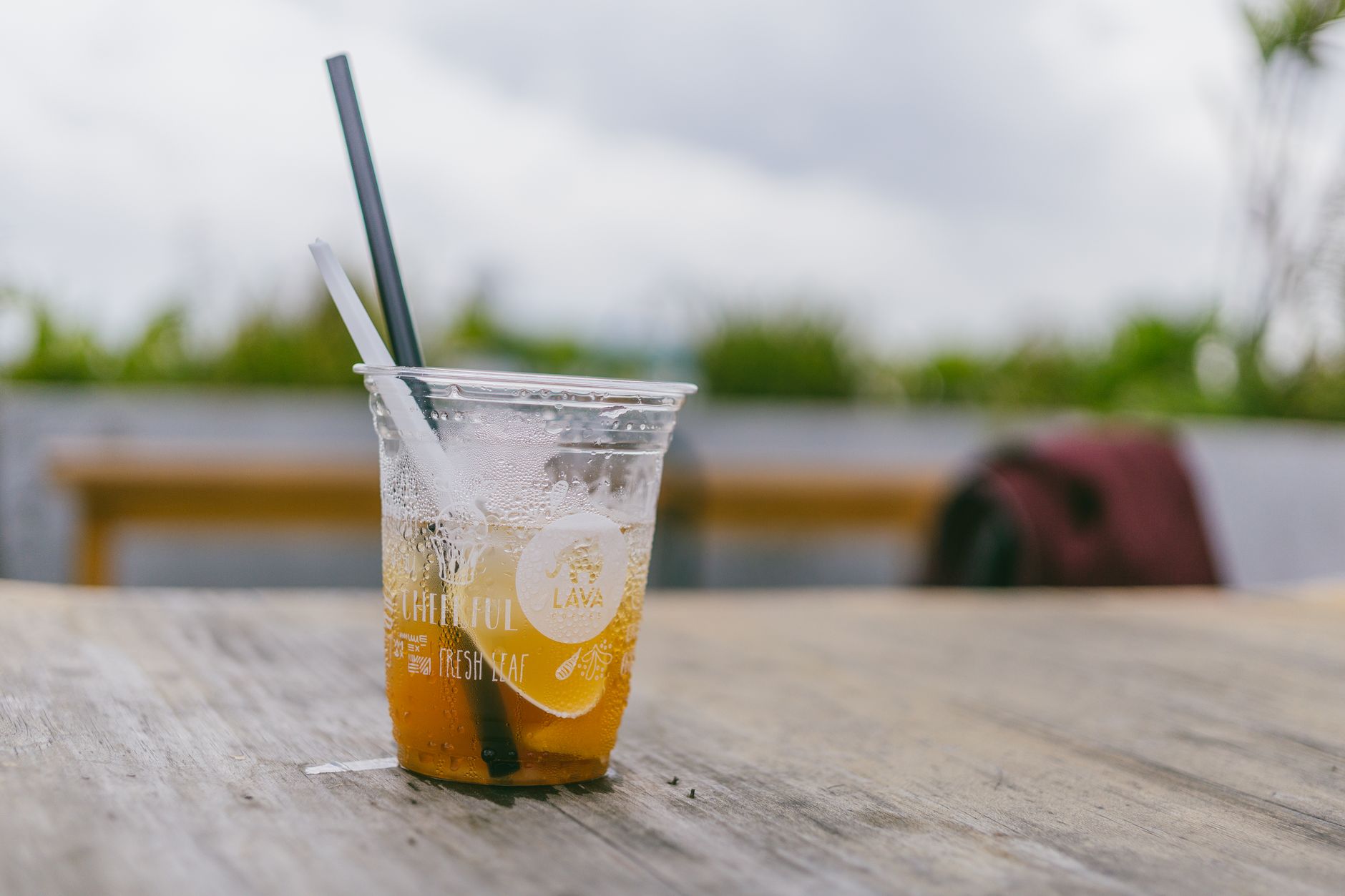
cDonald's Sweet Tea is a popular beverage offered at McDonald's restaurants, especially prominent in the southern United States. It's essentially black tea that has been brewed and then heavily sweetened with sugar. The tea is typically served over ice, making it a refreshing, albeit sugary, cold drink.
The appeal of McDonald's Sweet Tea lies in its convenience, consistent flavor, and often its low price point compared to other specialty drinks. It's a staple for many fast-food goers, providing a sweet pick-me-up. However, for pregnant individuals, understanding its key components – specifically caffeine and added sugars – is crucial for making informed dietary choices.
The standard preparation involves pre-brewed black tea concentrate mixed with water and a significant amount of sugar. While it might seem like a simple drink, the nutritional profile, particularly the sugar and caffeine levels, warrants a closer look when considering if is McDonald's Sweet Tea safe during pregnancy.
Is McDonald's Sweet Tea Safe During Pregnancy?
For most pregnant individuals, an occasional McDonald's Sweet Tea is generally considered safe, provided it's consumed in moderation and within overall recommended daily limits for both caffeine and sugar. The primary factors to consider are the caffeine content, which comes from the black tea, and the substantial amount of added sugar.
According to the American College of Obstetricians and Gynecologists (ACOG) and the UK's National Health Service (NHS), pregnant individuals should limit caffeine intake to no more than 200 milligrams (mg) per day. A typical large McDonald's Sweet Tea contains around 100 mg of caffeine, placing it within this daily limit if it's your only caffeinated beverage for the day. However, the more significant concern often lies with the sugar content.
There isn't a strict "safe limit" for added sugar during pregnancy from major health organizations, but the general advice is to minimize it. High intake of added sugars can contribute to excessive weight gain, increase the risk of gestational diabetes, and potentially impact fetal growth. Therefore, while a sweet tea won't necessarily harm your baby, regular consumption isn't recommended. The key is balance and moderation, making sure that if you do indulge, it's an occasional treat rather than a daily habit. Your overall diet should prioritize nutrient-dense foods and lower-sugar beverages.
Is McDonald's Sweet Tea Safe in Early Pregnancy?
When you're asking "is McDonald's Sweet Tea safe during pregnancy," the first trimester often brings the most anxiety, and for good reason. This period is crucial for fetal development, with major organs forming. During these early weeks, many pregnant people are particularly cautious about everything they consume.
The moderate caffeine content in McDonald's Sweet Tea (around 100 mg for a large) is generally within the 200 mg daily limit recommended by ACOG and NHS. However, some studies have suggested a potential link between higher caffeine intake in the first trimester and increased risk of miscarriage, though evidence is not conclusive and typically refers to intake significantly above 200mg. To be extra cautious, some choose to limit caffeine even further during the first trimester.
More importantly, the high sugar content is a concern from the very beginning. Excessive sugar intake in early pregnancy can contribute to rapid weight gain for the mother, which can set the stage for gestational diabetes later on. It also offers little to no nutritional value, taking up space that could be filled by more beneficial foods and drinks. If you're experiencing morning sickness or nausea, the sweetness might also be unappealing or even exacerbate symptoms for some.
Therefore, while a small, occasional McDonald's Sweet Tea in the first trimester is unlikely to cause harm, it's best to keep it to a minimum. Focusing on water, unsweetened teas, and other low-sugar beverages is a much safer and healthier approach during this critical developmental window.
What is the Caffeine Content in McDonald's Sweet Tea?
Understanding the caffeine content is a key part of determining if is McDonald's Sweet Tea safe during pregnancy. McDonald's Sweet Tea is made from black tea, which naturally contains caffeine. The amount can vary slightly depending on the brew strength and size of the drink.
Generally, a large (32 fl oz) McDonald's Sweet Tea contains approximately 100 mg of caffeine. A medium (21 fl oz) would have less, likely around 60-70 mg, and a small (16 fl oz) around 40-50 mg. These figures are important when considering the recommended daily limit for pregnant individuals.
Both the American College of Obstetricians and Gynecologists (ACOG) and the UK's National Health Service (NHS) recommend that pregnant individuals limit their caffeine intake to no more than 200 mg per day. This means that one large McDonald's Sweet Tea would account for about half of your daily recommended limit. If you consume other caffeinated beverages or foods (like coffee, soda, chocolate, or energy drinks), you could easily exceed this limit.
Exceeding the 200 mg daily caffeine limit during pregnancy has been linked to potential risks such as an increased risk of miscarriage, low birth weight, and preterm birth. While the evidence can sometimes be conflicting or show a dose-dependent relationship, it's always safest to adhere to the established guidelines. If you choose to enjoy a McDonald's Sweet Tea, be mindful of any other caffeine sources you consume throughout the day to stay well within the recommended limits.
Exploring safer drink alternatives can help you manage both caffeine and sugar intake during pregnancy.
How Much Sugar is in McDonald's Sweet Tea and is it Safe?
The sugar content in McDonald's Sweet Tea is arguably a greater concern than its caffeine when considering if is McDonald's Sweet Tea safe during pregnancy. Fast food sweet teas are notoriously high in added sugars, and McDonald's is no exception.
A large (32 fl oz) McDonald's Sweet Tea contains a staggering amount of sugar – typically around 36-38 grams. To put that into perspective, the American Heart Association recommends that women consume no more than 25 grams of added sugar per day. A single large sweet tea significantly exceeds this recommendation.
High sugar intake during pregnancy can lead to several potential health concerns. One of the most significant is an increased risk of gestational diabetes, a condition where blood sugar levels become too high during pregnancy. Gestational diabetes can lead to complications such as a larger-than-average baby (macrosomia), which can make delivery more difficult and increase the risk of C-section. It can also increase the baby's risk of developing type 2 diabetes later in life and lead to complications like preeclampsia for the mother.
Beyond gestational diabetes, excessive sugar intake can contribute to unhealthy weight gain during pregnancy, which also carries its own set of risks. It also offers "empty calories" – calories that provide energy but lack essential nutrients needed for your baby's development. While an occasional treat won't derail your pregnancy, making McDonald's Sweet Tea a regular beverage choice due to its high sugar content is generally not recommended by healthcare providers.
Are There Risks of Drinking Sweet Tea During Pregnancy?
Yes, there are potential risks associated with regular or excessive consumption of sweet tea during pregnancy, primarily due to its caffeine and high sugar content. When you're asking "is McDonald's Sweet Tea safe during pregnancy," these are the factors your doctor would likely highlight.
Risks related to caffeine:
Increased risk of miscarriage: While a direct causal link is still debated and often associated with higher doses, some studies suggest that exceeding 200 mg of caffeine daily might slightly increase the risk, especially in the first trimester.
Low birth weight: High caffeine intake has been linked to babies being born with a lower birth weight.
Preterm birth: Some research indicates a potential association between high caffeine consumption and preterm delivery.
Fetal heart rate changes: Caffeine can cross the placenta and affect the baby's heart rate, though this is usually temporary with moderate intake.
Risks related to high sugar intake:
Gestational Diabetes: This is one of the most significant risks. The high sugar content can cause rapid spikes in blood glucose, increasing your susceptibility to developing gestational diabetes.
Excessive Maternal Weight Gain: Sugary drinks contribute to extra calories without much nutritional value, potentially leading to unhealthy weight gain during pregnancy, which can complicate delivery and increase risks for both mother and baby.
Macrosomia: Babies born to mothers with poorly controlled blood sugar (e.g., from gestational diabetes or high sugar intake) tend to be larger, increasing the likelihood of C-sections and birth injuries.
Preeclampsia: Some studies suggest a link between high sugar intake and an increased risk of preeclampsia, a serious pregnancy complication characterized by high blood pressure.
Increased risk of childhood obesity and type 2 diabetes for the baby: Research is emerging that maternal diet, including high sugar intake, can influence the baby's long-term metabolic health.
Given these potential risks, it's clear why moderation is key when considering if is McDonald's Sweet Tea safe during pregnancy. Prioritizing healthier drink options will support a healthier pregnancy outcome.
Can Sweet Tea Worsen Gestational Diabetes?
Absolutely. If you have been diagnosed with gestational diabetes, or are at high risk for it, regularly consuming McDonald's Sweet Tea or any other highly sugary drink can significantly worsen the condition. This is a critical consideration when assessing if is McDonald's Sweet Tea safe during pregnancy, especially for those with blood sugar concerns.
Sweet tea contains a large amount of simple sugars, which are rapidly absorbed into the bloodstream. This causes a quick and substantial spike in blood glucose levels. For someone with gestational diabetes, whose body is already struggling to produce or effectively use insulin, these sugar spikes are problematic. They can lead to:
Poor blood sugar control: Making it harder to manage your glucose levels within the target range, which is crucial for preventing complications.
Increased need for medication: If dietary changes aren't enough, uncontrolled blood sugar might necessitate insulin injections or other medications.
Higher risk of complications: Consistently high blood sugar levels increase the risk of complications for both mother and baby, including macrosomia (large baby), preeclampsia, and potential birth trauma.
Healthcare providers and registered dietitians specializing in gestational diabetes will strongly advise against consuming sugary beverages like sweet tea. They will recommend opting for water, unsweetened teas, or other sugar-free drinks to help maintain stable blood glucose levels. If you have gestational diabetes, it's essential to discuss all food and drink choices with your healthcare provider or a dietitian to ensure they align with your management plan.
What is the Overall Verdict on McDonald's Sweet Tea by Trimester?
The general verdict on "is McDonald's Sweet Tea safe during pregnancy" remains consistent across all trimesters: consume with limits and in moderation. However, the specific reasons for caution can shift slightly as your pregnancy progresses.
First Trimester
During the first trimester, the concern is primarily about early fetal development and the potential, albeit small, risk of miscarriage linked to higher caffeine intake. While one large sweet tea is within the 200 mg daily caffeine limit, many choose to be extra cautious. The high sugar content is also a concern, as it offers no nutritional benefit during a time when nutrient-dense foods are vital for organogenesis. It can also contribute to early weight gain and set a precedent for higher sugar intake, increasing the risk of gestational diabetes later on. It's best to keep sweet tea consumption to a very rare treat, if at all.
Second Trimester
As you enter the second trimester, the risk of miscarriage typically decreases, making caffeine less of a primary concern as long as you stay within the 200 mg daily limit. However, the focus shifts more heavily to the high sugar content. This is often the period when gestational diabetes is diagnosed or when the risk becomes more pronounced. Regular consumption of sugary drinks like McDonald's Sweet Tea can significantly contribute to blood sugar spikes, making you more susceptible to or worsening gestational diabetes. Moderation is still crucial, treating it as an occasional indulgence rather than a regular beverage choice.
Third Trimester
In the third trimester, managing blood sugar remains paramount, especially with the increased risk of gestational diabetes and its potential impact on fetal growth (macrosomia). High sugar intake can lead to larger babies, which can complicate delivery. Additionally, the caffeine, even within limits, might start to affect your sleep more as you approach your due date, which is already often disrupted. While a small sweet tea won't cause immediate harm, prioritizing water and unsweetened drinks helps support healthy fetal weight and prepares your body for labor and delivery.
Breastfeeding
When breastfeeding, the good news is that most healthcare providers agree that moderate caffeine intake (up to 300 mg per day) is generally safe for nursing mothers. However, caffeine does pass into breast milk, and some babies can be more sensitive than others, potentially leading to fussiness, wakefulness, or colic-like symptoms. Monitoring your baby's reaction is key. The high sugar content, while not directly impacting breast milk composition significantly, is still a concern for your own postpartum health, energy levels, and weight management. Continuing to limit sugary drinks is a healthy habit to maintain.
Safe Dosage / Amount of McDonald's Sweet Tea During Pregnancy
When considering "is McDonald's Sweet Tea safe during pregnancy," it's not about a strict dosage in the way you'd think of medication, but rather a guideline for responsible consumption due to its caffeine and sugar levels. There's no specific "safe dose" from health authorities, but we can extrapolate based on general guidelines:
Caffeine: A large (32 fl oz) McDonald's Sweet Tea contains about 100 mg of caffeine. Since the ACOG recommends limiting caffeine to 200 mg per day, one large sweet tea would use up half of your daily allowance. If you choose to have one, be mindful of other caffeine sources (coffee, soda, chocolate) throughout your day.
Sugar: A large McDonald's Sweet Tea has around 36-38 grams of added sugar, far exceeding the American Heart Association's recommendation of 25 grams per day for women.
Given these numbers, here's what "safe limits" might look like:
Occasional Small Serving: If you really crave it, a small (16 fl oz) sweet tea, containing around 40-50 mg of caffeine and roughly 18-20 grams of sugar, would be the most moderate choice. Even then, consider it an occasional treat, perhaps once or twice a week, rather than a daily habit.
Dilution: One strategy to reduce both caffeine and sugar is to dilute your sweet tea with water or unsweetened iced tea. For example, order a medium sweet tea and ask for extra ice or a cup of water to mix in.
Avoid Large Sizes: Steer clear of the large or extra-large sizes, as these push both caffeine and sugar levels into potentially concerning territory, especially if consumed regularly.
Remember, the goal is to minimize added sugars and stay within caffeine limits. Prioritizing water and unsweetened beverages is always the best approach for hydration during pregnancy.
Side Effects and Risks of McDonald's Sweet Tea
While an occasional McDonald's Sweet Tea is unlikely to cause severe issues, consistent or excessive consumption during pregnancy carries several potential side effects and risks, primarily stemming from its high sugar and moderate caffeine content.
Immediate Side Effects (often due to caffeine or sugar spikes)
Jitters or restlessness: Caffeine can make you feel anxious or jittery, especially if you're sensitive to it.
Sleep disturbances: Consuming caffeine too close to bedtime can interfere with your sleep, which is already often challenged during pregnancy.
Heartburn or indigestion: The acidity of tea and the sugar content can sometimes exacerbate heartburn, a common pregnancy complaint.
Blood sugar spikes: The rapid influx of sugar can cause your blood sugar levels to rise quickly, potentially leading to a "sugar crash" later, making you feel tired or sluggish.
Gestational Diabetes: As discussed, frequent intake of sugary drinks significantly increases your risk of developing this condition, which can have serious implications for both mother and baby.
Excessive Weight Gain: The empty calories from sugar can contribute to gaining more weight than recommended during pregnancy, leading to complications like high blood pressure, preeclampsia, and difficult delivery.
Increased risk of preeclampsia: Some studies suggest a link between high sugar intake and this serious condition characterized by high blood pressure.
Fetal Macrosomia: Poorly controlled blood sugar can lead to a larger baby, increasing the risk of C-section and birth injuries.
Low Birth Weight/Preterm Birth: While typically linked to higher caffeine doses, consistent caffeine intake above recommended limits could contribute to these risks.
It's important to distinguish between an occasional indulgence and a regular habit. The occasional sweet tea is generally fine. The risks primarily arise when it becomes a frequent part of your diet, displacing healthier, more nutritious choices.
What are Safe Drink Alternatives at McDonald's for Pregnant Women?
When you're trying to figure out "is McDonald's Sweet Tea safe during pregnancy" and decide to opt for something healthier, McDonald's does offer several safer drink choices that are better for you and your baby. These alternatives help you stay hydrated without the excessive sugar or caffeine concerns:
Water: The absolute best choice for hydration. McDonald's offers bottled water, and you can usually get a cup of tap water for free.
Unsweetened Iced Tea: If you enjoy the taste of tea but want to avoid sugar, unsweetened iced tea is a great option. It still contains caffeine, so be mindful of your daily limit, but it eliminates the added sugar.
Decaffeinated Coffee (if available): Some McDonald's locations offer decaf coffee. This allows you to enjoy a warm beverage with minimal caffeine.
Milk: A good source of calcium and protein. McDonald's typically offers low-fat milk, which is a nutritious choice.
Sparkling Water with Lemon: If you're craving something fizzy, plain sparkling water (if available) with a lemon wedge can be a refreshing, sugar-free alternative to soda.
Pregnancy-Safe Herbal Tea (from home): While McDonald's doesn't typically offer specific herbal teas, bringing your own pregnancy-safe herbal tea bag (like peppermint or ginger for nausea) and asking for hot water can be a great option.
McDonald's Orange Juice (in moderation): While it contains natural sugars, orange juice also provides Vitamin C. A small serving can be okay, but it's still best to limit fruit juices due to their concentrated sugar.
McDonald's Apple Juice: Similar to orange juice, a small apple juice can be a source of vitamins but should be consumed in moderation due to its sugar content.
Choosing these options more frequently over sweet tea can significantly reduce your intake of added sugars and help you manage your caffeine consumption, supporting a healthier pregnancy.
Is Unsweetened Iced Tea a Better Pregnancy Option at McDonald's?
Yes, unsweetened iced tea is definitely a better pregnancy option at McDonald's compared to their Sweet Tea. When considering "is McDonald's Sweet Tea safe during pregnancy," the unsweetened version addresses the most significant concern: added sugar.
Here's why unsweetened iced tea is a superior choice:
No Added Sugar: This is the primary benefit. By opting for unsweetened tea, you completely eliminate the 36-38 grams of added sugar found in a large sweet tea. This dramatically reduces your risk of blood sugar spikes, gestational diabetes, and excessive weight gain.
Still Provides Hydration: Like sweet tea, it's a liquid that contributes to your daily hydration needs.
Contains Antioxidants: Black tea naturally contains antioxidants, which can be beneficial for health.
However, it's important to remember that unsweetened iced tea still contains caffeine, as it's brewed from black tea. A large unsweetened iced tea from McDonald's will have a similar caffeine content to its sweet counterpart, around 100 mg. So, while it's a much healthier choice due to the lack of sugar, you still need to be mindful of your daily caffeine limit of 200 mg. If you choose unsweetened iced tea, ensure it's your only or primary source of caffeine for the day to stay within safe boundaries. Pairing it with plenty of water is always a good strategy.
Unsweetened iced tea at McDonald's is a much better option than sweet tea, but remember to still monitor its caffeine content.
Related Items – Safety at a Glance
Item
Verdict
Notes
Starbucks Sweet Tea
⚠️ Limit
Similar concerns to McDonald's: high sugar and moderate caffeine. Consume occasionally.
Chick-fil-A Sweet Tea
⚠️ Limit
Also very high in sugar and contains caffeine. Treat as an occasional indulgence.
Lipton Iced Tea (bottled)
⚠️ Limit
Many bottled iced teas are heavily sweetened and contain caffeine. Check labels for sugar and caffeine content.
Arizona Iced Tea
⚠️ Limit
Known for very high sugar content and often caffeine. Best avoided or consumed rarely in small amounts.
Regular Unsweetened Iced Tea
✅ Generally safe
Good choice, but still contains caffeine. Stay within 200 mg daily limit.
Lemonade
⚠️ Limit
Often very high in added sugar. Occasional small serving is fine, but not a daily drink.
Coca-Cola (Classic)
⚠️ Limit
High in sugar and contains caffeine (approx. 34 mg/12 oz can). Limit due to both factors.
Energy Drinks
❌ Best avoided
Contain very high and often unregulated amounts of caffeine, as well as other stimulants. Not recommended.
Coffee
⚠️ Safe with limits
Generally safe up to 200 mg caffeine per day. Be mindful of serving size and strength.
Diet Soda
⚠️ Talk to your doctor first
Artificial sweeteners are generally considered safe in moderation, but some prefer to avoid them. Discuss with your provider.
Myth vs. Fact
Myth vs. Fact: Is McDonald's Sweet Tea Safe During Pregnancy?
Myth: Because it's tea, it's a healthy and safe choice during pregnancy.
Fact: While plain, unsweetened tea can offer some health benefits, McDonald's Sweet Tea is far from it. Its extremely high sugar content and moderate caffeine levels make it a drink that should be consumed only occasionally and in moderation, rather than considered a "healthy" option. The added sugar negates many potential benefits of the tea itself.
Myth: All iced tea is the same when you're pregnant.
Fact: Not at all! The biggest differentiator is whether it's sweetened or unsweetened. Unsweetened iced tea is a much better choice because it eliminates the massive amount of added sugar. Caffeine content also varies; herbal teas are often caffeine-free, while black teas (like McDonald's) contain caffeine. Always check if you're unsure.
Myth: If I don't drink coffee, I can have as much sweet tea as I want.
Fact: This is incorrect. While sweet tea might have less caffeine than some coffees, it still contributes to your daily caffeine intake. A large McDonald's Sweet Tea uses up half of your recommended 200 mg daily limit. Furthermore, the sugar content remains a significant concern regardless of your other caffeine habits. Always consider both caffeine and sugar when evaluating if is McDonald's Sweet Tea safe during pregnancy.
Key Takeaways
An occasional McDonald's Sweet Tea is generally safe, but regular consumption is not recommended due to high sugar and moderate caffeine.
A large McDonald's Sweet Tea contains about 100 mg of caffeine (half your daily limit) and 36-38 grams of sugar (exceeding daily recommendations for women).
High sugar intake increases the risk of gestational diabetes, excessive weight gain, and fetal macrosomia.
Caffeine, even within limits, can affect sleep and in higher doses, has been linked to potential risks like low birth weight.
Unsweetened iced tea is a much healthier alternative, eliminating the added sugar while still providing hydration.
Always prioritize water, and choose low-sugar, low-caffeine options for most of your fluid intake during pregnancy.
Frequently Asked Questions
Can I drink sweet tea while pregnant?
Yes, you can drink sweet tea while pregnant, but it should be an occasional treat rather than a regular beverage. The high sugar content is a significant concern for gestational diabetes and weight gain, and the caffeine contributes to your daily limit.
Is iced tea safe during pregnancy?
Iced tea is generally safe during pregnancy, but its safety depends on whether it's sweetened or unsweetened, and its caffeine content. Unsweetened black or green iced tea is a better choice, but remember it still contains caffeine. Herbal iced teas that are confirmed pregnancy-safe are also good options.
How much caffeine can a pregnant woman have?
Most major health organizations, including ACOG and NHS, recommend that pregnant women limit their caffeine intake to no more than 200 milligrams (mg) per day. This includes all sources of caffeine, such as coffee, tea, soda, and chocolate.
What drinks should pregnant women avoid?
Pregnant women should generally avoid alcohol, unpasteurized juices or dairy, raw or unpasteurized eggnog, and energy drinks. Drinks with excessively high sugar content, like many sodas and very sweet teas, should be severely limited due to the risk of gestational diabetes and excessive weight gain.
Is McDonald's Sprite safe during pregnancy?
McDonald's Sprite is generally considered safe during pregnancy in moderation. It is caffeine-free, but it is high in sugar. Occasional consumption is fine, but regularly drinking sugary sodas is not recommended due to the risks associated with high sugar intake.
Can I drink unsweetened tea while pregnant?
Yes, unsweetened tea is generally a good option for pregnant women. It provides hydration without added sugar. However, if it's black or green tea, it still contains caffeine, so be mindful of your daily 200 mg limit. Many herbal teas are also safe and caffeine-free.
Does sweet tea cause gestational diabetes?
Sweet tea does not directly "cause" gestational diabetes on its own, but its high sugar content significantly increases your risk, especially with regular consumption. Consistently consuming sugary drinks can lead to rapid blood sugar spikes, making it harder for your body to manage insulin and potentially triggering or worsening gestational diabetes.
What are safe fast food drinks for pregnancy?
Safe fast food drink options for pregnancy include water (the best choice), unsweetened iced tea (mindful of caffeine), milk (for calcium), and occasionally a small juice or a caffeine-free, low-sugar soda. Always prioritize water and check nutritional information when possible.
When to Call Your Doctor
While an occasional McDonald's Sweet Tea is unlikely to cause immediate harm, it's always important to listen to your body and communicate with your healthcare provider. You should call your doctor or midwife if you experience any of the following, especially if you've been consuming sweet tea or other sugary/caffeinated drinks frequently:
Significant changes in fetal movement: A decrease or sudden increase in your baby's movements after consuming sweet tea or any other food/drink.
Severe heartburn or indigestion that doesn't resolve with standard remedies.
Persistent jitters, anxiety, or insomnia that you suspect is related to caffeine intake.
Any other new or concerning symptoms that arise during your pregnancy.
Remember, this information is for educational purposes only and is not a substitute for professional medical advice. Always consult your healthcare provider for personalized guidance regarding your pregnancy.
Not sure about the label on Is Mcdonalds Sweet Tea Safe During Pregnancy products?
Snap the ingredients list and SafeFilter checks every ingredient for your stage — only 3 free scans this month, then you're locked until reset. Unlimited from $7/mo or $50/yr.
When Shubhra Mishra was expecting her first child in 2016, she was overwhelmed by conflicting food advice — one site said yes, another said never. By the time her second baby arrived in 2019, she realized millions of mothers face the same confusion.
That sparked a five-year journey through clinical nutrition papers, cultural diets, and expert conversations — all leading to BumpBites: a calm, compassionate space where science meets everyday motherhood.
Her long-term vision is to build a global community ensuring safe, supported, and free deliveriesfor every mother — because no woman should face pregnancy alone or uninformed. 🌿
🌍 Stand with mothers, shape safer guidance
Join a small circle of experts who review BumpBites articles so expecting parents everywhere can decide with confidence.