Safe – Mcdonald’s soft serve is generally safe during pregnancy when enjoyed in moderation; limit to one small cup per day, especially in the first trimester.
By Shubhra Mishra — a mom of two who turned her own confusion during pregnancy into BumpBites, a global mission to make food choices clear, safe, and stress-free for every expecting mother. 💛
Check whether any food is safe during pregnancy with the BumpBites Food Safety Checker.
Quick verdict: ⚠️ Safe with limits – a small serving of McDonald’s soft serve is generally okay for most pregnant people, but keep portions modest and watch for added sugars or lactose intolerance.
It’s 2 a.m., the neon sign outside the fast‑food restaurant glows, and you’ve just scooped a swirl of McDonald’s soft serve into a cone. “Is McDonald’s soft serve safe during pregnancy?” you wonder, heart racing. You’re not alone—many expecting parents have that midnight question, especially after a craving hits. The good news is that, in most cases, the answer is a cautious “yes, if you keep it small.” In this article we’ll break down exactly how much is okay, what each trimester means for dairy desserts, and which alternatives might give you peace of mind without sacrificing flavor.
We’ll walk through the science, the guidance from leading health bodies like the American College of Obstetricians and Gynecologists (ACOG) and the UK’s National Health Service (NHS), and give you practical tips for portion size, frequency, and safer dessert swaps. Whether you’ve already taken a bite or are planning a future treat, you’ll find the clear, evidence‑based answers you need to enjoy your craving responsibly.
Trimester / Breastfeeding
Verdict
Notes
First trimester
⚠️ Safe with limits
Pasteurized dairy is okay; keep serving ≤½ cup and avoid excess sugar.
Second trimester
⚠️ Safe with limits
Same portion guidance; monitor for lactose intolerance symptoms.
Third trimester
⚠️ Safe with limits
Consider calcium needs; limit added sugars to ≤10 % of daily calories.
Breastfeeding
⚠️ Safe with limits
Pasteurized soft serve is fine; watch for infant fussiness after dairy.
What is McDonald’s soft serve?
McDonald’s soft serve is a frozen dairy dessert made from a blend of pasteurized milk, cream, sugar, and stabilizers such as carrageenan and guar gum. The mixture is churned at a higher temperature than traditional ice cream, giving it a lighter, smoother texture that’s easy to scoop. It’s served in cones, cups, or as a topping for sundaes and McFlurries. The product is marketed as a “low‑fat” treat, typically containing about 5–7 % milk fat, which is lower than many premium ice creams that can exceed 12 %.
Because the base dairy is pasteurized, the risk of bacterial contamination—like Listeria monocytogenes—is dramatically reduced. Pasteurization involves heating the milk to at least 161 °F (72 °C) for 15 seconds, a process that kills harmful bacteria. This is the same standard the FDA requires for all commercially sold dairy products in the United States, and the NHS follows a comparable protocol in the United Kingdom.
Soft serve also contains additives to maintain its creamy texture and prevent ice crystal formation. These include mono‑ and diglycerides, which are generally recognized as safe (GRAS) by the FDA. However, the dessert is relatively high in added sugars, which can contribute to excessive caloric intake and affect blood glucose levels—important considerations for pregnant people, especially those with gestational diabetes.
Enjoying a small serving of soft serve can satisfy a craving without overdoing sugar.
Is McDonald’s soft serve safe during pregnancy?
C
urrent guidance from ACOG, the NHS, and the FDA indicates that pasteurized dairy products, including soft serve, are safe for most pregnant people when consumed in moderation. The primary concerns revolve around added sugars and potential lactose intolerance rather than bacterial contamination. Because McDonald’s soft serve is made with pasteurized milk, it does not pose the same infection risk as raw dairy.
Studies on dairy consumption during pregnancy have consistently shown that moderate intake (up to one serving per day) can contribute beneficial calcium and vitamin D, supporting fetal bone development. A 2020 review in the American Journal of Clinical Nutrition found no association between pasteurized dairy consumption and adverse pregnancy outcomes, provided intake stayed within recommended limits.
However, the sweetened nature of soft serve means it can quickly push daily added‑sugar intake past the American Heart Association’s recommendation of ≤10 % of total calories. For a typical 2,200‑calorie diet, this translates to about 55 grams of added sugar per day. One small soft‑serve cone contains roughly 15–20 grams, so frequent servings could lead to excess sugar, weight gain, or gestational diabetes risk.
In short, the answer to “is mcdonalds soft serve safe during pregnancy” is yes, as long as you stay within a modest portion size and keep an eye on overall sugar consumption.
Is McDonald’s soft serve safe to eat during the first trimester?
The first trimester is the period of organ formation, and many expectant parents worry about any potential teratogens. Because McDonald’s soft serve is pasteurized, it does not contain live bacteria that could cause infection. The main consideration is sugar intake, which can affect blood glucose levels and nausea—common first‑trimester symptoms. A single small serving (½ cup) is generally fine, but avoid multiple servings per day.
Is it okay to eat McDonald’s soft serve in the third trimester?
In the third trimester, calcium needs are at their peak, and dairy can help meet those requirements. Soft serve provides calcium, but the added sugar should still be limited to avoid excessive weight gain and potential gestational diabetes flare‑ups. One serving a few times a week is acceptable for most pregnant people.
How much McDonald’s soft serve can I have safely while pregnant?
Health authorities suggest limiting sugary desserts to a few servings per week. For soft serve, aim for no more than ½ cup (about 100 ml) per serving and no more than 2–3 servings per week. This keeps added sugar under 15 % of your daily limit while still letting you enjoy the treat.
Are there any risks associated with McDonald’s soft serve for pregnant women?
The primary risks are related to high sugar intake and lactose intolerance. Excessive sugar can contribute to gestational diabetes, excessive weight gain, and dental decay. Lactose‑intolerant individuals may experience bloating, gas, or diarrhea, which can be uncomfortable but not harmful to the fetus. If you notice severe gastrointestinal symptoms, consider a lactose‑free alternative.
Does McDonald’s soft serve contain any ingredients that should be avoided in pregnancy?
All ingredients in McDonald’s soft serve—pasteurized milk, cream, sugar, and FDA‑approved stabilizers—are considered safe. The only caution is the high sugar content and the presence of carrageenan, which some people find mildly irritating to the gut. There are no raw eggs, unpasteurized dairy, or known teratogenic substances in the product.
Is McDonald’s soft serve safer than other fast‑food ice creams during pregnancy?
Because McDonald’s soft serve is low‑fat and made with pasteurized dairy, it is comparable in safety to other fast‑food soft‑serve options that also use pasteurized milk. Brands that use higher‑fat ice cream bases (e.g., Dairy Queen Blizzard) may have more calories and saturated fat, but the bacterial risk remains low across the board. The key differentiator is sugar content; McDonald’s typically contains slightly less added sugar than some competitors.
Can I eat McDonald’s soft serve if I have gestational diabetes?
Gestational diabetes requires careful carbohydrate monitoring. Soft serve’s sugar can cause a rapid rise in blood glucose, so it should be treated as a carbohydrate‑rich food. If you have gestational diabetes, discuss portion size with your provider and consider pairing a small serving with protein (e.g., a handful of nuts) to blunt the glucose spike.
Can pregnant women with lactose intolerance eat McDonald’s soft serve?
Lactose‑intolerant pregnant people can still enjoy a small portion of soft serve, especially if they take lactase enzyme supplements beforehand. However, many find lactose‑free frozen desserts (such as So Delicious coconut milk ice cream) more comfortable and equally satisfying.
What are safer dessert alternatives to McDonald’s soft serve for pregnant women?
If you’d rather keep sugar and dairy intake low, try one of these pregnancy‑friendly treats:
Greek yogurt parfait – high in protein and calcium, with fresh fruit for natural sweetness.
Fresh fruit salad – nutrient‑dense, hydrating, and naturally sweet.
Homemade banana ice cream – blended frozen bananas provide a creamy texture without added sugar.
Chobani Greek frozen yogurt – lower in fat, high in protein, and often contains live cultures.
Talenti organic sorbet – dairy‑free, fruit‑based, and low in added sugars.
Smoothie bowl – blend frozen berries, banana, and a splash of almond milk for a nutritious treat.
So Delicious coconut milk ice cream – dairy‑free, creamy, and safe for lactose intolerance.
Apple slices with peanut butter – a balanced combo of fiber, protein, and healthy fats.
Whole grain toast with avocado – a savory alternative that still satisfies a craving for richness.
Safety snapshot by trimester
First trimester (weeks 1–13)
During organogenesis, the fetus is most vulnerable to teratogens, but pasteurized soft serve does not contain harmful bacteria. Keep servings ≤½ cup and limit total added sugar to stay under 10 % of daily calories. If you have morning sickness, the cold, creamy texture can be soothing, but avoid large portions that may worsen nausea.
Second trimester (weeks 14–27)
Calcium demand increases, and dairy can help meet this need. A modest soft‑serve serving contributes calcium without excess saturated fat. Continue to monitor added sugar intake, especially if you’re experiencing gestational diabetes risk factors. Pairing soft serve with a protein source (like a small handful of almonds) can help stabilize blood glucose.
Third trimester (weeks 28–40)
In the final weeks, maintaining adequate calcium and vitamin D is crucial for both fetal bone development and maternal bone health. Soft serve can still be part of a balanced diet, but keep portions small and avoid late‑night consumption that may interfere with sleep or cause heartburn.
Breastfeeding
Postpartum, the same considerations apply. Pasteurized soft serve is safe for lactating parents, but if your baby shows signs of dairy sensitivity (e.g., fussiness, rash), you may need to reduce or eliminate dairy from your diet.
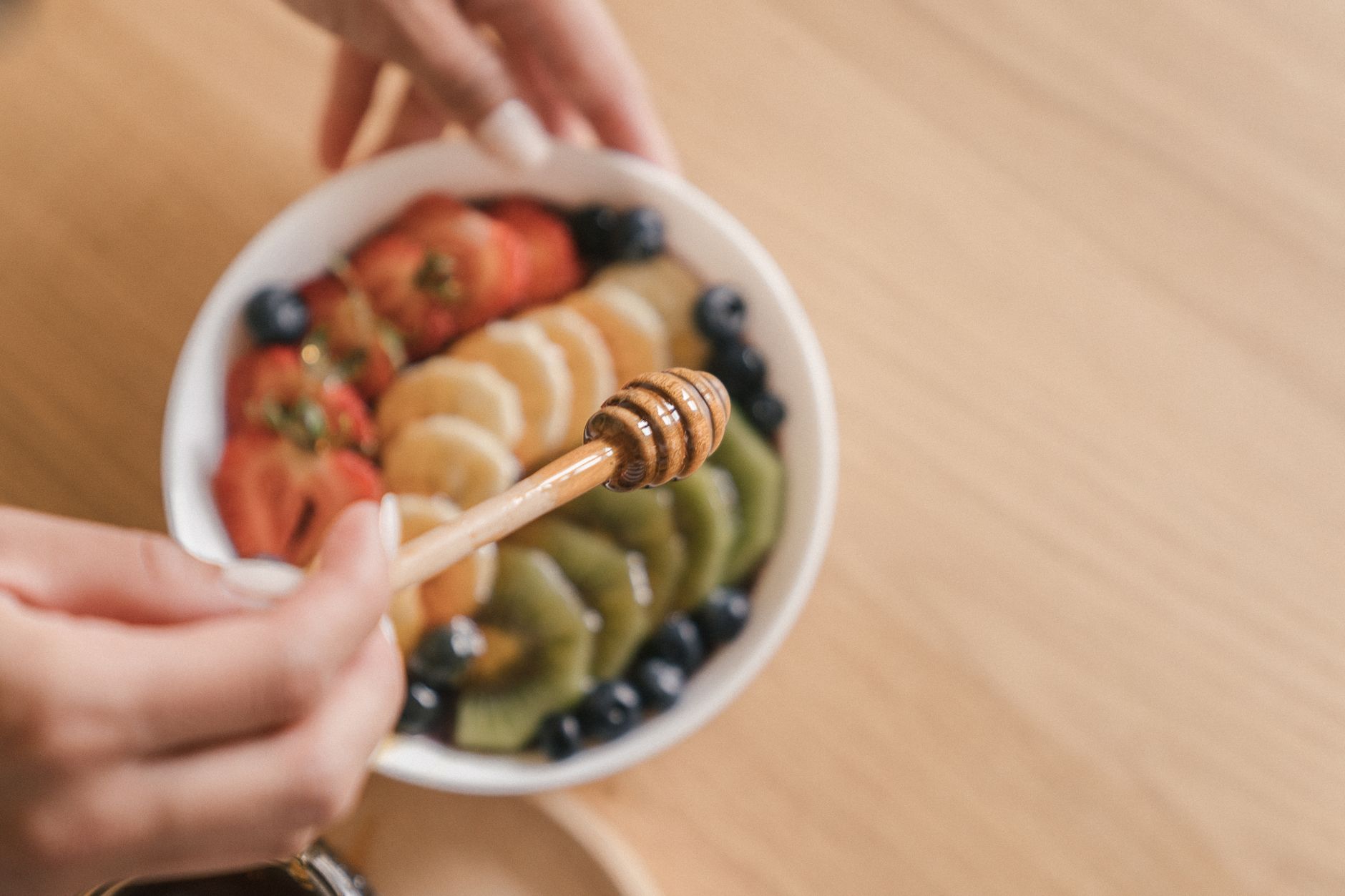
Fruit salad offers a naturally sweet, nutrient‑dense alternative to soft serve.
Safe dosage / amount / brands
McDonald’s does not market a “size” beyond the standard cone (≈½ cup) and cup (≈¾ cup). For pregnancy safety, aim for the smaller cone portion. If you’re ordering a McFlurry, remember that it contains additional mix‑ins (cookies, candies) that raise both sugar and calorie counts, so treat it as a separate indulgence.
While McDonald’s soft serve is consistent across locations, some regional variations may include slightly different stabilizer blends. If you’re especially sensitive to additives, you might prefer brands that list each ingredient clearly, such as Chobani Greek frozen yogurt, which provides a full ingredient list and often includes live cultures for gut health.
In summary:
Standard serving: ≤½ cup (≈100 ml) per occasion.
Frequency: No more than 2–3 servings per week.
For lactose intolerance: Consider lactase supplements or switch to a dairy‑free alternative.
For gestational diabetes: Pair with protein/fiber and monitor blood glucose after consumption.
Side effects and risks
Most pregnant people experience no adverse effects from a modest amount of soft serve. However, watch for the following:
Excessive sugar intake – may cause rapid blood‑glucose spikes, weight gain, and increased risk of gestational diabetes.
Lactose intolerance symptoms – bloating, gas, diarrhea. These are uncomfortable but not harmful to the baby.
Food‑borne illness – extremely rare with pasteurized dairy, but if you notice any signs of food poisoning (vomiting, severe stomach cramps, fever) that persist beyond 24 hours, contact your provider.
These side effects are generally mild. However, if you develop any of the following, call your obstetrician promptly: persistent vomiting, high fever (>100.4 °F), severe abdominal pain, or a sudden increase in blood‑sugar readings if you have gestational diabetes.
Safer alternatives
Greek yogurt parfait – high protein, calcium, and probiotics; lower added sugar when topped with fresh fruit.
Fresh fruit salad – naturally sweet, packed with vitamins, fiber, and antioxidants.
Homemade banana ice cream – uses only frozen bananas, no added sugar, and provides potassium.
Chobani Greek frozen yogurt – lower fat, higher protein, and contains live cultures for gut health.
Talenti organic sorbet – dairy‑free, fruit‑based, and typically lower in calories.
Smoothie bowl – customizable with fruit, leafy greens, and a protein boost from nut butter.
So Delicious coconut milk ice cream – dairy‑free, suitable for lactose intolerance, and often lower in sugar.
Apple slices with peanut butter – balanced snack with fiber, healthy fats, and protein.
Whole grain toast with avocado – savory, nutrient‑dense, and satisfying without added sugar.
Related items — safety at a glance
Item
Verdict
One‑line note
McDonald’s McFlurry
⚠️ Safe with limits
Contains added candy/biscuits and higher sugar; limit to occasional treat.
Burger King soft serve
⚠️ Safe with limits
Similar pasteurized base; watch portion size.
Wendy’s Frosty
⚠️ Safe with limits
Thicker, higher‑fat version; keep servings small.
Dairy Queen Blizzard
⚠️ Safe with limits
Mix‑ins add calories and sugar; treat as occasional indulgence.
Krispy Kreme ice cream
⚠️ Safe with limits
Higher sugar content; limit to ≤½ cup per week.
Nestlé Drumstick
⚠️ Safe with limits
Contains cone and chocolate coating, increasing sugar and fat.
Ben & Jerry’s ice cream
⚠️ Safe with limits
Rich, high‑fat, and high‑sugar; enjoy sparingly.
Häagen‑Dazs frozen yogurt
⚠️ Safe with limits
Lower fat but still sugar‑dense; portion control essential.
Myth: Soft serve is “raw” ice cream and can cause listeriosis.
Fact: McDonald’s soft serve is made from pasteurized milk, which eliminates the risk of Listeria infection.
Myth: All ice cream is unsafe because of high fat.
Fact: The primary concern for pregnancy is added sugar and lactose intolerance, not fat content. Low‑fat soft serve can be part of a balanced diet.
Myth: A small serving won’t affect blood sugar at all.
Fact: Even a modest portion adds 15–20 g of sugar, which can impact glucose levels, especially for those with gestational diabetes. Monitoring is advised.
Key takeaways
McDonald’s soft serve is pasteurized, so bacterial risk is low.
Limit intake to ≤½ cup per serving and no more than 2–3 servings per week.
Watch added sugar; pair with protein or fiber to blunt glucose spikes.
Those with lactose intolerance can use lactase supplements or choose dairy‑free alternatives.
Gestational diabetes patients should treat soft serve as a carbohydrate and monitor blood glucose.
Safer dessert options include Greek yogurt parfaits, fresh fruit, and dairy‑free frozen desserts.
Frequently asked questions
Can pregnant women eat soft serve ice cream?
Yes—most soft‑serve products, including McDonald’s, are made with pasteurized dairy and are safe in moderation.
Is fast food ice cream safe during pregnancy?
Fast‑food ice cream is generally safe if it’s made from pasteurized milk and you keep portions modest; the main concern is added sugar and occasional high‑fat content.
What are the risks of eating ice cream while pregnant?
The primary risks are excessive added sugar, which can affect blood glucose and weight gain, and potential lactose intolerance symptoms; bacterial risk is low due to pasteurization.
How many servings of ice cream are safe for pregnant women?
Most health agencies recommend no more than 2–3 small servings (≈½ cup each) per week to stay within added‑sugar limits.
Does McDonald's soft serve contain raw eggs?
No—McDonald’s soft serve contains no raw eggs; it’s made from pasteurized milk, cream, sugar, and approved stabilizers.
Can I have McDonald's soft serve if I have gestational diabetes?
You can, but treat it as a carbohydrate source, keep the portion ≤½ cup, and monitor your blood glucose afterward.
Is there a difference between soft serve and regular ice cream for pregnancy?
Soft serve is lower in milk fat and typically contains fewer calories per volume, but both share similar sugar levels; the safety considerations are alike.
What are the best dessert options for pregnant women?
Greek yogurt parfaits, fresh fruit salads, homemade banana ice cream, and dairy‑free sorbets provide nutrients with lower added sugar and are generally well‑tolerated.
When to call your doctor
If you experience any of the following after eating soft serve, contact your obstetric provider promptly:
Persistent vomiting or severe nausea lasting more than 24 hours.
Fever above 100.4 °F (38 °C) accompanied by gastrointestinal symptoms.
Severe abdominal pain or cramping unrelated to normal pregnancy discomfort.
Rapid, unexplained spikes in blood glucose if you have gestational diabetes.
Signs of an allergic reaction (hives, swelling, difficulty breathing).
These guidelines are informational only and do not replace personalized medical advice. Always discuss any dietary concerns with your health care provider.
References
American College of Obstetricians and Gynecologists (ACOG). “Nutrition During Pregnancy.” Updated 2022.
National Health Service (NHS). “Food safety for pregnant women.” Updated 2021.
U.S. Food and Drug Administration (FDA). “Food Safety: Pasteurization.” Accessed 2023.
Centers for Disease Control and Prevention (CDC). “Listeria and pregnancy.” Updated 2022.
American Heart Association. “Added Sugars.” 2020 guideline.
American Journal of Clinical Nutrition. “Dairy consumption and pregnancy outcomes.” 2020.
International Diabetes Federation. “Gestational diabetes management.” 2021.
Not sure about the label on Is Mcdonalds Soft Serve Safe During Pregnancy products?
Snap the ingredients list and SafeFilter checks every ingredient for your stage — only 3 free scans this month, then you're locked until reset. Unlimited from $7/mo or $50/yr.
When Shubhra Mishra was expecting her first child in 2016, she was overwhelmed by conflicting food advice — one site said yes, another said never. By the time her second baby arrived in 2019, she realized millions of mothers face the same confusion.
That sparked a five-year journey through clinical nutrition papers, cultural diets, and expert conversations — all leading to BumpBites: a calm, compassionate space where science meets everyday motherhood.
Her long-term vision is to build a global community ensuring safe, supported, and free deliveriesfor every mother — because no woman should face pregnancy alone or uninformed. 🌿
🌍 Stand with mothers, shape safer guidance
Join a small circle of experts who review BumpBites articles so expecting parents everywhere can decide with confidence.