Safe: McDonald's McFlurry can be enjoyed during pregnancy, but limit to one serving per week and avoid raw eggs in the frosting during the first trimester.
By Shubhra Mishra — a mom of two who turned her own confusion during pregnancy into BumpBites, a global mission to make food choices clear, safe, and stress-free for every expecting mother. 💛
Check whether any food is safe during pregnancy with the BumpBites Food Safety Checker.
Quick verdict: ⚠️ Safe with limits. McDonald's McFlurry soft serve is made with pasteurized dairy, making it generally safe to enjoy in moderation during pregnancy. However, its high sugar and calorie content means it's best as an occasional treat rather than a regular indulgence.
The late-night craving hits, a familiar rumble in your stomach for something sweet, creamy, and undeniably satisfying. Maybe it's the specific crunch of Oreo pieces, the swirl of caramel, or just the comforting coldness of a McDonald's McFlurry. But then, as a pregnant person, the familiar worry creeps in: "Is this safe? Can I really have a McFlurry while pregnant?" You're not alone in these late-night Google searches; many expecting parents find themselves questioning every bite.
At BumpBites, we understand that anxiety, and we're here to offer clear, evidence-based answers. The good news is that for most pregnant people, a McDonald's McFlurry can be enjoyed as an occasional treat. The key lies in understanding its ingredients, nutritional profile, and ensuring it fits into an overall healthy pregnancy diet. We'll break down everything you need to know, from pasteurization to portion sizes, so you can make informed choices without unnecessary stress.
Trimester/Stage
Verdict
Notes
First Trimester
✅ Generally Safe (in moderation)
Soft serve is pasteurized, reducing Listeria risk. Focus on balanced nutrition during critical development. High sugar can exacerbate nausea for some.
Second Trimester
✅ Generally Safe (in moderation)
Continue to enjoy as an occasional treat. Be mindful of sugar intake, especially if monitoring weight or blood sugar.
Third Trimester
✅ Generally Safe (in moderation)
Sugar content can be a concern for gestational diabetes. Opt for smaller portions and less frequent consumption.
Breastfeeding
✅ Generally Safe (in moderation)
No direct risk to baby. High sugar may impact energy levels or contribute to postpartum weight concerns.
What Exactly is a McDonald's McFlurry?
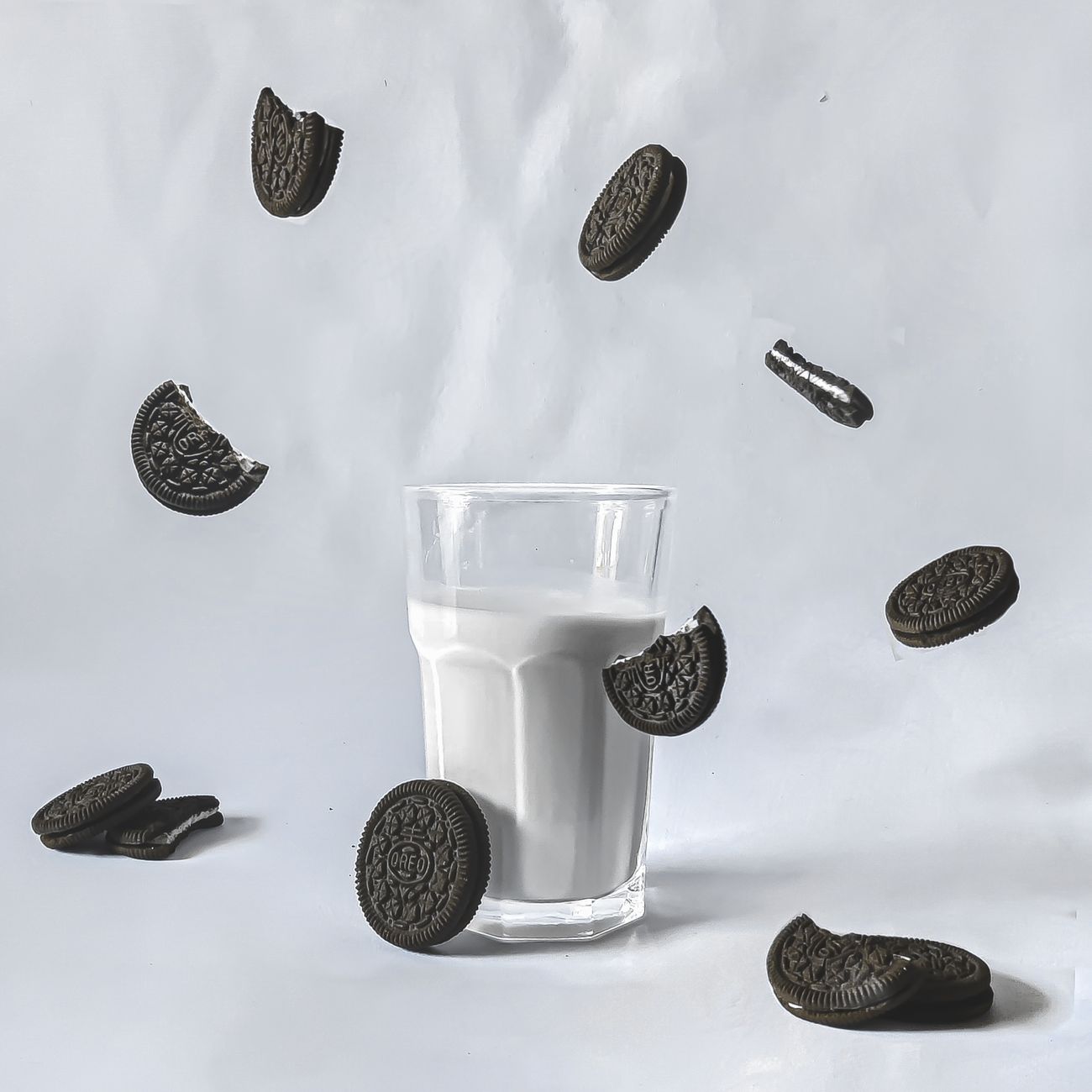
A McDonald's McFlurry is a popular soft-serve ice cream dessert known for its creamy texture and various mix-in options. At its core, it consists of McDonald's vanilla soft serve, which is then blended with specific toppings or candies using a special spindle spoon. Common mix-ins include crushed Oreo cookies, M&M's, or other seasonal candy pieces, often swirled with sauces like caramel or hot fudge. It's a convenient, indulgent treat that has been a staple on the McDonald's menu for decades, beloved for its customizable nature and satisfying sweetness.
The appeal of the McFlurry lies in its combination of cold, smooth soft serve with contrasting textures and flavors from the mix-ins. For many, it's a comforting dessert, a quick pick-me-up, or a nostalgic treat. However, like any fast-food item, understanding its components is key to making informed dietary choices, especially during pregnancy.
Are McDonald's McFlurry Ice Creams Safe for Pregnant Women?
When you're pregnant, the safety of any food often comes down to a few key factors: potential for foodborne illness, nutritional value, and specific ingredients. For a McDonald's McFlurry, the primary concern for many expecting parents is the soft-serve ice cream and the risk of Listeria.
The good news, according to major health authorities like the American College of Obstetricians and Gynecologists (ACOG) and the NHS in the UK, is that commercially produced soft-serve ice cream, including that used in McDonald's McFlurries, is generally considered safe because it is made from pasteurized dairy ingredients. Pasteurization is a heat treatment process that kills harmful bacteria, including Listeria monocytogenes, which can cause listeriosis. Listeriosis is a serious foodborne illness that poses significant risks during pregnancy, potentially leading to miscarriage, stillbirth, or severe illness in newborns.
McDonald's, like other major fast-food chains, uses a pasteurized soft-serve mix. This significantly reduces the risk associated with unpasteurized dairy products, which are strictly advised against during pregnancy. So, if you've been worried about the soft serve itself, you can generally breathe a sigh of relief on that front.
However, the safety discussion doesn't end there. While the dairy is pasteurized, there are other considerations. The cleanliness of the soft-serve machine itself can be a concern. If machines are not regularly and thoroughly cleaned, bacteria can build up. While this is a general food safety concern for everyone, pregnant individuals are more vulnerable to foodborne illnesses. Most reputable establishments, including McDonald's, have strict cleaning protocols in place, but it's a factor to be aware of.
Beyond foodborne illness, the nutritional profile of a McFlurry is also important. McFlurries are typically high in sugar, calories, and saturated fat. While occasional indulgence is fine, regular consumption can contribute to excessive weight gain, gestational diabetes, and other pregnancy complications. The mix-ins, such as cookies and candies, further add to the sugar and calorie count without offering much in terms of essential nutrients like vitamins, minerals, or fiber.
In summary, while the risk of Listeria from a McDonald's McFlurry is low due to pasteurized ingredients, it's still a treat best enjoyed in moderation. If you're craving one, go for it occasionally, but always prioritize a balanced and nutritious diet for your overall pregnancy health.
Enjoying a McFlurry in moderation can be a comforting treat during pregnancy, especially knowing the soft serve is pasteurized.
Is McDonald's McFlurry Safe During the First Trimester?
T
he first trimester is a period of rapid and critical development for your baby, as major organs begin to form. This is why many pregnant people are particularly cautious about food and medication during these initial weeks. When it comes to a McDonald's McFlurry, the general guidance for the first trimester remains consistent with overall pregnancy safety: it's generally safe in moderation.
The primary concern in early pregnancy regarding soft serve is often the risk of Listeria. As discussed, McDonald's uses pasteurized dairy for its soft serve, which significantly mitigates this risk. So, the direct threat of foodborne illness from the dairy itself is low.
However, the first trimester can also be marked by intense morning sickness, nausea, and food aversions. For some, a cold, sweet treat like a McFlurry might be one of the few things that sounds appealing. For others, the richness or sweetness could exacerbate nausea. Listen to your body and choose foods that you can tolerate and that provide some nutritional benefit.
While a McFlurry won't harm your baby's development in terms of specific ingredients if consumed occasionally, it's important to remember that it offers little in the way of essential nutrients needed for early fetal growth. Focus on a diet rich in folate, iron, and other prenatal vitamins. An occasional McFlurry is fine, but it shouldn't replace nutrient-dense meals.
Can You Eat McDonald's McFlurry While Pregnant and Breastfeeding?
As you move into the second and third trimesters, and then into the postpartum period with breastfeeding, the general safety advice for a McDonald's McFlurry remains largely the same: moderation is key. The foundational safety of pasteurized dairy doesn't change.
Second Trimester
By the second trimester, morning sickness often subsides, and many pregnant people feel more energetic and have increased appetites. This can make it easier to indulge in cravings. While a McFlurry is still safe, it's crucial to be mindful of its high sugar and calorie content. Excessive weight gain during pregnancy can lead to complications such as gestational diabetes, preeclampsia, and a higher risk of C-sections. Enjoying a McFlurry now and then is perfectly fine, but make sure it's balanced with plenty of fruits, vegetables, lean proteins, and whole grains.
Third Trimester
In the third trimester, concerns about gestational diabetes can become more prominent. If you've been diagnosed with gestational diabetes, your doctor or dietitian will provide specific dietary guidelines to manage your blood sugar levels. For many, this will mean significantly limiting or avoiding high-sugar treats like McFlurries. Even without a diagnosis, managing sugar intake is wise to prevent excessive fetal growth (macrosomia) and other potential complications. If you do have a McFlurry, consider a smaller portion and ensure it's not displacing a more nutritious meal.
Breastfeeding
Once your baby has arrived and you're breastfeeding, most foods that are safe during pregnancy are also safe during lactation. The ingredients in a McDonald's McFlurry do not pose a direct risk to your breastfed baby. While some foods can occasionally cause fussiness or gas in infants, there's no specific evidence linking McFlurry ingredients to such issues. However, the high sugar and calorie content can still be a consideration for your own health and energy levels. Breastfeeding requires a lot of energy, and while quick sugars can provide a temporary boost, nutrient-dense foods offer sustained energy. Enjoy a McFlurry as a treat, but prioritize a balanced diet to support your postpartum recovery and milk supply.
How Many McDonald's McFlurries Can You Have While Pregnant?
There isn't a specific "safe dosage" or a medically recommended number of McDonald's McFlurries for pregnant individuals, as it's considered a treat rather than a nutritional staple. The guidance revolves around moderation and fitting it into a balanced diet.
Most health organizations, including the World Health Organization (WHO), recommend limiting intake of free sugars (sugars added to foods and drinks, plus sugars naturally present in honey, syrups, and fruit juices) to less than 10% of total energy intake, and ideally to less than 5%. A single regular-sized McDonald's McFlurry can contain a significant amount of sugar – for example, an Oreo McFlurry can have around 50-60 grams of sugar, which is well over the recommended daily limit for many pregnant people, especially if other sugary foods are consumed.
Given this, we recommend treating a McFlurry as an occasional indulgence. For most pregnant people, this might mean:
Once or twice a month: This allows you to satisfy a craving without making it a regular part of your diet.
Opting for a smaller size: If available, choosing a smaller portion can help manage sugar and calorie intake.
Sharing: Splitting a McFlurry with a partner or friend can be a great way to enjoy the treat without overdoing it.
Considering your overall diet: If you've had a particularly healthy day with lots of fruits, vegetables, and whole grains, an occasional McFlurry is less impactful. If your diet has been consistently high in sugar and processed foods, it's best to limit it further.
Ultimately, the "how many" depends on your individual health needs, your overall dietary pattern, and any specific advice from your healthcare provider, particularly if you have conditions like gestational diabetes or are managing significant weight gain.
Exploring other ice cream and frozen treat options can help satisfy cravings with potentially lower sugar or more natural ingredients.
Side Effects and Risks
While a McDonald's McFlurry is generally safe from a foodborne illness perspective due to pasteurization, there are still potential side effects and risks associated with its consumption during pregnancy, primarily due to its nutritional profile:
High Sugar Content: The most significant concern is the high amount of added sugars. Excessive sugar intake during pregnancy can contribute to:
Gestational Diabetes: Increases the risk or can worsen existing gestational diabetes, leading to complications for both mother and baby.
Excessive Weight Gain: High calorie, low-nutrient foods like McFlurries can contribute to unhealthy weight gain, increasing risks of preeclampsia, C-section, and postpartum weight retention.
Energy Crashes: A quick sugar rush is often followed by an energy crash, which can be particularly unwelcome during pregnancy fatigue.
Dental Caries: Increased sugar consumption can contribute to cavities, and dental health is crucial during pregnancy.
High Calorie and Fat Content: Beyond sugar, McFlurries are dense in calories and saturated fat, which, if consumed frequently, can contribute to the same issues as high sugar intake.
Nutrient Displacement: Filling up on a McFlurry means you might be less likely to eat nutrient-dense foods essential for your baby's development and your own health.
Foodborne Illness (Low Risk, but Present): Although the dairy mix is pasteurized, there's always a minimal risk of contamination if the soft-serve machine is not cleaned properly or if cross-contamination occurs with other ingredients. While rare, symptoms of foodborne illness (vomiting, diarrhea, fever) should be reported to your doctor immediately, especially during pregnancy.
Common Allergens: McFlurries contain dairy and often wheat (from cookies) and nuts (from certain toppings). If you have allergies or intolerances, always check the specific McFlurry ingredients and allergen information provided by McDonald's.
In summary, the risks are more related to the long-term effects of poor nutrition rather than acute danger from a single serving. Moderation is truly key to mitigate these risks.
McDonald's McFlurry Alternatives for Pregnant Women
If you're looking to satisfy a sweet craving but want options that might be nutritionally superior or simply offer variety, there are many excellent pregnancy-safe alternatives to a McDonald's McFlurry:
Haagen-Dazs Ice Cream: Made with simple, high-quality, pasteurized ingredients, offering a rich, indulgent experience.
Ben & Jerry's Ice Cream: Also uses pasteurized dairy and offers a wide range of creative flavors with safe mix-ins.
Breyers Ice Cream: A popular choice for its classic flavors, made with pasteurized milk and cream.
Talenti Gelato: Offers a denser, richer texture than ice cream, typically made with pasteurized dairy and natural flavors.
Yasso Frozen Yogurt: A great lower-calorie, lower-sugar option often made with Greek yogurt, providing some protein.
Arctic Zero Frozen Treats: A very low-calorie, low-sugar, and often dairy-free option for those looking for a healthier alternative.
Homemade Fruit & Yogurt Parfait: Layer Greek yogurt (pasteurized), fresh berries, and a sprinkle of granola for a nutritious, customizable treat.
Smoothie Bowls: Blend frozen fruit with a splash of milk or yogurt, top with nuts, seeds, and a drizzle of honey for a nutrient-packed dessert.
Homemade "Nice" Cream: Blend frozen bananas with a little milk or cocoa powder for a simple, fruit-based, dairy-free "ice cream."
When choosing alternatives, always check the ingredient list to ensure pasteurization (for dairy products) and be mindful of added sugars, especially in store-bought options. Homemade alternatives often give you the most control over ingredients.
Dairy Queen Blizzard vs. McDonald's McFlurry: Pregnancy Safety Comparison
When it comes to pregnancy safety, the Dairy Queen Blizzard is very similar to the McDonald's McFlurry. Both are soft-serve ice cream desserts blended with various mix-ins, and both typically use pasteurized dairy products for their soft serve. This means the primary concern of Listeria from unpasteurized dairy is largely mitigated for both. The main considerations remain the high sugar and calorie content, and the general cleanliness of the machines.
However, the specific mix-ins and portion sizes can vary, which might subtly affect the nutritional impact. Dairy Queen Blizzards are often known for their generous portions and sometimes more elaborate mix-in combinations, which can mean even higher sugar and calorie counts than a McFlurry. Always check the nutritional information for the specific size and flavor you choose.
In essence, if a McFlurry is safe in moderation, so is a Blizzard, with the same caveats regarding sugar, calories, and overall dietary balance. Neither offers significant nutritional benefits, so they should both be considered occasional treats.
Related Items — Safety at a Glance
Many popular frozen treats and desserts share similar considerations to the McFlurry during pregnancy. Here's a quick look at some related items:
Item
Verdict
Note
Dairy Queen Blizzard
✅ Generally Safe (in moderation)
Uses pasteurized soft serve; high in sugar and calories, similar to a McFlurry.
Baskin-Robbins Ice Cream
✅ Generally Safe (in moderation)
Hard-scooped ice cream made with pasteurized dairy; check specific flavors for allergens.
Cold Stone Creamery Ice Cream
✅ Generally Safe (in moderation)
Customizable hard-scooped ice cream, made with pasteurized dairy; high in sugar/fat.
Sonic Drive-In Ice Cream Slush
✅ Generally Safe (in moderation)
Typically uses pasteurized soft serve for ice cream components; slushes are high in sugar.
Krispy Kreme Ice Cream
✅ Generally Safe (in moderation)
If offered, likely uses pasteurized dairy; focus on moderation due to sugar content.
Subway Ice Cream Cookies
✅ Generally Safe (in moderation)
The ice cream component would be pasteurized; cookies are high in sugar.
Myth vs. Fact
Let's clear up some common misconceptions about ice cream and pregnancy:
Myth: All soft-serve ice cream is dangerous during pregnancy due to Listeria risk.
Fact: This is generally false for commercially produced soft serve in places like McDonald's, Dairy Queen, and other reputable establishments in the US and UK. These typically use a pasteurized dairy mix, which kills the Listeria bacteria. The primary risk from soft serve comes from unpasteurized mixes or poorly maintained, unclean machines, which are less common in major chains but can be a concern in smaller, independent venues without strict hygiene protocols. Always confirm the source of dairy is pasteurized.
Myth: Craving ice cream means your baby needs sugar or calcium.
Fact: While pregnancy cravings are very real, they don't necessarily indicate a specific nutritional need from your baby. Cravings are complex and can be influenced by hormones, psychological factors, cultural associations, or even simple habit. If you're craving a McFlurry, it's more likely your body is seeking comfort, sweetness, or the unique texture, rather than sending a direct signal for sugar or calcium deficiency. Always ensure you're getting adequate calcium from dairy, leafy greens, and fortified foods, regardless of your ice cream cravings.
Myth: Eating cold foods like ice cream can make your baby sick or cause a cold.
Fact: This is an old wives' tale. Eating cold foods like ice cream has no direct impact on your baby's health or immune system, nor does it cause you to catch a cold. Colds are caused by viruses, not by temperature. Enjoying a cold treat like a McFlurry can actually be quite refreshing, especially during pregnancy when your body temperature might feel higher.
Key Takeaways
McDonald's McFlurry soft serve is made with pasteurized dairy, making it generally safe from Listeria.
The main concern is its high sugar and calorie content, which can contribute to gestational diabetes and excessive weight gain.
Enjoy McFlurries as an occasional treat, not a regular part of your pregnancy diet.
Always prioritize a balanced diet rich in nutrient-dense foods.
Listen to your body and consult your doctor if you have specific dietary concerns or conditions like gestational diabetes.
Many safer alternatives exist, including homemade options or store-bought ice creams made with pasteurized ingredients.
Frequently Asked Questions
Can pregnant women eat ice cream?
Yes, pregnant women can generally eat ice cream as long as it's made from pasteurized dairy. Most commercially available ice creams, including those from major brands and fast-food chains like McDonald's, use pasteurized milk and cream, making them safe from the risk of Listeria.
Is McDonald's safe for pregnant women?
Most items at McDonald's can be safe for pregnant women in moderation, provided they are cooked thoroughly and handled hygienically. The main concerns are often the high fat, sugar, and sodium content of many menu items, which should be limited for overall pregnancy health. Always ensure meat is cooked through and avoid raw ingredients.
What desserts can I eat while pregnant?
Many desserts are safe during pregnancy! Opt for those made with pasteurized dairy and fully cooked ingredients. Examples include most commercially baked goods (cakes, cookies, muffins), fruit crumbles, sorbets, puddings, and ice cream or gelato made with pasteurized milk. Focus on moderation due to sugar content.
Can I have McDonald's McFlurry with high blood pressure?
If you have high blood pressure (hypertension) during pregnancy, it's generally safe to have a McDonald's McFlurry occasionally, but be mindful of its high sugar content and overall impact on your diet. While McFlurries are not typically high in sodium, a diet high in sugar and calories can contribute to unhealthy weight gain, which can exacerbate blood pressure issues. Consult your doctor or a dietitian for personalized dietary advice.
How to make a healthy McFlurry at home?
To make a healthier homemade "McFlurry," blend a frozen banana with a scoop of Greek yogurt (for protein) and a splash of milk until creamy. Then, gently fold in a small amount of healthier mix-ins like crushed whole-grain cereal, chopped nuts, or fresh berries. This version will be lower in added sugar and higher in nutrients.
Are McDonald's McFlurry ingredients pasteurized?
Yes, the dairy mix used to make McDonald's soft serve for McFlurries is pasteurized. This heat treatment kills harmful bacteria like Listeria, making the soft serve component generally safe for consumption during pregnancy. The mix-ins (cookies, candies) are also processed products and do not typically pose a Listeria risk.
Can I eat McDonald's McFlurry with gestational diabetes?
If you have gestational diabetes, it's generally best to limit or avoid McDonald's McFlurry due to its very high sugar content, which can significantly spike blood sugar levels. Even a small portion might contain too much sugar for effective management. Always follow your healthcare provider's or dietitian's specific dietary recommendations for managing gestational diabetes.
When to Call Your Doctor
While enjoying a McDonald's McFlurry occasionally is generally considered safe, it's always important to be vigilant for any unusual symptoms during pregnancy. Call your doctor or healthcare provider immediately if you experience any of the following after consuming a McFlurry or any other food:
Severe abdominal pain or cramping
Persistent nausea or vomiting
Diarrhea (especially if it's severe or bloody)
Fever (over 100.4°F or 38°C)
Chills
Any signs of dehydration, such as decreased urination or extreme thirst
Unusual fatigue or weakness
Any other symptoms that concern you or feel "not right"
These symptoms could indicate a foodborne illness, which requires prompt medical attention, especially during pregnancy. Remember, this article provides general information and is not a substitute for professional medical advice. Always consult your healthcare provider for personalized guidance regarding your pregnancy.
Not sure about the label on Is Mcdonalds Mcflurry Safe During Pregnancy products?
Snap the ingredients list and SafeFilter checks every ingredient for your stage — only 3 free scans this month, then you're locked until reset. Unlimited from $7/mo or $50/yr.
When Shubhra Mishra was expecting her first child in 2016, she was overwhelmed by conflicting food advice — one site said yes, another said never. By the time her second baby arrived in 2019, she realized millions of mothers face the same confusion.
That sparked a five-year journey through clinical nutrition papers, cultural diets, and expert conversations — all leading to BumpBites: a calm, compassionate space where science meets everyday motherhood.
Her long-term vision is to build a global community ensuring safe, supported, and free deliveriesfor every mother — because no woman should face pregnancy alone or uninformed. 🌿
🌍 Stand with mothers, shape safer guidance
Join a small circle of experts who review BumpBites articles so expecting parents everywhere can decide with confidence.