Safe: Homemade mayonnaise is safe during pregnancy when made with pasteurized eggs and limited to 2 tablespoons a day, avoiding raw eggs in the first trimester.
By Shubhra Mishra — a mom of two who turned her own confusion during pregnancy into BumpBites, a global mission to make food choices clear, safe, and stress-free for every expecting mother. 💛
Check whether any food is safe during pregnancy with the BumpBites Food Safety Checker.
Quick verdict: ⚠️ Safe with limits – homemade mayonnaise can be eaten during pregnancy if you take steps to eliminate the risk of salmonella, keep portions modest, and store it properly. Using pasteurized eggs or adding enough acid makes it much safer, but raw‑egg recipes still carry a small infection risk.
It’s 2 a.m., you’re scrolling through recipes, and a craving for a creamy sandwich spread hits. Then you remember: “Is mayonnaise homemade safe during pregnancy?” The question pops up in the middle of the night, and suddenly that jar of homemade mayo feels like a ticking time bomb. The good news is that, with a few precautions, you don’t have to give up the tangy delight entirely.
In this article we answer the core question – is mayonnaise homemade safe during pregnancy – and walk you through how much you can enjoy, which trimester matters most, safe brand alternatives, and what to do if you’ve already eaten a serving. We’ll also cover the risk of salmonella from raw eggs, how to make a pregnancy‑friendly version, and give you a quick reference for related condiments.
Whether you’re in your first trimester or nearing the finish line, you’ll find a clear verdict, dosage guidelines, safer swaps, and a list of red‑flag symptoms that mean it’s time to call your provider. And if you’ve already scooped a spoonful before you realized you were pregnant, take a breath—you’re not alone, and we’ll explain exactly what matters.
Tip: Adding enough acid (lemon juice or vinegar) can help lower bacterial growth in homemade mayo.
Stage
Verdict
Notes
First trimester
⚠️ Safe with limits
Use pasteurized eggs or add ≥2 Tbsp acid per cup; keep serving ≤2 Tbsp.
Second trimester
⚠️ Safe with limits
Same precautions; watch for excess calories if weight gain is a concern.
Third trimester
⚠️ Safe with limits
Maintain refrigeration; limit intake if you have gestational diabetes.
Breastfeeding
✅ Generally safe
Continue using pasteurized‑egg mayo; monitor infant for any food sensitivities.
What is homemade mayonnaise?
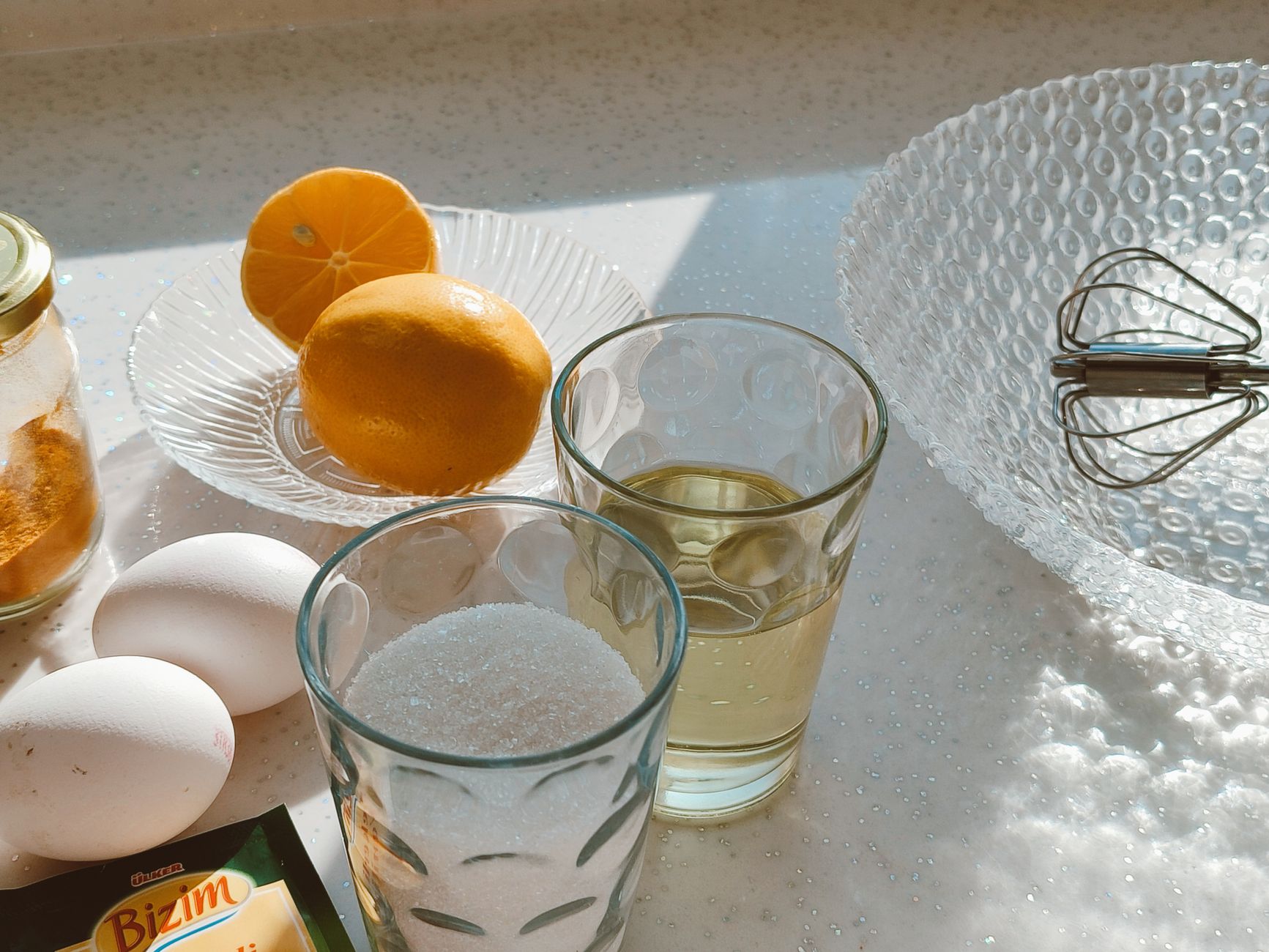
Homemade mayonnaise is an emulsion of raw egg yolks, oil, an acidic component (such as lemon juice or vinegar), and seasonings. The egg yolk acts as an emulsifier, binding the oil droplets into a smooth, thick sauce. Classic recipes call for raw eggs, which give the mayo its characteristic silkiness, but this also introduces a potential food‑borne pathogen risk, most notably Salmonella.
People make mayo at home for flavor control, to avoid additives, or to customize it with herbs, spices, or extra tang. Because it’s made from scratch, the texture can be richer than many store‑bought versions, and the taste can be tailored to personal preferences. However, the safety profile hinges on the handling of raw eggs and the acidity of the mixture, both of which influence bacterial growth.
In recent years, pasteurized egg products have become widely available in grocery stores, allowing home cooks to achieve the same creamy texture without the raw‑egg risk. When you substitute pasteurized eggs or increase the acid level, the resulting mayo can be a pregnancy‑friendly spread.
Is homemade mayonnaise safe during pregnancy?
Current guidance from the American College of Obstetricians and Gynecologists (ACOG) and the U.K.’s National Health Service (NHS) advises pregnant people to avoid foods that contain raw or undercooked eggs because of the potential for salmonella infection. The Centers for Disease Control and Prevention (CDC) also lists homemade mayo made with raw eggs as a high‑risk food for pregnant women.
That said, the risk is not absolute. Studies on salmonella outbreaks show that the likelihood of infection from a single serving of mayo is low, especially when the product is kept refrigerated and consumed within a short window. The key to making homemade mayo safer is either using pasteurized eggs or ensuring the mixture has a pH below 4.6, which inhibits bacterial growth. Adding at least two tablespoons of lemon juice or vinegar per cup of oil brings the acidity into the safe range.
Most obstetricians recommend that if you still wish to enjoy homemade mayo, you should either (1) purchase pasteurized eggs, (2) use a recipe that includes sufficient acid, and (3) store the mayo at ≤4 °C (40 °F) and consume it within three days. If you cannot meet these conditions, opting for a commercial mayo made with pasteurized eggs is the safer route.
In short, is mayonnaise homemade safe during pregnancy? It can be, provided you follow these safety steps. Without them, the small but real risk of salmonella means many providers would advise you to avoid it.
Is homemade mayonnaise safe to eat during the first trimester?
The first trimester is the period of organogenesis, when the fetus’s major organs are forming, making it the most sensitive window for teratogenic exposures. While salmonella itself does not cause birth defects, a severe infection can lead to dehydration, fever, and preterm labor, which are concerning at any stage.
If you use pasteurized eggs or a high‑acid recipe (≥2 Tbsp lemon juice or vinegar per cup of oil), homemade mayo is considered safe for first‑trimester consumption in the modest amounts described below. The ACOG guideline emphasizes “food safety” rather than “toxicity” during this stage, meaning the primary concern is infection, not direct fetal harm.
However, if you are using raw, unpasteurized eggs, the safest choice is to avoid homemade mayo entirely until after the first trimester, when the fetus is less vulnerable to the systemic effects of a short‑term infection.
Is homemade mayonnaise safe for people with egg allergies?
Egg allergy is a common food allergy that can cause symptoms ranging from mild hives to anaphylaxis. If you know you’re allergic to eggs, any mayo that contains egg—even if the egg is pasteurized—should be avoided. The safest route is to choose an egg‑free alternative such as avocado mayo, tofu‑based mayo, or a certified vegan mayonnaise. These options eliminate the allergen entirely and also remove the salmonella risk associated with raw eggs.
When selecting a commercial product, read the ingredient list carefully. Look for phrasing like “contains egg” or “egg‑derived ingredients.” If you’re uncertain, contact the manufacturer for clarification. For home‑cooked versions, substituting silken tofu (blend ½ cup tofu with ¼ cup oil and acid) or using aquafaba (the liquid from canned chickpeas) can give you a similar texture without any egg exposure.
Can I freeze homemade mayonnaise for later use?
Freezing homemade mayonnaise is generally not recommended because the emulsion can break when thawed, leading to a separation of oil and water that changes the texture and mouthfeel. The high fat content also makes mayo prone to developing an off‑flavor after a freeze‑thaw cycle. If you have a large batch, it’s safer to portion it into small containers and keep it refrigerated, using it within three days.
However, if you do decide to freeze it, store the mayo in an airtight container, label it with the date, and use it within one month. Thaw slowly in the refrigerator and give it a vigorous whisk before serving to re‑emulsify. Even then, taste and texture may differ, so consider it a backup rather than a primary method of preservation.
Can I eat homemade mayonnaise in the third trimester?
In the third trimester, the primary concern shifts to maternal health and the risk of preterm labor. A salmonella infection that causes high fever or severe gastrointestinal distress can trigger contractions. Therefore, the same safety precautions—pasteurized eggs, adequate acid, and proper refrigeration—remain essential.
If you have gestational diabetes, you’ll also want to watch the carbohydrate and fat content of homemade mayo, as it can be calorie‑dense. Limiting servings to one to two tablespoons and pairing it with high‑fiber foods can help keep blood sugar stable.
Overall, with the protective steps in place, homemade mayo is permissible in the third trimester, but you should keep portions modest and monitor for any signs of infection.
How much homemade mayonnaise can I safely consume while pregnant?
While there is no strict “maximum” set by health agencies, most nutrition experts suggest limiting high‑fat spreads to about 2 tablespoons (≈30 g) per day. This amount provides roughly 200 calories and helps keep overall fat intake within the recommended 20‑35 % of total daily calories for pregnancy.
For homemade mayo made with pasteurized eggs and sufficient acid, a daily serving of 1‑2 Tbsp is considered safe. If you are managing gestational diabetes, you may wish to stay on the lower end of this range and balance the mayo with fiber‑rich vegetables or whole‑grain breads to blunt glucose spikes.
Remember to keep the mayo refrigerated at ≤4 °C (40 °F) and discard any leftovers after three days. Spoiled mayo can develop harmful bacteria regardless of egg source, so freshness is a key safety factor.
What are safe store-bought mayonnaise brands for pregnant women?
Many commercial mayonnaises are made with pasteurized eggs, which eliminates the salmonella risk. The U.S. Food and Drug Administration (FDA) requires that egg‑based products sold in the U.S. use pasteurized eggs unless the label specifically states “raw eggs.” Look for brands that explicitly mention “pasteurized” on the label.
Well‑known safe options include Hellmann’s Real Mayonnaise, Best Foods (the same product under a different name), and Duke’s Mayonnaise—all of which use pasteurized eggs. In the U.K., brands such as Hellmann’s Real Mayonnaise and Kraft Mayo also meet the pasteurization standard.
When choosing a store‑bought mayo, check the ingredient list for “pasteurized egg yolks” or “pasteurized whole eggs.” If the label is unclear, a quick call to the manufacturer’s customer service line can confirm the egg‑treatment process.
What are the risks of eating homemade mayonnaise with raw eggs during pregnancy?
The primary risk is salmonella infection. Salmonella can cause fever, abdominal cramps, diarrhea, and vomiting. In pregnant people, severe infection can lead to dehydration, which may reduce uterine blood flow and increase the risk of preterm labor. The CDC estimates that about 1 in 25,000 eggs in the U.S. is contaminated, but the risk is higher for raw‑egg dishes.
Symptoms typically appear 6‑72 hours after consumption. If you develop fever > 38.5 °C (101.3 °F), persistent vomiting, or bloody diarrhea, seek medical care promptly. Most healthy adults recover without complications, but the stakes are higher during pregnancy, so prevention is key.
Are there egg‑free homemade mayonnaise recipes safe for pregnancy?
Yes. Egg‑free “mayonnaises” use ingredients such as silken tofu, aquafaba (the liquid from canned chickpeas), or a blend of avocado and oil. These alternatives achieve a similar creamy texture without the raw‑egg risk.
For example, a simple avocado mayo combines one ripe avocado, ¼ cup olive oil, 1 Tbsp lemon juice, and a pinch of salt. Blend until smooth, and store it in the fridge for up to three days. Because there’s no egg, the salmonella concern is eliminated, making it a safe option for any trimester.
Is homemade mayonnaise safe for pregnant women with gestational diabetes?
Gestational diabetes management focuses on controlling carbohydrate intake and monitoring overall calorie consumption. Homemade mayo is high in fat but low in carbs, so it does not directly raise blood glucose. However, its calorie density can affect weight gain, which in turn influences insulin resistance.
Using a modest portion (1‑2 Tbsp) and pairing it with fiber‑rich foods (like whole‑grain crackers or leafy greens) helps keep blood sugar stable. Opt for recipes that use heart‑healthy oils (olive or avocado oil) and limit added sugars or honey.
Overall, egg‑free or pasteurized‑egg homemade mayo can be incorporated safely into a gestational‑diabetes‑friendly diet when portion‑controlled.
Can I substitute homemade mayonnaise with avocado mayo during pregnancy?
Absolutely. Avocado mayo is made from ripe avocado, oil, and acid, and contains no eggs. It is naturally rich in monounsaturated fats, vitamin E, and potassium—nutrients beneficial for pregnancy. Because it lacks raw eggs, the salmonella risk is essentially nil.
Just ensure the avocado mayo is prepared with fresh ingredients, kept refrigerated, and consumed within three days. The texture and tang can be adjusted with lemon juice or a dash of mustard to match your favorite homemade mayo flavor profile.
Safe dosage / amount / brands
Below is a quick reference for portion size, storage, and brand recommendations. Remember that the safest homemade mayo is one made with pasteurized eggs and an acidic component that brings the pH below 4.6. If you’re using a traditional raw‑egg recipe, consider the extra caution of the “pasteurized‑egg swap” or switch to an egg‑free version.
Item
Safe amount per day
Recommended brands / notes
Homemade mayo (pasteurized eggs, ≥2 Tbsp acid)
1‑2 Tbsp (≈30 g)
Make fresh; store ≤4 °C; discard after 3 days.
Store‑bought mayo (pasteurized eggs)
1‑2 Tbsp
Hellmann’s Real Mayonnaise, Best Foods, Duke’s.
Egg‑free homemade mayo (avocado, tofu, aquafaba)
1‑2 Tbsp
Use ripe avocado or silken tofu; keep refrigerated.
Vegan mayo (Just Mayo)
1‑2 Tbsp
Made with plant‑based ingredients; check label for additives.
Side effects and risks
The most serious risk from homemade mayo made with raw eggs is salmonella infection. Symptoms can include:
Fever > 38.5 °C (101.3 °F)
Abdominal cramps
Watery or bloody diarrhea
Nausea and vomiting lasting more than 24 hours
These symptoms warrant a call to your obstetric provider, especially if you experience dehydration, persistent vomiting, or a fever. Minor issues such as mild stomach upset from too much fat are usually not dangerous but can be uncomfortable.
Another consideration is food intolerance. Some pregnant people develop sensitivity to dairy or egg proteins, which can cause hives, itching, or digestive upset. If you notice a new rash, swelling, or breathing difficulty after eating mayo, seek medical advice promptly.
Safer alternatives
Store‑bought mayonnaise made with pasteurized eggs – eliminates raw‑egg risk while preserving familiar flavor.
Avocado mayonnaise – creamy, egg‑free, and rich in heart‑healthy fats.
Greek yogurt dip – high in protein, low in fat, and safe when kept chilled.
Hummus – chickpea‑based spread with fiber and protein.
Tahini sauce – sesame‑seed paste offering a nutty flavor and healthy fats.
Commercial ranch dressing (pasteurized) – convenient for salads, just check the label.
Vegan mayonnaise (e.g., Just Mayo) – plant‑based, egg‑free, and typically made with soy or pea protein.
Mustard – low‑fat, tangy, and naturally egg‑free.
Cashew‑based “mayo” – blend soaked cashews with lemon juice and oil for a thick, dairy‑free spread.
Sour cream (pasteurized) – can be thinned with lemon for a tangy dip.
Related items — safety at a glance
Item
Verdict
One‑line note
Store‑bought mayonnaise
✅ Generally safe
Made with pasteurized eggs; check label.
Egg‑free mayonnaise
✅ Generally safe
Uses tofu or aquafaba; no salmonella risk.
Vegan mayonnaise
✅ Generally safe
Plant‑based; verify no raw‑egg ingredients.
Aioli
⚠️ Safe with limits
Traditional aioli uses raw egg; use pasteurized eggs.
Tartar sauce
⚠️ Safe with limits
Often contains raw egg; choose pasteurized versions.
Salad dressing (creamy)
⚠️ Safe with limits
Check for raw‑egg content; many are pasteurized.
Pesto
✅ Generally safe
Egg‑free; watch for cheese if lactose intolerant.
Sour cream
✅ Generally safe
Pasteurized dairy; keep refrigerated.
Choosing a brand with pasteurized eggs or an egg‑free formula reduces infection risk.
Myth vs. fact
Myth: All homemade mayonnaise is unsafe during pregnancy because it contains raw eggs. Fact: Homemade mayo can be safe if you use pasteurized eggs or add enough acid (≥2 Tbsp lemon juice per cup of oil) to lower the pH.
Myth: The fat in mayonnaise will cause gestational diabetes. Fact: Mayonnaise is low in carbohydrates; it does not directly raise blood glucose, though portion control is still important for overall calorie balance.
Myth: If the mayo smells fine, it’s safe to eat. Fact: Salmonella infection can occur without any off‑odor; proper egg handling and refrigeration are the true safety markers.
Myth: Freezing homemade mayo preserves its texture and safety. Fact: Freezing can cause the emulsion to break and change the flavor; it’s better to refrigerate and use within three days.
Key takeaways
Homemade mayo is conditionally safe when made with pasteurized eggs or enough acid.
Limit servings to 1‑2 Tbsp per day and keep it refrigerated at ≤4 °C (40 °F).
Discard any mayo after three days or if it develops an off‑odor, discoloration, or mold.
Egg‑free or avocado‑based mayo offers a risk‑free alternative for any trimester.
If you experience fever, severe GI symptoms, or any signs of salmonella, contact your provider promptly.
Frequently asked questions
Can pregnant women eat homemade mayonnaise?
Yes, but only if the mayo is made with pasteurized eggs or an acid level that reduces bacterial growth, and you keep portions modest (1‑2 Tbsp) and store it properly.
Is it safe to use raw eggs in mayonnaise while pregnant?
No, raw eggs pose a salmonella risk; most obstetric guidelines advise against using them unless the eggs are pasteurized.
What are the signs of salmonella infection from homemade mayo?
Typical signs include fever > 38.5 °C (101.3 °F), abdominal cramps, diarrhea (sometimes bloody), and vomiting lasting more than a day.
How can I make homemade mayonnaise safe for pregnancy?
Use pasteurized eggs, add at least two tablespoons of lemon juice or vinegar per cup of oil to lower pH, keep the mayo refrigerated, and consume it within three days.
Can I eat homemade mayonnaise if I have gestational diabetes?
Yes, because mayo is low in carbs, but keep servings to 1‑2 Tbsp and pair it with high‑fiber foods to avoid excess calorie intake.
What are the best mayonnaise brands for pregnant women?
Brands such as Hellmann’s Real Mayonnaise, Best Foods, and Duke’s use pasteurized eggs and are generally regarded as safe for pregnant consumers.
What should I do if my homemade mayo looks or smells off?
If the mayo develops an off‑color, foul odor, or visible mold, discard it immediately. Even if you feel fine, the safest choice is to avoid eating it and make a fresh batch using pasteurized eggs.
Is it okay to serve homemade mayo at a gathering for pregnant guests?
Yes, provided the mayo was prepared with pasteurized eggs or a high‑acid recipe, kept chilled, and served within three days. Offering an egg‑free alternative (like avocado mayo) covers all bases.
When to call your doctor
If you develop any of the following after eating homemade mayonnaise, contact your obstetric provider right away:
Fever > 38.5 °C (101.3 °F) lasting more than 24 hours
Severe abdominal cramps or persistent diarrhea (especially with blood)
Vomiting that prevents you from staying hydrated
Sudden swelling, rash, or difficulty breathing (signs of an allergic reaction)
Any concern that the mayo may have been left out at room temperature for more than two hours
These symptoms could indicate a salmonella infection or another food‑borne illness that warrants medical evaluation. This article provides general information and is not a substitute for personalized medical advice.
References
American College of Obstetricians and Gynecologists. “Food Safety for Pregnant Women.” ACOG Committee Opinion No. 723, 2020.
National Health Service (UK). “Food safety during pregnancy.” NHS.uk, updated 2022.
Centers for Disease Control and Prevention. “Salmonella and Pregnancy.” CDC, 2023.
U.S. Food and Drug Administration. “Egg Safety.” FDA.gov, accessed 2024.
World Health Organization. “Foodborne diseases: risk assessment and management.” WHO Technical Report Series, 2021.
Mayo Clinic. “Pregnancy nutrition: what to eat.” MayoClinic.org, 2023.
Harvard T.H. Chan School of Public Health. “Eggs and Food Safety.” Harvard.edu, 2022.
Not sure about the label on Is Mayonnaise Homemade Safe During Pregnancy products?
Snap the ingredients list and SafeFilter checks every ingredient for your stage — only 3 free scans this month, then you're locked until reset. Unlimited from $7/mo or $50/yr.
When Shubhra Mishra was expecting her first child in 2016, she was overwhelmed by conflicting food advice — one site said yes, another said never. By the time her second baby arrived in 2019, she realized millions of mothers face the same confusion.
That sparked a five-year journey through clinical nutrition papers, cultural diets, and expert conversations — all leading to BumpBites: a calm, compassionate space where science meets everyday motherhood.
Her long-term vision is to build a global community ensuring safe, supported, and free deliveriesfor every mother — because no woman should face pregnancy alone or uninformed. 🌿
🌍 Stand with mothers, shape safer guidance
Join a small circle of experts who review BumpBites articles so expecting parents everywhere can decide with confidence.