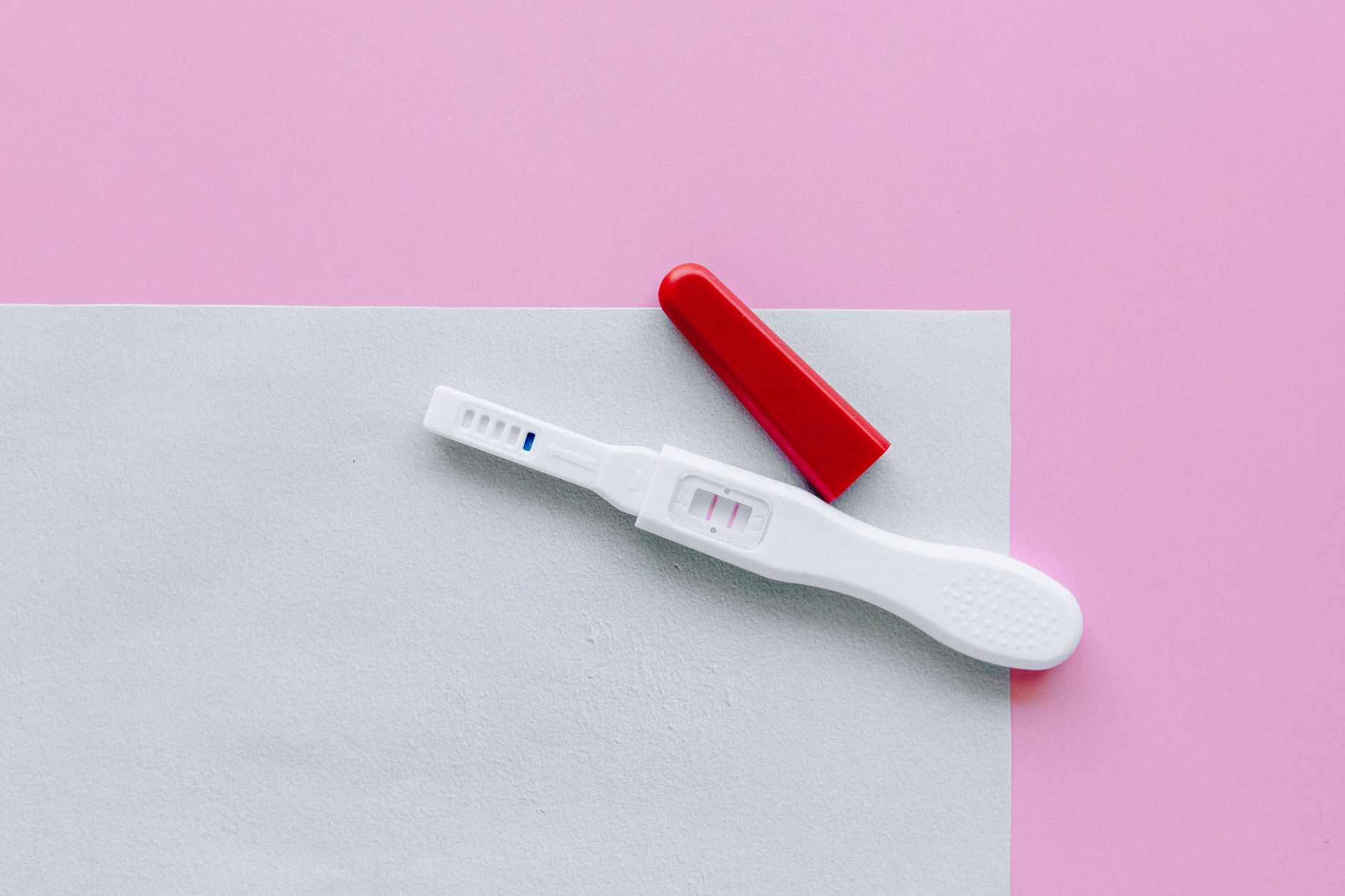
Liothyronine (Cytomel) is generally safe during pregnancy when prescribed and monitored, but dosage must be carefully adjusted in the first trimester. Learn
By Shubhra Mishra — a mom of two who turned her own confusion during pregnancy into BumpBites, a global mission to make food choices clear, safe, and stress-free for every expecting mother. 💛
Check whether any food is safe during pregnancy with the BumpBites Food Safety Checker.
Quick verdict: ⚠️ Liothyronine (Cytomel) is generally not recommended during pregnancy unless prescribed by your provider for a specific, closely monitored need. Most obstetricians and endocrinologists prefer levothyroxine (Synthroid, Levoxyl) as the safer first-line thyroid medication during pregnancy due to its more predictable absorption and safety profile. If you’re already taking liothyronine, do not stop abruptly—work with your provider to transition to a pregnancy-safe alternative.
It’s 2:17 AM, and your phone buzzes with a notification: “Your thyroid levels are off again.” You scroll to your prescription app, double-check the name—Liothyronine (Cytomel)—and freeze. The last thing you need right now is another pregnancy safety scare. You’ve already Googled “is Cytomel safe during pregnancy” five times this week, but the results are a confusing mix of forums, outdated forums, and one Reddit post from 2017 that sent you into a spiral. You’re not alone. Many women with hypothyroidism or thyroid imbalances worry about switching medications when they’re pregnant—or panicking after realizing they took their usual dose before they knew they were expecting.
Here’s what you need to know: Liothyronine (Cytomel) is not the safest choice during pregnancy for most women, but that doesn’t mean you’re doomed to thyroid chaos. We’ll break down why liothyronine is often avoided in pregnancy, what the experts say about dosages and alternatives, and—most importantly—how to talk to your provider about a safer plan. Whether you’re deciding whether to start it, wondering if your current dose is safe, or just relieved to finally find a clear answer, we’ve got you covered. Let’s start with the bottom line.
Note: If you’ve already taken liothyronine and just found out you’re pregnant, take a deep breath. One dose won’t harm your baby, but ongoing use—especially without monitoring—can pose risks. We’ll cover what to do next in the “What to do next” section.
Pregnancy Stage
Safety Verdict
Notes
First Trimester
⚠️ Caution: Avoid unless prescribed
Liothyronine can cross the placenta and may affect fetal thyroid development, especially during organogenesis (weeks 4-12). The FDA classifies it as a Category C drug, meaning risks in humans aren’t ruled out.
Second Trimester
⚠️ Use only under strict medical supervision
Some providers may prescribe liothyronine for specific conditions (e.g., myxedema coma), but levothyroxine is preferred due to its more stable effects on fetal thyroid function.
Third Trimester
⚠️ Avoid unless absolutely necessary
Higher doses near delivery can increase the risk of preterm birth or neonatal thyroid dysfunction. Breastfeeding women should also avoid it.
Breastfeeding
❌ Not recommended
Liothyronine passes into breast milk and may affect infant thyroid function. The ACOG advises against its use while nursing.
Liothyronine (Cytomel) is often prescribed for thyroid imbalances, but its safety during pregnancy is a common concern for expectant mothers.
---
What is liothyronine (Cytomel)?
Liothyronine—sold under the brand name Cytomel—is a synthetic form of the thyroid hormone triiodothyronine (T3). Unlike levothyroxine (T4), which your body converts to T3, liothyronine is already the active form of the hormone. It’s used to treat hypothyroidism (an underactive thyroid), myxedema coma (a life-threatening thyroid emergency), and sometimes goiter (an enlarged thyroid).
Here’s how it works: Your thyroid gland produces two key hormones—T4 (thyroxine) and T3 (triiodothyronine)—which regulate your metabolism, heart rate, body temperature, and even your mood. If your thyroid isn’t producing enough of these hormones (a condition called hypothyroidism), you might feel tired, gain weight unexpectedly, or experience depression. Liothyronine bypasses the conversion process by delivering T3 directly, which can be helpful for people who need rapid thyroid hormone replacement.
However, liothyronine isn’t a one-size-fits-all solution. It has a shorter half-life (about 1 day) compared to levothyroxine (T4, which lasts 1 week), meaning it needs to be taken more frequently—and its effects can be harder to predict. This makes it less ideal for long-term management, especially during pregnancy, when thyroid hormone needs fluctuate dramatically.
Many women with hypothyroidism take liothyronine because their doctors prescribe it for rapid symptom relief or because they’ve developed a tolerance to T4 medications. But if you’re pregnant—or planning to become pregnant—your provider will likely recommend switching to a pregnancy-safe thyroid medication.
---
Is liothyronine (Cytomel) safe during pregnancy?
The short answer is: No, liothyronine is not considered safe for most pregnant women unless absolutely necessary and under strict medical supervision. Here’s why:
The FDA classifies liothyronine as a Category C drug during pregnancy, meaning that animal studies have shown risks to the fetus, and there aren’t enough well-controlled studies in humans to confirm safety. While one dose is unlikely to cause harm, ongoing use—especially in the first trimester—can pose risks to fetal thyroid development.
Why does this matter? Your baby’s thyroid starts developing around week 4 of pregnancy, and the thyroid hormones produced by both you and your baby play a critical role in their brain and nervous system development. If your thyroid hormone levels are too high or too low, it can affect your baby’s growth and development. Liothyronine, because it’s a direct T3 supplement, can cross the placenta more easily than levothyroxine (T4), which your body converts to T3. This makes it harder to control the amount of thyroid hormone your baby receives.
It’s more predictable—your body controls the conversion to T3, reducing the risk of over- or under-treatment.
It’s safer for fetal thyroid development—T4 crosses the placenta more slowly, giving your baby’s thyroid gland time to develop.
It’s easier to monitor—your provider can adjust your dose based on blood tests, ensuring your levels stay in the ideal range for pregnancy.
That said, there are exceptions. Some women may need liothyronine temporarily for conditions like myxedema coma or if they’ve developed antibodies that interfere with T4 absorption. In these cases, your provider might prescribe it only under close monitoring, with regular blood tests to check both your thyroid levels and your baby’s development.
Key takeaway: If you’re pregnant and currently taking liothyronine, do not stop suddenly. Abruptly lowering your thyroid hormone levels can cause complications like preterm labor or miscarriage. Instead, work with your endocrinologist and obstetrician to transition to a pregnancy-safe alternative like levothyroxine.
---
Is liothyronine safe in the first trimester of pregnancy?
The first trimester—especially the first 12 weeks—is the most critical window for fetal development, particularly for the thyroid gland. This is when your baby’s brain and nervous system are forming, and thyroid hormones play a vital role in this process. Liothyronine is generally avoided in the first trimester unless:
You have a life-threatening thyroid emergency (e.g., myxedema coma) and your provider determines the benefits outweigh the risks.
You’ve developed severe resistance to T4 medications and liothyronine is the only option to stabilize your thyroid levels.
If you’re taking liothyronine and discover you’re pregnant in the first trimester, contact your provider immediately. They may recommend:
Switching to levothyroxine to reduce the risk of overstimulating your baby’s thyroid.
Monitoring your free T4 and TSH levels more frequently to ensure your thyroid hormone levels stay in the target range for pregnancy (typically TSH < 2.5 mIU/L).
Ordering an early ultrasound to check for any signs of thyroid-related developmental issues.
Red flags to watch for: If you experience severe fatigue, weight gain, hair loss, or depression after switching medications—or if your provider notices elevated TSH levels—they may need to adjust your dose or switch you back to liothyronine temporarily.
---
Can liothyronine (Cytomel) be taken during the second trimester?
The second trimester (weeks 13-26) is generally safer for medication adjustments than the first trimester, but liothyronine is still not the preferred choice for most pregnant women. However, if you’re already taking it and your provider deems it necessary, they may allow continued use—with strict monitoring.
Key considerations for the second trimester:
Fetal thyroid development is more advanced, but liothyronine can still affect hormone levels.
Your provider will likely reduce your dose or switch you to levothyroxine to minimize risks.
Regular blood tests (every 4-6 weeks) will be essential to track your thyroid levels and your baby’s growth.
If you’re planning a pregnancy and currently take liothyronine, your provider will almost certainly recommend switching to levothyroxine at least 3 months before conception to allow your body to stabilize on the safer medication.
---
What is the recommended dosage of liothyronine for pregnant women?
There is no standard recommended dosage of liothyronine for pregnant women because most providers avoid it unless absolutely necessary. However, if liothyronine is prescribed, dosages are typically much lower than the non-pregnant dose and adjusted based on:
Your pregnancy thyroid panel (free T4, TSH, and sometimes free T3).
Your symptoms (e.g., fatigue, weight changes, heart palpitations).
Your baby’s growth and development (monitored via ultrasounds).
Typical starting points (if prescribed) might look like this:
Trimester
Typical Starting Dose (mcg/day)
Monitoring Frequency
First Trimester
5–10 mcg (if unavoidable)
Every 4 weeks
Second Trimester
10–25 mcg (if continued)
Every 6 weeks
Third Trimester
10–20 mcg (if continued)
Every 4 weeks
Important: These are not official guidelines but rather general starting points. Your provider will adjust your dose based on your blood tests and symptoms. Never change your dose without consulting them.
If you’re taking liothyronine and discover you’re pregnant, do not adjust your dose on your own. Sudden changes—whether increasing or decreasing—can harm both you and your baby.
---
Are there safer alternative thyroid medications for pregnancy?
Absolutely. The ACOG and Endocrine Society strongly recommend levothyroxine (T4) as the safest thyroid medication during pregnancy. Here’s why:
Predictable absorption—levothyroxine is converted to T3 in your body, giving your provider more control over hormone levels.
Slower placental transfer—T4 crosses the placenta more slowly, reducing the risk of overstimulating your baby’s thyroid.
Longer half-life—you take it once daily, making it easier to manage during pregnancy.
If you’re currently on liothyronine and pregnant, your provider will likely recommend switching to one of these pregnancy-safe alternatives:
---
Which brands of liothyronine are considered safe during pregnancy?
There is no “safe” brand of liothyronine during pregnancy. All forms of liothyronine—including Cytomel, Tirosint, and generic versions—are considered Category C drugs by the FDA, meaning they carry potential risks that aren’t ruled out in humans. However, if your provider prescribes liothyronine, they may recommend:
Cytomel (liothyronine sodium)—the most commonly prescribed brand.
Tirosint (liothyronine sodium)—sometimes used for patients with absorption issues.
Generic liothyronine—may be recommended if cost is a concern, but always check with your provider to ensure it’s the same strength and formulation.
Key note: Even if your provider prescribes liothyronine, they will almost certainly switch you to levothyroxine as soon as possible during pregnancy. The goal is to minimize exposure to liothyronine while ensuring your thyroid levels stay stable.
---
What are the risks of using liothyronine while pregnant?
The risks of liothyronine during pregnancy stem from its direct effect on fetal thyroid function and its unpredictable absorption. Here’s what current research suggests:
Risks to the Mother
Thyroid storm—if the dose is too high, you may experience symptoms like rapid heartbeat, fever, anxiety, or even seizures.
Bone loss—excess thyroid hormone can accelerate bone turnover, increasing the risk of osteoporosis.
Cardiac strain—high doses may worsen heart conditions like arrhythmias.
Risks to the Baby
Fetal thyroid dysfunction—excess T3 can interfere with your baby’s thyroid gland development, leading to hypothyroidism or hyperthyroidism.
Premature birth—some studies link high maternal thyroid hormone levels to an increased risk of preterm labor.
Neurological development delays—if the thyroid hormone imbalance persists, it may affect your baby’s brain development.
The CDC and ACOG emphasize that the risks of liothyronine are higher than necessary when safer alternatives like levothyroxine are available. That said, one missed dose or occasional use is unlikely to cause harm, but ongoing use—especially in the first trimester—should be avoided unless medically necessary.
---
Does liothyronine affect fetal development or birth outcomes?
Current evidence suggests that liothyronine can affect fetal development, particularly when used in the first trimester or at higher doses. Here’s what we know:
Studies have found that:
Excess T3 in early pregnancy may increase the risk of preterm birth or low birth weight.
Fetal thyroid dysfunction—if your baby’s thyroid isn’t functioning properly, it may lead to developmental delays or growth restrictions.
Neonatal hyperthyroidism—in rare cases, babies born to mothers on high doses of liothyronine may experience jitteriness, poor feeding, or rapid heart rate.
However, most of these risks are associated with uncontrolled or high-dose liothyronine use. If your provider prescribes it and monitors your levels closely, the risks may be minimized. That said, levothyroxine remains the safer choice for most pregnant women.
---
How does liothyronine interact with other pregnancy medications?
Liothyronine can interact with many common pregnancy medications, which is another reason why providers avoid it when safer alternatives exist. Here are the key interactions to be aware of:
Medication
Interaction Risk
What to Watch For
Levothyroxine (T4)
⚠️ Competitive absorption
Taking them together can reduce the effectiveness of both. Space them 4+ hours apart.
Prenatal vitamins (with iron)
⚠️ Reduced absorption
Iron binds to thyroid hormones, lowering their effectiveness. Take liothyronine on an empty stomach, 1 hour before or 3 hours after iron.
Antacids (e.g., Tums, Pepcid)
⚠️ Slower absorption
Can delay how quickly liothyronine enters your bloodstream. Avoid taking them within 4 hours of liothyronine.
Beta-blockers (e.g., metoprolol)
⚠️ Increased heart strain
Both can affect heart rate. Monitor for palpitations or dizziness.
SSRIs (e.g., Zoloft, Lexapro)
⚠️ Possible thyroid hormone changes
Some SSRIs can affect thyroid function. Regularly check your TSH levels.
Key takeaway: If you’re taking liothyronine, always inform your provider about all other medications—including supplements like iron, calcium, or vitamin D—to avoid interactions that could affect your thyroid levels or other systems.
---
Safer alternatives to liothyronine for pregnancy
If you’re pregnant or planning to conceive and currently take liothyronine, your provider will almost certainly recommend switching to one of these pregnancy-safe thyroid medications. Here are the best alternatives:
Why? This is the gold standard for thyroid replacement during pregnancy because it’s a T4 medication that your body converts to T3, allowing for more stable hormone levels. It’s also easier to monitor and has a longer half-life, reducing the risk of over- or under-treatment.
Nature-Throid (Desiccated Thyroid)
Why? A natural thyroid extract that contains both T4 and T3. Some women prefer it because it mimics the body’s natural hormone balance, but it’s less predictable in absorption and may require more frequent dose adjustments.
Liotrix (Thyrolar)
Why? Another combination of T4 and T3, similar to Nature-Throid. It’s not as commonly recommended as levothyroxine but may be an option if you’ve had trouble stabilizing on T4 alone.
Generic Thyroxine (T4)
Why? Often the most cost-effective and reliable option for pregnancy. Always check with your provider to ensure it’s the same strength and formulation as your brand-name medication.
Methimazole or Propylthiouracil (for hyperthyroidism)
Why? If you have hyperthyroidism (overactive thyroid), these medications can help lower your thyroid hormone levels. However, they’re only used when necessary and require close monitoring.
Important: If you’re switching from liothyronine to levothyroxine, your provider will likely start you on a lower dose and adjust it based on your blood tests. This is because your body’s metabolism changes during pregnancy, and you may need more thyroid hormone to keep your levels in the target range.
---
Related items — safety at a glance
If you’re researching thyroid medications during pregnancy, here’s a quick comparison of similar options:
Medication
Safety Verdict
Notes
Levothyroxine (Synthroid, Levoxyl)
✅ Generally safe
The preferred choice for hypothyroidism during pregnancy. Start with 25–50 mcg/day and adjust based on blood tests.
Desiccated Thyroid (Nature-Throid)
⚠️ Use with caution
Contains T4 + T3. Less predictable absorption than levothyroxine; monitor closely.
Triiodothyronine (Cytomel, Tirosint)
❌ Avoid unless necessary
Not recommended due to risks of fetal thyroid dysfunction. Only use under strict medical supervision.
Thyroxine (generic T4)
✅ Generally safe
A cost-effective alternative to brand-name levothyroxine. Always verify strength with your provider.
Thyroid hormone replacement therapy (customized)
⚠️ Depends on type
Some combinations (e.g., T4 + T3) may be safer than liothyronine alone, but levothyroxine is still preferred.
Thyroid medication (over-the-counter supplements)
❌ Not recommended
Supplements like kelp or iodine are unsafe without medical supervision. Always use prescription medications.
Synthroid
✅ Generally safe
A brand of levothyroxine. Start with 25–50 mcg/day and increase as needed.
---
Myth vs. fact
Myth: “Liothyronine (Cytomel) is just as safe as levothyroxine during pregnancy because it’s a natural thyroid hormone.”
Fact: While liothyronine is a natural form of T3, it’s not the same as levothyroxine (T4). T4 is converted to T3 in your body, which allows for more precise control of hormone levels—critical during pregnancy. Liothyronine bypasses this conversion, making it harder to regulate and increasing the risk of over- or under-treatment for both you and your baby.
Myth: “If I’ve been taking liothyronine for years, it must be safe during pregnancy.”
Fact: Long-term use doesn’t automatically make a medication safe during pregnancy. Thyroid hormone needs change dramatically during pregnancy, and what worked before may no longer be appropriate. Your provider will adjust your dose and likely switch you to a pregnancy-safe alternative like levothyroxine.
Myth: “I can just take half my usual dose of liothyronine during pregnancy.”
Fact:Never adjust your dose without consulting your provider. Pregnancy increases your body’s demand for thyroid hormone, and reducing your dose could lead to hypothyroidism, fatigue, or even miscarriage. Your provider will guide you on the safest way to transition to a pregnancy-appropriate medication.
---
Key takeaways
Liothyronine (Cytomel) is not recommended during pregnancy unless prescribed for a specific, closely monitored need. Most providers prefer levothyroxine (T4) due to its safer profile.
If you’re pregnant and taking liothyronine, work with your provider to switch to a pregnancy-safe alternative like levothyroxine. Do not stop abruptly—this can cause complications.
Liothyronine can affect fetal development, particularly in the first trimester, when the thyroid gland is forming. The risks include preterm birth, low birth weight, or thyroid dysfunction in the baby.
Safe alternatives include levothyroxine (Synthroid, Levoxyl) and desiccated thyroid (Nature-Throid), but levothyroxine is the gold standard for pregnancy.
Monitor your thyroid levels closely if you’re taking any thyroid medication during pregnancy. Regular blood tests (every 4-6 weeks) will help your provider adjust your dose as needed.
If you’ve already taken liothyronine and found out you’re pregnant, don’t panic. One dose is unlikely to cause harm, but ongoing use should be discussed with your provider.
Always check with your provider before starting or stopping any medication during pregnancy. What’s safe for you before conception may not be safe now.
---
Frequently asked questions
Is liothyronine safe to use during pregnancy?
No, liothyronine is generally not considered safe during pregnancy unless prescribed for a specific, life-threatening condition like myxedema coma. The ACOG and Endocrine Society recommend levothyroxine as the safer first-line treatment because it’s easier to monitor and has a more predictable effect on fetal thyroid development. If you’re taking liothyronine and discover you’re pregnant, contact your provider immediately to discuss switching to a pregnancy-safe alternative.
Can liothyronine (Cytomel) be taken in the first trimester?
Liothyronine is best avoided in the first trimester unless your provider determines the benefits outweigh the risks. The first trimester is when your baby’s thyroid gland is developing, and excess T3 can interfere with this process. If you’re taking liothyronine and realize you’re pregnant in the first trimester, do not stop suddenly—instead, work with your provider to transition to levothyroxine. They may also recommend additional monitoring, such as ultrasounds to check your baby’s growth.
What are the risks of liothyronine during pregnancy?
The main risks of liothyronine during pregnancy include:
Fetal thyroid dysfunction—excess T3 can affect your baby’s thyroid development, leading to hypothyroidism or hyperthyroidism.
Premature birth or low birth weight—some studies link high maternal thyroid hormone levels to an increased risk of preterm labor.
Neurological development delays—if the thyroid hormone imbalance persists, it may affect your baby’s brain development.
Thyroid storm in the mother—if the dose is too high, you may experience symptoms like rapid heartbeat, anxiety, or even seizures.
These risks are higher when liothyronine is used without proper monitoring. If your provider prescribes it, they will closely track your thyroid levels and your baby’s development.
What is the recommended dose of liothyronine for pregnant women?
There is no standard recommended dose of liothyronine for pregnant women because most providers avoid it unless absolutely necessary. If liothyronine is prescribed, dosages are typically much lower than the non-pregnant dose and adjusted based on:
Your pregnancy thyroid panel (free T4, TSH, and sometimes free T3).
Your symptoms (e.g., fatigue, weight changes, heart palpitations).
Your baby’s growth and development (monitored via ultrasounds
Not sure about the label on Is Liothyronine Cytomel Safe During Pregnancy products?
Snap the ingredients list and SafeFilter checks every ingredient for your stage — only 3 free scans this month, then you're locked until reset. Unlimited from $7/mo or $50/yr.
When Shubhra Mishra was expecting her first child in 2016, she was overwhelmed by conflicting food advice — one site said yes, another said never. By the time her second baby arrived in 2019, she realized millions of mothers face the same confusion.
That sparked a five-year journey through clinical nutrition papers, cultural diets, and expert conversations — all leading to BumpBites: a calm, compassionate space where science meets everyday motherhood.
Her long-term vision is to build a global community ensuring safe, supported, and free deliveriesfor every mother — because no woman should face pregnancy alone or uninformed. 🌿
🌍 Stand with mothers, shape safer guidance
Join a small circle of experts who review BumpBites articles so expecting parents everywhere can decide with confidence.