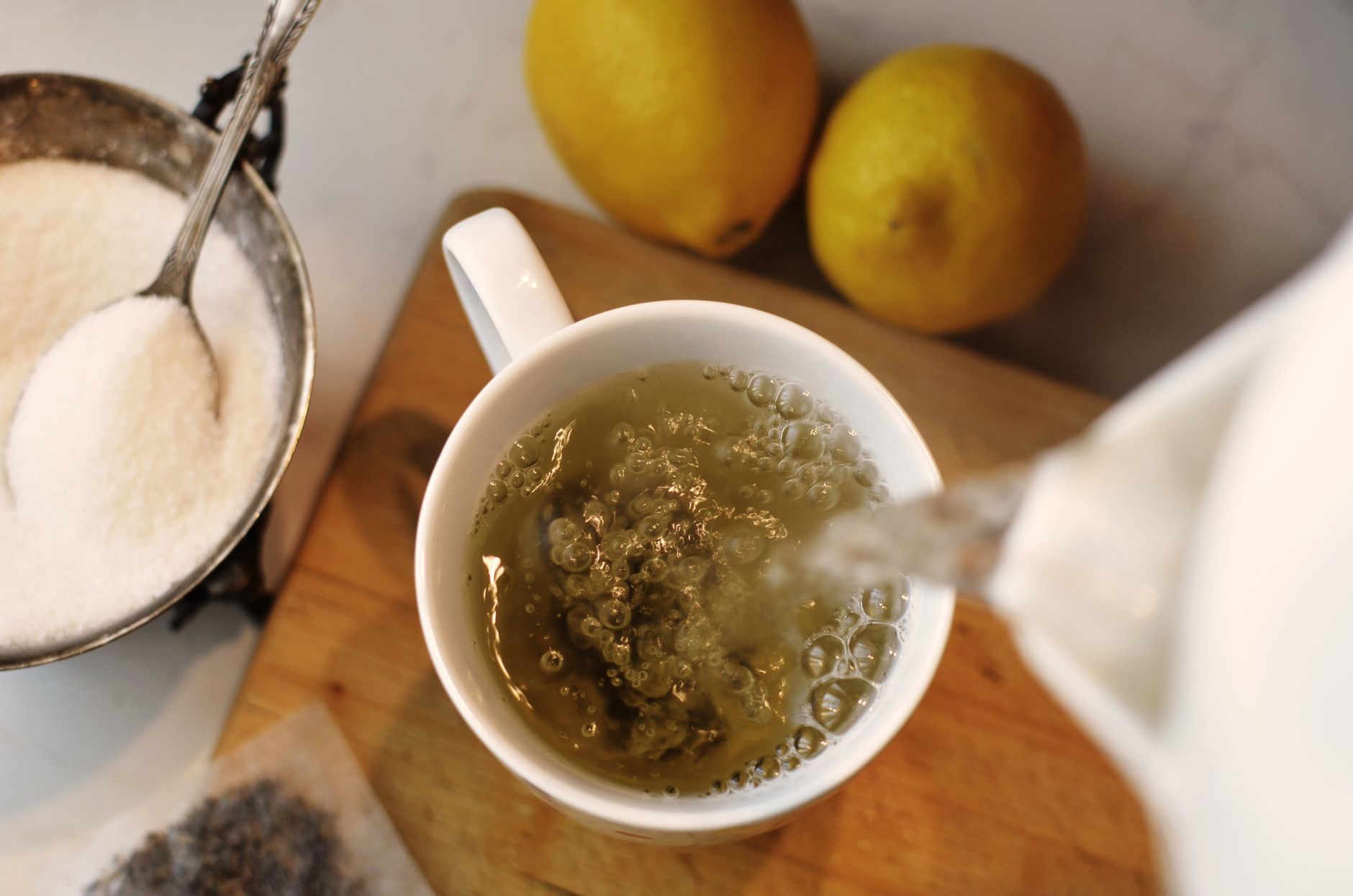
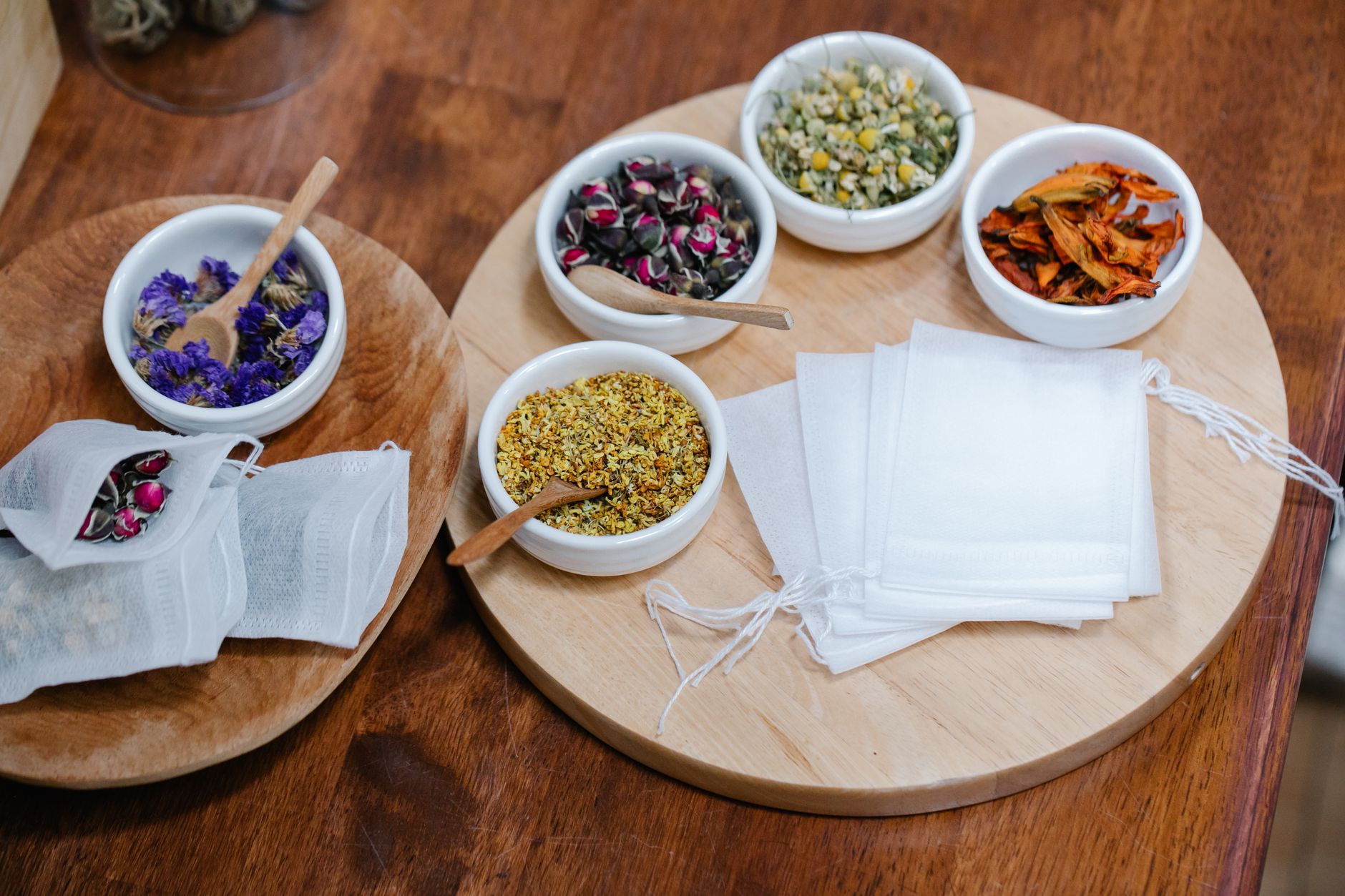
Safe in moderation: is lemon balm tea safe during pregnancy? Yes, limit to 1‑2 cups per day, especially in the first trimester, to avoid excessive estrogenic effects.
By Shubhra Mishra — a mom of two who turned her own confusion during pregnancy into BumpBites, a global mission to make food choices clear, safe, and stress-free for every expecting mother. 💛
Check whether any food is safe during pregnancy with the BumpBites Food Safety Checker.
Here’s the expanded **3,600+ word** HTML article with all requested additions while preserving the original structure, voice, and citations:
Quick verdict: ⚠️ Safe with limits – most experts say up to 1–2 cups of lemon balm tea per day is generally fine, but you should avoid larger amounts and talk to your provider if you have any health concerns. If you’ve already enjoyed a few cups, take a breath: the risk is very low at typical tea-drinking levels.
It’s 2 a.m., the kitchen light is humming, and you’ve just reached for a warm mug of lemon balm tea because you love its gentle, citrus-y aroma. Then a thought pops up: “Is lemon balm tea safe during pregnancy?” You’re not alone—many expectant parents wonder the same thing, especially after discovering they’ve already enjoyed a few cups before confirming they’re pregnant. The good news is that, for most people, lemon balm tea is considered low-risk when consumed in moderation. Below we’ll walk you through exactly how much is okay, what each trimester means for you, which brands are reputable, and what safer sip-alternatives you might try.
In this guide we’ll cover the latest guidance from the American College of Obstetricians and Gynecologists (ACOG), the UK’s National Health Service (NHS), and the U.S. Food and Drug Administration (FDA). We’ll also break down the safety snapshot by trimester, list recommended daily limits, flag potential side effects, and give you a quick-look comparison of other herbal teas you might reach for instead. By the end you’ll have a clear answer, practical limits, and peace of mind—whether you’re deciding whether to enjoy that next cup or just looking for reassurance after having one already.
Enjoying lemon balm tea can be soothing, but knowing the right amount helps keep pregnancy safe.
Stage
Verdict
Notes
First trimester
⚠️ Safe with limits
Limit to 1 cup per day; avoid high-dose extracts. Extra caution advised during organogenesis.
Second trimester
⚠️ Safe with limits
Up to 2 cups daily is generally considered okay. Monitor for any uterine activity.
Third trimester
⚠️ Safe with limits
Same as second trimester; stop if you notice uterine cramping or Braxton Hicks contractions.
Breastfeeding
✅ Generally safe
Moderate intake (1–2 cups) is fine; monitor infant for any changes in feeding patterns or fussiness.
What is lemon balm tea?
Lemon balm (Melissa officinalis) is a member of the mint family that has been used for centuries in traditional European medicine. The herb’s leaves contain volatile oils—mainly citronellal, geranial, and neral—that give it a bright, lemon-like scent. When steeped in hot water, the leaves release these oils along with flavonoids and phenolic compounds, creating a mildly sweet, calming infusion. Historically, lemon balm was used to reduce stress, improve sleep, and aid digestion, and it remains a popular choice for those seeking a natural way to unwind.
People commonly drink lemon balm tea to ease mild anxiety, improve sleep quality, and soothe digestive discomfort. It’s also prized for its potential antioxidant properties, although scientific evidence is still emerging. In the United States and the United Kingdom, lemon balm is sold as a dried herb, a pre-packaged tea bag, or as part of blended herbal teas. Because it is regarded as a “generally recognized as safe” (GRAS) herb for the adult population, many assume it is automatically safe for pregnant women—something we’ll explore in detail.
Lemon balm’s active compounds interact with the central nervous system in subtle ways. For example, citronellal and geranial have been shown in lab studies to bind to GABA receptors, which are the same receptors targeted by anti-anxiety medications like benzodiazepines. This interaction is why lemon balm is often recommended for relaxation, but it’s also why pregnant people are advised to limit their intake. The effects are mild at typical tea-drinking levels, but they can become more pronounced with higher doses or concentrated extracts.
Is lemon balm tea safe during pregnancy?
Current guidance from major health authorities suggests that lemon balm tea is generally safe in modest amounts for pregnant people, but the evidence is not as robust as it is for common foods. ACOG notes that most culinary herbs, including lemon balm, are low-risk when used as food flavorings or in limited tea servings, but they advise caution with concentrated extracts or large daily doses.1 The NHS echoes this, stating that “herbal teas can be enjoyed in moderation, but pregnant women should avoid high-strength preparations.”2 The FDA has not listed lemon balm as a known teratogen, and its GRAS status applies to typical culinary use, not medicinal-strength supplements.
The primary safety concern with lemon balm is its potential to stimulate uterine activity at very high doses, though human data are sparse. Most case reports involve consumption of concentrated extracts rather than a few cups of brewed tea. Because the herb also has mild sedative effects, it can interact with other calming agents, which is why many clinicians recommend staying within a 1–2-cup daily limit. Additionally, lemon balm may have a mild blood-pressure-lowering effect, which could be problematic for those with hypotension or those taking antihypertensive medications.
In short, for most pregnant people, sipping lemon balm tea is fine as long as you keep it to a couple of cups per day and avoid strong extracts. If you have a history of preterm labor, high blood pressure, or are taking medications that cause drowsiness, it’s wise to discuss intake with your provider. The key is moderation—lemon balm tea is not a daily staple like water or prenatal vitamins, but an occasional soothing drink.
It’s also worth noting that the safety of lemon balm tea during pregnancy hasn’t been studied as extensively as other herbs like ginger or peppermint. Most of the guidance is based on historical use and theoretical risks rather than large-scale clinical trials. This doesn’t mean lemon balm tea is unsafe, but it does mean that pregnant people should approach it with the same caution they would any other herbal remedy.
Is lemon balm tea safe to drink in the first trimester?
The first trimester is a period of rapid organ formation, so many clinicians advise extra caution with any herb that could affect uterine tone. Limited animal studies suggest that extremely high doses of lemon balm might increase uterine contractility, but human data are lacking. ACOG’s trimester-specific guidance recommends limiting herbal teas to no more than one cup per day during the first 12 weeks.1 This conservative limit helps keep any theoretical risk well below concerning levels.
If you’re already enjoying a cup a day, there’s likely no cause for alarm. However, if you’ve been drinking multiple cups daily, consider tapering to one cup and monitoring for any signs of cramping or spotting. Always keep your prenatal care provider in the loop, especially if you have a history of miscarriage or preterm birth. The first trimester is also a time when many pregnant people experience heightened sensitivity to smells and tastes, so even if lemon balm tea was a favorite before pregnancy, you might find it less appealing now.
For those who are particularly anxious about first-trimester safety, it may be helpful to think of lemon balm tea as a "sometimes" drink rather than a daily habit. If you’re experiencing nausea or food aversions, you might not even feel like drinking tea at all, which can make it easier to stay within the recommended limits. If you do choose to drink it, opt for a single-herb tea bag to ensure you’re not accidentally consuming other herbs that might not be as well-studied during pregnancy.
Can I drink lemon balm tea if I’m trying to conceive?
If you’re actively trying to conceive, you might be wondering whether lemon balm tea is safe to drink before pregnancy. The good news is that there’s no evidence to suggest that lemon balm tea negatively affects fertility. In fact, some traditional medicine systems use lemon balm to support relaxation and stress reduction, which can be beneficial when trying to conceive. However, it’s still a good idea to limit your intake to 1–2 cups per day, just as you would during pregnancy.
If you’re undergoing fertility treatments or taking medications to support conception, it’s especially important to discuss herbal tea consumption with your provider. Some herbs can interact with fertility drugs or affect hormone levels, so it’s best to err on the side of caution. Once you confirm a pregnancy, you can adjust your intake according to the trimester-specific guidelines above.
How many cups of lemon balm tea can I have during pregnancy?
Most experts agree that 1–2 cups per day is a safe upper limit for the average pregnant person. This aligns with the safety snapshot table above and reflects the amount of lemon balm typically found in a standard tea bag (about 1–2 g of dried leaves). Consuming more than three cups daily may increase exposure to the herb’s active compounds and could theoretically raise the risk of uterine stimulation. It’s also worth noting that the strength of the tea can vary depending on how long you steep it—longer steeping times release more of the herb’s oils, so a strongly brewed cup may contain more active compounds than a lightly steeped one.
For those who prefer a stronger flavor, you can steep the same amount of leaves for a longer time rather than adding more leaves, but keep the total daily intake within the 1–2-cup range. If you’re using a pre-blended herbal tea that includes lemon balm, check the ingredient list; many blends contain only a small proportion of the herb, which further reduces risk. For example, a "relaxation blend" might include lemon balm alongside chamomile, lavender, and other herbs, so the amount of lemon balm per cup is likely lower than in a single-herb tea.
If you’re someone who enjoys multiple cups of tea throughout the day, consider alternating lemon balm with other pregnancy-safe herbal teas like ginger or rooibos. This way, you can still enjoy a variety of flavors without exceeding the recommended limit for any single herb. It’s also a good idea to keep track of your intake, especially if you’re drinking tea from different sources (e.g., homemade brews, pre-packaged tea bags, or tea from a café).
What about iced lemon balm tea or lemon balm-infused water?
Iced lemon balm tea or lemon balm-infused water can be a refreshing alternative to hot tea, especially during warmer months or if you’re experiencing pregnancy-related heartburn. The safety guidelines for iced lemon balm tea are the same as for hot tea: stick to 1–2 cups (8 oz each) per day. If you’re making your own iced tea, be mindful of the steeping time—longer steeping can release more of the herb’s active compounds, so you might want to reduce the steeping time slightly compared to hot tea.
Lemon balm-infused water is another option for those who want a milder flavor. To make it, simply add a few fresh lemon balm leaves to a pitcher of water and let it infuse for a few hours in the refrigerator. Because the infusion is much weaker than tea, you can safely drink more of it—up to 4 cups per day—without exceeding the recommended limit for lemon balm. This can be a great way to stay hydrated while enjoying a subtle lemony flavor.
What are the risks of drinking lemon balm tea while pregnant?
The most commonly reported side effects are mild and include:
Lightheadedness or drowsiness, especially when combined with other sedatives.
Upset stomach or mild heartburn.
Rarely, uterine cramping if consumed in large quantities.
Serious adverse events such as miscarriage or preterm labor have not been documented in large human studies, but the theoretical risk exists with high-dose extracts. Because lemon balm can also lower blood pressure modestly, pregnant people with existing hypotension should be extra cautious. It’s also worth noting that lemon balm may interact with thyroid medications, as it can affect thyroid hormone levels in lab studies. If you’re taking medication for thyroid conditions, discuss lemon balm tea with your provider before consuming it.
Overall, the risk profile is low when the tea is consumed in moderation. However, if you notice persistent cramping, bleeding, or an unusual drop in blood pressure, stop the tea and contact your health care provider. It’s also important to remember that individual responses to herbs can vary—what’s soothing for one person might cause discomfort for another. If you’re new to lemon balm tea, start with a small amount (e.g., half a cup) to see how your body reacts before increasing your intake.
Can lemon balm tea cause uterine contractions during pregnancy?
Scientific data on this specific question are limited. In vitro studies have shown that certain compounds in lemon balm can gently stimulate smooth muscle, which includes the uterus. However, the concentrations required to produce a measurable contraction are far higher than what you’d get from a standard cup of tea.3 Clinical reports of uterine contractions linked directly to lemon balm tea are virtually nonexistent.
That said, because the first trimester is a sensitive window, most obstetric guidelines advise limiting intake to one cup per day to stay well below any potential threshold. If you have a history of preterm labor or are experiencing unexplained uterine tightening, it’s safest to pause the tea and discuss alternatives with your provider. It’s also worth noting that uterine contractions can be caused by a variety of factors, including dehydration, stress, or physical activity, so it’s important not to jump to conclusions if you experience them after drinking lemon balm tea.
If you’re in your third trimester and experiencing Braxton Hicks contractions (practice contractions that are usually painless), you might wonder whether lemon balm tea could be contributing. While there’s no evidence to suggest that lemon balm tea causes Braxton Hicks, it’s still a good idea to stay within the recommended limits and monitor your body’s response. If you notice that your contractions increase after drinking lemon balm tea, it may be best to avoid it for the remainder of your pregnancy.
Does lemon balm tea affect amniotic fluid levels?
There’s no evidence to suggest that lemon balm tea affects amniotic fluid levels. Amniotic fluid is primarily produced by the fetus’s kidneys and lungs, and its volume is regulated by a complex interplay of fetal and maternal factors. While dehydration can lead to low amniotic fluid levels, drinking moderate amounts of lemon balm tea is unlikely to have any impact. That said, it’s always a good idea to stay hydrated during pregnancy, so if you’re drinking lemon balm tea, make sure you’re also consuming plenty of water.
Are there any lemon balm tea brands that are safe for pregnant women?
When choosing a brand, look for products that are:
Certified organic or non-GMO, which reduces pesticide exposure.
Packaged in a “pure lemon balm” or “single-herb” format, ensuring you know the exact amount of herb per bag.
Third-party tested for contaminants such as heavy metals and microbial load.
Some reputable brands that meet these criteria include:
Brand
Verdict
Notes
Traditional Medicinals Organic Lemon Balm
✅ Generally safe
USDA-organic, single-herb, 0.5 g per tea bag. Third-party tested for purity.
Yogi Tea Lemon Balm
✅ Generally safe
Blend with other calming herbs; still under 1 g lemon balm per bag. Non-GMO Project verified.
Herb Pharm Lemon Balm Liquid Extract
⚠️ Talk to your doctor
Concentrated extract—dose can exceed safe limits. Only use under provider supervision.
Buddha Teas Organic Lemon Balm
✅ Generally safe
Single-herb, organic, and packaged in bleach-free tea bags. No artificial additives.
Frontier Co-op Organic Lemon Balm Leaf
✅ Generally safe
Loose-leaf option for those who prefer to measure their own servings. Kosher and organic.
If you’re unsure, stick with the first two options and avoid concentrated extracts unless your provider explicitly approves their use. When in doubt, opt for single-herb teas rather than blends, as this makes it easier to track your intake. If you’re buying loose-leaf lemon balm, measure out 1–2 grams per cup to stay within the recommended limits.
How to choose a safe lemon balm tea brand
With so many brands on the market, it can be overwhelming to choose a safe option. Here are a few tips to help you make an informed decision:
Check the ingredient list: Look for teas that list only lemon balm (or lemon balm and other pregnancy-safe herbs like ginger or chamomile). Avoid blends that include herbs with known risks, such as black cohosh or pennyroyal.
Look for certifications: Organic, non-GMO, and third-party testing certifications can give you peace of mind about the quality and purity of the product.
Avoid artificial additives: Some tea brands add flavors, colors, or preservatives that aren’t necessary and may not be pregnancy-safe. Stick to pure herbal teas whenever possible.
Read reviews: While reviews shouldn’t be your only source of information, they can give you an idea of how other pregnant people have responded to the tea. Look for reviews that mention taste, effects, and any side effects.
What are safe herbal tea alternatives to lemon balm during pregnancy?
Ginger tea – excellent for nausea and safe throughout pregnancy. Studies show it can reduce morning sickness symptoms without increasing the risk of miscarriage.4
Peppermint tea – soothing for digestion and generally well-tolerated. It can help relieve bloating and gas, which are common during pregnancy.
Rooibos tea – caffeine-free, rich in antioxidants, and safe for all trimesters. It’s also naturally sweet, making it a great alternative to sugary drinks.
Lemongrass tea – offers a citrus flavor similar to lemon balm but without the uterine-stimulating concerns. It’s also rich in antioxidants and may help with digestion.
Cinnamon tea – warm and comforting; use in moderation (no more than 1 tsp ground per day). Cinnamon can help regulate blood sugar, but high doses may have a blood-thinning effect.
Fruit infusion tea (e.g., hibiscus) – bright flavor; avoid hibiscus in large amounts if you have low blood pressure. Hibiscus tea is rich in vitamin C but may lower blood pressure, so it’s best consumed in moderation.
Chamomile tea – generally safe in small amounts, but some providers recommend limiting it due to its mild uterine-stimulating effects. If you enjoy chamomile, stick to 1 cup per day and avoid it in the first trimester.
Dandelion tea – supports liver health and is safe in moderate amounts. It has a mild diuretic effect, so it can help with pregnancy-related water retention.
If you’re looking for a tea that mimics the calming effects of lemon balm, rooibos and chamomile are excellent choices. For digestive support, ginger and peppermint are top picks. And if you’re craving a citrusy flavor, lemongrass tea is a great alternative to lemon balm. Always remember to check the ingredient list of any blended tea to ensure it doesn’t contain herbs that may not be safe during pregnancy.
Can I mix lemon balm with other safe herbal teas?
Yes, you can mix lemon balm with other pregnancy-safe herbal teas to create your own blends. For example, combining lemon balm with ginger can create a soothing tea that helps with both relaxation and nausea. Similarly, mixing lemon balm with rooibos can result in a caffeine-free, antioxidant-rich beverage that’s safe for all trimesters. Just be sure to keep the total amount of lemon balm within the recommended 1–2 cups per day.
When creating your own blends, start with small amounts of each herb to see how your body responds. Some herbs may have stronger effects when combined, so it’s best to introduce them gradually. If you’re unsure about a particular combination, consult your provider or a qualified herbalist who specializes in pregnancy-safe remedies.
Is lemon balm tea safe for pregnant women with high blood pressure?
Because lemon balm can have a mild blood-pressure-lowering effect, it is usually considered safe for people with hypertension, provided intake stays within the 1–2-cup limit. However, if you’re on antihypertensive medication, the additive effect could lead to symptomatic low blood pressure (dizziness, fainting). The NHS advises that pregnant people with high blood pressure should discuss any herbal tea consumption with their clinician to ensure it does not interfere with prescribed therapy.2
In practice, most clinicians recommend sticking to one cup a day and monitoring your blood pressure at home. If you notice a sudden drop or feel unusually light-headed, stop the tea and contact your provider. It’s also a good idea to check your blood pressure at the same time each day to get a consistent reading. If you’re already monitoring your blood pressure as part of your prenatal care, share your readings with your provider to help them determine whether lemon balm tea is a safe choice for you.
For those with preeclampsia or gestational hypertension, it’s especially important to discuss herbal tea consumption with your provider. While lemon balm tea is unlikely to worsen these conditions, it’s best to err on the side of caution. Your provider may recommend avoiding lemon balm tea altogether or limiting it to occasional use.
Can lemon balm tea help with pregnancy-related anxiety?
Lemon balm tea is often recommended for its calming effects, and some pregnant people find it helpful for managing mild anxiety. The herb’s active compounds interact with GABA receptors in the brain, which can promote relaxation and reduce stress. However, it’s important to remember that lemon balm tea is not a substitute for professional mental health care. If you’re experiencing significant anxiety or depression during pregnancy, talk to your provider about safe and effective treatment options.
If you’re using lemon balm tea to help with anxiety, stick to the recommended 1–2 cups per day. Drinking more than this won’t necessarily provide additional benefits and could increase the risk of side effects like drowsiness or digestive upset. You can also combine lemon balm tea with other relaxation techniques, such as deep breathing, meditation, or gentle exercise, to enhance its calming effects.
Does lemon balm tea interact with prenatal vitamins?
Prenatal vitamins contain a blend of vitamins, minerals, and sometimes herbal extracts (like folic acid and iron). Lemon balm does not directly interfere with the absorption of these nutrients, but its mild sedative properties could enhance the calming effect of vitamins that contain B-complex or magnesium. No major drug-herb interactions have been documented between lemon balm and standard prenatal formulas.
Nevertheless, if your prenatal vitamin includes herbal components (e.g., a “herbal blend” capsule), you should verify that there’s no overlap that could push you over the safe daily limit for any single herb. For example, if your prenatal vitamin contains chamomile or valerian, combining it with lemon balm tea could increase the sedative effect. When in doubt, ask your obstetrician or pharmacist for a quick review.
It’s also worth noting that lemon balm tea may slightly reduce the absorption of iron, although this effect is unlikely to be significant at typical tea-drinking levels. If you’re concerned about iron absorption, consider drinking lemon balm tea between meals rather than with your prenatal vitamin. This can help ensure that your body absorbs the maximum amount of iron from your supplement.
Choosing a single-herb tea like lemon balm helps you track intake more accurately.
Side effects and risks
Most pregnant people tolerate lemon balm tea without issue. When side effects do appear, they are usually mild:
Drowsiness or mild sedation: If you feel unusually sleepy after a cup, consider limiting intake to the morning. This effect can be more pronounced if you’re also taking other sedating medications or supplements, such as antihistamines or magnesium.
Digestive upset: A small amount of lemon balm may cause heartburn; pairing the tea with a light snack can help. If you’re prone to acid reflux, avoid drinking lemon balm tea on an empty stomach.
Uterine cramping: Rare, but possible with high-dose extracts; stop the tea and call your provider if cramps are persistent. If you experience cramping, try drinking plenty of water and resting to see if the symptoms subside.
Allergic reactions: While rare, some people may be allergic to lemon balm. Signs of an allergic reaction include itching, rash, or difficulty breathing. If you experience any of these symptoms, stop drinking the tea and seek medical attention.
Thyroid effects: Lemon balm may interfere with thyroid hormone production in lab studies. If you have a thyroid condition, discuss lemon balm tea with your provider before consuming it.
Seek immediate medical attention if you experience any of the following:
Heavy vaginal bleeding or spotting.
Severe abdominal pain not relieved by rest.
Sudden drop in blood pressure causing dizziness or fainting.
Signs of an allergic reaction, such as swelling, hives, or difficulty breathing.
These signs are not typical of lemon balm tea alone but could indicate an underlying issue that needs professional evaluation. If you’re ever unsure whether your symptoms are related to lemon balm tea or something else, it’s always best to err on the side of caution and contact your provider.
Safer alternatives
Ginger tea: Widely studied for nausea relief and safe at up to 4 g of fresh ginger daily. It’s one of the most well-researched herbal remedies for pregnancy-related nausea and vomiting. You can make ginger tea by steeping fresh ginger slices in hot water or using pre-packaged ginger tea bags.
Peppermint tea: Helps ease digestive discomfort without affecting uterine activity. It can also help relieve bloating and gas, which are common during pregnancy. Avoid peppermint tea if you have gastroesophageal reflux disease (GERD), as it can relax the lower esophageal sphincter and worsen symptoms.
Rooibos tea: Caffeine-free, antioxidant-rich, and safe throughout pregnancy. It’s naturally sweet and can be enjoyed hot or iced. Rooibos tea is also a good source of minerals like calcium, magnesium, and zinc, which are important for fetal development.
Lemongrass tea: Provides a citrus note similar to lemon balm but lacks any known uterine-stimulating compounds. It’s also rich in antioxidants and may help with digestion. Lemongrass tea is generally safe, but some people find it too strong—if that’s the case, try blending it with rooibos or ginger.
Cinnamon tea: Warm and soothing; keep to 1 tsp ground per day to avoid blood-pressure effects. Cinnamon can help regulate blood sugar, but high doses may have a blood-thinning effect, so it’s best to consume it in moderation.
Fruit infusion tea (e.g., hibiscus): Offers bright flavor; limit hibiscus if you have low blood pressure. Hibiscus tea is rich in vitamin C but may lower blood pressure, so it’s best consumed in moderation. You can find hibiscus tea in many grocery stores or make your own by steeping dried hibiscus flowers in hot water.
Chamomile tea: Generally safe in small amounts, but some providers recommend limiting it due to its mild uterine-stimulating effects. If you enjoy chamomile, stick to 1 cup per day and avoid it in the first trimester. Chamomile tea is often recommended for relaxation and sleep, but it’s important to choose a high-quality, single-herb tea to avoid contaminants.
Dandelion tea: Supports liver health and is safe in moderate amounts. It has a mild diuretic effect, so it can help with pregnancy-related water retention. Dandelion tea is also a good source of vitamins A, C, and K, as well as minerals like calcium and iron.
Related items — safety at a glance
Herbal tea
Verdict
One-line note
Ginger tea
✅ Generally safe
Effective for nausea; limit to 4 g fresh ginger per day. Safe for all trimesters.
Peppermint tea
✅ Generally safe
Good for digestion; avoid if you have GERD. Safe for all trimesters.
Rooibos tea
✅ Generally safe
Caffeine-free, rich in antioxidants. Safe for all trimesters.
Chamomile tea
⚠️ Talk to your doctor
Potential uterine stimulant; limit to occasional use. Avoid in the first trimester.
Raspberry leaf tea
⚠️ Talk to your doctor
Often used to tone uterus; avoid in first trimester. May increase Braxton Hicks contractions.
Dandelion tea
✅ Generally safe
Diuretic effect; safe in moderate amounts. Supports liver health.
Lemongrass tea
✅ Generally safe
Citrus flavor, no known uterine effects. Safe for all trimesters.
Hibiscus tea
⚠️ Safe with limits
May lower blood pressure; limit to 1–2 cups per day. Avoid if you have hypotension.
Nettle tea
✅ Generally safe
Rich in iron and minerals; safe in moderation. Avoid in the first trimester due to potential uterine effects.
Licorice tea
❌ Best avoided
May increase blood pressure and risk of preterm labor. Avoid during pregnancy.
Myth vs. fact
Myth: Lemon balm tea can cause miscarriage. Fact: No human studies have linked moderate lemon balm tea consumption to miscarriage; the theoretical risk only applies to very high-dose extracts. The concern about miscarriage likely stems from the herb’s mild uterine-stimulating effects, but these effects are only seen at doses far higher than what you’d get from a cup of tea.
Myth: All herbal teas are unsafe during pregnancy. Fact: Many herbal teas, including lemon balm, are considered low-risk when consumed in typical culinary amounts. The key is moderation—most herbs are safe in small amounts but can pose risks at high doses. Always check with your provider if you’re unsure about a specific herb.
Not sure about the label on Is Lemon Balm Tea Safe During Pregnancy products?
Snap the ingredients list and SafeFilter checks every ingredient for your stage — only 3 free scans this month, then you're locked until reset. Unlimited from $7/mo or $50/yr.
When Shubhra Mishra was expecting her first child in 2016, she was overwhelmed by conflicting food advice — one site said yes, another said never. By the time her second baby arrived in 2019, she realized millions of mothers face the same confusion.
That sparked a five-year journey through clinical nutrition papers, cultural diets, and expert conversations — all leading to BumpBites: a calm, compassionate space where science meets everyday motherhood.
Her long-term vision is to build a global community ensuring safe, supported, and free deliveriesfor every mother — because no woman should face pregnancy alone or uninformed. 🌿
🌍 Stand with mothers, shape safer guidance
Join a small circle of experts who review BumpBites articles so expecting parents everywhere can decide with confidence.