

Quick verdict: ⚠️ Safe with limits – you can enjoy Laffy Taffy in moderation, but keep portion size small and watch your sugar intake, especially if you have gestational diabetes. Most obstetric guidelines say occasional candy is okay, but excessive consumption isn’t recommended.
It’s 2 a.m., the pantry light flickers, and you’ve just unwrapped a bright pink piece of Laffy Taffy. “Is Laffy Taffy safe during pregnancy?” you wonder, heart racing a little faster than usual. You’re not alone—many expecting parents pause at the candy aisle, wondering whether that chewy treat could harm their baby.
In short, occasional Laffy Taffy is generally considered safe when eaten in modest amounts, but it isn’t a free‑for‑all snack. We’ll walk through exactly what the research says, how each trimester matters, how much you can comfortably enjoy, and what safer alternatives exist. By the end you’ll know whether that pink bite fits into your pregnancy diet, and you’ll have a clear plan for moving forward without anxiety.
Below you’ll find a quick safety snapshot, a breakdown of ingredients, trimester‑specific guidance, recommended limits, potential risks (including for gestational diabetes), brand considerations, and a list of healthier snack swaps. Let’s turn that late‑night worry into informed confidence.
Many pregnant people also wonder how a sugary treat might interact with common pregnancy symptoms like nausea or heartburn. We’ll address those concerns, too, so you can make a balanced choice that fits your unique pregnancy journey.
| Stage | Verdict | Notes |
|---|---|---|
| First trimester | ⚠️ Safe with limits | Limit to 1–2 pieces per day; watch added sugars and artificial colors. |
| Second trimester | ⚠️ Safe with limits | Same guidance; monitor blood‑glucose if you have gestational diabetes. |
| Third trimester | ⚠️ Safe with limits | Maintain modest portions; avoid excess sugar that could affect labor energy. |
| Breastfeeding | ✅ Generally safe | Continues to be okay in moderation; watch infant’s reaction to artificial dyes. |
What is Laffy Taffy?
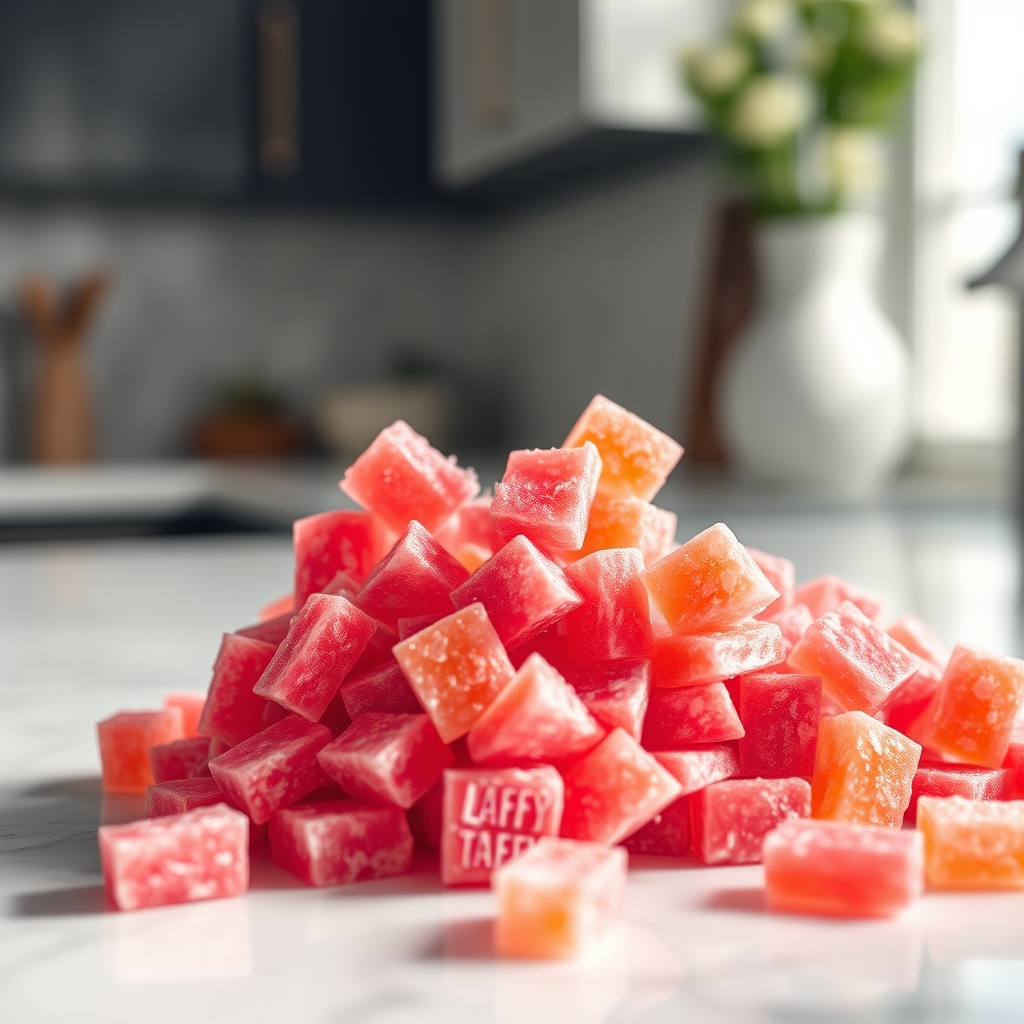
What is Laffy Taffy? Laffy Taffy is a chewy, fruit‑flavored candy produced by the Ferrara Candy Company. Each piece is made primarily from sugar, corn syrup, and a blend of gelatin (or a plant‑based alternative), along with artificial flavors and colors that give it its vivid pink, orange, or yellow appearance. The candy is marketed as a “fun‑size” treat, with each piece weighing roughly 14 grams and delivering about 55 calories, most of which come from simple sugars. Because it’s soft and easy to chew, Laffy Taffy is a popular snack for kids and adults alike who crave a quick sweet fix without the mess of hard candy.
While Laffy Taffy is not a nutritional powerhouse, it does contain a few ingredients that matter during pregnancy. The primary concerns are the high sugar content, the presence of artificial food coloring (such as Red 40 and Yellow 5), and potential allergens like soy and wheat. None of these ingredients are classified as teratogens—substances that cause birth defects—but they can influence maternal blood sugar, digestive comfort, and, in rare cases, allergic reactions.
Overall, the candy is a source of “empty calories,” meaning it provides energy without vitamins, minerals, or fiber. For pregnant people who need extra calories, the quality of those calories matters. Consuming too many sugary snacks can crowd out more nutrient‑dense foods, which are crucial for fetal growth and maternal health. A balanced approach—pairing a small piece of Laffy Taffy with a protein‑rich snack—can help mitigate rapid glucose spikes while still satisfying a sweet craving.
Is Laffy Taffy safe to eat during the first trimester?
According to the American College of Obstetricians and Gynecologists (ACOG), occasional sweets are permissible, but moderation is key. The NHS also notes that excessive added sugars in early pregnancy can contribute to excessive weight gain, which is associated with pre‑eclampsia risk. If you’re managing morning sickness, the gentle chew of Laffy Taffy may be easier on the stomach than a hard candy, but keep it to no more than one or two pieces per day.
In practice, a single piece (≈14 g) of Laffy Taffy is unlikely to pose a direct threat to the developing embryo. The focus should be on overall dietary balance, ensuring you get enough folic acid, iron, calcium, and protein from whole foods.
Some mothers find that a small amount of candy can actually help settle nausea by providing a quick source of glucose. Pairing the candy with a glass of water or a piece of fruit can further smooth the digestive process and reduce the likelihood of a sudden sugar surge.
Laffy Taffy and morning sickness
Morning sickness often peaks in the first trimester, and many pregnant people crave bland or mildly sweet foods. Laffy Taffy’s soft texture makes it easy to swallow, and the sweetness can provide a quick energy boost. However, because it is high in simple sugars, it’s best to consume it alongside a protein source—such as a small handful of nuts—to prevent a rapid spike in blood glucose that could worsen nausea.
Is Laffy Taffy safe to eat during the second trimester?
The second trimester is often the most comfortable phase of pregnancy, and many people feel an increase in appetite. While the organ‑forming stage has passed, the baby’s growth accelerates, and maternal nutrition remains critical. At this stage, the main concern with Laffy Taffy is still its sugar content and artificial colors.
Research from the Centers for Disease Control and Prevention (CDC) indicates that high intake of added sugars can increase the risk of excessive gestational weight gain, which in turn raises the chance of delivering a larger‑than‑average baby (macrosomia). For most pregnant people, limiting added sugars to less than 10 % of daily calories—roughly 25 g for a 2,000‑calorie diet—is advisable. One piece of Laffy Taffy provides about 14 g of sugar, so two pieces already meet half of that limit.
If you have gestational diabetes, the NHS advises tighter sugar monitoring. In that case, treat Laffy Taffy as a treat, not a staple, and count it toward your carbohydrate budget. The ACOG’s guidance on gestational diabetes emphasizes consistent carbohydrate intake and avoidance of rapid spikes, so a small piece of Laffy Taffy paired with protein (e.g., a handful of nuts) can help blunt the glucose surge.
During the second trimester, many pregnant people also experience heightened cravings, sometimes called “the munchies.” If Laffy Taffy satisfies a craving, it can be part of a balanced snack plan, but remember to keep the rest of your meals nutrient‑dense and lower in added sugars.
Is Laffy Taffy safe to eat during the third trimester?
During the third trimester, the baby’s brain and lungs mature, and the mother’s body prepares for labor. Energy demands rise, but so does the need for a balanced diet to avoid excessive weight gain and to support a healthy birth weight. The sugar in Laffy Taffy can still affect blood glucose, which might impact labor stamina if consumed in large amounts.
ACOG notes that high sugar intake late in pregnancy can lead to increased fetal fat deposition, potentially resulting in a larger baby and a higher likelihood of cesarean delivery. The NHS also points out that sugary snacks close to bedtime may disrupt sleep, which is already a challenge in the third trimester.
For most pregnant people, limiting Laffy Taffy to a few pieces per week is a reasonable approach. If you’re experiencing heartburn—a common third‑trimester symptom—acidic or sugary foods can exacerbate reflux, so you may want to avoid Laffy Taffy after dinner.
It’s also a good time to think about post‑delivery nutrition. Maintaining moderate sugar intake now can help you transition more smoothly into the postpartum period, where energy needs shift and breastfeeding may increase calorie requirements.
Laffy Taffy and pregnancy cravings
Cravings for sweets often intensify in the third trimester. While it’s perfectly normal to want a sugary treat, pairing Laffy Taffy with a source of protein or fiber—like a small piece of cheese or a handful of berries—can help keep blood‑sugar levels steadier and reduce the likelihood of a sudden energy crash.

How much Laffy Taffy can a pregnant woman consume safely?
Because Laffy Taffy is primarily sugar and artificial coloring, the safest recommendation is to treat it like any other candy: enjoy it in moderation. The FDA’s Dietary Guidelines for Americans suggest keeping added sugars below 10 % of total daily calories. For a typical 2,200‑calorie pregnancy diet, that translates to roughly 55 g of added sugar per day.
One piece of Laffy Taffy contains about 14 g of sugar. Therefore, the general limit is ≈ three to four pieces per day, but most obstetricians would advise staying well below that—ideally one or two pieces. If you have gestational diabetes, your provider may set a stricter carbohydrate target (e.g., 30–45 g per meal), meaning Laffy Taffy would count as a small snack and should be limited to a single piece.
When choosing a brand, look for the “Made with real fruit” label, which indicates lower artificial coloring. Some versions of Laffy Taffy are marketed as “natural” and may contain less synthetic dye, but the sugar content remains similar.
Remember that the total daily sugar budget includes all sources—fruit juices, flavored yogurts, and even certain breakfast cereals. By accounting for Laffy Taffy within that broader picture, you can enjoy the treat without exceeding recommended limits.
| Quantity | Typical sugar (g) | Recommended limit |
|---|---|---|
| 1 piece (≈14 g) | 14 g | Safe as an occasional treat |
| 2 pieces | 28 g | Within 10 % added‑sugar guideline for most |
| 3–4 pieces | 42–56 g | Approaches daily added‑sugar limit; not recommended daily |
What are the potential risks of eating Laffy Taffy while pregnant?
While Laffy Taffy isn’t a teratogen, its high sugar content can lead to several indirect risks:
- Gestational diabetes or worsening blood‑glucose control: Excessive sugars can cause spikes that strain the pancreas.
- Excessive weight gain: Added calories without nutrients may push you beyond recommended pregnancy weight gain.
- Dental decay: Frequent sugary snacks increase the risk of cavities, which can be more painful during pregnancy.
- Potential allergic reaction: Laffy Taffy contains soy and wheat; people with allergies to these ingredients should avoid it.
- Artificial color concerns: Some studies suggest high intake of synthetic dyes like Red 40 may be linked to hyperactivity in children, though evidence is inconclusive for fetal development.
Most of these risks are manageable with moderation and good oral hygiene. If you notice persistent nausea, rapid heart rate, or unusually high blood‑glucose readings after eating candy, contact your provider.
It’s also worth noting that sugary snacks can sometimes mask hunger cues, leading you to skip more nutrient‑dense meals. Keeping a balanced snack routine helps ensure you’re still getting enough iron, calcium, and folic acid from other foods.
Does the brand of Laffy Taffy affect its safety during pregnancy?
All Laffy Taffy sold under the Ferrara brand follows the same core recipe, but variations exist for “natural” or “organic” versions that replace some artificial colors with plant‑based pigments. These alternatives often contain slightly less synthetic dye, which may be preferable for pregnant people who are cautious about food additives. However, the sugar and corn‑syrup base remains unchanged, so the overall safety profile is similar.
If you’re buying Laffy Taffy abroad, check the ingredient list for hidden additives like potassium bromate or extra preservatives, which can differ by country. The FDA requires that any added colors be approved, but international regulations vary. When in doubt, stick with the U.S. or Canadian packaging, where labeling is most transparent.
Some retailers also carry “Laffy Taffy Light” versions that claim reduced sugar. These products typically replace a portion of the sugar with sugar alcohols, which can cause digestive upset in some people, so they are not necessarily a safer choice for everyone.
Are there any side effects from Laffy Taffy for pregnant women?
Side effects are generally mild and linked to sugar or food‑color sensitivities:
- Blood‑sugar spikes: A quick rise in glucose, especially if eaten on an empty stomach.
- Digestive upset: Some people experience mild stomach cramping or gas from the sugar alcohols present in certain flavors.
- Allergic reactions: Hives, itching, or swelling if you’re allergic to soy, wheat, or specific dyes.
- Hyperactivity in the mother: Anecdotal reports of brief energy surges, though scientific evidence is limited.
These effects are usually short‑lived. If you notice persistent nausea, a rapid heartbeat, or any allergic symptoms after eating Laffy Taffy, it’s wise to stop and discuss with your obstetrician.
For those with a history of digestive sensitivity, pairing Laffy Taffy with a glass of water or a small amount of protein can help slow sugar absorption and reduce the chance of stomach discomfort.
Is Laffy Taffy safe for pregnant women with gestational diabetes?
Gestational diabetes (GDM) requires careful carbohydrate monitoring. The NHS advises that people with GDM keep daily carbohydrate intake consistent and avoid rapid glucose spikes. Because Laffy Taffy is high in simple sugars, it can raise blood glucose quickly. If you have GDM, treat Laffy Taffy as an occasional treat, not a regular snack.
One practical approach is to pair a single piece of Laffy Taffy with a protein source (like a few almonds) to slow absorption. Always log the candy in your glucose‑monitoring app and check your post‑prandial blood sugar 1–2 hours later. If the reading stays within your target range (often <140 mg/dL), a small piece is acceptable; otherwise, choose a lower‑glycemic alternative.
Consult your dietitian if you’re unsure how to fit occasional sweets into your carbohydrate budget. They can help you design a snack plan that satisfies cravings while keeping glucose levels stable.
Safe dosage / amount / brands
Because Laffy Taffy is a candy, there isn’t a “prescribed” dosage, but health agencies give us clear guidance on how much added sugar is reasonable during pregnancy.
| Recommended daily limit | Pieces of Laffy Taffy | Notes |
|---|---|---|
| ≤ 55 g added sugar (10 % of 2,200 kcal diet) | 1–2 pieces | Fits within total sugar budget; avoid other sugary snacks. |
| Gestational diabetes: ≤ 30 g carbs per snack | 1 piece | Count as a carbohydrate snack; pair with protein. |
| Natural‑color version | Same limits | Preferable for those avoiding synthetic dyes. |
When selecting a brand, look for clear labeling of allergens and color sources. Ferrara’s “Natural” line lists “fruit‑derived colors” instead of Red 40 and Yellow 5. If you have a soy or wheat allergy, verify the ingredient list—some flavors include wheat‑based starches.
Store the candy in a cool, dry place to keep its texture fresh. A sealed container also helps you keep track of how many pieces you’ve consumed, making it easier to stay within safe limits.
Side effects and risks
Most side effects from Laffy Taffy are mild and stem from its sugar and additive profile. However, certain scenarios warrant closer attention:
- Rapid glucose rise: If you experience dizziness, excessive thirst, or frequent urination after eating candy, you may be entering a hyperglycemic state. This is especially relevant for those with gestational diabetes.
- Allergic reaction: Hives, swelling of lips or tongue, or difficulty breathing after consumption indicate a possible allergy to soy, wheat, or artificial dyes. Seek medical care immediately.
- Dental pain: Increased cavities can lead to infections, which some studies link to preterm labor. Maintain good oral hygiene and consider rinsing with water after sugary snacks.
- Excessive weight gain: Regularly exceeding your daily sugar allowance can contribute to gaining more than the recommended amount, raising the risk of hypertension and pre‑eclampsia.
These risks are generally manageable with moderation, proper monitoring, and routine prenatal care. If any of the above symptoms appear, contact your provider promptly.
Safer alternatives
If you’re looking for a sweet treat that offers more nutritional value, consider these options. They still satisfy cravings but provide fiber, vitamins, or healthier fats to support pregnancy.
- Fresh fruit (e.g., apples, berries) – naturally sweet, high in fiber and vitamins.
- Organic gummy bears – lower added sugar and often use natural colors.
- Dried apricots – provide chewiness similar to taffy with potassium and iron.
- Greek yogurt with honey – protein‑rich snack that balances sugar spikes.
- Dark chocolate (70 % cacao or higher) – satisfies cravings with antioxidants and less sugar.
- Rice cakes – low‑calorie, crunchy alternative without artificial dyes.
- Homemade oatmeal cookies – you can control sugar and add wholesome oats.
- Unsweetened fruit snacks – often made from real fruit puree, no added sugars.
Related items — safety at a glance
| Item | Verdict | One‑line note |
|---|---|---|
| Skittles | ⚠️ Safe with limits | Similar sugar and artificial color profile as Laffy Taffy. |
| Starburst | ⚠️ Safe with limits | Higher sugar per piece; same color concerns. |
| Jolly Rancher | ⚠️ Safe with limits | Hard candy; can cause dental erosion if frequent. |
| Haribo Goldbears | ⚠️ Safe with limits | Gelatin‑based; contains added sugars and colors. |
| M&M's | ⚠️ Safe with limits | Chocolate coating adds fat; moderate portions recommended. |
| Sour Patch Kids | ⚠️ Safe with limits | High sugar and citric acid; may aggravate heartburn. |
| Twizzlers | ⚠️ Safe with limits | Chewy licorice; contains similar additives. |
| Mike and Ike | ⚠️ Safe with limits | Fruit‑flavored chewy candy; comparable sugar load. |
Myth vs. fact
Pregnancy myths travel fast, especially online. Let’s separate the most common misconceptions from the evidence‑based facts.
Myth: All candy is unsafe during pregnancy because it contains “chemicals.”
Fact: Not all candy ingredients are harmful; the primary concerns are added sugars, artificial colors, and allergens. In moderation, many candies—including Laffy Taffy—are considered safe.
Myth: If a food is “sweet,” it automatically causes birth defects.
Fact: Sweetness itself isn’t a teratogen. The risk comes from excessive sugar intake, which can affect maternal weight and blood‑glucose control, not directly cause fetal malformations.
Myth: Artificial colors like Red 40 are banned for pregnant people.
Fact: The FDA has approved Red 40 for general consumption, including during pregnancy. Some individuals may be sensitive, but there’s no conclusive evidence that these dyes cause fetal harm.
Key takeaways
- ✅ Laffy Taffy is generally safe when enjoyed in moderation (1–2 pieces per day).
- ⚠️ Keep an eye on total added sugar; aim for ≤ 10 % of daily calories.
- If you have gestational diabetes, treat Laffy Taffy as a small carbohydrate snack—preferably one piece per day.
- Watch for allergic reactions to soy, wheat, or artificial dyes.
- Choose natural‑color versions or healthier alternatives like fresh fruit or unsweetened fruit snacks for a nutrient boost.
Frequently asked questions
Can pregnant women eat Laffy Taffy?
Yes, pregnant women can eat Laffy Taffy in moderation; a single piece per day is considered safe for most, provided overall sugar intake stays within recommended limits.
Is artificial food coloring safe during pregnancy?
Artificial food colors such as Red 40 and Yellow 5 are FDA‑approved for use during pregnancy, but some people choose to limit them due to personal sensitivity or preference for natural ingredients.
What are the side effects of eating candy while pregnant?
Typical side effects include blood‑sugar spikes, mild digestive upset, and possible allergic reactions; excessive consumption can lead to unwanted weight gain and dental issues.
Does Laffy Taffy contain any harmful ingredients for a fetus?
Laffy Taffy does not contain known teratogens, but it does have high sugar, corn syrup, and artificial colors, which can affect maternal blood glucose and overall nutrition.
How many calories are in Laffy Taffy?
One standard piece of Laffy Taffy provides roughly 55 calories, most of which come from sugars and corn syrup.
Can Laffy Taffy cause gestational diabetes?
Eating Laffy Taffy alone won’t cause gestational diabetes, but frequent large servings can contribute to elevated blood‑glucose levels, increasing the risk for those already predisposed.
Is it okay to share Laffy Taffy with my partner while I’m pregnant?
Sharing Laffy Taffy with your partner is fine; the safety considerations apply only to the pregnant individual. Just be mindful of your own portion size to stay within recommended sugar limits.
What should I do if I accidentally ate an entire bag of Laffy Taffy?
Stay calm and monitor your blood‑glucose levels (if you have gestational diabetes) or watch for any signs of rapid sugar spikes such as dizziness or excessive thirst. If you feel unwell or notice persistent high glucose readings, contact your obstetric provider for guidance.
When to call your doctor
If you notice any of the following after eating Laffy Taffy, contact your obstetric provider promptly:
- Persistent high blood‑glucose readings (>140 mg/dL) after a snack.
- Signs of an allergic reaction: hives, swelling, difficulty breathing.
- Severe dental pain or infection that won’t improve with routine care.
- Unexplained rapid weight gain or swelling.
- Any new or worsening nausea, vomiting, or heartburn that interferes with daily life.
These guidelines are informational and not a substitute for professional medical advice. Always discuss your diet and any concerns with your own healthcare provider.
References
- American College of Obstetricians and Gynecologists (ACOG). “Nutrition During Pregnancy.” Updated 2023.
- National Health Service (NHS). “Eating well during pregnancy.” Updated 2022.
- U.S. Food and Drug Administration (FDA). “Food Additives: Color Additives.” Accessed

