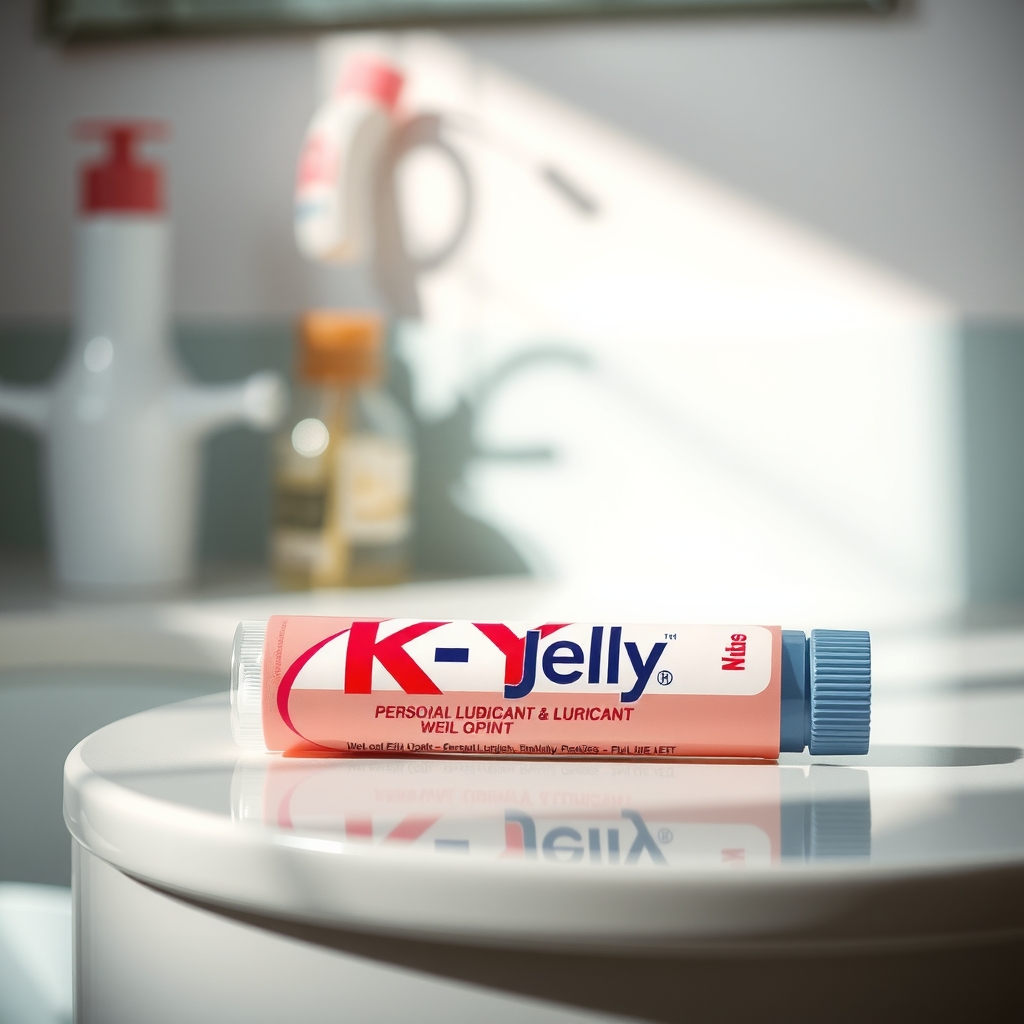
Safe: Is KY Jelly safe during pregnancy? Yes, water-based lubricants like KY Jelly are generally considered safe for use throughout all trimesters, posing no
By Shubhra Mishra — a mom of two who turned her own confusion during pregnancy into BumpBites, a global mission to make food choices clear, safe, and stress-free for every expecting mother. 💛
Check whether any food is safe during pregnancy with the BumpBites Food Safety Checker.
Quick verdict: ✅ Generally safe. Most water-based lubricants, including K-Y Jelly, are considered safe for use during pregnancy as they do not contain ingredients known to harm you or your developing baby. Always opt for plain, water-based formulas and discuss any concerns with your healthcare provider.
The journey of pregnancy brings with it many questions, and sometimes, even the most seemingly simple products can spark late-night anxiety. If you're wondering, "is K-Y Jelly safe during pregnancy?", you're not alone. Many expecting parents find themselves navigating changes in their bodies, including shifts in vaginal lubrication, and turn to personal lubricants for comfort and intimacy. The good news is that for most people, using a water-based lubricant like K-Y Jelly while pregnant is perfectly fine.
At BumpBites, we understand that every choice you make during pregnancy is weighed with care. We're here to provide clear, evidence-based information so you can feel confident and reassured. This article will delve into the safety of K-Y Jelly during each trimester, discuss potential alternatives, and explain what to look for in a pregnancy-safe lubricant, ensuring you have all the facts at your fingertips. We aim to ease your mind so you can focus on the joyous aspects of this special time.
Many expecting parents wonder about the safety of common household products like K-Y Jelly during pregnancy.
Safety Snapshot: K-Y Jelly During Pregnancy
Here's a quick overview of K-Y Jelly's safety profile throughout your pregnancy journey and beyond:
Stage of Pregnancy
Verdict
Notes
First Trimester
✅ Generally Safe
Water-based lubricants like K-Y Jelly are not known to pose risks during early fetal development.
Second Trimester
✅ Generally Safe
Safe for continued use as needed. May help with comfort as your body changes.
Third Trimester
✅ Generally Safe
No known risks. Can be particularly helpful for comfort and intimacy as pregnancy progresses.
Breastfeeding
✅ Generally Safe
Topical use of K-Y Jelly is not absorbed systemically in a way that would affect breast milk or the baby.
What is K-Y Jelly?
K
-Y Jelly is a well-known brand of personal lubricant, primarily designed to supplement natural moisture and ease friction during intimate activities or medical procedures. Its original formula is a water-based, non-greasy, and non-staining gel. The main ingredients typically include purified water, glycerin, and hydroxyethylcellulose, which is a plant-derived thickening agent. Many formulations are also paraben-free, though it's always wise to check the specific product label.
People use K-Y Jelly for various reasons, including addressing vaginal dryness, which can be a common experience for many women, including those who are pregnant or breastfeeding due to hormonal fluctuations. It's designed to be gentle on sensitive skin and mucous membranes, making it a popular choice for enhancing comfort and reducing discomfort during sex. Understanding what K-Y Jelly is and how it functions as a simple water-based aid can help clarify why its safety profile is generally favorable for expectant parents.
Over the years, K-Y has expanded its product line to include various types of lubricants and personal care items. However, when we discuss the general safety of "K-Y Jelly" during pregnancy, we are primarily referring to its classic, water-based personal lubricant formulations. Always ensure you're using a basic, unflavored, and un-warming water-based product to minimize any potential irritation or unnecessary additives during pregnancy.
Is K-Y Jelly safe to use while pregnant?
Yes, for most expecting parents, K-Y Jelly is generally considered safe to use during pregnancy. The primary reason for this favorable safety profile is its water-based formulation. Water-based lubricants are typically free from ingredients that are known to be harmful to a developing fetus or to cause complications during pregnancy.
According to leading health organizations like the American College of Obstetricians and Gynecologists (ACOG) and the UK's National Health Service (NHS), maintaining intimacy during pregnancy is healthy, and personal lubricants can be a helpful tool, especially if you experience vaginal dryness. Hormonal changes during pregnancy can sometimes lead to increased dryness or sensitivity, making intercourse uncomfortable. Using a lubricant like K-Y Jelly can alleviate this discomfort, allowing for more enjoyable and pain-free intimacy.
When assessing "is K-Y Jelly safe during pregnancy," experts focus on the ingredients. The core components of K-Y Jelly, such as water, glycerin, and hydroxyethylcellulose, are inert and not absorbed into the bloodstream in significant amounts. This means they are unlikely to reach the placenta or affect fetal development. While some older K-Y formulas might have contained parabens, which have raised some concerns about endocrine disruption, many current formulations are paraben-free. If you are concerned, checking the ingredient list for parabens is a simple step, or opting for a paraben-free version if available.
It's important to differentiate between fertility-friendly lubricants and general pregnancy-safe lubricants. Fertility-friendly lubricants are specifically designed to not harm sperm motility or viability, which is a concern for conception. Once you are pregnant, this particular concern is no longer relevant. Pregnancy-safe lubricants, like K-Y Jelly, focus on being non-irritating and free from harmful chemicals that could pose a risk to the pregnancy itself. As always, if you have any underlying medical conditions or specific concerns, a quick chat with your obstetrician or midwife is always a good idea.
The FDA classifies personal lubricants as medical devices, and reputable brands undergo testing to ensure they are safe for their intended use. For pregnant individuals, this generally means that water-based, non-spermicidal lubricants are well-tolerated. The minimal risk profile of K-Y Jelly means you can use it confidently to enhance comfort and maintain sexual health during pregnancy.
Maintaining comfort and intimacy is important throughout pregnancy, and safe lubricants can help.
Can you use K-Y Jelly in the first trimester?
Yes, you can generally use K-Y Jelly in the first trimester. This early stage of pregnancy, from conception to week 12, is a critical time for fetal development, as all major organs are forming. Understandably, many expecting parents are particularly cautious about what they put into or onto their bodies during this period. However, the ingredients in K-Y Jelly are not known to be teratogenic (substances that can cause birth defects) or to interfere with the delicate processes of organogenesis.
Because K-Y Jelly is a water-based product applied topically, it has minimal systemic absorption. This means that very little, if any, of its components enter your bloodstream and even less would reach your developing baby. The primary concern with any product used in the first trimester is its potential to cause harm during this sensitive window, but for K-Y Jelly, there is no evidence to suggest such a risk. Therefore, if you are experiencing dryness or discomfort that K-Y Jelly can help with, using it in your first trimester is typically considered safe.
K-Y Jelly in the Second Trimester
As you move into the second trimester (weeks 13-27), your pregnancy is often considered more stable, and many of the initial anxieties may begin to ease. K-Y Jelly remains safe for use during this period. In fact, some pregnant individuals may find that their bodies continue to experience hormonal shifts that affect natural lubrication, making lubricants a helpful aid for comfort and intimacy. There are no specific contraindications or increased risks associated with using K-Y Jelly during the second trimester, making it a reliable option as your pregnancy progresses.
K-Y Jelly in the Third Trimester
During the third trimester (weeks 28 to birth), your body undergoes significant changes as it prepares for labor and delivery. You might experience increased pressure, swelling, and changes in your center of gravity. For some, vaginal dryness might persist or even worsen, while others might notice increased discharge. K-Y Jelly can continue to be used safely and effectively to enhance comfort during this final stage of pregnancy. It poses no known risks to the baby or to the process of labor. Many couples find that maintaining intimacy through the third trimester helps them feel connected, and lubricants can play a role in making that possible, even as physical changes become more pronounced.
K-Y Jelly While Breastfeeding
Postpartum, hormonal changes can lead to significant vaginal dryness, especially if you are breastfeeding. Estrogen levels tend to be lower during lactation, which can cause vaginal tissues to become thinner, less elastic, and less lubricated. This can make intimacy uncomfortable or even painful. K-Y Jelly is considered safe to use while breastfeeding. As a topical product with minimal systemic absorption, it does not pass into breast milk in any significant amount that would affect your baby. Using a safe lubricant can be a beneficial way to manage postpartum dryness and support comfortable intimacy during this period, helping you adjust to your new normal.
What to Look for in a Pregnancy-Safe Lubricant
When choosing any personal lubricant during pregnancy, whether it's K-Y Jelly or an alternative, there are key factors to consider to ensure maximum safety and comfort. Always prioritize water-based formulas, as these are generally the gentlest and least likely to cause irritation or interact negatively with your body. Look for products that are unscented and free from harsh chemicals like parabens, petroleum, and artificial dyes. If you are prone to yeast infections, you might also consider glycerin-free options, as glycerin can sometimes feed yeast. Checking the ingredient list is always a good practice.
K-Y Jelly and Condoms During Pregnancy
For many couples, contraception remains a consideration even during pregnancy, especially if you are not trying to conceive again immediately or if you are using condoms to prevent sexually transmitted infections (STIs). K-Y Jelly, being a water-based lubricant, is generally safe to use with latex condoms. Unlike oil-based lubricants, which can degrade latex and lead to condom breakage, water-based options maintain the integrity of the condom. This makes K-Y Jelly a good choice for couples who rely on condoms for safe sex during pregnancy.
How much K-Y Jelly is safe to use during pregnancy?
When considering how much K-Y Jelly is safe to use during pregnancy, the general guideline is "as needed" for comfort. Because K-Y Jelly is a topical, water-based product with no systemic absorption of concern, there isn't a strict "dosage" or "limit" in the way there would be for an ingested medication. You can use an amount sufficient to provide lubrication and reduce friction, typically a small dollop or a few drops, depending on your personal needs.
The key is to use enough to achieve comfort without overdoing it to the point of messiness or irritation. If you find yourself needing very large amounts, or if you experience any irritation after use, it might be worth discussing with your healthcare provider. This could indicate an underlying issue, such as a change in vaginal pH or a mild infection, rather than a problem with the lubricant itself. Always listen to your body and adjust usage based on what feels comfortable and effective for you. There's no "too much" in terms of safety, only in terms of comfort and practicality.
Side effects and risks of using K-Y Jelly while pregnant
While K-Y Jelly is generally considered safe during pregnancy, it's important to be aware of potential, albeit rare, side effects or risks, primarily related to local irritation or sensitivity. These are typically mild and not specific to pregnancy, but heightened sensitivity during this time can make them more noticeable.
Local Irritation or Allergic Reaction: Some individuals may experience mild irritation, itching, or redness from certain ingredients in the lubricant. This is rare but possible, especially if you have sensitive skin or a pre-existing allergy. If you notice any discomfort, discontinue use.
Impact on Vaginal pH: Some lubricants, especially those with a higher pH or certain additives, can potentially disrupt the delicate balance of vaginal flora, theoretically increasing the risk of yeast infections or bacterial vaginosis. K-Y Jelly is generally formulated to be close to natural vaginal pH, but individual reactions can vary. If you are prone to these infections, discuss lubricant choices with your doctor, and consider glycerin-free options.
Infection Risk (Very Low): While K-Y Jelly itself is sterile when packaged, introducing anything into the vaginal area carries a minimal theoretical risk of introducing bacteria if hygiene practices are not followed. This risk is extremely low with proper use and does not mean K-Y Jelly causes infection during pregnancy.
Not Fertility-Friendly: It's crucial to distinguish that while K-Y Jelly is pregnancy-safe, traditional K-Y Jelly is generally not considered fertility-friendly. Its osmolality and pH might not be optimal for sperm survival and motility, which is a concern when trying to conceive. Once you are pregnant, however, this specific concern is no longer relevant.
Avoid "Warming" or "Tingling" Formulas: Some K-Y products or other brands offer warming, tingling, or stimulating sensations. These should be avoided during pregnancy as they can cause unexpected irritation or an uncomfortable burning sensation in an already sensitive area.
Overall, the risks associated with using K-Y Jelly during pregnancy are minimal and primarily localized. If you experience persistent discomfort, unusual discharge, or any signs of infection, always contact your healthcare provider.
What are safe alternatives to K-Y Jelly for pregnant women?
If you're looking for alternatives to K-Y Jelly, whether due to ingredient concerns, personal preference, or a desire for a different feel, there are many excellent pregnancy-safe options available. When choosing a lubricant, always look for water-based, paraben-free, and glycerin-free (if prone to yeast infections) formulas. Here are several highly recommended alternatives:
Pre-Seed Fertility-Friendly Lubricant: While designed for conception, its pH-balanced and isotonic formula makes it very gentle and safe for pregnancy. It mimics natural bodily fluids, reducing the chance of irritation.
Slippery Stuff Personal Lubricant: A popular medical-grade, water-based lubricant known for being long-lasting, non-staining, and free from irritating ingredients. It's often recommended in clinical settings for its gentle formulation.
Good Clean Love Almost Naked Organic Personal Lubricant: Made with organic ingredients, this water-based lube is free from parabens, glycerin, and petroleum, making it very gentle and suitable for sensitive skin.
YES WB Water-Based Personal Lubricant: Certified organic, pH-balanced, and free from all known skin irritants, hormones, and parabens, making it exceptionally safe and gentle. This brand is often praised for its clean ingredient profile.
Coconut Oil: A natural, edible, and generally safe oil-based option, but be aware it can degrade latex condoms and may not be ideal for those prone to yeast infections due to its occlusive nature.
Astroglide Water-Based Personal Lubricant: Another widely available water-based lubricant, generally considered safe; check for paraben-free versions if preferred. It's a classic choice for many.
Sliquid Organics Sassy: A USDA organic, water-based, and glycerin-free personal lubricant designed for sensitive individuals. It's known for its natural feel and minimal ingredients.
Aloe Vera Gel (pure): Ensure it's 100% pure aloe vera gel, free from alcohol, fragrances, or other additives, as these can be irritating. Always check labels carefully, as many aloe products contain other ingredients.
Always read the ingredient list carefully and choose products specifically designed for sensitive skin or labeled as "natural" or "organic" if you have concerns about additives. For pregnant individuals, water-based lubricants are generally the safest bet, offering comfort without introducing unnecessary risks.
Related Items: Lubricant Safety at a Glance
Navigating the world of personal lubricants can be confusing, especially with so many brands and types available. Here's a quick comparison of K-Y Jelly with other common lubricants and their general safety during pregnancy, to help you make informed choices:
Lubricant Type/Brand
Pregnancy Safety Verdict
Notes
K-Y Jelly (original water-based)
✅ Generally Safe
Water-based, widely available, minimal risk of irritation. Check for paraben-free versions if preferred.
Astroglide (water-based)
✅ Generally Safe
Similar to K-Y Jelly, water-based. Look for paraben-free options if desired.
Durex Play Lubricants (water-based)
✅ Generally Safe
Most Durex Play varieties are water-based and safe. Avoid warming or tingling versions.
Sliquid Organics
✅ Generally Safe
Often glycerin and paraben-free, pH-balanced, and organic, making them excellent, gentle choices.
Good Clean Love Lubricants
✅ Generally Safe
Known for natural, organic ingredients, pH-balanced, and free from harsh chemicals. Very safe option.
Pre-Seed Lubricant
✅ Generally Safe
Though designed for fertility, its gentle, pH-balanced, and isotonic formula makes it very pregnancy-safe.
Coconut Oil
✅ Generally Safe
Natural and edible, but can degrade latex condoms. May not be ideal for those prone to yeast infections.
Silicone-based lubricants
⚠️ Safe with Limits
Generally safe for pregnancy, but can be harder to wash off and may not be compatible with all sex toys.
Warming lubricants
❌ Best Avoided
Can cause irritation or burning sensation, which is undesirable during pregnancy and can be alarming.
Oil-based lubricants (e.g., petroleum jelly)
❌ Best Avoided
Can trap bacteria, potentially increasing risk of infection, and degrade latex condoms. Also difficult to clean.
Myth vs. Fact
There's a lot of information circulating about pregnancy, and it can be hard to separate fact from fiction. Here are a few common myths about lubricants during pregnancy:
Myth: All lubricants are bad for pregnancy because they can cause infections.
Fact: This is generally false. While some ingredients can potentially disrupt vaginal pH, most water-based, plain lubricants like K-Y Jelly are designed to be gentle and do not inherently cause infections. Maintaining good hygiene is key, and if you're prone to infections, choosing pH-balanced, glycerin-free options might be helpful. The risk of infection is more tied to hygiene than the lubricant itself.
Myth: Using lubricant during pregnancy means something is wrong with your body.
Fact: Not at all! Hormonal shifts are a natural part of pregnancy and can lead to increased vaginal dryness for many individuals. Using a lubricant is simply a way to enhance comfort and intimacy, just like using lotion for dry skin. It's a common and normal adjustment, and nothing to be ashamed or worried about.
Myth: Lubricants can harm the baby or cause preterm labor.
Fact: There is no scientific evidence to support this claim for standard, water-based lubricants. The ingredients are not absorbed into the bloodstream in significant amounts, and they do not interact with the uterus or cervix in a way that would induce labor or harm the fetus. Always avoid products with harsh chemicals or "warming" ingredients that could cause irritation, but a basic water-based lubricant is perfectly safe.
Key Takeaways
K-Y Jelly (water-based formula) is generally considered safe for use throughout all trimesters of pregnancy and while breastfeeding.
Its water-based nature means minimal systemic absorption, posing no known risk to your developing baby, making it a reassuring choice.
It can be a helpful tool for managing vaginal dryness and maintaining comfortable intimacy during pregnancy, addressing a common concern for many expecting parents.
Always choose plain, water-based lubricants and check ingredient lists for parabens or other additives you wish to avoid, prioritizing simple formulations.
Avoid warming, tingling, or oil-based lubricants, as these can cause irritation or increase infection risk, which is especially undesirable during pregnancy.
If you experience any irritation or unusual symptoms after using a lubricant, discontinue use and consult your doctor to rule out any underlying issues.
Frequently Asked Questions
Is it safe to use lubricant during pregnancy?
Yes, it is generally safe to use lubricant during pregnancy. Water-based lubricants, in particular, are widely recommended by healthcare providers as they are gentle, non-irritating, and do not contain ingredients known to be harmful to you or your baby.
What kind of lubricant is safe for pregnancy?
The safest kind of lubricant for pregnancy is water-based, unscented, and free from parabens, petroleum, and glycerin (if you are prone to yeast infections). Brands like K-Y Jelly (original formula), Astroglide (water-based), Good Clean Love, and Sliquid Organics are often good choices.
Can KY Jelly cause miscarriage?
No, there is no scientific evidence or medical consensus to suggest that K-Y Jelly can cause miscarriage. Its ingredients are not absorbed systemically in a way that would affect early pregnancy or fetal development.
Is K-Y Jelly safe for fertility?
While K-Y Jelly is safe during pregnancy, traditional K-Y Jelly is generally *not* considered fertility-friendly. Its pH and osmolality can be detrimental to sperm motility and viability, making it less suitable for use when actively trying to conceive.
Can I use K-Y Jelly for sex while pregnant?
Yes, you can safely use K-Y Jelly for sex while pregnant. It can help alleviate vaginal dryness and discomfort, making intimacy more enjoyable and comfortable throughout all trimesters of pregnancy.
What are the best natural lubricants for pregnancy?
Pure coconut oil is a popular natural option, but it can degrade latex condoms and may not be ideal if you're prone to yeast infections. Pure aloe vera gel (without additives) is another natural choice. For manufactured products, look for organic, pH-balanced, water-based lubricants like Good Clean Love or Sliquid Organics.
Does K-Y Jelly affect sperm?
Yes, traditional K-Y Jelly can affect sperm. Its formulation is not optimized for sperm survival and motility, and studies have shown it can hinder sperm's ability to reach and fertilize an egg. Therefore, it's generally avoided when trying to conceive.
Is silicone lube safe for pregnancy?
Yes, silicone-based lubricants are generally considered safe for use during pregnancy. They are long-lasting and do not typically disrupt vaginal pH. However, they can be harder to wash off and may not be compatible with all silicone sex toys.
Are flavored or warming lubricants safe during pregnancy?
No, flavored or warming lubricants are generally not recommended during pregnancy. The additives that create these sensations can cause irritation, burning, or allergic reactions in sensitive vaginal tissues, which is best avoided during this time.
Can using K-Y Jelly induce labor?
No, there is no evidence that using K-Y Jelly can induce labor. Its ingredients are topical and do not affect the uterine muscles or trigger contractions. Concerns about lubricants causing labor are a common misconception.
When to call your doctor
While K-Y Jelly is generally safe, it's always wise to listen to your body and consult your healthcare provider if you experience any of the following:
Persistent irritation, itching, or burning: This could indicate an allergic reaction, pH imbalance, or a developing infection that requires medical attention.
Unusual vaginal discharge or odor: These symptoms might suggest a yeast infection, bacterial vaginosis, or another vaginal infection that requires medical attention.
Any pain or discomfort during or after intercourse: Even with lubricant, if you experience pain, it's important to rule out underlying issues that might be contributing to the discomfort.
Concerns about specific ingredients: If you have allergies or sensitivities, or if you're unsure about a particular lubricant's ingredients, your doctor can provide personalized advice.
Signs of a potential allergic reaction: Such as hives, swelling, or difficulty breathing, though extremely rare with K-Y Jelly, always warrant immediate medical attention.
This information is for educational purposes only and is not a substitute for professional medical advice, diagnosis, or treatment. Always seek the advice of your physician or other qualified health provider with any questions you may have regarding a medical condition.
Not sure about the label on Is Ky Jelly Safe During Pregnancy products?
Snap the ingredients list and SafeFilter checks every ingredient for your stage — only 3 free scans this month, then you're locked until reset. Unlimited from $7/mo or $50/yr.
When Shubhra Mishra was expecting her first child in 2016, she was overwhelmed by conflicting food advice — one site said yes, another said never. By the time her second baby arrived in 2019, she realized millions of mothers face the same confusion.
That sparked a five-year journey through clinical nutrition papers, cultural diets, and expert conversations — all leading to BumpBites: a calm, compassionate space where science meets everyday motherhood.
Her long-term vision is to build a global community ensuring safe, supported, and free deliveriesfor every mother — because no woman should face pregnancy alone or uninformed. 🌿
🌍 Stand with mothers, shape safer guidance
Join a small circle of experts who review BumpBites articles so expecting parents everywhere can decide with confidence.