Avoid kratom tea during pregnancy. Experts warn of risks like miscarriage or neonatal withdrawal, especially in the first trimester. Learn safe alternatives.
By Shubhra Mishra — a mom of two who turned her own confusion during pregnancy into BumpBites, a global mission to make food choices clear, safe, and stress-free for every expecting mother. 💛
Check whether any food is safe during pregnancy with the BumpBites Food Safety Checker.
Quick verdict: ❌ Best avoided. Kratom tea is not considered safe for pregnant or breastfeeding people because of potential fetal risks, maternal side effects, and the lack of reliable safety data. If you’ve already consumed it, stay calm and discuss it with your provider.
It’s 3 a.m., you’re scrolling through your phone, and a sudden worry spikes: “is kratom tea safe during pregnancy?” You might have sipped a warm cup for a quick energy boost, or maybe you’re debating whether to start a routine. You’re not alone—many expectant parents experience that midnight surge of anxiety when they encounter an unfamiliar herb.
In short, the answer is no: current medical guidance from the American College of Obstetricians and Gynecologists (ACOG), the U.K.’s National Health Service (NHS), and the U.S. Food and Drug Administration (FDA) all advise pregnant people to avoid kratom and kratom‑derived products, including tea. In the sections that follow, we’ll break down what kratom is, why experts recommend staying away, how the risk varies across trimesters, what dosage concerns exist, and which safer alternatives you can consider for pain, anxiety, or fatigue.
We’ll also compare kratom to other commonly discussed substances, flag the signs that merit a call to your provider, and give you a concise “just‑the‑facts” cheat sheet you can keep on hand. By the end of this article, you’ll know exactly why kratom tea is best left off your pregnancy wellness plan and how to move forward with confidence.
Even a comforting cup can raise questions—knowing the facts helps you choose safely.
Stage
Verdict
Notes
First trimester
❌ Avoid
Highest risk for organ formation; no safety data.
Second trimester
❌ Avoid
Potential for fetal growth impacts and maternal dependence.
Third trimester
❌ Avoid
Risk of neonatal abstinence syndrome and birth‑weight changes.
Breastfeeding
❌ Avoid
Alkaloids can pass into breast milk; infant exposure unknown.
What is kratom tea?
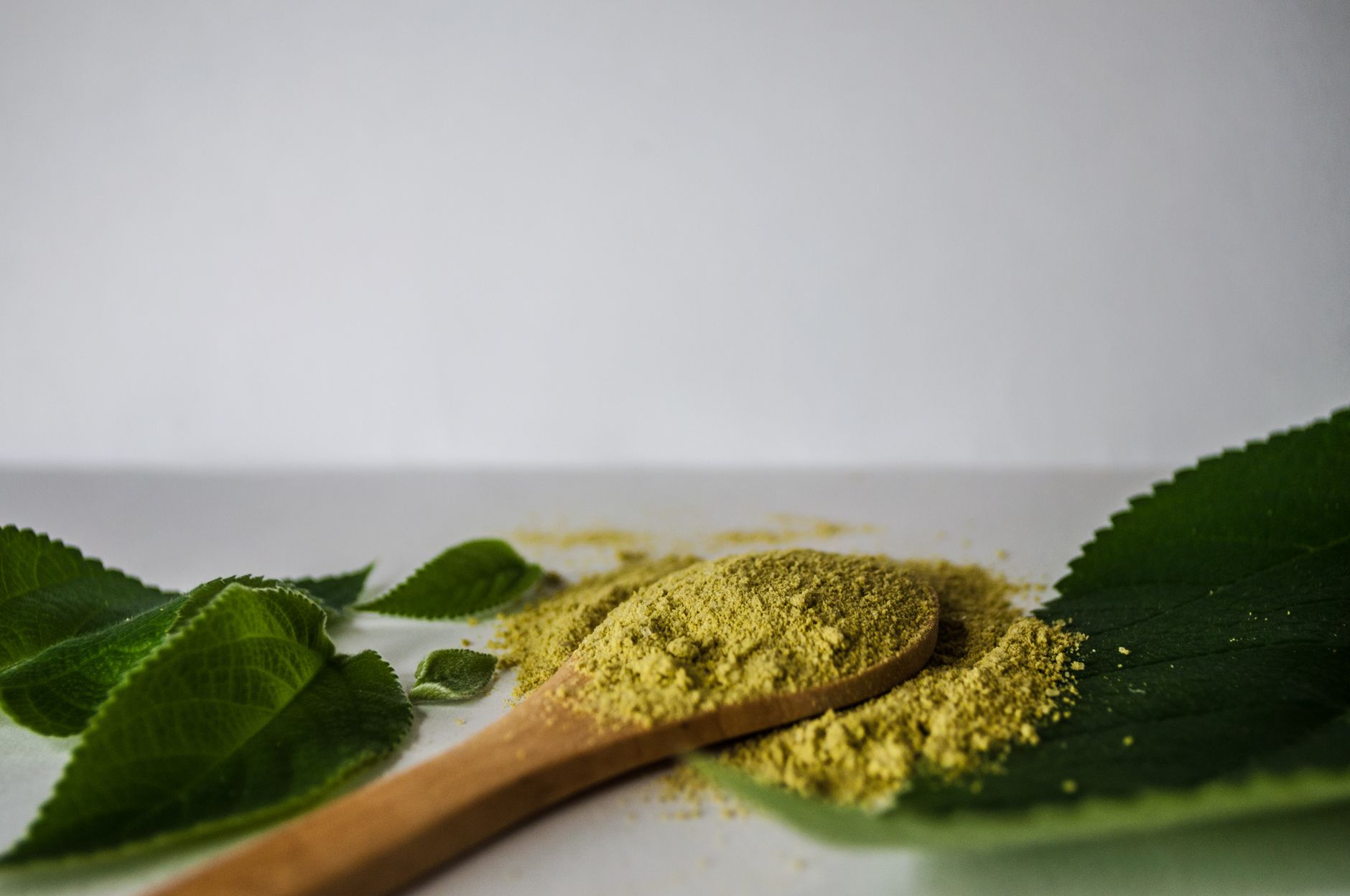
Kratom (Mitragyna speciosa) is a tropical evergreen tree native to Southeast Asia. Its leaves contain several active alkaloids, most notably mitragynine and 7‑hydroxymitragynine, which interact with opioid receptors in the brain. Traditionally, people chew fresh leaves or brew them into a tea to gain stimulant effects at low doses (increased alertness, energy) and sedative or analgesic effects at higher doses (pain relief, relaxation). In the United States, kratom is sold in powders, capsules, extracts, and pre‑made teas, often marketed as a “natural” alternative for mood, pain, or fatigue.
Because kratom is not an approved medication, its production is unregulated, leading to variability in alkaloid concentrations and potential contamination with heavy metals, bacteria, or other herbs. While some users report subjective benefits, scientific data on its safety—especially during pregnancy—is sparse. This lack of reliable information is a key reason health authorities urge caution.
Is kratom tea safe during pregnancy?
Short answer: no. The ACOG Committee Opinion on herbal supplement use in pregnancy (2022) explicitly recommends that clinicians advise patients to avoid kratom because it has opioid‑like activity and there is insufficient evidence to establish a safe dose. The NHS also lists kratom among “herbs and supplements to avoid in pregnancy” for the same reasons. The FDA has issued multiple consumer warnings, stating that kratom can cause serious health effects, including dependence and liver injury, and that its safety in pregnancy has not been demonstrated.
Potential mechanisms of risk include:
Opioid receptor activation: Mitragynine can cross the placenta, potentially affecting fetal brain development.
Maternal side effects: Nausea, vomiting, constipation, and liver enzyme elevations can compromise nutrition and overall health during pregnancy.
Dependence and withdrawal: Regular use may lead to dependence, and abrupt cessation can trigger withdrawal symptoms that stress both mother and fetus.
Studies on kratom in pregnant animals suggest possible reduced fetal weight and increased neonatal mortality, but human data are limited to case reports and retrospective analyses. Given the unknowns and the presence of safer, evidence‑based options, most experts advise complete avoidance.
Unstandardized leaf preparations make dosing unpredictable.
What are the potential risks of kratom tea during pregnancy?
When kratom’s alkaloids enter the bloodstream, they can affect both mother and fetus. Documented maternal risks include:
Gastrointestinal upset (nausea, vomiting), which can exacerbate typical pregnancy symptoms and lead to dehydration.
Liver toxicity—elevated alanine aminotransferase (ALT) levels have been reported in kratom users, raising concerns about hepatic health during a time when liver function is already taxed.
Dependence and withdrawal—regular consumption may create a physiological reliance, and abrupt cessation can trigger symptoms such as irritability, sweating, and muscle aches.
Fetal risks are less well‑studied but potentially serious. Animal research indicates possible:
Reduced birth weight and growth restriction.
Neurodevelopmental alterations due to opioid‑like activity.
Increased risk of Neonatal Abstinence Syndrome (NAS) if the newborn is exposed in utero.
Because kratom is not listed in any reputable teratology database as “safe,” the precautionary principle—especially during organ formation in the first trimester—guides the recommendation to avoid it entirely.
Is kratom tea safe during the first, second, or third trimester?
Across all three trimesters, the consensus remains the same: avoid kratom tea. The first trimester is the most critical period for organogenesis; exposure to any substance with unknown teratogenic potential is discouraged. In the second and third trimesters, the concerns shift toward fetal growth, placental transfer, and the possibility of neonatal withdrawal. No trimester‑specific safety threshold has been identified, and the ACOG and NHS guidelines do not differentiate between stages—kratom is simply not recommended at any point in pregnancy.
First trimester (weeks 1–13)
During organ formation, even low‑level exposure to opioid‑acting compounds can theoretically interfere with neural and organ development. The lack of human data means any exposure is considered a potential risk. If you’ve already taken kratom tea in early pregnancy, keep a record of the amount and discuss it with your obstetric provider; they can monitor fetal development with standard ultrasound screening.
Second trimester (weeks 14–27)
At this stage, the fetus is growing rapidly. Studies on other opioids have shown associations with reduced birth weight and altered growth patterns, and kratom’s similar receptor activity raises comparable concerns. Maintaining optimal nutrition and avoiding substances that could limit appetite or cause gastrointestinal distress is especially important.
Third trimester (weeks 28–40)
In the final weeks, the fetal brain continues to mature, and the risk of withdrawal syndromes emerges. If a mother uses kratom regularly, the infant may be born dependent on the herb’s alkaloids, leading to NAS—characterized by tremors, feeding difficulties, and irritability after birth.
Breastfeeding
There is no reliable data on how much mitragynine passes into breast milk, but the FDA warns that many substances can be secreted and affect the infant. Because newborns have immature liver enzymes, any exposure may lead to unpredictable effects. The safest course is to avoid kratom while nursing.
Can kratom tea cause withdrawal symptoms in newborns?
Yes, there is a plausible risk. Neonatal Abstinence Syndrome (NAS) is documented with maternal use of opioids, and kratom’s primary alkaloids act on the same receptors. Though formal case series on kratom‑related NAS are limited, the FDA and ACOG caution that any opioid‑like substance taken during pregnancy can lead to withdrawal in the newborn. Symptoms may include high‑pitched crying, tremors, feeding problems, and hypertonicity. If a baby shows these signs, clinicians will assess for NAS and may need to provide supportive care or medication‑assisted weaning.
Are there any safe alternatives to kratom tea for pain or anxiety in pregnancy?
Acetaminophen (Tylenol): Widely regarded as safe for occasional pain relief when used at recommended adult doses.
Prenatal yoga: Gentle poses and breathing exercises improve circulation and reduce stress without medication.
Warm compresses: Applying heat to sore muscles can ease discomfort safely.
Magnesium supplements (doctor‑approved): May help with muscle cramps and mild anxiety when taken under supervision.
Meditation: Mindfulness techniques have been shown to lower anxiety scores in pregnant cohorts.
Deep breathing exercises: Simple diaphragmatic breathing can reduce tension and improve pain tolerance.
Physical therapy: Tailored exercises address musculoskeletal pain without drug exposure.
Chamomile tea (in moderation): Generally considered low‑risk for most pregnant people, but should be limited to 1–2 cups per day.
What is the recommended dosage of kratom tea for pregnant women?
There is no established safe dosage for kratom tea during pregnancy. The variability in leaf potency, preparation methods, and individual metabolism makes any fixed amount unreliable. Because the FDA has not approved kratom for any indication, and ACOG explicitly advises against its use, the best recommendation is to avoid it entirely. If you are currently using kratom, discuss a taper plan with your provider to minimize withdrawal risk.
Does kratom tea affect fetal development or birth weight?
Evidence from animal models suggests that high‑dose kratom exposure can reduce fetal weight and increase mortality, likely due to opioid‑like effects on growth pathways. Human data are limited to case reports, but the potential for similar outcomes cannot be ruled out. The NHS cites a possible association between kratom use and low birth weight, urging pregnant people to steer clear of the herb.
What are the concerns about kratom tea and breastfeeding?
The primary concern is the unknown amount of mitragynine that may be secreted into breast milk. Even low levels could affect a newborn’s developing nervous system, leading to sedation, irritability, or feeding difficulties. Because safer, well‑studied analgesics like acetaminophen are available, most lactation consultants and pediatric guidelines recommend avoiding kratom while nursing.
Safe dosage / amount / brands
Because kratom is an unregulated supplement, brands vary widely in alkaloid concentration, and some may be contaminated with heavy metals or other substances. No reputable brand has been deemed pregnancy‑safe by ACOG, the NHS, or the FDA. If you are seeking a safe approach for managing pain or anxiety, opt for products that have clear FDA approval (e.g., acetaminophen) or non‑pharmacologic methods listed above. Avoid all kratom teas, powders, capsules, and extracts until further research clarifies safety.
Item
Recommended safe amount (if any)
Notes
Kratom tea (any brand)
None
Not recommended for pregnant or breastfeeding people.
Acetaminophen (Tylenol)
Up to 2,000 mg per day (max 3,000 mg per day under provider guidance)
Safe for occasional pain; exceed only under medical supervision.
Chamomile tea
1–2 cups per day
Generally safe; avoid large quantities due to potential uterine stimulant effects.
Side effects and risks
Even short‑term kratom use can produce side effects such as nausea, constipation, dizziness, and increased heart rate. More serious concerns include:
Liver injury: Case reports link kratom to hepatitis and elevated liver enzymes.
Dependence and withdrawal: Regular users can develop tolerance and experience withdrawal symptoms upon cessation.
Cardiovascular effects: Elevated blood pressure and tachycardia have been documented.
Potential for contamination: Unregulated products may contain heavy metals, microbes, or adulterants.
While many of these effects are “annoying but not dangerous,” the combination of maternal health risks and unknown fetal impacts makes kratom a poor choice during pregnancy. If you experience severe nausea, jaundice (yellowing of skin or eyes), rapid heart rate, or any signs of withdrawal after stopping, contact your obstetric provider promptly.
Safer alternatives
Acetaminophen (Tylenol) – proven safe for occasional pain when used at recommended doses.
Prenatal yoga – gentle movement and breathing reduce stress without medication.
Warm compresses – effective for muscle soreness and menstrual‑like cramps.
Doctor‑approved magnesium supplements – help with cramps and mild anxiety.
Meditation – mindfulness practices lower anxiety scores in pregnant populations.
Deep breathing exercises – easy to practice anywhere, calming the nervous system.
Physical therapy – targeted therapy for back or joint pain without drug exposure.
Chamomile tea (in moderation) – soothing herbal option with minimal risk.
Related items — safety at a glance
Item
Verdict
One‑line note
CBD oil
⚠️ Talk to your doctor
Limited data; some products may contain THC.
Marijuana
❌ Best avoided
THC crosses placenta; linked to low birth weight.
Caffeine
⚠️ Safe with limits
Up to 200 mg/day (≈1 cup coffee) is generally acceptable.
Valerian root
⚠️ Talk to your doctor
Sedative effects; safety data insufficient.
St. John’s Wort
❌ Best avoided
Can interfere with other medications; limited safety data.
Kava
❌ Best avoided
Associated with liver toxicity.
Opioids (prescription)
⚠️ Talk to your doctor
May be prescribed for severe pain; risk of NAS.
Alcohol
❌ Best avoided
No known safe level; risk of fetal alcohol spectrum disorders.
Nicotine
❌ Best avoided
Associated with preterm birth and low birth weight.
Myth vs. fact
Myth: “Kratom is a natural herb, so it must be safe for pregnancy.”
Fact: Natural does not equal safe. Kratom’s active alkaloids act on opioid receptors, and there is no evidence establishing a safe threshold for pregnant people.
Myth: “A small cup of kratom tea won’t affect my baby.”
Fact: Even low‑dose exposure can cross the placenta; because fetal metabolism is immature, any amount may have unpredictable effects.
Myth: “If I stop drinking kratom now, the risk disappears.”
Fact: While cessation reduces ongoing exposure, any prior use should be discussed with a provider to monitor the pregnancy and plan for possible neonatal withdrawal.
Key takeaways
❌ Kratom tea is not considered safe at any stage of pregnancy or while breastfeeding.
There is no established safe dosage; the safest choice is to avoid it completely.
Potential maternal risks include liver toxicity, dependence, and gastrointestinal upset.
Fetal concerns involve possible growth restriction, neurodevelopmental effects, and neonatal abstinence syndrome.
Consult your obstetric provider before stopping or tapering kratom to manage withdrawal safely.
Safer alternatives such as acetaminophen, prenatal yoga, and chamomile tea are widely endorsed.
Frequently asked questions
What are the risks of using kratom during pregnancy?
The primary risks include maternal liver toxicity, dependence, and potential fetal exposure to opioid‑like compounds, which may lead to low birth weight, developmental issues, or neonatal abstinence syndrome.
Can kratom cause withdrawal symptoms in a newborn?
Yes. Because kratom’s alkaloids act on opioid receptors, a baby exposed in utero can develop Neonatal Abstinence Syndrome, presenting with tremors, feeding difficulties, and irritability after birth.
Is kratom tea safe during the first trimester?
No. The first trimester is a critical period for organ formation, and any exposure to unstudied substances like kratom is discouraged by ACOG and the NHS.
What are some safe pain relief options during pregnancy?
Acetaminophen (Tylenol) at recommended doses, warm compresses, prenatal yoga, and doctor‑approved magnesium supplements are considered safe, evidence‑based alternatives.
Does kratom affect fetal development?
Animal studies suggest possible reduced fetal weight and altered neurodevelopment; human data are limited, but the potential risk is enough for health authorities to advise avoidance.
Can pregnant women drink kratom tea for anxiety?
No. While kratom may produce calming effects, its safety profile is unknown, and safer, well‑studied options like meditation, deep breathing, and approved supplements are recommended.
Is kratom safe to use while breastfeeding?
There is insufficient data on kratom’s transfer into breast milk, so the safest recommendation is to avoid it while nursing.
When to call your doctor
If you experience any of the following after using kratom—or if you’re uncertain about past use—contact your obstetric provider promptly:
Severe nausea or vomiting that leads to dehydration.
Yellowing of the skin or eyes (possible liver injury).
Rapid heartbeat, chest pain, or shortness of breath.
Signs of withdrawal (sweating, shaking, anxiety) after stopping.
Any unusual fetal movement patterns or concerns during routine scans.
Newborn symptoms of NAS after delivery (tremors, feeding problems, irritability).
Remember, this article provides general information and is not a substitute for personalized medical advice. Always discuss herbal supplement use with your healthcare team.
References
American College of Obstetricians and Gynecologists. Committee Opinion No. 804: Use of Herbal Supplements During Pregnancy. 2022.
National Health Service (NHS). “Herbs and supplements to avoid in pregnancy.” Updated 2023.
U.S. Food and Drug Administration. “FDA Consumer Warning: Kratom (Mitragyna speciosa).” 2021.
Centers for Disease Control and Prevention. “Neonatal Abstinence Syndrome (NAS).” 2022.
Mayo Clinic. “Acetaminophen (Tylenol) – Pregnancy safety.” Accessed 2024.
World Health Organization. “Guidelines for the Management of Substance Use in Pregnancy.” 2023.
National Institute for Health and Care Excellence (NICE). “Management of pain in pregnancy.” 2022.
Not sure about the label on Is Kratom Tea Safe During Pregnancy products?
Snap the ingredients list and SafeFilter checks every ingredient for your stage — only 3 free scans this month, then you're locked until reset. Unlimited from $7/mo or $50/yr.
When Shubhra Mishra was expecting her first child in 2016, she was overwhelmed by conflicting food advice — one site said yes, another said never. By the time her second baby arrived in 2019, she realized millions of mothers face the same confusion.
That sparked a five-year journey through clinical nutrition papers, cultural diets, and expert conversations — all leading to BumpBites: a calm, compassionate space where science meets everyday motherhood.
Her long-term vision is to build a global community ensuring safe, supported, and free deliveriesfor every mother — because no woman should face pregnancy alone or uninformed. 🌿
🌍 Stand with mothers, shape safer guidance
Join a small circle of experts who review BumpBites articles so expecting parents everywhere can decide with confidence.