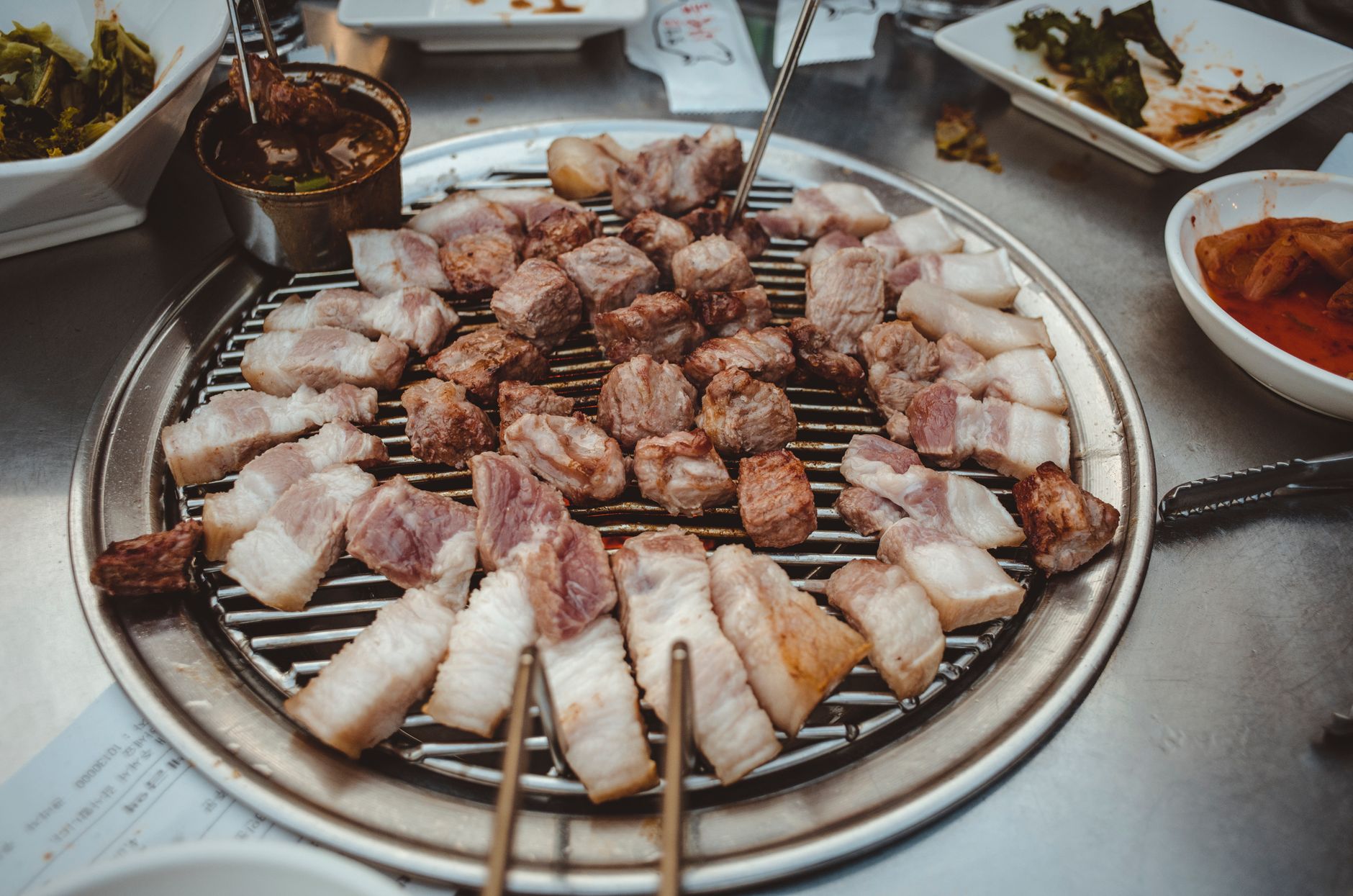
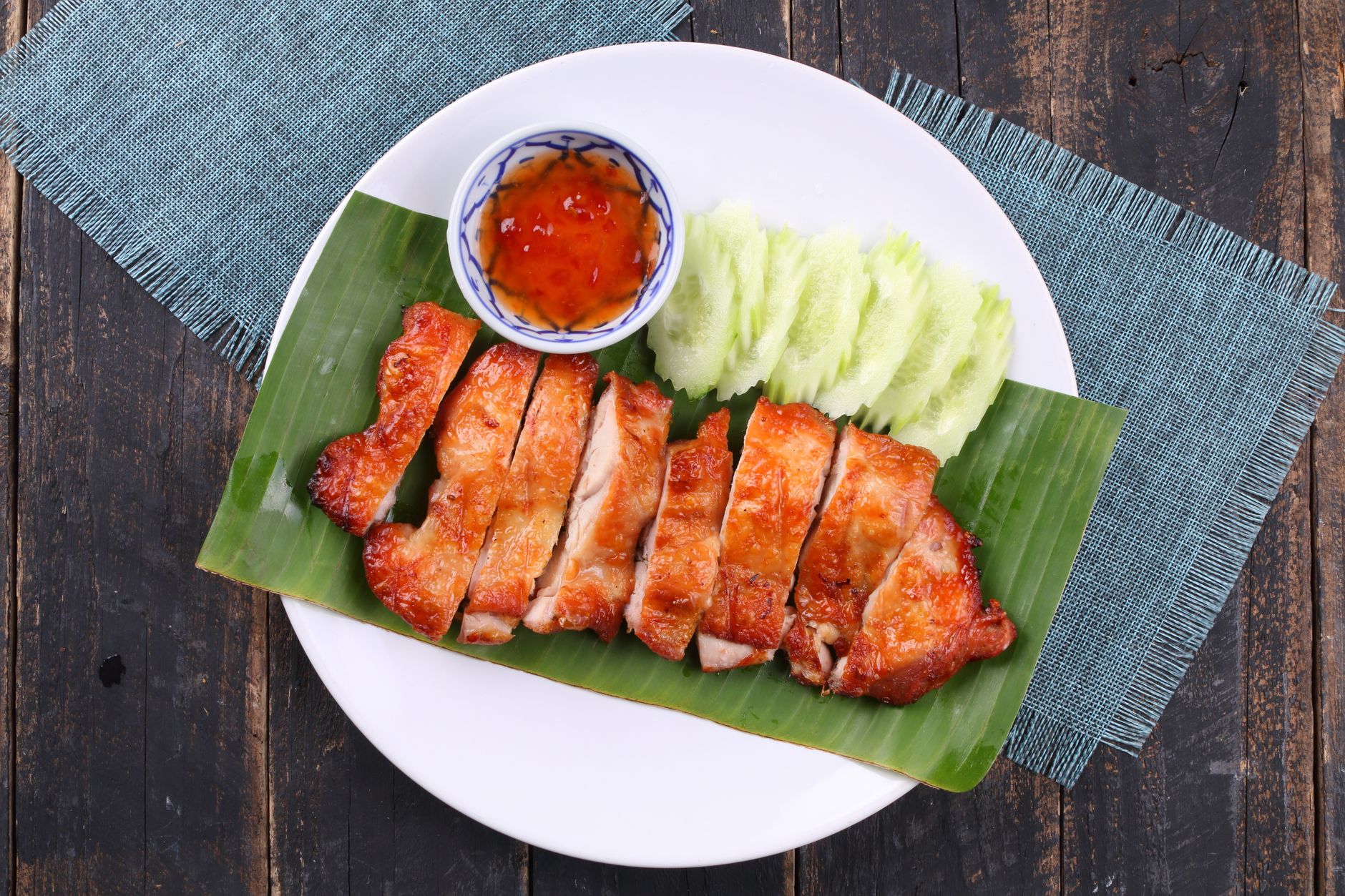
Safe in moderation. Korean BBQ is generally safe during pregnancy if cooked thoroughly and consumed in small portions, especially in the second and third trimesters. Avoid raw or undercooked meats.
By Shubhra Mishra — a mom of two who turned her own confusion during pregnancy into BumpBites, a global mission to make food choices clear, safe, and stress-free for every expecting mother. 💛
Check whether any food is safe during pregnancy with the BumpBites Food Safety Checker.
Quick verdict: ⚠️ Safe with limits. Korean BBQ can be enjoyed during pregnancy if you keep portions moderate, avoid heavily charred pieces, and choose low‑sodium sauces, but it does carry bacterial and chemical risks that require careful preparation.
It’s 2 a.m., the kitchen lights are on, and you’re staring at a sizzling grill of marinated beef, pork, and chicken. You’ve just discovered you’re pregnant, and suddenly every bite feels like a gamble. You’re not alone—many expecting parents wonder, is Korean BBQ safe during pregnancy? The good news is that, with a few mindful tweaks, you don’t have to give up the smoky flavors you love. This article walks you through the science, trimester‑specific considerations, portion guidance, potential risks, and safer swaps so you can relax and enjoy your cravings without unnecessary worry.
We’ll start with a clear answer to your top question, then break down safety by each trimester, outline how much you can safely eat, discuss the role of sauces and cooking methods, and suggest alternatives that satisfy the same cravings. Throughout, we’ll reference reputable sources such as the American College of Obstetricians and Gynecologists (ACOG), the UK’s National Health Service (NHS), and the U.S. Food and Drug Administration (FDA). Remember, this guide is informational; always check with your own provider if you have specific health concerns.
Stage
Verdict
Notes
First trimester
⚠️ Safe with limits
Avoid undercooked meat and heavily charred pieces; limit sodium.
Second trimester
⚠️ Safe with limits
Same precautions as first trimester; ensure thorough cooking.
Third trimester
⚠️ Safe with limits
Watch for heartburn; keep portions modest.
Breastfeeding
⚠️ Safe with limits
Maintain low‑sodium sauces; avoid over‑charred meat to protect milk quality.
Korean BBQ, or gogui, is a communal style of cooking where bite‑size pieces of marinated meat—often beef bulgogi, pork belly (samgyeopsal), or chicken—are grilled at the table. The meats are typically soaked in a mixture of soy sauce, sugar, sesame oil, garlic, and sometimes gochujang (a spicy red pepper paste). Diners wrap the cooked pieces in lettuce or perilla leaves, add dipping sauces, and enjoy them hot off the grill. The appeal lies in the smoky aroma, the sweet‑savory glaze, and the interactive experience of cooking your own food.
For many, Korean BBQ is more than a meal; it’s a cultural celebration. The high‑heat grilling creates a flavorful crust that many find irresistible. However, the same high heat that produces that crust also creates compounds called heterocyclic amines (HCAs) and polycyclic aromatic hydrocarbons (PAHs), which have been linked to cancer risk in animal studies. Additionally, the quick‑cook environment can leave meat undercooked, raising the chance of bacterial contamination such as Salmonella or Campylobacter. Finally, the sauces often contain generous amounts of sodium and added sugars, which can be problematic for gestational hypertension or diabetes.
Tip: Choose low‑sodium Korean BBQ sauce and avoid over‑charred meat to reduce risk.
So, is Korean BBQ safe during pregnancy? The short answer is yes—if you follow safe‑handling practices and keep portions moderate. The American College of Obstetricians and Gynecologists (ACOG) advises pregnant people to ensure all meat is cooked to an internal temperature of at least 165 °F (74 °C) to eliminate harmful bacteria. The NHS echoes this guidance, emphasizing that undercooked or raw meats carry a higher risk of foodborne illness, which can be more severe in pregnancy. The FDA also recommends avoiding charred foods in excess because of the potential formation of HCAs and PAHs, though occasional consumption is not prohibited.
Research specifically on Korean BBQ and pregnancy is limited, but broader studies on grilled meats suggest that occasional consumption, when properly cooked, does not increase miscarriage or birth defect rates. ACOG notes that the primary concerns with grilled meats are bacterial contamination and the intake of excess sodium, both manageable with mindful preparation. In short, the evidence supports that Korean BBQ can be part of a balanced pregnancy diet when you take the extra steps outlined below.
Is Korean BBQ safe to eat during the first trimester?
The first trimester is the period of organogenesis, when the baby’s major organs are forming. During this window, the fetus is most vulnerable to teratogens—substances that can cause birth defects. The main concern with Korean BBQ in early pregnancy is the risk of foodborne illness from undercooked meat. ACOG recommends cooking all meats to at least 165 °F (74 °C) to kill Salmonella, Listeria, and Campylobacter. Charred bits, while not teratogenic, can contain HCAs and PAHs, but occasional exposure at low levels does not appear to increase birth defect risk.
Therefore, if you’re in the first trimester, you can enjoy Korean BBQ provided the meat is fully cooked and you avoid consuming the blackened, burnt edges. Opt for lean cuts (like chicken breast) and limit sauces high in sodium and sugar. Keeping portions to a modest 3–4 ounces per meal helps stay within healthy nutrient limits.
Is Korean BBQ safe to eat during the second trimester?
The second trimester is typically a period of rapid growth and fewer miscarriage concerns, but the digestive system continues to adapt. Food safety remains critical, especially because gastrointestinal changes can increase susceptibility to nausea and heartburn. Well‑cooked Korean BBQ remains safe, and the risk of bacterial contamination is the same as in the first trimester. However, the higher sodium content of many Korean BBQ sauces can exacerbate swelling or hypertension, which are more common later in pregnancy.
Choosing low‑sodium sauces, trimming excess fat, and pairing the meat with plenty of vegetables (such as lettuce wraps or kimchi) can help keep sodium intake in check. The CDC’s Pregnancy Nutrition guidelines highlight that sodium intake should not exceed 2,300 mg per day, and a single Korean BBQ sauce serving can contribute up to 500 mg—so moderation is key.
Is Korean BBQ safe to eat during the third trimester?
In the third trimester, the baby’s organs are fully formed, and the focus shifts to gaining weight and preparing for birth. Heartburn and reflux are common, and heavy, greasy meals can worsen these symptoms. Korean BBQ, especially when prepared with lean cuts and served with plenty of fresh vegetables, can still be part of a balanced diet. The main precaution remains avoiding undercooked meat and limiting charred portions.
Because the third trimester often involves tighter fluid limits due to swelling, keeping the sauce portion small (about 1 tablespoon) helps manage sodium. The ACOG’s guidelines for late‑pregnancy nutrition advise that excess sodium may increase the risk of preeclampsia, so low‑sodium Korean BBQ sauce is the safer choice.
How much Korean BBQ can I consume safely while pregnant?
Portion control is the cornerstone of safe Korean BBQ consumption. A typical serving of grilled meat is about 3–4 oz (85–115 g) of cooked protein, roughly the size of a deck of cards. For most pregnant people, limiting intake to 2–3 servings per week—each with a modest amount of sauce—keeps sodium and caloric intake within recommended ranges. The USDA’s MyPlate guidelines suggest that a pregnant adult should aim for 5–6 oz of protein daily; a single Korean BBQ meal can comfortably fit within that target if balanced with vegetables and whole grains.
In terms of frequency, the CDC advises that pregnant individuals should limit consumption of processed or heavily charred meats to a few times per month. Applying that to Korean BBQ means enjoying it no more than once or twice a week, ensuring each meal includes plenty of non‑starchy vegetables and a low‑sodium sauce.
What are the risks of eating charred Korean BBQ for pregnant women?
When meat is grilled over high heat, the surface can become blackened, forming heterocyclic amines (HCAs) and polycyclic aromatic hydrocarbons (PAHs). Both have been associated with cancer in animal models, though human data are less clear. For pregnant women, the primary concern is not a direct teratogenic effect but the cumulative exposure to these compounds, which may increase long‑term cancer risk for the mother.
Additionally, heavily charred meat can be harder to digest, potentially worsening heartburn or causing gastrointestinal discomfort. The NHS recommends trimming away the blackened edges before eating. If you notice a strong burnt taste, it’s safest to discard that portion. Opting for medium‑well doneness (no longer than a light brown crust) reduces HCA formation while still delivering the desired flavor.
Does the brand of Korean BBQ sauce affect pregnancy safety?
Yes. Commercial Korean BBQ sauces vary widely in sodium, added sugars, and preservatives. Some brands contain up to 1,200 mg of sodium per tablespoon—a significant portion of the daily limit. Others add artificial flavor enhancers that may not be ideal during pregnancy. Look for sauces labeled “low‑sodium,” “no added sugar,” or “pregnancy‑friendly.” The FDA requires nutrition labeling, so you can compare the sodium content directly.
In the United States, the American Heart Association recommends that a single serving of sauce contain less than 300 mg of sodium. Choosing a brand that meets this threshold helps you stay within the ACOG‑recommended sodium ceiling. If you’re unsure, making your own sauce at home—using reduced‑sodium soy sauce, a splash of rice vinegar, and a pinch of ginger—gives you full control over the ingredients.
Are there safer alternatives to Korean BBQ for pregnancy cravings?
Grilled chicken breast – lean protein with minimal fat and easy to cook to safe temperatures.
Steamed fish fillet – provides omega‑3 fatty acids without the charred compounds.
Vegetable bibimbap – a colorful bowl of seasoned veggies and a small amount of protein.
Mildly seasoned tofu stir‑fry – plant‑based protein with low sodium when prepared simply.
Boiled dumplings – can be filled with lean meat or veggies and steamed rather than fried.
Lettuce wraps with cooked meat – retain the fun of wrapping without the grill.
Low‑sodium Korean BBQ sauce – same flavor profile, less sodium and sugar.
Baked sweet potatoes – satisfy the sweet‑savory craving without added sauces.
Is Korean BBQ safe for pregnant women with gestational diabetes?
Gestational diabetes requires careful monitoring of carbohydrate and sugar intake. Traditional Korean BBQ sauces often contain honey, sugar, or corn syrup, which can cause rapid blood‑glucose spikes. However, the protein itself—lean cuts of beef, pork, or chicken—has a minimal impact on glucose levels when eaten without sugary marinades.
For those managing gestational diabetes, the safest approach is to use a low‑sugar or sugar‑free Korean BBQ sauce, pair the meat with non‑starchy vegetables, and limit the portion size to 3 oz per meal. The American Diabetes Association recommends that meals for gestational diabetes contain a balanced mix of protein, fiber, and healthy fats, which can be achieved with a Korean BBQ‑style dinner that emphasizes lean meat and plenty of leafy greens.
Choosing lean protein and low‑sodium sauce keeps the meal pregnancy‑friendly.
Safe dosage / amount / brands
Because Korean BBQ is a food rather than a medication, “dosage” refers to portion size and frequency. Below is a quick guide to keep you within safe limits.
Item
Safe amount per serving
Recommended frequency
Notes
Grilled beef (bulgogi)
3–4 oz (85–115 g) cooked
1–2 times per week
Trim charred edges; use low‑sodium sauce.
Pork belly (samgyeopsol)
3 oz cooked, trimmed of excess fat
≤ once per week
Higher fat; watch total calorie intake.
Chicken thigh (marinated)
3 oz cooked
2 times per week
Leanest option; ensure internal temp 165 °F.
Korean BBQ sauce (store‑bought)
1 tablespoon (≈ 15 g)
≤ daily if low‑sodium; otherwise ≤ 3 times per week
Check label for ≤ 300 mg sodium per tbsp.
When selecting a sauce, look for brands such as Kikkoman Low‑Sodium Korean BBQ or Gochujang Light, which list sodium under 250 mg per tablespoon. Avoid sauces that contain added MSG, artificial preservatives, or high‑fructose corn syrup, as these ingredients can exacerbate nausea or blood‑pressure concerns.
Side effects and risks
Even with careful preparation, Korean BBQ carries a few potential pitfalls:
Foodborne illness: Undercooked meat can cause Salmonella, Listeria, or Campylobacter infections, which are linked to miscarriage, preterm labor, or severe maternal illness. Always verify that meat reaches 165 °F (74 °C).
Excess sodium: High‑sodium sauces can raise blood pressure and contribute to edema. The ACOG recommends limiting sodium to < 2,300 mg per day; a single sauce serving can provide up to 25 % of that limit.
Charred compounds (HCAs/PAHs): While occasional exposure is unlikely to cause immediate harm, frequent consumption of heavily charred meat may increase long‑term cancer risk for the mother. Trim away the blackened parts.
Heartburn and reflux: Fatty, spicy, or heavily seasoned foods can trigger acid reflux, especially in the third trimester. Pair the meat with fresh lettuce and avoid over‑spicing.
Gestational diabetes spikes: Sugary sauces can raise blood glucose quickly. Opt for low‑sugar or sugar‑free versions if you have gestational diabetes.
If you experience fever, vomiting, diarrhea, or persistent abdominal pain after a Korean BBQ meal, contact your provider promptly—these could signal a foodborne infection.
Safer alternatives
Grilled chicken breast – low in fat and easy to cook thoroughly.
Steamed fish fillet – provides omega‑3s without charred compounds.
Vegetable bibimbap – satisfies the craving for mixed textures and flavors.
Mildly seasoned tofu stir‑fry – plant‑based protein with minimal sodium.
Boiled dumplings – can be filled with lean meat or veggies and steamed instead of fried.
Lettuce wraps with cooked meat – the same interactive experience without the grill.
Low‑sodium Korean BBQ sauce – keeps the flavor while reducing sodium load.
Baked sweet potatoes – a sweet, comforting side that balances savory cravings.
Related items — safety at a glance
Item
Verdict
One‑line note
Bulgogi (Korean marinated beef)
⚠️ Safe with limits
Same precautions as Korean BBQ; ensure full cooking.
Korean BBQ ribs
⚠️ Safe with limits
Higher fat; watch portion size and avoid excessive char.
Grilled pork belly (samgyeopsal)
⚠️ Safe with limits
Trim visible fat; limit sodium in sauces.
American BBQ brisket
⚠️ Safe with limits
Long cooking can produce more HCAs; trim charred edges.
Barbecue chicken thighs
⚠️ Safe with limits
Ensure internal temperature of 165 °F; moderate sauce.
Charcoal‑grilled vegetables
✅ Generally safe
Low in protein; minimal HCAs when not overly charred.
Korean hot pot (jjigae)
✅ Generally safe
Boiled, not grilled; lower risk of HCAs.
Spicy Korean street food tteokbokki
⚠️ Safe with limits
High sodium and sugar; watch portion size.
Myth vs. fact
Myth: All grilled meat is unsafe for pregnant people.
Fact: Properly cooked grilled meat is safe; the risk lies in undercooking and excessive charring.
Myth: Korean BBQ sauce always contains harmful additives for pregnancy.
Fact: Many brands offer low‑sodium, sugar‑free versions that are pregnancy‑friendly; always read the label.
Myth: You must avoid any spicy food once you’re pregnant.
Fact: Spicy foods are generally safe unless they trigger heartburn; Korean BBQ can be enjoyed in moderation.
Key takeaways
✅ Korean BBQ is safe with limits—ensure meat reaches 165 °F and trim away blackened edges.
⚖️ Keep portions to 3–4 oz of cooked meat per meal and limit sauce to 1 tablespoon.
💧 Choose low‑sodium, low‑sugar sauces to protect blood pressure and glucose levels.
🛡️ Avoid undercooked or heavily charred pieces to reduce bacterial and HCA/PAH risks.
🤰 For gestational diabetes, prioritize lean protein and low‑sugar sauces.
📞 If you develop fever, vomiting, or severe abdominal pain after eating, contact your provider.
Frequently asked questions
Can I eat Korean BBQ while pregnant?
Yes, you can enjoy Korean BBQ during pregnancy if the meat is cooked to at least 165 °F (74 °C) and you limit the amount of charred portions and high‑sodium sauce.
Is bulgogi safe during pregnancy?
Bulgogi is safe when fully cooked and served with low‑sodium sauce; the same precautions that apply to Korean BBQ apply here.
What are the risks of eating grilled meat while pregnant?
Grilled meat can pose risks of bacterial contamination if undercooked, and charred edges may contain HCAs and PAHs; both can be mitigated by proper cooking and trimming.
How many servings of Korean BBQ are safe during pregnancy?
Limit servings to 3–4 oz of cooked meat per meal, no more than 2–3 times per week, and keep sauce to about 1 tablespoon per serving.
Does Korean BBQ sauce contain harmful ingredients for pregnant women?
Many commercial sauces are high in sodium and added sugars, which can affect blood pressure and glucose; choose low‑sodium, sugar‑free options to stay safe.
Can pregnant women eat charred meat?
Occasionally, small amounts of charred meat are acceptable, but it’s best to trim away the blackened edges and avoid frequent consumption.
Is Korean BBQ safe for gestational diabetes?
Yes, if you use a low‑sugar sauce, keep portion sizes modest, and pair the meat with plenty of non‑starchy vegetables.
Should I avoid spicy foods like Korean BBQ when pregnant?
Spicy foods are generally safe, but they may trigger heartburn; if you experience reflux, consider milder seasoning or limit spiciness.
When to call your doctor
If you experience any of the following after a Korean BBQ meal, contact your obstetric provider promptly:
Fever ≥ 100.4 °F (38 °C) lasting more than 24 hours.
Severe abdominal cramps or persistent diarrhea.
Vomiting that prevents you from staying hydrated.
Sudden swelling, headaches, or visual changes (possible preeclampsia signs).
Rapid rise in blood glucose for those with gestational diabetes.
These symptoms could indicate a foodborne infection or another pregnancy‑related complication. Always remember that this article is for informational purposes only and does not replace personalized medical advice.
References
American College of Obstetricians and Gynecologists. “Nutrition During Pregnancy.” ACOG Committee Opinion No. 762, 2020.
National Health Service (UK). “Food safety for pregnant women.” NHS.uk, updated 2022.
U.S. Food and Drug Administration. “Food Safety for Pregnant Women.” FDA.gov, 2021.
Centers for Disease Control and Prevention. “Pregnancy and Food Safety.” CDC.gov, 2023.
American Diabetes Association. “Gestational Diabetes Management.” ADA.org, 2022.
World Health Organization. “Guidelines on food safety for pregnant women.” WHO.int, 2021.
Harvard T.H. Chan School of Public Health. “Heterocyclic amines (HCAs) and PAHs.” NutritionSource.Harvard.edu, 2020.
U.S. Department of Agriculture. “MyPlate for Pregnancy.” USDA.gov, 2022.
Not sure about the label on Is Korean Bbq Safe During Pregnancy products?
Snap the ingredients list and SafeFilter checks every ingredient for your stage — only 3 free scans this month, then you're locked until reset. Unlimited from $7/mo or $50/yr.
When Shubhra Mishra was expecting her first child in 2016, she was overwhelmed by conflicting food advice — one site said yes, another said never. By the time her second baby arrived in 2019, she realized millions of mothers face the same confusion.
That sparked a five-year journey through clinical nutrition papers, cultural diets, and expert conversations — all leading to BumpBites: a calm, compassionate space where science meets everyday motherhood.
Her long-term vision is to build a global community ensuring safe, supported, and free deliveriesfor every mother — because no woman should face pregnancy alone or uninformed. 🌿
🌍 Stand with mothers, shape safer guidance
Join a small circle of experts who review BumpBites articles so expecting parents everywhere can decide with confidence.