

Quick verdict: ⚠️ Safe with limits – a single Kit Kat (or a similar portion) is generally okay for most pregnant people, but keep sugar and caffeine intake moderate and watch for added allergens.
It’s 2 a.m., the kitchen light is on, and you just opened a Kit Kat bar you grabbed from the pantry. Suddenly, a wave of worry hits: is kit kat safe during pregnancy? You’re not alone—many expectant parents have that exact moment of panic, especially when a sweet treat shows up unexpectedly. The good news is that, for most people, enjoying a Kit Kat in moderation isn’t a red‑flag for your baby’s health.
Pregnancy can feel like a constant balancing act between cravings and caution. Chocolate, in particular, is a common craving that often raises questions about caffeine, sugar, and potential impacts on fetal development. In this article we’ll break down exactly what the research says about Kit Kat’s ingredients, how many bars are reasonable, what changes (if any) you should make in each trimester, and which alternatives might feel safer or give you a nutritional boost. We’ll also compare Kit Kat to other popular candy bars so you can see the full picture at a glance. By the end, you’ll have a clear, evidence‑based answer to the question “is kit kat safe during pregnancy” and a plan you can feel confident about.
Take a breath. If you’ve already taken a bite, you’re probably wondering whether you’ve done any lasting harm. The short answer: no. The ingredients in a standard Kit Kat are not on any list of teratogens, and the modest amounts of caffeine and sugar fit within the limits set by leading health authorities. Below we’ll walk through why that’s the case, what to keep an eye on, and how to make your snack choices work for you and your baby.
| Trimester / Stage | Verdict | Notes |
|---|---|---|
| First trimester | ⚠️ Safe with limits | Limit to 1 bar (≈30 g) per week; watch caffeine (≈5 mg per bar) and added sugars. |
| Second trimester | ⚠️ Safe with limits | Same portion guidance; ensure overall daily sugar < 10 % of calories. |
| Third trimester | ⚠️ Safe with limits | Maintain portion size; monitor weight gain and blood‑glucose if diabetic. |
| Breastfeeding | ⚠️ Safe with limits | Continue the same moderation; caffeine can affect infant sleep. |
What is Kit Kat?
Kit Kat is a chocolate‑covered wafer bar that has become a global snack staple since its debut in 1935. The classic version layers three crisp wafer fingers in a milk‑chocolate coating, then adds a second coating of the same chocolate after the “break” is made. Over the years, the brand has expanded to include dark‑chocolate, white‑chocolate, and flavored varieties (e.g., mint, orange, and seasonal limited editions). Each bar typically weighs 41 g for the “2‑finger” size, with about 210 kcal, 24 g of carbohydrate (mostly sugars), 10 g of fat, and a modest 5 mg of caffeine per serving. The ingredient list is short: sugar, cocoa butter, milk powder, cocoa mass, whey powder, soy lecithin, and a small amount of flavoring. Some variants contain nuts or peanuts, which can trigger allergies.
From a nutritional standpoint, Kit Kat is primarily a source of simple carbohydrates and modest amounts of fat and protein. It provides a quick energy boost, which is why many pregnant people reach for it during a mid‑day slump. The chocolate coating supplies a small amount of flavonoids—plant compounds that have antioxidant properties—but the overall profile is that of a treat rather than a nutrient‑dense food. Understanding this helps you fit Kit Kat into a balanced diet without over‑relying on it for essential vitamins or minerals.
Is Kit Kat safe during pregnancy?
Research on chocolate consumption during pregnancy has not shown any direct link to adverse fetal outcomes. A 2019 systematic review published in the American Journal of Clinical Nutrition found that moderate chocolate intake (up to 30 g per day) was not associated with increased risk of preterm birth or low birth weight. The review did note a slight uptick in gestational diabetes risk when chocolate consumption exceeded 100 g per day, underscoring the importance of moderation. Because a Kit Kat bar falls well below that threshold, it is considered low risk for most pregnant people.
It’s also worth noting that chocolate can have a mild mood‑lifting effect, thanks to the release of serotonin and endorphins. For some pregnant people, this can help combat the emotional rollercoaster that often accompanies hormonal changes. However, these benefits should not be used as a justification for unlimited indulgence; the key remains balance and mindful portion control.
Is Kit Kat safe to eat during the first trimester?
The first trimester (weeks 1‑13) is when organ formation—known as organogenesis—occurs, so many expectant parents are especially cautious. No evidence links Kit Kat’s ingredients to birth defects or miscarriage. The primary concerns are caffeine and added sugar, both of which are safe at low levels. ACOG’s caffeine guideline (≤200 mg/day) means the roughly 5 mg in a Kit Kat is negligible. However, keep an eye on total sugar; a single bar is okay, but multiple bars could push you over the recommended daily limit, potentially contributing to nausea or gestational diabetes later on.
Many people experience heightened morning sickness in the first trimester. Chocolate, including Kit Kat, can sometimes soothe nausea for some individuals, but for others it may exacerbate it due to its fat content. If you notice that a Kit Kat makes you feel queasy, consider swapping it for a smaller piece of plain dark chocolate or a fruit‑based snack instead.
Can I eat Kit Kat in the second trimester without risk?
During weeks 14‑27, the fetus grows rapidly, and maternal nutrition becomes crucial for healthy weight gain. The second trimester is also when many women experience heightened cravings. Kit Kat remains a low‑risk treat as long as you stay within the “one bar per week” guideline and balance it with nutrient‑dense foods like fruits, vegetables, and lean proteins. The NHS emphasizes that added sugars should stay below 10 % of total calories; a single Kit Kat bar meets that criterion when paired with a balanced diet.
If you have a history of gestational diabetes or are monitoring blood‑glucose closely, pairing the Kit Kat with a protein source (such as a handful of almonds) can blunt the post‑snack glucose spike. This simple pairing also adds fiber, which helps with digestion—a common concern in the second trimester.
How many Kit Kat bars are safe to consume while pregnant?
Most nutrition experts agree that one standard Kit Kat (≈41 g) per week is a safe benchmark for most pregnant people. This portion provides about 210 kcal and 21 g of sugar, fitting comfortably within the daily limits set by ACOG and NHS when you consider the rest of your meals. If you’re managing gestational diabetes, you may need to be stricter—limiting to one half‑bar (≈20 g) or swapping for a lower‑sugar dark‑chocolate version. Remember that “safe” is a moving target based on your overall diet, activity level, and any medical conditions.
For those who love the “break” ritual, consider buying a multi‑pack and pre‑portioning the bars into individual servings. This way you can enjoy the familiar snap without accidentally exceeding the weekly limit.
Are there any risks associated with eating Kit Kat during pregnancy?
The primary risks are indirect: excessive sugar can contribute to excessive weight gain, gestational diabetes, and dental decay; caffeine—though low in Kit Kat—can add up if you consume multiple caffeinated foods and beverages. Additionally, some Kit Kat variants contain peanuts or other allergens, which could trigger an allergic reaction in a mother with a known allergy. Finally, the high‑fat content (≈10 g per bar) can increase caloric intake, which may affect gestational weight gain goals if not balanced with other foods.
While the occasional indulgence is unlikely to cause major issues, it’s still wise to monitor how your body reacts. If you notice increased heartburn, a sudden spike in blood‑glucose, or any allergic symptoms, adjust your intake and talk with your provider.
What are safer chocolate alternatives for pregnant women?
- Ghirardelli 70% Dark Chocolate Squares: Higher cocoa content, lower sugar.
- Lindt Excellence Dark Chocolate Bar: Portion‑controlled, smooth, and lower in added sugars.
- Kind Dark Chocolate Nut Bar: Contains nuts for protein and fiber.
- Green & Black’s Organic Dark Chocolate: Certified organic, minimal additives.
- Greek yogurt with honey: Provides calcium, protein, and a gentle sweetness.
- Fresh berries: Antioxidants and fiber with virtually no added sugar.
- Unsweetened cocoa nibs: Intense chocolate flavor without added sugars.
- Almond butter on whole‑grain toast: Healthy fats and sustained energy.
Does dark chocolate Kit Kat differ in safety compared to regular Kit Kat?
Dark‑chocolate Kit Kat variants typically contain a higher percentage of cocoa solids and less milk sugar, which reduces overall sugar content and increases antioxidant intake. For example, a dark‑chocolate Kit Kat (≈30 g) may contain about 16 g of sugar versus 21 g in the milk version, and roughly 10 mg of caffeine instead of 5 mg. This modest increase in caffeine still falls well under ACOG’s 200 mg daily limit, and the lower sugar aligns better with NHS recommendations. Therefore, dark‑chocolate Kit Kat is marginally “safer” in the sense of lower sugar, but the overall portion guidance remains the same.
Is Kit Kat safe for pregnant women with gestational diabetes?
Gestational diabetes management focuses on controlling carbohydrate intake and monitoring blood‑glucose spikes. A single Kit Kat bar can raise blood sugar by 1‑2 mmol/L, which may be acceptable if you’ve accounted for it in your overall carbohydrate budget. However, many clinicians advise choosing lower‑glycemic‑index treats—such as dark‑chocolate varieties or a half‑bar—especially if you’re close to your target glucose range. Always discuss your snack plan with your diabetes care team.
Can I eat Kit Kat if I have a peanut allergy while pregnant?
Standard Kit Kat does not contain peanuts, but many limited‑edition flavors (e.g., Kit Kat Peanut Butter) do. If you have a known peanut allergy, stick to the classic milk‑chocolate version and double‑check the ingredient list for any cross‑contamination warnings. The FDA requires clear labeling of major allergens, so you can safely navigate the packaging. If you ever experience itching, swelling, or difficulty breathing after eating a candy, seek medical attention immediately.

Safety by trimester
First trimester
During the earliest weeks, the focus is on avoiding teratogens. Kit Kat’s ingredients—sugar, cocoa, milk, soy lecithin—are not classified as teratogenic. The main consideration is moderation: keep caffeine below 5 mg per serving and limit added sugars to stay within the NHS 10 % guideline. If you have a history of morning sickness, the rich chocolate may exacerbate nausea, so consider a smaller piece or a low‑sugar alternative.
Because the first trimester is also a time of rapid hormonal change, some people report heightened food cravings. If Kit Kat satisfies a craving, enjoy it mindfully—chew slowly, savor the snap, and pair it with a glass of water to help your stomach settle.
Second trimester
In weeks 14‑27, the fetal brain and nervous system develop rapidly, and maternal nutrition influences growth. Maintaining steady blood‑glucose levels is important, especially if you have gestational diabetes. One Kit Kat per week is generally safe, but pairing it with protein (e.g., a handful of nuts) can slow sugar absorption and reduce spikes.
Many pregnant people notice an energy dip in the afternoon of the second trimester. A small Kit Kat combined with a source of protein can provide a balanced snack that steadies blood sugar without a crash later on.
Third trimester
Late pregnancy often brings heartburn and slowed digestion. Chocolate can relax the lower esophageal sphincter, potentially worsening reflux. If you notice increased heartburn after a Kit Kat, try a smaller portion or choose a dark‑chocolate version, which some people find less irritating. Weight‑gain goals should still be met, so keep the total caloric contribution of sweets modest.
Because the baby’s growth accelerates, you may find yourself needing more calories overall. Treats like Kit Kat can be part of a “calorie‑dense but nutrient‑rich” plan when balanced with iron‑rich foods, leafy greens, and lean proteins.
Breastfeeding
After delivery, caffeine can pass into breast milk, possibly affecting infant sleep patterns. The 5 mg in a Kit Kat is well below the 200 mg daily limit, but if you’re a high‑caffeine consumer (coffee, tea, soda), you may want to limit chocolate treats to avoid cumulative effects.
Breastfeeding also increases your own caloric needs. A single Kit Kat can contribute a quick source of energy, but remember that the healthiest milk supply comes from a well‑balanced diet rich in calcium, vitamin D, and omega‑3 fatty acids.
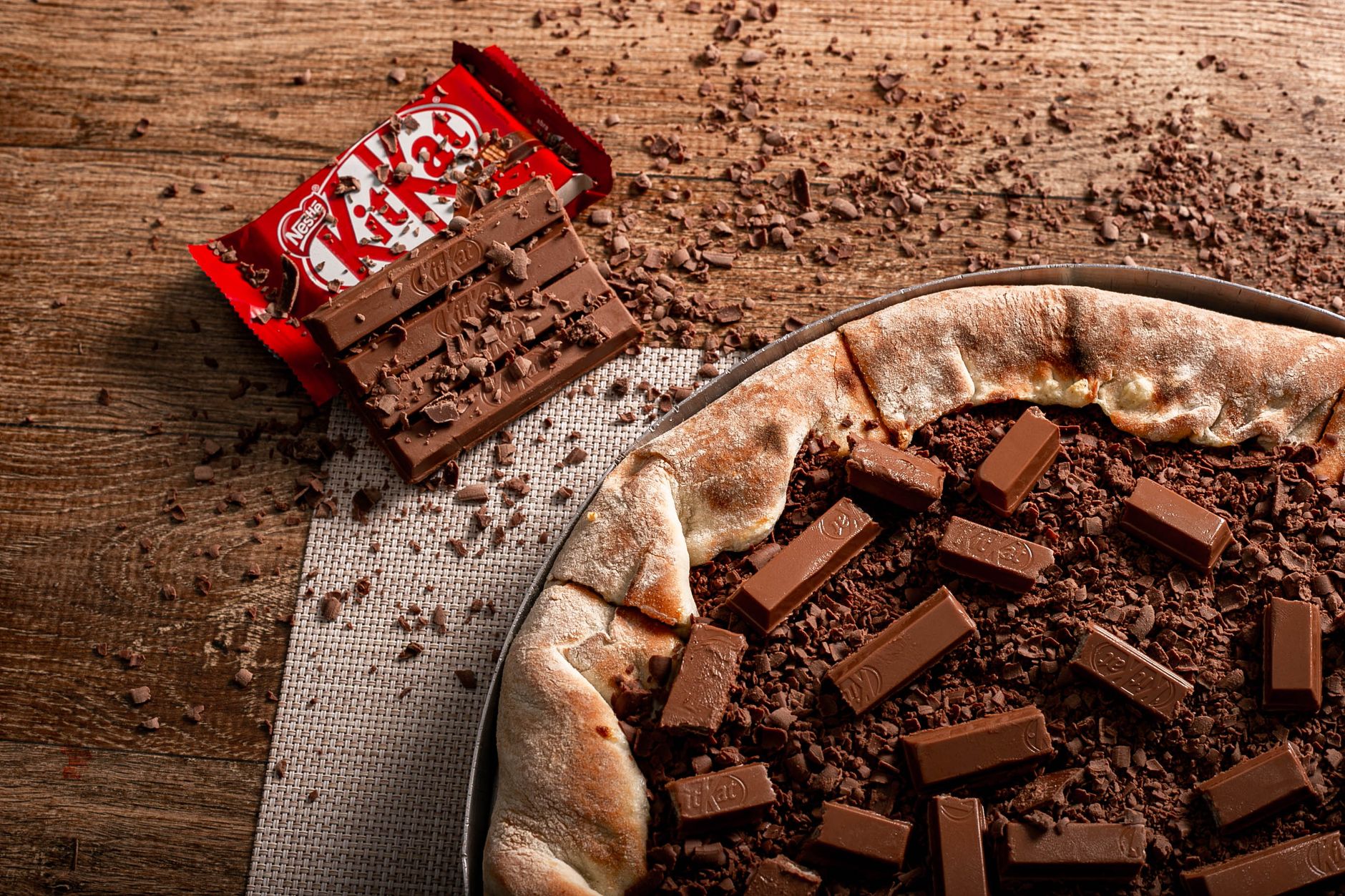
Kit Kat and pregnancy nausea: can chocolate help?
Nausea, especially morning sickness, is common in the first and early second trimesters. Some studies suggest that small amounts of chocolate can have a soothing effect on nausea because the combination of sugar and fat may settle the stomach. The Journal of Obstetric, Gynecologic & Neonatal Nursing reported that pregnant participants who ate a modest portion of chocolate (about 20 g) experienced a slight reduction in nausea scores compared with a control group.
Even though chocolate may offer temporary relief, it’s not a cure‑all. If nausea is severe, talk to your provider about safe anti‑nausea options such as vitamin B6 supplements or prescribed medications. When you do reach for chocolate, keep the portion small—no more than a quarter of a Kit Kat bar—to avoid excess sugar that could worsen nausea later on.
Kit Kat for pregnant people with hypertension
High blood pressure during pregnancy (gestational hypertension or pre‑eclampsia) calls for careful sodium and overall calorie management. While Kit Kat does not contain added salt, its sugar content can influence blood‑pressure control indirectly by affecting weight gain and insulin resistance. The American Heart Association advises limiting added sugars to less than 6 % of daily calories for those with hypertension. One Kit Kat bar (≈21 g sugar) fits within that limit if the rest of your day is low‑sugar, but it should not become a daily habit.
If you have hypertension, consider pairing the Kit Kat with a high‑fiber food like an apple slice. The fiber can help blunt any rapid glucose rise, which in turn supports more stable blood pressure. Always follow your provider’s specific dietary recommendations.
Is Kit Kat suitable for vegetarians and vegans during pregnancy?
Standard Kit Kat contains milk powder and whey, making it unsuitable for vegans and not strictly vegetarian for those who avoid dairy. However, the brand has launched a limited “Vegan Kit Kat” in some markets, which replaces dairy components with plant‑based alternatives. If you follow a vegetarian or vegan diet, check the packaging for the “Vegan” label or look for the ingredient list that excludes animal‑derived ingredients. From a pregnancy standpoint, the vegan version offers the same calorie and sugar profile, so the same moderation guidelines apply.
For those who avoid dairy for other reasons (e.g., lactose intolerance), the regular Kit Kat may still be tolerable because the amount of milk protein is relatively low. Still, if you experience digestive discomfort after consuming dairy, opt for the vegan version or a different chocolate treat that aligns with your dietary preferences.
Safe dosage / amount / brands
Most commercially available Kit Kat bars follow the same basic formulation, so brand‑specific differences are minimal. The key metric is portion size, and reading the label can help you stay within safe limits. Look for the “Nutrition Facts” panel to confirm serving size, total sugars, and caffeine content. If you’re buying a multi‑pack, consider dividing the bars into individual servings ahead of time to avoid accidental over‑consumption.
| Serving size | Calories | Sugar (g) | Caffeine (mg) | Recommended frequency |
|---|---|---|---|---|
| Standard 2‑finger bar (41 g) | 210 | 21 | ≈5 | ≤1 per week |
| Dark‑chocolate version (30 g) | 170 | 16 | ≈10 | ≤1 per week |
| Half‑bar (≈20 g) | 100 | 10 | ≈2‑3 | As needed, ≤2 per week |
If you have gestational diabetes, stick to the half‑bar or opt for a dark‑chocolate version and pair it with protein or fiber to blunt glucose spikes. Always read the packaging for any added allergens (e.g., peanuts) and check for “no added sugars” claims, which are rare for Kit Kat but may appear on specialty lines.
Side effects and risks
Most side effects are mild and related to sugar or caffeine:
- Blood‑sugar spikes: Especially relevant for gestational diabetes; monitor levels after consumption.
- Heartburn or reflux: Chocolate can relax the esophageal sphincter; if you notice increased discomfort, reduce portion size.
- Allergic reaction: Rare for classic Kit Kat, but flavored versions with nuts can trigger peanut or tree‑nut allergies.
- Weight gain: Consistently exceeding calorie needs may lead to excessive gestational weight gain, which is linked to pre‑eclampsia and delivery complications.
If you experience any of the following, call your provider promptly: severe abdominal pain, rapid heartbeat, swelling of lips or throat, or blood‑glucose readings that remain high for more than two hours after eating.
Safer alternatives – better snack ideas for pregnancy
- Ghirardelli 70% Dark Chocolate Squares: Higher cocoa, lower sugar, rich antioxidant profile.
- Lindt Excellence Dark Chocolate Bar: Portion‑controlled, smooth, and lower in added sugars.
- Kind Dark Chocolate Nut Bar: Adds protein and fiber from nuts, reducing sugar impact.
- Green & Black’s Organic Dark Chocolate: Certified organic, minimal additives.
- Greek yogurt with honey: Provides calcium, protein, and a gentle sweetness.
- Fresh berries: Natural sugars, vitamins, and fiber without added calories.
- Unsweetened cocoa nibs: Intense chocolate flavor without added sugar.
- Almond butter on whole‑grain toast: Healthy fats and sustained energy.
- Apple slices with a thin spread of peanut butter: Combines fiber and protein for a balanced bite.
- Homemade oat‑raisin energy bites: Controlled sugar, whole grains, and optional chocolate chips.
Related items — safety at a glance
| Item | Verdict | One‑line note |
|---|---|---|
| Twix | ⚠️ Safe with limits | Similar sugar and caffeine profile; watch portion size. |
| Snickers | ⚠️ Safe with limits | Contains peanuts—avoid if allergic. |
| Milky Way | ⚠️ Safe with limits | Higher caramel sugar; same moderation rules. |
| Mars Bar | ⚠️ Safe with limits | More calories; keep to ≤1 per week. |
| Reese’s Peanut Butter Cups | ⚠️ Safe with limits | Peanut content requires allergy check. |
| M&M’s | ⚠️ Safe with limits | Color additives are generally considered safe. |
| Hershey’s Kisses | ⚠️ Safe with limits | Small size makes portion control easier. |
| Chocolate‑covered almonds | ⚠️ Safe with limits | Adds protein and healthy fats; watch added sugars. |
Myth vs. fact
Myth: All chocolate is harmful during pregnancy because of caffeine.
Fact: The caffeine in a standard Kit Kat is about 5 mg, far below the ACOG‑recommended limit of 200 mg per day.
Myth: Kit Kat contains “dangerous” chemicals that can cause birth defects.
Fact: Kit Kat’s ingredients are common food additives that are not classified as teratogens by the FDA or NHS.
Myth: Pregnant people must avoid any sweets to protect the baby.
Fact: Moderate consumption of sweets, including Kit Kat, is permissible when balanced with a nutrient‑rich diet.
Myth: One Kit Kat will cause a miscarriage.
Fact: No scientific evidence links a single Kit Kat bar to miscarriage; the risk is tied to overall nutrition and lifestyle, not this specific treat.
Key takeaways
- ✅ A single Kit Kat bar per week is generally safe in all trimesters.
- ⚖️ Keep total added sugar < 10 % of daily calories, as advised by NHS.
- ☕ The caffeine content (≈5 mg) is negligible compared with the 200 mg daily limit.
- 🚫 If you have a peanut allergy, avoid flavored variants that contain peanuts.
- 🩺 For gestational diabetes, choose a half‑bar or dark‑chocolate version and monitor blood glucose.
- 💡 Pair Kit Kat with protein or fiber to lessen sugar spikes and heartburn.
- 🔍 Read labels for allergens and portion sizes, especially when buying multi‑packs.
Frequently asked questions
Is it okay to eat chocolate during pregnancy?
Yes—most health authorities, including ACOG and NHS, say moderate chocolate consumption is fine as long as you stay within recommended caffeine (≤200 mg/day) and sugar limits.
Can pregnant women eat Kit Kat?
Absolutely; a standard Kit Kat bar is considered safe in moderation, with the same portion guidance applying across all trimesters.
What are the risks of eating candy while pregnant?
Primary risks involve excess sugar leading to gestational diabetes, weight gain, and dental issues; caffeine can affect fetal heart rate if consumed in very high amounts, which is unlikely with a single Kit Kat.
How much chocolate is safe for a pregnant woman?
Guidelines suggest keeping added sugars under 10 % of daily calories—roughly 25 g of sugar—so one Kit Kat (≈21 g sugar) fits within that limit when balanced with the rest of your meals.
Does caffeine in chocolate affect pregnancy?
Chocolate’s caffeine content is low; a Kit Kat contains about 5 mg, well below the 200 mg daily threshold set by ACOG, so it does not pose a risk when consumed in moderation.
Can Kit Kat cause gestational diabetes?
Kit Kat alone won’t cause gestational diabetes, but frequent high‑sugar snacks can contribute to elevated blood‑glucose levels; limiting intake to one bar per week helps mitigate this risk.
Are there any ingredients in Kit Kat that are unsafe for pregnancy?
All listed ingredients—sugar, cocoa, milk powder, soy lecithin—are considered safe; the only caution is for flavored versions that may contain peanuts or other allergens.
What are the best snack options for pregnant women?
Balanced snacks that combine protein, healthy fats, and low‑added sugar—such as Greek yogurt with honey, fresh berries, or a small piece of dark chocolate—are excellent choices.
If I accidentally ate two Kit Kat bars before I knew I was pregnant, am I in trouble?
Accidentally eating two bars is unlikely to cause harm; the extra sugar and caffeine are still well below dangerous thresholds. Monitor how you feel, stay hydrated, and resume your usual balanced diet. If you notice any unusual symptoms, contact your provider.
Does the packaging of Kit Kat affect its safety during pregnancy?
Packaging itself does not affect safety, but it does provide crucial information about allergens, portion size, and added ingredients. Always read the “Nutrition Facts” panel and allergen warnings to ensure the product matches your dietary needs.
When to call your doctor
If you experience any of the following after eating Kit Kat, contact your obstetric provider right away:
- Severe or persistent heartburn that interferes with sleep.
- Rapid rise in blood‑glucose levels (above 7 mmol/L) that doesn’t normalize after two hours.
- Signs of an allergic reaction: swelling, hives, difficulty breathing.
- Unexplained weight gain beyond your provider’s recommendations.
- Sudden, unexplained abdominal pain or cramping that lasts more than 30 minutes.
These guidelines are informational and not a substitute for personalized medical advice. Always discuss your diet and any concerns with your healthcare team.
References
- American College of Obstetricians and Gynecologists. “Nutrition During Pregnancy.” ACOG Committee Opinion No. 804, 2020.
- National Health Service (UK). “Food and drink safety in pregnancy.” NHS, updated 2023.
- U.S. Food and Drug Administration. “Guidance for Industry: Caffeine Content of Foods and Beverages.” FDA, 2021.
- Centers for Disease Control and Prevention. “Gestational Diabetes Mellitus.” CDC, 2022.
- Mayo Clinic. “Caffeine: How much is too much?” Mayo Clinic, 2022.
- World Health Organization. “Guidelines on Sugar Intake

