Safe: Kimbap is generally safe during pregnancy, but limit high-mercury fish in the first trimester
By Shubhra Mishra — a mom of two who turned her own confusion during pregnancy into BumpBites, a global mission to make food choices clear, safe, and stress-free for every expecting mother. 💛
Check whether any food is safe during pregnancy with the BumpBites Food Safety Checker.
Quick verdict: ⚠️ Talk to your doctor first. Kimbap can be enjoyed in pregnancy when it’s made with fully cooked ingredients and from reputable sources, but raw fish, unpasteurized sauces, and potential contamination require caution.
It’s 2 a.m., you’re scrolling through snack ideas, and the question that keeps popping up is “is kimbap safe during pregnancy?” You might have already taken a bite of that sea‑weed‑wrapped roll, or you’re planning a picnic and wondering if you can include it. You’re not alone—many expecting parents worry about the mix of rice, vegetables, seaweed, and sometimes raw fish that makes up this beloved Korean snack.
We’ll walk you through the evidence, trimester‑specific guidance, portion limits, and brand considerations so you can decide with confidence. By the end of this article you’ll know exactly how to enjoy kimbap—or choose a safer alternative—without unnecessary stress.
When the ingredients are fully cooked and the roll is prepared in a clean environment, kimbap can be a nutritious snack.
Safety snapshot
Stage
Verdict
Notes
First trimester
⚠️ Caution
Avoid raw fish and unpasteurized sauces; choose fully cooked fillings.
Second trimester
✅ Generally safe
Cooked kimbap (no raw fish) is fine in moderation (2‑3 pieces/day).
Third trimester
✅ Generally safe
Same guidelines as second trimester; watch for heartburn.
Breastfeeding
✅ Safe
Continue with cooked versions; raw fish still discouraged.
What is kimbap?
K
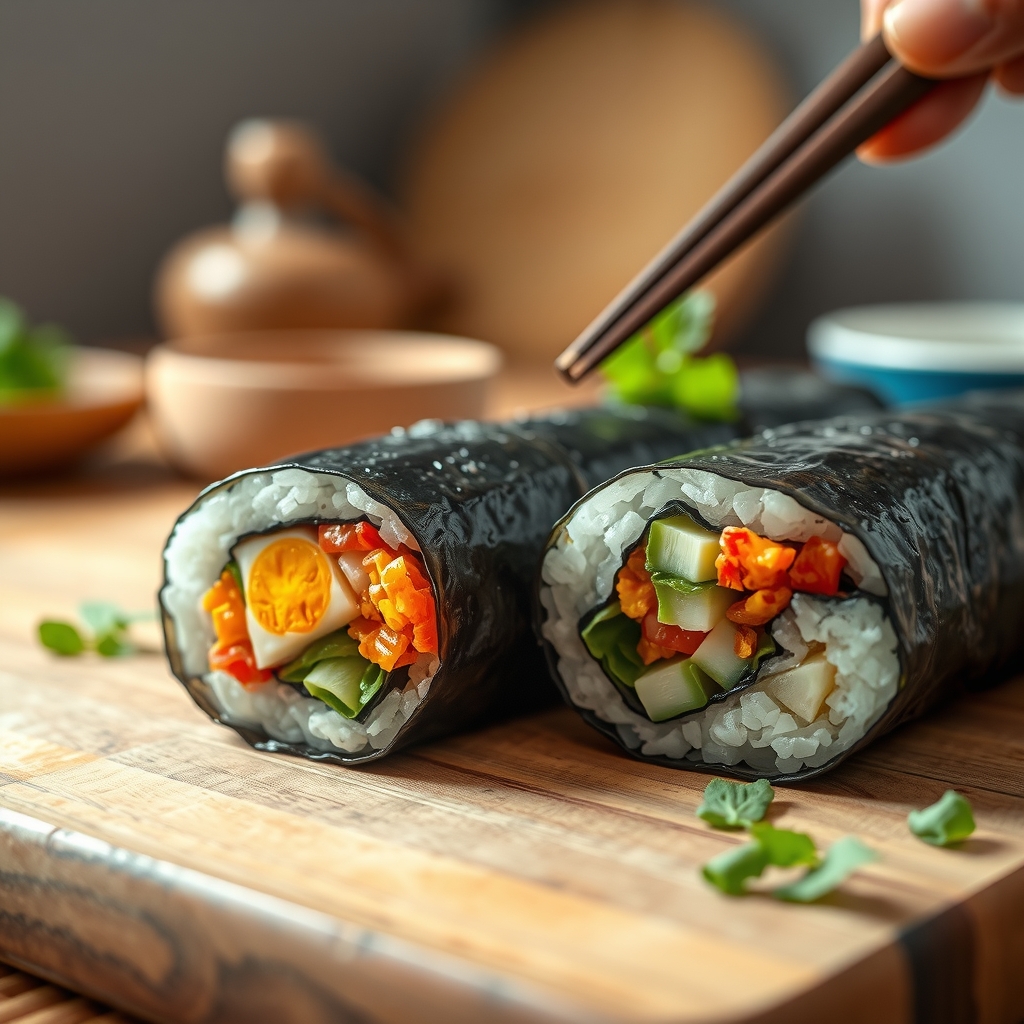
imbap (sometimes spelled “gimbap”) is a Korean staple that looks like a sushi roll but typically uses seasoned short‑grain rice, a sheet of dried seaweed (gim), and a variety of fillings. Classic fillings include cooked spinach, pickled radish (danmuji), egg omelet strips, and sometimes raw fish such as tuna or salmon. The roll is sliced into bite‑size pieces and often served with a side of soy sauce or a light chili paste.
Because the rice is seasoned with sesame oil and a pinch of salt, kimbap provides a modest amount of healthy fats and carbohydrates. The seaweed wrapper adds iodine and trace minerals, while the vegetable fillings contribute fiber, vitamins, and antioxidants. When prepared with fully cooked proteins—like bulgogi beef, cooked chicken, or fried egg—the roll can be a balanced snack that fits well into a prenatal nutrition plan.
Variations abound: “vegetarian kimbap” omits meat and fish, “spicy kimbap” adds gochujang (Korean chili paste), and “cheese kimbap” incorporates melted cheese for a richer flavor. The diversity of ingredients is what makes kimbap both a convenient grab‑and‑go option and a cultural comfort food for many expectant parents.
Is kimbap safe during pregnancy?
Current guidance from the American College of Obstetricians and Gynecologists (ACOG) and the UK’s National Health Service (NHS) emphasizes that pregnant people should avoid raw or undercooked seafood because of the risk of listeria, parasites, and mercury exposure. This means traditional kimbap that contains raw fish or unpasteurized sauces is best avoided. If the roll is made entirely with cooked ingredients, the risk drops dramatically, and most health authorities consider it safe in moderation.
Studies from the Centers for Disease Control and Prevention (CDC) show that listeria outbreaks are often linked to ready‑to‑eat foods that have not been reheated, such as deli meats and certain sushi‑type rolls. The Food and Drug Administration (FDA) recommends reheating such foods to an internal temperature of 165 °F (74 °C) before consumption. Applying this to kimbap, heating the roll for a few seconds in a microwave or a hot pan can neutralize most bacterial threats.
Pregnant people also need to watch for high‑mercury fish (e.g., swordfish, king mackerel). Tuna used in some kimbap varieties usually falls under the “low‑mercury” category, but the portion size should still be limited to 2‑3 servings per week, as advised by the FDA. In short, the safety of kimbap hinges on how it’s prepared, not the concept of the roll itself.
Is kimbap safe to eat in the first trimester?
The first trimester is the period of organogenesis, when the fetus’s major organs are forming. Because this window is particularly sensitive, ACOG advises extra caution with foods that could harbor harmful bacteria or parasites. If kimbap contains raw fish, unpasteurized sauces, or is from an unverified source, it should be avoided during the first 12 weeks. Cooked‑only versions, however, are generally permissible.
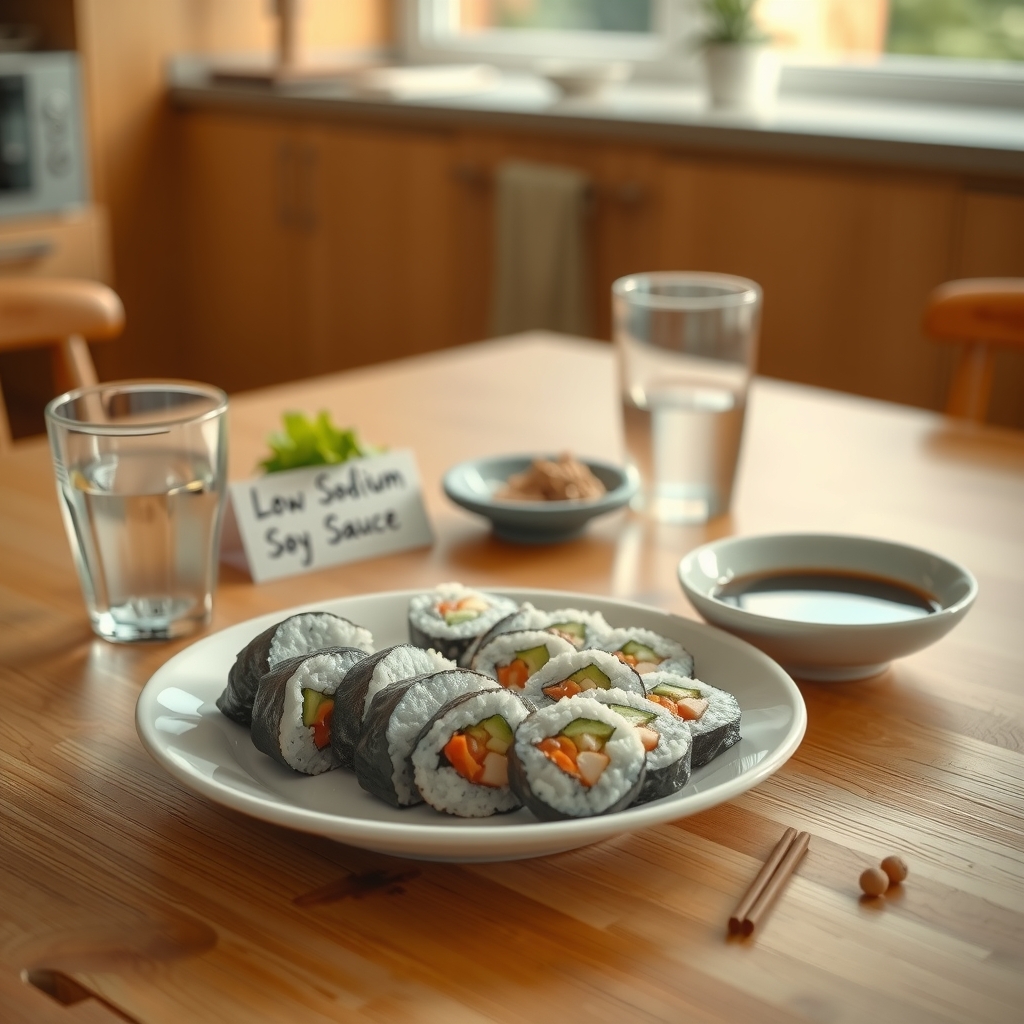
In practice, many moms find that their cravings for bold flavors are strongest early on. Opt for a version that uses cooked beef, chicken, or egg, and pair it with a low‑sodium soy sauce that’s been heated. This approach respects the heightened caution of the first trimester while still letting you enjoy a familiar snack.
Can I eat kimbap with raw fish while pregnant?
No. Raw fish in kimbap poses a risk of listeria, parasites such as Anisakis, and potential mercury exposure. Both ACOG and the NHS explicitly list raw seafood as a food to avoid during pregnancy. If you love the flavor of fish, choose fully cooked alternatives—like baked salmon or canned light tuna that’s been heated—rather than raw sashimi‑style fillings.
Even “sushi‑grade” fish, which is often marketed as safe for raw consumption, does not guarantee freedom from parasites. The safest route is to replace raw fish with cooked proteins or to heat the entire roll until the interior reaches 165 °F (74 °C).
How many pieces of kimbap can a pregnant woman eat per day?
Portion control helps keep sodium, calorie, and iodine intake in check. Nutrition experts, including those at the Mayo Clinic, suggest that a moderate serving of 2‑3 pieces (approximately 150‑200 g) of fully cooked kimbap is appropriate for most pregnant people. This amount provides a balanced mix of carbs, protein, and vegetables without overloading on salt.
If you’re craving more, consider spacing the pieces out across meals and pairing them with fresh fruit or a side salad to boost fiber and micronutrients. Remember that the total daily sodium limit for pregnancy is about 2,300 mg, so choose low‑sodium soy sauce or drizzle sparingly.
What are the safest brands of kimbap for pregnant women?
Reputable brands that prioritize food safety and transparent ingredient sourcing are your best bet. Look for companies that:
Clearly label that all proteins are cooked.
Provide a “best‑by” date and have USDA or HACCP certification.
Offer a gluten‑free or low‑sodium line, which reduces additional risks.
In the United States, brands such as Seoul Food Market and Korean Kitchen have been praised for their strict quality controls. In Korea, the Gimpo Fresh line is known for using only fully cooked ingredients and sealed packaging. Always read the ingredient list and, when possible, purchase from a store that maintains a cold chain.
Are there any risks associated with eating kimbap during pregnancy?
Yes, but they are largely tied to specific ingredients and handling practices. The primary risks include:
Listeria monocytogenes: Can cause miscarriage or severe neonatal infection if ingested via contaminated raw fish or unpasteurized sauces.
Parasites (e.g., Anisakis): May lead to gastrointestinal distress and, rarely, allergic reactions.
Mercury exposure: High‑mercury fish can affect fetal brain development; low‑mercury options are safer.
Excess sodium: Many commercial kimbap rolls contain soy sauce or seasoned rice that can push daily sodium limits.
Allergens: Sesame seeds, soy, and shellfish are common allergens that could trigger reactions.
When prepared with fully cooked ingredients, stored properly, and consumed in reasonable portions, these risks become minimal.
What are healthy alternatives to kimbap for pregnant women?
Cooked chicken roll – provides lean protein without raw‑fish concerns.
Vegetable sushi roll – uses cooked veggies and avocado for healthy fats.
Egg roll (cooked) – a familiar comfort food with fully cooked egg and veggies.
Avocado toast – offers omega‑3s and fiber on whole‑grain bread.
Fruit salad – a hydrating, vitamin‑rich snack that satisfies sweet cravings.
Greek yogurt with honey – protein‑rich and probiotic, great for digestion.
Steamed dumplings – typically filled with cooked pork or veggies, low in contaminants.
Brown rice bowl with veggies – a warm, balanced meal with whole grains and fiber.
Is vegetarian kimbap safer than traditional kimbap during pregnancy?
Vegetarian kimbap eliminates the raw‑fish component, removing the biggest microbiological and mercury concerns. However, safety still depends on the preparation of other ingredients. If the roll includes raw eggs (e.g., a Japanese‑style tamago), the same caution applies. Choose versions that use only cooked eggs, tofu, or roasted vegetables, and verify that sauces have been pasteurized.
Overall, a well‑made vegetarian kimbap is marginally safer, but the key is still to ensure every protein source is fully cooked and that the roll comes from a reliable source.
Does eating kimbap increase the risk of listeria for pregnant women?
Listeria risk is linked to the presence of raw or lightly cured seafood and unpasteurized sauces. If you consume kimbap that contains these ingredients, the risk rises modestly. The CDC notes that ready‑to‑eat foods that are not reheated can be a source of listeria outbreaks. Heating the roll until steaming hot, or opting for fully cooked versions, essentially eliminates this risk.
Therefore, the answer is “only if the kimbap contains raw fish or unpasteurized condiments and is not reheated.” Proper handling and cooking make the risk negligible.
Checking the label and reheating the roll can help keep listeria risk low.
Safety by trimester
First trimester (weeks 1‑12)
During organ formation, the fetus is especially vulnerable to infections and toxins. The safest approach is to avoid any kimbap that includes raw fish, raw egg, or unpasteurized sauces. Cooked versions are permissible, but keep portions to 2‑3 pieces per day and wash your hands before handling. The NHS advises pregnant people to “avoid raw seafood and deli meats” during this stage.
Second trimester (weeks 13‑27)
As the placenta matures, the fetus becomes more resilient, but food safety remains crucial. Fully cooked kimbap can be part of a balanced diet, offering iron from spinach and protein from egg or meat. Continue to monitor sodium intake, and consider reheating the roll before eating to ensure any lingering bacteria are killed.
Third trimester (weeks 28‑40)
In the final months, heartburn and digestion slow down. Eating large amounts of rice‑heavy rolls may exacerbate discomfort. Stick to the same 2‑3 piece guideline, and pair kimbap with a side of fresh fruit or a small salad to aid digestion. If you experience any signs of foodborne illness, contact your provider promptly.
Breastfeeding
Post‑delivery, the same safety principles apply. The infant’s immune system continues to develop, so raw fish and unpasteurized sauces remain off‑limits. Cooked kimbap is fine, and the nutrients in the roll—especially iodine from seaweed—can support lactation.
Safe dosage / amount / brands
For most pregnant people, a safe daily amount of kimbap is 2‑3 pieces (about 150‑200 g) of a fully cooked version. This amount supplies roughly 250‑300 kcal, 8‑10 g of protein, and a modest dose of iodine from the seaweed. If you’re watching sodium, limit soy sauce to 1 teaspoon per serving.
When choosing a brand, prioritize those that:
State “all fillings are cooked” on the label.
Carry a USDA “Organic” or “Safe Food Handling” seal.
Provide a clear “best‑by” date and have a cold‑chain guarantee.
Examples of reputable brands include Seoul Food Market (U.S.), Korean Kitchen (U.S.), and Gimpo Fresh (Korea). Avoid products that list “raw tuna” or “fresh sashimi” among the ingredients, regardless of brand reputation.
Side effects and risks
Most side effects from kimbap are mild, such as occasional heartburn from the seasoned rice or a temporary increase in blood pressure from sodium. However, serious risks can arise if the roll contains raw fish or unpasteurized sauces:
Listeriosis: Symptoms include fever, nausea, and muscle aches. In pregnancy, it can lead to miscarriage or severe neonatal infection. Seek medical care immediately if you develop these signs after eating kimbap.
Parasite infection: Anisakis can cause abdominal pain, nausea, and vomiting. These symptoms usually appear within hours to days after consumption.
Mercury exposure: High‑mercury fish can affect fetal brain development. Stick to low‑mercury options and keep servings below 2 times per week.
Allergic reactions: Sesame seeds, soy, or shellfish in some rolls can trigger hives or anaphylaxis in sensitive individuals.
Most of these issues are preventable by choosing fully cooked, properly stored, and reputable products.
Safer alternatives
Cooked chicken roll – lean protein, no raw fish.
Vegetable sushi roll – cooked veggies, low‑risk seaweed.
Egg roll (cooked) – fully cooked egg and veggies.
Avocado toast – healthy fats and fiber on whole‑grain bread.
Fruit salad – hydrating, vitamin‑rich snack.
Greek yogurt with honey – protein and probiotics.
Steamed dumplings – typically filled with cooked pork or veggies.
Brown rice bowl with veggies – whole grains and micronutrients.
Related items — safety at a glance
Item
Verdict
Note
Sushi
❌
Raw fish poses listeria and parasite risk.
Maki rolls
❌
Often contain raw seafood; avoid unless fully cooked.
California roll
⚠️
Usually includes raw crab (imitation) – safe if cooked.
Gimbap
⚠️
Same as kimbap; raw fish variants unsafe.
Seaweed salad
✅
Cooked seaweed, but watch for raw seafood toppings.
Kimchi
✅
Fermented cabbage; safe in moderation.
Bulgogi
✅
Fully cooked marinated beef; good protein source.
Rice paper rolls
⚠️
Often contain raw shrimp; choose cooked fillings.
Myth vs. fact
Myth: All kimbap is safe because it’s a “cooked” food. Fact: Many kimbap varieties include raw fish or lightly cured eggs, which are unsafe for pregnancy unless heated.
Myth: The seaweed wrapper supplies enough iodine, so you don’t need prenatal vitamins. Fact: While seaweed adds iodine, the amount varies; prenatal supplements ensure consistent intake.
Myth: Small amounts of raw fish are harmless during pregnancy. Fact: Even tiny servings can harbor listeria or parasites; ACOG advises complete avoidance.
Key takeaways
✅ Fully cooked kimbap (no raw fish or unpasteurized sauces) can be enjoyed in moderation.
⚠️ Avoid raw fish, raw egg, and unpasteurized condiments throughout pregnancy.
📏 Limit servings to 2‑3 pieces per day and watch sodium intake.
🛒 Choose reputable brands that clearly label all ingredients as cooked.
🚨 Seek medical care if you develop fever, nausea, or muscle aches after eating kimbap.
🌱 Consider safer alternatives like cooked chicken rolls or vegetable sushi for peace of mind.
Frequently asked questions
Can pregnant women eat kimbap?
Yes, but only if the roll is made with fully cooked ingredients and sourced from a reliable brand. Raw fish or unpasteurized sauces should be avoided.
Is raw fish in kimbap safe during pregnancy?
No. Raw fish carries risks of listeria, parasites, and mercury, so it should be excluded from any kimbap you eat while pregnant.
How many kimbap rolls can I eat while pregnant?
Most nutrition experts recommend 2‑3 pieces (about 150‑200 g) of fully cooked kimbap per day, which provides a balanced mix of carbs, protein, and vitamins without excess sodium.
What are the risks of eating kimbap while pregnant?
The main risks are listeria infection from raw fish or unpasteurized sauces, parasite exposure, mercury from certain fish, and high sodium content if sauces are overused.
Are there any kimbap brands that are safe for pregnancy?
Brands that label all fillings as cooked, carry USDA or HACCP certification, and maintain a cold chain—such as Seoul Food Market, Korean Kitchen, and Gimpo Fresh—are generally considered safer choices.
Can I eat spicy kimbap during pregnancy?
Spicy kimbap is okay if the heat comes from cooked gochujang or chili paste that’s been pasteurized. However, watch for heartburn and avoid any raw ingredients.
What are the best pregnancy‑friendly alternatives to kimbap?
Consider cooked chicken rolls, vegetable sushi rolls, egg rolls (cooked), avocado toast, fruit salad, Greek yogurt with honey, steamed dumplings, or a brown rice bowl with veggies for similar flavors without the raw‑food risks.
Does kimbap contain any ingredients to avoid while pregnant?
Potentially unsafe ingredients include raw fish, raw egg, unpasteurized sauces, and high‑sodium soy sauce. Choose versions that omit these or replace them with cooked alternatives.
Reheating the roll and using low‑sodium sauce helps keep it pregnancy‑friendly.
When to call your doctor
If after eating kimbap you experience any of the following, contact your obstetric provider right away:
Fever of 100.4 °F (38 °C) or higher.
Severe nausea, vomiting, or diarrhea lasting more than 24 hours.
Muscle aches, headache, or a sudden change in vision.
Signs of an allergic reaction such as hives, swelling, or difficulty breathing.
These symptoms could signal a foodborne infection or allergic response that needs prompt medical evaluation. Remember, this article provides general information and is not a substitute for personalized medical advice.
References
American College of Obstetricians and Gynecologists (ACOG). “Nutrition During Pregnancy.” ACOG Practice Bulletin No. 201, 2021.
National Health Service (NHS). “Food safety for pregnant women.” Updated 2022.
Centers for Disease Control and Prevention (CDC). “Listeria (Listeriosis).” 2023.
Food and Drug Administration (FDA). “Food Safety: Guidance for Industry on Ready‑to‑Eat Foods.” 2022.
Mayo Clinic. “Pregnancy nutrition: Healthy eating for two.” Accessed 2024.
U.S. Food and Drug Administration (FDA). “Seafood Advice for Pregnant Women.” 2023.
World Health Organization (WHO). “Guidelines on Food Safety for Pregnant Women.” 2022.
Not sure about the label on Is Kimbap Safe During Pregnancy products?
Snap the ingredients list and SafeFilter checks every ingredient for your stage — only 3 free scans this month, then you're locked until reset. Unlimited from $7/mo or $50/yr.
When Shubhra Mishra was expecting her first child in 2016, she was overwhelmed by conflicting food advice — one site said yes, another said never. By the time her second baby arrived in 2019, she realized millions of mothers face the same confusion.
That sparked a five-year journey through clinical nutrition papers, cultural diets, and expert conversations — all leading to BumpBites: a calm, compassionate space where science meets everyday motherhood.
Her long-term vision is to build a global community ensuring safe, supported, and free deliveriesfor every mother — because no woman should face pregnancy alone or uninformed. 🌿
🌍 Stand with mothers, shape safer guidance
Join a small circle of experts who review BumpBites articles so expecting parents everywhere can decide with confidence.