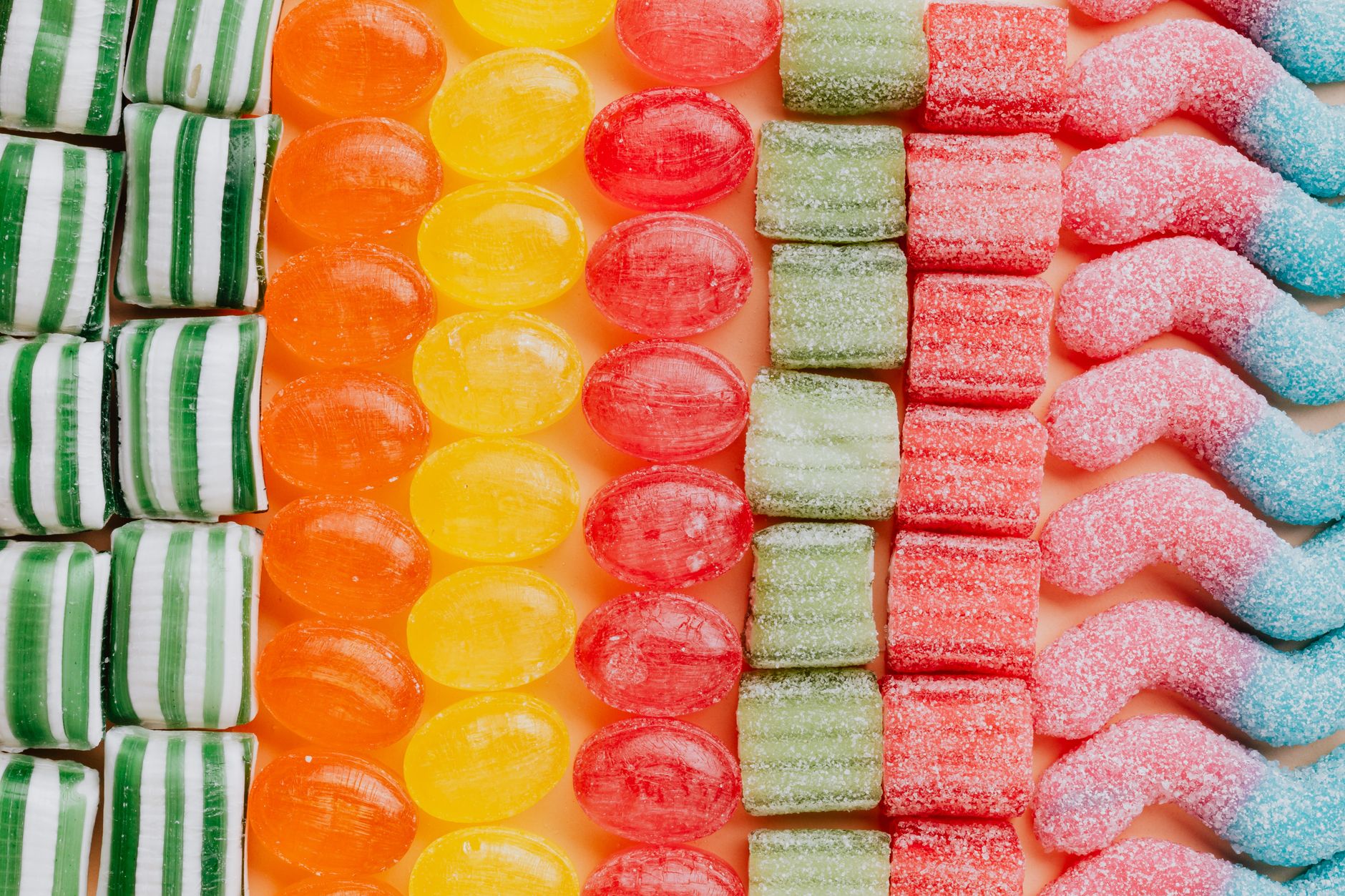
Safe in moderation. Jolly Ranchers are generally safe during pregnancy if consumed occasionally, but limit intake due to high sugar content and artificial additives, especially in the first trimester.
By Shubhra Mishra — a mom of two who turned her own confusion during pregnancy into BumpBites, a global mission to make food choices clear, safe, and stress-free for every expecting mother. 💛
Check whether any food is safe during pregnancy with the BumpBites Food Safety Checker.
Quick verdict: ⚠️ Safe with limits. Jolly Ranchers can be enjoyed in moderation during pregnancy, but you should keep intake to a small amount each day and watch for high sugar or artificial‑color concerns.
It’s 2 a.m., you’re scrolling through a late‑night snack aisle in your kitchen, and a bright pack of Jolly Ranchers catches your eye. You wonder, is jolly ranchers safe during pregnancy? You’re not alone—many expecting parents have that same 3 a.m. moment of doubt. The good news is that, for most pregnant people, these hard candies are not a teratogen (a substance that can cause birth defects). They are simply a source of sugar and artificial color, which you’ll want to enjoy mindfully.
In this article we’ll give you a clear verdict, break down safety by each trimester, explain how many candies you can safely eat, compare regular versus sugar‑free versions, and suggest gentler sweet treats that still satisfy cravings. We’ll also flag any red‑alert symptoms and let you know when it’s time to call your provider. By the end, you’ll be able to make an informed choice without the midnight worry.
We also understand that pregnancy isn’t just about the baby—your own comfort, energy levels, and cravings matter, too. That’s why we’ll touch on how Jolly Ranchers might affect nausea, blood‑sugar control, and even dental health, so you can weigh the whole picture before reaching for that colorful bag.
Period
Verdict
Notes
First trimester
⚠️ Safe with limits
Keep to ≤2 pieces per day; watch for high‑intensity artificial colors.
Second trimester
⚠️ Safe with limits
Same limit; consider overall added‑sugar intake (<10% of daily calories).
Third trimester
⚠️ Safe with limits
Same limit; monitor for gestational‑diabetes risk if you have other sugar sources.
Breastfeeding
⚠️ Safe with limits
Limit to ≤2 pieces daily; high sugar may affect milk taste for baby.
Remember: a small handful is enough to satisfy a sweet craving without overloading on sugar.
What is Jolly Rancher?
Jolly Rancher is a brand of hard, fruit‑flavored candy that was first introduced in the 1940s. The classic product is a small, translucent, sugar‑based candy that gets its bright hue from food‑grade artificial colors such as Red 40, Yellow 5, and Blue 1. The candy is made primarily of sugar, corn syrup, and malic acid, which gives it that signature tart‑sweet punch. In recent years, the brand has expanded to include gummy versions, sour varieties, and sugar‑free options that use sugar substitutes like erythritol or stevia.
People reach for Jolly Ranchers for a quick burst of flavor, a convenient on‑the‑go treat, or simply out of nostalgia. Because the candy is shelf‑stable, it’s a common item to keep in a pantry or travel bag. While the original hard candy contains no protein or fat, its high sugar content means it contributes calories that can add up quickly if eaten in large quantities.
Beyond the classic hard candy, the Jolly Rancher line now offers “Natural Colors” versions that replace synthetic dyes with beet‑derived red and turmeric‑derived yellow pigments. These variants aim to appeal to consumers seeking fewer artificial additives while preserving the brand’s trademark intensity.
Is Jolly Rancher safe during pregnancy?
T
he short answer to is jolly ranchers safe during pregnancy is: yes, if you keep consumption modest and stay within the general added‑sugar recommendations set by health authorities. The American College of Obstetricians and Gynecologists (ACOG) advises that added sugars should make up less than 10 % of daily calories—roughly 200 kcal (about 50 g of sugar) for a typical 2,000‑kcal diet. A single Jolly Rancher contains about 2 g of sugar, so a handful of pieces stays well within that limit.
Both the U.S. Food and Drug Administration (FDA) and the United Kingdom’s National Health Service (NHS) list the ingredients in Jolly Rancher hard candy as “generally recognized as safe” (GRAS) for the general population, including pregnant people. The main concerns are not teratogenic; they are nutritional—excess sugar can contribute to gestational diabetes, excessive weight gain, and dental decay. Artificial colors such as Red 40 have been the subject of debate, but the FDA has determined them safe at the levels used in candy. Some studies suggest a possible link between high‑dose artificial color exposure and hyperactivity in children, but no conclusive evidence ties typical candy consumption to birth defects.
In practice, most obstetricians counsel pregnant patients to limit sweets, especially if they have a history of gestational diabetes or are managing weight gain. The guidance aligns across ACOG, the NHS, and the CDC, which all emphasize moderation rather than outright avoidance for most low‑risk pregnancies.
It’s also worth noting that while the candy itself isn’t a teratogen, the sugar spike it can cause may affect how your body processes other nutrients. For example, a rapid rise in blood glucose can temporarily reduce the efficiency of iron absorption, a mineral that’s crucial for fetal development. Therefore, pairing a candy treat with a protein or fiber source—like a handful of nuts—can help blunt the glucose surge.
Are Jolly Ranchers safe to eat during the first trimester?
The first trimester is the period of organogenesis, when the baby's major organs are forming. Because Jolly Ranchers do not contain known teratogens, they are not inherently unsafe during this window. However, the same sugar‑limit guidance applies: keep intake to no more than two pieces per day to stay under the 10 % added‑sugar threshold.
If you have a history of nausea or hyperemesis gravidarum, the sour flavor of Jolly Ranchers might actually help settle an upset stomach, but you should still limit yourself. Excessive sugar can exacerbate morning‑sickness symptoms for some people, so monitoring how you feel after a candy bite is wise.
First‑trimester cravings are often intense, and many expectant mothers report a sudden desire for sweet or sour foods. Because the candy’s bright colors are derived from FDA‑approved dyes, there’s no evidence they pose a risk to the developing embryo, but maintaining a balanced diet overall remains the best strategy.
Can I eat Jolly Ranchers in the second trimester without risk?
During the second trimester, the baby’s growth accelerates, and many pregnant people experience fewer nausea symptoms. This makes it a good time to enjoy a small sweet treat if you crave it. The safety profile remains the same: two to three pieces per day are acceptable, provided your overall diet stays within the added‑sugar limits set by ACOG and the NHS.
Women who have been diagnosed with gestational diabetes should follow their provider’s specific carbohydrate recommendations. In those cases, a hard candy like Jolly Rancher may need to be counted as part of the daily carbohydrate allowance, and the amount might need to be reduced further.
Second‑trimester nutritional needs also include increased iron and calcium. If you find yourself reaching for candy frequently, consider pairing it with a calcium‑rich snack (like a small glass of fortified soy milk) to help meet those needs without overloading on sugar.
How many Jolly Ranchers can a pregnant woman safely consume per day?
Most authorities agree that a modest portion—roughly 2 to 3 pieces (about 6–9 grams of sugar)—is a safe daily limit for a typical pregnancy. This amount fits comfortably within the ≤10 % added‑sugar guideline from ACOG and the NHS, which translates to about 50 grams of added sugar per day on a 2,000‑kcal diet. If you already consume other sugary foods or drinks, you may want to lower the candy count accordingly.
For sugar‑free Jolly Ranchers, the sugar content is negligible, but the artificial sweetener and color load still call for moderation. Even though they don’t add sugar calories, they can still affect gut tolerance and, in rare cases, cause a laxative effect if you eat many of them.
Remember that “safe” does not mean “nutritious.” While a few pieces are fine, they should not replace more nutrient‑dense snacks that provide vitamins, minerals, and fiber essential for both you and your baby.
What are safer candy alternatives to Jolly Ranchers for pregnant women?
Fruit snacks (no added sugar) – provide natural fruit flavor without the high sugar load.
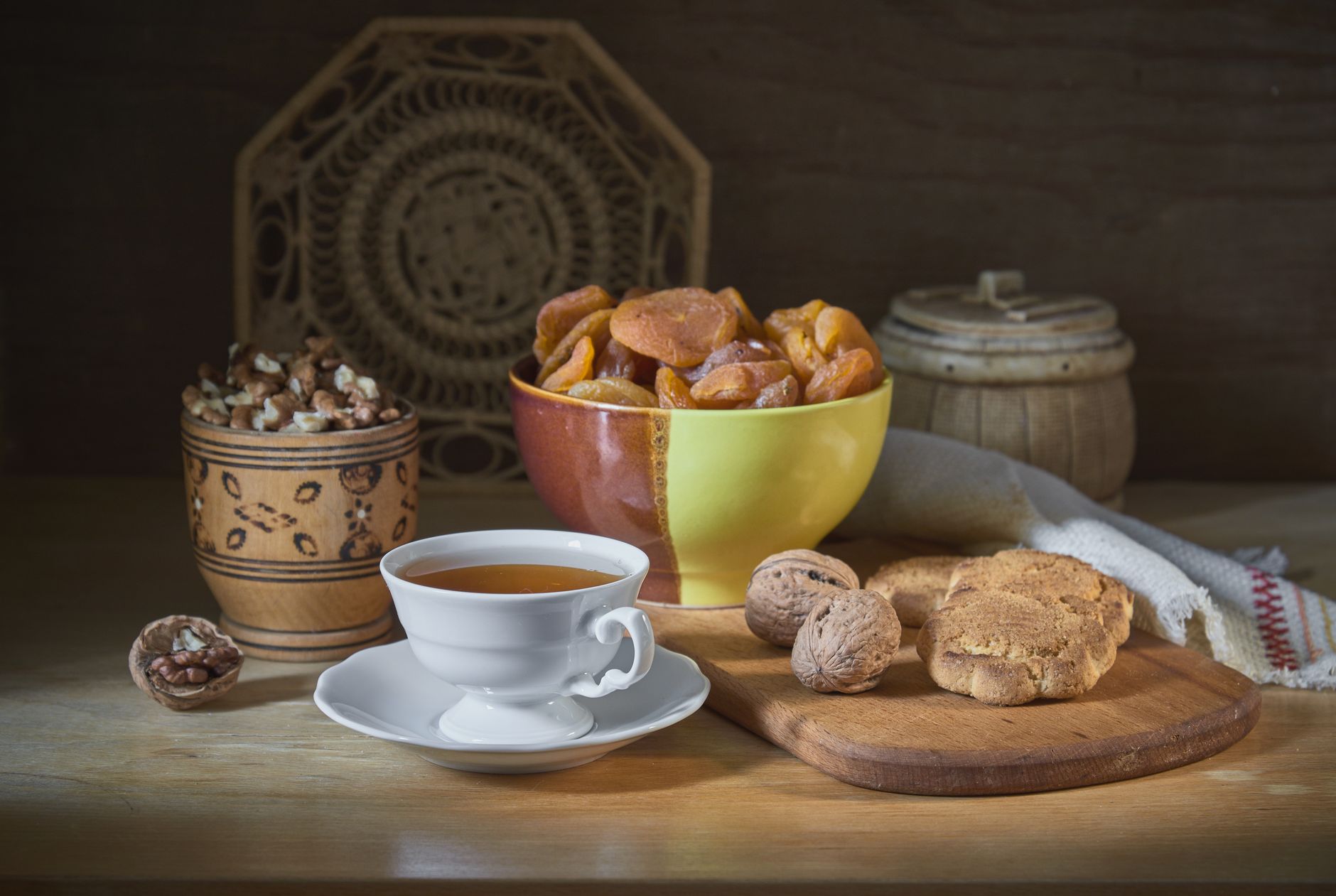
Dried apricots – a sweet, fiber‑rich option that also supplies potassium.
Organic dark chocolate (70 % cocoa) – offers antioxidants and less sugar than milk chocolate.
Natural gummy bears with plant‑based colors – avoid synthetic dyes while still offering chewable fun.
Honey sticks – a natural sweetener that can be drizzled over toast or eaten straight.
Organic fruit leathers – chewy, fruit‑based snacks with minimal added sugars.
Sugar‑free hard candy (e.g., stevia‑sweetened lollipops) – lower sugar impact while still satisfying a hard‑candy craving.
Each of these alternatives brings something extra—whether it’s fiber, antioxidants, or healthier fats—that plain Jolly Ranchers lack. Choosing a nutrient‑dense option a few times a week can keep cravings at bay while supporting your pregnancy nutrition goals.
Do different Jolly Ranchers flavors have different safety concerns during pregnancy?
All regular Jolly Rancher flavors—cherry, watermelon, green apple, blue raspberry, and grape—share the same basic ingredient list: sugar, corn syrup, malic acid, and the same set of artificial colors. The flavor itself does not change the safety profile. However, the green apple and blue raspberry varieties contain the highest concentrations of Blue 1, a synthetic dye that some expectant parents prefer to limit. If you’re particularly cautious about artificial colors, you might choose the red (cherry) or watermelon flavors, which rely more on Red 40 and Yellow 5.
Sugar‑free versions use sugar substitutes (e.g., erythritol) and sometimes different colorants. While the sweeteners are considered safe by the FDA, they can cause gastrointestinal discomfort if consumed in large amounts. Stick to the same modest portion size (2–3 pieces) for sugar‑free flavors as for the regular ones.
Some limited‑edition seasonal flavors have been marketed with “natural” color claims. These use plant‑derived pigments, which are generally regarded as safe, but they may still contain small amounts of added sugar, so the same moderation rules apply.
What are the potential risks of eating Jolly Ranchers while pregnant?
The primary risks stem from the candy’s high sugar content and artificial additives. Excessive sugar intake can contribute to:
Gestational diabetes or worsening of already‑diagnosed gestational diabetes.
Excessive weight gain, which may increase the chance of pre‑eclampsia.
Dental caries, especially if oral hygiene is neglected.
Artificial colors, while deemed safe at regulatory‑approved levels, have been linked in some observational studies to hyperactivity in children. Though this does not directly affect fetal development, some parents prefer to limit exposure as a precaution.
Finally, the acidic component (malic acid) can irritate a sensitive stomach, potentially worsening heartburn—a common pregnancy complaint. If you already suffer from reflux, you may find that even a small handful of Jolly Ranchers triggers discomfort.
Are there any pregnancy conditions that make Jolly Ranchers unsafe to eat?
If you have been diagnosed with gestational diabetes, pre‑existing diabetes, or severe gestational hypertension, your provider may advise stricter carbohydrate limits, which would include limiting or avoiding sugary candies like Jolly Ranchers. Women with a history of recurrent urinary‑tract infections might also be counseled to limit high‑sugar foods, as sugar can promote bacterial growth.
Those with a known allergy to any of the candy’s ingredients (e.g., corn syrup or specific artificial dyes) should avoid it entirely, as allergic reactions can pose a risk to both mother and baby.
In rare cases, individuals with phenylketonuria (PKU) must monitor intake of certain artificial color additives, though Jolly Rancher colors are not a primary source of phenylalanine. Nonetheless, a PKU‑aware provider should be consulted.
Is sugar‑free Jolly Ranchers safer for pregnant women?
Sugar‑free Jolly Ranchers eliminate the added‑sugar concern, making them a better choice for those watching carbohydrate intake. However, they still contain artificial colors and sugar‑substitute additives. The FDA classifies the sweeteners used (e.g., erythritol, stevia) as GRAS, but consuming large amounts can lead to digestive upset. For most pregnant people, a few sugar‑free pieces per day are fine, but the overall recommendation remains: enjoy them in moderation.
If you experience bloating, gas, or loose stools after eating sugar‑free candy, consider scaling back or switching to a naturally sweetened alternative like dried fruit.
Safety by trimester
First trimester
During organ formation, the focus is on avoiding known teratogens. Jolly Ranchers do not contain teratogenic substances, so the key is moderation. Stick to ≤2 pieces per day, and monitor for any unusual cravings or nausea that might indicate over‑consumption of sugar.
Because many women experience heightened sensitivity to smells and flavors in early pregnancy, the intense fruit flavors can sometimes trigger nausea. If you notice that a particular flavor worsens your morning sickness, it’s wise to pause that variety and try a milder option.
Second trimester
As the baby’s growth accelerates, maintaining balanced nutrition becomes essential. The same ≤2‑piece guideline applies, but you may have a slightly higher overall calorie allowance. If you have gestational diabetes, follow your provider’s carbohydrate counting plan, which may reduce the candy allowance further.
Second‑trimester cravings often shift toward more substantial foods, but a sweet treat can still be a comforting pick‑me‑up. Pairing Jolly Ranchers with a protein‑rich snack (like a slice of cheese) can help stabilize blood sugar and keep cravings in check.
Third trimester
In the final weeks, many women experience increased appetite and occasional cravings. Keeping candy intake modest (≤2 pieces) helps avoid excess weight gain and supports stable blood‑sugar levels, especially as labor approaches.
Because the third trimester is also when iron needs peak, it’s helpful to balance sugary snacks with iron‑rich foods (such as leafy greens or fortified cereals) to ensure you’re meeting both energy and micronutrient demands.
Breastfeeding
Post‑partum, the same sugar limits apply. Excessive sugar can affect the taste of breastmilk, and high‑sugar diets may influence maternal energy levels. A small daily portion of Jolly Ranchers is generally acceptable while nursing.
Some lactating parents notice that very sweet foods can make their milk taste sweeter, which may affect infant feeding preferences. If you observe your baby turning away at feeds after a sugary snack, consider reducing candy intake.
Jolly Ranchers and gestational diabetes
Gestational diabetes (GDM) requires careful monitoring of carbohydrate intake. Because each Jolly Rancher contains about 2 g of sugar, a single piece counts as roughly 0.5 tsp of carbohydrate. Women with GDM can incorporate a candy treat into their daily carbohydrate budget, but the total added‑sugar from all sources should still stay below the 10 % threshold recommended by ACOG.
Many clinicians suggest pairing the candy with a source of protein or fiber—like a few almonds—to slow glucose absorption. This simple strategy can satisfy a sweet craving while minimizing blood‑glucose spikes.
Jolly Ranchers and morning sickness
Morning sickness can be debilitating, and some expectant parents find that sour or tangy flavors, like those in Jolly Ranchers, provide temporary relief. The malic acid in the candy can stimulate saliva production, which may help settle an upset stomach.
However, the sugar surge that follows can sometimes worsen nausea later in the day. If you discover that the candy provides short‑term comfort but leads to later discomfort, try a milder, low‑acid snack such as plain crackers or a small piece of fruit.
Jolly Ranchers and dental health during pregnancy
Pregnancy hormones can increase the risk of gum inflammation and tooth decay. The sticky, sugary nature of hard candy encourages bacteria to produce acid that erodes enamel. To protect your teeth, rinse your mouth with water after enjoying a candy, and wait at least 30 minutes before brushing to avoid damaging softened enamel.
Regular dental check‑ups are especially important in pregnancy. Your dentist can provide personalized advice on how often you should clean your teeth and whether you need a fluoride rinse to counteract the effects of sugary treats.
Choosing a fruit‑based snack can satisfy a sweet tooth while adding nutrients.
Safe dosage / amount / brands
Because Jolly Rancher is a candy, the “dosage” is simply a portion size. A standard Jolly Rancher hard candy weighs about 3 grams and contains roughly 2 grams of sugar. For a typical 2,000‑kcal diet, the ACOG recommendation of ≤10 % added sugars translates to a maximum of 50 grams of added sugar per day. This means you could safely enjoy up to 25 pieces if you ate no other sugary foods—though most clinicians advise a far lower number to keep overall nutrition balanced.
Most reputable brands (e.g., Jolly Rancher Hard Candy, Jolly Rancher Gummies) meet FDA safety standards. If you prefer a version with fewer artificial colors, look for the “Natural Colors” line, which uses plant‑based dyes like beet juice and turmeric. For sugar‑free lovers, the “Jolly Rancher Sugar‑Free Hard Candy” (stevia‑sweetened) is a low‑calorie option, but keep the portion modest to avoid digestive upset.
When selecting a brand, check the packaging for “no added sugar” or “reduced‑sugar” claims, and verify that any “natural” label still lists the same basic ingredients. Some store‑brand versions may contain slightly different sweetener blends, so always read the ingredient list if you have sensitivities.
Side effects and risks
Common, non‑dangerous side effects include mild stomach discomfort or heartburn, especially if you consume several candies at once. The acidic component (malic acid) can exacerbate reflux, a frequent pregnancy complaint.
More serious concerns arise when candy consumption pushes your added‑sugar intake beyond recommended limits. Signs that you may be overdoing it include:
Sudden spikes in blood‑glucose readings (if you’re monitoring for gestational diabetes).
Rapid weight gain beyond your provider’s guidelines.
Persistent dental pain or visible plaque buildup.
If you notice any of these, reduce sugary snacks and discuss your diet with your obstetrician. Additionally, rare allergic reactions to artificial dyes can manifest as hives, itching, or swelling. An immediate reaction warrants urgent medical attention.
While the candy itself isn’t a direct teratogen, chronic over‑consumption of sugary foods can indirectly affect fetal growth by contributing to maternal obesity, which is linked to higher rates of pre‑term birth and macrosomia (large‑for‑gestational‑age babies).
Safer alternatives
Fruit snacks (no added sugar) – provide natural fruit flavor without the extra sugar.
Dried apricots – a chewy, nutrient‑dense snack that satisfies sweet cravings.
Organic dark chocolate (70 % cocoa) – lower sugar and rich in antioxidants.
Natural gummy bears with plant‑based colors – avoid synthetic dyes while keeping the fun texture.
Honey sticks – a natural sweetener that can be enjoyed straight or drizzled over oatmeal.
Organic fruit leathers – fruit‑based, low‑sugar chewables.
Sugar‑free hard candy (e.g., stevia‑sweetened lollipops) – minimal sugar impact, still a hard‑candy experience.
Choosing alternatives that also deliver fiber, vitamins, or healthy fats can help curb cravings while contributing to the nutritional needs of pregnancy.
Related items — safety at a glance
Item
Verdict
Note
Skittles
⚠️ Safe with limits
Similar sugar and artificial color profile as Jolly Ranchers.
Starburst
⚠️ Safe with limits
Chewy version adds more sugar per serving.
Haribo gummy bears
⚠️ Safe with limits
Contains gelatin and artificial colors; watch portion size.
Sour Patch Kids
⚠️ Safe with limits
Higher acidity; may worsen heartburn.
Lifesavers
⚠️ Safe with limits
Hard candy, lower sugar per piece than Jolly Ranchers.
M&M's
⚠️ Safe with limits
Chocolate adds fat; portion control still needed.
Candy corn
⚠️ Safe with limits
High sugar and corn‑based; limit during gestational diabetes.
Twizzlers
⚠️ Safe with limits
Contains corn syrup and artificial colors; similar sugar content.
Reese's Peanut Butter Cups
⚠️ Safe with limits
Higher fat and sugar; watch portion size.
Ghirardelli Squares
⚠️ Safe with limits
Dark chocolate option with less sugar than milk chocolate.
Myth vs. fact
Myth: All candy is unsafe during pregnancy because of “chemicals.”
Fact: The FDA has evaluated the ingredients in Jolly Ranchers and other candies as safe for the general population, including pregnant people, when consumed in moderation.
Myth: Artificial colors in candy cause birth defects.
Fact: Current evidence does not link the FDA‑approved artificial colors in Jolly Ranchers to fetal abnormalities; the concern is primarily about possible hyperactivity in children, not teratogenic effects.
Myth: Sugar‑free candy is completely risk‑free for pregnant women.
Fact: Sugar‑free versions remove added sugar but still contain artificial sweeteners and colors, which can cause digestive upset and should still be limited.
Key takeaways
Jolly Ranchers are not teratogenic; they are safe with moderation.
Limit intake to ≤2‑3 pieces per day to stay within the 10 % added‑sugar guideline.
Women with gestational diabetes should count candy as part of their carbohydrate budget.
Artificial colors are approved as safe, but you may prefer flavors with fewer dyes.
Consider nutrient‑dense alternatives like dried fruit, dark chocolate, or natural gummy bears.
If you notice blood‑sugar spikes, rapid weight gain, or dental issues, cut back and talk to your provider.
Pairing candy with protein or fiber can help blunt sugar spikes and reduce morning‑sickness triggers.
Frequently asked questions
Can pregnant women eat Jolly Ranchers?
Yes—most pregnant people can enjoy Jolly Ranchers in moderation. Aim for no more than 2‑3 pieces per day to keep added sugar within recommended limits.
Are artificial colors in Jolly Ranchers harmful during pregnancy?
Current FDA and ACOG guidance considers the artificial colors in Jolly Ranchers (Red 40, Yellow 5, Blue 1) safe at the levels used in candy. There is no evidence they cause birth defects, though some parents choose to limit them as a precaution.
What is the recommended limit of candy for pregnant women?
Health authorities suggest that added sugars should not exceed 10 % of daily calories—about 50 grams of sugar on a 2,000‑kcal diet. This translates to roughly 2‑3 Jolly Rancher pieces per day if you have no other sugary foods.
Do Jolly Ranchers contain any ingredients to avoid while pregnant?
The primary concerns are high sugar content, artificial colors, and malic acid, which can aggravate heartburn. If you have gestational diabetes, a corn‑based allergy, or a sensitivity to artificial dyes, you may need to limit or avoid them.
Is sugar‑free Jolly Ranchers safe for pregnancy?
Sugar‑free versions remove the added‑sugar issue, making them a better option for those monitoring carbohydrate intake. However, they still contain artificial colors and sweeteners, so moderation is still advised.
Can eating too much candy cause gestational diabetes?
Eating excessive amounts of sugary candy can raise blood‑glucose levels and increase the risk of gestational diabetes, especially if you have other risk factors. Keeping candy consumption within the recommended limits helps mitigate this risk.
What are the best snack options for pregnant women?
Balanced snacks that combine protein, fiber, and healthy fats—such as Greek yogurt with berries, apple slices with almond butter, or a handful of nuts—provide steady energy and curb cravings without overloading on sugar.
What if I have a food allergy to an ingredient in Jolly Ranchers?
If you’re allergic to corn syrup, artificial dyes, or any other listed ingredient, avoid Jolly Ranchers entirely. An allergic reaction can cause hives, swelling, or difficulty breathing, which requires prompt medical attention.
Do natural‑color Jolly Ranchers differ in safety compared to regular ones?
Natural‑color versions replace synthetic dyes with plant‑derived pigments, which are also deemed safe by the FDA. The sugar content remains the same, so the same moderation guidelines apply. Some parents prefer the natural option for peace of mind.
When to call your doctor
If you notice any of the following after eating Jolly Ranchers, contact your obstetrician promptly:
Persistent high blood‑glucose readings (if you’re monitoring for gestational diabetes).
Sudden, unexplained swelling or rapid weight gain.
Severe heartburn or acid reflux that does not improve with typical remedies.
Signs of an allergic reaction: hives, swelling, difficulty breathing.
Dental pain or visible cavities.
These signs may indicate that your sugar intake is affecting your health or that you have an underlying condition requiring medical attention. This article provides general information and is not a substitute for personalized medical advice.
References
American College of Obstetricians and Gynecologists (ACOG). “Nutrition During Pregnancy.” 2023.
National Health Service (NHS). “Food and drink safety during pregnancy.” Updated 2022.
U.S. Food and Drug Administration (FDA). “Food Additives, Color Additives.” 2021.
Centers for Disease Control and Prevention (CDC). “Gestational Diabetes.” 2023.
Mayo Clinic. “Gestational diabetes: Symptoms, causes, and treatment.” 2022.
World Health Organization (WHO). “Guidelines on sugar intake for adults and children.” 2022.
National Institute for Health and Care Excellence (NICE). “Antenatal care for uncomplicated pregnancies.” 2022.
Not sure about the label on Is Jolly Ranchers Safe During Pregnancy products?
Snap the ingredients list and SafeFilter checks every ingredient for your stage — only 3 free scans this month, then you're locked until reset. Unlimited from $7/mo or $50/yr.
When Shubhra Mishra was expecting her first child in 2016, she was overwhelmed by conflicting food advice — one site said yes, another said never. By the time her second baby arrived in 2019, she realized millions of mothers face the same confusion.
That sparked a five-year journey through clinical nutrition papers, cultural diets, and expert conversations — all leading to BumpBites: a calm, compassionate space where science meets everyday motherhood.
Her long-term vision is to build a global community ensuring safe, supported, and free deliveriesfor every mother — because no woman should face pregnancy alone or uninformed. 🌿
🌍 Stand with mothers, shape safer guidance
Join a small circle of experts who review BumpBites articles so expecting parents everywhere can decide with confidence.