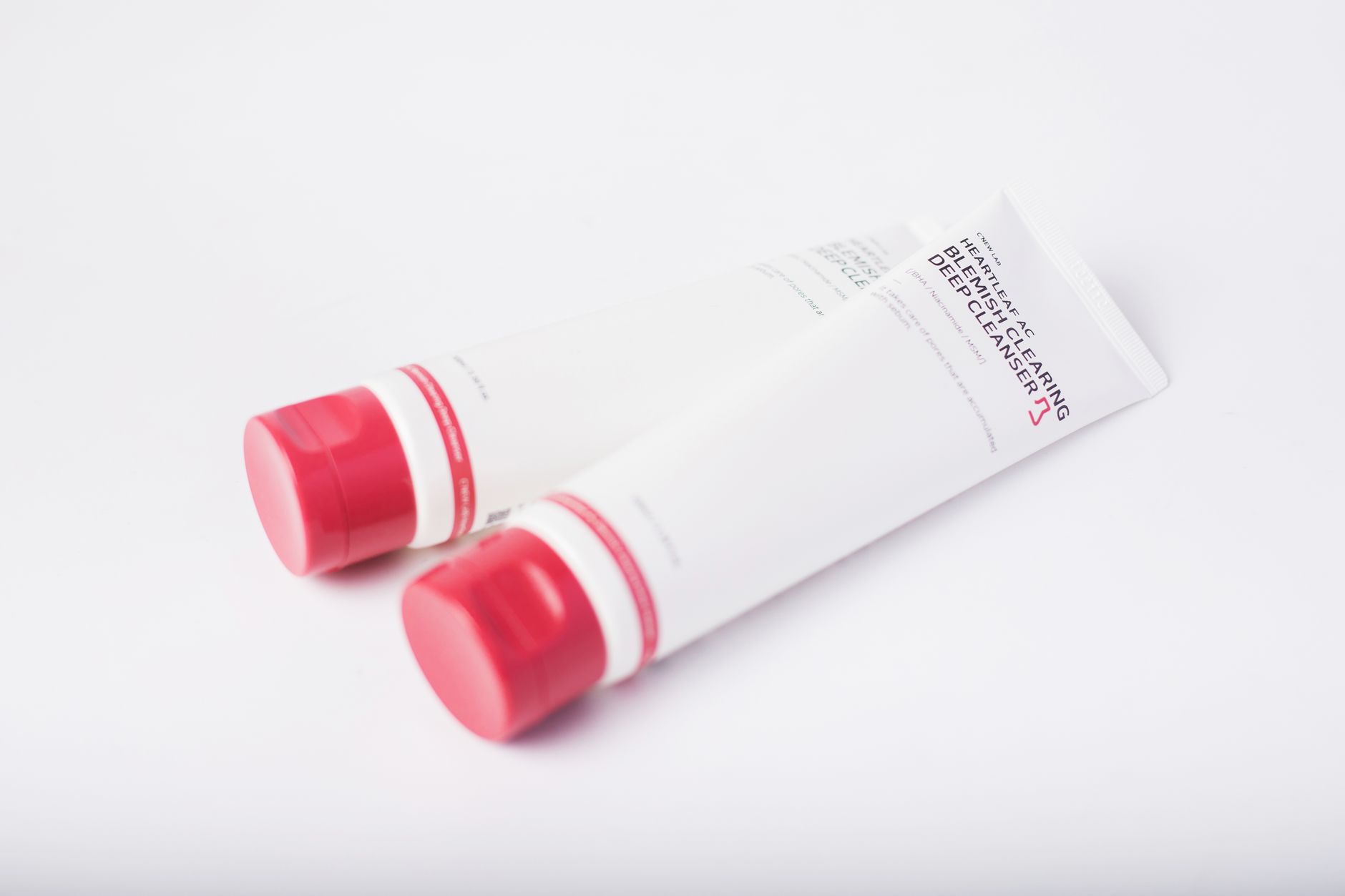
Limit hydroquinone cream 4 during pregnancy, especially in the first trimester, due to potential absorption concerns. Consult your doctor to assess risks and
By Shubhra Mishra — a mom of two who turned her own confusion during pregnancy into BumpBites, a global mission to make food choices clear, safe, and stress-free for every expecting mother. 💛
Check whether any food is safe during pregnancy with the BumpBites Food Safety Checker.
Quick verdict: ⚠️ Hydroquinone cream 4 is not safe during pregnancy. We strongly advise avoiding it throughout all trimesters and while breastfeeding. If you have already used it, consult your provider promptly.
When you’re 3 a.m. scrolling through forums and suddenly see a post that says “is hydroquinone cream 4 safe during pregnancy?”—your heart races. You may have already applied a few pumps to a stubborn spot or are weighing whether to start a new treatment for melasma or post-inflammatory hyperpigmentation. We understand that finding clear, reliable information can be tough, and the worry about your baby's health is paramount.
The truth is simple: hydroquinone cream 4 is not recommended for pregnant or breastfeeding women. This isn't to alarm you, but to provide clear guidance based on the best available evidence and expert consensus. Below we break down why, how to safely manage pigmentation concerns, and what alternatives you can consider, so you can make confident choices for your skin and your baby.
We’ll walk through trimester-specific guidance, dosage considerations (or lack thereof), brand evaluations, and side-effect profiles. We’ll also delve into common concerns like melasma and post-inflammatory hyperpigmentation, offering practical, pregnancy-safe solutions. Finally, we’ll give you a quick reference table of related products and their pregnancy safety, so you can make informed choices without hunting down each item individually.
Before deciding on any skin-lightening product, check its safety profile for pregnancy, and always consult your doctor.
Trimester / Period
Safety Verdict
Notes
First trimester
❌ Best avoided
Highest risk for organogenesis; systemic absorption can reach the fetus.
Second trimester
❌ Best avoided
Still a period of rapid fetal growth; no evidence of safety.
Third trimester
❌ Best avoided
Potential for placental transfer and neonatal exposure.
Breastfeeding
❌ Best avoided
Hydroquinone can appear in breast milk; safety unknown and potential for infant exposure.
What is hydroquinone cream 4?
Hydroquinone is a phenolic compound primarily used as a topical depigmenting agent. In many countries, the "4" in "hydroquinone cream 4" refers to a 4% concentration, which is often the highest strength available over-the-counter or by prescription, depending on local regulations. It works by targeting melanocytes, the cells responsible for producing melanin (skin pigment). Specifically, it inhibits the enzyme tyrosinase, a key step in the melanin synthesis pathway, thereby reducing the amount of pigment produced.
Because it effectively reduces melanin synthesis, hydroquinone is a popular and potent treatment for various hyperpigmentation disorders, including stubborn melasma (often called the "mask of pregnancy," ironically), post-inflammatory hyperpigmentation (dark spots left after acne or injury), and age spots. While highly effective, its mechanism of action involves cellular processes that can be a concern during sensitive developmental periods. Even though it's applied topically, hydroquinone does penetrate the skin's deeper layers and can enter the bloodstream. In non-pregnant adults, systemic absorption is generally low, typically around 35-45% of the applied dose, but the developing fetus’s organs are highly sensitive to chemicals that can potentially disrupt cell signaling, DNA replication, or normal growth.
Regulatory agencies globally have taken a cautious stance regarding hydroquinone use in pregnancy. The American College of Obstetricians and Gynecologists (ACOG) advises against hydroquinone use during pregnancy due to insufficient safety data. Similarly, the National Health Service (NHS) in the UK lists hydroquinone among substances to avoid. The U.S. Food and Drug Administration (FDA) has classified hydroquinone as a Category C drug for pregnancy, meaning animal studies have shown an adverse effect on the fetus, but there are no adequate and well-controlled studies in humans. The FDA recommends discontinuation if pregnancy is confirmed or suspected, emphasizing that the potential benefits do not outweigh the unknown risks during gestation.
Is hydroquinone cream 4 safe during pregnancy?
The core concern with hydroquinone cream 4 during pregnancy stems from its systemic absorption and the lack of robust human safety data. Current evidence, primarily from animal studies, indicates that hydroquinone can cross the placental barrier, meaning it can reach the developing fetus. Once it crosses, it has the potential to accumulate in fetal tissues, which is particularly worrying because a fetus's detoxification systems are immature and less capable of processing such compounds.
In various animal models, high-dose exposure to hydroquinone has been linked to teratogenic outcomes, which are effects that can cause birth defects. These have included observations such as limb malformations, growth retardation, and other developmental abnormalities. While animal studies don't always directly translate to humans, they serve as a critical warning sign, especially when human data is limited. Human case reports on hydroquinone use in pregnancy are sparse and often anecdotal, but they raise concerns about potential neurodevelopmental effects and, more commonly, severe skin irritation or allergic contact dermatitis for the mother. This maternal skin reaction itself can be problematic, potentially leading to secondary infections that might require medications with their own pregnancy considerations.
Given that the safety profile is unclear, and the potential for harm to a developing fetus outweighs the cosmetic benefits of treating hyperpigmentation, obstetric authorities—including ACOG, the NHS, and the FDA—uniformly recommend avoiding hydroquinone cream 4 during pregnancy and breastfeeding. This conservative approach prioritizes fetal safety in the face of uncertainty. If you’re experiencing hyperpigmentation, such as melasma or dark spots, we strongly encourage you to discuss safer, evidence-based options with your obstetrician or a dermatologist. They can tailor a treatment plan to your stage of pregnancy that effectively manages your skin concerns without compromising fetal health.
Is hydroquinone cream 4 safe during the first trimester?
The first trimester, particularly weeks 3 through 8, is a critical period known as organogenesis—when all of the baby's major organs and body systems are forming. During this delicate stage, the developing embryo is highly vulnerable to external factors, including certain chemicals and medications. Hydroquinone’s mechanism of action, which involves inhibiting enzyme activity and potentially inducing oxidative stress pathways, could theoretically disrupt the intricate cellular processes necessary for normal embryonic development. Any interference during this window carries the highest risk for major structural birth defects. Consequently, the first trimester is considered the highest-risk window for exposure to potentially harmful substances, and hydroquinone cream 4 is strongly discouraged and best avoided during this time. If you used it before you knew you were pregnant, cease use immediately and consult your doctor.
Is hydroquinone cream 4 safe during the second trimester?
By the second trimester, most of the major organ systems are already formed, and the risk of major structural birth defects is generally lower compared to the first trimester. However, this period is still a time of rapid fetal growth, maturation of organs, and ongoing neurological development. Hydroquinone’s ability to cross the placenta and accumulate in fetal tissues means it can continue to affect organ maturation and cellular functions, even if the initial formation is complete. There is no reliable evidence to suggest that the risk associated with hydroquinone becomes negligible in the second trimester. Therefore, the medical consensus remains firm: hydroquinone cream 4 should be avoided during the second trimester to prevent any potential subtle developmental impacts or unknown long-term effects.
Is hydroquinone cream 4 safe during the third trimester?
In the third trimester, the placenta is fully developed and maternal-fetal exchanges are at their peak efficiency, allowing for greater transfer of substances from the mother to the baby. This means that if you use hydroquinone cream 4, there’s a higher likelihood of it being transferred into fetal circulation. At this stage, while organ formation is complete, the fetus is rapidly gaining weight, and systems like the skin and nervous system are still undergoing significant maturation. Exposure to hydroquinone could theoretically affect these maturing systems. Furthermore, there's a concern about potential neonatal exposure if hydroquinone is used close to delivery, as it could be present in the newborn's system. For these reasons, and because the potential risks outweigh any cosmetic benefits, hydroquinone cream 4 is not recommended in the third trimester.
Hydroquinone and Breastfeeding
The concerns about hydroquinone safety extend beyond pregnancy into the breastfeeding period. While topical application leads to systemic absorption, the extent to which hydroquinone is excreted into breast milk is not well-established. However, given its chemical properties and ability to enter the bloodstream, there is a theoretical risk that hydroquinone could be transferred to the nursing infant through breast milk. Infants, especially newborns, have immature livers and kidneys, which means they are less efficient at metabolizing and eliminating chemicals from their bodies. This immaturity makes them more vulnerable to potential adverse effects from even small exposures. Because of this unknown risk and the lack of studies confirming its safety in lactating women and their infants, medical authorities such as ACOG and the NHS advise against the use of hydroquinone cream 4 while breastfeeding. It's always safest to prioritize your baby's health and opt for known pregnancy and breastfeeding-safe alternatives for managing hyperpigmentation during this period.
What dosage of hydroquinone cream 4 is safe in pregnancy?
When it comes to hydroquinone cream 4 and pregnancy, the guidance is unequivocal: there is no safe dosage for pregnant women. The product is formulated for topical use, but as discussed, even minimal systemic absorption can pose risks to a developing fetus. Unlike some medications where a very low dose or short-term use might be deemed acceptable under strict medical supervision, the potential for teratogenic effects and the lack of comprehensive human safety data mean that any exposure is generally considered too risky. Therefore, the prudent and widely accepted approach by obstetric and dermatological bodies is zero tolerance: do not use hydroquinone cream 4 at any dose, for any duration, during pregnancy or while breastfeeding. If you're struggling with hyperpigmentation, your healthcare provider can guide you toward effective and proven safe alternatives.
Hydroquinone and Post-Inflammatory Hyperpigmentation (PIH) in Pregnancy
Post-inflammatory hyperpigmentation (PIH) is a common skin condition characterized by dark spots or patches that appear after an inflammatory event, such as acne, eczema, or a skin injury. Many pregnant individuals experience acne flares due to hormonal changes, which can subsequently lead to PIH. While hydroquinone is a highly effective treatment for PIH in non-pregnant individuals due to its melanin-inhibiting properties, its use is strongly discouraged during pregnancy. The same concerns about systemic absorption and potential fetal risks apply to PIH treatment as they do for melasma. It's crucial for pregnant individuals to avoid hydroquinone, even for seemingly minor dark spots, and instead focus on pregnancy-safe strategies. These include rigorous sun protection, gentle skincare, and topical treatments like azelaic acid or niacinamide, which can effectively fade PIH without posing risks to the baby. Your dermatologist can help you distinguish between PIH and other forms of hyperpigmentation and recommend the most appropriate safe treatment plan.
Addressing Pregnancy Melasma: Understanding and Safe Management
Melasma, often referred to as the "mask of pregnancy," is a very common and often distressing skin condition affecting pregnant individuals. It manifests as symmetrical, dark, irregular patches, typically on the face (cheeks, forehead, upper lip, chin). The primary triggers are hormonal fluctuations (increased estrogen and progesterone), coupled with sun exposure. While hydroquinone is considered the gold-standard treatment for melasma in non-pregnant adults, its use is contraindicated during pregnancy due to the risks we've discussed. It's important to understand that melasma often improves or resolves spontaneously after delivery, once hormone levels return to normal. However, managing it safely during pregnancy is possible and often involves a multi-pronged approach:
Strict Sun Protection: This is the most crucial step. Use a broad-spectrum mineral sunscreen (containing zinc oxide and titanium dioxide) with an SPF of 30 or higher daily, even indoors. Reapply every two hours, and wear wide-brimmed hats and sunglasses when outdoors. UV radiation is a major trigger and exacerbator of melasma.
Gentle Skincare: Avoid harsh exfoliants or irritating products that can cause inflammation, which can worsen melasma.
Pregnancy-Safe Topical Treatments: As detailed in our alternatives section, ingredients like azelaic acid, vitamin C, and niacinamide can help lighten melasma safely during pregnancy. These work through different mechanisms to inhibit melanin production or reduce pigment transfer without significant systemic absorption.
Patience: While it can be frustrating, remember that pregnancy melasma often fades naturally postpartum. Aggressive treatments during pregnancy are generally not worth the risk.
Always consult with your obstetrician or a dermatologist specializing in pregnancy skincare to develop a personalized and safe management plan for your melasma.
Alternative skin lightening products safe in pregnancy instead of hydroquinone cream 4
Many pregnant people understandably want to manage melasma or post-inflammatory hyperpigmentation. Fortunately, there are several evidence-based, pregnancy-safe alternatives to hydroquinone cream 4. These ingredients have been studied in pregnancy and are generally considered low risk when used as directed, offering a pathway to address your skin concerns without compromising your baby's health.
Azelaic Acid 10-20% Gel or Cream – This naturally occurring dicarboxylic acid is a fantastic option. It works by inhibiting tyrosinase (the same enzyme hydroquinone targets) and also has anti-inflammatory and antibacterial properties. It's widely used and approved for acne and melasma in pregnancy, with minimal systemic absorption.
Niacinamide 5-10% Serum – A form of Vitamin B3, niacinamide reduces the transfer of melanin from melanocytes to keratinocytes (skin cells), thereby reducing pigmentation. It also improves skin barrier function and reduces inflammation, making it a soothing and effective choice with no evidence of fetal harm.
Vitamin C 10-20% Serum (L-Ascorbic Acid) – As a powerful antioxidant, Vitamin C can lighten existing pigmentation and prevent new spots by inhibiting tyrosinase activity. It's considered safe when applied topically and offers additional benefits like collagen stimulation and protection against environmental damage.
Licorice Root Extract Cream – Contains glabridin and liquiritin, natural compounds that inhibit melanin production and disperse existing melanin. It's a gentler option, often found in combination with other brightening ingredients, and is considered pregnancy-approved in low doses.
Arbutin 1-2% Serum – This is a glycosylated hydroquinone analogue, meaning it's a sugar-bound form of hydroquinone found naturally in bearberry plants. It's thought to be metabolized locally in the skin into hydroquinone, but at a much slower rate, leading to less systemic absorption and toxicity. No systemic toxicity has been reported in pregnancy.
Bakuchiol 0.5-2% Cream – Marketed as a natural, plant-derived alternative to retinol, bakuchiol offers similar benefits in terms of collagen production and cell turnover, which can help with hyperpigmentation. Crucially, studies suggest it does not cross the placenta, making it a safe choice during pregnancy.
Alpha Arbutin 2% Serum – A purified, more stable form of arbutin, it offers similar melanin-inhibiting benefits with a good safety profile for pregnancy.
Mandelic Acid 5-10% Serum – A gentle alpha-hydroxy acid (AHA) derived from bitter almonds. It has a larger molecular size than glycolic acid, meaning it penetrates the skin more slowly, causing less irritation. It's effective for mild hyperpigmentation and considered safe in pregnancy when used in lower concentrations.
Brands of hydroquinone cream 4 that are safe for pregnant women
Because hydroquinone itself is contraindicated in pregnancy, there are no reputable brands that market a 4% hydroquinone cream as pregnancy-safe. Any product containing hydroquinone at this concentration should be considered unsafe for use during pregnancy and breastfeeding. Manufacturers of hydroquinone products typically include warnings on their labels, often stating "for adults only," "not for use during pregnancy or breastfeeding," or "consult your doctor if pregnant or breastfeeding." It is vital to always read the label thoroughly and, most importantly, consult your healthcare provider or a dermatologist before applying any hydroquinone product during pregnancy or while nursing. Prioritize your and your baby's health by choosing from the many safe alternatives available.
Risks of using hydroquinone cream 4 during pregnancy
The primary concern regarding hydroquinone cream 4 use during pregnancy is its teratogenic potential. This refers to the possibility of causing birth defects or developmental abnormalities in the fetus. As noted, animal studies have demonstrated serious fetal effects, including growth restriction and limb malformations, at doses higher than those expected from typical topical use. While human data are limited, the precautionary principle dictates avoiding such risks. Beyond teratogenicity, other potential risks include:
Fetal Developmental Risks: Even subtle exposures could theoretically impact neurodevelopmental pathways or organ maturation, though specific human data is lacking.
Maternal Skin Reactions: Hydroquinone is known to cause contact dermatitis, characterized by redness, itching, swelling, and blistering. This can be particularly uncomfortable during pregnancy when skin sensitivity might be heightened. Severe irritation can lead to secondary bacterial infections, which might require antibiotics, adding further complexity to pregnancy management.
Exogenous Ochronosis: While rare, prolonged or high-dose use of hydroquinone can lead to exogenous ochronosis, a permanent bluish-black discoloration of the skin. Although primarily a cosmetic concern for the mother, the possibility of such a side effect underscores the potency and potential for adverse reactions.
Because of these known and potential risks, and the absence of clear safety data in human pregnancy, obstetricians and dermatologists uniformly advise complete avoidance of hydroquinone cream 4 throughout all trimesters and during breastfeeding.
Hydroquinone cream 4 safety for pregnant women with melasma
Melasma is a very common pigmentary disorder in pregnancy, often driven by the significant hormonal changes that occur. While hydroquinone is indeed considered the gold-standard treatment for melasma in non-pregnant adults due to its potent melanin-inhibiting effects, pregnancy requires a complete shift to safer options. The desire to treat melasma during pregnancy is understandable, as it can be cosmetically distressing. However, the potential risks of hydroquinone to the developing fetus far outweigh the benefits of treating a condition that often resolves or significantly improves on its own after delivery. Dermatologists frequently prescribe azelaic acid, niacinamide, or vitamin C serums for melasma during pregnancy. These alternatives provide modest but effective lightening with a much better-established safety profile, allowing you to manage symptoms without compromising fetal health. Additionally, rigorous sun protection is paramount, as UV exposure is a major trigger for melasma.
Safer alternatives to hydroquinone cream 4
When you're navigating pregnancy, choosing skincare products requires extra care. Thankfully, there are many effective and safe alternatives to hydroquinone cream 4 for managing hyperpigmentation. These options are backed by medical consensus for use during pregnancy and breastfeeding:
Azelaic Acid 10-20% Gel or Cream – This is a top recommendation for pregnancy melasma and PIH. It effectively inhibits tyrosinase, reduces inflammation, and has antibacterial properties, all with minimal systemic absorption.
Niacinamide 5-10% Serum – A versatile ingredient that brightens skin tone by preventing melanin transfer, strengthens the epidermal barrier, and reduces redness. It's widely considered safe and beneficial in pregnancy.
Vitamin C 10-20% Serum (L-Ascorbic Acid) – A powerful antioxidant that lightens existing dark spots, inhibits melanin synthesis, and protects against environmental damage. It's pregnancy-approved when used topically.
Licorice Root Extract Cream – Contains natural compounds like glabridin and liquiritin that gently inhibit tyrosinase and help disperse existing melanin, making it a well-tolerated and safe option.
Arbutin 1-2% or Alpha Arbutin 2% Serum – These natural hydroquinone analogues work similarly but are metabolized locally in the skin, resulting in significantly less systemic absorption and toxicity, making them pregnancy-friendly.
Bakuchiol 0.5-2% Cream – A plant-derived ingredient that offers similar benefits to retinoids (like improving cell turnover and collagen production) without the pregnancy risks associated with retinoids. It does not cross the placenta.
Topical retinoid-free moisturizers with broad-spectrum mineral sunscreen (SPF 30+) – Sun protection is crucial for preventing and managing hyperpigmentation. Mineral sunscreens (zinc oxide, titanium dioxide) are the safest choice during pregnancy and should be used daily, alongside other physical sun protection methods.
Mandelic Acid 5-10% Serum – A gentle AHA that helps exfoliate the skin and reduce pigmentation. Its larger molecular size means slower penetration and less irritation, making it suitable for sensitive pregnant skin.
Tranexamic Acid (topical) – While oral tranexamic acid is sometimes used for melasma, topical formulations are gaining popularity and appear to be safe in pregnancy, as they reduce UV-induced pigmentation and inflammation. Consult your dermatologist for specific recommendations.
Related items — safety at a glance
Product
Pregnancy Verdict
One-line note
Hydroquinone 2% Cream
⚠️ Safe with limits (low concentration, short duration, provider guidance)
May be considered by some providers for very short-term, targeted use, but still generally discouraged by ACOG.
Hydroquinone 4% Gel
❌ Best avoided
High concentration with significant absorption risk; no difference in safety from cream.
Hydroquinone 6% Cream
❌ Best avoided
Higher concentration increases teratogenic risk; never recommended in pregnancy.
Hydroquinone 8% Cream
❌ Best avoided
Maximum concentration; no evidence of safety and highest risk of absorption.
Azelaic Acid 10-20% Gel
✅ Generally safe
Approved for acne and melasma during pregnancy; minimal systemic absorption.
Kojic Acid 1% Cream
⚠️ Safe with limits (short use, low concentration, monitor for irritation)
Potential for mild irritation and sensitizing; limited data, so use with caution and provider guidance.
Arbutin 2% Serum
✅ Pregnancy-friendly
Natural hydroquinone analogue with local action and no systemic toxicity reported.
Licorice Root Extract Cream
✅ Generally safe
Natural melanin inhibitor with low risk of systemic exposure; gentle.
Topical Retinoids (e.g., Tretinoin, Retinol)
❌ Best avoided
Oral retinoids are highly teratogenic; topical retinoids also carry a risk and are contraindicated.
Chemical Peels (e.g., Glycolic Acid, Salicylic Acid)
⚠️ Talk to your doctor first
Superficial peels with low concentrations of AHAs (like glycolic acid) may be considered, but salicylic acid peels are generally avoided due to systemic absorption risk.
Myth vs. fact
There's a lot of misinformation out there, especially when it comes to pregnancy safety. Let's clear up some common myths about hydroquinone cream 4:
Myth: “Hydroquinone only stays on the skin, so it can’t harm the baby.” Fact: This is a dangerous misconception. While applied topically, hydroquinone is known to penetrate the skin and enter the bloodstream. Studies show hydroquinone can cross the placental barrier and accumulate in fetal tissues, raising significant teratogenic concerns. The skin is not an impenetrable barrier.
Myth: “A lower concentration, like 2%, is safe, especially if it’s over-the-counter.” Fact: While 2% hydroquinone might have a lower systemic absorption rate than 4%, it is still not generally recommended by ACOG or other major obstetric bodies for pregnant patients. The FDA's Category C classification applies to all concentrations. Short-term, highly targeted use of 2% under a provider’s explicit supervision might be considered in very specific circumstances, but complete avoidance is the safest approach.
Myth: “I can use hydroquinone if I keep it to a small area, like just one dark spot.” Fact: Even applying hydroquinone to a small area still allows for systemic absorption, especially with repeated applications over time. The cumulative exposure can still pose a risk to the developing fetus. The safest practice for pregnant individuals is complete avoidance of hydroquinone products.
Myth: "Melasma from pregnancy is permanent, so I need hydroquinone to treat it now." Fact: While pregnancy melasma can be stubborn, it often fades significantly or resolves entirely after delivery, once hormonal levels stabilize. Patience and diligent use of pregnancy-safe alternatives and strict sun protection are usually sufficient for management during pregnancy, without resorting to risky treatments.
Key takeaways
Hydroquinone cream 4 (and all concentrations) is not safe during pregnancy or breastfeeding due to potential fetal risks and lack of human safety data.
Avoid all hydroquinone products unless your provider explicitly approves a very short, low-dose course for an urgent, non-cosmetic reason, which is rare.
Pregnancy-safe and effective alternatives for hyperpigmentation include azelaic acid, niacinamide, vitamin C, licorice root extract, arbutin, bakuchiol, mandelic acid, and topical tranexamic acid.
Strict sun protection (mineral sunscreen, hats) is the most crucial step in managing melasma and preventing further hyperpigmentation during pregnancy.
If you have already used hydroquinone, wash the area thoroughly and contact your healthcare provider for guidance and reassurance.
Always discuss skin-lightening concerns with an obstetrician or a dermatologist who is highly familiar with pregnancy-safe treatments and current guidelines.
Frequently asked questions
How much hydroquinone cream 4 is safe during pregnancy?
Short answer: No amount of hydroquinone cream 4 is considered safe during pregnancy. Medical guidelines recommend complete avoidance of all concentrations due to potential fetal risks and the lack of human safety data. There is no established "safe dose."
What if I already took/ate [item] before I knew I was pregnant?
Short answer: If you've already used hydroquinone cream 4 before realizing you were pregnant, take a breath and don't panic. Stop using it immediately and contact your obstetrician or dermatologist. They can assess your specific situation, offer reassurance, and monitor your pregnancy appropriately. The risk from early, limited exposure may be lower than continued use, but professional guidance is key.
Can I have hydroquinone cream 4 in my first trimester?
Short answer: No, hydroquinone cream 4 is strongly discouraged in the first trimester. This period is crucial for fetal organ development (organogenesis), and exposure to substances like hydroquinone carries the highest potential risk for birth defects. Avoidance is essential.
Is [common brand of item] safe?
Short answer: No specific brand of hydroquinone cream 4 is considered safe for use during pregnancy. The active ingredient, hydroquinone, is the concern, regardless of the brand. Always check product labels for pregnancy warnings and consult your doctor.
What's a safer alternative to hydroquinone for skin lightening?
Short answer: Many safer alternatives exist! Azelaic acid, niacinamide, Vitamin C, licorice root extract, arbutin, bakuchiol, and topical tranexamic acid are all generally considered safe options for managing hyperpigmentation during pregnancy. Discuss these with your doctor.
How is hydroquinone cream 4 different from hydroquinone 2% cream in pregnancy?
Short answer: While hydroquinone 2% cream has a lower concentration, both 2% and 4% formulations are generally discouraged during pregnancy. The potential for systemic absorption and fetal risk exists with both. ACOG advises against all concentrations, though some providers might consider very short-term, highly targeted use of 2% in specific, rare circumstances, always with caution.
Are combination creams with hydroquinone safe during pregnancy?
Short answer: No, combination creams that include hydroquinone are not safe during pregnancy. Often, hydroquinone is combined with other strong ingredients like retinoids or corticosteroids. Both retinoids and certain potent corticosteroids are also contraindicated in pregnancy, making such combination products doubly risky and strongly advised against.
When to call your doctor
If you’ve already applied hydroquinone cream 4 and notice:
Persistent redness, swelling, intense itching, or blistering at the application site.
Any new or worsening skin lesions that concern you.
Signs of a skin infection, such as increased pain, warmth, pus, or unexplained fever.
Any signs of fetal distress (e.g., decreased fetal movements, unusual cramping) or abnormal findings during routine prenatal checks.
You are experiencing significant anxiety or concern about potential systemic absorption or adverse pregnancy outcomes after using hydroquinone.
These symptoms, or simply your concern about exposure, warrant prompt medical evaluation. In all cases, contact your obstetrician or a dermatologist familiar with pregnancy care for personalized advice and reassurance. Remember, this information is for educational purposes only and is not a substitute for professional medical advice, diagnosis, or treatment.
References
American College of Obstetricians and Gynecologists. ACOG Practice Bulletin No. 207: Dermatologic Conditions in Pregnancy.
National Health Service (UK). Medicines A-Z: Hydroquinone.
U.S. Food and Drug Administration (FDA). Pregnancy and Lactation Labeling Rule (PLLR) Final Rule.
Centers for Disease Control and Prevention (CDC). Medication Safety in Pregnancy.
Mayo Clinic. Melasma: Diagnosis and treatment.
World Health Organization (WHO). Safety of medicines in pregnancy and lactation: a narrative review.
National Institute for Health and Care Excellence (NICE). Clinical Knowledge Summary: Acne vulgaris in pregnancy.
American Academy of Dermatology Association (AAD). Treating skin conditions during pregnancy.
Not sure about the label on Is Hydroquinone Cream 4 Safe During Pregnancy products?
Snap the ingredients list and SafeFilter checks every ingredient for your stage — only 3 free scans this month, then you're locked until reset. Unlimited from $7/mo or $50/yr.
When Shubhra Mishra was expecting her first child in 2016, she was overwhelmed by conflicting food advice — one site said yes, another said never. By the time her second baby arrived in 2019, she realized millions of mothers face the same confusion.
That sparked a five-year journey through clinical nutrition papers, cultural diets, and expert conversations — all leading to BumpBites: a calm, compassionate space where science meets everyday motherhood.
Her long-term vision is to build a global community ensuring safe, supported, and free deliveriesfor every mother — because no woman should face pregnancy alone or uninformed. 🌿
🌍 Stand with mothers, shape safer guidance
Join a small circle of experts who review BumpBites articles so expecting parents everywhere can decide with confidence.