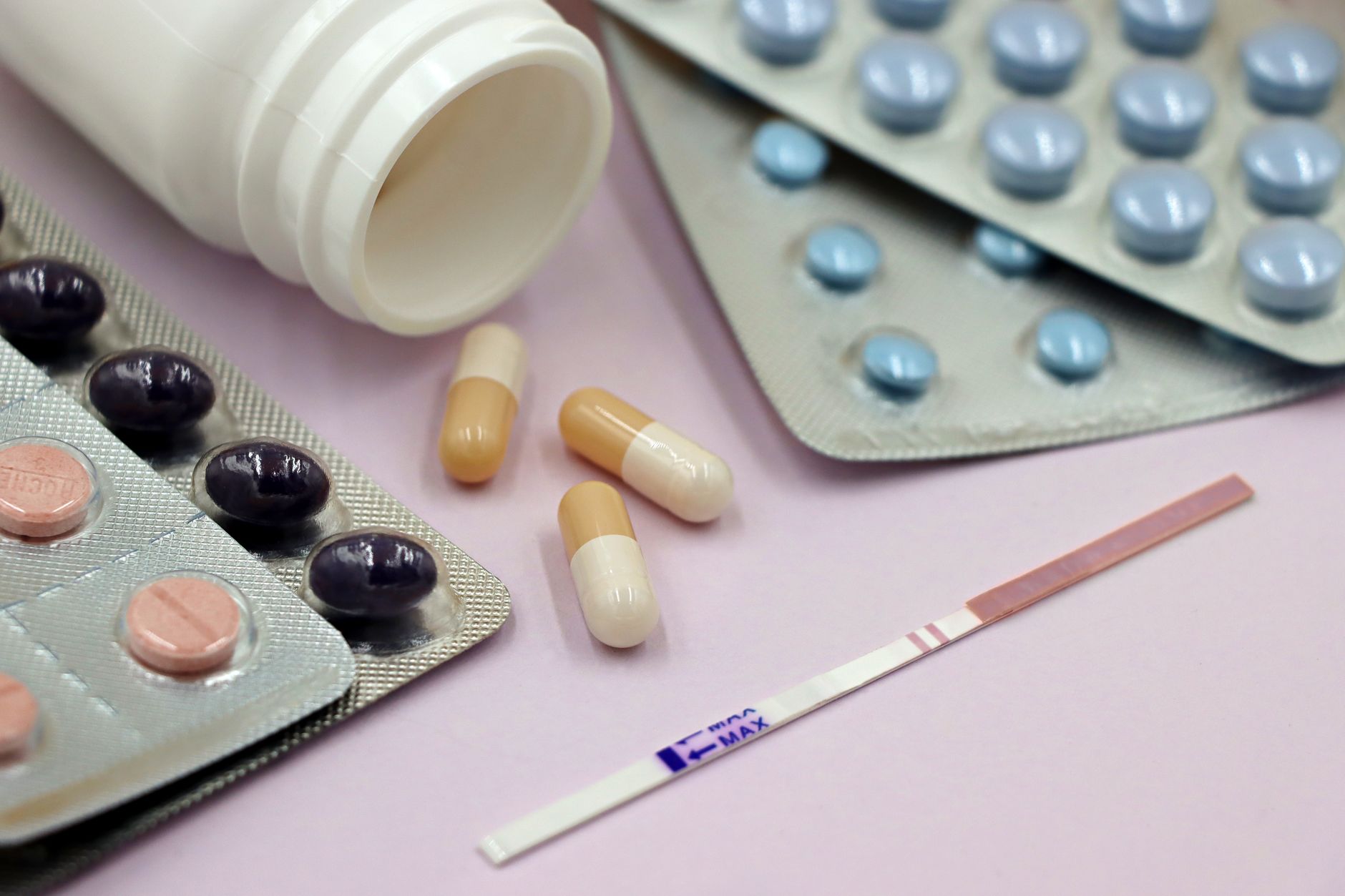
Limit hydrocortisone pills during pregnancy, especially in the first trimester, and keep the dose under 20 mg per day to minimize fetal risk per medical guidance.
By Shubhra Mishra — a mom of two who turned her own confusion during pregnancy into BumpBites, a global mission to make food choices clear, safe, and stress-free for every expecting mother. 💛
Check whether any food is safe during pregnancy with the BumpBites Food Safety Checker.
Quick verdict: ⚠️ Talk to your doctor first. Hydrocortisone pills can be used during pregnancy when medically necessary, but the dose and timing should be carefully managed and the lowest effective amount is recommended.
It’s completely understandable to feel a flutter of anxiety when you discover a medication like hydrocortisone in your medicine cabinet and wonder, is hydrocortisone pills safe during pregnancy? You might have taken a dose for an asthma flare or a skin condition before you knew you were expecting, or you could be weighing the pros and cons of starting it now. In this article we’ll walk you through what the latest evidence says, how safety varies across each trimester, what dosage limits generally apply, and which gentler options you might consider instead.
We’ll also give you a quick-reference table so you can see at a glance whether hydrocortisone is considered safe in the first, second, or third trimester, as well as while you’re breastfeeding. By the end, you’ll have a clear picture of the risks, the red‑flag signs that warrant a call to your provider, and a handful of alternative soothing agents that are widely regarded as pregnancy‑friendly.
Keeping medication out of reach of children is a good practice, even when the drug is considered low‑risk.
Safety snapshot
Stage of pregnancy
Verdict
Notes
First trimester
⚠️ Use only if needed
Potential risk during organ formation; limit dose and duration.
Second trimester
✅ Generally safe
Low‑dose oral hydrocortisone is often tolerated; monitor blood pressure.
Third trimester
✅ Generally safe
Watch for fetal growth restriction if high doses are used.
Breastfeeding
✅ Generally safe
Small amounts pass into milk; most pediatricians see no problem.
What is hydrocortisone and its uses?
H
ydrocortisone is a synthetic form of cortisol, the primary glucocorticoid hormone produced by the adrenal glands. It mimics the body’s natural steroid hormone, helping to reduce inflammation, suppress an overactive immune response, and regulate metabolism. In pill form, hydrocortisone is prescribed for a variety of conditions, including adrenal insufficiency (where the body doesn’t make enough cortisol), certain types of arthritis, severe allergic reactions, and as a short‑term adjunct for asthma exacerbations. Because it works systemically—meaning it circulates throughout the bloodstream—it can affect multiple organ systems at once, which is why clinicians weigh benefits against potential risks, especially in pregnancy.
Topical hydrocortisone (creams, ointments) is far milder and often used for eczema, dermatitis, or insect bites. The oral formulation, however, delivers a stronger anti‑inflammatory effect and can influence fetal development if used in high doses. Understanding the difference between the two forms is essential when you’re pregnant, because the safety profile of a cream applied to the skin does not automatically apply to a pill that is swallowed.
Is hydrocortisone safe during pregnancy?
Current guidance from the American College of Obstetricians and Gynecologists (ACOG) states that low‑dose oral hydrocortisone can be continued during pregnancy when medically indicated, but the lowest effective dose should be used and the duration kept as short as possible. The United Kingdom’s National Health Service (NHS) echoes this, noting that hydrocortisone is classified as a Category C drug by the FDA—meaning animal studies have shown some risk, but there are no well‑controlled studies in pregnant women, and the drug may be prescribed if the benefits outweigh the potential harms.
Evidence from cohort studies suggests that short‑term use of hydrocortisone at doses up to 20 mg per day does not significantly increase the risk of major congenital malformations. However, higher doses (often exceeding 30 mg daily) have been linked in some observational data to modest increases in preterm birth and low birth weight. Because the drug can cross the placenta, clinicians monitor fetal growth with ultrasounds if the mother requires prolonged therapy.
In short, the answer to is hydrocortisone pills safe during pregnancy is “it can be safe when used judiciously.” Always discuss the exact indication and dose with your obstetric provider, who can tailor the plan to your specific health needs.
Is hydrocortisone safe during first trimester?
The first trimester is the period of organogenesis, when the baby’s major organs are forming. During this window, any medication that could interfere with cell division is scrutinized. ACOG recommends that oral hydrocortisone be prescribed in the first trimester only when the maternal benefit clearly outweighs the theoretical risk. Low‑dose regimens (≤ 10 mg per day) are generally considered acceptable, but higher doses should be avoided unless absolutely necessary.
If you’re taking hydrocortisone for an adrenal insufficiency condition, your provider will likely continue the medication because untreated adrenal insufficiency poses a greater danger to both you and the fetus. For non‑essential uses—such as mild eczema flare‑ups—most clinicians advise switching to a topical steroid or a non‑steroidal alternative during this early stage.
Hydrocortisone pills dosage during pregnancy
When a provider deems oral hydrocortisone necessary, they typically aim for the lowest dose that controls symptoms. Common dosing schedules include 10–20 mg per day divided into two doses, or a short tapering course of 20 mg daily for a few days followed by a rapid reduction. The FDA does not set a specific pregnancy dosage, but the standard adult maintenance dose for adrenal insufficiency is 15–30 mg per day, split into morning and afternoon doses to mimic natural cortisol rhythms.
Because each pregnancy is unique, your obstetrician may adjust the dose based on your weight, the severity of your condition, and any concurrent illnesses. It’s crucial not to self‑adjust the dose—always follow the prescription your provider writes and discuss any concerns about side effects or dosing changes.
When you discover you’re pregnant, reviewing your medication list with a provider is the safest first step.
Alternatives to hydrocortisone for pregnancy eczema
If you’re dealing with eczema or other skin irritations during pregnancy, there are several pregnancy‑friendly options that avoid systemic steroid exposure. Calendula cream, for instance, contains soothing plant extracts and is widely regarded as safe for expectant mothers. Aloe vera gel offers cooling relief without any known fetal risks. Coconut oil and shea butter provide natural moisturization and barrier repair. For a more pharmaceutical‑grade alternative, Cetaphil moisturizing cream delivers gentle hydration and is often recommended by dermatologists for pregnant skin. Vitamin E oil can also be applied topically to promote healing, though it should be used sparingly to avoid irritation.
Hydrocortisone cream vs pill during pregnancy
Topical hydrocortisone (usually 0.5% or 1% creams) is regarded as low‑risk because only a small amount of the drug is absorbed through the skin. The NHS states that mild topical steroids are safe throughout pregnancy, even on the face or stretch marks, provided they are not applied under occlusive dressings for extended periods. In contrast, oral hydrocortisone reaches systemic circulation in higher concentrations, and its safety profile depends heavily on dose and duration. When possible, clinicians prefer a topical approach for skin conditions, reserving oral therapy for more severe, systemic issues.
Side effects of hydrocortisone pills in pregnancy
Even at low doses, hydrocortisone can cause side effects that may affect both mother and baby. Common maternal reactions include increased appetite, weight gain, mood swings, and mild insomnia. More serious concerns involve elevated blood pressure, high blood sugar (which can precipitate gestational diabetes), and suppressed immune function, potentially increasing susceptibility to infections. For the fetus, prolonged high‑dose exposure has been associated with reduced growth velocity and, in rare cases, adrenal suppression after birth.
Can i take hydrocortisone for asthma while pregnant?
Asthma management often includes inhaled corticosteroids, but oral hydrocortisone is sometimes prescribed for acute exacerbations. According to the CDC, controlling asthma is critical because uncontrolled asthma poses a higher risk of preterm birth and low birth weight than the short‑term use of systemic steroids. If you need an oral steroid burst, a short course of hydrocortisone (typically 20 mg daily for 5–7 days) is generally considered safe, especially when the alternative is a severe asthma attack.
Hydrocortisone pills and breastfeeding safety
While you’re nursing, small amounts of hydrocortisone do pass into breast milk. The American Academy of Pediatrics (AAP) notes that the concentration is low enough that most infants tolerate it without adverse effects. Nonetheless, if you are on a high‑dose regimen, your pediatrician may recommend monitoring the infant for signs of irritability, poor weight gain, or unusual sleep patterns. In most cases, continuing a low‑dose hydrocortisone while breastfeeding is acceptable, but always keep your provider in the loop.
Hydrocortisone butyrate pregnancy category
Hydrocortisone butyrate is a topical ester that is more potent than plain hydrocortisone cream. The FDA classifies it as a Category C drug for systemic exposure, but because it is applied to the skin and only minimally absorbed, it is often considered safe for localized use in pregnancy. However, pregnant women should still avoid applying it over large body areas or under occlusive dressings, especially during the first trimester.
Hydrocortisone acetate safe during pregnancy
Hydrocortisone acetate is a slightly longer‑acting oral formulation used for adrenal insufficiency. Like other oral steroids, it falls under FDA Category C. Clinical guidelines advise that the medication can be continued if the underlying condition (e.g., Addison’s disease) requires it, but the dose should be the lowest effective amount. Frequent monitoring of maternal blood pressure and glucose levels is recommended to catch any steroid‑related side effects early.
Safe dosage / amount / brands
Brand (U.S.)
Typical dose range (mg/day)
Pregnancy safety note
Hydrocortone®
10–20
Low‑dose regimens considered safe; avoid >30 mg without specialist guidance.
Hyrdroxy®
5–15
Often prescribed for adrenal insufficiency; monitor blood pressure.
Generic hydrocortisone tablets
5–30
Same safety profile as brand‑name; choose reputable pharmacy.
Because the formulation is straightforward, most reputable pharmacies carry generic versions that are equally safe. The key is to keep the daily dose below 30 mg unless a specialist advises otherwise, and to avoid long‑term continuous use without periodic reassessment.
Side effects and risks
Common but non‑dangerous: mild weight gain, increased appetite, occasional mood changes, and a slight rise in blood pressure. These effects are usually manageable with lifestyle adjustments and regular prenatal visits.
Potentially concerning: persistent high blood pressure, elevated blood glucose that may indicate gestational diabetes, and signs of infection (fever, chills). If you notice any of these, contact your obstetrician promptly.
Rare but serious: adrenal suppression in the newborn if the mother has been on high doses for weeks or months. This is extremely uncommon with low‑dose regimens but is why pediatric follow‑up is advised when the infant is born.
Aloe vera gel – cooling, soothing, and free of systemic absorption.
Coconut oil – excellent moisturizer that can help barrier function in eczema.
Shea butter – rich in fatty acids, supports skin healing without steroids.
Cetaphil moisturizing cream – fragrance‑free, dermatologist‑recommended for pregnant skin.
Vitamin E oil – antioxidant properties that aid skin repair when used sparingly.
Related items — safety at a glance
Medication
Verdict
One‑line note
Prednisone
⚠️ Use with caution
Higher potency; linked to low birth weight if used long‑term.
Dexamethasone
⚠️ Use with caution
Crosses placenta readily; often avoided unless fetal lung maturity needed.
Betamethasone
⚠️ Use with caution
Used for fetal lung development; short courses are acceptable.
Triamcinolone
⚠️ Use with caution
Potent systemic steroid; risk of gestational diabetes.
Clobetasol
❌ Avoid
Very high‑potency topical steroid; not recommended for pregnancy.
Fluticasone
✅ Generally safe
Inhaled form is low‑risk for asthma control.
Mometasone
✅ Generally safe
Topical and inhaled forms are low‑risk when used as directed.
Hydroxyzine
⚠️ Talk to your doctor
Antihistamine with sedative effects; limited data in pregnancy.
Myth vs. fact
Myth: All steroids are dangerous for a developing baby. Fact: Low‑dose hydrocortisone, the closest synthetic version of natural cortisol, can be safe when medically indicated; the dose and timing matter more than the drug class alone.
Myth: If a medication is safe topically, the oral form is automatically safe too. Fact: Oral hydrocortisone reaches systemic circulation at higher concentrations, so its safety profile differs from that of a topical cream.
Myth: Once you’ve taken a dose before knowing you were pregnant, the baby is at high risk. Fact: A single low dose of hydrocortisone early in pregnancy is unlikely to cause harm; most concerns arise with prolonged high‑dose exposure.
Key takeaways
Hydrocortisone pills can be used in pregnancy when needed, but keep the dose as low as possible.
The first trimester requires the most caution; discuss any planned use with your obstetrician.
Common side effects are mild, but monitor blood pressure and blood sugar closely.
Topical hydrocortisone or non‑steroidal moisturizers are preferred for skin issues.
Breastfeeding mothers can usually continue low‑dose therapy, but watch the infant for any unusual signs.
Always involve your provider before starting, stopping, or changing the dose of any steroid medication.
These gentle skin-care options can often replace oral steroids for mild eczema during pregnancy.
Frequently asked questions
what are the side effects of hydrocortisone pills
Common side effects include increased appetite, mild weight gain, mood changes, and occasional insomnia. More serious effects can involve elevated blood pressure, higher blood sugar levels, and a greater risk of infection.
can hydrocortisone cause birth defects
Current evidence does not show a clear link between low‑dose hydrocortisone and major birth defects, but high doses or prolonged use may increase the risk of low birth weight and preterm delivery.
how long does hydrocortisone stay in your system
Hydrocortisone has a plasma half‑life of about 1.5 hours, but its biological effects can last up to 24 hours due to receptor binding; it is typically cleared from the body within a day after the last dose.
is hydrocortisone a steroid
Yes, hydrocortisone is a synthetic glucocorticoid steroid that mimics the body’s natural cortisol hormone.
can i take hydrocortisone with other medications
Hydrocortisone can interact with drugs such as certain blood pressure medicines, diabetes medications, and NSAIDs; always review your full medication list with your provider.
what is hydrocortisone used for in pregnancy
It is primarily used to treat adrenal insufficiency, severe asthma exacerbations, or inflammatory conditions when the benefit outweighs potential risks.
can hydrocortisone cause miscarriage
There is no strong evidence that low‑dose hydrocortisone causes miscarriage; however, uncontrolled maternal illness that necessitates the drug can increase miscarriage risk, so proper management is essential.
is hydrocortisone safe for breastfeeding mothers
Low‑dose oral hydrocortisone is generally considered safe while breastfeeding, as only small amounts enter breast milk; still, monitor the infant for any unusual signs.
When to call your doctor
If you experience any of the following while taking hydrocortisone during pregnancy, contact your obstetric provider right away: persistent high blood pressure (≥ 140/90 mmHg), blood glucose readings that suggest gestational diabetes, sudden swelling of the hands or face, fever or signs of infection, severe mood changes, or reduced fetal movement. This article provides general information and should not replace personalized medical advice.
References
American College of Obstetricians and Gynecologists (ACOG). “Use of Corticosteroids in Pregnancy.” Practice Bulletin No. 133, 2021.
National Health Service (NHS). “Steroids and pregnancy.” Updated 2022.
U.S. Food and Drug Administration (FDA). “Drug Safety Communication: Corticosteroids in Pregnancy.” 2020.
Centers for Disease Control and Prevention (CDC). “Asthma and Pregnancy.” 2023.
American Academy of Pediatrics (AAP). “Breastfeeding and Medications.” 2021.
World Health Organization (WHO). “Maternal health and medication safety.” 2022.
Mayo Clinic. “Hydrocortisone (oral route).” Accessed August 2026.
National Institute for Health and Care Excellence (NICE). “Guidelines on steroid use in pregnancy.” 2023.
Not sure about the label on Is Hydrocortisone Pills Safe During Pregnancy products?
Snap the ingredients list and SafeFilter checks every ingredient for your stage — only 3 free scans this month, then you're locked until reset. Unlimited from $7/mo or $50/yr.
When Shubhra Mishra was expecting her first child in 2016, she was overwhelmed by conflicting food advice — one site said yes, another said never. By the time her second baby arrived in 2019, she realized millions of mothers face the same confusion.
That sparked a five-year journey through clinical nutrition papers, cultural diets, and expert conversations — all leading to BumpBites: a calm, compassionate space where science meets everyday motherhood.
Her long-term vision is to build a global community ensuring safe, supported, and free deliveriesfor every mother — because no woman should face pregnancy alone or uninformed. 🌿
🌍 Stand with mothers, shape safer guidance
Join a small circle of experts who review BumpBites articles so expecting parents everywhere can decide with confidence.