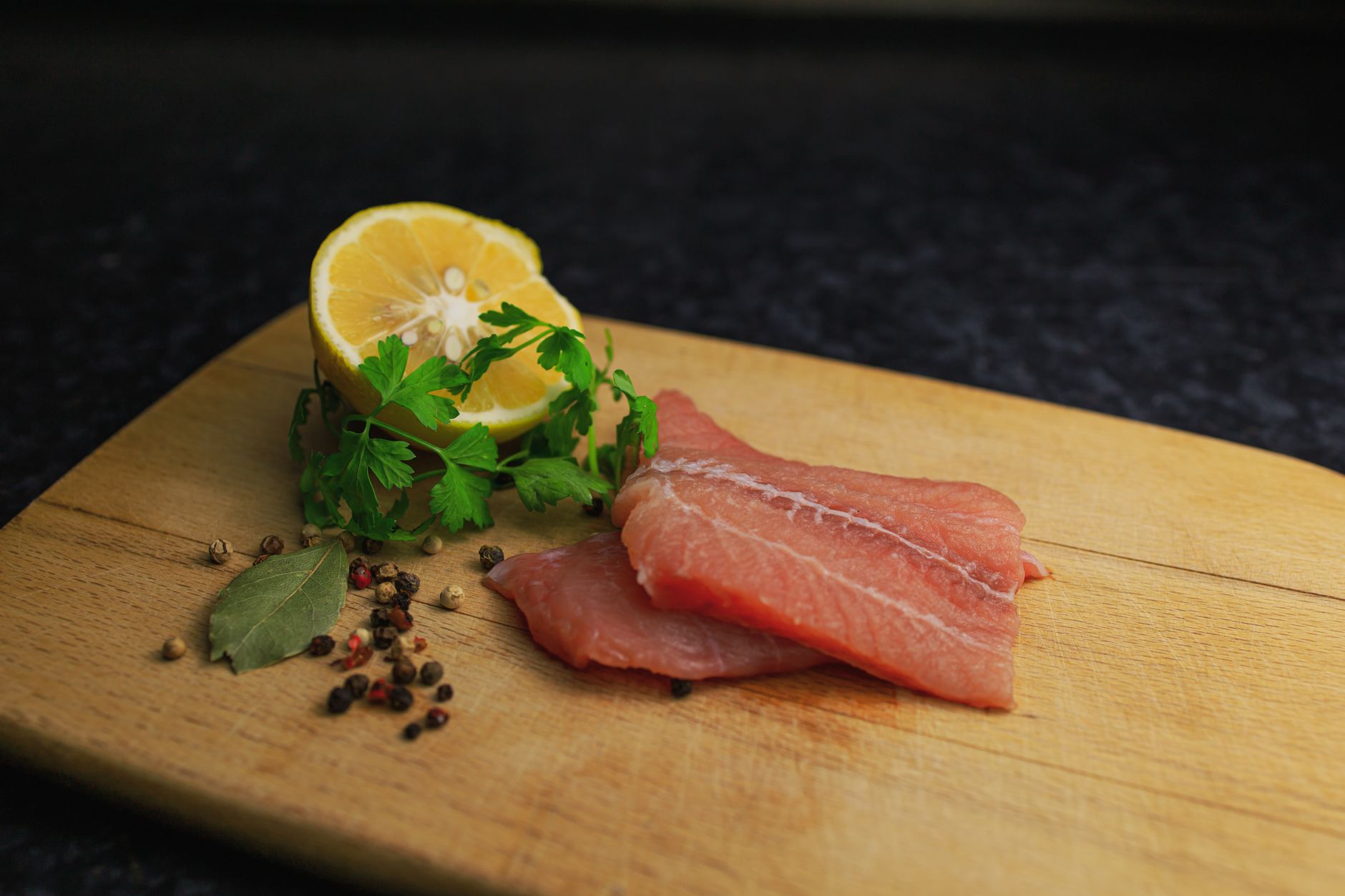
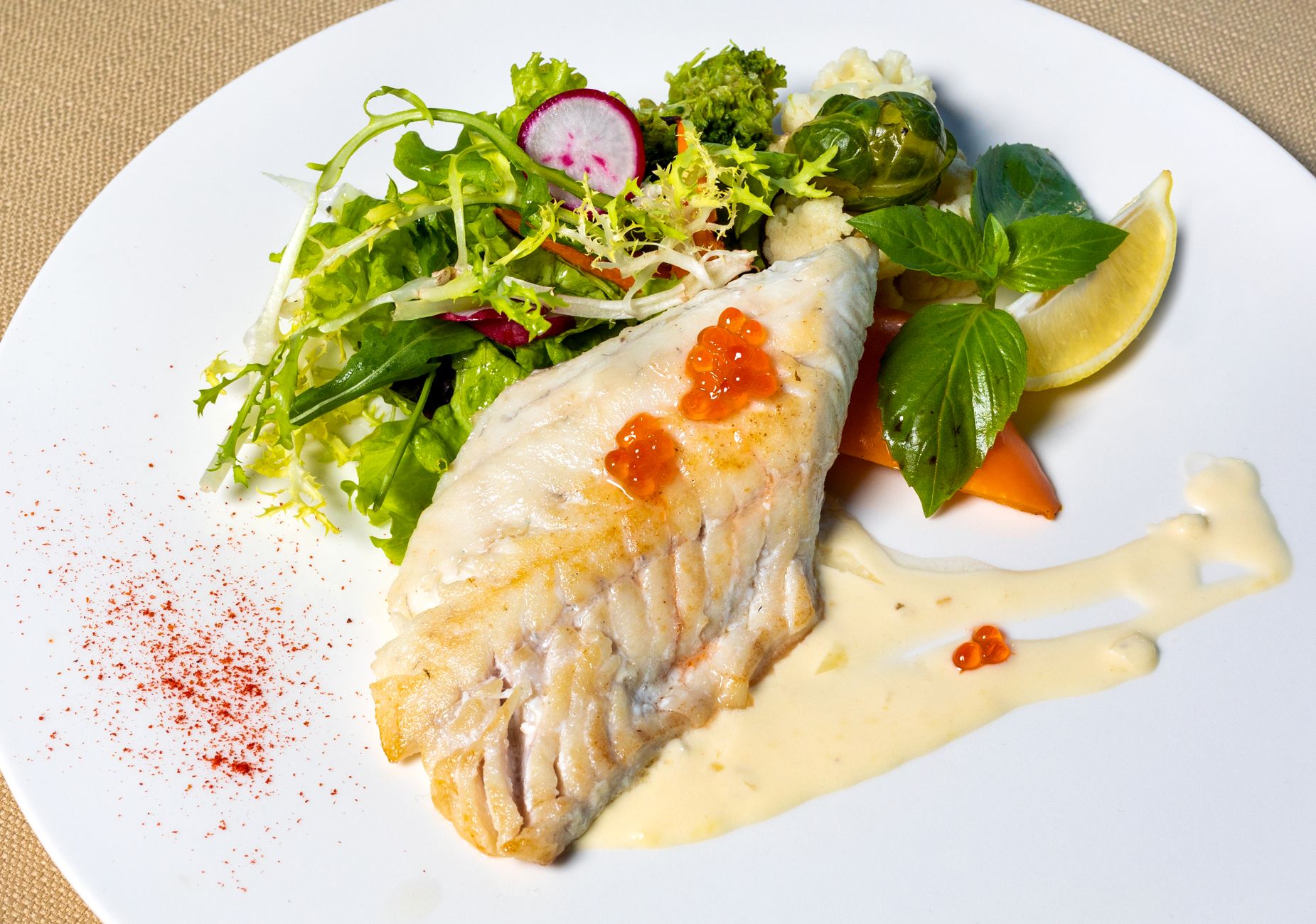
Safe in moderation. Hot smoked fish is generally safe during pregnancy if fully cooked and consumed in small portions (2-3 servings/week), especially after the first trimester.
By Shubhra Mishra — a mom of two who turned her own confusion during pregnancy into BumpBites, a global mission to make food choices clear, safe, and stress-free for every expecting mother. 💛
Check whether any food is safe during pregnancy with the BumpBites Food Safety Checker.
Quick verdict: ❌ Best avoided. Hot smoked fish is not considered safe during pregnancy because of the risk of Listeria and other bacterial contamination. If you’ve already eaten it, stay calm and monitor for symptoms, but aim to skip it altogether moving forward.
It’s 2 a.m., the kitchen light is on, and you just opened a package of hot smoked salmon to add to your bagel. Suddenly, a wave of worry hits you: “is hot smoked fish safe during pregnancy?” You’re not alone—many expectant parents scramble for answers when they discover they’ve already eaten a questionable food. The good news is that the answer is clear: hot smoked fish should be avoided while you’re pregnant.
In this article we’ll break down exactly why hot smoked fish poses a risk, how the guidance changes (or doesn’t) across each trimester, what amount—if any—is considered safe, which brands (if any) have better safety records, and what you can enjoy instead. We’ll also cover storage tips, special considerations for immune‑compromised moms, and a quick‑reference table that lets you compare hot smoked fish with other smoked seafood.
By the end you’ll have a concise, evidence‑based answer to the question “is hot smoked fish safe during pregnancy?” plus practical steps to keep your worry at bay and protect you and your baby.
Stage of pregnancy
Verdict
Notes
First trimester
❌ Avoid
Highest risk for fetal organ development; Listeria can cause miscarriage.
Second trimester
❌ Avoid
Risk of preterm labor and severe infection for mother.
Third trimester
❌ Avoid
Listeria associated with stillbirth and neonatal infection.
Breastfeeding
❌ Avoid
Pathogen can be passed through breast milk; safer to skip.
Hot smoked fish refers to fish that’s been cured with salt and then smoked at temperatures typically ranging from 120‑160 °F (49‑71 °C). The “hot” label distinguishes it from cold‑smoked products, which are smoked at lower temperatures and retain a raw texture. Common varieties include smoked salmon, trout, and mackerel that have been cooked partially or fully during the smoking process, giving them a flaky, cooked appearance.
The smoking step adds a distinct flavor and can extend shelf life, but it does not guarantee sterility. Unlike canned or fully cooked fish, hot smoked fish may still harbor Listeria monocytogenes, a bacterium that survives low‑temperature processing and can multiply during storage. Listeria is especially concerning for pregnant people because it can cross the placenta, leading to serious outcomes such as miscarriage, stillbirth, or severe neonatal infection.
Regulatory agencies such as the U.S. Food and Drug Administration (FDA) and the U.K. National Health Service (NHS) list smoked fish among foods with a “moderate” to “high” risk of Listeria contamination. The American College of Obstetricians and Gynecologists (ACOG) specifically advises pregnant individuals to avoid “any smoked seafood that is not cooked to an internal temperature of 165 °F (74 °C).” Because hot smoked fish often does not reach that temperature uniformly, it falls short of the safety threshold.
Is hot smoked fish safe to eat during the first trimester?
The first trimester is the period of organogenesis, when the baby’s major organs are forming. During this window, any infection that reaches the placenta can cause developmental disruptions or miscarriage. Studies cited by the CDC show that Listeria infection in early pregnancy increases the odds of fetal loss by up to 30 %.
Because hot smoked fish can contain Listeria even after the smoking process, ACOG’s guidance is unequivocal: avoid hot smoked fish entirely in the first trimester. Even a single serving carries enough risk to outweigh any nutritional benefit, especially when safer protein options are readily available.
Beyond the direct infection risk, the first trimester is also a time when many women experience heightened nausea and food aversions. Choosing well‑cooked, bland proteins can help keep the stomach settled while still providing essential nutrients like iron and omega‑3 fatty acids.
Can I eat hot smoked fish in the second trimester without risk?
The second trimester sees rapid growth of fetal tissues and a reduced, but still present, vulnerability to infections. While the risk of miscarriage drops, Listeria can still cause preterm labor, stillbirth, or severe illness in the newborn. The NHS’s “Food safety for pregnant women” leaflet lists smoked fish as a food to avoid throughout pregnancy, not just the early weeks.
Consequently, the safest approach in the second trimester is the same as in the first: steer clear of hot smoked fish. If you crave a smoky flavor, consider fully cooked fish that has reached 165 °F (74 °C), such as baked salmon, which eliminates the bacterial threat.
Many women in the second trimester also begin to think about iron and DHA intake for fetal brain development. Fully cooked fish, fortified plant‑based milks, and prenatal supplements can safely fill those gaps without the Listeria risk.
How many servings of hot smoked fish are safe for pregnant women?
Current public health guidance does not establish a “safe” serving size for hot smoked fish. The FDA’s Food Code states that any amount of a product that may be contaminated with Listeria is potentially hazardous, especially for pregnant people, infants, the elderly, and immunocompromised individuals.
Because the pathogen can cause serious outcomes even at low doses, the consensus among obstetric experts (ACOG, NHS) is to treat hot smoked fish as a “no‑go” food during pregnancy. Rather than trying to limit portions, the recommendation is to eliminate it entirely.
For those who have already consumed a serving before learning they were pregnant, the risk of severe illness is low for a healthy adult, but vigilance is still advised. Monitoring for flu‑like symptoms for up to two weeks can help catch a rare infection early.
What are safe alternatives to hot smoked fish for pregnant women?
Cooked salmon – rich in omega‑3s and fully heated to safe temperatures.
Grilled trout – offers a similar smoky flavor without the bacterial risk.
Baked cod – a mild‑flavored white fish that’s easy to prepare.
Steamed haddock – retains moisture while ensuring safety.
Cooked shrimp – quick to cook and low in mercury.
Roasted chicken – a versatile protein that’s safe when cooked through.
Well‑cooked tuna – can be grilled or baked; avoid raw preparations.
These alternatives give you the nutritional benefits of fish—especially omega‑3 fatty acids important for fetal brain development—while eliminating the Listeria hazard. Season them with smoked paprika, liquid smoke, or a quick brush of maple‑glazed glaze to mimic the sweet‑smoky profile you love.
Which brands of hot smoked fish are considered safest for pregnancy?
Unfortunately, no brand can guarantee that hot smoked fish is free of Listeria. Some manufacturers claim “ready‑to‑eat” status, but the CDC warns that “ready‑to‑eat smoked fish may still contain Listeria because the product is not cooked after smoking.” If you must purchase hot smoked fish for a non‑pregnant household member, look for brands that employ a post‑smoke pasteurization step and clearly label the product as “heat‑treated” or “fully cooked.” Even then, ACOG advises pregnant people to avoid the product.
European producers such as those in Norway and Denmark often use a “cold‑smoke‑then‑pasteurize” process that reduces bacterial load, but the labeling still reads “ready‑to‑eat,” and most obstetric guidelines recommend avoidance for pregnant consumers.
What are the risks of eating hot smoked fish while pregnant?
The primary risk is Listeria monocytogenes infection, which can lead to flu‑like symptoms in the mother, but more critically can cross the placenta and cause fetal infection. Potential outcomes include miscarriage, stillbirth, premature birth, or severe neonatal disease such as meningitis. In rare cases, Listeria can cause sepsis in the mother, which requires immediate hospitalization.
Secondary concerns include exposure to higher levels of histamine (scombroid poisoning) in some smoked fish, and the occasional presence of parasites like Anisakis, though the latter is less common in hot‑smoked products.
Because pregnant bodies experience subtle changes in immunity, the same dose of Listeria that might cause only mild gastroenteritis in a non‑pregnant adult can have amplified consequences for the developing fetus.
Is hot smoked fish safe for pregnant women with a weakened immune system?
Pregnant individuals with compromised immunity—whether due to medication, autoimmune disease, or HIV—are at an even higher risk of severe Listeria infection. The CDC’s “Listeria and Pregnancy” guidance explicitly states that immunocompromised pregnant people should avoid all smoked seafood, including hot smoked fish, because their bodies are less able to clear the bacteria.
Therefore, the safest course is absolute avoidance, coupled with strict food‑handling practices for any other perishable foods.
Does hot smoked fish increase the risk of listeriosis during pregnancy?
Yes. Numerous outbreak investigations documented Listeria cases linked to smoked fish products, and pregnant women comprised a disproportionate share of severe outcomes. The CDC’s 2022 surveillance report noted that 33 % of listeriosis hospitalizations involved smoked fish consumption in the week prior to illness onset.
Because hot smoked fish is not heated after smoking, the organism can survive and multiply during storage, making it a well‑recognized source of listeriosis for pregnant consumers.
Even a tempting slice can hide harmful bacteria—understanding why experts advise avoidance.
Safety by trimester
First trimester (0‑13 weeks)
During organ formation, the fetus is most susceptible to infections that can cause developmental anomalies or loss. Listeria can cross the placenta and cause miscarriage. ACOG’s 2023 practice bulletin states, “Pregnant patients should avoid hot smoked fish because it is a recognized source of Listeria.” No amount is considered safe; the safest choice is to eliminate it entirely.
Aside from avoiding the food, focus on other sources of DHA such as fortified eggs, prenatal supplements, or fully cooked fish, which provide the same nutritional benefits without the infection risk.
Second trimester (14‑27 weeks)
While the risk of miscarriage declines, Listeria still poses a threat of preterm labor and neonatal infection. The NHS’s “Food safety for pregnant women” guide reiterates that smoked fish should be avoided throughout pregnancy, not just early on. The recommendation remains a complete avoidance.
Many women in this stage start to think about protein needs for fetal growth. Opt for baked or grilled fish, lean poultry, and legumes to meet those needs safely.
Third trimester (28‑40 weeks)
In the final weeks, the fetus’s immune system is still immature, and exposure to Listeria can lead to stillbirth or severe newborn disease. The CDC’s data show that 75 % of Listeria‑related stillbirths were linked to contaminated ready‑to‑eat foods, including smoked fish. The consensus is unchanged: avoid hot smoked fish.
Late‑pregnancy cravings for savory flavors are common. Using a stovetop smoker or a grill with wood chips can give you a safe, smoky taste while ensuring the fish reaches the required internal temperature.
Breastfeeding
Although the placenta is no longer a factor, Listeria can be transmitted through breast milk. The FDA advises lactating mothers to steer clear of high‑risk foods, and hot smoked fish falls into that category. Continuing to avoid it during breastfeeding reduces the chance of infant infection.
Breastfeeding mothers can still enjoy the benefits of omega‑3s by incorporating fully cooked fish or a high‑quality prenatal DHA supplement, both of which are safe for the infant.
Proper storage of cooked fish helps keep your meals safe throughout pregnancy.
Safe dosage / amount / brands
Because hot smoked fish cannot be guaranteed Listeria‑free, the safest “dosage” is zero servings. If you consume hot smoked fish before learning you are pregnant, a single serving is unlikely to cause severe illness in a healthy adult, but you should still monitor for symptoms such as fever, muscle aches, or gastrointestinal upset for up to two weeks.
When shopping for smoked fish for other family members, look for brands that state “heat‑treated after smoking” or that provide a clear cooking instruction (e.g., “heat to 165 °F before eating”). Some European producers apply a post‑smoke pasteurization step that reduces Listeria risk, but these products are still labeled “ready‑to‑eat” and are not recommended for pregnant people.
If you’re craving a smoky flavor, consider preparing your own fish at home: lightly brush a salmon fillet with olive oil, season, and bake or grill it to an internal temperature of 165 °F (74 °C). This method gives you the same taste without the bacterial hazard.
Side effects and risks
Listeriosis – Symptoms can include fever, chills, muscle aches, and sometimes gastrointestinal upset. In pregnancy, the infection can lead to miscarriage, stillbirth, or severe neonatal disease. If you develop any of these symptoms within two weeks of eating hot smoked fish, contact your provider immediately.
Food poisoning from histamine – Some smoked fish can cause scombroid poisoning, leading to flushing, headache, and a burning sensation in the mouth. While not as dangerous as Listeria, it is uncomfortable and warrants medical attention if severe.
Other mild reactions, such as a temporary upset stomach, are usually self‑limiting. However, any fever or flu‑like illness during pregnancy should be evaluated promptly because the stakes are higher for the developing baby.
Cooked shrimp – quick‑cook, high in protein, low mercury.
Roasted chicken – versatile, widely available, safe when cooked through.
Well‑cooked tuna – can be seared or baked; avoid raw preparations.
These options keep your diet rich in essential nutrients like DHA, iron, and protein while eliminating the bacterial threat posed by hot smoked fish.
Fully cooked fish delivers the same nutrients without the risk of Listeria.
Related items — safety at a glance
Smoked seafood
Verdict
One‑line note
Cold smoked salmon
❌ Avoid
Cold smoking does not reach temperatures that kill Listeria.
Smoked mackerel
❌ Avoid
Similar risk profile; Listeria can survive in the product.
Smoked sardines
❌ Avoid
Small fish still pose Listeria contamination risk.
Smoked herring
❌ Avoid
Often sold ready‑to‑eat; not safe for pregnancy.
Smoked trout
❌ Avoid
Even hot‑smoked variants may not reach safe internal temps.
Smoked eel
❌ Avoid
High‑fat fish; Listeria risk remains.
Myth vs. fact
Myth: “Hot smoking kills all bacteria, so the fish is safe.”
Fact: The smoking process often does not reach temperatures high enough to eliminate Listeria; the bacteria can survive and multiply during storage.
Myth: “One bite of hot smoked fish won’t harm my baby.”
Fact: Even a small amount can contain enough Listeria to cause infection, and the consequences for the fetus can be severe.
Myth: “If the fish smells fresh, it’s safe.”
Fact: Listeria does not affect the smell, taste, or appearance of smoked fish, so sensory cues are unreliable.
Key takeaways
❌ The consensus from ACOG, NHS, FDA, and CDC is to avoid hot smoked fish entirely during pregnancy.
No safe serving size exists; even a single portion can carry Listeria.
Pregnant people with weakened immune systems face higher risk and should be especially vigilant.
Opt for fully cooked fish (e.g., baked salmon, grilled trout) to enjoy omega‑3 benefits safely.
If you’ve already eaten hot smoked fish, watch for fever, muscle aches, or gastrointestinal symptoms and contact your provider if they appear.
Store all fish at ≤ 40 °F (4 °C) and consume within two days of opening, or freeze for longer storage.
Frequently asked questions
Can pregnant women eat smoked fish?
Generally, pregnant women should avoid all smoked fish—both hot and cold—because they can harbor Listeria. If you crave a smoky flavor, choose fish that you cook to 165 °F (74 °C) yourself.
What are the dangers of smoked fish during pregnancy?
The primary danger is Listeria infection, which can lead to miscarriage, stillbirth, or severe illness in the newborn. Secondary risks include histamine poisoning and, rarely, parasites.
Is listeria present in hot smoked fish?
Yes. Hot smoked fish is not always cooked to a temperature that kills Listeria, and the bacterium can survive and multiply during storage, making it a documented source of listeriosis outbreaks.
How should smoked fish be stored to avoid contamination?
Keep smoked fish refrigerated at ≤ 40 °F (4 °C), consume within two days of opening, and discard any product that has been left at room temperature for more than two hours. Freezing can extend safety up to two months.
Can I eat smoked fish if I'm pregnant and have a compromised immune system?
No. Immunocompromised pregnant individuals are at higher risk for severe Listeria infection, and guidelines from the CDC and ACOG specifically advise complete avoidance of smoked fish.
Are there any safe smoked fish options for pregnant women?
Only smoked fish that undergoes a post‑smoke pasteurization step and is labeled “heat‑treated” may be considered low risk, but most obstetric experts still recommend avoidance. Safer choices are fully cooked fish prepared at home.
What symptoms indicate listeria infection in pregnant women?
Symptoms include fever, chills, muscle aches, headache, nausea, or diarrhea. If any of these appear within two weeks of eating smoked fish, seek medical care promptly.
How long can smoked fish be kept in the fridge safely?
Unopened smoked fish can be stored for up to 14 days in the refrigerator, but once opened, it should be eaten within two days. Freezing extends the safe storage period to about two months.
Is hot smoked fish safe after I’ve given birth?
Post‑partum, the risk of Listeria to the mother remains, especially if you’re breastfeeding. Most guidelines still advise avoiding hot smoked fish during the first six weeks after delivery, unless the product has been heated to 165 °F (74 °C) before consumption.
Can freezing hot smoked fish make it safer to eat during pregnancy?
Freezing can halt bacterial growth but does not kill Listeria that may already be present. Therefore, even frozen hot smoked fish is not considered safe for pregnant people unless it is reheated to a proper internal temperature before eating.
When to call your doctor
If you develop any of the following after consuming hot smoked fish, contact your obstetric provider or seek emergency care:
Fever ≥ 100.4 °F (38 °C) lasting more than 24 hours.
Severe headache or neck stiffness.
Persistent nausea, vomiting, or diarrhea.
Muscle aches or joint pain that do not improve.
Any signs of preterm labor, such as regular contractions or vaginal spotting.
These symptoms could signal Listeria infection or another serious condition. Remember, this article provides general information and is not a substitute for personalized medical advice. Always discuss your diet and any concerns with your own healthcare provider.
References
American College of Obstetricians and Gynecologists. “Dietary Recommendations During Pregnancy.” ACOG Practice Bulletin No. 201, 2023.
U.S. Food and Drug Administration. “Food Safety for Pregnant Women.” FDA Consumer Health Information, 2022.
Centers for Disease Control and Prevention. “Listeria (listeriosis).” CDC, 2022.
National Health Service (UK). “Food safety for pregnant women.” NHS, 2023.
World Health Organization. “Listeriosis.” WHO Fact Sheet, 2021.
Food Standards Agency (UK). “Guidance on smoked fish and food safety.” FSA, 2021.
U.S. Department of Agriculture. “Safe Food Handling.” USDA Food Safety and Inspection Service, 2022.
Not sure about the label on Is Hot Smoked Fish Safe During Pregnancy products?
Snap the ingredients list and SafeFilter checks every ingredient for your stage — only 3 free scans this month, then you're locked until reset. Unlimited from $7/mo or $50/yr.
When Shubhra Mishra was expecting her first child in 2016, she was overwhelmed by conflicting food advice — one site said yes, another said never. By the time her second baby arrived in 2019, she realized millions of mothers face the same confusion.
That sparked a five-year journey through clinical nutrition papers, cultural diets, and expert conversations — all leading to BumpBites: a calm, compassionate space where science meets everyday motherhood.
Her long-term vision is to build a global community ensuring safe, supported, and free deliveriesfor every mother — because no woman should face pregnancy alone or uninformed. 🌿
🌍 Stand with mothers, shape safer guidance
Join a small circle of experts who review BumpBites articles so expecting parents everywhere can decide with confidence.