Safe in culinary amounts, but limit holy basil supplements to no more than 300 mg per day, especially during the first trimester, and consult your provider.
By Shubhra Mishra — a mom of two who turned her own confusion during pregnancy into BumpBites, a global mission to make food choices clear, safe, and stress-free for every expecting mother. 💛
Check whether any food is safe during pregnancy with the BumpBites Food Safety Checker.
Quick verdict: ❌ Best avoided. Current obstetric guidance advises against using holy basil (tulsi) supplements during pregnancy because safety data are insufficient and potential risks exist. If you’ve already taken it, stay calm and discuss it with your provider.
It’s 2 a.m., the kitchen light is humming, and you’ve just opened a bottle of holy basil capsules while scrolling through pregnancy forums. “Is holy basil supplement safe during pregnancy?” you wonder, heart racing. You’re not alone—many expecting parents search the same question when they discover they’ve already taken an herb or are considering it for nausea, stress, or blood‑sugar control.
In short, most experts—including the American College of Obstetricians and Gynecologists (ACOG) and the UK’s NHS—recommend avoiding holy basil supplements while pregnant until more rigorous safety data are available. Below we break down what the evidence says, how the risk profile changes across each trimester, what dosage (if any) might be considered, and which safer alternatives you can turn to for common pregnancy symptoms.
When you spot a supplement, pause and check trusted medical guidance before reaching for a dose.
Trimester / Breastfeeding
Verdict
Notes
First trimester
❌ Best avoided
Organogenesis period; no safety data; potential teratogenic risk.
Second trimester
❌ Best avoided
Limited data; possible hormonal effects; risk outweighs unclear benefit.
Third trimester
❌ Best avoided
Potential uterine stimulation; insufficient evidence for safety.
Breastfeeding
⚠️ Talk to your doctor first
Small amounts may pass into milk; lack of studies.
What is holy basil supplement?
Holy basil, also known as tulsi (Ocimum sanctum or Ocimum tenuiflorum), is a leafy herb traditionally used in Ayurvedic medicine. The plant’s leaves contain essential oils—eucalyptol, camphor, and β‑caryophyllene—along with flavonoids, polyphenols, and compounds thought to have antioxidant, anti‑inflammatory, and adaptogenic properties. Supplements typically come in capsule or tablet form, delivering a concentrated extract that may be standardized to 2–5 % rosmarinic acid or 10–20 % essential oil content.
People turn to holy basil for a variety of reasons: to reduce stress, support immune function, manage blood‑sugar levels, and alleviate digestive discomfort. In pregnancy, some expectant mothers consider it for nausea, anxiety, or gestational diabetes, drawn by anecdotal reports of “calming” effects. However, the very properties that make holy basil attractive—its ability to influence hormone pathways and uterine tone—also raise safety concerns for a developing fetus.
Is holy basil supplement safe during pregnancy?
Overall, the consensus among leading health authorities is that holy basil supplements should be avoided during pregnancy. ACOG’s Committee Opinion on herbal supplement use advises clinicians to counsel patients that many herbs lack robust safety data, and holy basil falls into this category. The NHS’s pregnancy guidance similarly lists tulsi as “not recommended” because animal studies have shown uterine contractile activity at high doses, suggesting a theoretical risk of miscarriage or preterm labor.
Regulatory bodies such as the U.S. Food and Drug Administration (FDA) classify holy basil as a dietary supplement, which means it is not subject to the rigorous pre‑market safety testing required for pharmaceuticals. The CDC and WHO also note that the lack of human studies makes it impossible to determine a safe exposure level for pregnant individuals.
Most of the available evidence comes from in‑vitro or animal research, where doses far exceeding typical human consumption have induced uterine contractions or altered cortisol levels. While no large‑scale human trials have documented birth defects linked to holy basil, the precautionary principle—endorsed by both ACOG and NHS—guides providers to advise against its use until definitive safety data emerge.
Is holy basil supplement safe to take during the first trimester?
The first trimester is the period of organogenesis, when the embryo’s major organs form. Because the developing fetus is especially vulnerable to teratogens, ACOG recommends that pregnant people avoid any non‑essential herb or supplement that lacks clear safety evidence. Holy basil’s potential to stimulate uterine activity, as seen in animal models, makes it a particular concern during this critical window.
Even low‑dose exposure cannot be confidently deemed safe, and the lack of human data means the risk cannot be quantified. If you have already taken a single capsule, the likelihood of harm is low, but you should still discuss it with your obstetric provider to rule out any need for monitoring.
Can I take holy basil supplement in the second trimester of pregnancy?
During the second trimester, the fetus experiences rapid growth and the placenta becomes fully functional. While some herbs become safer as pregnancy progresses, holy basil remains on the “avoid” list because the same uterine‑stimulating compounds could potentially trigger premature labor or interfere with hormonal regulation.
Clinical guidance from the NHS emphasizes that, without well‑controlled human studies, the safest approach is to refrain from using holy basil supplements at any dose. If you are seeking relief from nausea or anxiety, consider the safer alternatives listed later in this article.
What is the recommended dosage of holy basil supplement for pregnant women?
Because holy basil is not recommended for pregnancy, there is no established “safe” dosage. Some commercial products market 300–600 mg of standardized extract per capsule, but ACOG and the FDA do not endorse any specific amount for pregnant individuals. In practice, clinicians advise pregnant patients to avoid the herb entirely rather than attempting to set a limit.
If you are already using holy basil for a medical condition, discuss with your provider whether a monitored, prescription‑only alternative might be more appropriate. The key takeaway is that the safest dosage for pregnancy is zero.
Are there any safe holy basil supplement brands for pregnancy?
Currently, no reputable brand is specifically endorsed for use during pregnancy. Third‑party testing organizations such as USP, NSF International, or ConsumerLab provide quality assurance for contaminants and potency, but they do not evaluate safety in pregnant populations. Therefore, even supplements that are “pure” and “potent” are not considered safe for expectant mothers.
If you have already purchased a brand, keep the bottle for reference and share the label details with your obstetrician. They can help you decide whether any monitoring is needed based on the amount you’ve taken.
What are the potential risks of using holy basil supplement while pregnant?
Uterine contractions: Animal studies suggest that high doses of holy basil can stimulate uterine muscle, potentially increasing the risk of miscarriage or preterm labor.
Hormonal modulation: The herb’s adaptogenic compounds may affect cortisol and estrogen pathways, which could influence fetal development.
Blood‑sugar fluctuations: While holy basil may lower glucose, unpredictable changes could be problematic for gestational diabetes management.
Allergic reactions: Some individuals experience skin rash, itching, or gastrointestinal upset, which can be more uncomfortable during pregnancy.
Interaction with medications: Holy basil can affect the metabolism of certain drugs (e.g., anticoagulants, antihypertensives), raising the chance of adverse effects.
What are safer alternatives to holy basil supplement for pregnancy nausea?
Ginger capsules – clinically proven to reduce nausea with a strong safety record.
Peppermint tea – soothing and safe for most pregnant people.
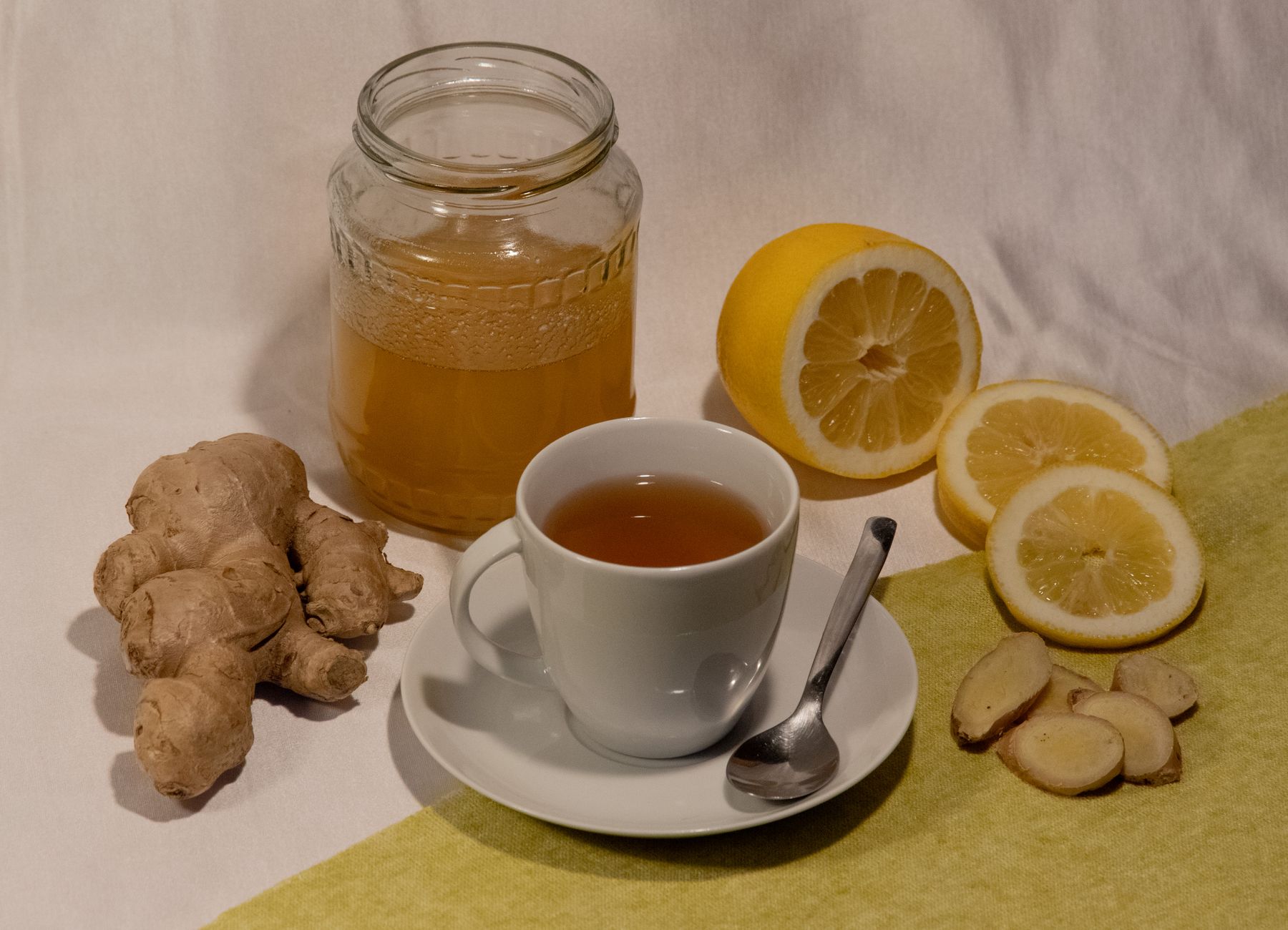
Lemon ginger tea – combines two nausea‑relieving flavors.
Fresh ginger root – can be added to meals or brewed as tea.
Warm lemon water – hydrating and gentle on the stomach.
Vitamin B6 supplement – recommended by ACOG for morning‑sickness relief.
How does holy basil supplement affect pregnancy complications like gestational diabetes?
Pre‑clinical research indicates that holy basil may improve insulin sensitivity and lower blood‑glucose levels. However, the evidence is limited to rodent models, and the dosage required to achieve a measurable effect in humans is not well defined. For pregnant individuals with gestational diabetes, abrupt glucose changes could destabilize blood‑sugar control, putting both mother and baby at risk.
Guidelines from the American Diabetes Association advise that any herbal product influencing glucose should be discussed with a healthcare provider. Until robust human data are available, holy basil cannot be recommended as a safe adjunct for gestational diabetes management.
Is holy basil supplement safe for breastfeeding mothers?
Breastfeeding introduces another layer of uncertainty. Small amounts of herbal constituents can pass into breast milk, and the lack of pharmacokinetic studies means we cannot predict infant exposure. The CDC’s lactation guidelines suggest that, in the absence of safety data, mothers should avoid non‑essential supplements like holy basil.
If you are already using holy basil while nursing, monitor your infant for any signs of irritability, unusual sleep patterns, or rash, and discuss the situation with your pediatrician and obstetric provider.
Ginger tea is a widely‑studied, pregnancy‑safe option for nausea.
Safe dosage / amount / brands
Because the safest amount of holy basil for pregnancy is zero, the most responsible recommendation is to discontinue use. If you are looking for a supplement that contains holy basil for non‑pregnancy purposes, choose a product that:
Is third‑party verified by USP, NSF, or ConsumerLab.
Lists the exact extract concentration (e.g., 300 mg of 5 % rosmarinic acid).
Contains no added fillers, allergens, or proprietary blends.
Provides a clear “Not for use during pregnancy or lactation” warning on the label.
For pregnant patients who have already taken a single capsule (≈300 mg), the risk is likely low, but you should still inform your provider. If you are using a higher dose (multiple capsules per day), seek medical advice promptly.
Side effects and risks
Most reported side effects of holy basil are mild, such as stomach upset, heartburn, or a faint metallic taste. However, during pregnancy the stakes are higher. The following warrant immediate medical attention:
Persistent abdominal cramping or uterine pain.
Bleeding or spotting that does not resolve within 24 hours.
Sudden drop in blood sugar (especially in gestational diabetes).
Signs of an allergic reaction: hives, swelling, difficulty breathing.
Rapid heart rate or dizziness that lasts longer than a few minutes.
These symptoms could indicate that the herb is affecting uterine tone or metabolic balance. Even if you feel fine, it’s prudent to discuss any herbal intake with your obstetrician.
Safer alternatives
Ginger capsules – backed by multiple randomized trials for morning‑sickness relief.
Peppermint tea – gentle antispasmodic properties without known fetal risks.
Lemon ginger tea – a flavorful combo that hydrates and eases nausea.
Fresh ginger root – can be grated into meals or steeped as tea.
Warm lemon water – simple, soothing, and safe throughout pregnancy.
Myth: Holy basil is a “natural” remedy that is automatically safe for pregnant women.
Fact: “Natural” does not equal “safe.” Without human pregnancy studies, holy basil remains a herb of uncertain risk, and leading health bodies advise avoidance.
Myth: A small amount of holy basil tea won’t harm the baby.
Fact: Even low‑dose exposure can’t be proven safe; the precautionary principle recommends steering clear of any holy basil product.
Myth: Holy basil can replace prescription medication for gestational diabetes.
Fact: There is no clinical evidence that holy basil effectively or safely manages blood‑sugar levels in pregnancy; standard medical therapy should be followed.
Key takeaways
❌ The safest decision is to avoid holy basil supplements throughout pregnancy.
There is no established safe dosage; zero exposure is the recommended limit.
Potential risks include uterine contractions, hormonal shifts, and unpredictable blood‑sugar changes.
Safer, evidence‑backed alternatives for nausea include ginger, peppermint tea, and vitamin B6.
If you’ve already taken holy basil, inform your provider but stay calm; most single‑dose exposures are unlikely to cause harm.
Breastfeeding mothers should also avoid holy basil until more data become available.
Frequently asked questions
Can pregnant women take holy basil?
No. Leading authorities such as ACOG and the NHS advise pregnant individuals to avoid holy basil because safety data are insufficient.
What are the side effects of holy basil during pregnancy?
Common mild effects include stomach upset and heartburn, but more concerning signs are uterine cramps, bleeding, or sudden drops in blood sugar, which require immediate medical attention.
Is holy basil safe in the third trimester?
It is not considered safe at any stage of pregnancy, including the third trimester, due to potential uterine stimulation and lack of human safety studies.
How much holy basil is safe for pregnant women?
There is no established safe amount; the safest dosage for pregnancy is zero, meaning you should not take any holy basil supplement.
Does holy basil cause miscarriage?
Animal studies have shown uterine‑contracting activity, which could theoretically increase miscarriage risk, though direct human evidence is lacking. Because of this uncertainty, avoidance is recommended.
Are there any herbal supplements to avoid while pregnant?
Yes. In addition to holy basil, herbs such as black cohosh, valerian root, and high‑dose echinacea are commonly advised against during pregnancy.
Can holy basil help with morning sickness in pregnancy?
There is no clinical evidence supporting holy basil for morning‑sickness relief, and safer options like ginger or vitamin B6 are preferred.
Is holy basil safe while breastfeeding?
Current guidance suggests breastfeeding mothers should avoid holy basil because its constituents may pass into breast milk and safety has not been established.
When to call your doctor
Contact your obstetrician or midwife right away if you experience any of the following after taking holy basil:
Persistent abdominal or uterine cramping.
Vaginal bleeding or spotting that doesn’t stop within a day.
Sudden dizziness, rapid heartbeat, or fainting.
Signs of low blood sugar (shakiness, sweating, confusion) especially if you have gestational diabetes.
Allergic reactions such as hives, swelling, or trouble breathing.
Even if you feel fine, it’s still wise to mention any herbal supplement use at your next prenatal visit. This information helps your provider monitor both your health and your baby’s development.
This article provides general information and is not a substitute for personalized medical advice. Always consult your healthcare provider before starting or stopping any supplement.
References
American College of Obstetricians and Gynecologists. Committee Opinion No. 734: Use of Herbal Supplements During Pregnancy. 2020.
National Health Service (NHS). Pregnancy and herbal medicines. Updated 2022.
U.S. Food and Drug Administration (FDA). Dietary Supplement Health and Education Act (DSHEA). 2021.
Centers for Disease Control and Prevention (CDC). Guidance for Pregnant Women. 2023.
World Health Organization (WHO). Recommendations on Herbal Medicine Safety in Pregnancy. 2021.
American Diabetes Association. Standards of Medical Care in Diabetes—2023. Section on Gestational Diabetes.
National Institute for Health and Care Excellence (NICE). Nausea and vomiting in early pregnancy. 2022.
Not sure about the label on Is Holy Basil Supplement Safe During Pregnancy products?
Snap the ingredients list and SafeFilter checks every ingredient for your stage — only 3 free scans this month, then you're locked until reset. Unlimited from $7/mo or $50/yr.
When Shubhra Mishra was expecting her first child in 2016, she was overwhelmed by conflicting food advice — one site said yes, another said never. By the time her second baby arrived in 2019, she realized millions of mothers face the same confusion.
That sparked a five-year journey through clinical nutrition papers, cultural diets, and expert conversations — all leading to BumpBites: a calm, compassionate space where science meets everyday motherhood.
Her long-term vision is to build a global community ensuring safe, supported, and free deliveriesfor every mother — because no woman should face pregnancy alone or uninformed. 🌿
🌍 Stand with mothers, shape safer guidance
Join a small circle of experts who review BumpBites articles so expecting parents everywhere can decide with confidence.