Safe: Hojicha can be enjoyed in moderation during pregnancy—limit to one cup (about 150 ml) per day after the first trimester, keeping total caffeine under 200 mg.
By Shubhra Mishra — a mom of two who turned her own confusion during pregnancy into BumpBites, a global mission to make food choices clear, safe, and stress-free for every expecting mother. 💛
Check whether any food is safe during pregnancy with the BumpBites Food Safety Checker.
Quick verdict: ⚠️ Safe with limits. Hojicha can be enjoyed in pregnancy, but keep caffeine intake below the recommended 200 mg per day—typically no more than one to two small cups daily.
It’s 2 a.m., you’re scrolling through the pantry, and you spot a tin of hojicha tea. “Is hojicha safe during pregnancy?” you wonder, feeling a knot in your stomach. You’re not alone—many expecting parents have that exact question, especially after discovering they’ve already brewed a cup before realizing they were pregnant. The good news is that, for most people, enjoying a modest amount of hojicha is fine, but there are a few important nuances to keep in mind.
In this article we’ll answer the core question—is hojicha safe during pregnancy—and then dive into how many cups you can safely drink, how its caffeine compares to other teas, which brands might be the gentlest choice, and what potential risks to watch for. We’ll also cover safety across each trimester, suggest safer alternatives, and give you a quick‑reference table for related teas so you can feel confident making the best choices for you and your baby.
Stage
Verdict
Notes
First trimester
⚠️ Safe with limits
Keep total caffeine < 200 mg/day; 1 cup (≈8 oz) of hojicha ≈ 20‑30 mg caffeine.
Second trimester
⚠️ Safe with limits
Same caffeine ceiling; watch for any gastrointestinal upset.
Third trimester
⚠️ Safe with limits
Maintain caffeine limit; avoid drinking close to bedtime to prevent sleep disruption.
Breastfeeding
⚠️ Safe with limits
Caffeine passes into breast milk; limit to ≤ 200 mg/day (≈ 1‑2 cups).
What is hojicha?
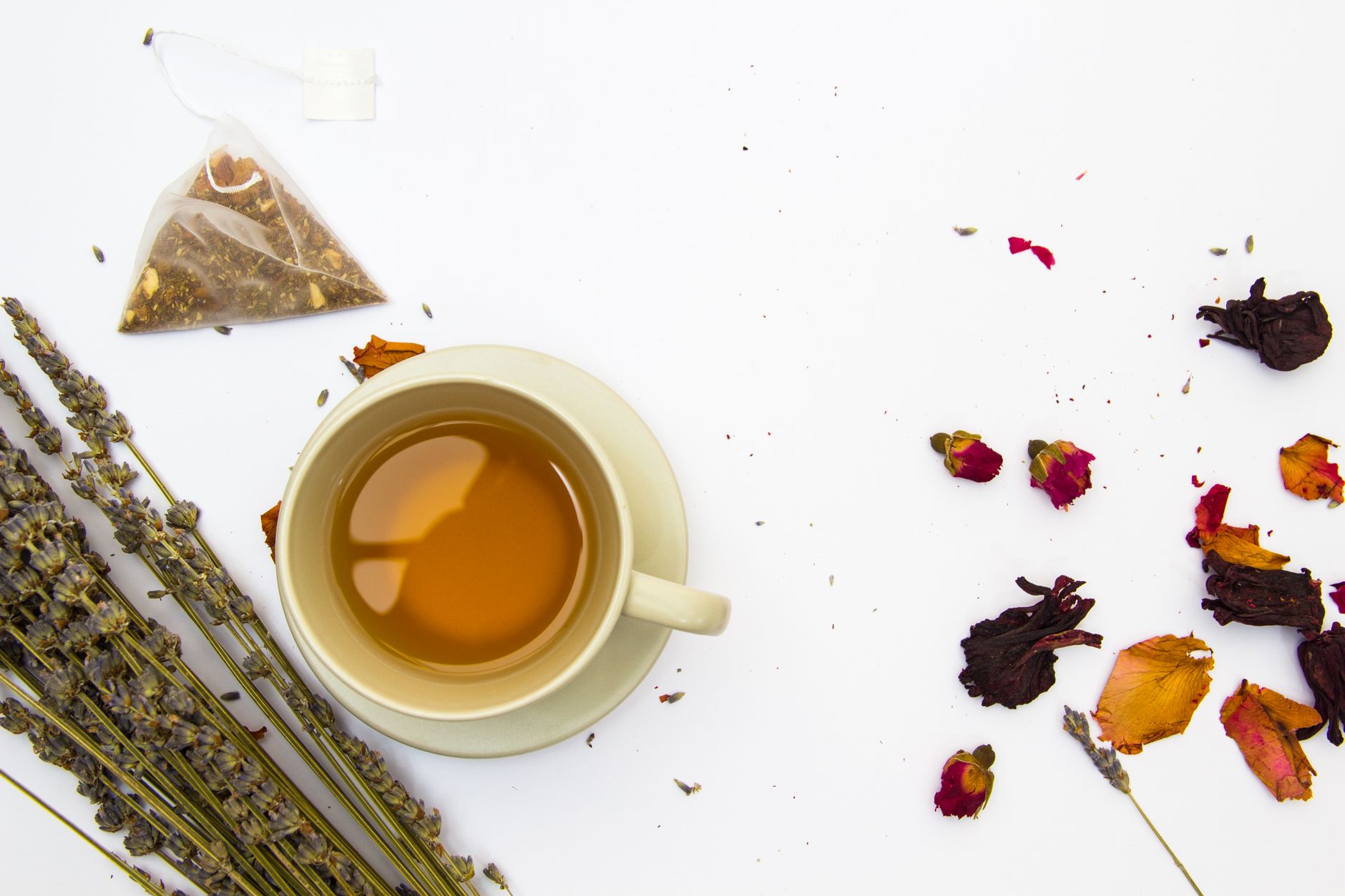
Hojicha (pronounced “ho‑jee‑cha”) is a Japanese tea made by roasting green tea leaves, often the same leaves used for sencha or matcha. The roasting process gives the tea a warm, amber‑brown color and a toasty, slightly caramel‑like flavor that many find soothing, especially in cooler weather. Because the leaves are heated at high temperatures (around 200 °C/390 °F), some of the natural catechins that give green tea its strong antioxidant profile are reduced, which also lowers the caffeine content compared with unroasted green teas.
The tea can be brewed as loose leaves or in tea bags, and a typical serving is about 8 oz (240 ml) of water steeped for 30‑60 seconds. In Japan, hojicha is often enjoyed plain, but it can also be flavored with roasted rice (genmaicha) or sweetened with a touch of honey. For pregnant tea lovers, its milder caffeine punch makes it an attractive alternative to more stimulating teas.
Is hojicha safe during pregnancy?
Current guidance from major health organizations such as the American College of Obstetricians and Gynecologists (ACOG) and the UK’s National Health Service (NHS) recommends that pregnant people limit caffeine intake to no more than 200 mg per day. ACOG notes that this amount “does not appear to increase the risk of miscarriage, preterm birth, or low birth weight.” The FDA similarly advises moderation, stating that moderate caffeine consumption (up to about 200 mg daily) is generally considered safe for most adults, including those who are pregnant.
Because hojicha’s caffeine content is roughly 20‑30 mg per 8‑oz cup—significantly lower than the 30‑40 mg found in regular green tea and far lower than the 50‑70 mg in black tea—it fits comfortably within the ACOG and NHS limits when consumed in moderation. The primary concern is not the tea itself but the cumulative caffeine from all sources (coffee, soda, chocolate, certain medications). If you stay under the 200 mg ceiling, the evidence suggests hojicha is safe for both you and your developing baby.
That said, some pregnant people experience heightened sensitivity to caffeine, feeling jittery, heart‑racing, or experiencing sleep disturbances even at lower doses. If you notice these symptoms, you may want to cut back further or switch to a caffeine‑free option. Overall, the consensus among obstetric experts is that hojicha is safe with limits, and there is no specific teratogenic risk linked to the roasted tea leaves.
Is hojicha safe to drink during the first trimester of pregnancy?
The first trimester (weeks 1‑13) is when organogenesis—formation of the baby’s major organs—occurs, making it the period most scrutinized for teratogenic exposures. Because hojicha’s caffeine content is low, consuming one cup per day keeps total caffeine well below the 200 mg threshold, aligning with ACOG’s recommendation for early pregnancy. No reputable studies have linked modest hojicha consumption to birth defects or miscarriage.
Nonetheless, the first trimester is also when many people experience nausea, vomiting, and heightened taste sensitivities. If the warm, roasted flavor of hojicha triggers nausea, you may prefer a milder, caffeine‑free brew. As always, listen to your body and discuss any concerns with your prenatal provider.
Is hojicha safe to drink during the second trimester of pregnancy?
During weeks 14‑27, the baby’s growth accelerates, and many pregnant people find nausea subsides. Maintaining caffeine limits remains important, but the risk profile does not change dramatically. One to two cups of hojicha per day still fits comfortably within the 200 mg ceiling, and there is no evidence suggesting increased risk of gestational hypertension or other complications from moderate hojicha intake.
Some obstetricians advise spacing caffeine‑containing beverages throughout the day to avoid spikes in blood pressure. If you have a history of high blood pressure or gestational diabetes, discuss your caffeine sources—including hojicha—with your provider.
Is hojicha safe to drink during the third trimester of pregnancy?
In the final stretch (weeks 28‑40), many people worry about sleep and fetal movement. Because caffeine can cross the placenta and also appear in breast milk later, it’s wise to avoid consuming caffeinated drinks close to bedtime. One cup of hojicha in the morning or early afternoon is still safe, but you might want to limit consumption after 4 p.m. to protect both your sleep quality and your baby’s rest.
Research from the CDC indicates that high caffeine intake (> 300 mg/day) is associated with a slight increase in the risk of preterm birth, but staying under 200 mg—including the modest contribution from hojicha—does not appear to raise this risk.
Is hojicha safe while breastfeeding?
After delivery, caffeine does pass into breast milk, typically at concentrations about 1% of the maternal plasma level. The NHS advises lactating parents to keep caffeine intake under 200 mg per day to avoid irritability or sleep disturbances in the infant. One cup of hojicha (≈ 20‑30 mg caffeine) is well within this limit, making it a reasonable beverage choice for nursing mothers.
If your baby seems unusually fussy after you’ve had a caffeinated drink, you might try reducing your intake or switching to a decaffeinated version of hojicha.
Enjoy a modest cup of hojicha while keeping caffeine limits in mind.
How many cups of hojicha can a pregnant woman consume daily?
Most experts agree that staying under 200 mg of caffeine per day is the safest target for pregnancy. Because an 8‑oz cup of hojicha typically contains 20‑30 mg of caffeine, the math works out to roughly one to two cups per day, depending on what other caffeine sources you consume (coffee, soda, chocolate, certain medications). For example, if you drink a 12‑oz coffee (≈ 120 mg caffeine) in the morning, a single cup of hojicha in the afternoon would keep you comfortably under the limit.
Pregnant people who are especially caffeine‑sensitive may wish to cap their intake at one cup (≈ 8 oz) per day, or even switch to a decaffeinated version, which contains less than 5 mg caffeine per cup. The key is to track your total caffeine from all beverages and foods, not just hojicha.
What are the caffeine levels in hojicha compared to other teas for pregnant women?
Tea type
Approx. caffeine per 8‑oz cup
Pregnancy safety note
Hojicha
20‑30 mg
Generally safe within 200 mg daily limit.
Matcha (powdered green tea)
70‑80 mg
Higher caffeine; limit to ≤ 1 cup/day.
Sencha (standard green tea)
30‑40 mg
Safe in moderation; watch total intake.
Black tea
50‑70 mg
Higher caffeine; limit to ≤ 2 cups/day.
White tea
15‑20 mg
Low caffeine; good alternative.
Oolong tea
30‑50 mg
Moderate caffeine; count toward daily total.
Because hojicha is roasted, many of the catechins are reduced, which also lowers its caffeine content compared with most green teas. If you’re aiming for the lowest possible caffeine, white tea and certain herbal teas (which are naturally caffeine‑free) sit below hojicha, but hojicha still ranks among the lower‑caffeine options.
Are there any brands of hojicha that are safer for pregnancy?
When it comes to tea, “safety” usually refers to purity, pesticide residue, and consistent caffeine content. Look for brands that are:
Certified organic (USDA Organic, EU Organic) – reduces pesticide exposure.
Transparent about their sourcing (single‑origin farms, hand‑roasted).
Lab‑tested for heavy metals and microbial contaminants.
Clear about caffeine levels on the label or website.
Brands that often meet these criteria include Rishi (organic Japanese green tea line), The Tea Spot (small‑batch roasted teas with clear sourcing), and Organic Japan Tea Co. (certified organic, low‑caffeine roasting). Even with reputable brands, it’s wise to start with a single cup and see how your body responds before making it a daily habit.
What are the potential risks of drinking hojicha while pregnant?
The main risk associated with hojicha is its caffeine content. Excess caffeine (> 200 mg/day) has been linked in some studies to a slight increase in miscarriage risk, preterm birth, and low birth weight. However, the modest caffeine in a cup of hojicha is far below the threshold that would cause these outcomes.
Other potential concerns include:
Gastrointestinal upset: The roasted flavor can be a bit strong for some, possibly worsening nausea.
Iron absorption: Like many teas, hojicha contains tannins that can inhibit iron absorption if consumed with meals. Pregnant people are already at higher risk for iron‑deficiency anemia, so it’s best to drink hojicha between meals rather than alongside iron‑rich foods.
Sleep disruption: Even low‑dose caffeine can affect sensitive sleepers, especially in the third trimester.
None of these risks are unique to hojicha; they are common to most caffeinated teas. By staying within the recommended limits and timing your cups wisely, you can minimize these concerns.
Can hojicha cause pregnancy complications such as low birth weight?
Current evidence does not support a direct link between moderate hojicha consumption and low birth weight. The CDC’s large‑scale cohort studies indicate that low to moderate caffeine intake (up to 200 mg/day) is not associated with statistically significant changes in infant birth weight. Because hojicha contributes only a fraction of that amount, the risk is negligible when you stay within the daily caffeine ceiling.
Nonetheless, if you have a history of low birth weight or other pregnancy complications, your provider may advise stricter caffeine limits. In those cases, choosing a decaffeinated version or a caffeine‑free herbal tea can provide peace of mind.
Is decaffeinated hojicha safe for pregnant women?
Decaffeinated hojicha is produced by extracting most of the caffeine from the roasted leaves, usually leaving less than 5 mg per cup. This level is well under the 200 mg daily threshold, making it essentially caffeine‑free for practical purposes. The FDA permits the use of safe decaffeination solvents (e.g., water‑process or CO₂) and monitors residual solvent levels.
As long as the decaf product is certified organic and free from contaminants, it is considered safe for pregnancy. Some pregnant people still choose to avoid decaf teas if they have sensitivities to the decaffeination process or if they prefer to eliminate all caffeine entirely.
Choosing an organic, low‑caffeine brand can help keep your hojicha habit pregnancy‑friendly.
What are safe alternatives to hojicha for pregnant tea lovers?
Rooibos tea – naturally caffeine‑free and rich in antioxidants.
Caffeine‑free ginger tea – soothing for nausea and safe throughout pregnancy.
Peppermint tea – caffeine‑free, helps with digestion, and often calming.
Lemongrass tea – mild flavor, caffeine‑free, but avoid in large amounts if you have a history of miscarriage (consult your provider).
Fruit‑infused water – hydrating, flavorful, and zero caffeine.
Decaf green tea (under 5 mg caffeine per cup) – retains some green‑tea antioxidants with minimal caffeine.
Herbal chamomile tea (pregnancy‑safe) – calming, but limit to 1‑2 cups per day due to mild uterine effects.
Caffeine‑free herbal blend (e.g., a “pregnancy‑friendly” mix of rooibos, hibiscus, and fruit peel) – offers variety without caffeine.
Related items — safety at a glance
Tea
Verdict
One‑line note
Matcha
⚠️ Safe with limits
High caffeine (≈ 70 mg/cup); limit to ≤ 1 cup/day.
Sencha
⚠️ Safe with limits
Typical caffeine 30‑40 mg; fits within 200 mg limit.
Gyokuro
⚠️ Safe with limits
Shade‑grown; caffeine ~ 35‑45 mg.
Bancha
✅ Generally safe
Lower caffeine (≈ 15‑20 mg); easy to fit in daily budget.
Genmaicha
✅ Generally safe
Green tea mixed with roasted rice; caffeine ~ 20‑30 mg.
Oolong tea
⚠️ Safe with limits
Caffeine 30‑50 mg; monitor total intake.
Black tea
⚠️ Safe with limits
Higher caffeine (≈ 50‑70 mg); limit to ≤ 2 cups/day.
White tea
✅ Generally safe
Lowest caffeine among true teas (≈ 15‑20 mg).
Myth vs. fact
Myth: All green teas are unsafe in pregnancy because of caffeine.
Fact: Green teas vary in caffeine; roasted hojicha is lower in caffeine than many other green teas, making it safe when consumed within the 200 mg daily limit.
Myth: Decaffeinated teas are automatically safe for pregnancy.
Fact: Decaf teas are low in caffeine, but you still need to consider other factors such as pesticide residues and herbal additives; choose certified organic decaf hojicha for the safest option.
Myth: Drinking any tea will cause miscarriage.
Fact: Research shows that moderate caffeine consumption (≤ 200 mg/day) does not increase miscarriage risk; hojicha’s modest caffeine content falls well below that threshold.
Key takeaways
Hojicha is generally safe during pregnancy if you stay under 200 mg of caffeine per day.
One 8‑oz cup of hojicha provides about 20‑30 mg caffeine, so 1‑2 cups daily are usually fine.
Choose organic, low‑pesticide brands and drink the tea between meals to aid iron absorption.
If you’re caffeine‑sensitive or want to eliminate caffeine entirely, decaf hojicha or caffeine‑free herbal teas (rooibos, ginger, peppermint) are excellent alternatives.
Watch for signs like rapid heartbeat, insomnia, or fetal fussiness; these may indicate you’ve exceeded your caffeine limit.
Frequently asked questions
Can I drink hojicha while pregnant?
Yes—you can enjoy hojicha during pregnancy as long as you keep your total caffeine intake below 200 mg per day, which usually means no more than one to two cups of the tea.
How much caffeine is in hojicha?
An 8‑oz cup of hojicha typically contains 20‑30 mg of caffeine, considerably less than most green teas and far less than black or matcha teas.
Is decaf hojicha safe during pregnancy?
Decaffeinated hojicha contains less than 5 mg of caffeine per cup, which is essentially negligible and considered safe for pregnant and nursing parents.
What are the benefits of drinking hojicha in pregnancy?
Hojicha offers a gentle antioxidant boost from tea polyphenols and can be a soothing, low‑caffeine alternative to coffee, helping with hydration and providing a comforting ritual.
Does hojicha cause morning sickness?
For most people, the low caffeine level in hojicha does not trigger morning sickness, but if the roasted flavor worsens nausea, switching to a caffeine‑free herbal tea may help.
Are there any side effects of hojicha for pregnant women?
Potential side effects include mild insomnia, increased heart rate, or reduced iron absorption if consumed with meals—these are generally manageable by limiting intake and timing.
Which tea is safest for pregnancy?
Herbal, caffeine‑free teas such as rooibos, ginger, and peppermint are considered the safest because they contain no caffeine and have a low risk of affecting the fetus.
Explore caffeine‑free herbal teas as gentle alternatives to hojicha.
When to call your doctor
If you notice any of the following after drinking hojicha, contact your obstetric provider promptly:
Persistent rapid heartbeat (≥ 100 bpm) or palpitations.
Severe insomnia lasting more than 48 hours.
Fetal movement that suddenly decreases or stops.
Signs of dehydration (dry mouth, dizziness, dark urine).
Unexplained abdominal pain or bleeding.
These symptoms could signal excessive caffeine intake or another underlying issue. Remember, this article provides general information and is not a substitute for personalized medical advice. Always discuss your diet and beverage choices with your prenatal care provider.
References
American College of Obstetricians and Gynecologists (ACOG). “Committee Opinion No. 720: Moderate Caffeine Consumption During Pregnancy.” 2020.
National Health Service (NHS). “Caffeine in pregnancy.” Updated 2022.
U.S. Food and Drug Administration (FDA). “Caffeine: How much is safe?” 2023.
Centers for Disease Control and Prevention (CDC). “Pregnancy and Caffeine.” 2021.
Mayo Clinic. “Caffeine and pregnancy: How much is safe?” 2022.
World Health Organization (WHO). “Guidelines on caffeine consumption for pregnant women.” 2021.
Harvard T.H. Chan School of Public Health. “The Nutrition Source: Caffeine.” 2023.
Not sure about the label on Is Hojicha Safe During Pregnancy products?
Snap the ingredients list and SafeFilter checks every ingredient for your stage — only 3 free scans this month, then you're locked until reset. Unlimited from $7/mo or $50/yr.
When Shubhra Mishra was expecting her first child in 2016, she was overwhelmed by conflicting food advice — one site said yes, another said never. By the time her second baby arrived in 2019, she realized millions of mothers face the same confusion.
That sparked a five-year journey through clinical nutrition papers, cultural diets, and expert conversations — all leading to BumpBites: a calm, compassionate space where science meets everyday motherhood.
Her long-term vision is to build a global community ensuring safe, supported, and free deliveriesfor every mother — because no woman should face pregnancy alone or uninformed. 🌿
🌍 Stand with mothers, shape safer guidance
Join a small circle of experts who review BumpBites articles so expecting parents everywhere can decide with confidence.