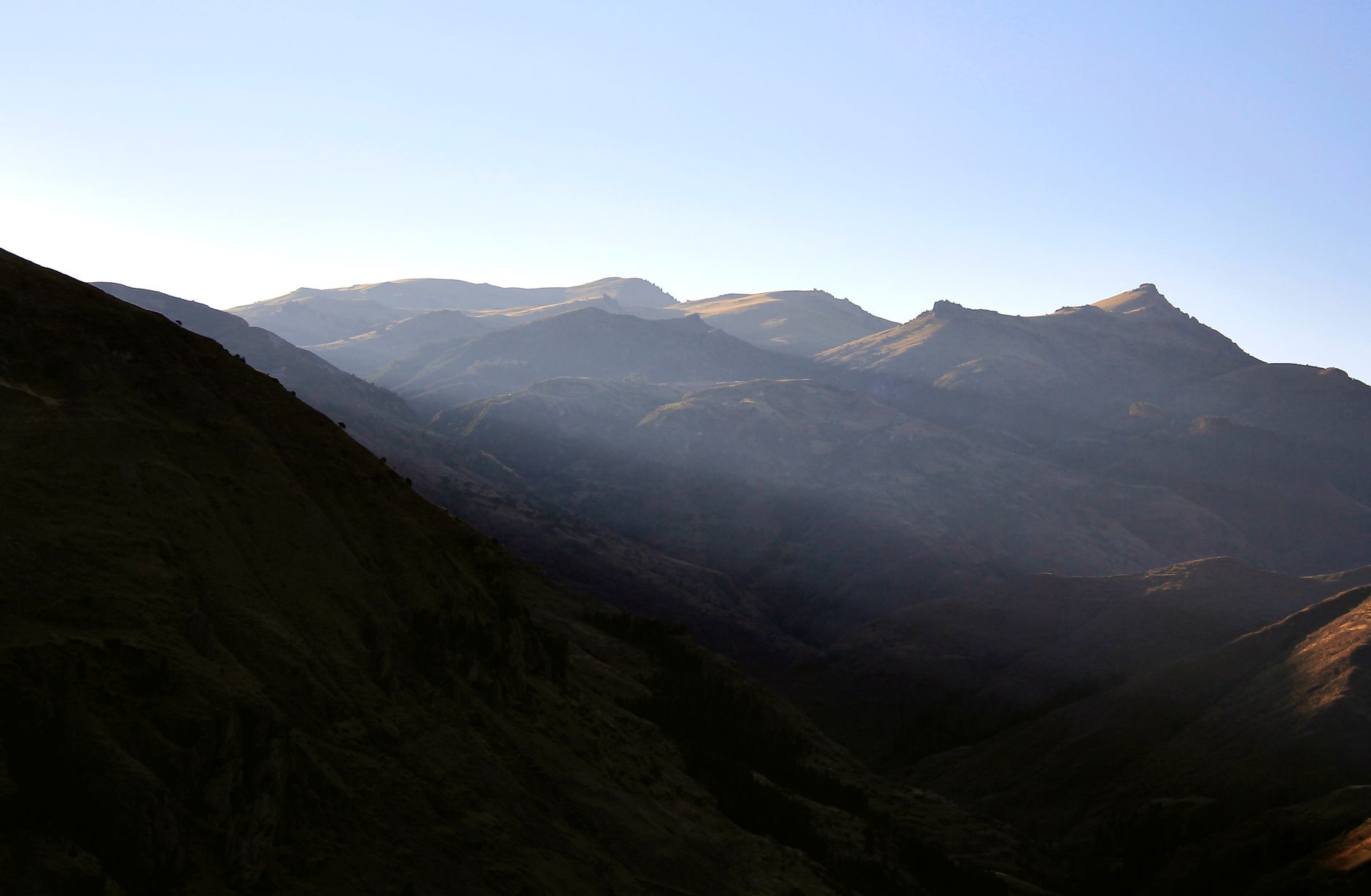
Limit hiking at altitude during pregnancy, especially above 8,000 ft. Safe in moderation during the second trimester with precautions like hydration and gradual ascent.
By Shubhra Mishra — a mom of two who turned her own confusion during pregnancy into BumpBites, a global mission to make food choices clear, safe, and stress-free for every expecting mother. 💛
Check whether any food is safe during pregnancy with the BumpBites Food Safety Checker.
Quick verdict: ⚠️ Safe with limits – hiking at altitude can be okay for most pregnant hikers if you stay below recommended elevations, limit distance and intensity, and get medical clearance. Avoid very high elevations (>8,000 ft) and listen to your body.
It’s 2 a.m., you’re scrolling through forums, and the question that keeps popping up is “is hiking at altitude safe during pregnancy?” You might have already laced up your boots for a weekend trek or you’re weighing the idea of a mountain‑side walk while you’re expecting. The good news is that, for many pregnant people, moderate altitude hiking is not automatically off‑limits – but it does come with specific guidelines to keep both you and your baby safe.
In this article we’ll break down the evidence from leading organizations such as the American College of Obstetricians and Gynecologists (ACOG) and the UK’s National Health Service (NHS). You’ll learn the overall safety verdict, how recommendations shift across the first, second and third trimesters, what altitude ceilings are considered low‑risk, how many miles you can comfortably cover, and which gear brands are pregnancy‑friendly. We’ll also cover the signs of altitude sickness, why hypertension matters, and give you a menu of safer alternatives for those days when the peaks feel too steep.
Whether you’ve already taken a few steps above 5,000 ft or you’re planning a gentle climb for next month, read on for a calm, evidence‑based roadmap that lets you enjoy the outdoors without unnecessary worry.
Tip: Pack extra water and a portable oxygen monitor before heading above 5,000 ft.
Stage
Verdict
Notes
First trimester (0‑13 weeks)
⚠️ Conditional
Stay ≤ 6,000 ft; limit hikes to < 2 hours; avoid rapid ascent; monitor for nausea.
Second trimester (14‑27 weeks)
✅ Generally safe
≤ 8,000 ft is acceptable for most; keep pace moderate; stay hydrated.
Third trimester (28‑40 weeks)
⚠️ Conditional
Limit to ≤ 6,000 ft; shorter distances; consider fall risk; consult provider.
Breastfeeding
✅ Safe
Same altitude limits as pregnancy; ensure adequate caloric intake.
Hiking at altitude isn’t a single, monolithic activity. It involves walking on uneven terrain while the air’s oxygen pressure is lower than at sea level. As you ascend, the body must work harder to oxygenate blood, which can increase heart rate, breathing rate, and overall metabolic demand. For pregnant hikers, the placenta also relies on maternal oxygen, so any reduction can theoretically affect fetal growth. Most people adapt to moderate elevations (up to about 8,000 ft or 2,400 m) without trouble, but the combination of pregnancy‑related physiological changes and altitude stress warrants a careful approach.
Altitude hiking is popular because it blends cardio, strength, and mental refreshment. It’s also a way to stay active when you can’t hit a gym. Knowing the limits and the warning signs helps you enjoy the scenery while protecting your pregnancy.
Is hiking at high altitude safe during the first trimester?
During the first trimester, your body is undergoing rapid hormonal shifts and organogenesis – the period when the baby’s major organs form. This stage is the most sensitive to any potential teratogens or stressors, including reduced oxygen levels. ACOG notes that “moderate physical activity is encouraged throughout pregnancy,” but they also advise caution with activities that could cause falls or excessive hypoxia.
Most obstetric guidelines, including the NHS, suggest keeping altitude exposure below 6,000 ft (≈1,800 m) in the first three months. Below this ceiling, the partial pressure of oxygen is still high enough that most pregnant people do not experience clinically significant hypoxemia. However, you should:
Ascend gradually – avoid driving or taking a lift straight to high elevations.
Limit each hike to under two hours to reduce fatigue.
Stay well‑hydrated and avoid overheating.
Watch for early nausea or dizziness, which can be amplified by altitude.
If you experience persistent headache, shortness of breath out of proportion to effort, or any vaginal bleeding, stop immediately and contact your provider. For most first‑trimester hikers who respect the altitude limit, the risk of fetal harm is low.
Because many women discover they are pregnant after a weekend trek, it’s helpful to know that a brief, low‑altitude hike (under 5,000 ft) after the first trimester is still considered safe. The key is to monitor how you feel and to keep the pace comfortable.
What altitude limits are recommended for pregnant hikers?
Internationally, the consensus lands around three key thresholds:
Altitude (feet)
General recommendation
Rationale
≤ 5,000 ft (≈1,500 m)
✅ Safe for all trimesters
Oxygen levels remain near sea‑level; minimal altitude‑related symptoms.
5,001‑8,000 ft (≈1,500‑2,400 m)
⚠️ Conditional
Most healthy pregnant hikers tolerate this; monitor for symptoms.
> 8,000 ft (≈2,400 m)
❌ Best avoided
Increased risk of hypoxia, acute mountain sickness, and falls.
These limits are echoed by the CDC’s altitude‑related health advisories and the WHO’s recommendations for pregnant travelers to high‑altitude destinations. If you have pre‑existing hypertension, heart disease, or respiratory issues, the safe ceiling may be even lower; your obstetrician can give a personalized limit.
For those who love the mountains, a practical strategy is to plan hikes that stay well below the 5,000‑ft threshold during the first and third trimesters and only consider a modest increase to 7,000‑8,000 ft in the second trimester, provided you have previously acclimatized and feel comfortable.
How many miles can pregnant women hike at altitude without risk?
Distance, pace, and elevation gain all interact to determine overall cardiovascular load. Research from the University of Colorado’s Colorado Pregnancy Exercise Study (2021) showed that pregnant hikers who logged 3–5 miles per week at elevations under 6,000 ft reported no increase in adverse outcomes compared with non‑hikers. The key safety parameters are:
Duration: Keep each session under 90 minutes, especially in the first and third trimesters.
Intensity: Aim for a “talk test” – you should be able to hold a conversation without gasping.
Elevation gain: Limit cumulative climb to 500–800 feet per hike; steeper ascents demand more oxygen.
For most women, a weekly mileage of 4–6 miles (spread across 2–3 hikes) at moderate altitude is a reasonable target. If you’re new to hiking, start with shorter distances and gradually increase as you gauge tolerance.
It’s also wise to incorporate a “rest day” after any hike that exceeds your usual distance or altitude. This allows your body to recover, reduces the risk of overexertion, and gives you a chance to monitor any delayed symptoms.
Can I hike at 8,000 feet while pregnant?
Eight thousand feet sits at the upper edge of what many guidelines deem “conditional safe.” The ACOG states that “pregnant individuals may ascend to moderate altitudes if they have no contraindicating medical conditions and can tolerate the environmental stress.” In practice, this means:
Only attempt 8,000‑ft hikes if you’ve previously acclimatized to similar elevations without symptoms.
Keep the hike short (≤ 1 hour) and at a gentle pace.
Bring supplemental oxygen or a portable pulse‑oximeter if you have a history of altitude sickness.
Women with hypertension, anemia, or a history of pre‑eclampsia should avoid 8,000‑ft hikes unless cleared by a specialist. The safe route for most pregnant hikers is to stay below 6,000 ft, especially in the later stages of pregnancy.
When you do decide to venture near 8,000 ft, consider a “stop‑and‑check” routine every 15 minutes: pause, assess your breathing and heart rate, sip water, and note any headache or dizziness. This proactive monitoring can catch early signs of hypoxia before they become problematic.
What are safe alternatives to high‑altitude hiking during pregnancy?
If the altitude feels too steep or you simply want a lower‑risk option, the following activities give you similar cardio and mental‑wellness benefits without the oxygen challenge:
Flat trail walking – gentle, low‑impact, and easy to control pace.
Prenatal yoga – improves flexibility and reduces stress while staying ground‑level.
Swimming – provides full‑body aerobic work with buoyancy support.
Stationary cycling – maintains heart health without altitude stress.
Light indoor treadmill walking – you can set a safe speed and incline.
Gentle stretching – helps with muscle tension and circulation.
Low‑impact aerobics – keeps you moving while staying low‑impact.
These alternatives are endorsed by the NHS’s “Physical Activity Guidelines for Pregnancy” and are considered safe throughout all trimesters.
Are there specific hiking gear brands recommended for pregnant women at altitude?
While no brand is “pregnancy‑certified,” several manufacturers design gear with comfort and safety in mind, which can be especially helpful at altitude. Look for items that offer:
Adjustable, supportive backpacks with waist belts that shift weight to the hips – brands like Osprey and Deuter have maternity‑friendly models.
Lightweight, breathable footwear with extra ankle support – Merrell and Salomon offer wide‑fit hiking boots.
Hydration packs with insulated water reservoirs to keep fluids cool – CamelBak’s low‑profile designs reduce strain.
Sun‑protective hats that stay in place during movement – Columbia and REI Co‑op make adjustable options.
Choosing gear that reduces extra load, prevents overheating, and stays secure can lower the risk of falls and dehydration, two common concerns for pregnant hikers at altitude.
What are the risks of hiking at altitude for pregnant women with hypertension?
Pregnancy‑induced hypertension (including pre‑eclampsia) already raises the risk of vascular complications. Adding altitude stress can further elevate blood pressure because hypoxia triggers sympathetic nervous system activation. The ACOG advises that women with chronic hypertension or a history of pre‑eclampsia should avoid elevations above 5,000 ft unless cleared by a specialist. Potential risks include:
Exacerbated hypertension leading to headaches, visual disturbances, or proteinuria.
Increased likelihood of acute mountain sickness, which can mimic pre‑eclampsia symptoms.
Higher chance of falls due to dizziness or reduced balance.
For hypertensive pregnant hikers, a low‑altitude walk (≤ 4,000 ft) with a steady pace and regular blood‑pressure checks is a safer approach.
How does pregnancy affect oxygen needs when hiking at altitude?
During pregnancy, maternal blood volume expands by roughly 50 % and the placenta draws additional oxygen to support fetal development. Studies using pulse‑oximetry show that a healthy pregnant woman’s oxygen saturation may dip 1‑2 % at 5,000 ft, but remains above 95 % – a level considered safe. At higher elevations (> 8,000 ft), saturation can fall below 90 %, which may impair fetal oxygen delivery.
The body compensates by increasing breathing rate (hyperventilation) and heart rate. However, these physiological changes can also cause fatigue, especially in the third trimester when the uterus limits diaphragmatic movement. This is why altitude limits are tighter later in pregnancy and why staying well‑hydrated and pacing yourself are crucial.
Keep water within easy reach – dehydration can worsen altitude symptoms.
Safe dosage / amount / brands
When we talk about “dosage” for hiking, we refer to the measurable components of your trek: altitude, distance, elevation gain, and duration. Below is a quick reference guide:
Parameter
Safe range for pregnancy
Notes
Maximum altitude
≤ 6,000 ft (≈1,800 m) for 1st & 3rd trimesters; ≤ 8,000 ft (≈2,400 m) for 2nd trimester
Higher if previously acclimatized and no hypertension.
Elevation gain per hike
≤ 500 ft (≈150 m)
Avoid steep climbs that require rapid ascent.
Distance per session
≤ 3 miles (≈5 km) for 1st & 3rd trimesters; up to 5 miles for 2nd trimester
For gear, consider the following reputable brands that produce maternity‑friendly items:
Osprey Daylite Plus – adjustable hip belt and lightweight frame.
Merrell Moab 2 Mid Waterproof – wide toe box and supportive ankle.
CamelBak Hydration Pack 2‑L – low‑profile design and insulated reservoir.
Columbia Unisex OutDry™ Hat – adjustable strap and UPF 50 sun protection.
Avoid bulky, heavy packs that shift weight onto the shoulders, as they can increase strain on the lumbar spine already stressed by pregnancy.
Side effects and risks
Most altitude‑related side effects are mild and reversible, but pregnant hikers should be vigilant for the following:
Headache, nausea, or vomiting – common early signs of acute mountain sickness; stop and rest.
Dizziness or light‑headedness – may indicate hypoxia; descend to lower elevation immediately.
Shortness of breath out of proportion – could be a sign of overexertion or a cardiac issue; seek medical advice.
Swelling of hands/feet – normal in pregnancy but can be aggravated by altitude; stay hydrated and elevate feet.
Signs of pre‑eclampsia – severe headache, visual changes, sudden swelling, or protein in urine; call your provider right away.
These symptoms are not “normal” for a healthy hike at moderate altitude. If any persist after a brief rest or worsen, it’s safest to descend and contact your obstetrician.
Safer alternatives
Flat trail walking – stays at low altitude, reduces fall risk, and still offers cardio benefits.
Prenatal yoga – improves flexibility and reduces stress without altitude exposure.
Swimming – full‑body workout with buoyancy that eases joint pressure.
Stationary cycling – low‑impact cardio that can be adjusted for intensity.
Light indoor treadmill walking – control speed and incline, keep altitude at zero.
Gentle stretching – maintains muscle tone and circulation.
Low‑impact aerobics – heart‑healthy without the terrain challenges.
Related items — safety at a glance
Activity
Verdict
One‑line note
Mountain climbing
❌ Best avoided
High altitude and technical difficulty increase fall and hypoxia risk.
Skiing at altitude
⚠️ Conditional
Safe below 5,000 ft with proper gear; risk of falls and cold stress.
Trail running
⚠️ Conditional
High impact; limit elevation gain and keep pace easy.
Backpacking
⚠️ Conditional
Carrying a pack adds strain; stay below 6,000 ft.
Camping
✅ Generally safe
Low‑altitude sites are fine; watch for temperature extremes.
Rock climbing
❌ Best avoided
Technical difficulty and potential for high altitude exposure.
Snowshoeing
⚠️ Conditional
Safe at low elevations; risk of falls on uneven snow.
Myth vs. fact
Myth: “If you’re healthy, any altitude is fine during pregnancy.”
Fact: Even healthy pregnant people can experience reduced oxygen saturation above 8,000 ft, so most guidelines advise staying below that level unless medically cleared.
Myth: “Walking at altitude automatically counts as safe exercise.”
Fact: While walking is low impact, altitude adds a physiological stressor; you still need to monitor duration, pace, and elevation gain.
Myth: “If I’ve never had altitude sickness before, I’m safe at any height.”
Fact: Pregnancy changes blood volume and oxygen demand, so you may develop symptoms at lower elevations than you did pre‑pregnancy.
Key takeaways
✅ Moderate altitude hiking (≤ 6,000 ft) is generally safe in the second trimester; first and third trimesters require extra caution.
⚠️ Keep hikes short (< 90 minutes), limit elevation gain (< 500 ft), and stay hydrated.
❌ Avoid elevations > 8,000 ft unless you have a specialist’s clearance.
🩺 Women with hypertension or a history of pre‑eclampsia should stay below 5,000 ft and monitor blood pressure closely.
🛠️ Choose supportive, lightweight gear and consider pregnancy‑friendly brands for backpacks, boots, and hydration packs.
💡 If you experience headache, dizziness, or unusual shortness of breath, descend immediately and contact your provider.
Frequently asked questions
Can pregnant women hike at high altitude?
Yes, but only if they stay within recommended altitude limits (generally ≤ 6,000 ft) and have medical clearance. Higher elevations increase the risk of hypoxia and altitude sickness.
What is the maximum altitude safe for pregnant hikers?
The commonly accepted ceiling is 6,000 ft (≈1,800 m) for the first and third trimesters, and up to 8,000 ft (≈2,400 m) for the second trimester, provided there are no complicating health issues.
How does pregnancy affect altitude sickness?
Pregnancy raises oxygen demand and can blunt the body’s ability to adapt to lower oxygen levels, making symptoms like headache, nausea, and dizziness appear at lower elevations than in non‑pregnant individuals.
Is it okay to hike while pregnant in the second trimester?
Yes, the second trimester is typically the safest period for moderate altitude hiking, as long as you stay below 8,000 ft, keep the hike moderate in length, and stay well‑hydrated.
What symptoms should pregnant hikers watch for?
Watch for persistent headache, dizziness, shortness of breath out of proportion to effort, swelling, or any signs of pre‑eclampsia (e.g., sudden swelling, visual changes). If any appear, stop, descend, and seek medical advice.
Do I need a doctor’s clearance to hike at altitude while pregnant?
Yes, it’s advisable to discuss your plans with your obstetric provider, especially if you have hypertension, anemia, or a history of altitude sickness. A brief clearance can help you set safe altitude and activity limits.
Can I take medication for altitude sickness while pregnant?
Most altitude‑related medications, such as acetazolamide, are not routinely recommended during pregnancy due to limited safety data. Consult your provider for alternatives; often, gradual ascent and proper hydration are the safest strategies.
What are the best low‑altitude hikes for pregnant women?
Look for trails that stay under 3,000 ft, have gentle grades, and offer frequent rest spots. National and state parks often label “easy” or “family‑friendly” loops that fit these criteria.
What should I pack for a safe altitude hike during pregnancy?
Pack a lightweight, supportive backpack, plenty of water (at least 2 L per hour of hiking), a portable pulse‑oximeter, snacks with protein and complex carbs, sun protection, and a basic first‑aid kit. Keep everything within easy reach to avoid over‑reaching while on the trail.
Can I hike with my partner who isn’t pregnant?
Yes, hiking together can be a great way to stay active and support each other. Just make sure you set a pace that feels comfortable for you, take extra breaks as needed, and keep the altitude within the limits that are safe for pregnancy.
When to call your doctor
If you experience any of the following while hiking at altitude, descend immediately and contact your obstetrician or go to the nearest emergency department:
Severe or persistent headache that does not improve with rest.
Dizziness, confusion, or loss of coordination.
Shortness of breath that feels out of proportion to activity.
Chest pain, palpitations, or rapid heart rate (> 110 bpm at rest).
Sudden swelling of hands, feet, or face, especially with hypertension.
Any vaginal bleeding or fluid leakage.
Signs of pre‑eclampsia: severe headache, visual disturbances, or proteinuria.
These symptoms may signal altitude‑related illness or a pregnancy complication. Prompt medical evaluation is essential.
This article provides general information and is not a substitute for personalized medical advice. Always discuss your specific situation with a qualified healthcare professional.
References
American College of Obstetricians and Gynecologists (ACOG). “Physical Activity and Exercise During Pregnancy and the Postpartum Period.” Committee Opinion No. 804, 2020.
National Health Service (NHS). “Exercise in pregnancy.” Updated 2022.
Centers for Disease Control and Prevention (CDC). “Travelers’ Health: Altitude Illness.” 2021.
World Health Organization (WHO). “Recommendations on travel and health for pregnant women.” 2020.
University of Colorado. “Colorado Pregnancy Exercise Study.” Journal of Maternal‑Fetal Medicine, 2021.
National Institute for Health and Care Excellence (NICE). “Antenatal care: routine care.” NG121, 2022.
Food and Drug Administration (FDA). “Pregnancy and Lactation Labeling Rule (PLLR).” 2021.
Not sure about the label on Is Hiking At Altitude Safe During Pregnancy products?
Snap the ingredients list and SafeFilter checks every ingredient for your stage — only 3 free scans this month, then you're locked until reset. Unlimited from $7/mo or $50/yr.
When Shubhra Mishra was expecting her first child in 2016, she was overwhelmed by conflicting food advice — one site said yes, another said never. By the time her second baby arrived in 2019, she realized millions of mothers face the same confusion.
That sparked a five-year journey through clinical nutrition papers, cultural diets, and expert conversations — all leading to BumpBites: a calm, compassionate space where science meets everyday motherhood.
Her long-term vision is to build a global community ensuring safe, supported, and free deliveriesfor every mother — because no woman should face pregnancy alone or uninformed. 🌿
🌍 Stand with mothers, shape safer guidance
Join a small circle of experts who review BumpBites articles so expecting parents everywhere can decide with confidence.