Limit Haribo gummy bears during pregnancy. Safe in small amounts (1-2 pieces), but high sugar and gelatin may pose risks. Learn safe alternatives and trimester-specific advice.
By Shubhra Mishra — a mom of two who turned her own confusion during pregnancy into BumpBites, a global mission to make food choices clear, safe, and stress-free for every expecting mother. 💛
Check whether any food is safe during pregnancy with the BumpBites Food Safety Checker.
Quick verdict: ⚠️ Safe with limits – occasional Haribo gummy bears are generally okay, but keep portions small (no more than a handful a day) and watch sugar and color additives.
It’s 2 a.m., the pantry light flickers, and you spot a bright bag of Haribo gummy bears on the shelf. You wonder, “is haribo gummy bears safe during pregnancy?” You’re not alone – many expectant parents have that midnight moment of doubt, especially after a craving hits. The good news is that, for most pregnancies, a modest serving of these colorful treats won’t jeopardize your baby’s health. Still, it’s worth understanding the ingredients, the sugar load, and how each trimester might change the picture.
In this article we’ll give you a clear answer to the question “is haribo gummy bears safe during pregnancy,” break down the safe amount you can enjoy, and explain what to watch for in each trimester. We’ll also compare Haribo to other gummy‑bear brands, suggest healthier snack alternatives, and cover special situations like gestational diabetes or food sensitivities. By the end you’ll have a practical, evidence‑based plan and know exactly when to call your provider.
Stage
Verdict
Notes
First trimester
⚠️ Safe with limits
Limit to ≤ 6 bears per day; watch artificial colors and high sugar.
Second trimester
⚠️ Safe with limits
Same portion guidance; consider gestational‑diabetes status.
Third trimester
⚠️ Safe with limits
Portion unchanged; ensure adequate calcium and iron intake.
Breastfeeding
✅ Generally safe
Moderate intake fine; monitor infant for any allergic reactions.
What is Haribo gummy bears?
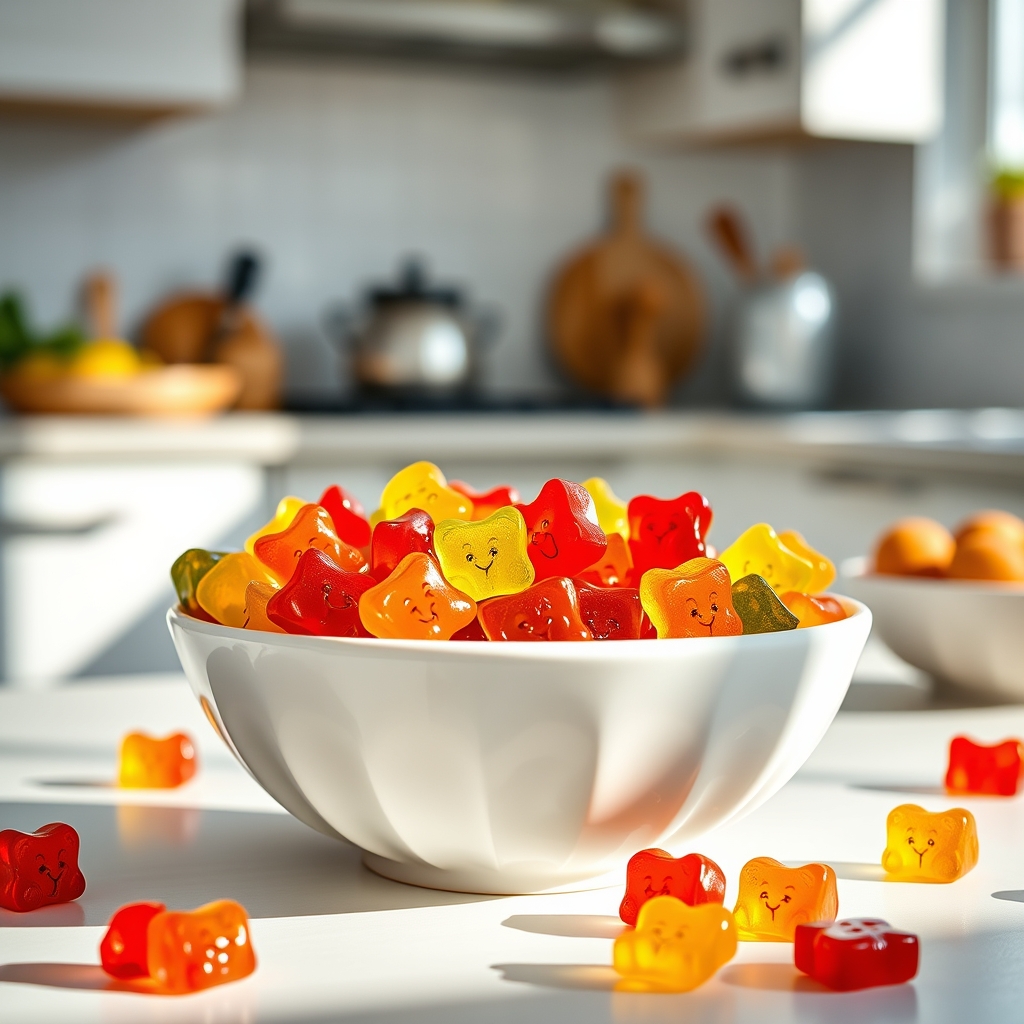
Haribo gummy bears, first introduced in Germany in 1922, are small, chewy candies made primarily from sugar, glucose syrup, gelatin, citric acid, and a blend of natural and artificial flavors and colors. The iconic “Goldbears” come in red, orange, yellow, green, and clear (white) varieties. Gelatin—derived from animal collagen—gives the gummies their signature bounce, while the bright hues are often achieved with synthetic dyes such as Red 40 and Yellow 5. The snack is popular worldwide for its sweet, fruity taste and convenient bite‑size format.
Beyond the classic line, Haribo now offers “Goldbears Natural,” which swaps synthetic dyes for fruit‑derived pigments, and a “Sugar‑Free” version that replaces sucrose with maltitol. These variations let consumers choose a formulation that aligns more closely with personal health goals, though the core ingredients (gelatin, sugar, and acids) remain the same.
Enjoying a modest serving of Haribo gummy bears can fit into a balanced pregnancy diet.
Is Haribo gummy bears safe during pregnancy?
When you ask, “is haribo gummy bears safe during pregnancy,” the short answer from major health bodies is that occasional consumption is permissible, provided you stay within a modest serving size. The American College of Obstetricians and Gynecologists (ACOG) advises pregnant people to limit added sugars to less than 10 % of daily calories, roughly 25 g for a 2,000‑calorie diet. The UK’s NHS echoes this recommendation, noting that excessive sugar can contribute to gestational diabetes and excess weight gain. Both organizations stress that foods high in artificial colors should be eaten sparingly because some studies suggest a potential link to hyperactivity in children, though the evidence for fetal harm remains weak.
Haribo gummy bears do not contain any known teratogens—substances that cause birth defects—so they are not outright prohibited. The main concerns revolve around the high sugar content (about 4 g per bear) and the presence of synthetic dyes (Red 40, Yellow 5, and Blue 1). While the FDA classifies these dyes as “Generally Recognized as Safe” (GRAS), ACOG and the NHS recommend limiting exposure during pregnancy as a precautionary measure.
In practice, this means a handful of gummy bears (≈ 6 pieces) fits comfortably within the 10 % added‑sugar guideline and keeps dye exposure low. If you have gestational diabetes, a stricter limit or a sugar‑free alternative may be advisable. For most expectant parents, the risk profile is low when the candy is enjoyed in moderation and balanced with nutrient‑dense foods.
It’s also worth noting that the overall dietary pattern matters more than any single snack. A balanced diet rich in fruits, vegetables, whole grains, lean proteins, and calcium‑rich foods will offset occasional indulgences. The occasional gummy bear is unlikely to tip the scales if you stay within the recommended sugar limits and maintain good oral hygiene.
First‑trimester safety
The first trimester (weeks 1‑13) is a critical period of organ formation, so many expectant parents tighten their dietary vigilance. Haribo gummy bears do not contain known teratogens—substances that cause birth defects—so they are not outright prohibited. However, the high sugar content (about 4 g per bear) can spike blood glucose, and the artificial colors (Red 40, Yellow 5) have limited safety data for fetal development. ACOG’s guideline on added sugars suggests keeping candy to a “small occasional treat” during this window. Therefore, limiting intake to no more than six bears (≈ 24 g sugar) per day aligns with the overall sugar recommendation and reduces any theoretical risk from color additives.
Many pregnant people report heightened food aversions in the first trimester. If you find yourself craving something sweet, a small portion of gummy bears can satisfy the urge without overloading your system. Pairing them with a protein‑rich snack (like a handful of nuts) can also help blunt blood‑sugar spikes.
Second‑trimester safety
During weeks 14‑27, the placenta is fully functional and the baby’s growth accelerates. Sugar intake continues to be a concern because it can influence maternal weight gain and gestational‑diabetes risk. The same ≤ 6‑bear limit remains a good rule of thumb. If you’ve been diagnosed with gestational diabetes, the American Diabetes Association (ADA) recommends treating candy as a “treat” and counting its carbohydrate contribution toward your daily allowance. In this case, you may wish to cut back to three bears or switch to a sugar‑free version.
Hydration is also important in the second trimester. Some expectant mothers find that chewing gummy bears stimulates saliva production, which can help alleviate dry‑mouth symptoms often experienced during pregnancy.
Third‑trimester safety
In the final stretch (weeks 28‑40), the baby’s demand for iron and calcium rises sharply. While Haribo gummy bears don’t provide these minerals, they also don’t interfere with their absorption when consumed in moderation. Maintaining the ≤ 6‑bear guideline helps keep added sugar in check, which can otherwise contribute to excessive weight gain and hinder optimal nutrient utilization.
Many women notice increased fatigue in the third trimester. A modest sugary snack can give a quick energy boost, but it should be followed by a protein‑rich food to sustain energy levels and prevent a rapid drop in blood glucose.
Breastfeeding safety
After delivery, the same sugar‑limit principle applies. The FDA considers the ingredients in Haribo gummy bears GRAS, and studies show that small amounts of added sugar pass into breast milk without harming the infant. However, if your baby shows signs of a rash or fussiness after you’ve eaten a large amount, it may be worth reducing your intake and observing any changes.
Haribo gummy bears and pregnancy cravings
Cravings are a well‑documented phenomenon in pregnancy, often driven by hormonal changes and increased energy needs. Sweet cravings, in particular, are among the most common. Haribo gummy bears can be a convenient way to satisfy a sweet urge without resorting to larger desserts that may contain hidden fats or excess calories. The key is moderation: a handful of bears provides a quick source of glucose, but pairing them with a source of protein or healthy fat (such as a slice of cheese) can smooth out blood‑sugar fluctuations.
If you find yourself reaching for gummy bears multiple times a day, consider swapping some of those portions for naturally sweet foods like fresh berries, which also deliver fiber, vitamins, and antioxidants that support fetal development.
How do artificial colors affect pregnancy?
Artificial colors such as Red 40, Yellow 5, and Blue 1 have been scrutinized for potential health effects. The FDA has set acceptable daily intake (ADI) levels that are far above what a typical serving of gummy bears would provide. Nonetheless, ACOG and the NHS advise pregnant people limit exposure to synthetic dyes as a precaution because some animal studies have hinted at developmental effects at very high doses. The consensus among obstetric experts is that occasional consumption—well below the ADI—poses minimal risk, but consistent high‑dose exposure should be avoided.
Is gelatin safe for pregnant people?
Gelatin is a protein derived from animal collagen, typically sourced from pork or beef. It is not a teratogen and is considered safe for most pregnant people. However, individuals who follow vegetarian, vegan, or certain religious dietary restrictions may prefer gelatin‑free alternatives. In those cases, plant‑based gummy snacks that use pectin or agar‑agar provide a similar texture without animal‑derived ingredients.
Haribo gummy bears vs other gummy bear brands for pregnant safety
When comparing Haribo to other gummy‑bear options, the main differentiators are sugar content, type of colors, and gelatin source. Haribo’s classic Goldbears contain about 4 g sugar per bear and synthetic dyes. Albanese gummy bears, for instance, have a similar sugar level but often use natural colors. Black Forest gummy bears use organic cane sugar and natural fruit colors, lowering the artificial‑color load. Trolli gummy worms tend to be sweeter (≈ 5 g sugar per piece) and also rely on synthetic dyes. Overall, Haribo sits in the middle of the safety spectrum: it is not the most sugary, nor the most natural, but it is widely available and generally safe in moderation.
Haribo gummy bears and gestational diabetes
Gestational diabetes (GDM) affects roughly 7 % of pregnancies in the United States. For those managing GDM, carbohydrate counting is essential. Each Haribo gummy bear contributes about 4 g of carbohydrate, so a handful (six bears) adds roughly 24 g—close to the typical snack portion limit of 15‑30 g of carbs. The American Diabetes Association advises that sweets be treated as “treats,” meaning they should be factored into the overall meal plan rather than eaten freely. Switching to Haribo’s “Sugar‑Free” line, which uses maltitol, can reduce carbohydrate intake, but maltitol can cause gastrointestinal upset if consumed in large quantities.
Working with a registered dietitian can help you incorporate occasional treats like gummy bears while keeping blood‑glucose levels stable. Monitoring your glucose after a sweet snack will give you personal data on how your body responds.
Haribo gummy bears and nausea relief
Nausea, especially in the first trimester, is common. Some pregnant people find that sucking on a small, sweet candy can settle an upset stomach by stimulating saliva and providing a gentle source of glucose. Haribo gummy bears, with their soft texture and sweet flavor, can be a low‑risk option for brief nausea relief. However, relying on them frequently may lead to excess sugar intake. If nausea persists, discuss safer options—such as ginger tea, vitamin B6 supplements, or prescribed anti‑nausea medication—with your provider.
Dental health considerations with sugary candies
Frequent exposure to sugary foods increases the risk of dental decay, a concern that is amplified during pregnancy due to changes in oral pH and reduced saliva flow. The sugar in Haribo gummy bears can cling to teeth, especially if you snack on them over an extended period. To protect your dental health, rinse your mouth with water after eating gummy bears, wait at least 30 minutes before brushing (to avoid enamel erosion), and maintain regular dental check‑ups. Using a fluoride‑rich toothpaste can also help counteract the acid attacks from sugar.
Safe dosage / amount / brands
To keep within the 10 % added‑sugar guideline, aim for no more than six Haribo gummy bears per day (≈ 24 g sugar). If you’re tracking carbs for gestational diabetes, count each bear as about 4 g of carbohydrate. For those who prefer a brand with fewer artificial colors, consider the “Haribo Goldbears Natural” line, which replaces synthetic dyes with fruit‑based pigments, though it may be harder to find in some markets.
Item
Safe daily amount
Notes
Haribo classic Goldbears
≤ 6 bears (≈ 24 g sugar)
Contains artificial colors; watch total sugar intake.
Uses maltitol; may cause GI upset if over‑consumed.
Practical tips for portion control
Portion control can feel tricky when candy comes in a resealable bag. Try these simple strategies: (1) Pre‑measure a handful (about 6 bears) into a small container each morning; (2) Pair the gummy bears with a protein source like a slice of cheese or a handful of almonds to reduce the urge for more; (3) Keep a water bottle nearby—sometimes thirst masquerades as a sweet craving; and (4) Use a food‑tracking app to log the exact number of bears you consume, making it easier to stay within the recommended limit.
Side effects and risks
Most side effects from Haribo gummy bears are mild and related to sugar consumption:
Blood‑sugar spikes: May cause temporary energy crashes or exacerbate gestational diabetes.
Dental decay: Frequent sugary snacks increase cavity risk, especially if oral hygiene lapses.
Allergic reactions: Rare, but possible if you’re sensitive to gelatin or trace allergens.
Gastrointestinal discomfort: Overeating sugar‑free candies can cause nausea or diarrhea; seek medical advice if persistent.
If you notice rapid heartbeat, severe nausea, vomiting, signs of low blood sugar (shakiness, sweating, confusion), hives or swelling after eating gummy bears, contact your healthcare provider promptly—these could signal an allergic reaction or a significant blood‑sugar issue.
Safer alternatives
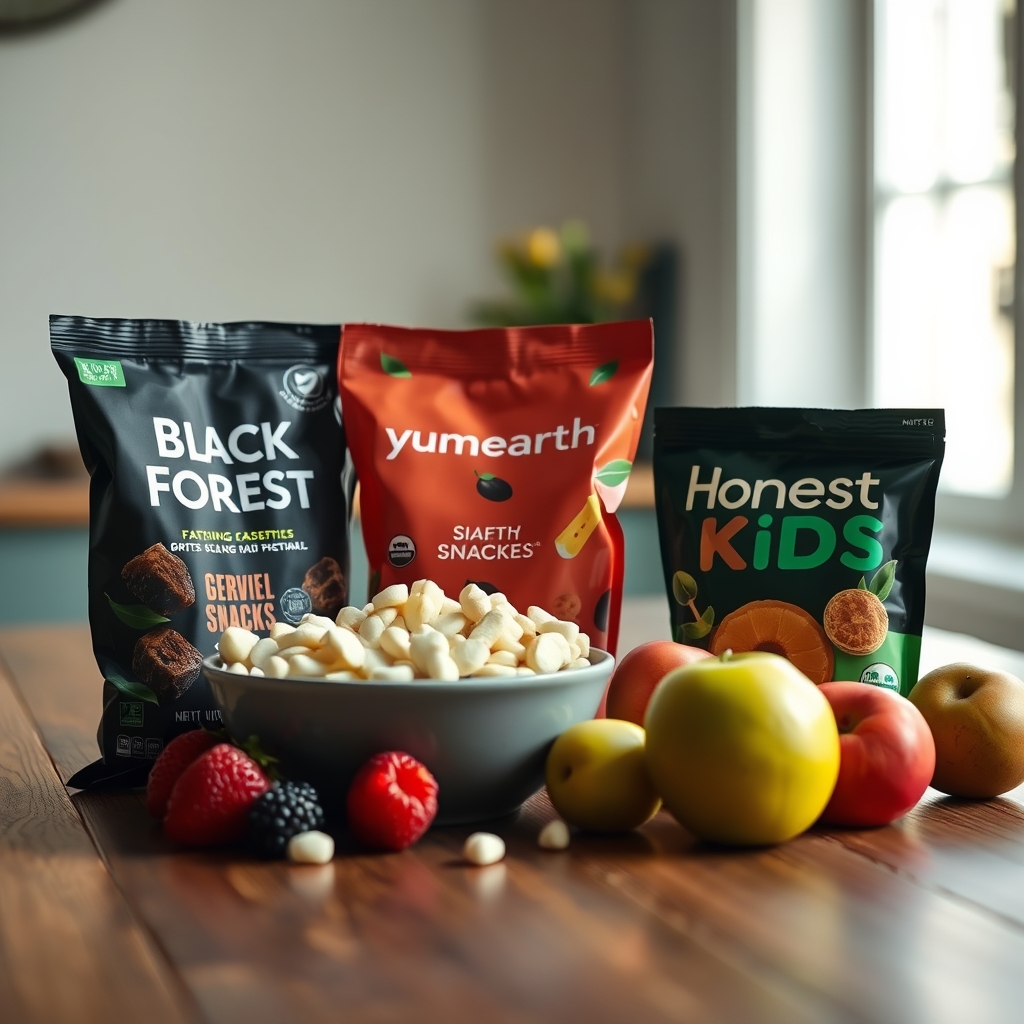
Black Forest Organic Gummy Bears – lower added sugar and natural fruit colors.
Annie’s Organic Fruit Snacks – made with real fruit puree, no artificial dyes.
Honest Kids Organic Fruit Snacks – plant‑based, low‑sugar, and free of synthetic colors.
YumEarth Organic Gummy Bears – organic sweeteners and natural pigments.
Bada Bing Organic Gummy Bears – certified organic, fewer additives.
Welch’s Fruit Snacks – gelatin‑free, fruit‑juice based, lower sugar.
Swedish Fish (sugar‑free) – sugar‑free version for those limiting carbs.
Myth: All gummy candies are unsafe because they contain gelatin.
Fact: Gelatin is a protein derived from animal collagen and is not a teratogen; it’s safe for most pregnant people unless they have a specific dietary restriction.
Myth: Artificial colors in candy cause birth defects.
Fact: Current evidence does not link FDA‑approved synthetic dyes to fetal malformations, though moderation is advised.
Myth: If a candy is “organic,” it’s automatically healthy for pregnancy.
Fact: Organic candy can still be high in sugar; portion control remains essential.
Myth: Sugar‑free gummies are always the best choice for pregnant people.
Fact: Sugar‑free versions often contain sugar alcohols like maltitol, which can cause gastrointestinal upset if over‑consumed.
Key takeaways
Haribo gummy bears are generally safe when eaten in moderation (≤ 6 bears per day).
Watch total added sugar and artificial color intake, especially in the first trimester.
If you have gestational diabetes, choose sugar‑free or low‑glycemic alternatives.
Natural‑color and organic gummy brands offer gentler options for frequent snackers.
Any sudden allergic reaction, severe nausea, or blood‑sugar spikes warrants a call to your provider.
Pair gummy bears with protein or healthy fats to blunt sugar spikes and support satiety.
Frequently asked questions
Can pregnant women eat gummy bears?
Yes—most gummy bears, including Haribo, are safe in moderation, but keep to a small portion (about six bears) to stay within added‑sugar guidelines.
Are artificial colors in candy safe during pregnancy?
Artificial colors such as Red 40 and Yellow 5 are FDA‑approved, yet ACOG advises limiting them as a precaution; occasional consumption is acceptable.
What is the safe amount of candy for pregnant women?
A healthy limit is roughly 25 g of added sugar per day, which translates to about six standard Haribo gummy bears; adjust based on your overall diet.
Do gummy bears contain gelatin that is unsafe for pregnancy?
Gelatin is a protein and not harmful to the fetus; it’s safe unless you avoid animal products for personal or religious reasons.
Is sugar‑free gummy candy better for pregnant women?
Sugar‑free options reduce carbohydrate load and are often safer for gestational diabetes, but watch for sugar‑alcohol side effects like gas or diarrhea.
Can eating gummy bears cause morning sickness?
Gummy bears are not a known trigger for nausea, but the high sugar content can sometimes worsen morning‑sickness symptoms in sensitive individuals.
Are there any pregnancy risks associated with Haribo gummy bears?
The main risks are excess sugar, artificial dyes, and potential allergens; staying within the recommended portion size keeps these risks minimal.
Are Haribo gummy bears suitable for vegetarians or vegans?
Traditional Haribo gummies contain gelatin derived from animal collagen, making them unsuitable for vegetarians or vegans. Look for plant‑based alternatives that use pectin or agar‑agar if you follow a meat‑free diet.
What should I do if I’ve already eaten a large handful of gummy bears?
Take a breath—one episode isn’t likely to harm your baby. Drink water, consider a protein snack to balance blood sugar, and monitor for any unusual symptoms. If you notice persistent nausea, rapid heart rate, or signs of low blood sugar, reach out to your provider.
What are the best low‑sugar gummy alternatives for pregnancy?
Options like Black Forest Organic Gummy Bears, YumEarth Organic Gummy Bears, and fresh berries provide a sweet treat with less added sugar and natural colors, making them safer choices for frequent snacking.
Can I eat Haribo gummy bears if I have a food allergy?
If you’re allergic to gelatin, wheat, or any of the flavorings used in Haribo gummies, it’s best to avoid them and choose a certified allergen‑free alternative; always read the label and consult your allergist if unsure.
Choosing organic or sugar‑free gummy alternatives can help you satisfy cravings while keeping added sugar low.
When to call your doctor
If you experience any of the following after eating Haribo gummy bears, contact your obstetrician or midwife right away: rapid heartbeat, severe or persistent nausea, vomiting, signs of low blood sugar (shakiness, sweating, confusion), hives or swelling, or any allergic reaction. Also reach out if you’re unsure how gummy bears fit into your diet plan for gestational diabetes or if you have a history of food‑related allergies.
This article provides general information and is not a substitute for personalized medical advice. Always discuss your diet and any concerns with your healthcare provider.
References
American College of Obstetricians and Gynecologists. “Nutrition During Pregnancy.” ACOG Committee Opinion, 2020.
National Health Service (UK). “Eating for two: what to eat during pregnancy.” Updated 2022.
U.S. Food and Drug Administration. “Food Additives: Approved Color Additives.” FDA, 2021.
American Diabetes Association. “Gestational Diabetes Mellitus.” Standards of Care, 2023.
Centers for Disease Control and Prevention. “Pregnancy and Nutrition.” CDC, 2022.
World Health Organization. “Guidelines on Sugar Intake for Adults and Children.” WHO, 2015.
National Institute for Health and Care Excellence (NICE). “Gestational diabetes: management.” NICE guideline NG3, 2021.
Not sure about the label on Is Haribo Gummy Bears Safe During Pregnancy products?
Snap the ingredients list and SafeFilter checks every ingredient for your stage — only 3 free scans this month, then you're locked until reset. Unlimited from $7/mo or $50/yr.
When Shubhra Mishra was expecting her first child in 2016, she was overwhelmed by conflicting food advice — one site said yes, another said never. By the time her second baby arrived in 2019, she realized millions of mothers face the same confusion.
That sparked a five-year journey through clinical nutrition papers, cultural diets, and expert conversations — all leading to BumpBites: a calm, compassionate space where science meets everyday motherhood.
Her long-term vision is to build a global community ensuring safe, supported, and free deliveriesfor every mother — because no woman should face pregnancy alone or uninformed. 🌿
🌍 Stand with mothers, shape safer guidance
Join a small circle of experts who review BumpBites articles so expecting parents everywhere can decide with confidence.