Hand foot mouth exposure during pregnancy is generally safe, but avoid close contact in the first trimester. Learn symptoms, prevention, and expert advice here.
By Shubhra Mishra — a mom of two who turned her own confusion during pregnancy into BumpBites, a global mission to make food choices clear, safe, and stress-free for every expecting mother. 💛
Check whether any food is safe during pregnancy with the BumpBites Food Safety Checker.
Quick verdict: ⚠️ Safe with limits. While exposure to Hand, Foot, and Mouth Disease (HFMD) during pregnancy is generally not a major concern for most healthy individuals, it's crucial to understand potential risks, especially if you contract the infection close to your due date. Always consult your healthcare provider if you suspect exposure or develop symptoms.
That sudden rash on your child's hand, the fever that came out of nowhere – if you're pregnant and a loved one has Hand, Foot, and Mouth Disease (HFMD), it's completely natural to panic and wonder: "is hand foot mouth adult exposure safe during pregnancy?" We know that anxious feeling, Googling late at night, trying to understand what this means for you and your baby. The good news is that for most pregnant individuals, HFMD is a mild illness and poses very little risk. However, there are important considerations, especially regarding the timing of infection and how to protect yourself.
At BumpBites, we're here to provide clear, evidence-based information to ease your worries. This article will break down everything you need to know about Hand, Foot, and Mouth Disease during pregnancy, from understanding the virus itself to practical tips for prevention, potential risks, and when it's time to call your doctor. We'll cover what current guidance from leading health organizations like the American College of Obstetricians and Gynecologists (ACOG) and the Centers for Disease Control and Prevention (CDC) says, so you can feel confident and informed.
Hand, Foot, and Mouth Disease (HFMD) Safety Snapshot During Pregnancy
Trimester/Stage
Verdict
Notes
First Trimester
⚠️ Safe with limits
Generally low risk; however, some studies suggest a very slight, theoretical risk of complications during organ development, though evidence is limited. Close monitoring is key.
Second Trimester
✅ Generally safe
Lowest risk period. Maternal infection is usually mild and unlikely to affect fetal development.
Third Trimester
⚠️ Safe with limits
Maternal infection close to delivery (within a few weeks) carries a risk of transmitting the virus to the newborn. Neonatal HFMD is usually mild but can rarely be severe.
Breastfeeding
✅ Generally safe
Unlikely to transmit through breast milk. Continue breastfeeding unless advised otherwise by your doctor. Maintain strict hygiene.
What is Hand, Foot, and Mouth Disease?
Hand, Foot, and Mouth Disease (HFMD) is a common, contagious viral infection that primarily affects infants and children under five, though adults can also contract it. It's caused by viruses belonging to the Enterovirus genus, most commonly Coxsackievirus A16 and Enterovirus 71. Despite its name, HFMD is not related to Foot and Mouth Disease, which affects livestock and is caused by a different virus.
The disease typically starts with a fever, sore throat, and a general feeling of being unwell. Within a day or two, painful sores can develop in the mouth, often resembling small blisters. A skin rash, which can also blister, then appears on the palms of the hands and soles of the feet, and sometimes on the buttocks or genitals. While usually mild, HFMD can be uncomfortable, especially due to the mouth sores, which can make eating and drinking difficult. The virus spreads through close personal contact, respiratory droplets (coughing, sneezing), and contact with contaminated surfaces or stool.
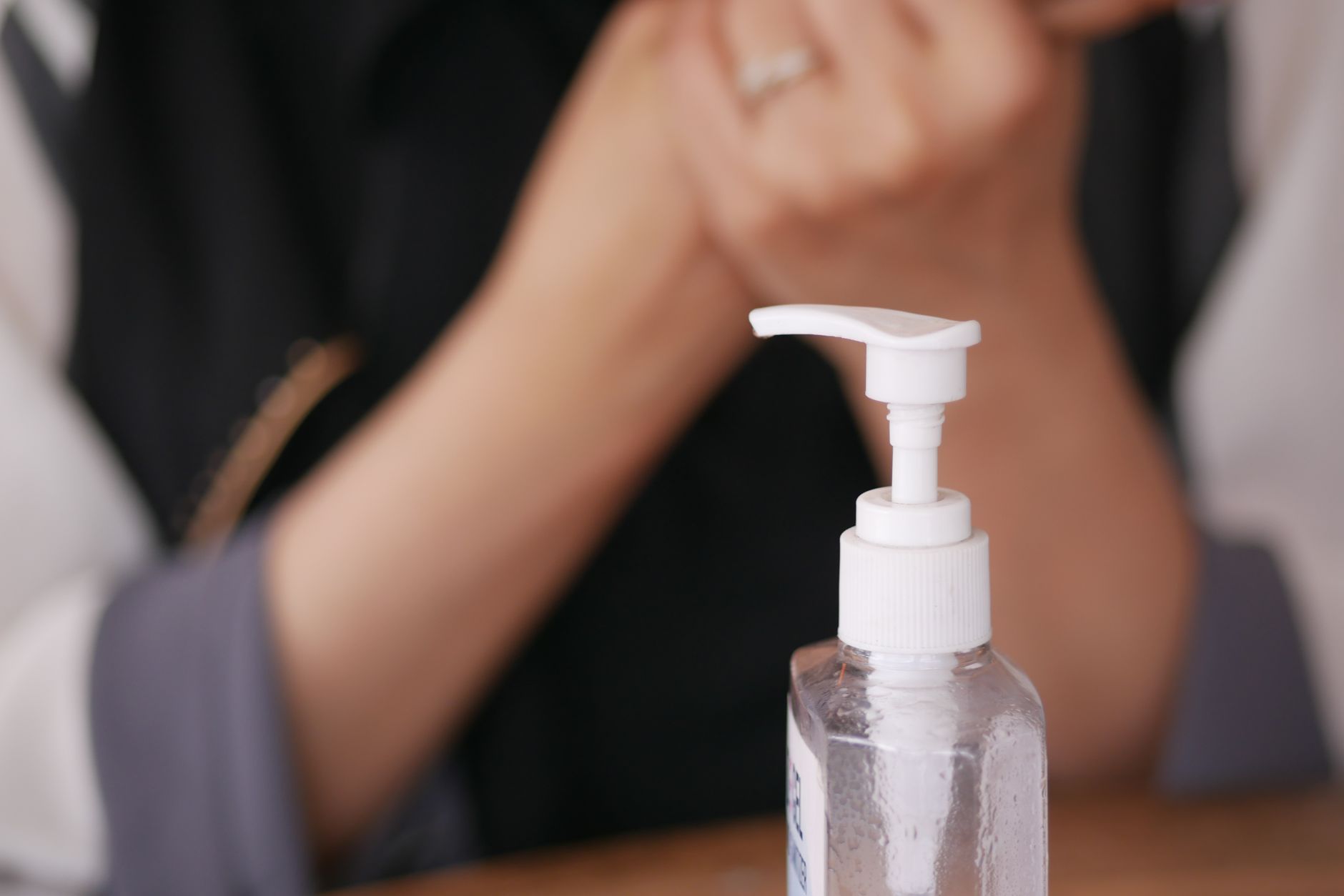
Good hand hygiene is your first line of defense against viral infections like HFMD.
Is Hand Foot Mouth Adult Exposure Safe during Pregnancy?
For most pregnant people, Hand, Foot, and Mouth Disease is considered a mild illness and does not pose a serious threat to the pregnancy. The American College of Obstetricians and Gynecologists (ACOG) and the Centers for Disease Control and Prevention (CDC) generally state that while pregnant individuals can get HFMD, serious complications for the mother or baby are rare. This can be a huge relief if you've been exposed to the virus, perhaps through a child in daycare or a family member.
The primary concern with HFMD during pregnancy revolves around the timing of the infection, particularly if it occurs very close to your due date. If you contract the virus in the weeks leading up to delivery, there's a possibility that you could pass the infection to your newborn. While most newborns who get HFMD will only experience mild symptoms, in very rare cases, it can lead to more serious complications. This is why understanding the nuances of "is hand foot mouth adult exposure safe during pregnancy" is so important – it's not a simple yes or no, but rather a matter of context and timing.
It's important to remember that most adults who are exposed to HFMD, including pregnant adults, may not even develop symptoms because they've built up immunity from prior exposure. If symptoms do appear, they are often milder than those seen in children. However, some pregnant individuals may experience more significant discomfort, especially if they have underlying health conditions. Always inform your healthcare provider about any potential exposure or symptoms, as they can provide personalized guidance and monitoring.
Safety by Trimester
Understanding how Hand, Foot, and Mouth Disease might affect your pregnancy at different stages can help alleviate worry and guide your actions.
First Trimester
The first trimester is a critical period for fetal development, as all major organs are forming. When considering "is hand foot mouth adult exposure safe during pregnancy" during this early stage, the good news is that serious complications are generally rare. Most studies suggest that HFMD infection in the first trimester is unlikely to cause birth defects or miscarriage. However, some very limited research has explored a theoretical, slight increase in the risk of early pregnancy loss or certain birth defects, though these findings are not conclusive and the overall risk remains very low. The CDC emphasizes that HFMD is usually mild during pregnancy. If you experience symptoms in your first trimester, your doctor may recommend closer monitoring, but significant intervention is rarely needed.
Second Trimester
The second trimester is typically considered the lowest-risk period for most viral infections, including HFMD. By this stage, the baby's major organs are already developed, making them less susceptible to the most severe impacts of viral infections. If you contract HFMD during your second trimester, you're likely to experience typical mild symptoms, and the risk to your baby is generally minimal. Your body's immune response will typically clear the virus without affecting the ongoing development of your baby. Continue to practice good hygiene to prevent infection, but know that "is hand foot mouth adult exposure safe during pregnancy" during this stage is usually met with a reassuring answer.
Third Trimester
While still generally mild for the pregnant person, HFMD in the third trimester carries a specific consideration: the risk of transmitting the virus to your newborn. If you develop HFMD symptoms within a few weeks of your due date, there's a chance the virus could pass to your baby during birth. Newborns who contract HFMD typically experience mild symptoms, such as fever and a rash, but in very rare instances, severe illness can occur. Because of this potential for neonatal transmission, your healthcare provider will want to be informed immediately if you develop symptoms late in your pregnancy. They can monitor you and your baby and prepare for any necessary care, although serious complications are still uncommon.
Breastfeeding
If you're breastfeeding and exposed to or contract HFMD, you might wonder about passing it to your baby through breast milk. The good news is that the virus that causes HFMD is not typically transmitted through breast milk. Breastfeeding is generally encouraged to continue, as your breast milk contains antibodies that can help protect your baby from various infections, including potentially from the same virus you're fighting. The primary risk of transmission to a breastfed baby is through close contact with you (e.g., kissing, touching), not through the milk itself. Therefore, strict hygiene practices, such as frequent hand washing, are paramount while continuing to nurse. Always discuss your specific situation with your doctor or a lactation consultant.
How much exposure to Hand Foot Mouth virus is safe during pregnancy?
When it comes to viral infections like Hand, Foot, and Mouth Disease, there isn't a "safe amount" of exposure. The goal is to avoid exposure as much as possible, as even a small amount of viral particles can lead to infection, especially if your immune system is compromised or hasn't encountered that specific strain before. The question "is hand foot mouth adult exposure safe during pregnancy" really boils down to minimizing your risk of contracting the virus in the first place.
Unlike medications with specific dosages, viral exposure isn't quantifiable in safe limits. Instead, the risk of infection depends on several factors: the viral load of the infected person, the duration and closeness of contact, and your own immune status. For instance, living in the same household as an infected child presents a higher risk of exposure than a brief encounter in a public place. It's also important to note that the virus can be spread even before symptoms appear and can persist in stool for several weeks after recovery, making prevention challenging.
Regarding "Are there any brand-specific products that increase risk of Hand Foot Mouth in pregnancy?", it's crucial to clarify that no specific commercial brands or products *increase* your risk of contracting Hand, Foot, and Mouth Disease. HFMD is a viral infection spread through person-to-person contact and contaminated surfaces, not through specific products you might use or consume. Instead, certain brands of hygiene products (like soaps and sanitizers) can *reduce* your risk, which we'll discuss in our prevention section. The focus should always be on good hygiene and avoiding direct contact with infected individuals and their bodily fluids.
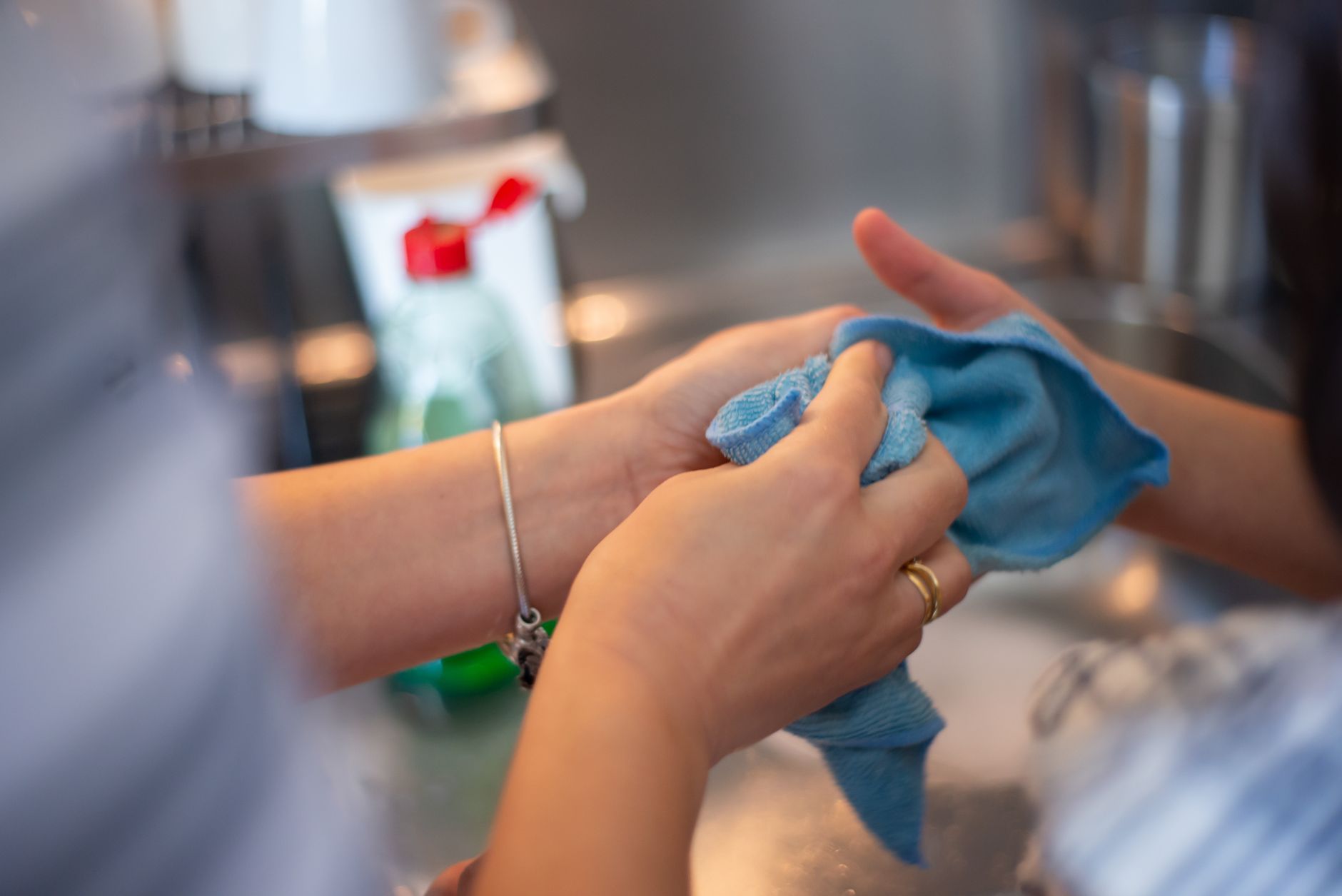
Regular cleaning of high-touch surfaces and frequent hand washing are key to preventing the spread of HFMD.
Can Hand Foot Mouth disease be transmitted from an adult to a pregnant woman?
Yes, Hand, Foot, and Mouth Disease can absolutely be transmitted from an adult to a pregnant woman. While children are the most common carriers and spreaders of HFMD, adults can contract the virus and then pass it on to others, including pregnant individuals. The transmission routes are the same regardless of the age of the infected person: direct contact with saliva, nasal mucus, blister fluid, or stool of an infected person. This can happen through:
Close personal contact: Hugging, kissing, or sharing utensils.
Respiratory droplets: When an infected person coughs or sneezes.
Contact with contaminated surfaces: Touching surfaces or objects that have the virus on them, then touching your eyes, nose, or mouth.
Because adults can sometimes be asymptomatic carriers, meaning they carry and shed the virus without showing any symptoms themselves, it can be challenging to know if an adult is actively contagious. This underscores the importance of consistent hygiene practices, especially if you are around any individuals who have recently been exposed to or recovered from HFMD, regardless of their age. The focus remains on prevention to avoid adult-to-pregnant-woman transmission.
How to protect yourself from Hand Foot Mouth during pregnancy: tips and precautions
Preventing Hand, Foot, and Mouth Disease during pregnancy primarily revolves around diligent hygiene and avoiding contact with infected individuals. Since there is no vaccine for HFMD, these preventive measures are your best defense:
Frequent and thorough hand washing: This is the most crucial step. Wash your hands often with soap and water for at least 20 seconds, especially after changing diapers, using the toilet, before eating, and after coughing or sneezing.
Use hand sanitizer: If soap and water aren't available, use an alcohol-based hand sanitizer with at least 60% alcohol.
Avoid close contact: Try to limit direct contact (hugging, kissing, sharing food/drinks) with anyone who is sick or has visible symptoms of HFMD.
Clean and disinfect surfaces: Regularly clean and disinfect frequently touched surfaces (doorknobs, toys, countertops) with a diluted bleach solution or a commercial disinfectant, especially in shared living spaces or if someone in your household is ill.
Avoid touching your face: Try not to touch your eyes, nose, and mouth with unwashed hands.
Wear disposable gloves: If you are caring for a child with HFMD, wear disposable gloves when changing diapers or cleaning up bodily fluids. Dispose of gloves immediately after use and wash your hands thoroughly.
Keep nails trimmed: Shorter nails can harbor fewer germs, reducing the risk of transmission.
Consider a face mask: In situations of very close or prolonged contact with an infected individual, wearing a face mask can offer an additional layer of protection against respiratory droplets.
Isolate sick family members: If possible, try to keep sick family members, especially children, home from school or daycare until their fever is gone and mouth sores have healed. You can find more information on how long is Hand, Foot, and Mouth Disease contagious to guide isolation periods.
Side effects and risks
While Hand, Foot, and Mouth Disease is usually a mild illness for pregnant individuals, it's important to be aware of the potential side effects and risks, both for the mother and, in rare circumstances, for the developing baby. Understanding these can help you identify when to seek medical attention.
Maternal Risks and Side Effects
For the pregnant person, HFMD symptoms are generally similar to those experienced by other adults: fever, sore throat, painful mouth sores, and a rash on the hands and feet. The mouth sores can be particularly uncomfortable, making it difficult to eat and drink, which can lead to dehydration. Fatigue and a general feeling of malaise are also common. While these symptoms are usually self-limiting and resolve within 7-10 days, severe dehydration or high fever might require medical attention, especially during pregnancy.
For pregnant women with pre-existing conditions, such as diabetes or immunocompromised states, the risks are generally not significantly higher for HFMD compared to healthy pregnant individuals. However, any infection can potentially be more challenging for someone with a compromised immune system to fight off, or it could exacerbate symptoms of their pre-existing condition. For instance, fever can sometimes impact blood sugar control in diabetic individuals. Therefore, if you have a pre-existing condition, it's even more critical to inform your doctor about any HFMD exposure or symptoms so they can provide tailored advice and monitoring.
Fetal and Neonatal Risks
The risk of serious complications for the baby from maternal HFMD is considered very low. Most evidence suggests that HFMD does not cause birth defects or severe fetal harm. The primary concern is if the mother contracts the virus very close to delivery (within a few weeks before the due date). In such cases, there's a risk of transmitting the virus to the newborn. Neonatal HFMD is usually mild, presenting with fever and a rash, but in rare instances, it can lead to more severe complications, such as myocarditis (inflammation of the heart muscle) or encephalitis (inflammation of the brain). These severe outcomes are extremely uncommon but highlight the importance of informing your provider if you develop HFMD symptoms late in your pregnancy.
It's also worth noting that in extremely rare cases, high maternal fever from any infection, including HFMD, could theoretically pose a risk to the fetus, especially in the first trimester. However, this is not specific to HFMD and is generally mitigated by managing fever with pregnancy-safe medications like acetaminophen under medical guidance. Overall, the signs that Hand, Foot, and Mouth Disease could be dangerous for a pregnant woman are usually related to severe maternal symptoms (like dehydration or very high fever) or infection very close to delivery, warranting immediate medical consultation.
Safer alternatives / other safe options
Since there's no specific medication to prevent Hand, Foot, and Mouth Disease, the "safer alternatives" are focused entirely on prevention and hygiene. These practices are crucial for avoiding infection during pregnancy:
Hand washing with soap and water: The gold standard for preventing viral spread. Wash for at least 20 seconds, ensuring all surfaces of your hands are thoroughly scrubbed.
Hand sanitizer with at least 60% alcohol: A good backup when soap and water aren't available. Apply liberally and rub until dry.
Wearing disposable gloves: Essential when caring for someone with HFMD, especially during diaper changes or cleaning up vomit/stool.
Using disinfectant wipes on surfaces: Regularly wipe down high-touch surfaces like doorknobs, light switches, and shared electronics.
Avoiding close contact with infected children: While challenging with your own children, try to minimize direct skin-to-skin contact, sharing utensils, or kissing when they are symptomatic.
Using a face mask: Can provide an extra layer of protection against respiratory droplets if you must be in close proximity to an infected individual.
Keeping nails trimmed: Shorter nails are less likely to harbor viruses and bacteria.
Using a hand sanitizer gel: Convenient for on-the-go use, ensuring your hands are clean when soap and water aren't accessible.
Related items — safety at a glance
Understanding the context of Hand, Foot, and Mouth Disease also involves knowing about related viruses, symptoms, and treatments. Here's a quick look at some related items and their pregnancy safety implications:
Related Items: Pregnancy Safety at a Glance
Related Item
Verdict
Note
Hand, Foot, and Mouth Disease vaccine
❌ Best avoided
No widely available vaccine for HFMD in the US/UK; research is ongoing for some strains, but not recommended during pregnancy.
Coxsackievirus A16
⚠️ Safe with limits
One of the most common causes of HFMD; risk profile during pregnancy is the same as general HFMD.
Enterovirus 71
⚠️ Safe with limits
Another common cause of HFMD, sometimes associated with more severe cases, but still generally mild in pregnant adults.
Hand, Foot, and Mouth Disease outbreak
⚠️ Talk to your doctor first
If you are in an area with an outbreak, be extra vigilant with hygiene and discuss specific precautions with your provider.
Hand, Foot, and Mouth Disease symptoms
⚠️ Talk to your doctor first
If you develop fever, mouth sores, or rash, contact your doctor for diagnosis and guidance, especially if pregnant. You can learn more about is it hand, foot and mouth disease signs here.
Hand, Foot, and Mouth Disease treatment
✅ Generally safe
Treatment is supportive (fever reducers like acetaminophen, pain relief for mouth sores); discuss safe options with your doctor.
Hand, Foot, and Mouth Disease in children
⚠️ Safe with limits
Children are highly contagious; direct exposure to infected children is the primary way pregnant adults contract HFMD.
Hand, Foot, and Mouth Disease in adults
⚠️ Safe with limits
Adults can get HFMD, often with milder symptoms, but can still transmit the virus to others, including pregnant individuals.
Myth vs. fact
There are many misconceptions about viral infections during pregnancy. Let's clear up some common myths about Hand, Foot, and Mouth Disease:
Myth: Hand, Foot, and Mouth Disease is the same as Foot and Mouth Disease (FMD) in animals.
Fact: These are completely different diseases caused by different viruses. Hand, Foot, and Mouth Disease (HFMD) is a human illness caused by enteroviruses, while Foot and Mouth Disease (FMD) is a viral disease that affects livestock like cattle, sheep, and pigs. They are not transmissible between humans and animals. This is a common confusion, but it's important to know they are distinct conditions.
Myth: If you've had Hand, Foot, and Mouth Disease once, you're immune for life.
Fact: While having HFMD once can provide immunity to the specific strain of enterovirus that caused that infection, there are many different strains of viruses that can cause HFMD (like various types of Coxsackievirus and Enterovirus 71). This means you can get Hand, Foot, and Mouth Disease multiple times throughout your life from different viral strains, including during pregnancy.
Myth: Hand, Foot, and Mouth Disease always causes severe complications for pregnant women and their babies.
Fact: This is generally false. For most pregnant individuals, HFMD is a mild, self-limiting illness with a low risk of serious complications for the mother or the baby. The main concern is if the infection occurs very close to delivery, which can lead to transmission to the newborn, though even then, severe neonatal illness is rare. Reassurance and proper hygiene are key, not alarm.
Key takeaways
Hand, Foot, and Mouth Disease (HFMD) is usually a mild illness during pregnancy and rarely causes serious complications.
The primary concern for "is hand foot mouth adult exposure safe during pregnancy" is if infection occurs very close to your due date, which can lead to transmission to the newborn.
Newborn HFMD is typically mild, but in rare cases, can be more severe; inform your doctor if you get sick late in pregnancy.
Prevention is key: frequent hand washing, avoiding close contact with sick individuals, and disinfecting surfaces are your best defenses.
There is no specific "safe amount" of viral exposure; the goal is to minimize contact and prevent infection.
Always consult your healthcare provider if you have been exposed to HFMD or develop symptoms during pregnancy for personalized advice.
Frequently asked questions
Can Hand Foot Mouth disease be transmitted from an adult to a pregnant woman?
Yes, absolutely. Hand, Foot, and Mouth Disease can be transmitted from an adult to a pregnant woman through close personal contact, respiratory droplets from coughing or sneezing, or contact with contaminated surfaces. Adults can carry and spread the virus, sometimes even without showing symptoms themselves, making hygiene practices crucial.
Is Hand Foot Mouth disease safe during pregnancy?
For most pregnant individuals, Hand, Foot, and Mouth Disease is considered a mild illness and does not pose a major threat to the pregnancy. Serious complications for the mother or baby are rare. However, if you contract the virus close to your due date, there's a small risk of transmitting it to your newborn, which is usually mild but warrants medical attention.
What are the symptoms of Hand Foot Mouth disease in pregnant women?
Symptoms in pregnant women are similar to those in other adults: fever, sore throat, painful mouth sores, and a rash (sometimes blistering) on the palms of the hands and soles of the feet, and occasionally on the buttocks. Fatigue and a general feeling of being unwell are also common. You can check our guide on is it hand, foot and mouth disease signs for more detail.
How can I protect my baby from Hand Foot Mouth disease during pregnancy?
The best way to protect your baby is to protect yourself from getting the infection. Practice rigorous hand hygiene, avoid close contact with anyone who is sick, and disinfect frequently touched surfaces. If you have other children, be extra vigilant with their hygiene, especially after diaper changes, as children are common carriers. For more on protecting little ones, check out Hand Foot Mouth Disease in Babies: Complete 2026 Guide.
What is the risk of Hand Foot Mouth disease for pregnant women with diabetes?
Pregnant women with pre-existing conditions like diabetes generally face similar risks from HFMD as healthy pregnant individuals. However, any infection can potentially make managing blood sugar more challenging. It's crucial to monitor your blood sugar closely if you develop HFMD symptoms and to inform your doctor, who can provide tailored advice for your specific health needs.
Can Hand Foot Mouth disease cause miscarriage?
Current evidence suggests that Hand, Foot, and Mouth Disease is unlikely to cause miscarriage. While some very limited studies have explored a theoretical slight risk in the first trimester, the overall consensus from health organizations like the CDC and ACOG is that HFMD is usually mild and does not typically lead to early pregnancy loss or birth defects. The primary concern remains transmission close to delivery.
How long does Hand Foot Mouth disease last in pregnant women?
In pregnant women, Hand, Foot, and Mouth Disease typically lasts for about 7 to 10 days. Symptoms usually begin with a fever and sore throat, followed by mouth sores and a rash. Most individuals recover fully within this timeframe with supportive care, such as rest and fluid intake. You can find more information about recovery and best treatment for Hand Foot Mouth in toddlers, which often applies to adults too.
What should I do if I develop Hand Foot Mouth disease while pregnant?
If you develop symptoms of Hand, Foot, and Mouth Disease while pregnant, contact your healthcare provider immediately. They can confirm the diagnosis, monitor your symptoms, and provide guidance on managing discomfort and preventing transmission, especially if you are close to your due date. Focus on staying hydrated and managing fever with acetaminophen if approved by your doctor.
When to call your doctor
While Hand, Foot, and Mouth Disease is usually mild, there are specific situations during pregnancy when you should contact your healthcare provider without delay:
If you suspect you have HFMD symptoms (fever, sore throat, mouth sores, rash) at any point during your pregnancy, especially if you've been exposed to someone with the virus.
If you develop HFMD symptoms within a few weeks of your due date, as this carries a risk of transmission to your newborn.
If your fever is high (above 102°F or 39°C) and doesn't respond to acetaminophen, or if it persists for more than a few days.
If you experience signs of dehydration, such as decreased urination, dry mouth, or dizziness, especially if mouth sores are making it difficult to drink fluids.
If you have severe headache, neck stiffness, confusion, or seizures, which could indicate a rare but serious complication like meningitis or encephalitis.
If you have a pre-existing medical condition (like diabetes or an autoimmune disorder) and develop HFMD symptoms.
If you have any concerns or questions about your symptoms or your baby's health.
This information is for educational purposes only and is not a substitute for professional medical advice, diagnosis, or treatment. Always seek the advice of your physician or other qualified health provider with any questions you may have regarding a medical condition.
References
American College of Obstetricians and Gynecologists (ACOG). FAQs: Group B Strep and Other Infections in Pregnancy.
Centers for Disease Control and Prevention (CDC). Hand, Foot, and Mouth Disease (HFMD).
National Health Service (NHS) UK. Hand, foot and mouth disease.
Mayo Clinic. Hand-foot-and-mouth disease.
World Health Organization (WHO). Hand, Foot and Mouth Disease.
Not sure about the label on Is Hand Foot Mouth Adult Exposure Safe During Pregnancy products?
Snap the ingredients list and SafeFilter checks every ingredient for your stage — only 3 free scans this month, then you're locked until reset. Unlimited from $7/mo or $50/yr.
When Shubhra Mishra was expecting her first child in 2016, she was overwhelmed by conflicting food advice — one site said yes, another said never. By the time her second baby arrived in 2019, she realized millions of mothers face the same confusion.
That sparked a five-year journey through clinical nutrition papers, cultural diets, and expert conversations — all leading to BumpBites: a calm, compassionate space where science meets everyday motherhood.
Her long-term vision is to build a global community ensuring safe, supported, and free deliveriesfor every mother — because no woman should face pregnancy alone or uninformed. 🌿
🌍 Stand with mothers, shape safer guidance
Join a small circle of experts who review BumpBites articles so expecting parents everywhere can decide with confidence.