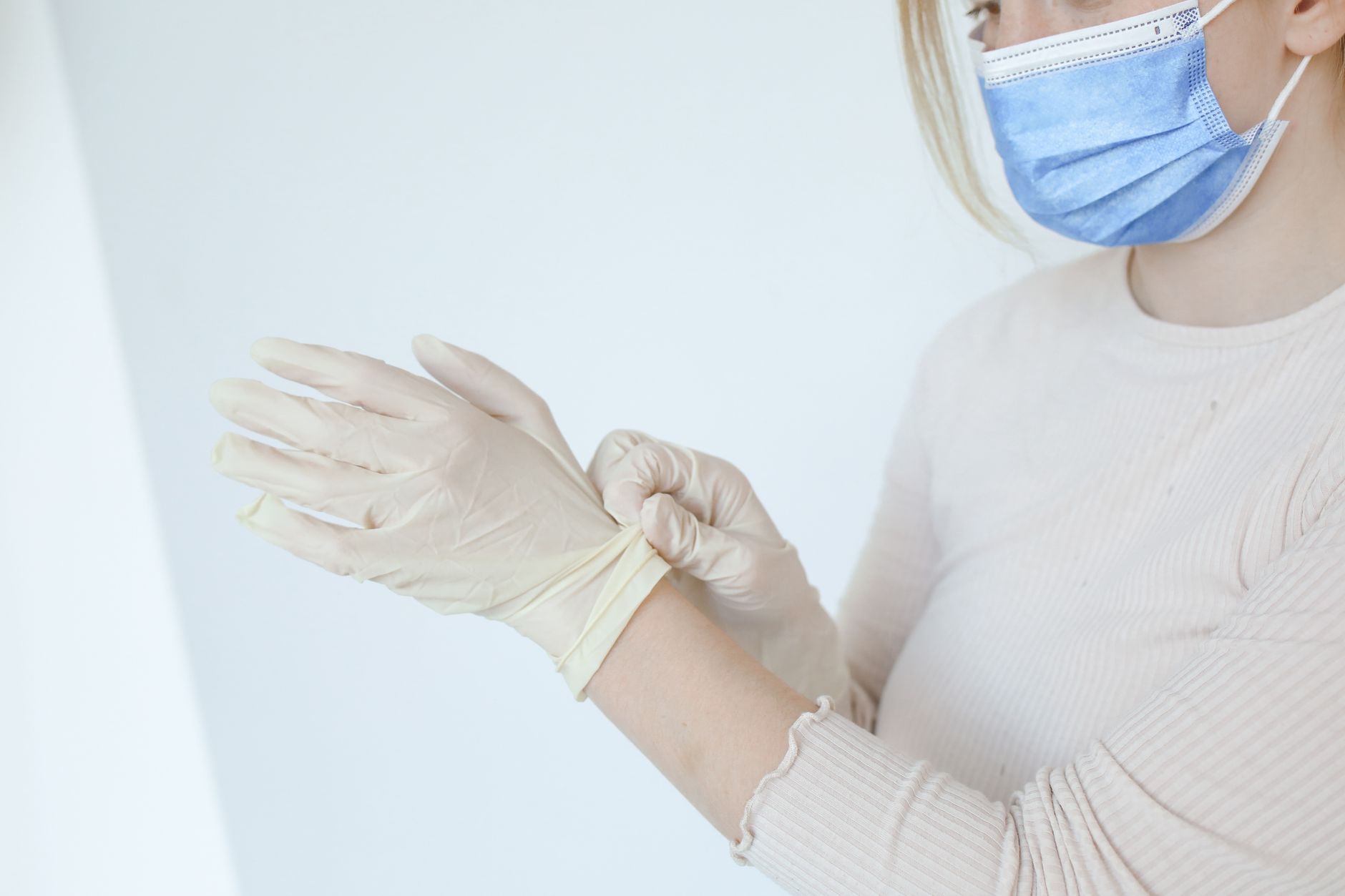
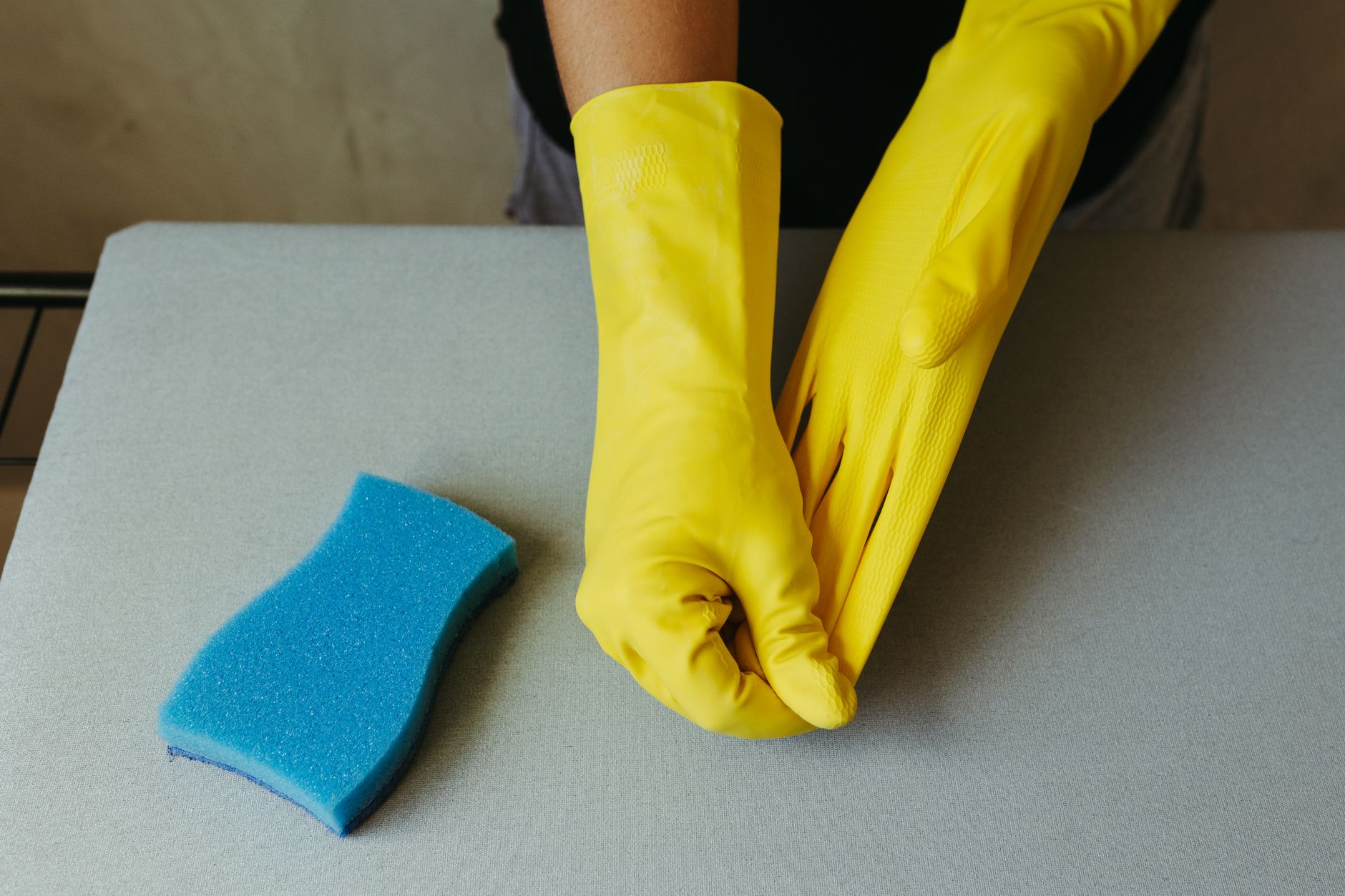
Limit hamster cage cleaning during pregnancy, especially in the first trimester. Use gloves, masks, and proper ventilation to reduce infection risks.
By Shubhra Mishra — a mom of two who turned her own confusion during pregnancy into BumpBites, a global mission to make food choices clear, safe, and stress-free for every expecting mother. 💛
Check whether any food is safe during pregnancy with the BumpBites Food Safety Checker.
Quick verdict: ⚠️ Cleaning a hamster cage during pregnancy is generally safe if you take precautions. Avoid harsh chemicals, wear gloves and a mask, and ensure good ventilation. The main risks are inhaling dust or fumes and potential exposure to bacteria like *Salmonella* or *Listeria*—not toxoplasmosis, which hamsters don’t carry. If you’re unsure or have asthma/allergies, ask someone else to clean the cage or use pregnancy-safe alternatives like vinegar or steam.
You’re standing in front of your hamster’s cage at 11 p.m., holding a bottle of commercial pet cleaner, and your brain is screaming: Is this safe? Maybe you’ve already scrubbed it once this week and now you’re panicking. Or maybe you’re just trying to figure out how to keep your furry friend’s home clean without putting your baby at risk. Take a deep breath—we’ve got you.
Cleaning a hamster cage during pregnancy isn’t off-limits, but it does come with some extra considerations. The good news? Hamsters themselves aren’t a major risk for toxoplasmosis (that’s a cat thing), but their cages can harbor bacteria, dust, and chemical fumes that aren’t ideal for you or your growing baby. The key is knowing what to avoid, how to protect yourself, and when to ask for help. Below, we’ll break down the risks, safe cleaning methods, trimester-specific tips, and even what to do if you’ve already cleaned the cage without precautions. (Spoiler: You’re probably fine.)
Safety snapshot: Cleaning a hamster cage during pregnancy
Trimester / Stage
Verdict
Notes
First trimester
⚠️ Safe with precautions
Avoid harsh chemicals and heavy dust. Organogenesis (weeks 4-12) is the most sensitive time for your baby’s development, so minimize exposure to fumes and bacteria.
Second trimester
✅ Generally safe
Your baby is more protected now, but still avoid strong fumes and wear gloves/mask. Good ventilation is key.
Third trimester
✅ Generally safe
Same precautions as the second trimester. If you have asthma or allergies, consider delegating the task to avoid respiratory strain.
Breastfeeding
✅ Generally safe
Chemicals and bacteria won’t pass into breast milk, but avoid inhaling fumes or dust to protect your own health.
What is hamster cage cleaning, and why does it matter during pregnancy?
Cleaning a hamster cage involves removing old bedding, scrubbing surfaces, disinfecting food and water dishes, and replacing soiled materials. Hamsters are messy pets—they pee, poop, and shed bedding constantly, which means their cages need regular upkeep to prevent odors, bacteria buildup, and respiratory issues for both the hamster and you.
During pregnancy, your immune system is slightly suppressed to protect your growing baby, which can make you more vulnerable to infections. While hamsters themselves are low-risk pets (unlike cats, they don’t carry toxoplasmosis), their cages can still harbor:
Bacteria like Salmonella or Listeria, which can cause food poisoning-like symptoms or, in rare cases, pregnancy complications.
Dust and allergens from bedding, which can irritate your lungs or trigger asthma.
Chemical fumes from commercial cleaners, which may contain ingredients like bleach or ammonia that aren’t ideal to inhale during pregnancy.
The good news? With a few tweaks, you can keep your hamster’s cage clean and keep yourself and your baby safe. Below, we’ll cover exactly how to do that—and what to do if you’ve already cleaned the cage without precautions.
Is hamster cage cleaning safe during pregnancy?
Yes, cleaning a hamster cage is generally safe during pregnancy if you take the right precautions. According to the American College of Obstetricians and Gynecologists (ACOG) and the UK’s National Health Service (NHS), the primary risks come from inhaling dust, fumes, or coming into contact with bacteria—not from the hamster itself. Here’s what you need to know:
What the experts say
ACOG notes that while pregnant women should avoid cleaning cat litter boxes (due to toxoplasmosis risk), small pets like hamsters, guinea pigs, and rabbits don’t carry the same risk. However, they still recommend wearing gloves and washing hands thoroughly after handling pets or their cages to avoid bacterial exposure.
The NHS advises pregnant women to avoid strong chemical fumes (like bleach or ammonia) and to ensure good ventilation when cleaning. They also recommend delegating tasks that involve heavy dust or strong odors if possible.
The Centers for Disease Control and Prevention (CDC) states that while hamsters can carry Salmonella or Listeria, the risk of transmission is low if you practice good hygiene (e.g., washing hands, avoiding mouth contact with the hamster or cage).
What are the actual risks?
The risks of cleaning a hamster cage during pregnancy fall into three main categories:
Inhaling dust or allergens: Hamster bedding (especially wood shavings or paper-based products) can create fine dust that irritates your lungs. If you have asthma or allergies, this could trigger symptoms like coughing, wheezing, or shortness of breath. While these symptoms aren’t directly harmful to your baby, they can be uncomfortable and may require medical attention if severe.
Exposure to bacteria: Hamster urine and feces can carry Salmonella, Listeria, or E. coli. While the risk of infection is low, these bacteria can cause food poisoning-like symptoms (fever, nausea, diarrhea) that may lead to dehydration—a bigger concern during pregnancy. In rare cases, Listeria can cross the placenta and affect your baby.
Chemical fumes: Many commercial pet cleaners contain bleach, ammonia, or synthetic fragrances, which can release strong fumes. While occasional exposure is unlikely to harm your baby, prolonged or repeated exposure to high levels of these chemicals may increase the risk of respiratory irritation or developmental issues (though evidence is limited).
What’s the bottom line?
Cleaning a hamster cage is low-risk if you:
Wear gloves and a mask (especially if you’re sensitive to dust).
Use pregnancy-safe cleaning products (like vinegar or unscented soap).
Work in a well-ventilated area (open a window or use a fan).
Wash your hands thoroughly afterward.
If you’re still worried, there’s no harm in asking a partner, friend, or family member to take over cage cleaning for the duration of your pregnancy. Many moms-to-be delegate tasks like this to avoid unnecessary stress—and that’s totally okay!
Is it safe to clean a hamster cage during the first trimester?
The first trimester (weeks 1-12) is the most critical time for your baby’s development. During this period, their organs, brain, and spinal cord are forming—a process called organogenesis. Because of this, many pregnant women are extra cautious about exposures to chemicals, bacteria, or other potential risks. So, is cleaning a hamster cage safe during this time?
The short answer: Yes, but with extra precautions. The risks during the first trimester are the same as later in pregnancy (dust, bacteria, fumes), but your baby is more vulnerable to potential disruptions. Here’s what to keep in mind:
Key precautions for the first trimester
Avoid harsh chemicals: Skip cleaners with bleach, ammonia, or strong fragrances. These can release fumes that may irritate your lungs or, in very high concentrations, potentially affect your baby’s development. Instead, opt for mild, pregnancy-safe alternatives like white vinegar, baking soda, or unscented Castile soap.
Wear a mask and gloves: A disposable mask (or an N95 if you have one) can help filter out dust from bedding, while gloves protect your hands from bacteria and chemicals. This is especially important if you’re handling soiled bedding or scrubbing the cage.
Work in a well-ventilated area: Open a window or turn on a fan to keep air circulating. This helps disperse dust and fumes, reducing your exposure.
Delegate if you’re nauseous or fatigued: The first trimester is notorious for morning sickness and exhaustion. If you’re feeling unwell, there’s no shame in asking someone else to clean the cage for you. Your energy is better spent resting!
What if you’ve already cleaned the cage without precautions?
If you’ve already cleaned the cage once or twice without gloves, a mask, or pregnancy-safe cleaners, don’t panic. The risks are still very low, especially if you washed your hands afterward. However, now that you know the precautions, you can adjust your routine moving forward. If you’re feeling anxious, mention it to your provider at your next appointment—they can reassure you and address any specific concerns.
Can you clean a hamster cage in the second or third trimester?
Yes! Cleaning a hamster cage in the second trimester (weeks 13-27) and third trimester (weeks 28-40) is generally safer than in the first trimester, but the same precautions still apply. Here’s what changes (and what stays the same) as your pregnancy progresses:
Second trimester: The "sweet spot" for cage cleaning
The second trimester is often called the "honeymoon phase" of pregnancy—your energy is back, morning sickness has (hopefully) faded, and your baby is more protected by the placenta. This makes it a great time to tackle tasks like cage cleaning, but you’ll still want to:
Avoid harsh chemicals and strong fumes.
Wear gloves and a mask if you’re sensitive to dust.
Work in a well-ventilated area.
One thing to note: As your belly grows, bending over to clean the cage might become uncomfortable. Consider placing the cage on a higher surface (like a table or counter) to avoid straining your back.
Third trimester: Take it easy
By the third trimester, you’re likely feeling more tired, and tasks that require bending or lifting might be harder. Here’s how to adjust:
Delegate if possible: If you’re feeling fatigued or uncomfortable, ask someone else to clean the cage. There’s no need to push yourself—your priority is resting and preparing for your baby’s arrival.
Use lightweight tools: Opt for a small handheld vacuum (to suck up loose bedding) or pre-moistened pet-safe wipes to make the job easier.
Watch for respiratory strain: If you have asthma or allergies, the third trimester can make breathing feel harder. Avoid tasks that kick up a lot of dust, and consider wearing an N95 mask if you’re sensitive.
How often can you safely clean a hamster cage while pregnant?
Hamsters are messy, and their cages need regular cleaning to stay fresh and hygienic. But how often is too often when you’re pregnant? The answer depends on the type of cleaning you’re doing:
Safe cleaning frequency for hamster cages during pregnancy
Wear gloves and wash hands afterward. Use a small handheld vacuum to minimize dust.
Partial cage cleaning (replacing half the bedding, scrubbing food/water dishes)
Once a week
Work in a well-ventilated area. Use pregnancy-safe cleaners like vinegar or unscented soap.
Full cage cleaning (removing all bedding, scrubbing the entire cage)
Every 2-4 weeks
Avoid doing this more than once a month if possible. Wear gloves, a mask, and work near an open window. Consider delegating this task if you’re in your first or third trimester.
Can you over-clean a hamster cage?
Yes! While regular cleaning is important, over-cleaning can stress out your hamster. Hamsters rely on their scent to feel secure, and stripping their cage too often can cause anxiety. Stick to the schedule above, and avoid deep-cleaning more than once a month unless absolutely necessary.
What if your hamster’s cage smells bad between cleanings?
If odors are an issue, try these pregnancy-safe tricks:
Add more bedding: A thicker layer of bedding can absorb odors better. Opt for paper-based or aspen bedding (avoid pine or cedar, which can release harmful fumes).
Use a litter box: Train your hamster to use a small litter box filled with paper-based litter. This contains waste and makes spot cleaning easier.
Sprinkle baking soda: A small amount of baking soda under the bedding can help neutralize odors. Just make sure your hamster can’t access it directly (baking soda isn’t toxic but can cause stomach upset if ingested in large amounts).
What cleaning products are safe to use for hamster cages during pregnancy?
Not all cleaning products are created equal—especially during pregnancy. Many commercial pet cleaners contain harsh chemicals like bleach, ammonia, or synthetic fragrances, which can release fumes that aren’t ideal for you or your baby. So, what can you use? Here’s a breakdown of pregnancy-safe options:
Pregnancy-safe cleaning products for hamster cages
Product
How to use it
Why it’s safe
White vinegar
Mix equal parts vinegar and water in a spray bottle. Spray surfaces, let sit for 5-10 minutes, then wipe clean.
Vinegar is a natural disinfectant that kills bacteria and mold. It’s non-toxic and safe to use during pregnancy.
Baking soda
Make a paste with baking soda and water. Apply to stubborn stains, scrub gently, then rinse.
Baking soda is a mild abrasive that deodorizes and lifts grime. It’s safe and non-toxic.
Unscented Castile soap
Dilute 1-2 tablespoons of soap in a bowl of warm water. Use a cloth or sponge to scrub surfaces.
Castile soap is plant-based and free of synthetic fragrances and harsh chemicals. It’s gentle and safe for pregnancy.
Hydrogen peroxide (3%)
Spray undiluted hydrogen peroxide on surfaces, let sit for 5-10 minutes, then wipe clean. Avoid using on porous materials like wood.
Hydrogen peroxide is a mild disinfectant that kills bacteria and viruses. The 3% solution is safe for occasional use during pregnancy.
Steam cleaner
Use a handheld steam cleaner to sanitize the cage. The heat kills bacteria without chemicals.
Steam cleaning is chemical-free and highly effective. It’s a great option if you’re sensitive to fumes.
Pre-moistened pet-safe wipes
Use wipes labeled as safe for pets to clean surfaces, food dishes, and toys. Choose unscented options.
Pet-safe wipes are convenient and free of harsh chemicals. Look for brands that are fragrance-free and alcohol-free.
Cleaning products to avoid during pregnancy
Some cleaning products contain ingredients that may pose risks during pregnancy, especially if used frequently or in poorly ventilated areas. Avoid the following:
Bleach: While occasional use is unlikely to harm your baby, bleach releases strong fumes that can irritate your lungs. If you must use it, dilute it (1 part bleach to 10 parts water), wear gloves, and work in a well-ventilated area. Never mix bleach with ammonia or vinegar—this creates toxic gases.
Ammonia: Found in many glass cleaners and pet odor sprays, ammonia can irritate your respiratory system. Opt for ammonia-free alternatives.
Synthetic fragrances: Many commercial cleaners contain phthalates or other chemicals linked to hormone disruption. Choose unscented or naturally scented products instead.
Oven cleaners and drain openers: These products contain lye or other caustic chemicals that can cause burns or release toxic fumes. Avoid them entirely during pregnancy.
Essential oils: While some essential oils are safe for general cleaning, they can be harmful to pets (including hamsters) and may cause respiratory irritation for you. Avoid using them in or around your hamster’s cage.
Can you use commercial pet cleaners?
Some commercial pet cleaners are labeled as "non-toxic" or "pet-safe," but that doesn’t always mean they’re safe for you during pregnancy. Always check the label for ingredients like bleach, ammonia, or synthetic fragrances. If you’re unsure, opt for one of the pregnancy-safe alternatives listed above. When in doubt, ask your provider for guidance.
Are there pregnancy-safe alternatives to commercial hamster cage cleaners?
If you’re looking to avoid commercial cleaners altogether, you’re in luck—there are plenty of pregnancy-safe alternatives that are just as effective (and often cheaper!). Here are our top recommendations:
White vinegar and water solution: Mix equal parts white vinegar and water in a spray bottle. Vinegar is a natural disinfectant that kills bacteria and mold. It’s safe, non-toxic, and leaves no harmful residue. Plus, it helps neutralize odors!
Baking soda paste: Make a paste with baking soda and water, then use it to scrub stubborn stains or odors. Baking soda is a mild abrasive that’s safe for you and your hamster. Just rinse thoroughly afterward.
Unscented Castile soap: Dilute 1-2 tablespoons of unscented Castile soap in a bowl of warm water. Use a cloth or sponge to scrub the cage. Castile soap is plant-based and free of synthetic fragrances, making it a gentle and safe option.
Steam cleaning: A handheld steam cleaner is a chemical-free way to sanitize your hamster’s cage. The heat kills bacteria and viruses without the need for harsh cleaners. It’s especially useful for deep cleaning.
Disposable gloves and N95 mask: If you’re sensitive to dust or fumes, wearing gloves and an N95 mask can provide an extra layer of protection. This is a great option if you’re cleaning the cage in a small or poorly ventilated space.
Pre-moistened pet-safe wipes: Look for unscented, alcohol-free wipes labeled as safe for pets. These are convenient for quick cleanups and free of harsh chemicals. Keep a pack near your hamster’s cage for easy spot cleaning.
Hydrogen peroxide (3%): Spray undiluted hydrogen peroxide on surfaces, let it sit for 5-10 minutes, then wipe clean. Hydrogen peroxide is a mild disinfectant that’s safe for occasional use during pregnancy. Avoid using it on porous materials like wood.
Ask a partner or friend to clean the cage: If you’re feeling overwhelmed or anxious about cleaning the cage, there’s no harm in delegating the task. Many pregnant women ask their partners, family members, or friends to help with pet-related chores.
What are the risks of inhaling hamster cage dust or fumes while pregnant?
Inhaling dust or fumes while cleaning a hamster cage is one of the biggest concerns for pregnant women. While occasional exposure is unlikely to harm your baby, repeated or prolonged exposure can cause discomfort or, in rare cases, pose risks. Here’s what you need to know about the potential risks:
1. Respiratory irritation
Hamster bedding (especially wood shavings or paper-based products) can create fine dust that irritates your lungs. If you have asthma, allergies, or a sensitive respiratory system, inhaling this dust can trigger symptoms like:
Coughing or wheezing
Shortness of breath
Sore throat or nasal congestion
Watery or itchy eyes
While these symptoms aren’t directly harmful to your baby, they can be uncomfortable and may require medical attention if severe. If you notice persistent respiratory symptoms after cleaning the cage, mention it to your provider.
2. Chemical fumes
Many commercial pet cleaners contain chemicals like bleach, ammonia, or synthetic fragrances, which can release strong fumes. Inhaling these fumes can cause:
Headaches or dizziness
Nausea (which can worsen morning sickness)
Throat or lung irritation
The ACOG and NHS recommend avoiding strong chemical fumes during pregnancy, as prolonged or repeated exposure may increase the risk of respiratory issues or developmental concerns (though evidence is limited). If you must use a commercial cleaner, opt for a mild, unscented option and work in a well-ventilated area.
3. Bacterial exposure
Hamster urine and feces can carry bacteria like Salmonella or Listeria, which can become airborne when you disturb soiled bedding. Inhaling these bacteria can cause infections, leading to symptoms like:
Fever or chills
Nausea or vomiting
Diarrhea
Muscle aches
While the risk of infection is low, Listeria is particularly concerning during pregnancy because it can cross the placenta and affect your baby. If you develop flu-like symptoms after cleaning the cage, contact your provider right away.
How to reduce your risk
You don’t have to avoid cleaning your hamster’s cage altogether—just take a few extra precautions to minimize your exposure to dust and fumes:
Wear a mask: A disposable mask or N95 can help filter out dust and bacteria. This is especially important if you’re sensitive to allergens or have asthma.
Work in a well-ventilated area: Open a window or turn on a fan to keep air circulating. This helps disperse dust and fumes, reducing your exposure.
Use pregnancy-safe cleaners: Opt for mild, non-toxic cleaners like vinegar, baking soda, or unscented Castile soap. Avoid products with bleach, ammonia, or synthetic fragrances.
Wear gloves: Gloves protect your hands from bacteria and chemicals. Choose disposable gloves for easy cleanup.
Delegate the task: If you’re feeling anxious or uncomfortable, ask someone else to clean the cage. There’s no shame in asking for help!
Wearing gloves and a mask while cleaning your hamster’s cage can help reduce your exposure to dust, bacteria, and fumes. Work near an open window for extra ventilation.
Can cleaning a hamster cage cause toxoplasmosis during pregnancy?
This is one of the most common questions we hear from pregnant hamster owners—and the answer is a reassuring no. Toxoplasmosis is a parasitic infection caused by Toxoplasma gondii, and while it can pose risks during pregnancy (like birth defects or miscarriage), hamsters do not carry this parasite. Here’s what you need to know:
Why hamsters aren’t a risk for toxoplasmosis
Toxoplasmosis is primarily spread through:
Cat feces: Cats are the only animals that can shed Toxoplasma gondii in their feces. This is why pregnant women are advised to avoid cleaning cat litter boxes.
Undercooked meat: Eating raw or undercooked meat (especially pork, lamb, or venison) can expose you to the parasite.
Contaminated soil or water: Gardening without gloves or drinking untreated water can also pose a risk.
Hamsters, guinea pigs, rabbits, and other small pets do not carry Toxoplasma gondii. According to the CDC, the parasite has only been found in cats, some wild animals, and undercooked meat. So, you can breathe easy—your hamster’s cage isn’t a source of toxoplasmosis.
What infections can you get from cleaning a hamster cage?
While toxoplasmosis isn’t a concern, hamster cages can harbor other bacteria or viruses that may pose risks during pregnancy. The most common include:
Salmonella: Hamsters can carry Salmonella in their feces, which can cause food poisoning-like symptoms (fever, nausea, diarrhea). While the risk of infection is low, it’s still important to wear gloves and wash your hands thoroughly after cleaning the cage.
Listeria: This bacteria can be found in hamster urine or feces and may cause flu-like symptoms. In rare cases, Listeria can cross the placenta and affect your baby. If you develop a fever, muscle aches, or nausea after cleaning the cage, contact your provider.
Lymphocytic choriomeningitis virus (LCMV): This rare virus is spread through contact with infected hamster urine, feces, or saliva. While LCMV is uncommon, it can cause flu-like symptoms and, in rare cases, miscarriage or birth defects. The risk is very low, but it’s another reason to wear gloves and wash your hands.
How to protect yourself
Even though the risks are low, it’s always a good idea to take precautions when cleaning your hamster’s cage:
Wear disposable gloves and wash your hands thoroughly afterward.
Avoid touching your face or mouth while cleaning.
Use pregnancy-safe cleaners like vinegar or unscented soap.
Work in a well-ventilated area to minimize dust and fumes.
If you’re feeling unwell after cleaning the cage, contact your provider.
Should you wear gloves or a mask when cleaning a hamster cage while pregnant?
Yes! Wearing gloves and a mask is one of the easiest ways to protect yourself while cleaning your hamster’s cage during pregnancy. Here’s why—and how—to use them effectively:
Why wear gloves?
Gloves create a barrier between your hands and potential bacteria, chemicals, or allergens in the cage. This is especially important if you’re handling soiled bedding, urine, or feces, which can carry Salmonella, Listeria, or other bacteria. Even if you’re using pregnancy-safe cleaners, gloves can help prevent skin irritation or allergic reactions.
What type of gloves should you use?
Opt for disposable gloves made of latex, nitrile, or vinyl. These are easy to find at drugstores or online, and they’re designed for single-use tasks like cleaning. If you have a latex allergy, choose nitrile or vinyl gloves instead. After cleaning, remove the gloves carefully (peel them off inside out) and wash your hands thoroughly.
Why wear a mask?
A mask helps filter out dust, allergens, and bacteria that can become airborne when you disturb bedding or scrub the cage. This is especially important if you have asthma, allergies, or a sensitive respiratory system. A mask can also protect you from inhaling fumes if you’re using commercial cleaners.
What type of mask should you use?
Disposable mask: A basic disposable mask (like the kind used for dust or pollen) can help filter out larger particles. This is a good option for spot cleaning or partial cage cleanings.
N95 mask: If you’re doing a full cage cleaning or have asthma/allergies, an N95 mask provides better filtration for fine dust and bacteria. Make sure the mask fits snugly over your nose and mouth.
Other protective measures
In addition to gloves and a mask, consider these extra precautions:
Wear long sleeves: This protects your arms from scratches or irritation from bedding or cleaning products.
Work in a well-ventilated area: Open a window or turn on a fan to keep air circulating. This helps disperse dust and fumes.
Wash your hands thoroughly: Even if you wore gloves, wash your hands with soap and warm water for at least 20 seconds after cleaning the cage.
Change your clothes afterward: If you’re sensitive to dust or allergens, changing your clothes after cleaning can help prevent irritation.
Not sure about the label on Is Hamster Cage Cleaning Safe During Pregnancy products?
Snap the ingredients list and SafeFilter checks every ingredient for your stage — only 3 free scans this month, then you're locked until reset. Unlimited from $7/mo or $50/yr.
When Shubhra Mishra was expecting her first child in 2016, she was overwhelmed by conflicting food advice — one site said yes, another said never. By the time her second baby arrived in 2019, she realized millions of mothers face the same confusion.
That sparked a five-year journey through clinical nutrition papers, cultural diets, and expert conversations — all leading to BumpBites: a calm, compassionate space where science meets everyday motherhood.
Her long-term vision is to build a global community ensuring safe, supported, and free deliveriesfor every mother — because no woman should face pregnancy alone or uninformed. 🌿
🌍 Stand with mothers, shape safer guidance
Join a small circle of experts who review BumpBites articles so expecting parents everywhere can decide with confidence.