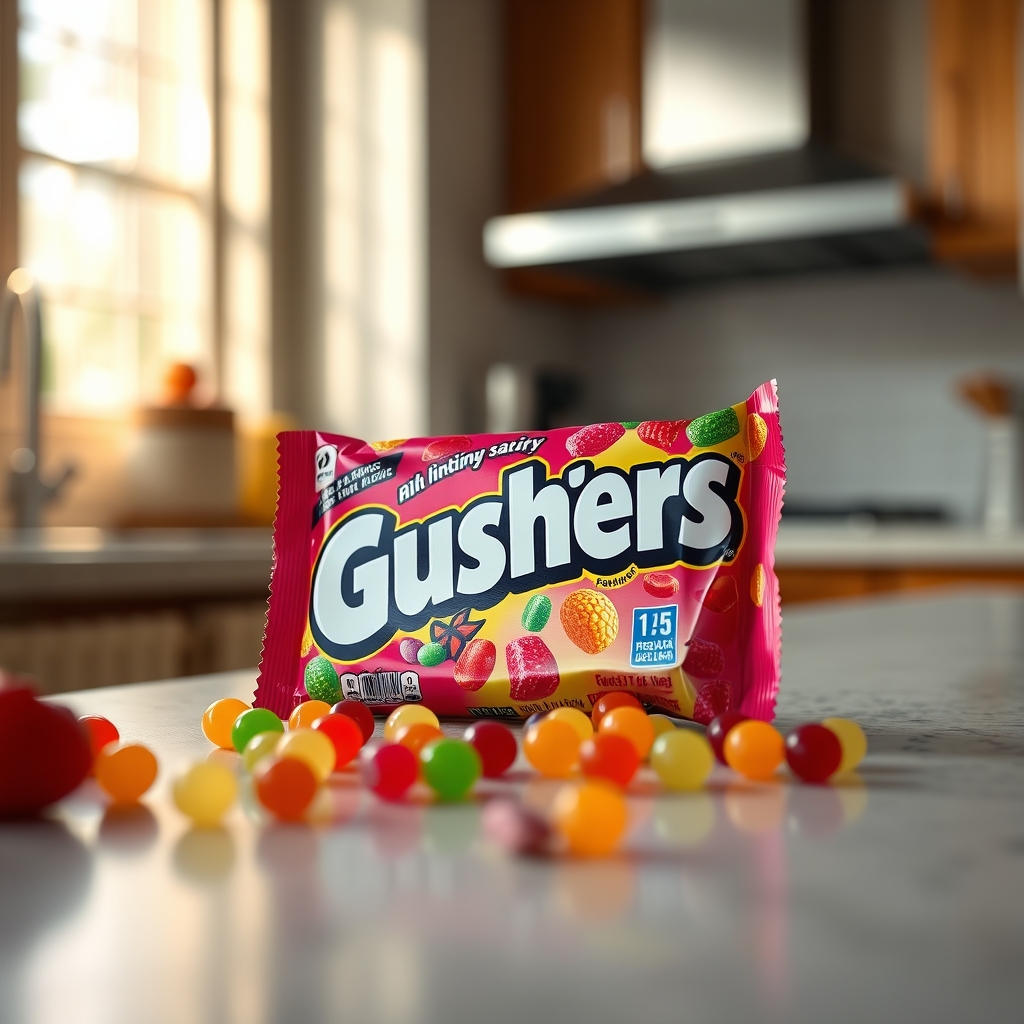
Limit Gushers during pregnancy. Safe in small amounts, but high sugar and artificial additives may pose risks. Learn the safe dosage and trimester-specific advice.
By Shubhra Mishra — a mom of two who turned her own confusion during pregnancy into BumpBites, a global mission to make food choices clear, safe, and stress-free for every expecting mother. 💛
Check whether any food is safe during pregnancy with the BumpBites Food Safety Checker.
Quick verdict: ⚠️ Safe with limits. Gushers can be enjoyed in moderation during pregnancy, but their high sugar, artificial colors, and additives mean you should keep portions small and choose healthier alternatives whenever possible.
It’s the middle of the night and you’ve just opened a pack of Gushers, wondering, “is Gushers safe during pregnancy?” You’re not alone—many expecting parents have that sudden 3 a.m. panic after spotting a bright, candy‑like snack in the pantry. Pregnancy brings a whole new level of scrutiny to everything you eat, drink, or use, and it's completely natural to question the safety of even familiar treats.
The good news is that, for most pregnant people, a few Gushers now and then won’t harm the baby. They don't contain known teratogens or substances that directly cause birth defects. However, their high sugar content and certain artificial additives do call for careful limits. It's about balancing your cravings with your nutritional needs and avoiding excessive intake of less beneficial ingredients.
In this article we’ll give you a clear, evidence‑based answer to the question “is Gushers safe during pregnancy,” walk through trimester‑specific guidance, outline a sensible serving size, flag potential risks (including blood‑sugar spikes and allergy concerns), and suggest safer snack alternatives. We’ll also compare Gushers to similar treats so you can see the whole snack landscape at a glance, helping you make informed choices that satisfy your cravings without compromising your health or your baby's well-being.
Stage
Verdict
Notes
First trimester
⚠️ Safe with limits
Limit to ≤1‑2 pieces per day; watch for artificial color sensitivity. Prioritize nutrient-dense foods during organogenesis.
Second trimester
⚠️ Safe with limits
Same portion guidance; monitor blood‑sugar if you have gestational diabetes. Ensure overall balanced diet.
Third trimester
⚠️ Safe with limits
Continue modest portions; ensure overall diet stays nutrient‑dense to support final growth and labor preparation.
Breastfeeding
⚠️ Safe with limits
Limited intake is fine; excessive sugar may affect milk composition and infant demeanor. Focus on hydration and balanced nutrition.
What are Gushers and why are they a pregnancy concern?
Gushers are a brand of fruit‑flavored, chewy candy produced by General Mills under the Betty Crocker line. Each bite‑sized piece has a soft, gummy exterior that encloses a liquid “burst” center, often described as a “fruit‑juice” core. The snacks are marketed as a fun, portable treat for kids and come in a variety of flavors—strawberry, orange, tropical, and mixed‑fruit, among others. Their ingredient list typically includes corn syrup, sugar, modified food starch, fruit juice concentrate, artificial colors (Red 40, Yellow 5, Blue 1), and preservatives such as citric acid.
The primary reason Gushers become a concern during pregnancy isn't due to any inherently toxic ingredients, but rather their nutritional profile and the presence of artificial additives. As a processed snack, they offer very little in terms of essential vitamins, minerals, or fiber, which are crucial for a healthy pregnancy. Instead, they deliver a concentrated dose of added sugars and artificial food dyes, both of which are recommended to be limited during pregnancy by major health organizations. Expecting parents often worry about the cumulative effect of these ingredients on fetal development and maternal health, especially when cravings for such treats can be intense.
Keep Gushers in a small portion container to avoid mindless over‑eating.
Is Gushers safe during pregnancy?
S
o, is Gushers safe during pregnancy? The short answer from major health authorities is “generally safe in limited amounts.” The American College of Obstetricians and Gynecologists (ACOG) notes that candy and other high‑sugar snacks are permissible during pregnancy when consumed sparingly, as part of an overall balanced diet. The UK’s NHS similarly advises that occasional treats are fine, but recommends watching for added sugars and artificial additives, especially in the first trimester when the fetus is undergoing critical developmental stages and is most vulnerable to potential influences.
Gushers do not contain known teratogens, meaning there's no direct evidence linking them to structural birth defects. However, the artificial colorants (Red 40, Yellow 5, Blue 1) have been associated with heightened hyperactivity in some children and occasional allergic reactions in sensitive individuals. The Food and Drug Administration (FDA) has classified these colors as “generally recognized as safe” (GRAS) for the general population, yet they still carry a “caution for sensitive populations” label. This distinction is important for pregnant individuals, as pregnancy can sometimes heighten sensitivities or introduce new concerns.
The Centers for Disease Control and Prevention (CDC) also emphasizes that excessive sugar intake, particularly from highly processed foods, can exacerbate gestational diabetes risk and contribute to excess maternal weight gain, which carries its own set of potential complications for both mother and baby. While a single Gusher won't cause these issues, consistent overconsumption of sugary snacks can contribute to an unhealthy dietary pattern during pregnancy.
Because Gushers are essentially a sugar‑laden candy with artificial ingredients, the primary safety concern is not direct fetal toxicity but rather the indirect effects of high sugar and artificial additives on maternal health and the overall nutrient density of your diet. Keeping consumption modest helps avoid spikes in blood glucose, reduces the chance of unwanted weight gain, and limits exposure to food dyes that could trigger sensitivities or contribute to less optimal dietary habits. It's about making choices that support your and your baby's best health outcomes.
Safety by trimester
First trimester
During weeks 1‑13, the first trimester is a critical period of organogenesis, when your baby’s major organs and systems are forming rapidly. Because of this, ACOG generally recommends limiting exposure to any non‑essential additives and focusing on a nutrient-dense diet. While a small serving of Gushers (one or two pieces) is unlikely to cause harm, you should avoid large quantities. The artificial colors and high sugar load could theoretically affect fetal development if consumed excessively or if you have an underlying sensitivity.
Your body is also undergoing significant hormonal changes, and many experience morning sickness or heightened sensitivities to certain foods. If Gushers trigger nausea or discomfort, it's best to avoid them. Prioritize foods rich in folic acid, lean proteins, and complex carbohydrates to support early fetal development and manage common first-trimester symptoms.
Second trimester
Weeks 14‑27 mark the second trimester, a period of rapid fetal growth and development, where many pregnant individuals experience a boost in energy and a reduction in morning sickness. The same modest serving size of Gushers (1-2 pieces) is recommended. At this stage, your baby is growing quickly, and your nutritional needs increase, making it even more important to fill your diet with wholesome foods.
If you develop gestational diabetes, or are at higher risk for it, vigilance with sugar intake becomes paramount. Gushers, being high in sugar, can cause rapid blood glucose spikes. In such cases, limit Gushers to very occasional treats (≤1 per week) and monitor your blood‑glucose response carefully. Always discuss your dietary choices with your healthcare provider or a registered dietitian if you have gestational diabetes.
Third trimester
In weeks 28‑40, the third trimester, your baby’s brain continues to develop, and they gain significant weight in preparation for birth. While the critical period of organogenesis has passed, maintaining a balanced, nutrient-rich diet remains crucial. The risk from artificial colors does not increase in this trimester, but the cumulative effect of excessive sugar intake can still contribute to unwanted maternal weight gain and potential complications during labor and delivery.
Continue the 1‑2 piece limit for Gushers and prioritize nutrient‑dense snacks to support your energy levels and prepare your body for labor. Many individuals experience increased heartburn or indigestion in the third trimester; highly processed, sugary snacks can sometimes exacerbate these symptoms. Listen to your body and choose snacks that feel comfortable and provide sustained energy.
Breastfeeding
While nursing, the occasional Gusher is generally acceptable and won't typically pose a risk to your baby. Your body's nutritional demands are still high as you produce milk, so focusing on a balanced diet rich in whole foods is essential. However, excessive sugar intake can affect milk composition and may contribute to infant fussiness or gas in some cases, though direct evidence is limited.
The general recommendation is to stick to the same serving guidelines as during pregnancy. Pay attention to your baby's behavior; if you notice any unusual fussiness or digestive issues after you've consumed Gushers, consider reducing or eliminating them from your diet. Hydration is also key while breastfeeding, so ensure any treats don't displace water or nutrient-rich beverages.
Gushers and Gestational Diabetes Management
For individuals diagnosed with gestational diabetes, managing blood sugar levels is a top priority. Gushers, with their high content of simple sugars (corn syrup, sugar), are high-glycemic foods that can cause rapid and significant spikes in blood glucose. This makes them a challenging snack choice for gestational diabetes management. The ACOG and CDC both emphasize strict dietary control for gestational diabetes to prevent complications like fetal macrosomia (large baby) and neonatal hypoglycemia.
If you have gestational diabetes and still crave Gushers, it's crucial to consult your healthcare provider or a registered dietitian. They may advise against them entirely or suggest very minimal, infrequent consumption, perhaps paired with protein or fiber to help blunt the glucose response. Prioritizing complex carbohydrates, lean proteins, and healthy fats is key to stable blood sugar and a healthy pregnancy outcome with gestational diabetes.
Navigating Pregnancy Cravings with Gushers
Pregnancy cravings are a real and often intense experience, and sometimes only a specific treat like Gushers will do. It's important to acknowledge these cravings without feeling guilty, but also to approach them strategically. Completely depriving yourself can sometimes lead to overeating later or feelings of frustration. The key is mindful moderation.
Instead of reaching for a whole pack, try having just one or two Gushers. Savor the taste and texture. Consider pairing it with a healthier food, like a handful of nuts or a piece of fruit, to add some nutritional value and help you feel more satisfied. This approach allows you to enjoy the craving without derailing your overall healthy eating plan. Remember, pregnancy is a marathon, not a sprint, and occasional treats can be part of a balanced approach to nutrition.
Safe dosage / amount / brands
Each Gushers piece weighs about 5 g and contains roughly 20 calories, 5 g of sugar, and a small amount of artificial color. A typical “mini‑pack” contains 30 pieces (≈150 g). For pregnancy, aim for no more than one mini‑pack per month, with daily consumption limited to 1-2 individual pieces. This helps keep your added sugar intake within recommended guidelines, which the USDA suggests should be less than 10% of your total daily calories.
The reason for these strict limits is that Gushers are considered "empty calories." They provide energy primarily from sugar but offer very little in the way of essential nutrients like vitamins, minerals, or fiber, which are vital for both your health and your baby's development. During pregnancy, every calorie should ideally contribute to your nutritional needs, making high-sugar, low-nutrient snacks less ideal choices for regular consumption.
If you prefer a specific brand, look for the “Gushers Fruit‑Burst” line, which is the most widely available and has the standard ingredient list. There are no “pregnancy‑specific” Gushers brands, nor are there varieties marketed as "all-natural" or "dye-free" Gushers that would significantly alter the safety profile. While some limited‑edition flavors may include additional natural fruit extracts, they still contain the same artificial colors and sugar base, so the same moderation guidelines apply. Always check the packaging for any ingredient changes, though they are rare for established products like Gushers.
Serving size
Safe per day
Notes
1 piece (≈5 g)
1‑2 pieces
Fits within daily added‑sugar limits (<10 % of total calories) when consumed occasionally.
Mini‑pack (30 pieces)
≈1 pack per month
Prevents cumulative sugar overload and helps maintain overall dietary balance.
Side effects and risks
While Gushers are not directly harmful in small amounts, overconsumption or individual sensitivities can lead to several side effects and risks during pregnancy. Most of these are mild and related to the high sugar content and artificial additives, rather than direct fetal harm.
Blood‑sugar spikes: The high content of simple sugars (corn syrup, sugar) in Gushers can lead to rapid increases in blood glucose. This may cause temporary fatigue, increased thirst, or, in individuals with gestational diabetes, dangerously high glucose readings. Consistent spikes can be detrimental to both maternal and fetal health.
Allergic reactions: Although rare, the artificial colors in Gushers (especially Red 40 and Yellow 5) have been linked to allergic reactions such as hives, itching, swelling, or gastrointestinal upset in sensitive individuals. Pregnancy can sometimes heighten existing sensitivities or even trigger new ones.
Digestive discomfort: High‑fructose corn syrup, a primary ingredient, can cause bloating, gas, or diarrhea in some people, particularly those with pre-existing sensitivities or irritable bowel syndrome.
Excessive weight gain: Gushers are calorie-dense but nutrient-poor. Frequent consumption can contribute to unnecessary weight gain during pregnancy, increasing the risk of gestational diabetes, preeclampsia, and complications during delivery.
Dental health issues: The sticky, sugary nature of Gushers makes them a prime culprit for contributing to tooth decay. Pregnancy hormones can already make gums more sensitive and prone to inflammation (gingivitis), so added sugar exposure increases the risk of cavities.
Nutrient displacement: Choosing Gushers over more nutritious snacks means you might be missing out on essential vitamins, minerals, and fiber critical for your baby's development and your own well-being.
If you experience any of the following after eating Gushers, contact your provider promptly: severe abdominal pain, persistent vomiting, a rapid heart rate, widespread hives, significant swelling, difficulty breathing, or unusually high blood-glucose readings if you have gestational diabetes. These symptoms could indicate a more serious reaction or a need for medical attention.
Safer alternatives to Gushers
Satisfying a sweet craving during pregnancy doesn't have to mean reaching for highly processed candies. There are many delicious and nutrient-dense alternatives that can provide natural sweetness, fiber, and essential vitamins, supporting both your health and your baby's development. Here are some excellent pregnancy-friendly options:
Fresh fruit: Nature's candy! Berries, grapes, apple slices, or melon offer natural sweetness, fiber, and a host of vitamins and antioxidants.
Dried fruit: Concentrated flavor without added sugars (choose no‑sugar‑added varieties like raisins, apricots, or dates). Enjoy in moderation due to concentrated natural sugars.
Organic fruit snacks: Look for brands that explicitly state "no artificial colors" and "no high-fructose corn syrup." While still processed, these are generally a step up from Gushers.
Greek yogurt with fruit: Protein‑rich and can be paired with fresh or frozen fruit for a satisfyingly sweet and creamy treat. Choose plain yogurt and sweeten naturally.
Whole grain crackers with a spread: Provides complex carbs and fiber. Pair with a thin layer of natural jam or a fruit spread for a touch of sweetness.
Unsweetened applesauce: A low‑calorie, naturally sweet option that's also easy on the digestive system.
Banana slices: Potassium‑rich and naturally sweet, great on their own or in a small smoothie.
Baby carrots or bell pepper strips: While not sweet, sometimes a craving is for crunch and texture. These offer vitamins and fiber without the sugar.
Homemade fruit popsicles: Blend fresh fruit with a little water or coconut water and freeze for a refreshing, naturally sweet treat.
Small handful of dark chocolate: If you're craving chocolate, a small piece of dark chocolate (70% cocoa or higher) offers antioxidants with less sugar than milk chocolate.
Related items — safety at a glance
Snack
Verdict
One‑line note
Fruit Roll‑Ups
⚠️ Safe with limits
Similar sugar content; also contains artificial colors. Moderate intake advised.
Welch’s Fruit Snacks
⚠️ Safe with limits
Made with fruit juice, but still high in added sugar and artificial ingredients.
Haribo Goldbears
⚠️ Safe with limits
Gelatin‑based candy; contains sugar and colorants. Enjoy occasionally in small portions.
Jelly Belly jelly beans
⚠️ Safe with limits
Bright colors and high sugar content; occasional consumption is acceptable.
M&M’s
⚠️ Safe with limits
Chocolate coating adds fat and sugar; moderate intake advised due to calories.
Skittles
⚠️ Safe with limits
High sugar and artificial dyes; keep portions very small.
Starburst
⚠️ Safe with limits
Chewy fruit candy; high sugar, same caution as Gushers. Can be sticky for teeth.
Laffy Taffy
⚠️ Safe with limits
Soft taffy with sugar and colors; occasional treat only due to high sugar.
Sour Patch Kids
⚠️ Safe with limits
High sugar, artificial colors, and acidity; can be harsh on teeth and stomach.
Dried Mango (unsweetened)
✅ Generally safe
Natural sugars, fiber, and vitamins. Portion control still important due to sugar concentration.
Myth vs. fact
Myth: Gushers contain hidden caffeine that could affect the baby. Fact: Gushers have no caffeine or stimulants; the only concerns are the high sugar content and artificial colors. You can rest assured they won't give you or your baby a caffeine jolt.
Myth: Eating Gushers in the first trimester can cause birth defects. Fact: No scientific evidence directly links Gushers to structural birth defects. The primary issue with overconsumption is related to excessive sugar and artificial dye exposure, which are indirect health concerns, not direct teratogenic effects.
Myth: All candy is unsafe during pregnancy. Fact: Most candy, including Gushers, is safe in moderation when part of an overall balanced diet. The key is to view them as occasional treats, not dietary staples, and to prioritize nutrient-dense foods.
Myth: "Fruit-flavored" means Gushers are healthy. Fact: While Gushers may contain some fruit juice concentrate, they are primarily made of corn syrup and sugar, with artificial flavors and colors. The "fruit" aspect is largely for marketing; they do not offer the nutritional benefits of whole fruit.
Key takeaways
✅ Gushers are not a teratogen, but limit intake to 1‑2 pieces per day due to high sugar and artificial ingredients.
⚖️ Focus on overall sugar intake; stay under the USDA recommendation of ≤10 % of daily calories from added sugars for optimal health.
🚩 Watch for artificial‑color sensitivities—stop consuming Gushers if you develop hives, swelling, or stomach upset.
🤰 If you have gestational diabetes, treat Gushers as an extremely occasional treat (≤1 per week, if at all) and rigorously monitor your blood glucose response.
🍎 Choose whole‑food alternatives like fresh fruit, Greek yogurt, or unsweetened dried fruit for a healthier sweet snack that provides essential nutrients.
🦷 Be mindful of dental health; the sticky, sugary nature of Gushers can increase the risk of cavities, especially during pregnancy.
Frequently asked questions
Are Gushers safe for pregnant women?
Yes, Gushers are generally safe in limited amounts. A serving of 1‑2 pieces a few times a week fits within most pregnancy nutrition guidelines, provided your overall diet is balanced and nutrient-rich.
What ingredients in Gushers should pregnant women avoid?
The main concerns are high‑fructose corn syrup (a form of added sugar) and artificial colorants such as Red 40, Yellow 5, and Blue 1, which can trigger sensitivities in some individuals and offer no nutritional benefit.
Can eating Gushers cause birth defects?
No direct link exists between Gushers and birth defects. The primary risks are related to sugar overload, potential dye sensitivities, and the displacement of more nutritious foods, not direct teratogenic effects on fetal development.
How many Gushers can I eat while pregnant?
Stick to no more than 1‑2 pieces per day and try to keep total consumption under one mini‑pack per month to stay within recommended added‑sugar limits and maintain a balanced diet.
Do Gushers contain caffeine or alcohol?
Gushers contain neither caffeine nor alcohol; they are purely a sugary, fruit‑flavored candy. There's no concern about these substances in Gushers during pregnancy.
Are there sugar‑free Gushers safe for pregnancy?
Currently, no sugar‑free version of Gushers is marketed. If you need a low‑sugar option, choose fruit‑based snacks or consult your doctor about specific sugar-free candies that are known to be safe for pregnancy, as some sugar substitutes may not be recommended.
What are healthier snack options during pregnancy?
Fresh fruit, Greek yogurt, unsweetened applesauce, and whole‑grain crackers with a healthy spread are nutrient-dense alternatives that satisfy sweet cravings without the added sugars and artificial colors found in Gushers.
Can Gushers trigger morning sickness?
While Gushers are not a known direct cause of nausea, the high sugar content can sometimes aggravate morning sickness symptoms in sensitive individuals, especially on an empty stomach. A small portion is usually well‑tolerated, but listen to your body.
What if I accidentally ate too many Gushers before I knew I was pregnant?
If you accidentally ate a larger quantity of Gushers before realizing you were pregnant, try not to panic. The primary concerns with Gushers are related to ongoing, excessive intake of sugar and artificial dyes, not a single large exposure. Your baby is likely fine, but discuss any concerns with your healthcare provider.
How do artificial colors in Gushers affect pregnancy?
Artificial colors like Red 40, Yellow 5, and Blue 1 are considered GRAS by the FDA for the general population, but some studies link them to hyperactivity in children and allergic reactions in sensitive individuals. While not directly teratogenic, limiting exposure during pregnancy is a cautious approach, especially during the first trimester when organ development is most sensitive.
When to call your doctor
While Gushers are generally safe in moderation, it's always wise to be aware of potential warning signs. If you notice any of the following after eating Gushers, or any food, contact your healthcare provider promptly: severe abdominal pain, persistent vomiting, a rapid heartbeat, signs of a widespread allergic reaction (such as widespread hives, significant swelling of the face or throat, or difficulty breathing), or unusually high blood‑glucose readings if you have gestational diabetes. These symptoms could indicate a more serious underlying issue or a significant reaction that requires medical attention.
Remember, this article provides general information and is not a substitute for personalized medical advice. Always consult your obstetrician or healthcare provider for specific guidance tailored to your individual health needs and pregnancy circumstances.
References
American College of Obstetricians and Gynecologists. “Nutrition During Pregnancy.” ACOG Committee Opinion, 2022.
National Health Service (UK). “Food safety and pregnancy.” NHS website, 2023.
U.S. Food and Drug Administration. “Food Additives: Color Additives.” FDA.gov, 2021.
Centers for Disease Control and Prevention. “Gestational Diabetes.” CDC.gov, 2022.
Mayo Clinic. “Gestational diabetes diet: What to eat.” MayoClinic.org, 2023.
U.S. Department of Agriculture and U.S. Department of Health and Human Services. “Dietary Guidelines for Americans, 2020-2025.” 9th Edition, 2020.
Not sure about the label on Is Gushers Safe During Pregnancy products?
Snap the ingredients list and SafeFilter checks every ingredient for your stage — only 3 free scans this month, then you're locked until reset. Unlimited from $7/mo or $50/yr.
When Shubhra Mishra was expecting her first child in 2016, she was overwhelmed by conflicting food advice — one site said yes, another said never. By the time her second baby arrived in 2019, she realized millions of mothers face the same confusion.
That sparked a five-year journey through clinical nutrition papers, cultural diets, and expert conversations — all leading to BumpBites: a calm, compassionate space where science meets everyday motherhood.
Her long-term vision is to build a global community ensuring safe, supported, and free deliveriesfor every mother — because no woman should face pregnancy alone or uninformed. 🌿
🌍 Stand with mothers, shape safer guidance
Join a small circle of experts who review BumpBites articles so expecting parents everywhere can decide with confidence.