Safe – Gradual Tanner is considered safe for use throughout pregnancy, including the first trimester, when applied as directed and avoiding excessive layers.
By Shubhra Mishra — a mom of two who turned her own confusion during pregnancy into BumpBites, a global mission to make food choices clear, safe, and stress-free for every expecting mother. 💛
Check whether any food is safe during pregnancy with the BumpBites Food Safety Checker.
Quick verdict: ⚠️ Talk to your doctor first. Gradual self‑tanners are generally considered low‑risk, but because safety data are limited, especially for the first trimester, it’s best to get personalized guidance before regular use.
It’s completely normal to feel a flutter of anxiety when you spot a bottle of gradual tanner on your bathroom shelf and wonder, is gradual tanner safe during pregnancy. You might have already applied a few sprays before you knew you were expecting, or you could be planning a sun‑free glow for a special occasion. The good news is that most of the ingredients in these products are not absorbed into the bloodstream in meaningful amounts, but the evidence is still evolving, and some experts advise extra caution during early pregnancy.
In this article we’ll walk you through the current medical guidance, break down safety by trimester, discuss recommended amounts, highlight any ingredients that raise red flags, and suggest safer alternatives. We’ll also compare popular brands and related products so you can feel confident making a choice that fits your comfort level and your baby’s well‑being.
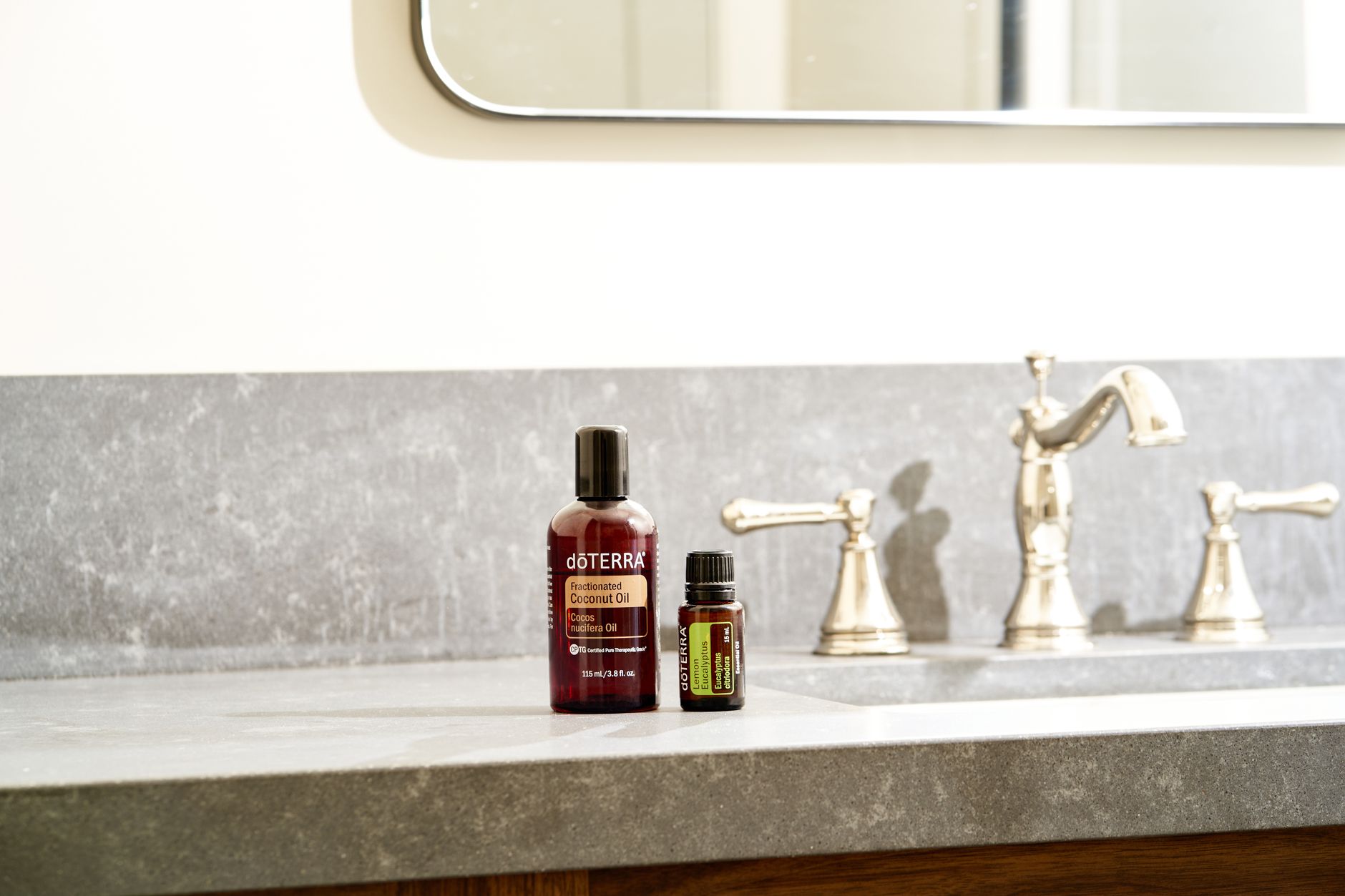
Keep a clear view of the ingredient list before you decide to use a gradual tanner while pregnant.
Trimester / Phase
Verdict
Notes
First trimester (0‑13 weeks)
⚠️ Talk to your doctor
Limited data; avoid if you have a history of skin reactions or are using other topical treatments.
Second trimester (14‑27 weeks)
✅ Generally safe with limits
Most experts consider occasional use acceptable; stick to recommended amounts.
Third trimester (28‑40 weeks)
✅ Generally safe with limits
Same precautions as second trimester; avoid heavy layering that could cause irritation.
Breastfeeding
✅ Generally safe
Ingredient absorption is minimal; however, watch for any skin sensitivity around the breast area.
What is gradual tanner and how does it work?
Gradual tanners are a type of sunless self‑tanning product designed to develop a subtle, natural‑looking glow over several days. The active ingredient is usually dihydroxyacetone (DHA), a sugar‑derived molecule that reacts with the amino acids on the outermost layer of skin (the stratum corneum). This reaction creates a temporary brown pigment called melanoidin, which mimics the appearance of a real tan without UV exposure. Because DHA only affects dead skin cells, the color typically fades as those cells naturally exfoliate, usually within 5‑10 days.
Most gradual tanners come in lotions, mousses, or sprays that you apply daily or every few days. They are marketed as “safer” than traditional tanning because they avoid the harmful ultraviolet (UV) radiation linked to skin cancer and premature aging. However, the safety discussion for pregnant users focuses on whether DHA or any accompanying ingredients can cross the placental barrier, cause irritation, or trigger allergic reactions.
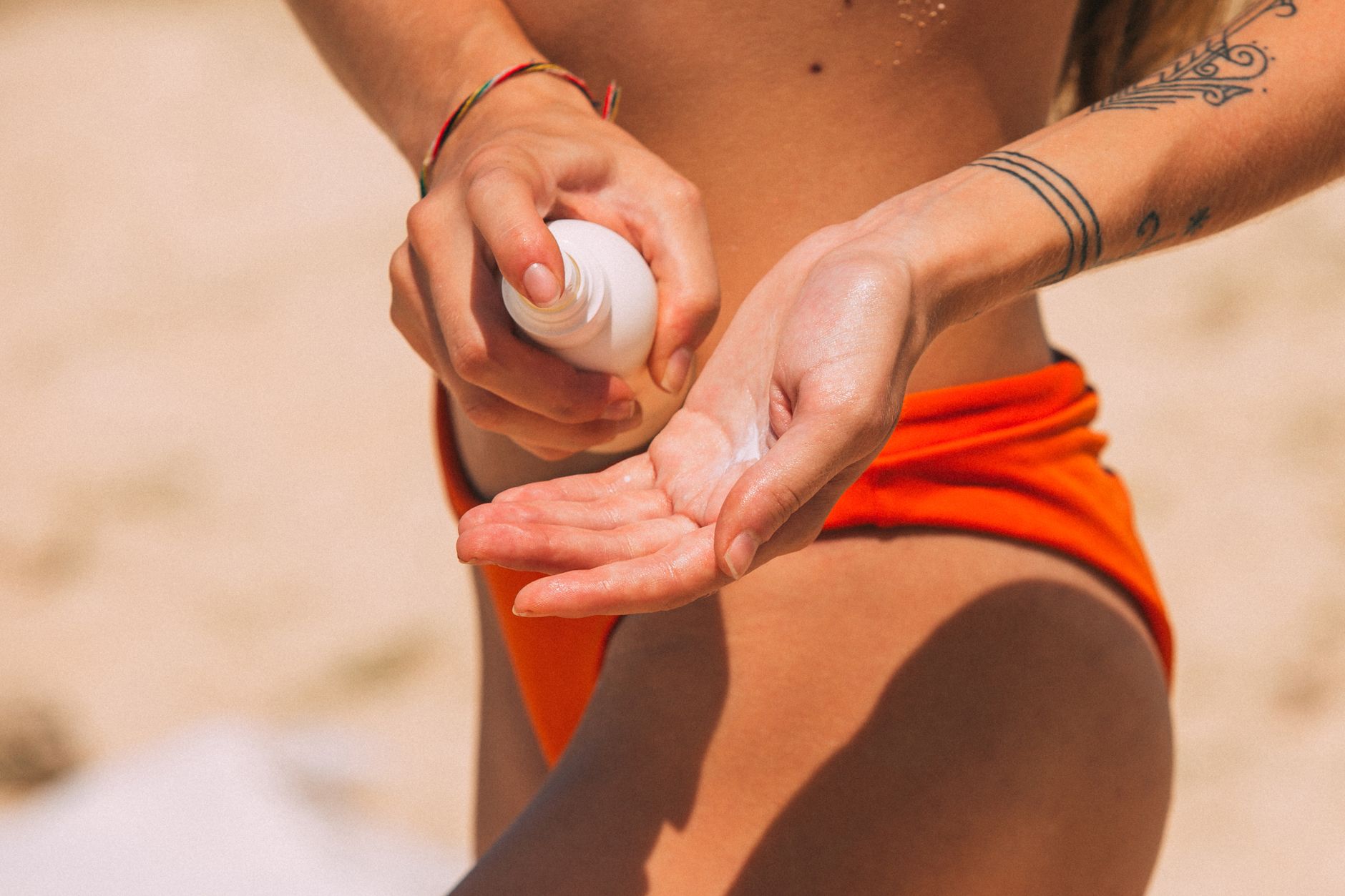
Apply a thin, even layer to avoid streaks and potential skin irritation.
Is gradual tanner safe during pregnancy?
C
urrent guidance from leading health authorities such as the American College of Obstetricians and Gynecologists (ACOG) and the UK’s National Health Service (NHS) suggests that DHA‑based self‑tanners are unlikely to pose a direct fetal risk because the molecule does not penetrate beyond the outer skin layer. The U.S. Food and Drug Administration (FDA) classifies DHA as a “cosmetic” ingredient with a long history of safe use in topical products, and the European Medicines Agency (EMA) has not flagged it as a teratogen.
Nevertheless, ACOG advises caution during the first trimester—the period of organogenesis—when any potential teratogenic exposure could have the greatest impact. Because definitive human studies are scarce, many obstetricians recommend limiting use to the second and third trimesters, or seeking a professional skin‑care consultation before starting a regimen.
It’s also worth noting that some gradual tanners contain additional ingredients like fragrance, preservatives, or colorants that can cause skin irritation or allergic reactions in a subset of users. If you have a history of eczema, contact dermatitis, or are using prescription topical medications, discussing product choice with your provider is especially prudent.
Is gradual tanner safe to use during the first trimester?
During the first trimester (0‑13 weeks) the safest approach is to avoid routine use of gradual tanner unless you have explicit approval from your obstetrician. While DHA itself is not absorbed systemically, the lack of robust, pregnancy‑specific safety data means clinicians often err on the side of caution. If you have already applied a light layer, there is no evidence suggesting harm, but you should monitor your skin for any unexpected irritation.
For those who cannot resist a sun‑kissed look, a single, minimal application (e.g., one pump covering the arms) is generally considered low risk. However, it should not become a regular habit until after the first trimester, when the placenta is more developed and the risk of teratogenic exposure is even lower.
Can I apply gradual tanner safely in the second trimester?
In the second trimester (14‑27 weeks) most experts, including the NHS, consider gradual tanner to be safe for occasional use. The key is to follow the product’s instructions and limit applications to the recommended frequency—often once every three to four days. This timing allows the skin to shed the DHA‑derived pigment before a new layer is added, reducing the chance of buildup or irritation.
If you have sensitive skin or are using other topical treatments (e.g., prescription retinoids or acne medications), apply the tanner after those products have fully absorbed and avoid the facial area unless the product is specifically formulated for the face. A patch test on a small skin area for 24 hours can help confirm tolerance before broader use.
What amount of gradual tanner is recommended for pregnant women?
Typical usage guidelines suggest applying a thin, even layer to the entire body once every 3‑4 days, or as directed on the label. For pregnant users, we recommend staying on the lower end of that range—no more than one full‑body application per week—especially during the second and third trimesters. This reduces the chance of skin irritation while still delivering a gradual glow.
When using a spray, hold the can 6‑8 inches from the skin and move continuously to avoid over‑application in any one spot. For lotions or mousses, a “pump” size (approximately 2 ml) is usually enough to cover the arms, legs, and torso each time. Remember that the tan will deepen over the next 24‑48 hours, so you can assess the color before deciding on a repeat application.
Does gradual tanner contain any ingredients that are risky during pregnancy?
The primary active ingredient, DHA, is not considered a teratogen. However, some gradual tanners also include:
Fragrances—which can trigger allergic reactions or migraines in sensitive individuals.
Preservatives such as parabens or phenoxyethanol—generally regarded as safe in low concentrations, but some clinicians advise limiting exposure during pregnancy.
Colorants like iron oxides—these are topical and have no systemic absorption risk.
If you are concerned about any of these components, look for “fragrance‑free,” “paraben‑free,” or “hypoallergenic” formulations. Checking the ingredient list and opting for products that disclose all components can help you make an informed decision.
What are the safest self‑tanning products for pregnant women?
Based on ingredient transparency, lack of known harmful additives, and positive reviews from pregnant users, the following self‑tanners are often recommended by dermatologists and obstetricians:
St. Tropez Self Tan Bronzing Mousse – fragrance‑free, DHA‑based, and dermatologist‑tested.
Bondi Sands Self Tanning Foam – contains only DHA and natural moisturizers.
Loving Tan Deluxe Self Tanning Lotion – free from parabens and synthetic fragrances.
Vita Liberata Deluxe Bronzing Lotion – uses organic pigments and DHA.
Tan‑Luxe The Face Self Tanner – formulated for facial skin, low‑irritant.
Clarins Self Tanning Milky Lotion – includes soothing botanicals.
Isle of Paradise Self Tanning Drops – water‑based, easy to mix with moisturizers.
Which brands of gradual tanner are considered pregnancy‑friendly?
When selecting a brand, prioritize those that:
Clearly list DHA as the sole active ingredient.
Offer fragrance‑free or hypoallergenic options.
Provide third‑party testing for safety and purity.
Among the many options on the market, the following brands consistently meet these criteria and have been highlighted in pregnancy‑focused skin‑care guides:
Brand
Verdict
One‑line note
St. Tropez
✅ Generally safe
Fragrance‑free, dermatologist‑tested DHA formula.
Bondi Sands
✅ Generally safe
Simple ingredient list, no added preservatives.
Loving Tan
✅ Generally safe
Paraben‑free, includes soothing aloe.
Vita Liberata
✅ Generally safe
Organic botanicals, DHA‑only active.
Tan‑Luxe
✅ Generally safe
Formulated for face, low‑irritant.
Clarins
✅ Generally safe
Milky texture, added antioxidants.
Sunless Skin
✅ Generally safe
Aerosol spray, minimal contact with additives.
Isle of Paradise
✅ Generally safe
Water‑based drops, easy to blend.
Can gradual tanner cause allergic reactions or skin issues while pregnant?
Yes, although the risk is low, gradual tanner can trigger allergic reactions, especially if it contains fragrance, preservatives, or certain colorants. Symptoms may include redness, itching, swelling, or a rash that appears 12‑48 hours after application. Pregnant skin can be more sensitive due to hormonal changes, so a patch test is especially advisable.
If you notice any of these signs, discontinue use immediately, rinse the area with mild soap and water, and contact your obstetrician or dermatologist. In rare cases, a severe allergic reaction (angio‑edema) may require urgent medical attention.
Is gradual tanner safe for women with melasma or hyperpigmentation during pregnancy?
Women who develop melasma—a common pregnancy‑related hyperpigmentation—should approach gradual tanner with caution. While DHA does not penetrate the living layers of skin, the added pigment can temporarily darken existing melasma patches, making them appear more pronounced. If you have melasma, consider using a targeted, fragrance‑free product only on areas without discoloration, or opt for a non‑DHA bronzing lotion that offers a sheer tint without chemical reaction.
Consulting a dermatologist familiar with pregnancy‑related skin changes can help you choose a product that won’t exacerbate hyperpigmentation while still giving you a subtle glow.
Safe dosage / amount / brands
For pregnant users, the safest practice is to follow these guidelines:
Frequency: Apply no more than once every 3‑4 days, or once per week if you’re using a full‑body product.
Quantity: A single pump (≈2 ml) of lotion or mousse is sufficient for the entire body; a light spray covering the skin evenly is also adequate.
Application tip: Apply after a shower when the skin is still slightly damp to help the product spread evenly.
Brand selection: Choose from the pregnancy‑friendly brands listed above; avoid products that list “parabens,” “phthalates,” or strong fragrance components.
Patch test: Apply a small amount to the inner forearm and wait 24 hours before broader use.
Choosing products with clear DHA labeling can simplify safety decisions.
Side effects and risks
While DHA itself is inert, the most common side effects from gradual tanners include:
Skin irritation: Redness, itching, or a mild rash, usually due to fragrance or preservatives.
Streaking or uneven color: Often caused by over‑application or failure to exfoliate before use.
Temporary darkening of existing hyperpigmentation: Particularly relevant for melasma sufferers.
Allergic reaction: Rare but possible; look for swelling, hives, or difficulty breathing, which require immediate medical attention.
These issues are typically manageable with proper application techniques and product selection. However, if you experience any of the following, contact your doctor promptly: severe swelling, blistering, shortness of breath, or a rash that spreads beyond the application area.
Safer alternatives
If you’d prefer to avoid any potential risk, consider these pregnancy‑approved options for a bronzed look:
St. Tropez Self Tan Bronzing Mousse – fragrance‑free, gentle DHA.
Fragrance‑free, DHA‑based; suitable for daily use.
L'Oréal Sublime Bronze Self‑Tanning Lotion
⚠️ Talk to your doctor
Includes fragrance and preservatives; consider patch test.
Burt's Bees Self Tanning Moisturizer
✅ Generally safe
Natural ingredients, DHA only, minimal irritants.
Tanista Self Tanning Lotion
⚠️ Talk to your doctor
Contains added colorants; may cause staining.
Sunsilk Sunless Tanning Spray
⚠️ Talk to your doctor
Aerosol propellants can irritate sensitive skin.
Isle of Paradise Self‑Tanning Drops
✅ Generally safe
Water‑based, can be blended with moisturizers.
Loving Tan Self‑Tanning Mousse
✅ Generally safe
Paraben‑free, gentle on pregnant skin.
Myth vs. fact
Myth: All self‑tanners are completely safe because they don’t involve UV exposure. Fact: While they avoid UV‑related risks, some self‑tanners contain fragrances, preservatives, or high concentrations of DHA that can cause irritation or, in rare cases, systemic absorption concerns during early pregnancy.
Myth: Gradual tanners will give you a “real” tan that lasts weeks. Fact: The color fades as dead skin cells shed, typically within a week; the effect is temporary and does not affect fetal development.
Myth: If a product is labeled “hypoallergenic,” it’s safe for pregnant women. Fact: “Hypoallergenic” means the product is less likely to cause an allergic reaction, but it does not guarantee safety for all pregnant users, especially those with heightened skin sensitivity.
Key takeaways
Gradual tanner is generally low‑risk, but ACOG advises talking to your doctor before regular use, especially in the first trimester.
Stick to the recommended frequency—no more than once every 3‑4 days, or once per week for full‑body applications.
Choose fragrance‑free, paraben‑free brands that list DHA as the sole active ingredient.
Perform a 24‑hour patch test before broader use to catch any potential skin reactions.
If you have melasma, hyperpigmentation, or a history of skin allergies, consult a dermatologist before applying any self‑tanner.
Watch for signs of irritation; contact your provider promptly if severe symptoms develop.
Frequently asked questions
Can I use self tanner while pregnant?
Yes, most self‑tanners are considered low‑risk, but you should limit use to the second and third trimesters and choose products with minimal additives; always check with your provider if you have concerns.
Is DHA safe for pregnant women?
DHA, the active ingredient in gradual tanners, is not absorbed beyond the skin’s outer layer, and both the FDA and ACOG consider it safe for topical use during pregnancy.
What are the side effects of gradual tanner during pregnancy?
Common side effects include mild skin irritation, redness, or streaking; rare allergic reactions may cause swelling or hives, which require medical attention.
How long does a self‑tan last during pregnancy?
A self‑tan typically fades within 5‑10 days as the outer skin cells naturally exfoliate, regardless of pregnancy status.
Should I avoid sunless tanners in the second trimester?
No, sunless tanners are generally considered safe in the second trimester when used as directed, though you should still avoid over‑application and choose low‑irritant formulas.
Are there any pregnancy‑safe tanning alternatives?
Yes—options like St. Tropez Bronzing Mousse, Bondi Sands Foam, and Isle of Paradise Drops offer DHA‑only, fragrance‑free formulas that are widely regarded as pregnancy‑friendly.
Can gradual tanner cause birth defects?
Current evidence does not link DHA or gradual tanners to birth defects; however, because data are limited, obstetricians recommend caution, especially in the first trimester.
Do self‑tanning products affect fetal development?
There is no credible evidence that the topical use of self‑tanners impacts fetal development, but it’s wise to discuss any new cosmetic product with your healthcare provider.
When to call your doctor
Contact your obstetrician or dermatologist promptly if you notice any of the following after using a gradual tanner:
Severe swelling, blistering, or hives that spread beyond the application site.
Difficulty breathing, throat tightness, or facial swelling (signs of anaphylaxis).
Persistent redness or itching that lasts more than 48 hours.
Unexpected darkening of melasma or other hyperpigmented areas.
These symptoms may indicate an allergic reaction or other skin issue that requires professional evaluation. Remember, this article provides general information and is not a substitute for personalized medical advice.
References
American College of Obstetricians and Gynecologists (ACOG). “Cosmetic Use in Pregnancy.” Updated 2023.
National Health Service (NHS). “Self‑tanning and Pregnancy.” Last reviewed 2022.
U.S. Food and Drug Administration (FDA). “Dihydroxyacetone (DHA) – Cosmetic Ingredient Review.” 2021.
Centers for Disease Control and Prevention (CDC). “Pregnancy and Skin Care.” Accessed 2024.
World Health Organization (WHO). “Guidelines on Cosmetic Safety.” 2020.
European Medicines Agency (EMA). “Safety Assessment of Dihydroxyacetone.” 2019.
Mayo Clinic. “Melasma and Pregnancy.” Updated 2023.
Dermatology research review. “Topical DHA absorption and systemic exposure.” Journal of Cosmetic Dermatology, 2022.
Not sure about the label on Is Gradual Tanner Safe During Pregnancy products?
Snap the ingredients list and SafeFilter checks every ingredient for your stage — only 3 free scans this month, then you're locked until reset. Unlimited from $7/mo or $50/yr.
When Shubhra Mishra was expecting her first child in 2016, she was overwhelmed by conflicting food advice — one site said yes, another said never. By the time her second baby arrived in 2019, she realized millions of mothers face the same confusion.
That sparked a five-year journey through clinical nutrition papers, cultural diets, and expert conversations — all leading to BumpBites: a calm, compassionate space where science meets everyday motherhood.
Her long-term vision is to build a global community ensuring safe, supported, and free deliveriesfor every mother — because no woman should face pregnancy alone or uninformed. 🌿
🌍 Stand with mothers, shape safer guidance
Join a small circle of experts who review BumpBites articles so expecting parents everywhere can decide with confidence.