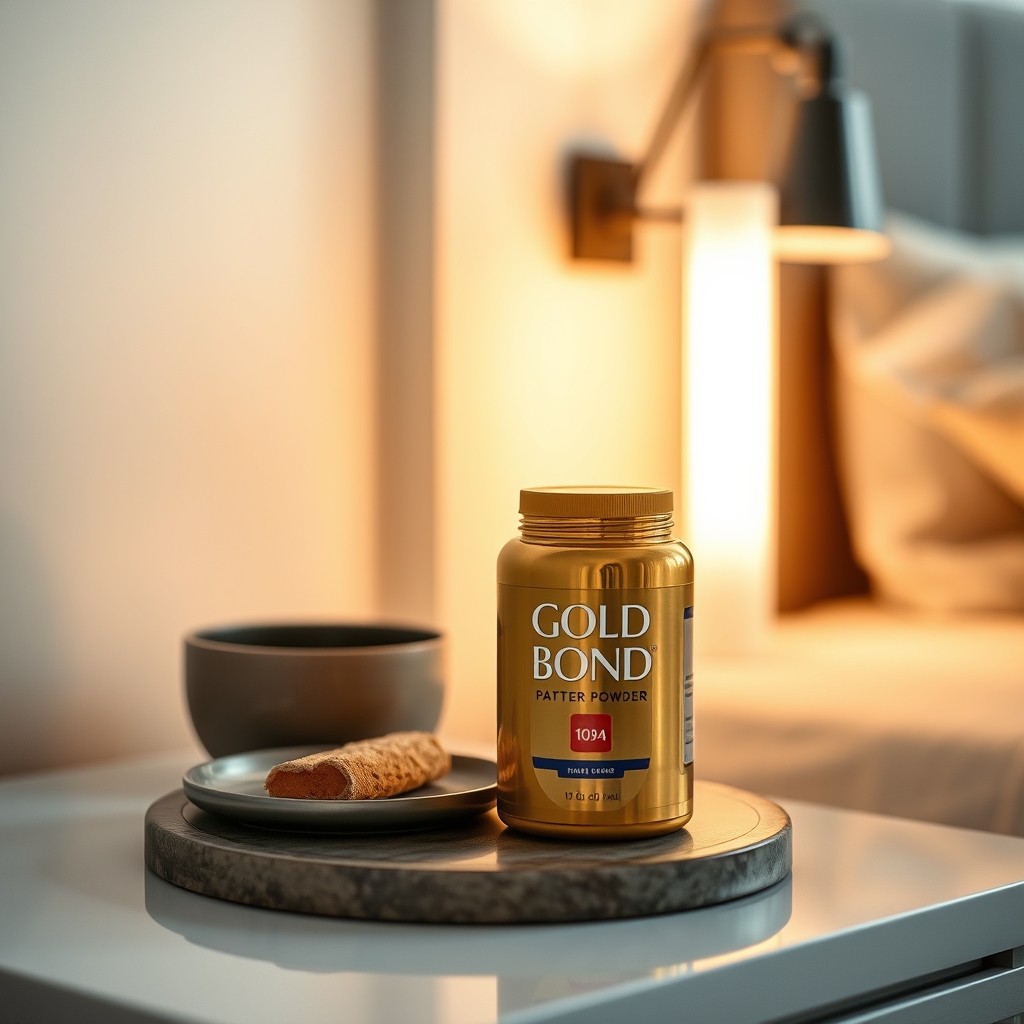
Safe in moderation. Gold Bond powder is generally safe during pregnancy if used sparingly, but avoid talc-based versions and opt for cornstarch-based formulas in the first trimester.
By Shubhra Mishra — a mom of two who turned her own confusion during pregnancy into BumpBites, a global mission to make food choices clear, safe, and stress-free for every expecting mother. 💛
Check whether any food is safe during pregnancy with the BumpBites Food Safety Checker.
Quick verdict: ⚠️ Talk to your doctor first. Gold Bond Powder can be used with caution, but because it contains talc and other ingredients that may be inhaled or contaminated, many obstetric guidelines advise limiting use or choosing a talc‑free alternative.
It’s 2 a.m., you’re half‑asleep, and a sudden itch on your leg makes you reach for the familiar blue‑white tube of Gold Bond Powder you keep on your nightstand. “Is gold bond powder safe during pregnancy?” you wonder, heart racing. You’re not alone—mom‑to‑be readers across the country search the same question the moment they notice a new skin irritation.
In short, Gold Bond Powder isn’t outright forbidden, but obstetric societies such as the American College of Obstetricians and Gynecologists (ACOG) and the UK’s NHS recommend using it sparingly, avoiding inhalation, and considering talc‑free options whenever possible. Below we break down exactly what the evidence says, how much is reasonable to apply, what to watch for each trimester, and safer alternatives that keep both you and your baby comfortable.
We’ll also compare Gold Bond Powder with other popular powders, discuss ingredient safety, and give you a quick‑reference guide you can print or bookmark. By the end, you’ll know whether you can keep using Gold Bond, how to use it safely, and when it’s time to call your provider.
Keep the powder out of reach of children and avoid applying it near your face to reduce inhalation risk.
Stage
Verdict
Notes
First trimester
⚠️ Use with caution
Limit to a thin layer on non‑facial skin; avoid inhalation.
Second trimester
⚠️ Use with caution
Same guidelines as first trimester; consider talc‑free alternatives.
Third trimester
⚠️ Use with caution
Risk of inhalation remains; avoid use near abdomen if concerned about irritation.
Breastfeeding
⚠️ Talk to your doctor
Limited data; safest to choose talc‑free powders.
What is Gold Bond Powder?
Gold Bond Powder is an over‑the‑counter (OTC) topical product marketed to relieve itching, absorb moisture, and soothe minor skin irritations. The classic “Gold Bond Medicated Powder” contains talc, zinc oxide, and a blend of fragrance and antimicrobial agents such as menthol or camphor, depending on the variant. Talc is a mineral composed primarily of magnesium silicate, which gives the powder its silky, absorbent feel. Zinc oxide provides a mild barrier and anti‑inflammatory effect, while the added fragrances aim to mask body odor.
People use Gold Bond for a range of everyday concerns—sweaty feet, chafing, diaper rash, and general itchiness. Its convenience (a small “shake‑and‑sprinkle” bottle) makes it a staple in many bathroom cabinets, especially during hot summer months or pregnancy when skin can become extra sensitive. Because the product is designed for quick relief, it’s often applied in the moments after a shower or before bedtime, which can make the timing of use feel especially urgent when an unexpected itch appears.
Is Gold Bond Powder safe during pregnancy?
Current guidance from ACOG, the NHS, and the U.S. Food and Drug Administration (FDA) suggests that talc‑based powders like Gold Bond should be used with caution during pregnancy. The primary concerns are twofold: (1) the potential for inhaling fine talc particles, which can irritate the lungs, and (2) the historical association of talc contaminated with asbestos—a known carcinogen—with adverse reproductive outcomes. While modern manufacturing processes are heavily regulated to prevent asbestos contamination, trace amounts cannot be completely ruled out, and the FDA continues to monitor talc products for safety.
Most studies examining talc exposure in pregnant people have focused on occupational settings (e.g., cosmetic manufacturers) rather than occasional household use. The evidence does not show a clear, direct link between occasional powder use and birth defects, but the precautionary principle still applies. The CDC advises minimizing inhalation of any fine particulate matter during pregnancy, and the NHS recommends opting for talc‑free powders when possible.
Therefore, the consensus among obstetric experts is that Gold Bond Powder is not categorically prohibited, but it should be applied sparingly, kept away from the face, and avoided if you have a history of respiratory issues or if you’re especially concerned about potential contaminants. If you’re uncertain, discuss your specific usage pattern with your prenatal care provider.
Safety by trimester
Is Gold Bond Powder safe to use during the first trimester of pregnancy?
The first trimester (weeks 1‑13) is the period of organogenesis, when the fetus’s major organs form. Because this window is the most sensitive to teratogens, many clinicians advise extra caution with any product that could be inhaled or absorbed systemically. Applying a thin layer of Gold Bond Powder to the arms, legs, or under‑arms is generally considered low risk, provided you do not inhale the particles and you keep the powder away from the face and abdomen.
If you notice any respiratory irritation—coughing, wheezing, or shortness of breath—after using the powder, stop immediately and contact your provider. For those with a history of asthma or allergies, it may be wiser to skip talc‑based powders altogether during this critical stage.
Can I apply Gold Bond Powder safely in the second and third trimesters?
During the second (weeks 14‑27) and third (weeks 28‑40) trimesters, the fetus’s organs are largely formed, and the risk of teratogenic effects from external chemicals is lower. However, the inhalation risk remains the same. Applying Gold Bond Powder to areas that are not near the face—such as the thighs, feet, or under‑arms—continues to be acceptable for most pregnant people, as long as you keep the application thin and avoid creating a cloud of powder that could be inhaled.
Some women experience increased skin dryness or itchiness in later pregnancy due to stretching skin and hormonal changes. In these cases, a talc‑free moisturizer or powder (e.g., SebaMed Talc‑Free Powder) may be more comfortable and eliminates the inhalation concern altogether.
What about breastfeeding?
There is limited research on the transfer of talc or zinc oxide into breast milk, but the FDA has not flagged these ingredients as a direct risk to nursing infants. Nonetheless, because the infant’s respiratory system is highly sensitive, many lactation consultants echo the same precautionary advice: limit exposure to airborne particles. Choosing a talc‑free, fragrance‑free powder for postpartum use is a simple way to stay on the safe side.
Is Gold Bond Powder safe for pregnant people with asthma?
Asthma affects roughly 8 % of pregnant people, and inhaling fine particles can trigger bronchospasm. If you have a diagnosed respiratory condition, the safest approach is to avoid talc‑based powders altogether. Instead, opt for a talc‑free, fragrance‑free moisturizer or a breathable powder made from cornstarch, which produces larger particles that are less likely to be inhaled.
Can I use Gold Bond Powder after delivery?
Post‑partum skin can be especially sensitive due to hormonal shifts and the physical strain of labor. While occasional use of Gold Bond Powder is unlikely to harm you or your newborn, the same inhalation precautions apply. Many new parents prefer talc‑free powders for both themselves and their babies to eliminate any risk of respiratory irritation. If you’re nursing, keep the powder away from the baby’s face and avoid applying it directly to the breast area.
Apply a thin, even layer and avoid rubbing the powder into the skin to reduce the chance of inhalation.
How much Gold Bond Powder is safe to use each day while pregnant?
There is no official “maximum dose” for topical powders, but obstetric guidelines suggest limiting exposure to the equivalent of a single, light shake (approximately 0.5 g) per day on a given area. Applying the powder more than once daily or using a heavy “dust‑up” can increase the likelihood of inhaling fine particles, especially in enclosed spaces.
For most pregnant users, a single, thin application after showering—targeted to areas that tend to get sweaty or itchy—is sufficient. If you find yourself needing to reapply multiple times a day, it may be a sign that the product isn’t the best match for your skin type, and a moisture‑rich cream or talc‑free powder could be more effective.
When using Gold Bond Medicated Powder, follow the label’s “apply a thin layer” instruction and avoid spreading it near the face. If you have a pre‑existing skin condition (such as eczema) that requires frequent soothing, discuss a tailored regimen with your dermatologist or obstetrician.
What are the potential risks of inhaling Gold Bond Powder during pregnancy?
Inhalation of fine talc particles can irritate the respiratory tract, leading to coughing, shortness of breath, or a mild bronchial reaction. Although occasional exposure is unlikely to cause long‑term harm, repeated inhalation—especially in a poorly ventilated bathroom—could exacerbate asthma or trigger allergic reactions.
To minimize these risks, apply the powder in a well‑ventilated area, keep the bottle upright, and avoid shaking it directly over your face. Some experts recommend using a dust‑mask or applying the powder with a puffed cloth to reduce airborne particles. If you experience persistent respiratory symptoms after use, discontinue the product and seek medical advice.
Does Gold Bond Powder contain ingredients that could harm my baby?
Gold Bond Powder’s core ingredients—talc, zinc oxide, and fragrance—are not classified as teratogens. However, fragrance components can sometimes cause skin sensitization, and zinc oxide, while generally safe, can be irritating for very sensitive skin if applied in large amounts. The real concern lies with possible talc contamination. Modern manufacturing processes are designed to eliminate asbestos, but trace contaminants cannot be completely ruled out.
For pregnant people who are fragrance‑sensitive or who prefer to avoid talc altogether, talc‑free alternatives such as SebaMed Talc‑Free Powder or fragrance‑free moisturizers are recommended. If you have a known allergy to any component listed on the product label, avoid Gold Bond entirely.
Are there safer alternatives to Gold Bond Powder for itchy skin in pregnancy?
Yes. Below is a quick list of products that obstetricians and dermatologists commonly recommend for pregnant women dealing with itchiness or mild dermatitis. All are fragrance‑free, talc‑free, and formulated to be gentle on sensitive skin.
CeraVe Moisturizing Cream – contains ceramides and hyaluronic acid for barrier repair without fragrance.
Aveeno Daily Moisturizing Lotion – oatmeal‑based, soothing, and safe for daily use.
Burt’s Bees Baby Diaper Rash Ointment – contains zinc oxide but no talc or added fragrance.
Eucerin Advanced Repair Cream – rich, fragrance‑free, and ideal for dry, itchy skin.
Cetaphil Moisturizing Lotion – hypoallergenic and non‑comedogenic.
Aquaphor Healing Ointment – occlusive barrier that protects irritated skin.
Shea Moisture African Black Soap – gentle, natural exfoliant without talc.
SebaMed Talc‑Free Powder – specifically designed for sensitive skin, free of talc and fragrance.
Cornstarch Baby Powder – a natural, talc‑free powder that absorbs moisture without added chemicals.
Is the Gold Bond Powder brand different from other talc powders for pregnant users?
Gold Bond is a well‑known brand that offers several variants, including the classic Medicated Powder, a “Fresh‑Scent” version, and a “Cool‑Mint” formula. While the base ingredient (talc) is consistent across most variants, the added fragrances and cooling agents differ. Some other talc powders—such as Johnson’s Baby Powder—use a lighter fragrance profile, but they still share the same talc base.
From a safety standpoint, the differences are minor. The presence of added menthol or camphor in certain Gold Bond formulas can increase the risk of skin irritation for those with sensitive skin. If you’re pregnant and prone to fragrance reactions, opting for an unscented or talc‑free product (like SebaMed Talc‑Free Powder) is the safest route.
Can I use Gold Bond Powder if I have eczema or dermatitis while pregnant?
Eczema and dermatitis are common in pregnancy due to hormonal changes and skin stretching. Gold Bond Powder can provide temporary relief from itching, but the talc may exacerbate dryness, and fragrance components can trigger a flare‑up in sensitive individuals. Dermatologists often advise using a barrier cream or ointment (e.g., Aquaphor or CeraVe) as the first line of treatment.
If you choose to use Gold Bond, apply a very thin layer only to areas that are not broken or inflamed, and avoid rubbing it into the skin. Monitor the area closely for any increase in redness, swelling, or burning. If symptoms worsen, discontinue use and consult your obstetrician or dermatologist.
Side effects and risks
Most users experience mild, transient side effects such as a temporary tingling sensation from menthol or a faint fragrance‑related irritation. The more serious concerns are:
Inhalation irritation: Coughing, wheezing, or shortness of breath after shaking the powder in a confined space.
Skin sensitization: Redness, itching, or rash caused by fragrance or zinc oxide over‑application.
Potential asbestos contamination: Although rare with modern manufacturing, any suspicion of contamination warrants immediate discontinuation.
If you experience any of the following, call your provider promptly: persistent coughing, wheezing, chest tightness, severe rash, or swelling of the face or lips.
Safer alternatives
CeraVe Moisturizing Cream – builds skin barrier without talc.
Aveeno Daily Moisturizing Lotion – oatmeal soothing for itch.
Talc‑based; same inhalation concerns as Gold Bond.
Calamine Lotion
✅ Generally safe
Liquid form, no inhalation risk.
Cornstarch Powder
✅ Generally safe
Natural alternative, but can clump when moist.
SebaMed Talc‑Free Powder
✅ Generally safe
Specifically formulated for sensitive skin.
Gold Bond Medicated Powder
⚠️ Use with caution
Contains talc and fragrance; inhalation risk.
Burt’s Bees Baby Powder
⚠️ Use with caution
Talc‑based, similar concerns as other talc powders.
Eucerin Itch Relief Powder
⚠️ Use with caution
Contains talc; fragrance may irritate.
Pure & Simple Talc Powder
⚠️ Use with caution
Standard talc powder, no added fragrance.
Myth vs. fact
Myth: “All talc powders are unsafe for pregnant people.”
Fact: Talc itself is not a proven teratogen, but the risk comes from inhalation and possible asbestos contamination. Using a thin layer away from the face reduces these risks.
Myth: “Gold Bond Powder will cause birth defects.”
Fact: Current research does not demonstrate a direct link between occasional topical use of Gold Bond and birth defects, though precautionary use is advised.
Myth: “If I don’t feel any irritation, the powder is completely safe.”
Fact: Inhalation risk can be asymptomatic yet still irritate lung tissue; limiting exposure is the safest approach.
Myth: “Talc‑free powders are less effective at absorbing moisture.”
Fact: Cornstarch‑based powders absorb moisture comparably to talc and avoid the inhalation concerns associated with mineral powders.
Key takeaways
Gold Bond Powder can be used cautiously, but avoid inhalation and apply only a thin layer.
Limit use to one light application per day; consider talc‑free alternatives for frequent itching.
First‑trimester use should be especially conservative; discuss any concerns with your provider.
If you have eczema, dermatitis, or respiratory sensitivities, opt for fragrance‑free, talc‑free moisturizers.
When in doubt, choose a product like SebaMed Talc‑Free Powder or a gentle moisturizer.
Always apply powder in a well‑ventilated space and keep the bottle upright to minimize dust.
Frequently asked questions
Can I use Gold Bond Powder while pregnant?
Yes, you can use Gold Bond Powder, but apply only a thin layer to non‑facial skin and avoid inhaling the particles. Most obstetric guidelines advise limiting use and considering talc‑free options.
Is talc in Gold Bond Powder safe for my baby?
Talc itself is not classified as a teratogen, but the potential for inhalation and rare asbestos contamination means many providers recommend using it sparingly or switching to talc‑free powders during pregnancy.
What are the side effects of Gold Bond Powder during pregnancy?
Typical side effects include mild skin tingling from menthol, occasional fragrance irritation, and respiratory irritation if the powder is inhaled. Severe reactions such as persistent coughing, wheezing, or a spreading rash should prompt a call to your doctor.
How often can I apply Gold Bond Powder when pregnant?
Limit application to once daily, using a light shake (about 0.5 g) on areas that need moisture absorption. Re‑applying multiple times a day may increase inhalation risk and is not recommended.
Are there any pregnancy risks associated with Gold Bond Powder?
The main risks are inhalation irritation and the theoretical possibility of asbestos contamination. While no definitive link to birth defects has been proven, the precautionary approach is to use it minimally and discuss any concerns with your healthcare provider.
What are safer alternatives to Gold Bond Powder for pregnant women?
Consider talc‑free options such as SebaMed Talc‑Free Powder, or moisturizers like CeraVe Moisturizing Cream, Aveeno Daily Moisturizing Lotion, and Aquaphor Healing Ointment, all of which are fragrance‑free and safe for use during pregnancy.
Does Gold Bond Powder cause birth defects?
Current evidence does not show that occasional topical use of Gold Bond Powder causes birth defects. However, because of inhalation concerns and the potential for talc contamination, many clinicians advise limiting its use during pregnancy.
Can I use Gold Bond Powder if I have eczema while pregnant?
You can, but apply only a very thin layer to non‑broken skin and avoid areas with active eczema lesions. For most pregnant people with eczema, a fragrance‑free, talc‑free moisturizer or ointment is a safer and more effective choice.
Is it okay to use Gold Bond Powder on my baby’s skin while I’m pregnant?
While occasional use on a baby’s skin is unlikely to cause harm, it’s best to choose a talc‑free, fragrance‑free powder for infants. Babies have delicate respiratory systems, and avoiding inhalable particles altogether is the safest practice.
Can I apply Gold Bond Powder to my feet during pregnancy?
Applying a thin layer to your feet is generally low risk, as long as you keep the powder away from your face and avoid creating a cloud of dust that could be inhaled. If you have foot fungus or a skin infection, use a medicated cream instead.
When to call your doctor
If you experience any of the following after using Gold Bond Powder, contact your obstetrician or midwife right away:
Persistent coughing, wheezing, or shortness of breath.
Severe or spreading rash, swelling, or hives.
New onset of chest tightness or difficulty breathing.
Any signs of infection at the application site (increased redness, warmth, pus).
These symptoms may indicate an allergic reaction, respiratory irritation, or another condition that requires professional evaluation. Remember, this article provides general information and is not a substitute for personalized medical advice.
References
American College of Obstetricians and Gynecologists (ACOG). “Guidance on the Use of Cosmetic Talc Products During Pregnancy.” 2023.
National Health Service (NHS). “Skin Care in Pregnancy.” Updated 2022.
U.S. Food and Drug Administration (FDA). “Talc and Asbestos Contamination in Cosmetics.” 2021.
Centers for Disease Control and Prevention (CDC). “Inhalation Risks of Fine Particulate Matter.” 2020.
World Health Organization (WHO). “Safe Use of Personal Care Products During Pregnancy.” 2022.
Mayo Clinic. “Itchy Skin During Pregnancy: Causes and Treatments.” 2023.
Dermatology Journal. “Talc Powder and Respiratory Effects in Pregnant Women.” 2020.
Not sure about the label on Is Gold Bond Powder Safe During Pregnancy products?
Snap the ingredients list and SafeFilter checks every ingredient for your stage — only 3 free scans this month, then you're locked until reset. Unlimited from $7/mo or $50/yr.
When Shubhra Mishra was expecting her first child in 2016, she was overwhelmed by conflicting food advice — one site said yes, another said never. By the time her second baby arrived in 2019, she realized millions of mothers face the same confusion.
That sparked a five-year journey through clinical nutrition papers, cultural diets, and expert conversations — all leading to BumpBites: a calm, compassionate space where science meets everyday motherhood.
Her long-term vision is to build a global community ensuring safe, supported, and free deliveriesfor every mother — because no woman should face pregnancy alone or uninformed. 🌿
🌍 Stand with mothers, shape safer guidance
Join a small circle of experts who review BumpBites articles so expecting parents everywhere can decide with confidence.