

Quick verdict: ⚠️ A gluten-free diet is generally safe during pregnancy if medically necessary (e.g., for celiac disease or gluten sensitivity), but it can pose nutritional risks if not carefully planned. For those without gluten-related conditions, there’s no proven benefit to eliminating gluten, and doing so unnecessarily may lead to deficiencies. Always consult your provider before making dietary changes.
You’re scrolling through your phone at 2 am, heart racing, when that dreaded question pops into your mind: is gluten free during pregnancy safe during pregnancy? Maybe you’ve noticed a gluten-free label on your favorite snack, or a friend mentioned how they’ve been feeling better since cutting out gluten. Or perhaps you’re already on a gluten-free diet due to celiac disease or gluten sensitivity and now you’re worried about how it might affect your baby. Whatever the trigger, the panic is real—and the internet isn’t exactly reassuring. One minute, you’re reading that gluten-free diets are "healthy," and the next, you’re seeing warnings about hidden nutritional gaps. So what’s actually true? Can you safely enjoy gluten-free foods during pregnancy, or should you be cautious?
Here’s the good news: if you’re avoiding gluten for a medical reason like celiac disease or gluten sensitivity, a well-planned gluten-free diet can be safe and even necessary. But if you’re eliminating gluten just because you think it might help your pregnancy symptoms or because you’ve heard it’s "better for you," you might be doing more harm than good. The key lies in understanding the why behind the diet, how to ensure you’re getting all the nutrients you and your baby need, and which gluten-free products are actually safe to eat. Below, we’ll break down everything you need to know—from trimester-by-trimester guidance to safer alternatives and red flags to watch for. Let’s get started.
Quick snapshot: Is gluten free safe by trimester?
| Trimester | Safety Verdict | Key Notes |
|---|---|---|
| First Trimester | ⚠️ Safe if medically necessary, but requires extra planning | Critical window for nutrient absorption. Deficiencies in folate, iron, or fiber can increase risks. Supplementation may be needed. |
| Second Trimester | ⚠️ Safe with careful monitoring | Nutritional needs rise, but many gluten-free products lack essential vitamins/minerals. Work with a dietitian to balance meals. |
| Third Trimester | ⚠️ Safe if well-planned, but watch for weight gain | Risk of overeating processed gluten-free foods (high in sugar/fat). Prioritize whole-food alternatives to avoid excess calories. |
| Breastfeeding | ⚠️ Safe if medically necessary, but monitor baby’s reactions | Gluten-free diets for breastfeeding moms should focus on nutrient density. Watch for signs of colic or allergies in baby. |
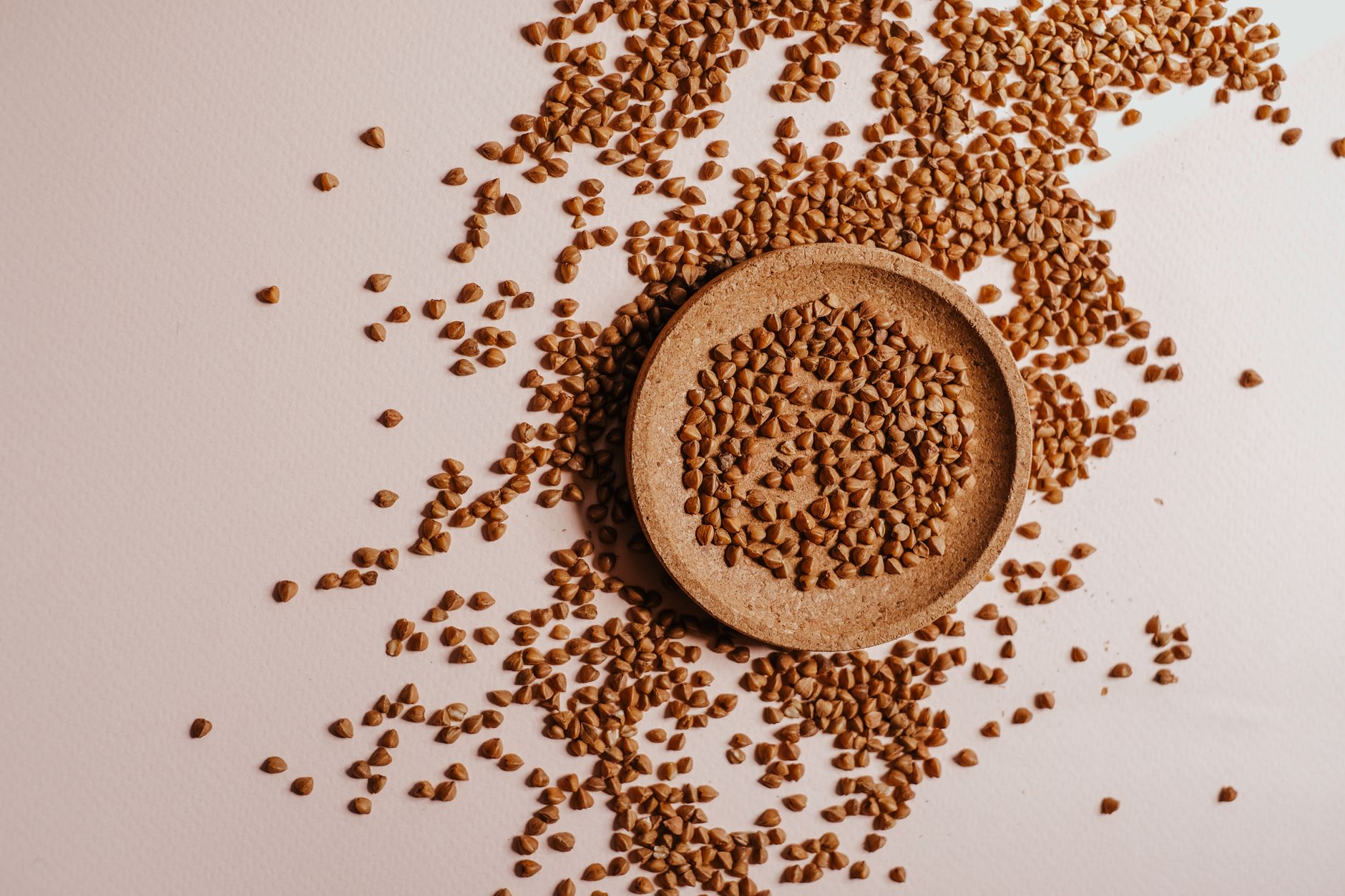
Gluten-free products are designed to mimic the texture and taste of their gluten-containing counterparts, but they often rely on alternative flours (like rice, almond, or tapioca) or gums (like xanthan or guar gum) to achieve this. While this makes them accessible, it can also lead to hidden pitfalls—such as added sugars, unhealthy fats, or lower protein content. For pregnant women, the challenge isn’t just avoiding gluten; it’s ensuring that the gluten-free foods you choose still deliver the vitamins, minerals, and fiber your body and baby need.
Many people assume gluten-free diets are inherently healthier, but the reality is more nuanced. Whole grains like wheat, barley, and rye aren’t inherently "bad"—they’re rich in fiber, B vitamins, iron, and other nutrients critical during pregnancy. Without careful planning, a gluten-free diet can leave gaps in your diet, particularly in folate, iron, and fiber, all of which are essential for fetal development and maternal health.
--- ## Is a gluten-free diet safe during pregnancy? The short answer is: it depends. The safety of a gluten-free diet during pregnancy hinges on why you’re avoiding gluten and how you’re replacing it. Here’s what the evidence—and your healthcare providers—say:The American College of Obstetricians and Gynecologists (ACOG) and the UK’s National Health Service (NHS) both emphasize that gluten-free diets should only be adopted for medical reasons during pregnancy. For women with celiac disease or gluten sensitivity, avoiding gluten is non-negotiable—it’s not just about comfort; it’s about preventing long-term damage to the intestines and ensuring proper nutrient absorption. Studies show that untreated celiac disease during pregnancy can increase the risk of complications like preterm birth, low birth weight, and miscarriage due to malabsorption of critical nutrients like folate and iron ACOG Practice Bulletin No. 222.
For those without celiac disease or gluten sensitivity, the story is different. A 2021 study published in the Journal of Human Nutrition and Dietetics found that there’s no proven benefit to eliminating gluten for healthy individuals, and doing so unnecessarily may lead to unintended nutritional deficiencies. In fact, the American Academy of Pediatrics (AAP) advises that gluten-free diets should not be adopted without medical necessity, as they often lack key nutrients found in whole grains AAP Policy Statement on Gluten-Free Diets.
So why do so many pregnant women consider going gluten-free? Common reasons include:
- Myth: It reduces bloating or digestive discomfort. While gluten may bother some people, for most pregnant women, bloating is more likely due to hormones like progesterone than gluten itself.
- Myth: It’s better for gestational diabetes. Gluten-free diets aren’t specifically recommended for gestational diabetes; instead, a balanced diet with controlled carbohydrate intake is key ACOG Gestational Diabetes Guidelines.
- Myth: It’s a "cleaner" or "healthier" choice. Many gluten-free products are processed and lack the fiber and nutrients of whole grains.
If you’re already on a gluten-free diet due to celiac disease or gluten sensitivity, the focus should be on ensuring nutritional adequacy. This means working closely with a registered dietitian to monitor your intake of folate, iron, fiber, and B vitamins. For those without a diagnosed condition, there’s no need to eliminate gluten—unless you experience symptoms like bloating, fatigue, or digestive issues that improve when you cut it out.
--- ## Is a gluten-free diet safe in the first trimester? The first trimester is the most critical window for fetal development, particularly for the formation of the neural tube, which requires adequate folate and other nutrients. If you’re avoiding gluten due to celiac disease or gluten sensitivity, your provider will likely recommend strict avoidance to prevent intestinal damage. However, if you’re eliminating gluten without a diagnosis, the risks shift to nutritional deficiencies.Many gluten-free products are fortified with folic acid, but they often lack the fiber, iron, and B vitamins found in whole grains. A 2020 study in Nutrients found that pregnant women on gluten-free diets were more likely to have lower intakes of iron and fiber, which can increase the risk of anemia and constipation—a common (and uncomfortable) pregnancy symptom Nutrients Journal.
If you’re in your first trimester and considering a gluten-free diet, ask yourself:
- Do I have celiac disease, gluten sensitivity, or wheat allergy? If not, is there a medical reason to avoid gluten?
- Am I prepared to work with a dietitian to ensure I’m getting enough folate, iron, and fiber?
- Are the gluten-free products I’m choosing fortified with essential nutrients?
If the answer to any of these is no, it’s safer to stick with whole grains and focus on other pregnancy-friendly dietary changes, like increasing your intake of leafy greens (for folate) and lean proteins (for iron). Here’s how to navigate a gluten-free diet safely if you’ve already decided to go that route.
--- ## Can pregnant women safely consume gluten-free products during pregnancy? Yes, but with caveats. Gluten-free products can be a safe part of your diet if you’re avoiding gluten for medical reasons, but they’re not inherently healthier than their gluten-containing counterparts. The key is choosing wisely.Many gluten-free products are highly processed, containing added sugars, unhealthy fats, or artificial ingredients to compensate for the lack of gluten’s binding properties. For example, gluten-free breads and pastas often rely on rice flour or starches, which can lead to blood sugar spikes if consumed in excess. A 2019 study in BMJ Open found that women who consumed processed gluten-free foods during pregnancy were more likely to experience excessive gestational weight gain, which is linked to complications like gestational diabetes and preeclampsia BMJ Open.
To make gluten-free products safer during pregnancy:
- Prioritize whole-food alternatives. Opt for certified gluten-free oats, quinoa, brown rice, and buckwheat over processed snacks and baked goods.
- Check labels for added sugars and unhealthy fats. Gluten-free versions of cookies, crackers, and pastries can be just as calorie-dense as their gluten-containing versions.
- Look for fortified products. Some gluten-free breads and cereals are enriched with folic acid, iron, and B vitamins—always check the Nutrition Facts Label.
If you’re unsure whether a product is safe, err on the side of caution. The FDA provides a list of gluten-free certification programs to look for, such as those from the Gluten-Free Certification Organization (GFCO) or the Celiac Support Association.
--- ## What is the recommended amount of gluten-free foods per day during pregnancy? There’s no one-size-fits-all answer, but the goal is to ensure your diet is nutritionally balanced. If you’re avoiding gluten due to celiac disease or gluten sensitivity, your dietitian may recommend a mix of gluten-free whole foods and fortified products to meet your needs. For those without a diagnosis, there’s no specific "amount" of gluten-free foods to consume—unless you’re experiencing symptoms that improve with gluten elimination.Here’s a general guideline for a well-planned gluten-free diet during pregnancy:
- Whole foods: Aim for at least 3 servings of gluten-free whole grains per day (e.g., quinoa, brown rice, certified gluten-free oats). These provide fiber, B vitamins, and minerals.
- Proteins: Include lean proteins like chicken, fish, beans, and tofu to support fetal growth and prevent deficiencies.
- Fruits and vegetables: Fill half your plate with colorful produce to ensure you’re getting vitamins A, C, and folate.
- Fortified foods: Choose gluten-free cereals, breads, or pastas that are fortified with iron and folic acid.
- Limit processed gluten-free foods: Treats like gluten-free cookies or chips should be occasional snacks, not staples.
If you’re worried about meeting your nutritional needs, consider working with a registered dietitian who specializes in gluten-free diets. They can help you create a meal plan tailored to your specific needs and preferences.
--- ## Are there safer alternatives to gluten free bread for pregnant women? If you’re avoiding gluten-free bread due to concerns about processed ingredients or nutritional gaps, there are plenty of safer alternatives—many of which are naturally gluten-free and nutrient-dense. Here are some of the best options: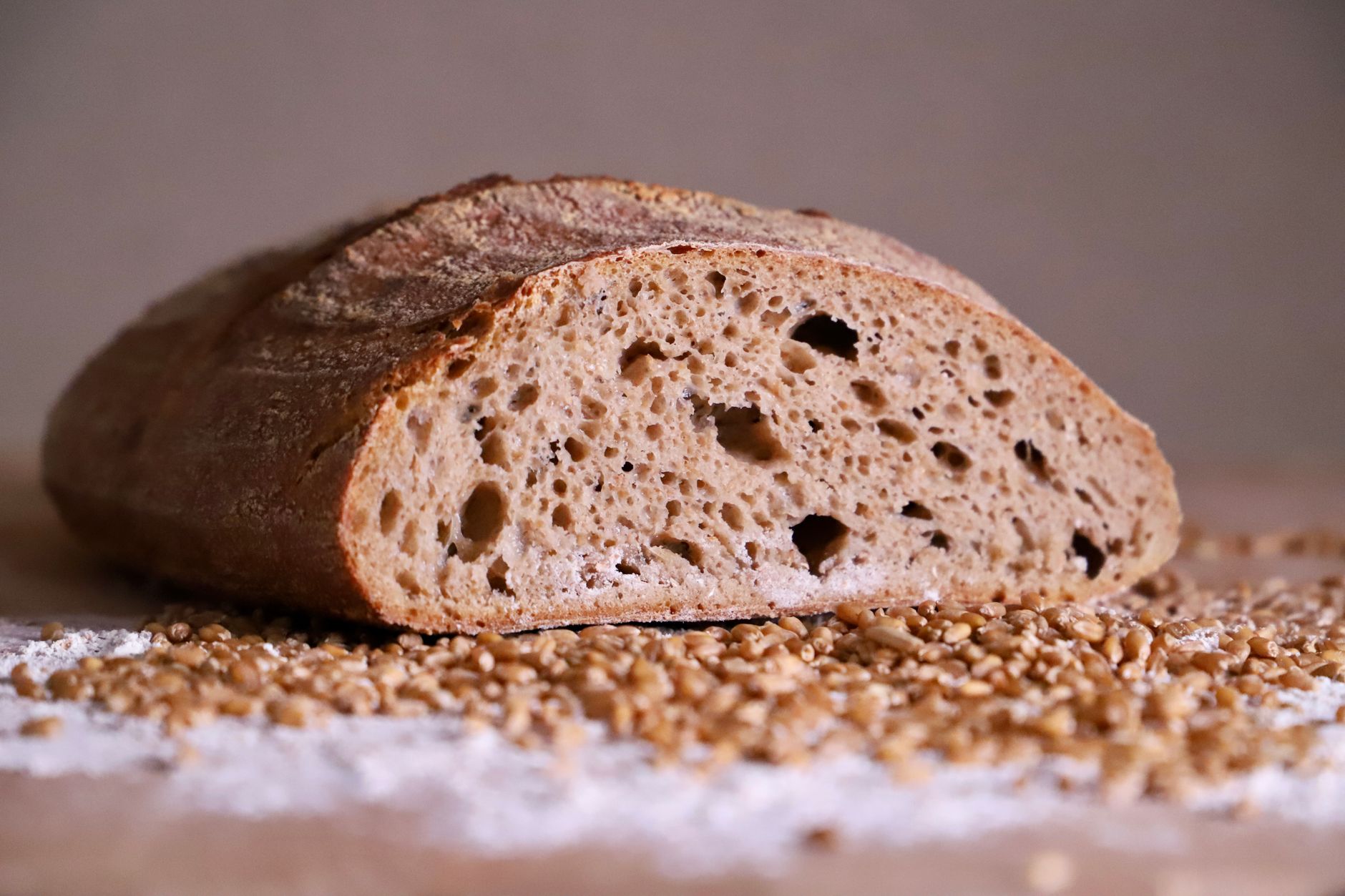
When shopping for gluten-free products, look for:
- Certification labels. Products certified by the GFCO or Celiac Support Association meet strict gluten-free standards.
- Short ingredient lists. Avoid products with long lists of additives, artificial flavors, or excessive sugars.
- Fortification. Check for iron, folic acid, and B vitamins on the Nutrition Facts Label.
- Whole-food ingredients. Brands that use quinoa, brown rice, or certified gluten-free oats are generally better choices.
Here are some of the safest gluten-free brands for pregnancy:
- Schar. Known for fortified, whole-grain options like their Multigrain Bread and Pasta, which are enriched with iron and folic acid.
- Canyon Bakehouse. Offers naturally gluten-free options like their Quinoa Bread and Buckwheat Crackers, which are high in fiber and protein.
- Bob’s Red Mill. Their Gluten-Free 1-to-1 Baking Flour and Gluten-Free Old-Fashioned Oats are certified gluten-free and free from artificial ingredients.
- Simple Mills. Focuses on almond flour-based products like their Almond Flour Bread, which is low in carbs and high in healthy fats.
- Enjoy Life. Their Food Allergy-Friendly line includes gluten-free snacks like cookies and granola bars that are also free from common allergens like nuts and dairy.
Avoid brands that rely heavily on rice flour or tapioca starch, as these can be lower in protein and nutrients. Always check the label for added sugars and unhealthy fats.
--- ## What are the risks of a gluten-free diet during pregnancy? While a gluten-free diet can be safe and necessary for some, it also comes with potential risks—particularly if not carefully managed. Here are the key concerns:1. Nutritional deficiencies: Gluten-free products often lack fiber, iron, and B vitamins. Without whole grains, you may miss out on folate (critical for neural tube development) and iron (essential for preventing anemia).
2. Increased risk of gestational weight gain: Many gluten-free products are calorie-dense due to added fats and sugars. A 2021 study in Obstetrics & Gynecology found that women who consumed processed gluten-free foods were more likely to gain excessive weight during pregnancy, which can lead to complications like gestational diabetes Obstetrics & Gynecology.
3. Digestive issues: Some gluten-free products rely on artificial thickeners like xanthan gum, which can cause bloating or gas in sensitive individuals.
4. Social and emotional stress: Avoiding gluten in social settings can lead to feelings of isolation or anxiety, especially during pregnancy when you’re already navigating a lot of changes.
To mitigate these risks:
- Work with a dietitian to ensure you’re meeting your nutritional needs.
- Prioritize whole-food gluten-free options over processed snacks.
- Monitor your weight gain and adjust your diet as needed.
- Communicate openly with your provider about any concerns.
- Whole wheat bread. Unlike gluten-free breads, whole wheat bread is rich in fiber, iron, and B vitamins. Opt for 100% whole grain varieties to maximize benefits.
- Brown rice. A versatile, nutrient-dense grain that’s naturally gluten-free and high in fiber and magnesium. Use it as a side dish or in stir-fries.
- Quinoa. A complete protein that’s naturally gluten-free and packed with iron and folate—perfect for salads or as a rice substitute.
- Certified gluten-free oats. Oats are naturally gluten-free, but they’re often contaminated with wheat during processing. Look for certified gluten-free oats to avoid cross-contamination.
- Corn tortillas. A naturally gluten-free option that’s lower in carbs and higher in fiber than many gluten-free breads.
- Potato starch-based products. Some gluten-free flours are made from potato starch, which is naturally gluten-free and lower in carbs than rice flour.
- Rice noodles. A lighter alternative to pasta, rice noodles are naturally gluten-free and can be a great option for those avoiding gluten.
- Buckwheat. Despite its name, buckwheat is naturally gluten-free and high in protein and antioxidants. Use it in salads or as a rice substitute.
| Item | Safety Verdict | Key Notes |
|---|---|---|
| Celiac disease | ⚠️ Requires strict gluten avoidance | Untreated celiac disease during pregnancy increases risks of miscarriage, preterm birth, and fetal growth restrictions due to malabsorption. |
| Gluten intolerance | ⚠️ Safe to avoid if symptomatic | Non-celiac gluten sensitivity may improve with elimination, but no medical necessity exists. Monitor for nutritional gaps. |
| Wheat allergy | ⚠️ Must avoid wheat entirely | Wheat allergy is separate from celiac disease and gluten sensitivity. Always check labels for wheat derivatives like malt. |
| Non-gluten-free bread | ✅ Safe for most pregnant women | Whole wheat and multigrain breads are nutrient-rich and safe unless you have celiac disease, gluten sensitivity, or wheat allergy. |
| Gluten-free pasta | ⚠️ Safe if medically necessary | Many gluten-free pastas are low in fiber and protein. Opt for fortified brands or whole-food alternatives like chickpea pasta. |
| Gluten-free cereal | ⚠️ Safe with caution | Some gluten-free cereals are high in sugar. Choose fortified, low-sugar options like Bob’s Red Mill Gluten-Free Oatmeal. |
| Gluten-free snacks | ⚠️ Safe in moderation | Processed gluten-free snacks can be high in calories and low in nutrients. Prioritize naturally gluten-free options like nuts and fruit. |
| Gluten-free drinks | ✅ Safe if naturally gluten-free | Beverages like almond milk or coconut water are naturally gluten-free. Avoid malted drinks or beer, which contain gluten. |
- Gluten-free diets are safe only if medically necessary. If you don’t have celiac disease, gluten sensitivity, or a wheat allergy, there’s no need to avoid gluten unless you experience symptoms that improve with elimination.
- Nutritional gaps are the biggest risk. Many gluten-free products lack fiber, iron, and B vitamins. Always prioritize whole-food alternatives and fortified products.
- First-trimester planning is critical. The first trimester is when fetal development is most vulnerable to nutrient deficiencies. If you’re avoiding gluten, work with a dietitian to ensure you’re meeting your needs.
- Processed gluten-free foods should be limited. Snacks, breads, and pastas made with rice flour or tapioca starch can be high in calories and low in nutrients. Opt for naturally gluten-free whole foods instead.
- Always check labels. Cross-contamination is a risk, so look for certified gluten-free products if you have celiac disease or severe gluten sensitivity.
- Listen to your body. If you experience symptoms like bloating, fatigue, or digestive issues that improve with gluten elimination, it may be worth discussing with your provider—but don’t assume gluten is the culprit without testing.
Is a gluten free diet safe during pregnancy?
A gluten-free diet is safe during pregnancy only if medically necessary, such as for celiac disease or gluten sensitivity. For those without these conditions, there’s no proven benefit to eliminating gluten, and doing so may lead to unintended nutritional deficiencies. If you’re considering a gluten-free diet, speak with your provider or a dietitian first to ensure you’re meeting your nutritional needs. Many gluten-free products lack fiber, iron, and B vitamins, which are critical during pregnancy. ###Can pregnant women eat gluten free foods?
Yes, pregnant women can eat gluten-free foods, but with caution. If you’re avoiding gluten due to celiac disease or gluten sensitivity, you must do so strictly to prevent intestinal damage and ensure proper nutrient absorption. For others, gluten-free foods can be part of a balanced diet, but they should not replace whole grains unless necessary. Focus on naturally gluten-free whole foods like quinoa, brown rice, and certified gluten-free oats, and avoid processed gluten-free snacks that may be high in sugar or unhealthy fats. ###What are the benefits of a gluten free diet during pregnancy?
The only proven benefit of a gluten-free diet during pregnancy is for those with celiac disease or gluten sensitivity, where avoiding gluten prevents intestinal damage and malabsorption of nutrients like folate and iron. For others, there are no clear benefits—some studies suggest gluten-free diets may even increase the risk of gestational weight gain due to processed alternatives. If you’re not diagnosed with a gluten-related condition, there’s no evidence that eliminating gluten improves pregnancy outcomes or reduces common symptoms like bloating. ###Do gluten free products contain enough protein for pregnancy?
Many gluten-free products, particularly processed ones like breads and pastas, are lower in protein compared to their gluten-containing counterparts. Whole-food gluten-free options like quinoa, buckwheat, and certified gluten-free oats are higher in protein, but you may still need to supplement with lean proteins like chicken, fish, beans, or tofu. If you’re on a gluten-free diet, work with a dietitian to ensure you’re meeting your protein needs, which are especially important for fetal development and preventing muscle loss during pregnancy. ###Are there any risks to a gluten free diet during pregnancy?
Yes, the biggest risks of a gluten-free diet during pregnancy include nutritional deficiencies (especially folate, iron, and fiber), increased gestational weight gain due to processed alternatives, and potential digestive issues from artificial thickeners like xanthan gum. Additionally, if you’re avoiding gluten without a medical reason, you might miss out on the benefits of whole grains, which are rich in B vitamins and fiber. Always monitor your diet and consult your provider if you’re concerned about nutrient intake. ###How much gluten free food should I eat during pregnancy?
There’s no specific "amount" of gluten-free food you should eat during pregnancy, but the goal is to ensure your diet is balanced and nutrient-dense. If you’re avoiding gluten due to celiac disease or gluten sensitivity, aim for at least 3 servings of gluten-free whole grains per day (like quinoa or brown rice), along with plenty of fruits, vegetables, and lean proteins. If you’re not avoiding gluten, there’s no need to restrict gluten-free foods—just enjoy them in moderation and prioritize whole foods over processed alternatives. ###Can a gluten free diet help with gestational diabetes?
A gluten-free diet is not specifically recommended for managing gestational diabetes. Instead, a balanced diet with controlled carbohydrate intake and regular exercise are key. Some women with gestational diabetes may find that reducing refined carbohydrates (including gluten-containing ones) helps manage blood sugar, but gluten itself is not the primary focus. Always follow your provider’s guidance for managing gestational diabetes, which may include monitoring blood sugar levels and adjusting your diet accordingly. ###What gluten free brands are safe for pregnant women?
Some of the safest gluten-free brands for pregnancy include Schar (for fortified breads and pastas), Canyon Bakehouse (for quinoa and buckwheat products), Bob’s Red Mill (for certified gluten-free oats and flours), and Simple Mills (for almond flour-based baked goods). Look for brands that prioritize whole-food ingredients, fortification with iron and folic acid, and certification from organizations like the GFCO. Avoid brands that rely heavily on processed fillers or added sugars, as these can contribute to unnecessary calories and nutrient gaps. --- ## When to call your doctor While a gluten-free diet can be safe during pregnancy if medically necessary, there are situations where you should reach out to your provider for guidance:- You’re experiencing severe digestive symptoms (like persistent diarrhea, bloating, or abdominal pain) after eliminating gluten.
- You’ve been on a gluten-free diet for more than a few weeks and notice you’re feeling unusually fatigued or weak—signs of potential nutrient deficiencies.
- You’re struggling to maintain a healthy weight or are gaining too much weight despite eating gluten-free foods.
- You suspect your baby may be reacting to your diet (e.g., excessive colic or eczema), which could indicate a sensitivity or allergy.
- You’re unsure whether your gluten-free diet is meeting your nutritional needs, especially if you’re avoiding whole grains.
If you’re already on a gluten-free diet due to celiac disease or gluten sensitivity, your provider may recommend regular blood tests to monitor for deficiencies in folate, iron, or vitamin D. Always communicate openly with your healthcare team about any dietary changes or concerns.
--- ## References
