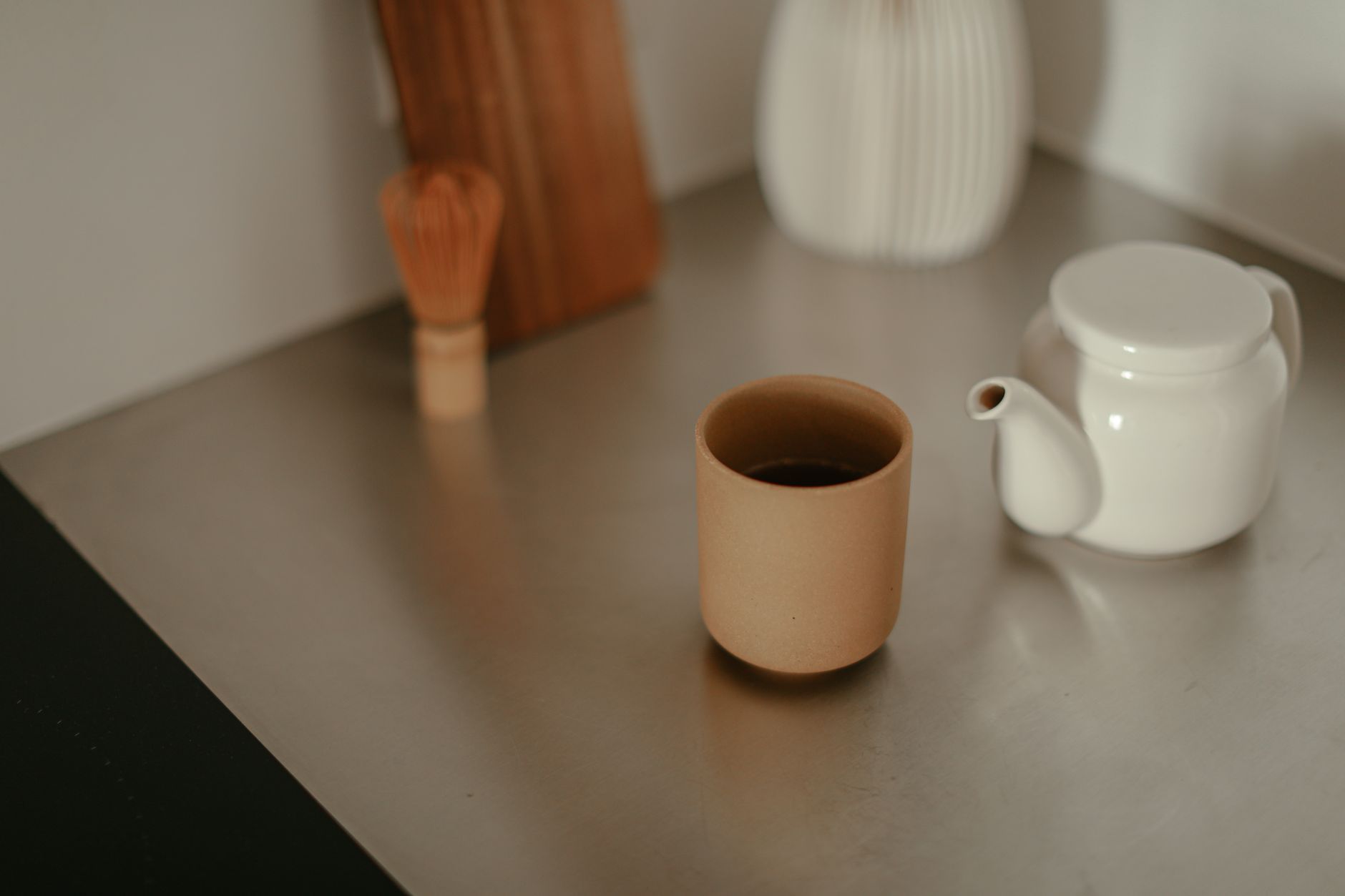
Safe: Genmaicha is generally safe during pregnancy when limited to 1‑2 cups per day, especially in the second and third trimesters, but avoid excessive caffeine.
By Shubhra Mishra — a mom of two who turned her own confusion during pregnancy into BumpBites, a global mission to make food choices clear, safe, and stress-free for every expecting mother. 💛
Check whether any food is safe during pregnancy with the BumpBites Food Safety Checker.
Quick verdict: ⚠️ Talk to your doctor first. Genmaicha is generally considered safe in moderate amounts during pregnancy, but caffeine content and individual health conditions mean you should confirm the right limits with your provider.
Imagine it’s 2 a.m., you’ve just brewed a warm cup of genmaicha, and a sudden wave of worry hits you: “is genmaicha safe during pregnancy?” You’re not alone—many expecting parents stare at tea bags wondering if that soothing sip could harm their baby. The good news is that most research, including guidance from the American College of Obstetricians and Gynecologists (ACOG) and the UK’s NHS, suggests genmaicha can be enjoyed in moderation. In this article we’ll break down exactly how much you can drink, which trimester matters most, and what safer alternatives exist if you’d rather avoid any uncertainty.
We’ll cover the science behind genmaicha, its caffeine content, potential risks for high blood pressure or gestational diabetes, and give you a clear, trimester‑by‑trimester safety snapshot. By the end you’ll know whether you can keep sipping, how to limit intake, and when it’s time to call your provider.
Enjoying genmaicha can be a calming ritual—just keep the caffeine limits in mind.
Trimester
Verdict
Notes
First (0‑13 weeks)
⚠️ Talk to your doctor
Limit to ≤1 cup/day (≈30 mg caffeine); watch for caffeine sensitivity.
Second (14‑27 weeks)
✅ Generally safe
Up to 2 cups/day (≤60 mg caffeine) is acceptable for most.
Third (28‑40 weeks)
✅ Generally safe
Same limit as second trimester; avoid excess caffeine late in pregnancy.
Breastfeeding
✅ Generally safe
Limit to 2 cups/day; monitor infant for irritability.
What is genmaicha tea?
Genmaicha, often called “brown rice tea,” is a Japanese blend of green tea (usually sencha or bancha) and roasted brown rice. The rice adds a nutty, toasty flavor and reduces the overall caffeine concentration compared with pure green tea. A typical 8‑ounce serving contains about 20‑30 mg of caffeine, roughly one‑third the amount in a standard cup of coffee. Besides caffeine, genmaicha supplies catechins, the same antioxidants found in other green teas, as well as modest amounts of minerals like magnesium and zinc from the rice.
People drink genmaicha for its gentle taste, calming aroma, and potential health benefits such as improved digestion and modest metabolic support. Because the rice component is roasted, the tea also delivers a small amount of dietary fiber and a pleasant aroma that many find soothing during pregnancy‑related nausea.
Is genmaicha safe during pregnancy?
C
urrent guidance from ACOG states that moderate caffeine intake—up to 200 mg per day—is acceptable for most pregnant people. The NHS echoes this, noting that up to 300 mg per day is unlikely to cause harm. Since a typical cup of genmaicha contains about 20‑30 mg of caffeine, it fits comfortably within these limits when consumed in modest amounts.
There is no evidence that the catechins or other compounds in genmaicha act as teratogens (substances that cause birth defects). However, the caffeine component can cross the placenta, and high caffeine intake has been linked to a small increase in miscarriage risk and lower birth weight. For those with caffeine sensitivity, hypertension, or gestational diabetes, even modest caffeine may exacerbate symptoms, so a personalized approach is advised.
Overall, most obstetricians consider genmaicha safe when you keep intake below the caffeine threshold and avoid excessive consumption. If you have a specific health condition—such as high blood pressure or gestational diabetes—consult your provider to tailor the amount you drink.
Is genmaicha safe during early pregnancy?
During the first trimester, organ formation (organogenesis) is most vulnerable. While genmaicha’s caffeine level is low, ACOG recommends limiting caffeine to no more than 100 mg per day in early pregnancy. That translates to roughly 1–2 cups of genmaicha. If you’re uncertain about your total caffeine load from other sources (coffee, soda, chocolate), err on the side of caution and keep to a single cup.
Genmaicha tea and pregnancy first trimester
In the first trimester, many people experience nausea. A warm cup of genmaicha can be soothing, but keep the caffeine content in mind. A single cup (≈8 oz) provides about 20‑30 mg caffeine, well under the 100 mg threshold. If you experience heart palpitations, insomnia, or heightened anxiety after drinking genmaicha, consider cutting back or switching to a caffeine‑free herbal tea.
Can I drink genmaicha while pregnant in third trimester?
By the third trimester, the fetus’s metabolism can handle caffeine a bit better, but excessive caffeine can still affect fetal heart rate and sleep patterns. The recommendation remains ≤200 mg caffeine per day, which equals about 2–3 cups of genmaicha. Staying within this range is generally safe, but monitor for any signs of fetal movement changes or maternal restlessness.
How much genmaicha is safe to drink during pregnancy?
Most experts agree that up to 2 cups (≈16 oz) of genmaicha per day is a safe upper limit for most pregnant people. This provides roughly 40‑60 mg of caffeine, well below the 200 mg daily ceiling. If you consume other caffeinated beverages, adjust your genmaicha intake accordingly to stay within the total limit.
Genmaicha vs matcha tea for pregnant women
Matcha is a powdered green tea that contains a much higher caffeine concentration—about 70 mg per 8‑oz serving. Compared with genmaicha, matcha also delivers higher levels of catechins, which can interfere with iron absorption. For pregnant people who need to limit caffeine, genmaicha is the safer option, offering a milder caffeine boost and a more balanced nutrient profile.
Is genmaicha tea from Japan safe for pregnancy?
Genmaicha produced in Japan adheres to strict food‑safety standards, but the safety of the tea for pregnancy depends on its caffeine content, not its origin. Whether it’s sourced from Japan or elsewhere, the same caffeine limits apply. Always check the label for any added sugars or flavorings that could increase calorie intake.
What are the risks of drinking genmaicha while pregnant?
The primary risk is caffeine‑related: possible increased heart rate, insomnia, and a modest rise in miscarriage or low‑birth‑weight risk if consumption exceeds recommended limits. Additionally, genmaicha contains tannins that can reduce iron absorption, so it’s wise to avoid drinking it with iron‑rich meals or supplements.
Genmaicha and pregnancy high blood pressure
Caffeine can cause a temporary rise in blood pressure. If you have pre‑existing hypertension or develop high blood pressure during pregnancy, keep genmaicha intake low—no more than 1 cup per day—and monitor your blood pressure after consumption. Your provider may advise you to switch to a caffeine‑free herbal tea.
Genmaicha and pregnancy with gestational diabetes
Genmaicha’s low sugar content makes it a reasonable beverage for gestational diabetes, but the caffeine can affect blood glucose control in some individuals. If you notice spikes in blood sugar after drinking genmaicha, consider limiting it to 1 cup per day or choosing a caffeine‑free alternative like rooibos tea.
Safety by trimester
First trimester (0‑13 weeks)
Keep caffeine to ≤100 mg/day (≈1‑2 cups of genmaicha). Focus on hydration with water and caffeine‑free herbal teas. If you have nausea, a warm cup can help, but watch for jitteriness.
Second trimester (14‑27 weeks)
Up to 2 cups of genmaicha (≈60 mg caffeine) is generally safe. Continue to balance caffeine with other sources. Iron absorption can be reduced, so avoid drinking genmaicha with iron‑rich meals.
Third trimester (28‑40 weeks)
Maintain ≤200 mg caffeine per day (≈2‑3 cups). Excess caffeine may affect fetal sleep patterns. Some providers suggest limiting caffeine after 30 weeks to improve newborn sleep.
Breastfeeding
Caffeine passes into breast milk; most infants tolerate up to 200 mg caffeine daily (≈2 cups of genmaicha). Watch for irritability or poor sleep in your baby, and adjust intake if needed.
Safe dosage / amount / brands
For most pregnant people, the safe amount is 1–2 cups (8‑oz each) per day. Choose brands that list caffeine content on the label and avoid added sugars. Reputable Japanese brands such as Yamamotoyama, Maiko, and Harney & Sons provide clear nutrition facts. Look for “unsweetened” or “organic” varieties to limit extra calories.
Brand
Safe amount
Notes
Yamamotoyama Genmaicha
Up to 2 cups/day
Clear caffeine labeling, no added sugars.
Maiko Genmaicha
Up to 2 cups/day
Organic, low‑sodium, minimal processing.
Harney & Sons Genmaicha
Up to 2 cups/day
Premium leaves, slightly higher price.
Generic store‑brand
Check label; aim for ≤2 cups
May contain added flavors; verify caffeine.
Side effects and risks
Common, non‑dangerous effects: mild jitteriness, increased urination, or a subtle upset stomach—these usually resolve by reducing intake.
Potential red‑flag signs: persistent heart palpitations, insomnia that interferes with daily functioning, sudden swelling, or a noticeable decrease in fetal movement. If any of these occur, contact your obstetric provider promptly.
Safer alternatives
Peppermint tea – caffeine‑free and soothing for nausea.
Rooibos tea – naturally caffeine‑free, rich in antioxidants.
Decaf coffee – offers the coffee ritual without caffeine.
Herbal tea blends (e.g., ginger‑lemongrass) – can aid digestion without caffeine.
Ginger tea – excellent for morning sickness, caffeine‑free.
Chamomile tea – calming, though some providers suggest limiting during the first trimester.
Related items — safety at a glance
Item
Verdict
Note
Matcha tea
⚠️ Talk to your doctor
High caffeine (≈70 mg per cup).
Sencha tea
✅ Generally safe
Similar caffeine to genmaicha, but no rice.
Dragon Well tea
✅ Generally safe
Standard green tea caffeine levels.
Green tea
✅ Generally safe
≈30‑40 mg caffeine per cup.
Black tea
✅ Generally safe
Higher caffeine (≈45‑55 mg per cup).
White tea
✅ Generally safe
Lower caffeine, but still ≈15‑30 mg.
Oolong tea
✅ Generally safe
Mid‑range caffeine (≈30‑50 mg).
Yerba mate tea
⚠️ Talk to your doctor
Caffeine varies; some brands high.
Myth vs. fact
Myth: All green teas are unsafe during pregnancy because of caffeine.
Fact: Moderate consumption of low‑caffeine green teas like genmaicha is considered safe when total caffeine stays under 200 mg per day.
Myth: The roasted rice in genmaicha adds harmful toxins.
Fact: The rice is simply roasted; it does not contain harmful substances and actually reduces caffeine compared with plain green tea.
Myth: You must avoid any tea if you have gestational diabetes.
Fact: Unsweetened teas, including genmaicha, are low in calories and can be part of a balanced diet, but monitor blood sugar response.
Key takeaways
Genmaicha is generally safe in pregnancy when limited to 1‑2 cups per day.
Keep total caffeine under 200 mg per day; adjust if you consume other caffeinated drinks.
Women with hypertension or gestational diabetes should discuss caffeine limits with their provider.
Choose unsweetened, reputable brands that list caffeine content.
If you notice jitteriness, insomnia, or changes in fetal movement, reduce intake and call your doctor.
Frequently asked questions
can pregnant women drink green tea
Yes, most guidelines allow up to 2 cups of green tea per day, which stays within the 200 mg caffeine limit. Choose low‑caffeine varieties like genmaicha for added safety.
is tea safe during pregnancy
Generally, yes—most teas are safe in moderation. The key is to keep caffeine under 200 mg per day and avoid herbal teas with known contraindications (e.g., licorice root).
what teas to avoid during pregnancy
Herbal teas containing high amounts of caffeine (e.g., yerba mate) or those with potentially harmful herbs (e.g., sage, peppermint in large doses) should be limited. Also avoid teas with added sugars or artificial sweeteners.
can I drink coffee while pregnant
Yes, but limit intake to ≤200 mg caffeine per day, which is roughly one 12‑oz cup of brewed coffee. Adjust other caffeine sources accordingly.
how much caffeine is safe during pregnancy
Both ACOG and the NHS recommend keeping caffeine below 200 mg per day. This equates to about 2 cups of genmaicha, 1 cup of coffee, or 4 cups of decaf coffee.
is genmaicha tea caffeinated
Yes, genmaicha contains caffeine—approximately 20‑30 mg per 8‑oz cup, which is lower than most other green teas.
does genmaicha tea have any health benefits
Genmaicha provides antioxidants from green tea catechins and a modest amount of minerals from roasted rice, which may support metabolism and digestion.
can I drink genmaicha tea while breastfeeding
Yes, up to 2 cups per day is considered safe. Monitor your baby for signs of irritability or sleeplessness, and adjust if needed.
Herbal teas can be a gentle caffeine‑free alternative to genmaicha.
When to call your doctor
If you experience any of the following after drinking genmaicha, contact your obstetric provider promptly:
Persistent heart palpitations or rapid heartbeat.
Severe insomnia lasting more than 24 hours.
Sudden swelling of hands, feet, or face.
Noticeable decrease in fetal movements.
Blood pressure spikes (≥140/90 mmHg) after consumption.
This information is for educational purposes only and does not replace personalized medical advice. Always discuss any concerns with your healthcare provider.
References
American College of Obstetricians and Gynecologists. “Nutrition During Pregnancy.” ACOG Committee Opinion No. 762, 2020.
National Health Service (UK). “Caffeine in pregnancy.” NHS, 2021.
U.S. Food and Drug Administration (FDA). “Caffeine Content of Food and Beverages.” FDA, 2022.
Centers for Disease Control and Prevention (CDC). “Pregnancy and Nutrition.” CDC, 2023.
World Health Organization (WHO). “Guidelines on caffeine consumption for pregnant women.” WHO, 2021.
Not sure about the label on Is Genmaicha Safe During Pregnancy products?
Snap the ingredients list and SafeFilter checks every ingredient for your stage — only 3 free scans this month, then you're locked until reset. Unlimited from $7/mo or $50/yr.
When Shubhra Mishra was expecting her first child in 2016, she was overwhelmed by conflicting food advice — one site said yes, another said never. By the time her second baby arrived in 2019, she realized millions of mothers face the same confusion.
That sparked a five-year journey through clinical nutrition papers, cultural diets, and expert conversations — all leading to BumpBites: a calm, compassionate space where science meets everyday motherhood.
Her long-term vision is to build a global community ensuring safe, supported, and free deliveriesfor every mother — because no woman should face pregnancy alone or uninformed. 🌿
🌍 Stand with mothers, shape safer guidance
Join a small circle of experts who review BumpBites articles so expecting parents everywhere can decide with confidence.