Safe: Gardening is generally safe during pregnancy, but limit exposure to soil and chemicals, especially in the first trimester, and follow proper hygiene to protect you and your baby.
By Shubhra Mishra — a mom of two who turned her own confusion during pregnancy into BumpBites, a global mission to make food choices clear, safe, and stress-free for every expecting mother. 💛
Check whether any food is safe during pregnancy with the BumpBites Food Safety Checker.
Quick verdict: ⚠️ Talk to your doctor first. Gardening is generally okay for most pregnant people, but you should limit intensity, avoid certain soil exposures, and follow trimester‑specific precautions.
Imagine it’s a warm Saturday morning, the birds are chirping, and you’re reaching for the garden trowel when a sudden thought hits: “is gardening safe during pregnancy?” You pause, heart racing, wondering if the soil, the sun, or the stretch of bending could harm your growing baby. You’re not alone—many expecting parents experience that 3 a.m. flash of worry.
Overall, gardening can be a healthy, low‑impact way to stay active, soak up vitamin D, and reduce stress. Most obstetric guidelines, including those from the American College of Obstetricians and Gynecologists (ACOG) and the UK’s NHS, say it’s fine with a few sensible limits. In this article we’ll answer the question is gardening safe during pregnancy by breaking down risks, trimester‑specific advice, how long you can safely garden, and safer alternatives if you’d rather stay indoors.
We’ll also cover how to protect yourself from soil‑borne infections, the role of gardening gloves, and what pregnancy‑related conditions might make gardening trickier. By the end you’ll have a clear, evidence‑based plan so you can enjoy your garden without lingering anxiety.
Trimester / Stage
Verdict
Notes
1st trimester
⚠️ Talk to your doctor
Limit heavy lifting, avoid soil that may contain toxoplasma or harmful chemicals; keep sessions under 30 minutes.
2nd trimester
✅ Generally safe
Maintain moderate activity (light weeding, watering); continue using gloves and avoid pesticides.
3rd trimester
⚠️ Safe with limits
Shorter sessions, avoid over‑reaching or climbing ladders; stay hydrated and avoid hot sun.
Breastfeeding
✅ Safe
Same guidelines as 2nd‑trimester; safe for postpartum recovery and gentle exercise.
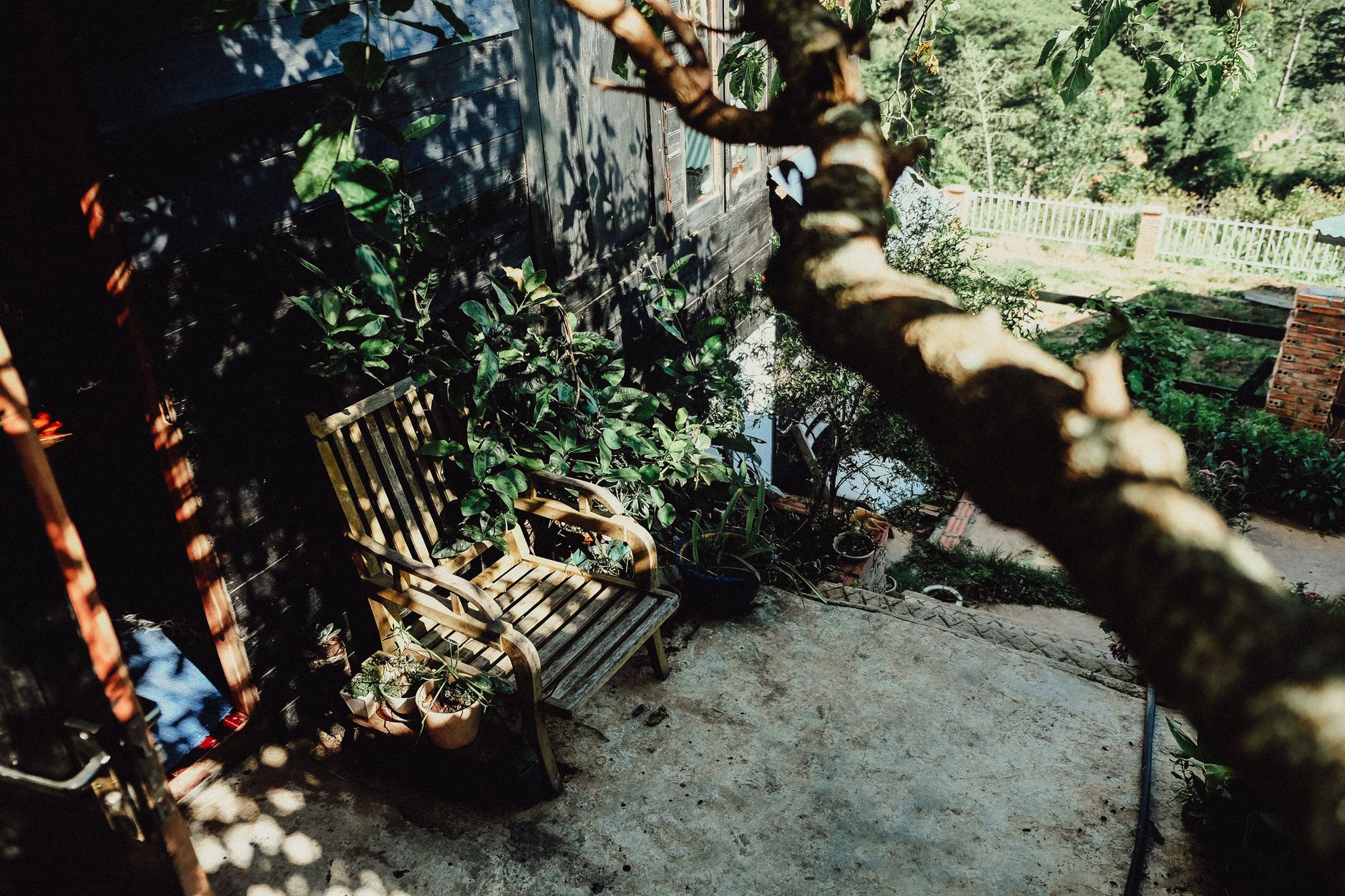
Find a comfortable spot to sit while you tend your garden—reducing strain and heat exposure.
What is gardening?
Gardening is the practice of growing and caring for plants—whether vegetables, herbs, flowers, or ornamental shrubs—typically outdoors but also increasingly in indoor spaces. It involves a range of activities such as digging, planting, weeding, watering, pruning, and harvesting. For many, it’s a therapeutic hobby that provides light physical activity, fresh air, and a sense of accomplishment. The movements required can range from gentle stretching (watering a low‑lying plant) to more vigorous tasks (turning compost or digging a new bed). Modern gardening also includes tools and accessories like gloves, kneeling pads, raised beds, and irrigation systems that can modify the level of effort needed.
Because gardening is a broad activity, the safety considerations can differ based on the specific task, the environment (soil type, sun exposure), and any chemicals used (fertilizers, pesticides). Understanding these nuances helps you tailor your gardening routine to stay comfortable and protect both you and your baby.
Is gardening safe during pregnancy?
C
urrent guidance from ACOG, the NHS, and the CDC indicates that light to moderate gardening is generally safe for pregnant people, provided you follow a few key precautions. ACOG’s “Physical Activity and Exercise During Pregnancy” bulletin states that low‑impact activities, such as walking, stretching, and gentle gardening, are beneficial for cardiovascular health and mood. The NHS similarly recommends staying active with safe, low‑intensity tasks, noting that gardening can be a good way to meet the recommended 150 minutes of moderate exercise per week.
The primary concerns revolve around (1) exposure to soil‑borne pathogens like Toxoplasma gondii, which can cause toxoplasmosis—a rare but serious infection for the fetus; (2) chemical exposures from pesticides, herbicides, and certain fertilizers; and (3) physical strain from heavy lifting, over‑reaching, or prolonged standing, especially in the first and third trimesters. By using gloves, washing hands thoroughly, avoiding hot sun, and limiting session length, most of these risks can be mitigated.
Most studies on gardening during pregnancy are observational, noting that women who garden report lower stress levels and similar birth outcomes to those who do not. No large‑scale randomized trials exist, so the guidance is based on expert consensus and the known physiologic effects of the activity. If you have a high‑risk pregnancy, a history of preterm labor, or specific medical conditions, it’s wise to discuss your gardening plans with your obstetric provider.
Is gardening safe in the first trimester of pregnancy?
The first trimester is a period of rapid organ development (organogenesis), making it the most sensitive window for potential teratogenic exposures. While gardening itself is not a teratogen, the associated risks—especially soil‑borne infections and heavy physical strain—require extra caution. ACOG advises pregnant patients to avoid activities that could lead to falls or overexertion during this stage. If you do garden, keep sessions short (no more than 20‑30 minutes), stay hydrated, and avoid digging deep or handling soil that may contain cat feces or untreated compost, which can harbor Toxoplasma.
Using disposable or rubber gardening gloves, washing hands with soap and water after each session, and wearing a wide‑brim hat to protect against heat are simple ways to reduce risk. Light tasks such as pruning low‑lying plants, watering from a hose, or arranging potted herbs are usually fine, but it’s best to skip heavy lifting or climbing ladders until after the first trimester.
Is gardening safe in the second trimester without restrictions?
The second trimester (weeks 13‑27) is often considered the “golden period” for exercise because energy levels rise and the risk of miscarriage declines. Gardening during this stage is generally safe, and many obstetricians encourage continued moderate activity. According to the NHS, pregnant people can engage in low‑impact gardening as long as they avoid over‑exertion, keep sessions under an hour, and continue using protective gloves.
It’s still important to watch out for chemical exposures. If you use any pesticides or fertilizers, choose those labeled as “organic” or “pregnancy‑safe,” and follow the manufacturer’s instructions meticulously. If you’re unsure about a product, err on the side of caution and consult your provider. Staying on level ground, using a sturdy kneeling pad, and taking breaks to sit and hydrate will help you maintain comfort and safety throughout the second trimester.
What are the recommended gardening time limits for pregnant women?
Guidelines from both ACOG and the CDC suggest limiting moderate gardening activities to no more than 30‑45 minutes at a time, with at least a 10‑minute rest between sessions. This helps prevent overheating, dehydration, and fatigue—especially important as pregnancy progresses. If you’re working in a shaded area or on a cooler day, you might stretch a session to an hour, but you should still listen to your body and stop if you feel dizzy, short‑of‑breath, or overly warm.
Here’s a quick reference for typical weekly limits:
First trimester: ≤ 2 hours total per week, split into short 20‑minute sessions.
Second trimester: ≤ 4 hours total per week, with sessions up to 45 minutes.
Third trimester: ≤ 3 hours total per week, focusing on light tasks and frequent breaks.
These limits are not strict rules but practical guidelines to keep you safe while still enjoying the benefits of gentle outdoor activity.
Are there safer gardening alternatives for pregnant women?
If you’d rather minimize soil contact or avoid standing for long periods, consider these pregnancy‑friendly alternatives:
Indoor herb garden kit – Keeps you close to fresh herbs without soil exposure.
Raised garden bed – Reduces the need to bend or kneel, and often uses cleaner, screened soil.
Hydroponic indoor gardening system – Grows vegetables without soil, eliminating the risk of soil‑borne infections.
Flower arranging kit – Provides a creative, low‑impact way to enjoy plant beauty.
Pregnancy‑safe yoga classes – Offer gentle stretching and stress relief similar to gardening.
Light walking in a park – Gives you fresh air and mild exercise without the physical demands of gardening.
These options let you reap the mental‑health benefits of nurturing plants while sidestepping the more hazardous aspects of traditional gardening.
Does using gardening gloves reduce risks for pregnant gardeners?
Yes, wearing gloves is one of the simplest ways to lower the risk of soil‑borne infections and chemical exposure. Rubber or disposable nitrile gloves create a barrier against Toxoplasma gondii, bacteria, and any residues from fertilizers or pesticides. The CDC recommends washing hands thoroughly after glove removal, as gloves can sometimes trap contaminants.
Choose gloves that fit snugly and are free of latex if you have a known allergy. For tasks involving sharp tools, a thicker, reinforced glove can protect both your hands and your skin from minor cuts, which could otherwise become entry points for infection. Remember, gloves are a protective layer—not a license to skip hand‑washing.
What pregnancy‑related conditions increase gardening hazards?
Certain medical conditions can amplify the risks associated with gardening:
Hypertensive disorders (e.g., preeclampsia) – Heat and exertion can raise blood pressure; keep activities cool and brief.
History of preterm labor – Avoid prolonged standing or heavy lifting that could trigger uterine contractions.
Gestational diabetes – Monitor blood glucose closely, especially after physical activity.
Joint hypermobility or pelvic pain – Over‑reaching or bending may exacerbate discomfort.
If you have any of these conditions, discuss a personalized gardening plan with your obstetrician. Adjusting the intensity, using supportive equipment, or switching to safer alternatives can keep you comfortable and protected.
How to avoid soil‑borne infections while gardening during pregnancy
Soil can harbor pathogens like Toxoplasma gondii, Salmonella, and certain fungi. To minimize exposure:
Wear gloves and wash them and your hands with soap and water after each gardening session.
Avoid handling cat litter or soil that has been in contact with cat feces.
Use clean, commercially prepared potting mix rather than raw garden soil.
Cover any open cuts with waterproof dressings before gardening.
Consider wearing a mask when working with compost that may release spores.
Following these steps aligns with CDC recommendations for preventing toxoplasmosis in pregnant individuals.
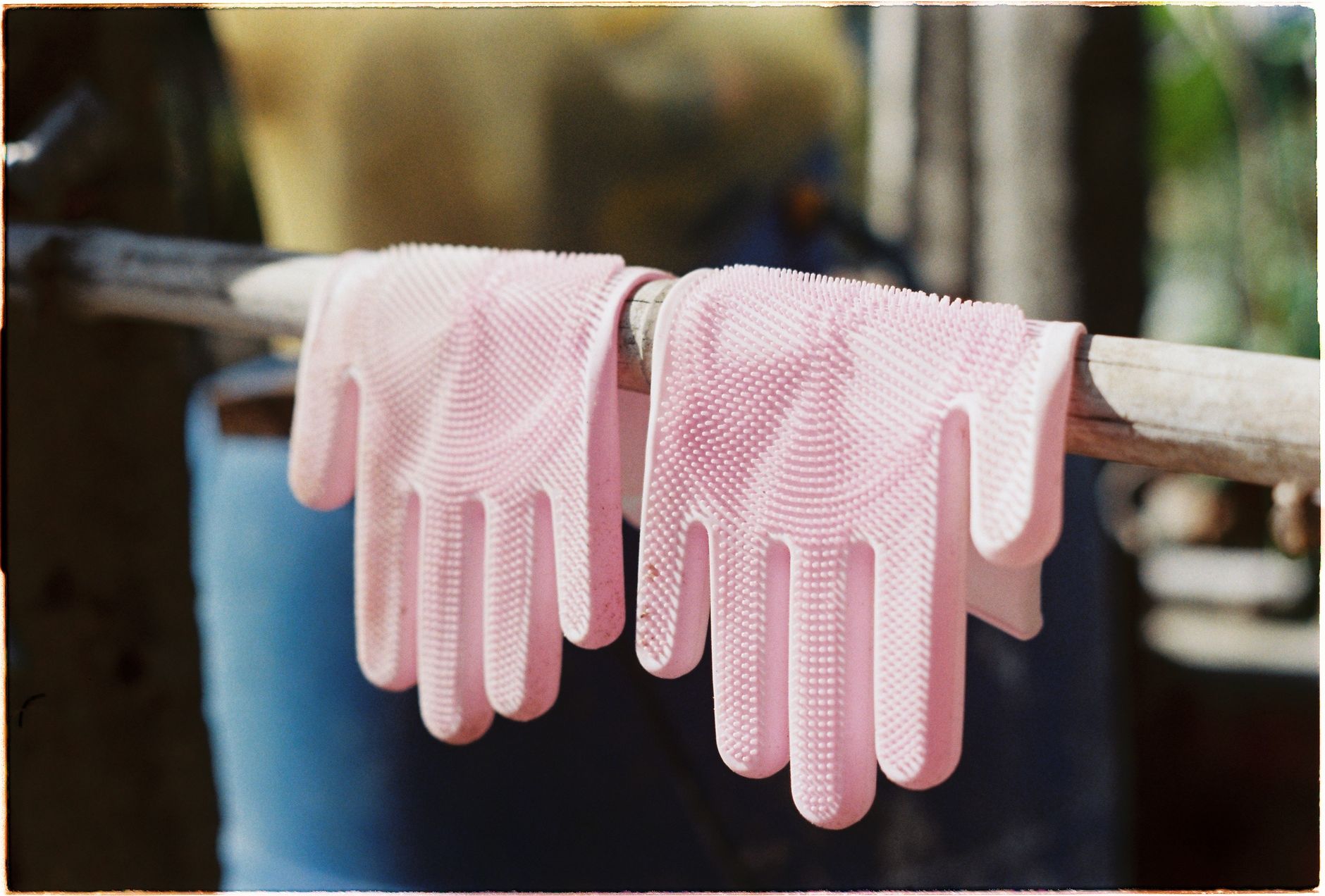
Choosing the right gloves adds a layer of protection against soil‑borne germs.
Safe dosage / amount / brands
Since gardening isn’t a medication, “dosage” refers to the amount of time and physical effort you spend. Below is a concise table summarizing recommended weekly limits and key considerations for each trimester.
Trimester
Recommended weekly gardening time
Intensity
Key precautions
1st trimester
≤ 2 hours
Light (watering, light pruning)
Avoid heavy lifting, use gloves, stay hydrated.
2nd trimester
≤ 4 hours
Moderate (weeding, planting in raised beds)
Wear supportive shoes, take breaks every 30 minutes.
3rd trimester
≤ 3 hours
Light‑to‑moderate (harvesting, light pruning)
Avoid over‑reaching, keep shade, monitor heat.
Breastfeeding
≤ 4 hours
Moderate
Same as 2nd trimester; good for postpartum recovery.
There are no specific “brands” of gardening tools that are uniquely pregnancy‑safe, but ergonomic designs—such as lightweight trowels, long‑handled tools, and cushioned kneeling pads—can reduce strain. Look for products certified for ergonomic comfort (e.g., “Ergonomic Certified” by reputable hardware retailers). If you use fertilizers, choose those labeled “organic” or “non‑toxic” and verify they meet USDA organic standards.
Side effects and risks
While gardening is low‑risk, certain side effects can arise if precautions aren’t taken:
Dehydration and heat exhaustion – More common in hot weather; symptoms include dizziness, excessive sweating, and rapid heartbeat. Stop, hydrate, and seek shade immediately.
Muscle strain or back pain – Resulting from prolonged bending or lifting. Use a kneeling pad and keep objects at waist height.
Soil‑borne infections – Toxoplasmosis and other infections can affect the fetus. Follow the glove and hand‑washing guidelines.
Allergic reactions – Some people react to pollen or plant sap. Wear long sleeves and consider antihistamines approved by your provider.
Most of these issues are mild and preventable, but if you experience persistent pain, fever, or any concerning symptoms, contact your obstetrician promptly.
Safer alternatives
Indoor herb garden kit – No soil contact, easy to maintain on a kitchen windowsill.
Raised garden bed – Keeps you upright, reduces bending and kneeling.
Hydroponic indoor gardening system – Grows vegetables without soil, eliminating infection risk.
Flower arranging kit – Provides a creative outlet with minimal physical effort.
Pregnancy‑safe yoga classes – Offer gentle stretching and stress relief similar to gardening.
Light walking in a park – Gives fresh air and light cardio without the strain of gardening tasks.
Related items — safety at a glance
Item
Verdict
One‑line note
Potting plants
✅ Generally safe
Use gloves; avoid heavy containers.
Pruning trees and shrubs
⚠️ Safe with limits
Keep ladders low; limit to 30 minutes.
Composting
❌ Best avoided
Risk of bacterial exposure; use pre‑made mix instead.
Landscaping
⚠️ Talk to doctor
Often involves heavy labor; seek help.
Outdoor DIY home projects
⚠️ Safe with precautions
Watch for chemicals and over‑exertion.
Painting walls
❌ Best avoided
Potential inhalation of fumes; use low‑VOC paints if necessary.
Myth vs. fact
Myth: Gardening will cause a miscarriage.
Fact: Light to moderate gardening does not increase miscarriage risk; heavy lifting or falls are the real concerns.
Myth: All soil is unsafe for pregnant people.
Fact: Properly handled soil, especially when using gloves and washing hands, poses minimal risk; the main concern is toxoplasmosis from contaminated cat feces.
Myth: You must stop gardening completely once you’re pregnant.
Fact: Most obstetric guidelines encourage continued gentle activity, including gardening, as it supports cardiovascular health and mood.
Key takeaways
Gardening is generally safe during pregnancy when kept moderate and low‑impact.
Limit sessions to 30‑45 minutes, stay hydrated, and avoid heavy lifting.
Use gloves, wash hands thoroughly, and steer clear of raw soil that may contain toxoplasma.
Adjust activity based on trimester: lighter tasks early and late, moderate in the second trimester.
Consider safer alternatives like raised beds, indoor herb kits, or hydroponic systems if you want to avoid soil contact.
Contact your provider if you experience fever, persistent pain, or any concerning symptoms.
Frequently asked questions
Can I garden while pregnant?
Yes, you can garden while pregnant, but keep activities light, limit each session to about 30‑45 minutes, and use protective gloves and proper hydration.
Is it safe to dig soil during pregnancy?
Digging deep or handling raw soil carries a small risk of toxoplasmosis; use gloves, wash hands afterward, and consider using a raised bed or pre‑made potting mix instead.
What are the risks of gardening for pregnant women?
The main risks include heat exhaustion, muscle strain, and exposure to soil‑borne pathogens or chemicals; following ACOG and CDC guidelines mitigates these concerns.
Should I wear gloves when gardening during pregnancy?
Yes, wearing gloves is recommended to protect against soil‑borne infections and chemical exposure, and you should still wash your hands after removing them.
How many hours a week can I garden while pregnant?
Aim for no more than 2 hours in the first trimester, up to 4 hours in the second trimester, and about 3 hours in the third trimester, splitting time into short sessions.
Are there any chemicals in gardening I should avoid while pregnant?
Avoid pesticides, herbicides, and fertilizers that list “toxic” or “non‑organic” ingredients; choose EPA‑approved, low‑toxicity products or stick with organic options.
When should I stop gardening during pregnancy?
If you develop fever, severe back pain, signs of dehydration, or any concerning symptoms, stop gardening and contact your obstetric provider immediately.
When to call your doctor
Seek medical attention right away if you experience any of the following after gardening: fever over 100.4 °F (38 °C), persistent vomiting, severe abdominal pain, heavy bleeding, sudden swelling of hands or face, or any signs of infection (e.g., flu‑like symptoms). Also, contact your provider if you have a high‑risk pregnancy condition (e.g., preeclampsia) and are unsure about the safety of continuing gardening activities. This information is for educational purposes only and does not replace personalized medical advice.
References
American College of Obstetricians and Gynecologists. “Physical Activity and Exercise During Pregnancy and the Postpartum Period.” ACOG Committee Opinion No. 804, 2020.
National Health Service (NHS). “Pregnancy and Exercise.” Updated 2022.
Centers for Disease Control and Prevention. “Toxoplasmosis and Pregnancy.” CDC, 2021.
U.S. Food and Drug Administration (FDA). “Guidance for Industry: Safety of Pesticide Residues in Food.” 2020.
World Health Organization (WHO). “Recommendations on Physical Activity for Pregnant Women.” 2021.
Mayo Clinic. “Pregnancy and Exercise: Tips for Staying Active.” 2023.
National Institute for Health and Care Excellence (NICE). “Antenatal Care Guidance.” 2022.
Not sure about the label on Is Gardening Safe During Pregnancy products?
Snap the ingredients list and SafeFilter checks every ingredient for your stage — only 3 free scans this month, then you're locked until reset. Unlimited from $7/mo or $50/yr.
When Shubhra Mishra was expecting her first child in 2016, she was overwhelmed by conflicting food advice — one site said yes, another said never. By the time her second baby arrived in 2019, she realized millions of mothers face the same confusion.
That sparked a five-year journey through clinical nutrition papers, cultural diets, and expert conversations — all leading to BumpBites: a calm, compassionate space where science meets everyday motherhood.
Her long-term vision is to build a global community ensuring safe, supported, and free deliveriesfor every mother — because no woman should face pregnancy alone or uninformed. 🌿
🌍 Stand with mothers, shape safer guidance
Join a small circle of experts who review BumpBites articles so expecting parents everywhere can decide with confidence.