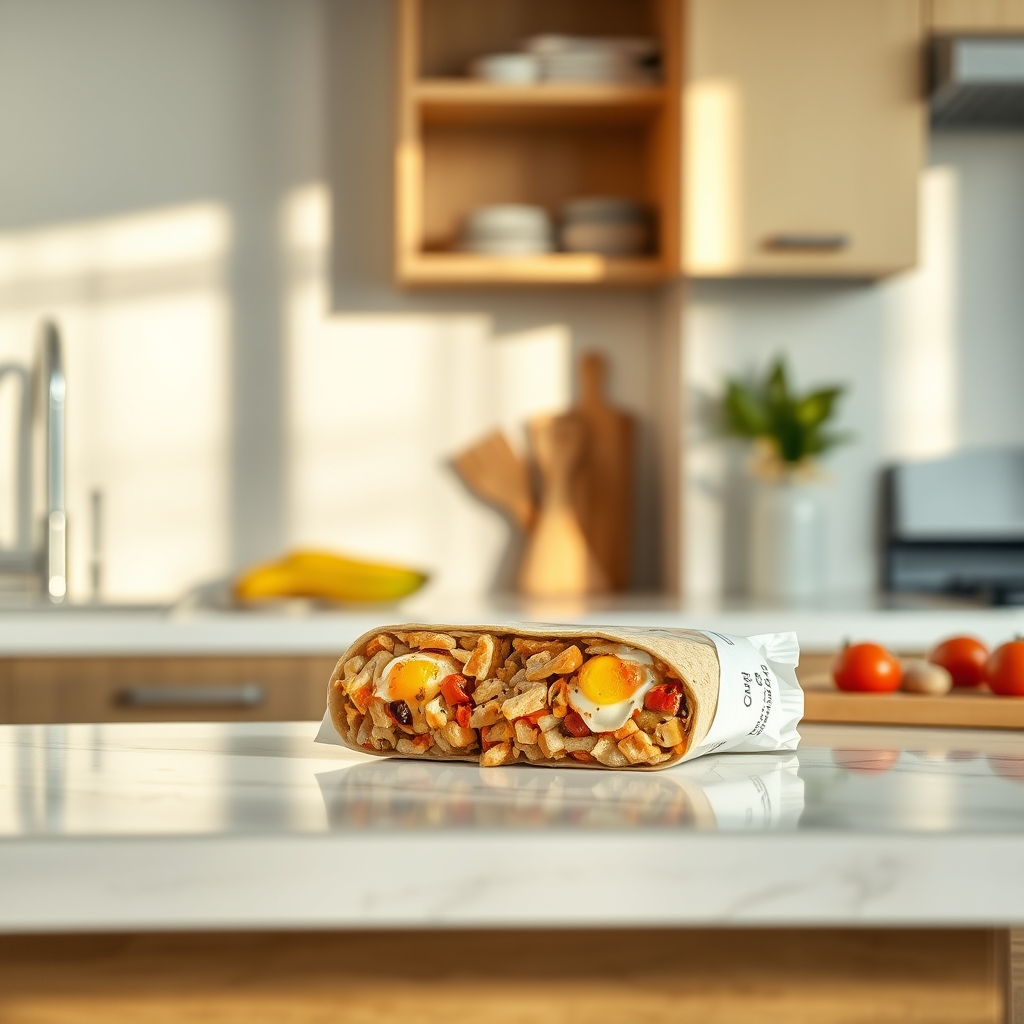
Generally safe, frozen breakfast burritos are okay during pregnancy if heated properly and consumed in moderation, especially in the first trimester
By Shubhra Mishra — a mom of two who turned her own confusion during pregnancy into BumpBites, a global mission to make food choices clear, safe, and stress-free for every expecting mother. 💛
Check whether any food is safe during pregnancy with the BumpBites Food Safety Checker.
Quick verdict: ⚠️ Safe with limits – a frozen breakfast burrito can be part of a pregnancy‑friendly diet if it’s reheated thoroughly, chosen from brands that list clear ingredients, and eaten in moderation. Stick to the recommended portion size and avoid any that show signs of freezer‑burn or damage.
It’s 2 a.m., the kitchen light is on, and you’ve just opened the freezer door to grab a quick breakfast before the day’s rush. “Is frozen breakfast burrito safe during pregnancy?” you wonder, heart racing a little faster. You’re not alone—many expecting parents have that midnight moment of doubt when a convenient, ready‑to‑heat option sits on the shelf.
In short, most frozen breakfast burritos are okay to eat during pregnancy when you follow a few key safety steps: choose a brand with transparent labeling, heat it to a safe internal temperature, and keep your overall intake within reasonable limits. This article walks through the science, trimester‑specific guidance, portion recommendations, brand suggestions, and healthier alternatives so you can feel confident about your breakfast choices.
We’ll also cover the potential risks from foodborne pathogens like Listeria, the impact of high sodium and nitrate preservatives, and what to do if you’ve already eaten one before knowing you were pregnant. By the end, you’ll have a clear, evidence‑based answer to the question “is frozen breakfast burrito safe during pregnancy?” and a practical plan for your morning routine.
Choosing a well‑labeled frozen burrito and reheating it properly can keep your breakfast both convenient and safe.
Trimester / Breastfeeding
Verdict
Notes
First trimester
⚠️ Safe with limits
Ensure thorough reheating; limit to 1 burrito per week.
Second trimester
⚠️ Safe with limits
Same heating guidance; can increase to 2 per week if low‑sodium.
Focus on balanced nutrition; avoid excess caffeine or additives.
What is a frozen breakfast burrito?
A frozen breakfast burrito is a pre‑assembled, ready‑to‑heat meal typically containing a tortilla wrapped around a mixture of eggs, cheese, meat (such as sausage or bacon), and sometimes vegetables or beans. The ingredients are cooked, then quickly frozen to preserve flavor and extend shelf life. When you’re pregnant, the appeal lies in its convenience—no need for prep, just a few minutes in the microwave or oven.
Manufacturers often add preservatives, sodium, and sometimes nitrates to keep the product stable and tasty. The nutritional profile varies widely: some brands aim for a “high‑protein” label, while others prioritize flavor with cheese and processed meats. Because the cooking process is already completed before freezing, the main safety concern is whether the product is reheated to a temperature that kills any lingering bacteria.
Understanding the ingredients and the reheating process is essential for pregnant people, who are more vulnerable to foodborne illnesses and may need to watch sodium, nitrates, and certain additives that could affect blood pressure or fetal development.
Is frozen breakfast burrito safe during pregnancy?
Current guidance from major health authorities such as the American College of Obstetricians and Gynecologists (ACOG) and the U.K.’s National Health Service (NHS) indicates that frozen, fully cooked foods are generally safe for pregnant people when they are reheated to an internal temperature of at least 165 °F (74 °C). This temperature is high enough to destroy Listeria monocytogenes, a bacterium that can cause serious infection in pregnancy.
The U.S. Food and Drug Administration (FDA) also recommends that all ready‑to‑eat frozen meals be heated until steaming hot throughout, with a brief pause to let the heat distribute evenly. Studies published in the Journal of Food Protection have shown that proper microwave or oven heating eliminates bacterial contamination in frozen meals, including burritos.
However, the safety of a frozen breakfast burrito also depends on the specific brand’s ingredient list. High sodium levels, nitrates from processed meats, and certain preservatives can raise blood pressure or affect fetal growth if consumed excessively. The Centers for Disease Control and Prevention (CDC) advises pregnant people to limit processed meats high in nitrates, especially in the first trimester when organ development is most rapid.
In short, “is frozen breakfast burrito safe during pregnancy?” – yes, if you choose a brand with transparent labeling, reheat it correctly, and keep consumption moderate. The biggest risks are under‑heating (leading to possible Listeria exposure) and over‑consumption of sodium or nitrates, which can affect maternal health.
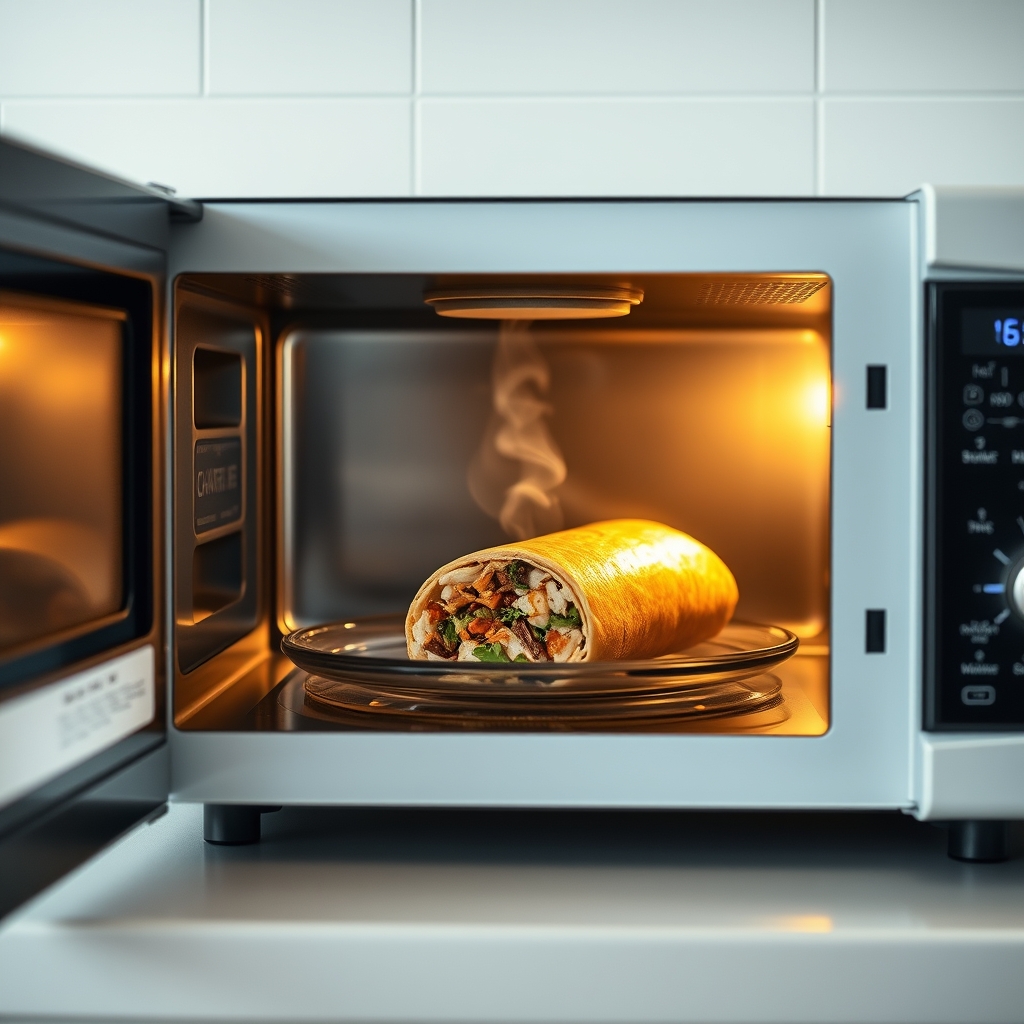
Reheat your burrito until it reaches 165 °F to ensure any harmful bacteria are destroyed.
Are frozen breakfast burritos safe to eat during the first trimester?
The first trimester is the period of organogenesis, when the baby’s major organs are forming. Because of this heightened vulnerability, ACOG advises extra caution with foods that could harbor Listeria or other pathogens. As long as you heat the burrito to the recommended 165 °F, the risk of infection is low.
That said, many frozen breakfast burritos contain processed meats with nitrates, which some clinicians suggest limiting during early pregnancy. A small, occasional serving (one burrito per week) is unlikely to cause issues, but you should balance it with low‑sodium, nitrate‑free options whenever possible.
In practice, if you’re in your first trimester, choose a brand that lists “no added nitrates” and keep your portion size modest. Pair the burrito with a side of fresh fruit or a glass of low‑fat milk to boost nutrition and offset sodium.
How many frozen breakfast burritos can a pregnant woman eat per week?
Nutrition experts generally recommend that pregnant people aim for a balanced diet rich in whole foods. For frozen breakfast burritos, a practical limit is one to two burritos per week, depending on the brand’s sodium and calorie content. This guideline aligns with the American Pregnancy Association’s suggestion to keep processed food intake low.
If you select a low‑sodium or vegetable‑focused burrito, you may stretch the limit to three per week, but always monitor your total sodium intake. The Dietary Guidelines for Americans advise no more than 2,300 mg of sodium per day for pregnant individuals, and many frozen burritos hover around 800‑1,200 mg per serving.
Remember, the goal is variety: incorporate fresh eggs, whole‑grain toast, fruit, and dairy throughout the week to meet your micronutrient needs.
What are the safest brands of frozen breakfast burritos for pregnancy?
Brands that prioritize clear labeling, low sodium (< 600 mg per burrito), and minimal preservatives tend to be the safest choices. In the U.S., Trader Joe’s and Evol offer versions with “no added nitrates” and “organic eggs.” In the U.K., Tesco Free‑From and Waitrose provide low‑sodium options with simple ingredient lists.
When evaluating a brand, look for these key markers:
Explicit sodium content (≤ 600 mg per serving).
“No added nitrates” or “nitrate‑free” labeling.
Whole‑grain or corn tortilla rather than refined flour.
Minimal artificial preservatives or flavors.
Choosing a brand that meets these criteria reduces exposure to excess sodium and nitrates while still offering the convenience of a quick breakfast.
Can frozen breakfast burritos cause foodborne illness in pregnancy?
Yes, if they are not reheated properly. Listeria monocytogenes can survive in frozen foods and may multiply if the product is stored at improper temperatures or reheated inadequately. The CDC reports that pregnant people are about 10 times more likely to develop severe listeriosis, which can lead to miscarriage, stillbirth, or severe neonatal infection.
To minimize risk, always heat the burrito until it’s steaming hot throughout, and let it sit for a minute after microwaving to allow heat to distribute. Verify that the internal temperature reaches 165 °F (74 °C) using a food‑grade thermometer if you’re unsure.
Also, inspect the packaging for any signs of freezer burn, punctures, or compromised seals, as these can indicate temperature abuse and increase the chance of bacterial growth.
Are there healthier alternatives to frozen breakfast burritos for pregnant women?
If you’re looking for a nutritious, low‑sodium start to the day, consider these alternatives that still deliver protein and flavor without the high sodium or nitrate load:
Egg white and veggie breakfast wrap – high protein, low sodium.
Whole grain oatmeal with fresh fruit – provides fiber and iron.
Greek yogurt parfait with berries – calcium and probiotics.
Whole wheat toast with almond butter and banana slices – healthy fats and potassium.
Homemade scrambled eggs with spinach and feta – vitamin K and calcium.
Whole wheat English muffin with avocado and poached egg – omega‑3s and fiber.
Low‑sodium turkey sausage and egg scramble – lean protein without nitrates.
These options can be prepared in under ten minutes and give you more control over sodium, additives, and portion size.
Do frozen breakfast burritos contain ingredients harmful to pregnancy?
Most frozen breakfast burritos contain a mix of ingredients, some of which merit caution:
Nitrates and nitrites – often used in processed meats; high intake has been linked to reduced fetal growth.
High sodium – can raise maternal blood pressure and increase the risk of preeclampsia.
Preservatives such as BHA/BHT – generally recognized as safe in small amounts, but many pregnant people prefer to limit them.
Artificial colors or flavors – no direct evidence of harm, yet they add unnecessary chemicals.
Choosing brands that minimize these components can help you stay within recommended nutrient limits and avoid potential complications.
Is it safe to eat frozen breakfast burritos if I have gestational diabetes?
Gestational diabetes requires careful monitoring of carbohydrate intake and glycemic load. A typical frozen breakfast burrito can contain 30‑45 g of carbs, depending on the tortilla and fillings. If you have gestational diabetes, you should count the carbs as part of your daily allowance and pair the burrito with a low‑glycemic side (like a small fruit portion or a few nuts) to blunt blood‑sugar spikes.
Brands that offer “low‑carb” or “whole‑grain” tortillas may be a better fit. Always consult your dietitian or obstetric provider to tailor portion sizes to your glucose‑monitoring plan.
What is the recommended reheating method for frozen breakfast burritos during pregnancy?
The safest reheating method is to use an oven or stovetop rather than relying solely on a microwave, which can heat unevenly. Here’s a quick step‑by‑step guide:
Preheat an oven to 375 °F (190 °C) or heat a non‑stick skillet over medium heat.
Remove the burrito from its packaging and place it on a baking sheet (oven) or directly in the skillet.
Heat for 12‑15 minutes in the oven, turning halfway through, or 5‑7 minutes in the skillet, covering with a lid to trap steam.
Use a food thermometer to confirm the internal temperature reaches 165 °F (74 °C).
Let it rest for one minute before eating to allow heat to distribute evenly.
If you must use a microwave, wrap the burrito in a damp paper towel, heat on high for 1 ½ minutes, then flip and heat for another 1 minute, ensuring the center is steaming hot.
Safe dosage / amount / brands
Based on the sodium and calorie content of most mainstream frozen breakfast burritos, the following consumption guidelines are recommended:
Trimester
Maximum servings per week
Suggested low‑sodium brands
First
1
Trader Joe’s Egg White Veggie, Evol Low‑Sodium
Second
2
Trader Joe’s Egg White Veggie, Evol Low‑Sodium
Third
2
Trader Joe’s Egg White Veggie, Evol Low‑Sodium
Breastfeeding
2
Trader Joe’s Egg White Veggie, Evol Low‑Sodium
When selecting a brand, verify that the nutrition label lists ≤ 600 mg sodium per serving and avoids “nitrates added for color.” If a brand exceeds 800 mg sodium, treat it as an occasional treat rather than a staple.
Side effects and risks
While a properly reheated frozen breakfast burrito is unlikely to cause severe illness, there are some side effects to keep on your radar:
Foodborne illness – Under‑heating can lead to listeriosis; symptoms include fever, muscle aches, and sometimes gastrointestinal upset. If you experience these, contact your provider promptly.
Excess sodium – May contribute to swelling, high blood pressure, or preeclampsia. Watch for persistent headaches, vision changes, or sudden swelling.
High nitrate intake – Linked in some studies to reduced fetal growth; monitor for unusually low fetal movement or growth concerns.
Allergic reactions – Some frozen burritos contain dairy, wheat, or soy. If you develop hives, itching, or respiratory distress after eating, seek medical attention.
Most of these issues are preventable with proper label reading, reheating, and moderation.
Safer alternatives
Egg white and veggie breakfast wrap – low sodium, high protein.
Whole grain oatmeal with fresh fruit – fiber‑rich and iron‑boosting.
Greek yogurt parfait with berries – calcium and probiotic benefits.
Whole wheat toast with almond butter and banana slices – healthy fats and potassium.
Homemade scrambled eggs with spinach and feta – vitamin K and calcium.
Whole wheat English muffin with avocado and poached egg – omega‑3s and fiber.
Low‑sodium turkey sausage and egg scramble – lean protein without nitrates.
Related items — safety at a glance
Item
Verdict
One‑line note
Frozen breakfast sandwiches
⚠️ Safe with limits
Check sodium; heat to 165 °F.
Frozen waffles
✅ Generally safe
Low sodium options are common.
Frozen pancakes
✅ Generally safe
Watch for added sugars.
Frozen breakfast bowls
⚠️ Safe with limits
Often higher in sodium.
Frozen egg bites
✅ Generally safe
Protein‑rich, low‑carb.
Frozen hash browns
✅ Generally safe
Simple carbs; pair with protein.
Frozen breakfast quesadillas
⚠️ Safe with limits
Cheese adds calcium but also sodium.
Myth vs. fact
Myth: All frozen meals are unsafe for pregnant people because they’re “processed.”
Fact: Fully cooked frozen foods are safe when reheated to 165 °F, but you should still watch for high sodium and additives.
Myth: You must avoid any meat in a frozen burrito during pregnancy.
Fact: Cooked meats are fine as long as the product is heated properly; choose nitrate‑free options to limit exposure.
Myth: Microwaving a frozen burrito is enough to kill all germs.
Fact: Microwaves can heat unevenly; using a thermometer or an oven ensures the entire product reaches the safe temperature.
Key takeaways
Frozen breakfast burritos are safe with limits when reheated to 165 °F.
Choose low‑sodium, nitrate‑free brands and keep intake to 1‑2 servings per week.
Always heat until steaming hot throughout; use a food thermometer if unsure.
Monitor for signs of foodborne illness or excessive sodium effects.
Consider healthier alternatives like egg‑white wraps or oatmeal for daily breakfast.
Frequently asked questions
Can I eat frozen breakfast burritos while pregnant?
Yes, you can eat frozen breakfast burritos while pregnant if you reheat them to an internal temperature of at least 165 °F (74 °C) and choose brands that are low in sodium and free of added nitrates.
How should I reheat a frozen breakfast burrito safely during pregnancy?
The safest way is to heat it in an oven at 375 °F (190 °C) for 12‑15 minutes or in a skillet over medium heat for 5‑7 minutes, making sure the center reaches 165 °F; if using a microwave, add a damp paper towel and heat in short intervals, checking the temperature.
Do frozen breakfast burritos contain listeria?
Frozen breakfast burritos can harbor Listeria if they have not been reheated properly; however, heating them to 165 °F destroys the bacteria, making the risk negligible when the reheating guidelines are followed.
Are there any pregnancy risks associated with frozen breakfast burritos?
Potential risks include foodborne illness from under‑heating and excess sodium or nitrates from processed meats, which can affect blood pressure and fetal growth; staying within recommended portion limits and choosing low‑sodium, nitrate‑free brands mitigates these risks.
What ingredients in frozen breakfast burritos should pregnant women avoid?
Pregnant women should limit foods high in nitrates (common in processed sausage or bacon), excess sodium (> 600 mg per serving), and artificial preservatives; opting for burritos with lean proteins, vegetables, and whole‑grain tortillas is best.
Can frozen breakfast burritos cause morning sickness?
While the burrito itself isn’t a direct cause of morning sickness, the high fat and rich flavors can sometimes trigger nausea in some pregnant people; pairing it with milder sides or choosing a lighter, low‑fat version may help.
When to call your doctor
If you experience any of the following after eating a frozen breakfast burrito, contact your obstetric provider promptly:
Fever, chills, or muscle aches (possible listeriosis).
Severe or persistent vomiting that prevents staying hydrated.
Sudden swelling of hands, feet, or face, or a rapid increase in blood pressure.
Signs of an allergic reaction such as hives, swelling of the lips or throat, or difficulty breathing.
Unusual decrease in fetal movement after a few weeks of pregnancy.
These symptoms may indicate a condition that needs medical evaluation. Remember, this article provides general information and is not a substitute for personalized medical advice.
References
American College of Obstetricians and Gynecologists. “Nutrition During Pregnancy.” ACOG Committee Opinion, 2020.
National Health Service (NHS). “Food safety for pregnant women.” NHS, 2022.
U.S. Food and Drug Administration (FDA). “Food Safety: Guidance for Industry on the Safe Handling of Ready‑to‑Eat Frozen Foods.” FDA, 2021.
Centers for Disease Control and Prevention (CDC). “Listeria and Pregnancy.” CDC, 2023.
Journal of Food Protection. “Thermal inactivation of Listeria monocytogenes in frozen ready‑to‑eat meals.” 2020.
American Pregnancy Association. “Guidelines for Sodium Intake During Pregnancy.” APA, 2021.
Not sure about the label on Is Frozen Breakfast Burrito Safe During Pregnancy products?
Snap the ingredients list and SafeFilter checks every ingredient for your stage — only 3 free scans this month, then you're locked until reset. Unlimited from $7/mo or $50/yr.
When Shubhra Mishra was expecting her first child in 2016, she was overwhelmed by conflicting food advice — one site said yes, another said never. By the time her second baby arrived in 2019, she realized millions of mothers face the same confusion.
That sparked a five-year journey through clinical nutrition papers, cultural diets, and expert conversations — all leading to BumpBites: a calm, compassionate space where science meets everyday motherhood.
Her long-term vision is to build a global community ensuring safe, supported, and free deliveriesfor every mother — because no woman should face pregnancy alone or uninformed. 🌿
🌍 Stand with mothers, shape safer guidance
Join a small circle of experts who review BumpBites articles so expecting parents everywhere can decide with confidence.