Limit Fritos during pregnancy – keep intake to one small handful (about 15 chips) per day, especially in the first trimester, because they are high in sodium and provide little nutritional benefit.
By Shubhra Mishra — a mom of two who turned her own confusion during pregnancy into BumpBites, a global mission to make food choices clear, safe, and stress-free for every expecting mother. 💛
Check whether any food is safe during pregnancy with the BumpBites Food Safety Checker.
Quick verdict: ⚠️ Safe with limits – you can enjoy Fritos in moderation, but keep an eye on portion size and sodium intake, especially in the first trimester.
It’s 2 a.m., the kitchen light is on, and you’ve just opened a bag of Fritos while scrolling through pregnancy forums. “Is Fritos safe during pregnancy?” you wonder, heart racing a little faster. You’re not alone—many expecting parents pause at the snack aisle, wondering if that crunchy corn chip could affect their baby.
The short answer is yes, Fritos are not a teratogen, but they are a salty, fried snack that can add up quickly. In this article we’ll answer the top questions, break down safety by trimester, explain how much is reasonable, compare original and low‑sodium versions, and suggest healthier snack swaps. By the end you’ll know exactly how to fit Fritos (or a better alternative) into a balanced pregnancy diet.
We’ll also cover a few extra angles that often come up in later‑stage research: how Fritos fit into a diet for gestational diabetes, whether they can aggravate morning sickness, and what to do if you accidentally overindulge. All of this is grounded in guidance from ACOG, the NHS, the FDA, and other trusted bodies, so you can feel confident making choices that protect both you and your baby.
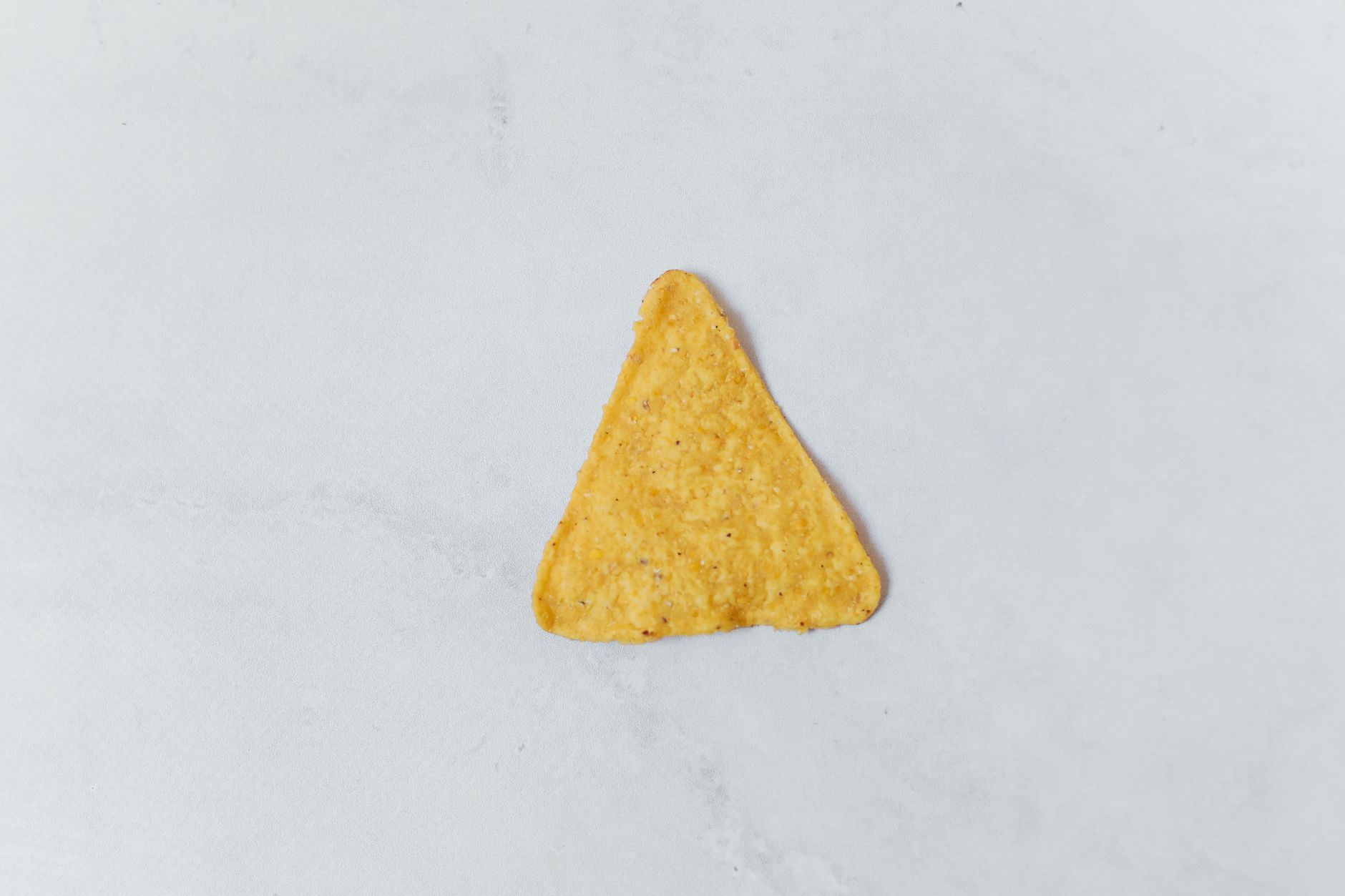
Keep portion control in mind—one ounce of Fritos is about 20 chips.
Trimester / Breastfeeding
Verdict
Notes
First trimester
⚠️ Safe with limits
Limit to ≤1 oz (≈20 chips) per day; watch sodium (<150 mg per serving).
Second trimester
⚠️ Safe with limits
Same portion guidance; ensure overall diet meets iron & folate needs.
Third trimester
⚠️ Safe with limits
Watch for swelling; excess sodium may worsen edema.
Breastfeeding
⚠️ Safe with limits
Maintain moderate sodium; high‑sodium foods can affect milk volume.
What are Fritos?
Fritos are a brand of corn chips made from milled corn, vegetable oil, and salt. The original “Original” variety is a deep‑fried snack, while low‑sodium versions contain less added salt and often use a lighter oil blend. A typical 1‑ounce (28 g) serving provides about 150 calories, 9 g of fat, and 170 mg of sodium. Like many processed snacks, they also contain a small amount of acrylamide—a compound formed when starchy foods are cooked at high temperatures. Acrylamide is classified by the International Agency for Research on Cancer (IARC) as a “possible” human carcinogen, but dietary exposure at normal snack levels is considered low risk.
Beyond the basic ingredients, most commercial Fritos contain a short list of additives that help preserve crunch and flavor, such as monosodium glutamate (MSG) in some flavored varieties, and a variety of artificial colors in limited-edition flavors. The processing steps—extrusion, cutting, and deep‑frying—are standard for many corn‑based snacks, and they leave the chips relatively low in protein and fiber. Understanding the nutritional profile helps you decide how they fit into a pregnancy‑friendly eating plan.
People reach for Fritos because they’re convenient, shelf‑stable, and have a satisfying crunch. They’re often paired with dips, salsas, or enjoyed straight from the bag. Knowing what’s in the chip, however, lets you balance cravings with the nutrient needs of pregnancy, such as iron, folate, calcium, and omega‑3 fatty acids.
Measuring a single‑ounce portion helps keep sodium intake in check.
Is Fritos safe during pregnancy?
Current guidance from the American College of Obstetricians and Gynecologists (ACOG) and the U.K.’s National Health Service (NHS) does not list corn chips as a teratogenic food. The Food and Drug Administration (FDA) also classifies corn chips as a “generally recognized as safe” (GRAS) product for the general population. However, both ACOG and the NHS caution pregnant people to limit high‑sodium and fried foods because excessive sodium can contribute to gestational hypertension and swelling.
Studies on sodium intake during pregnancy show that women consuming more than 2,300 mg of sodium per day have a modestly higher risk of developing preeclampsia. A single ounce of original Fritos contributes about 170 mg of sodium, which seems modest, but it’s easy to exceed the daily limit if you snack frequently. Low‑sodium Fritos reduce that number to roughly 90 mg per ounce, making them a better choice when you’re craving that salty crunch.
Internationally, the World Health Organization (WHO) recommends that adults keep sodium intake below 2,000 mg per day to reduce cardiovascular risk. While pregnant people have slightly higher needs for certain electrolytes, the sodium ceiling remains similar, reinforcing the need for moderation. The consensus across U.S. and U.K. guidelines is that occasional consumption of a standard portion of Fritos is acceptable, provided the rest of your diet is nutrient‑dense and low in added salt.
Overall, the evidence suggests that eating Fritos in moderation—particularly the low‑sodium version—does not pose a direct threat to fetal development. The primary concern is indirect: high sodium intake may elevate blood pressure, and fried foods can add extra calories without many nutrients. Balancing Fritos with nutrient‑dense foods (fruits, vegetables, lean proteins) maintains a healthy pregnancy diet.
Are Fritos safe to eat during the first trimester?
During the first trimester, the embryo undergoes organogenesis, a period when teratogenic exposures are most concerning. Because Fritos contain no known teratogens, they are not intrinsically unsafe. The main precaution is to keep sodium intake under the recommended limit of 2,300 mg per day, as high blood pressure early in pregnancy can set the stage for later complications.
One ounce of original Fritos (≈20 chips) provides about 170 mg of sodium—roughly 7 % of the daily limit. If you stay within a single‑ounce serving and balance the rest of your meals with low‑sodium foods (fresh fruits, vegetables, whole grains), the snack is unlikely to cause issues. Low‑sodium Fritos further reduce the sodium load, making them a safer first‑trimester option.
First‑trimester nausea (morning sickness) can make cravings for salty or crunchy foods more common. If you find yourself reaching for Fritos to settle an upset stomach, pair them with a source of protein or fiber—like a small handful of unsalted nuts or a spoonful of hummus—to help stabilize blood sugar and reduce nausea spikes.
How many Fritos can I eat safely while pregnant?
Nutrition experts, including the Academy of Nutrition and Dietetics, recommend that pregnant people limit added‑salt foods to less than 1,500 mg of sodium from processed sources each day. Using that guideline, you can safely enjoy up to one ounce of original Fritos (≈20 chips) or up to 1.5 oz of low‑sodium Fritos daily, provided the rest of your diet remains low in sodium.
Remember that sodium is cumulative. A typical lunch of a sandwich, a side of canned soup, and a snack can quickly add up. To keep track, measure your portion with a kitchen scale or a measuring cup, and read the nutrition label on each brand, as sodium content can vary.
If you have a condition such as gestational diabetes, you may also need to watch the carbohydrate content of your snacks. A single ounce of original Fritos delivers about 15 g of carbs, which can be incorporated into a balanced carbohydrate allowance, but pairing the chips with protein (e.g., a slice of cheese) can blunt blood‑sugar spikes.
Is there a difference in safety between original Fritos and low‑sodium Fritos for pregnant women?
Yes. Low‑sodium Fritos contain roughly half the sodium of the original version—about 90 mg versus 170 mg per ounce. This reduction means you can enjoy a slightly larger portion without exceeding the daily sodium recommendation, and it lessens the risk of swelling or elevated blood pressure. The fat content is similar in both varieties, so the primary nutritional advantage of low‑sodium Fritos is the reduced salt load.
Both versions are still fried and provide limited micronutrients, so they should be considered occasional treats rather than staple foods. If you’re especially sensitive to sodium or have a history of hypertension, the low‑sodium option is the clearer choice.
Beyond sodium, some low‑sodium varieties use a blend of canola and sunflower oil, which may contain a slightly better ratio of unsaturated to saturated fats compared with the original version’s partially hydrogenated oils. While the difference is modest, every small improvement adds up over the course of a nine‑month pregnancy.
What are the potential risks of eating Fritos while pregnant?
High sodium intake – can contribute to gestational hypertension, edema, and increased risk of preeclampsia.
Excess calories – frequent snacking on fried foods may lead to excess weight gain, which is linked to gestational diabetes.
Acrylamide exposure – while levels in a single serving are low, chronic high‑temperature cooking compounds have uncertain long‑term effects.
Low nutrient density – Fritos provide little iron, folate, or calcium, nutrients that are especially important during pregnancy.
Potential digestive irritation – fried, salty foods can aggravate heartburn, a common complaint in the second and third trimesters.
These risks are generally modest when Fritos are eaten sparingly, but they become more relevant if the snack replaces more nutritious options or if you exceed the recommended sodium limit.
Do different brands of corn chips have different safety profiles for pregnancy?
Yes. While the base ingredient—corn—remains the same, manufacturers vary in sodium, fat, and additive content. Brands that market “baked,” “low‑sodium,” or “whole‑grain” versions often contain less added salt and healthier fats (e.g., canola or olive oil). Conversely, some flavored varieties (e.g., “Cheese” or “Chili”) add extra sodium, artificial flavors, and sometimes monosodium glutamate (MSG), which some pregnant people prefer to limit.
When comparing brands, read the Nutrition Facts label. Look for: less than 150 mg sodium per ounce, under 10 g total fat, and minimal added sugars. Choosing a brand with a lower sodium count and baked rather than fried preparation aligns better with ACOG’s recommendation to limit salty, fried foods.
Some store‑brand baked corn chips contain as little as 70 mg sodium per ounce and are cooked with a spray of oil rather than deep‑frying. These options can be a good compromise when you want that familiar corn‑chip crunch without the sodium surge.
Can eating Fritos cause gestational hypertension or other pregnancy complications?
Evidence linking a single snack to gestational hypertension is limited, but epidemiological studies show that diets high in sodium and processed foods correlate with higher rates of hypertension and preeclampsia. The mechanism is straightforward: excess sodium retains water, raises blood volume, and can increase arterial pressure. If you already have risk factors—such as a prior history of hypertension, obesity, or a family history of preeclampsia—being extra cautious with salty snacks like Fritos becomes more important.
In short, occasional consumption is unlikely to cause a problem on its own, but regular, high‑sodium snacking could contribute to a cumulative risk profile. Pairing Fritos with potassium‑rich foods (like bananas or leafy greens) can help offset sodium’s effect on blood pressure.
Are flavored Fritos (e.g., chili, cheese) safe for pregnant women?
Flavored Fritos typically contain more sodium (often 200‑250 mg per ounce) and added seasonings, some of which may include MSG, spices, or artificial colorings. While none of these ingredients are classified as teratogens, the higher sodium content pushes you closer to the daily limit. If you crave flavor, consider a small portion of flavored chips paired with a low‑sodium dip (like homemade salsa) to keep overall sodium intake in check.
Pregnant people who are sensitive to spice or have acid‑reflux issues may find flavored varieties more irritating. Opting for the original or low‑sodium plain version is the safest route, especially if you experience frequent heartburn.
Some flavored varieties also contain small amounts of added sugars, which can affect blood glucose control. If you’re monitoring your carbohydrate intake for gestational diabetes, check the label carefully and balance the snack with protein or fiber.
Safe dosage / amount / brands
Based on FDA sodium guidelines and ACOG recommendations, the following serving suggestions help keep you within safe limits:
Product
Serving size
Sodium per serving
Recommended maximum per day
Notes
Original Fritos
1 oz (≈20 chips)
≈170 mg
≤1 oz
Limit other salty foods to stay <2,300 mg total.
Low‑sodium Fritos
1 oz (≈20 chips)
≈90 mg
≤1.5 oz
Better for frequent snacking.
Flavored Fritos (Cheese, Chili)
1 oz
≈210‑250 mg
≤0.5 oz
Higher sodium; pair with low‑salt dip.
Baked store‑brand corn chips
1 oz
≈70 mg
≤2 oz
Lowest sodium; still fried in oil.
When choosing a brand, look for “low‑sodium” or “reduced‑salt” labels, and verify that the ingredient list does not contain added sugars or unnecessary preservatives. Some supermarket store brands offer baked corn chips with as little as 80 mg sodium per ounce—these are the most pregnancy‑friendly options.
Regardless of brand, the key is moderation. Even low‑sodium chips contribute calories and should be balanced with protein, fiber, and vitamins from other foods throughout the day.
Side effects and risks
Most side effects from eating Fritos are mild and relate to sodium overload:
Swelling (edema) – excess sodium can cause fluid retention, especially noticeable in the ankles and feet during the third trimester.
Increased blood pressure – a sudden rise in systolic pressure after a salty snack may signal that you’re nearing your sodium limit.
Heartburn or acid reflux – fried, salty foods can trigger gastroesophageal reflux, which many pregnant people already experience.
Weight gain – frequent high‑calorie snacks can contribute to excess gestational weight gain.
Blood‑sugar spikes – the carbohydrate content of corn chips can raise glucose levels, which matters for those monitoring gestational diabetes.
If you notice rapid swelling, persistent headaches, visual changes, or a blood pressure reading above 140/90 mmHg after snacking, contact your provider promptly. These symptoms suggest gestational hypertension or preeclampsia, which require medical evaluation.
Swap salty chips for nutrient‑dense snacks whenever possible.
What healthier snack alternatives can pregnant women choose instead of Fritos?
Baked whole grain crackers – provide fiber and less sodium than fried chips.
Air‑popped popcorn – low in calories, high in whole‑grain fiber.
Roasted chickpeas – protein‑rich, crunchy, and can be seasoned with minimal salt.
Greek yogurt with fresh fruit – offers calcium and probiotic benefits.
Fresh vegetable sticks with hummus – nutrient‑dense and low in sodium when hummus is homemade.
Unsalted almonds – healthy fats and protein without added salt.
Apple slices with peanut butter – natural sweetness plus protein.
Low‑sodium rice cakes – very light crunch with minimal sodium.
Edamame pods – plant‑based protein and a good source of iron.
Homemade kale chips (lightly brushed with olive oil and a pinch of sea salt) – a low‑calorie, vitamin‑rich alternative.
Related items — safety at a glance
Snack
Verdict
One‑line note
Doritos
⚠️ Safe with limits
Higher sodium and artificial flavorings; limit to ≤½ oz.
Tortilla chips
⚠️ Safe with limits
Varies by brand; choose baked, low‑sodium versions.
Cheetos
⚠️ Safe with limits
Often high in sodium and saturated fat; moderate intake.
SunChips
⚠️ Safe with limits
Whole grain but can be salty; read labels.
Lay’s Classic Potato Chips
⚠️ Safe with limits
Fried and salty; consider baked alternatives.
Ruffles
⚠️ Safe with limits
Similar sodium to other fried chips; portion control essential.
Pretzel sticks
⚠️ Safe with limits
Typically lower fat but can be high in sodium.
Popcorn
✅ Generally safe
Air‑popped, low‑salt version is a nutritious snack.
Myth vs. fact
Myth: “All salty snacks are unsafe during pregnancy.”
Fact: Moderate consumption of salty snacks is acceptable if total sodium stays below the recommended daily limit; the key is portion control and choosing lower‑sodium options.
Myth: “Fried foods cause birth defects.”
Fact: There is no evidence that the frying process itself is teratogenic; the concern is mainly about excess calories and sodium.
Myth: “If I ate a bag of Fritos before I knew I was pregnant, my baby is at risk.”
Fact: A single exposure to a normal portion of Fritos does not increase risk of birth defects; anxiety is understandable, but the body typically adapts without lasting impact.
Myth: “Low‑sodium chips are completely risk‑free.”
Fact: Even low‑sodium chips still contain calories and some fat; they should be enjoyed in moderation as part of a balanced diet.
Key takeaways
Fritos are not a teratogen, but keep sodium intake ≤2,300 mg per day.
One ounce (≈20 chips) of original Fritos is a safe daily limit; low‑sodium versions allow a slightly larger serving.
High‑sodium or flavored varieties increase risk of gestational hypertension—choose plain or low‑sodium options.
Read nutrition labels and measure portions to stay within safe sodium and calorie ranges.
If you have gestational diabetes or hypertension, discuss snack choices with your provider.
Frequently asked questions
Can I eat Fritos while pregnant?
Yes, you can enjoy Fritos in moderation; limit yourself to about one ounce per day and balance the rest of your meals with low‑sodium, nutrient‑rich foods.
Are corn chips safe during pregnancy?
Most corn chips, including Fritos, are safe when eaten in reasonable portions, but the sodium content can add up quickly, so keep an eye on daily totals.
How much sodium is too much for pregnant women?
The FDA and ACOG recommend staying under 2,300 mg of sodium per day; exceeding this amount regularly may raise the risk of gestational hypertension and edema.
What are the risks of eating salty snacks while pregnant?
Regularly consuming high‑sodium snacks can contribute to elevated blood pressure, swelling, and excessive weight gain, all of which are linked to complications like preeclampsia.
Do pregnant women need to avoid fried foods?
Fried foods are not outright prohibited, but they tend to be higher in calories and sodium, so limiting them helps maintain a balanced diet and reduces hypertension risk.
Can eating Fritos cause gestational hypertension?
Occasional consumption is unlikely to cause hypertension on its own, but frequent high‑sodium intake from snacks like Fritos can increase the overall risk.
Are there low‑sodium versions of Fritos safe for pregnancy?
Low‑sodium Fritos contain about half the salt of the original version, making them a safer choice for pregnant snackers who want to keep sodium intake low.
What are healthy snack options for pregnancy?
Try baked whole grain crackers, air‑popped popcorn, roasted chickpeas, Greek yogurt with fruit, fresh veg sticks with hummus, unsalted almonds, apple slices with peanut butter, low‑sodium rice cakes, edamame, or homemade kale chips.
What should I do if I accidentally ate more Fritos than recommended?
Take a breath and hydrate—drink a glass of water to help your body process the extra sodium. Monitor for swelling or a rise in blood pressure, and if you notice any concerning symptoms, call your provider for reassurance.
Do Fritos contain any nutrients that are beneficial during pregnancy?
Fritos provide a modest amount of iron and folate from the corn, but the levels are low compared with fruits, leafy greens, or fortified cereals, so they should not be relied on for nutrition.
When to call your doctor
If you notice any of the following after eating salty snacks like Fritos, contact your obstetric provider right away:
Sudden or persistent swelling in your hands, feet, or face.
Headaches that don’t improve with rest or hydration.
Visual disturbances such as blurry vision or flashing lights.
Severe or worsening heartburn that interferes with sleep.
These symptoms could signal gestational hypertension or preeclampsia, conditions that require prompt medical evaluation. Remember, this article provides general information and is not a substitute for personalized medical advice.
References
American College of Obstetricians and Gynecologists. “Nutrition During Pregnancy.” ACOG Committee Opinion No. 804, 2020.
National Health Service (UK). “Food safety and pregnancy.” NHS, updated 2022.
U.S. Food and Drug Administration. “Food Safety: Sodium Content and Health.” FDA, 2021.
Centers for Disease Control and Prevention. “Pregnancy and Nutrition.” CDC, 2023.
Academy of Nutrition and Dietetics. “Position Paper: Nutrition Guidance for Pregnant Women.” 2022.
World Health Organization. “Guidelines on Sodium Intake for Adults.” WHO, 2019.
Not sure about the label on Is Fritos Safe During Pregnancy products?
Snap the ingredients list and SafeFilter checks every ingredient for your stage — only 3 free scans this month, then you're locked until reset. Unlimited from $7/mo or $50/yr.
When Shubhra Mishra was expecting her first child in 2016, she was overwhelmed by conflicting food advice — one site said yes, another said never. By the time her second baby arrived in 2019, she realized millions of mothers face the same confusion.
That sparked a five-year journey through clinical nutrition papers, cultural diets, and expert conversations — all leading to BumpBites: a calm, compassionate space where science meets everyday motherhood.
Her long-term vision is to build a global community ensuring safe, supported, and free deliveriesfor every mother — because no woman should face pregnancy alone or uninformed. 🌿
🌍 Stand with mothers, shape safer guidance
Join a small circle of experts who review BumpBites articles so expecting parents everywhere can decide with confidence.