Safe: Fluticasone can be used during pregnancy at the recommended low dose, but avoid use in the first trimester unless prescribed. Learn the proper dosage, trimester considerations, and safer alternatives.
By Shubhra Mishra — a mom of two who turned her own confusion during pregnancy into BumpBites, a global mission to make food choices clear, safe, and stress-free for every expecting mother. 💛
Check whether any food is safe during pregnancy with the BumpBites Food Safety Checker.
Quick verdict: ⚠️ Talk to your doctor first. Fluticasone is generally considered low‑risk for allergy relief, but the safest approach is to use the lowest effective dose and confirm with your obstetric provider, especially in the first trimester.
It’s those 2 a.m. moments when you reach for the familiar nasal spray and wonder, “is fluticasone safe during pregnancy?” You’re not alone—many expectant parents feel a sudden rush of worry after a dose, or before starting a new medication. The good news is that, for most pregnant people, fluticasone (the active ingredient in Flonase) is classified as a low‑risk corticosteroid when used as directed. In this article we’ll walk through the current guidance, trimester‑specific considerations, recommended dosages, potential side effects, and safer alternatives, so you can breathe easier and focus on the excitement ahead.
We’ll also compare fluticasone to other steroid nasal sprays, discuss its use for asthma, and give you a quick‑reference table of related products. By the end, you’ll have a clear answer to the question “is fluticasone safe during pregnancy,” plus practical steps to protect both you and your baby.
Keep the spray within reach, but store it out of children’s sight.
Stage
Verdict
Notes
First trimester
⚠️ Use if needed
Low systemic absorption; discuss with provider.
Second trimester
✅ Generally safe
Continue lowest effective dose.
Third trimester
✅ Generally safe
Monitor for any fetal growth concerns.
Breastfeeding
✅ Low risk
Small amounts in milk; usually considered compatible.
What is fluticasone and how does it work?
Fluticasone is a synthetic glucocorticoid—a type of steroid that reduces inflammation. In nasal spray form (commonly sold as Flonase), it targets the lining of the nose to lessen swelling, congestion, and itching caused by allergic rhinitis. Because the spray is applied locally, only a tiny fraction reaches the bloodstream, which is why it’s often preferred over oral steroids for chronic allergy control.
Beyond allergies, fluticasone propionate is also available in inhalers for asthma management. In that form, it helps keep the airways open by dampening the inflammatory response that triggers wheezing and shortness of breath. The medication is prescription‑free in the United States for over‑the‑counter use, but many clinicians still recommend a prescription for higher‑strength formulations or for asthma patients.
Understanding the drug’s mechanism clarifies why most experts consider it relatively safe in pregnancy: the low systemic exposure limits the chance of the medication crossing the placenta in amounts that could affect fetal development.
Is fluticasone safe during pregnancy?
Current guidance from the American College of Obstetricians and Gynecologists (ACOG) and the UK’s National Health Service (NHS) places inhaled and intranasal corticosteroids, including fluticasone, in the “Category B” risk group—meaning animal studies have not shown a risk to the fetus, and there are no well‑controlled human studies showing harm. The U.S. Food and Drug Administration (FDA) also classifies fluticasone as Pregnancy Category C, but notes that the low systemic absorption typically results in negligible fetal exposure.
Large cohort studies, such as the 2016 Danish Pregnancy Registry analysis, found no increase in major congenital malformations among infants whose mothers used intranasal corticosteroids during the first trimester. Similarly, a 2020 systematic review in the Journal of Allergy and Clinical Immunology concluded that inhaled corticosteroids for asthma, including fluticasone, did not raise the risk of low birth weight or preterm delivery when used at standard doses.
Nevertheless, the safest practice remains to use the lowest effective dose and to coordinate with your obstetric provider. If you have uncontrolled severe allergies or asthma, the benefits of symptom control typically outweigh the minimal theoretical risk, but this decision should be individualized.
Is fluticasone safe to use during each trimester of pregnancy?
First trimester (weeks 1‑13)
The first trimester is the period of organogenesis, when the fetus’s major organs form. Because any medication has the greatest theoretical potential to affect this process, many clinicians advise caution. However, the minimal systemic absorption of intranasal fluticasone means that, according to ACOG, it can be used if the benefit outweighs the risk. Discuss any persistent allergy symptoms with your provider to determine whether a short‑term trial is appropriate.
Second trimester (weeks 14‑27)
During the second trimester, the risk of teratogenic effects sharply declines. Studies have not identified a link between fluticasone use and birth defects in this window. Most obstetricians consider it safe to continue the medication at the recommended dose to keep nasal passages clear and improve sleep quality.
Third trimester (weeks 28‑40)
In the third trimester, the focus shifts to fetal growth and preparation for birth. Again, the low systemic levels of fluticasone mean no clear association with growth restriction or other complications. If you experience worsening nasal congestion, using the spray as directed is generally accepted.
Breastfeeding
Fluticasone does pass into breast milk in very small amounts. The American Academy of Pediatrics (AAP) states that occasional use of intranasal corticosteroids is compatible with breastfeeding, as the infant’s exposure is negligible. Nonetheless, if you plan to breastfeed exclusively, discuss timing (e.g., using the spray after feeding) with your pediatrician.
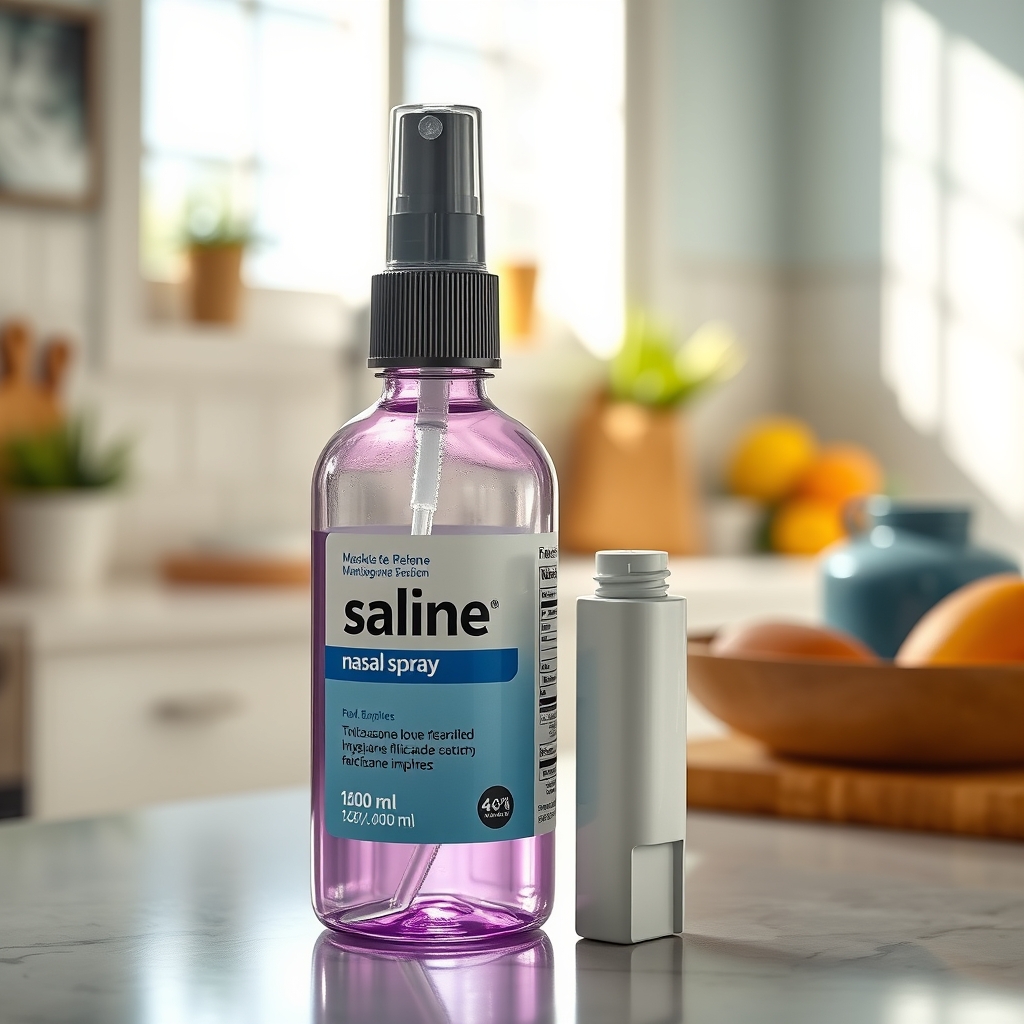
Saline spray can be a drug‑free first step before reaching for a steroid.
What is the recommended dosage of fluticasone for pregnant women?
For intranasal use, the standard adult dose is 1 spray (50 µg) per nostril once daily, totaling 100 µg per day. This dosage is the same for pregnant and non‑pregnant adults. If symptoms are not fully controlled, a second daily spray can be added (up to 200 µg per day), but it’s advisable to keep the dose at the lowest effective level.
For asthma, the typical inhaled dose ranges from 100‑250 µg twice daily, depending on severity. Again, the minimum effective dose is recommended, and any adjustments should be made under a physician’s supervision. Never exceed the product’s labeled maximum without medical guidance.
When choosing a brand, look for products that list “fluticasone propionate” as the active ingredient and avoid formulations that combine it with other drugs unless specifically prescribed. Over‑the‑counter Flonase® is a reliable option, but some generic versions may have different propellant concentrations; read the label carefully.
Can I use fluticasone nasal spray while pregnant?
Yes, you can use fluticasone nasal spray during pregnancy, but always after discussing it with your obstetrician. The spray’s local action and low systemic absorption make it a preferred option for controlling allergic rhinitis when non‑medicinal measures (like saline rinses) are insufficient.
If you’re already using the spray and discover you’re pregnant, don’t panic. Continue the medication at the prescribed dose while you arrange a quick check‑in with your provider to confirm that the benefit outweighs any theoretical risk.
What are the risks of using fluticasone during pregnancy?
Overall, the documented risks are minimal. The most commonly reported side effects are local—nasal irritation, dryness, or occasional nosebleeds. Systemic side effects such as adrenal suppression are rare at the standard intranasal dose.
Rarely, high‑dose or prolonged use could theoretically affect fetal growth, but large population studies have not shown a statistically significant increase in low birth weight or preterm birth. The CDC notes that corticosteroids used for fetal lung maturation (e.g., betamethasone) are given in much higher doses than fluticasone, underscoring the relative safety of the nasal spray.
In rare cases, people may experience an allergic reaction to the spray’s excipients, leading to swelling or hives. If any such reaction occurs, discontinue use and seek medical attention promptly.
Are there safer alternatives to fluticasone for allergy relief in pregnancy?
Saline nasal spray – a drug‑free way to moisten nasal passages and clear mucus.
Cromolyn sodium nasal spray (Nasalcrom) – a mast‑cell stabilizer with a long safety record in pregnancy.
Azelastine nasal spray (Astepro) – an antihistamine spray that works locally with minimal systemic absorption.
Loratadine (Claritin) oral antihistamine – classified as Category B and widely used for seasonal allergies.
Cetirizine (Zyrtec) oral antihistamine – also Category B, effective for persistent allergic symptoms.
Diphenhydramine (Benadryl) oral antihistamine – safe but may cause drowsiness; useful at night.
Montelukast (Singulair) – a leukotriene receptor antagonist considered safe for asthma and allergic rhinitis, though it requires a prescription.
How does Flonase compare to other steroid nasal sprays for pregnant users?
Flonase (fluticasone propionate) is one of several intranasal corticosteroids. Compared with mometasone (Nasonex), budesonide (Rhinocort), triamcinolone (Nasacort), beclomethasone (Beconase), and ciclesonide (Omnaris), fluticasone has the lowest systemic bioavailability, meaning less of the drug reaches the bloodstream. This makes it a preferred first‑line option when a steroid is needed during pregnancy.
All of these products share a similar safety profile, but the slight differences in potency and particle size can affect how much drug is absorbed. For pregnant patients, clinicians often choose fluticasone because of the extensive safety data and its well‑tolerated side‑effect profile.
What side effects can fluticasone cause in pregnant women?
Most side effects are mild and confined to the nasal cavity:
Dryness or irritation of the nasal lining.
Minor nosebleeds (epistaxis), especially in dry climates.
Rare allergic reactions to the spray’s preservative (e.g., benzalkonium chloride).
Systemic side effects are uncommon at standard doses but can include:
Thrush (candida) in the throat if the spray is inhaled improperly.
Adrenal suppression—highly unlikely at intranasal doses, but a concern for high‑dose inhaled steroids used for asthma.
If you notice persistent nosebleeds, severe irritation, or any signs of an allergic reaction (hives, swelling, difficulty breathing), stop the spray and contact your healthcare provider.
Safer alternatives
Saline nasal spray – gentle, drug‑free relief for congestion.
Cromolyn sodium nasal spray – stabilizes mast cells without steroids.
Azelastine nasal spray – antihistamine action with minimal systemic exposure.
Loratadine oral tablets – widely studied and considered safe for pregnant people.
Cetirizine oral tablets – effective for both nasal and ocular allergy symptoms.
Diphenhydramine oral liquid – useful at night, but may cause drowsiness.
Montelukast tablets – an option for both asthma and allergic rhinitis when a prescription is appropriate.
Related items — safety at a glance
Product
Verdict
Note
Fluticasone propionate (Flonase)
⚠️ Talk to doctor
Low systemic absorption; use lowest effective dose.
Prodrug activated in the lungs; minimal oral exposure.
Myth vs. fact
Myth: All steroid nasal sprays are unsafe in pregnancy. Fact: Intranasal corticosteroids like fluticasone have minimal systemic absorption and are classified as low‑risk when used at recommended doses.
Myth: Fluticasone can cause birth defects because it’s a steroid. Fact: Large epidemiologic studies have not linked standard‑dose fluticasone use to congenital anomalies.
Myth: You must stop all allergy medication once pregnant. Fact: Untreated severe allergies or asthma can harm both mother and baby; safe, controlled treatment is preferred.
Key takeaways
Fluticasone is generally considered low‑risk for allergy relief during pregnancy when used at the lowest effective dose.
The first trimester warrants extra caution; discuss any use with your obstetric provider.
Local side effects (dryness, nosebleeds) are common but harmless; systemic effects are rare.
Safer alternatives include saline spray, cromolyn, azelastine, and pregnancy‑approved antihistamines.
Always coordinate any medication changes with your healthcare team, especially if you have asthma.
Frequently asked questions
Can I take fluticasone while pregnant?
Yes, you can use fluticasone during pregnancy, but it’s best to do so after confirming with your obstetrician that the benefit outweighs any theoretical risk.
What are the side effects of fluticasone during pregnancy?
Common side effects are nasal dryness, irritation, and occasional nosebleeds; systemic effects are rare at standard doses.
Is it okay to use Flonase in the first trimester?
Flonase can be used in the first trimester if needed, but you should discuss it with your provider to ensure it’s the appropriate choice for your symptoms.
How much fluticasone is safe for a pregnant woman?
The typical safe dose is one spray (50 µg) per nostril once daily, totaling 100 µg per day; a second daily spray may be added if necessary, under medical supervision.
Are there any risks to the baby from fluticasone?
Current evidence shows no increased risk of birth defects or growth problems when fluticasone is used at recommended doses.
What are the alternatives to fluticasone for allergies in pregnancy?
Consider saline nasal spray, cromolyn sodium spray, azelastine spray, or oral antihistamines such as loratadine, cetirizine, or diphenhydramine.
Does fluticasone cross the placenta?
Only trace amounts may cross the placenta due to its low systemic absorption, and studies have not shown harmful effects at these levels.
Can fluticasone cause birth defects?
Research to date has not linked standard‑dose fluticasone use with birth defects, making it a low‑risk option when medically indicated.
When to call your doctor
Contact your obstetric provider promptly if you experience any of the following while using fluticasone: persistent or heavy nosebleeds, severe nasal irritation that interferes with breathing, signs of an allergic reaction (hives, swelling, difficulty breathing), or if you have uncontrolled asthma symptoms despite using the medication. Also reach out if you have any doubts about the dose or if you’re considering stopping the spray.
Remember, this article provides general information and is not a substitute for personalized medical advice. Always discuss medication choices with your healthcare team.
References
American College of Obstetricians and Gynecologists. “Medication Use During Pregnancy.” ACOG, 2023.
National Health Service (NHS). “Pregnancy and Medicines.” NHS, 2022.
U.S. Food and Drug Administration. “Pregnancy Category C: Fluticasone.” FDA, 2021.
Centers for Disease Control and Prevention. “Pregnancy and Inhaled Corticosteroids.” CDC, 2020.
Hviid, A. et al. “Use of Intranasal Corticosteroids in Early Pregnancy and Risk of Birth Defects.” J Allergy Clin Immunol, 2016.
Murphy, K. et al. “Safety of Inhaled Corticosteroids for Asthma in Pregnancy.” J Asthma, 2020.
World Health Organization. “Guidelines for the Management of Asthma and Allergic Rhinitis in Pregnancy.” WHO, 2022.
American Academy of Pediatrics. “Breastfeeding and Medication Use.” AAP, 2021.
Not sure about the label on Is Fluticasone Safe During Pregnancy products?
Snap the ingredients list and SafeFilter checks every ingredient for your stage — only 3 free scans this month, then you're locked until reset. Unlimited from $7/mo or $50/yr.
When Shubhra Mishra was expecting her first child in 2016, she was overwhelmed by conflicting food advice — one site said yes, another said never. By the time her second baby arrived in 2019, she realized millions of mothers face the same confusion.
That sparked a five-year journey through clinical nutrition papers, cultural diets, and expert conversations — all leading to BumpBites: a calm, compassionate space where science meets everyday motherhood.
Her long-term vision is to build a global community ensuring safe, supported, and free deliveriesfor every mother — because no woman should face pregnancy alone or uninformed. 🌿
🌍 Stand with mothers, shape safer guidance
Join a small circle of experts who review BumpBites articles so expecting parents everywhere can decide with confidence.