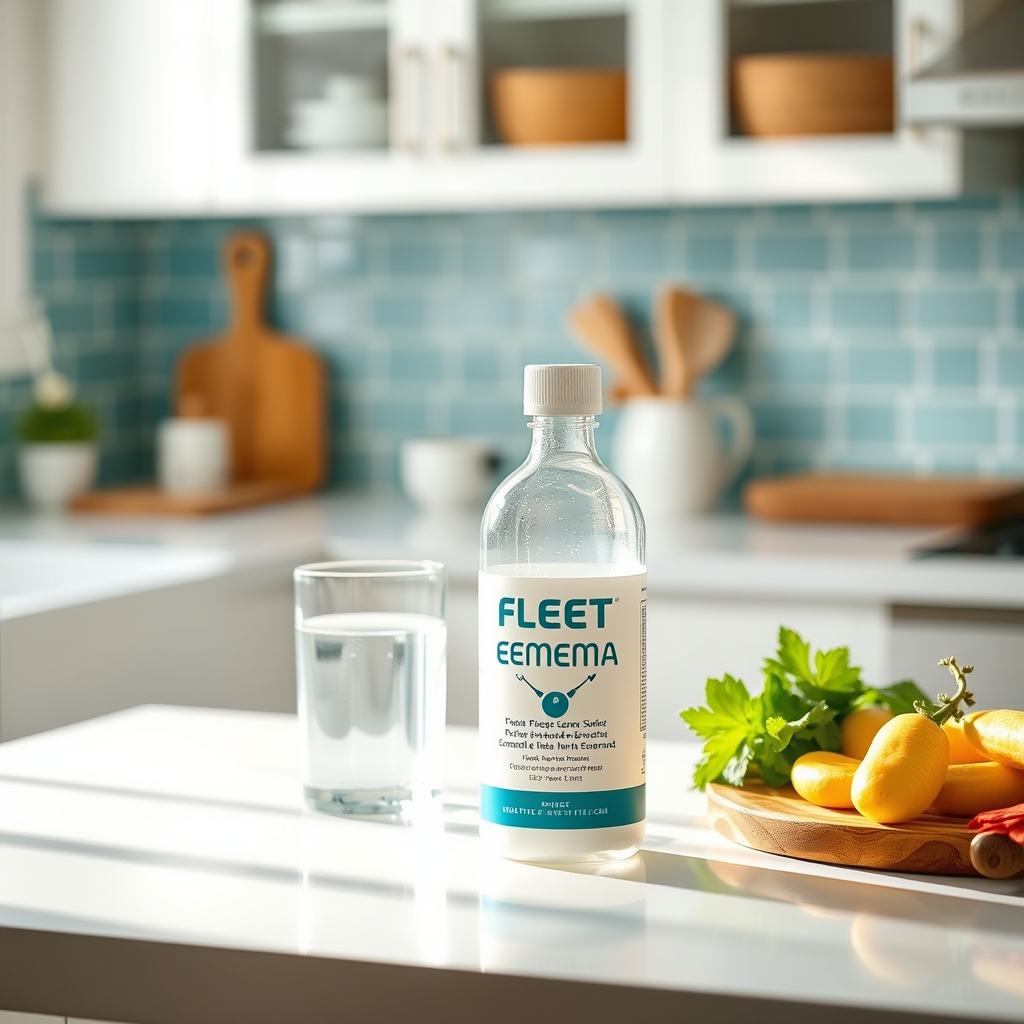
Avoid Fleet Enema during pregnancy unless prescribed. Safe alternatives exist, especially in the first trimester. Learn dosage risks and expert-approved options.
By Shubhra Mishra — a mom of two who turned her own confusion during pregnancy into BumpBites, a global mission to make food choices clear, safe, and stress-free for every expecting mother. 💛
Check whether any food is safe during pregnancy with the BumpBites Food Safety Checker.
Quick verdict: ❌ Best avoided. Fleet Enema is not recommended for use during pregnancy because the sodium phosphate solution can cause fluid shifts and uterine irritation. If you need relief from constipation, talk to your provider about safer options.
It’s completely understandable to feel a jolt of panic the moment you realize you’ve reached for a Fleet Enema while pregnant. Many expectant parents wonder, is fleet enema safe during pregnancy, especially when a sudden bout of constipation leaves them feeling uncomfortable and unsure of the next step. The short answer is that most obstetric guidelines advise against using Fleet Enema at any stage of pregnancy.
In this article we’ll walk you through exactly why the enema is generally discouraged, how the risk profile changes (or doesn’t) across each trimester, what the recommended dosage would be if a clinician ever deems it necessary, and which gentler, pregnancy‑friendly alternatives you can turn to instead. We’ll also compare the regular and mini versions of Fleet, discuss considerations for gestational diabetes, and flag the warning signs that mean you should call your provider right away.
Beyond the basics, we’ll explore how your body processes sodium phosphate enemas, answer common “what‑if” scenarios—like needing a bowel prep before a colonoscopy—and give you a clear, at‑a‑glance guide to related products so you can make confident, evidence‑based choices.
Stage of pregnancy
Verdict
Notes
First trimester
❌ Not recommended
Risk of uterine irritation during organogenesis; fluid shifts can affect placental perfusion.
Second trimester
❌ Not recommended
Potential for electrolyte imbalance; no proven benefit over safer fiber‑based options.
Third trimester
❌ Not recommended
Increased risk of uterine contractions and preterm labor.
Breastfeeding
❌ Not recommended
Residues may pass into breast milk; safer alternatives are advised.
Before diving into the trimester‑by‑trimester details, let’s clarify exactly what a Fleet Enema is and why it’s a popular over‑the‑counter option for occasional constipation.
What is Fleet Enema?
Fleet Enema is a brand‑name sodium phosphate enema that comes in a pre‑filled bottle (regular size) or a smaller “mini” bottle. The solution contains sodium phosphate monobasic and dibasic, which work by drawing water into the colon through an osmotic effect, thereby softening stool and stimulating a bowel movement within minutes. Because it produces rapid relief, many people keep it on hand for emergencies such as travel‑related constipation or preparation for certain medical procedures.
While the product is available without a prescription, it is still classified as a medication, and the label advises against use in certain populations—including pregnant women, infants, and individuals with kidney disease. The rapid fluid shift created by the enema can lead to electrolyte disturbances, particularly low calcium or high phosphate levels, which are concerns for both mother and fetus.
In practice, the enema’s quick action can feel like a lifesaver when you’re uncomfortable, but the underlying chemistry means it isn’t a neutral “just‑water” solution. Understanding the mechanism helps you see why experts advise caution for anyone whose fluid balance is already delicate—like a growing pregnancy.
Keep the label handy; it contains important safety warnings for pregnant users.
Is fleet enema safe during pregnancy?
Current guidance from the American College of Obstetricians and Gynecologists (ACOG) and the UK’s National Health Service (NHS) both advise that sodium phosphate enemas, including Fleet, should be avoided during pregnancy. ACOG’s Practice Bulletin on constipation in pregnancy (2022) notes that “osmotic enemas can cause rapid fluid shifts and should be reserved for cases where the benefit outweighs the risk, which is rarely the case in uncomplicated pregnancy.” The NHS also lists sodium phosphate enemas under “medicines to avoid” for pregnant patients.
The primary mechanism of concern is the osmotic draw of water into the colon, which can lead to transient dehydration and electrolyte imbalance. In early pregnancy, when the embryo is forming critical organs, any sudden change in maternal blood chemistry can theoretically affect placental function. Later in pregnancy, the uterine wall is more sensitive, and irritation from the enema solution may provoke uterine contractions, increasing the risk of preterm labor.
Most studies on sodium phosphate enemas have focused on postoperative patients or those undergoing bowel preparation, leaving a paucity of direct evidence in pregnant populations. Nevertheless, the precautionary principle adopted by major health bodies means the safest route is to avoid the product altogether.
Because the risk is tied to the solution’s osmotic strength, not to the brand’s marketing, the recommendation applies universally—whether you’re using the regular 118 mL bottle or the mini 59 mL version.
Is it safe to use Fleet Enema during the first trimester of pregnancy?
The first trimester is the period of organogenesis, when the baby’s major organs are forming. Because the maternal environment is particularly delicate, ACOG recommends abstaining from any medication that could cause rapid fluid shifts or electrolyte disturbances. Using Fleet Enema in this window could lead to dehydration, which in turn may reduce uterine blood flow. The consensus among obstetricians is that the potential risks outweigh any modest benefit of a quick bowel movement.
Even a single dose can cause a noticeable fluid shift, and the lack of robust safety data makes it difficult to quantify the exact risk. For most pregnant people, a gentle fiber supplement or a stool softener offers a far safer path to relief.
Can I take a Fleet Enema in the second trimester?
During the second trimester, the fetus’s organs are largely developed, and the uterus is less prone to irritation than in the first trimester. However, the NHS still categorizes sodium phosphate enemas as “avoid in pregnancy” because the risk of electrolyte imbalance remains. If severe constipation persists, your provider may prescribe a bulk‑forming fiber supplement rather than an enema.
Some clinicians may consider a single, low‑volume enema for a medically necessary bowel prep, but this would be a highly individualized decision made after weighing alternatives and monitoring fluid status closely.
What is the recommended dosage of Fleet Enema for pregnant women?
Because the product is not recommended for pregnant users, there is no official “safe dosage” established by regulatory agencies. The label advises a single dose (one bottle) and cautions against repeat use within 24 hours. In rare cases where a physician determines that an enema is medically necessary (for example, before a diagnostic colonoscopy), the provider will typically limit the dose to the minimum effective amount and monitor the mother’s fluid status closely.
For reference, the regular Fleet Enema contains 118 mL of 10 % sodium phosphate solution, while the mini version contains 59 mL. Even these reduced volumes can produce significant osmotic effects, so the general recommendation for pregnant patients is: do not use unless explicitly directed by a healthcare professional.
Are there safer alternatives to Fleet Enema for constipation during pregnancy?
When constipation strikes, the safest first step is to turn to gentle, fiber‑rich options that support regularity without altering your body’s electrolyte balance. Below are some of the most commonly recommended alternatives, all of which are considered low‑risk for both you and your baby.
Metamucil (psyllium fiber) – Adds bulk to stool without affecting electrolytes.
Benefiber (fiber supplement) – Easy to dissolve, gentle on the stomach.
Colace (docusate sodium) – A mild stool softener that works locally.
FiberChoice (citrus fiber) – Provides soluble fiber and vitamin C.
Prune juice – Natural sorbitol draws water into the colon.
Warm water with lemon – Hydrating and may stimulate peristalsis.
Psyllium husk – Whole‑grain fiber that expands to ease passage.
Milk of Magnesia (magnesium hydroxide) – OTC laxative considered safe when used as directed.
Does the brand Fleet Enema differ in safety for pregnant users?
Fleet offers two main formulations: the regular 118 mL bottle and the “mini” 59 mL bottle. Both contain the same sodium phosphate concentration; the only difference is volume. Because the osmotic effect is concentration‑dependent rather than volume‑dependent, the mini version does not confer a safety advantage. The FDA’s labeling for both products includes the same pregnancy warning, stating that the enema “should not be used by pregnant women unless advised by a physician.” Therefore, neither brand is considered safer for pregnant users.
What are the risks of using Fleet Enema while pregnant?
Potential risks can be grouped into maternal and fetal categories:
Electrolyte imbalance – Rapid shifts in sodium and phosphate may cause low calcium or high phosphate levels, leading to muscle cramps or cardiac irritability.
Dehydration – Fluid loss from the colon can reduce overall blood volume, which is especially concerning in the first trimester.
Uterine irritation – The hyperosmotic solution may irritate the uterine lining, potentially triggering contractions.
Preterm labor – In the third trimester, any uterine stimulation raises the theoretical risk of early labor.
Fetal exposure – While the drug does not cross the placenta in large amounts, altered maternal electrolytes can indirectly affect fetal development.
Most of these risks are rare when a single dose is used, but the lack of robust safety data means clinicians prefer to avoid the enema altogether.
Is Fleet Enema safe for pregnant women with gestational diabetes?
Gestational diabetes already predisposes mothers to fluid and electrolyte fluctuations. Adding an osmotic enema could exacerbate hyperglycemia by causing dehydration, which may impair glucose regulation. The American Diabetes Association (ADA) recommends that women with gestational diabetes avoid any medication that could further disturb fluid balance unless prescribed. Consequently, Fleet Enema is not considered safe for this group.
How does Fleet Enema affect fetal health?
There is no direct evidence that the sodium phosphate solution reaches the fetus in harmful concentrations. However, indirect effects—such as maternal dehydration, electrolyte shifts, or uterine irritation—can compromise placental perfusion and, consequently, fetal oxygen and nutrient delivery. In the first trimester, these changes could theoretically affect organ formation, while in later stages they might increase the chance of growth restriction or premature birth.
Safety by trimester
First trimester (weeks 1–13)
During organogenesis, the fetus is most vulnerable to any maternal metabolic disturbance. The ACOG guideline explicitly advises against sodium phosphate enemas because the risk of electrolyte imbalance and uterine irritation could jeopardize the developing embryo. Even a single dose is discouraged unless a specialist deems it absolutely necessary.
Because the placenta is still forming, any abrupt change in maternal fluid status may reduce oxygen delivery to the embryo, a concern that outweighs the convenience of a quick bowel movement.
Second trimester (weeks 14–27)
The uterus has grown, and the placenta is fully functional, but the risk of dehydration remains. NHS guidance still lists sodium phosphate enemas as “avoid in pregnancy,” citing the same concerns about electrolyte shifts. If constipation becomes severe, providers typically recommend fiber supplements or a short course of a stool softener instead of an enema.
At this stage, many women find that increasing water intake and adding a high‑fiber snack (like an apple with skin) can restore regularity without medication.
Third trimester (weeks 28–40)
In the final weeks of pregnancy, the uterine wall is highly contractile. Any irritation from an enema can potentially trigger Braxton‑Hicks contractions, and in some cases, true labor. The CDC’s perinatal health resources advise pregnant individuals to steer clear of any product that could stimulate uterine activity without medical supervision.
Because the baby’s position can also affect bowel movements, gentle abdominal massage and staying upright after meals are often recommended before turning to any medication.
Breastfeeding
While the primary concern shifts to the infant, residual sodium phosphate could be excreted in breast milk. The FDA does not have specific data on milk concentrations, and the precautionary principle leads to a recommendation of avoidance for nursing mothers as well.
Fiber‑rich meals and prune juice are gentle, pregnancy‑safe ways to promote regularity.
Safe dosage / amount / brands
Because the product is not recommended for pregnant users, there is no officially sanctioned dosage. The product label states that a single dose (one bottle) is the maximum amount and that repeat dosing within 24 hours is prohibited. For the rare situation where a physician decides the enema is medically necessary, the provider will typically prescribe the minimum effective volume—often the mini 59 mL bottle—to limit fluid shift. No specific brand variations (e.g., “Fleet Enema with Aloe”) have been shown to be safer; all contain the same sodium phosphate formulation.
If you are ever prescribed an enema, make sure to discuss hydration strategies with your provider, as adequate fluid intake can help mitigate dehydration risk.
Side effects and risks
Common, non‑serious side effects may include mild abdominal cramping, a feeling of urgency, and temporary rectal irritation. These usually resolve within an hour. However, more concerning signs that require immediate medical attention are:
Severe abdominal pain or persistent cramping
Faintness, dizziness, or rapid heartbeat (possible dehydration)
Signs of electrolyte imbalance such as muscle twitching, tingling in the hands or feet, or irregular heartbeat
Bleeding, severe rectal pain, or inability to pass gas or stool after the enema
Any uterine contractions or vaginal bleeding
If you experience any of these symptoms, call your obstetric provider or seek emergency care right away.
How the body processes sodium phosphate enemas
Sodium phosphate works by creating an osmotic gradient that pulls water from the bloodstream into the colon. This influx of fluid softens stool and stimulates peristalsis—the wave‑like muscle contractions that move waste through the intestines. Because the effect is localized to the colon, the systemic absorption is minimal in most adults, but the rapid shift in fluid can still affect overall hydration and electrolyte balance.
During pregnancy, the body’s blood volume is already expanded by up to 50 % to support the growing fetus. Introducing an additional fluid shift can tip the balance, especially if you’re not drinking enough water or if you have underlying kidney concerns. This is why obstetric guidelines emphasize caution even for a single dose.
Staying well‑hydrated and using fiber supplements are the safest ways to manage constipation during pregnancy.
Can I use Fleet Enema for bowel prep before a colonoscopy during pregnancy?
In rare cases where a colonoscopy is medically indicated during pregnancy, a physician may consider a low‑volume sodium phosphate enema as part of the preparation. This decision would be made only after a thorough risk‑benefit analysis, close monitoring of fluid status, and often in collaboration with a gastroenterologist. Most clinicians prefer polyethylene glycol‑based preparations (e.g., Miralax) because they are less likely to cause electrolyte disturbances.
Do other over‑the‑counter medications interact with Fleet Enema in pregnancy?
Because Fleet Enema is an osmotic agent, it can amplify the effects of other medications that alter fluid balance, such as certain diuretics, antihypertensives, or high‑dose prenatal vitamins containing calcium. Combining these can increase the chance of electrolyte abnormalities. Always disclose any OTC products you’re using to your obstetric provider before taking an enema.
Safer alternatives
Metamucil (psyllium fiber) – Adds bulk without affecting electrolytes.
Benefiber (fiber supplement) – Easy to dissolve, gentle on the stomach.
Colace (docusate sodium) – A mild stool softener that works locally.
FiberChoice (citrus fiber) – Provides soluble fiber and vitamin C.
Prune juice – Natural sorbitol draws water into the colon.
Warm water with lemon – Hydrating and may stimulate peristalsis.
Psyllium husk – Whole‑grain fiber that expands to ease passage.
Milk of Magnesia (magnesium hydroxide) – OTC laxative considered safe when used as directed.
Related items — safety at a glance
Below is a quick reference for other common constipation remedies and bowel‑preparation products you might encounter while pregnant.
Item
Verdict
One‑line note
Phillips' Milk of Magnesia Enema
⚠️ Use with caution
Magnesium‑based; generally safer but still not first‑line for pregnancy.
Miralax (polyethylene glycol)
✅ Generally safe
Osmotic laxative; ACOG lists as safe for short‑term use.
Senna tablets
⚠️ Use with caution
Stimulant laxative; may cause uterine cramping.
Dulcolax (bisacodyl)
⚠️ Use with caution
Stimulates colon; risk of uterine irritation.
Generic sodium phosphate enemas
❌ Best avoided
Same osmotic action as Fleet; no safety advantage.
Fact: While a single dose may not cause immediate harm, the lack of safety data and potential for electrolyte shifts mean obstetric guidelines advise against any use during pregnancy.
Myth: “The mini Fleet Enema is safe because it’s a smaller dose.”
Fact: Both regular and mini versions contain the same concentration of sodium phosphate; the risk is related to the solution’s osmotic strength, not volume.
Myth: “If I’m constipated, an enema is the quickest fix.”
Fact: Fiber supplements, increased fluid intake, and gentle stool softeners are safe, effective, and recommended as first‑line treatments for constipation in pregnancy.
Myth: “All enemas are the same, so any brand will work.”
Fact: Sodium phosphate enemas share the same mechanism and risk profile, regardless of branding; glycerin or saline‑based suppositories are a different, safer class.
Key takeaways
❌ Fleet Enema is not recommended at any stage of pregnancy; avoid it unless a provider explicitly orders it.
Electrolyte imbalance and uterine irritation are the main concerns, especially in the first and third trimesters.
Safe, pregnancy‑friendly alternatives include fiber supplements (Metamucil, Benefiber), stool softeners (Colace), and natural options like prune juice.
Both regular and mini Fleet Enema share the same risk profile; no brand variation makes it safer.
If you have gestational diabetes, the risk of dehydration is higher, reinforcing the need to avoid the enema.
Any concerning symptoms—severe cramping, bleeding, or signs of dehydration—should prompt an immediate call to your obstetric provider.
When a bowel prep is medically necessary, discuss polyethylene glycol‑based options with your doctor as a safer alternative.
Frequently asked questions
Can I use Fleet Enema while pregnant?
No. Major health authorities, including ACOG and the NHS, advise against using Fleet Enema at any point during pregnancy because of potential fluid and electrolyte disturbances.
What are the side effects of Fleet Enema during pregnancy?
Common side effects are mild abdominal cramping and rectal irritation, but more serious concerns include dehydration, electrolyte imbalance, and uterine irritation that could trigger contractions.
Is it safe to take a Fleet Enema in the third trimester?
It is not considered safe; the third trimester’s heightened uterine sensitivity makes any irritant—including sodium phosphate enemas—a potential trigger for preterm labor.
How does Fleet Enema affect my baby?
While the enema itself does not cross the placenta in large amounts, maternal dehydration and electrolyte shifts can reduce placental blood flow, indirectly affecting fetal growth and well‑being.
What are natural ways to relieve constipation during pregnancy?
Increase fiber intake with foods like fruits, vegetables, and whole grains; drink plenty of water; try prune juice or warm lemon water; and consider a gentle stool softener such as Colace.
When should I avoid using enemas while pregnant?
Avoid all enemas unless a healthcare provider specifically recommends one. This includes both regular and mini Fleet Enemas, as well as any other sodium phosphate formulations.
Can Fleet Enema cause miscarriage?
There is no direct evidence linking Fleet Enema to miscarriage, but the potential for uterine irritation and fluid shifts means it could increase the risk, especially in early pregnancy.
Is a mini Fleet Enema safer than a regular one during pregnancy?
No. Both contain the same sodium phosphate concentration, so the mini version does not reduce the underlying risk.
What should I do if I accidentally used a Fleet Enema before knowing I was pregnant?
Take a deep breath—most single doses do not cause severe harm. Contact your obstetric provider to discuss any symptoms you’re experiencing and to confirm that routine monitoring is sufficient.
Are there any dietary supplements that can counteract the electrolyte changes from a Fleet Enema?
While calcium or magnesium supplements can help restore balance, they should not be used as a “fix” for an enema‑induced shift without medical guidance. Talk to your provider before adding any supplement.
When to call your doctor
If you experience any of the following after using an enema—or if you have persistent constipation despite trying safe alternatives—contact your obstetric provider promptly:
Severe or worsening abdominal pain
Signs of dehydration (dizziness, rapid heartbeat, dry mouth)
Muscle cramps or tingling sensations
Uterine cramping, vaginal bleeding, or fluid loss from the vagina
Inability to pass gas or stool after the enema
These symptoms may indicate complications that require medical evaluation. Remember, this article provides general information and is not a substitute for personalized medical advice.
References
American College of Obstetricians and Gynecologists. “Constipation in Pregnancy.” Practice Bulletin No. 215, 2022.
National Health Service (NHS). “Pregnancy and medication: what you need to know.” Updated 2023.
U.S. Food and Drug Administration. “Fleet Enema (Sodium Phosphate) – Product Label.” Accessed 2024.
American Diabetes Association. “Gestational Diabetes Mellitus.” Standards of Care, 2023.
Centers for Disease Control and Prevention. “Pregnancy and Medication Safety.” 2023.
World Health Organization. “Guidelines for the Management of Constipation in Pregnancy.” 2022.
Not sure about the label on Is Fleet Enema Safe During Pregnancy products?
Snap the ingredients list and SafeFilter checks every ingredient for your stage — only 3 free scans this month, then you're locked until reset. Unlimited from $7/mo or $50/yr.
When Shubhra Mishra was expecting her first child in 2016, she was overwhelmed by conflicting food advice — one site said yes, another said never. By the time her second baby arrived in 2019, she realized millions of mothers face the same confusion.
That sparked a five-year journey through clinical nutrition papers, cultural diets, and expert conversations — all leading to BumpBites: a calm, compassionate space where science meets everyday motherhood.
Her long-term vision is to build a global community ensuring safe, supported, and free deliveriesfor every mother — because no woman should face pregnancy alone or uninformed. 🌿
🌍 Stand with mothers, shape safer guidance
Join a small circle of experts who review BumpBites articles so expecting parents everywhere can decide with confidence.