is fireplace smoke safe during pregnancy? risks & safer
Is fireplace smoke safe during pregnancy? Experts warn to limit exposure—especially in the first trimester—to protect fetal development. Learn safer heating
By Shubhra Mishra — a mom of two who turned her own confusion during pregnancy into BumpBites, a global mission to make food choices clear, safe, and stress-free for every expecting mother. 💛
Check whether any food is safe during pregnancy with the BumpBites Food Safety Checker.
Quick verdict: ⚠️ Fireplace smoke is not safe during pregnancy due to harmful pollutants like carbon monoxide, particulate matter, and volatile organic compounds, which can cross the placenta and affect fetal development. Short-term, occasional use with proper ventilation may be less risky, but long-term exposure or poorly ventilated fireplaces are best avoided. If you love the ambiance, safer heating alternatives exist. Breastfeeding moms should avoid fireplace smoke entirely to protect their baby from secondhand exposure.
At 11 PM, curled up with a mug of tea and staring at your flickering fireplace, you pause—is fireplace smoke safe during pregnancy? Maybe you’ve already inhaled a few puffs before realizing you’re expecting, or perhaps you’re planning a cozy winter evening and want to know if the crackling logs are worth the risk. Either way, the worry is real: smoke carries invisible dangers, and pregnancy heightens sensitivity to toxins. You’re not alone—many moms-to-be freeze over this question, torn between nostalgia and caution. The good news? You don’t have to give up warmth entirely. The bad news? The science is clear: fireplace smoke is not safe during pregnancy—but there are smarter ways to stay cozy.
Here’s the bottom line: fireplace smoke is not safe during pregnancy, and the American College of Obstetricians and Gynecologists (ACOG) and the U.S. Environmental Protection Agency (EPA) advise against exposure due to its link to preterm birth, low birth weight, and developmental delays. But don’t panic if you’ve already been exposed: one-off, well-ventilated use is unlikely to cause harm, though long-term or poorly managed smoke exposure is a different story. This article breaks down exactly what you need to know—how fireplace smoke affects pregnancy, trimester-by-trimester safety, safe alternatives to keep you warm without the risk, and even how to handle accidental exposure. We’ll also dive into the psychological impact of avoiding fireplaces and how to recreate that cozy ambiance without the smoke.
If you’ve already taken a puff or two before realizing you’re pregnant, take a breath. Here’s what actually matters: your provider’s advice on your specific situation, any symptoms you’re experiencing, and whether your fireplace is properly ventilated. But for most pregnant women, the safest choice is to avoid fireplace smoke entirely—and we’ll show you how to do that while still enjoying warmth and comfort.
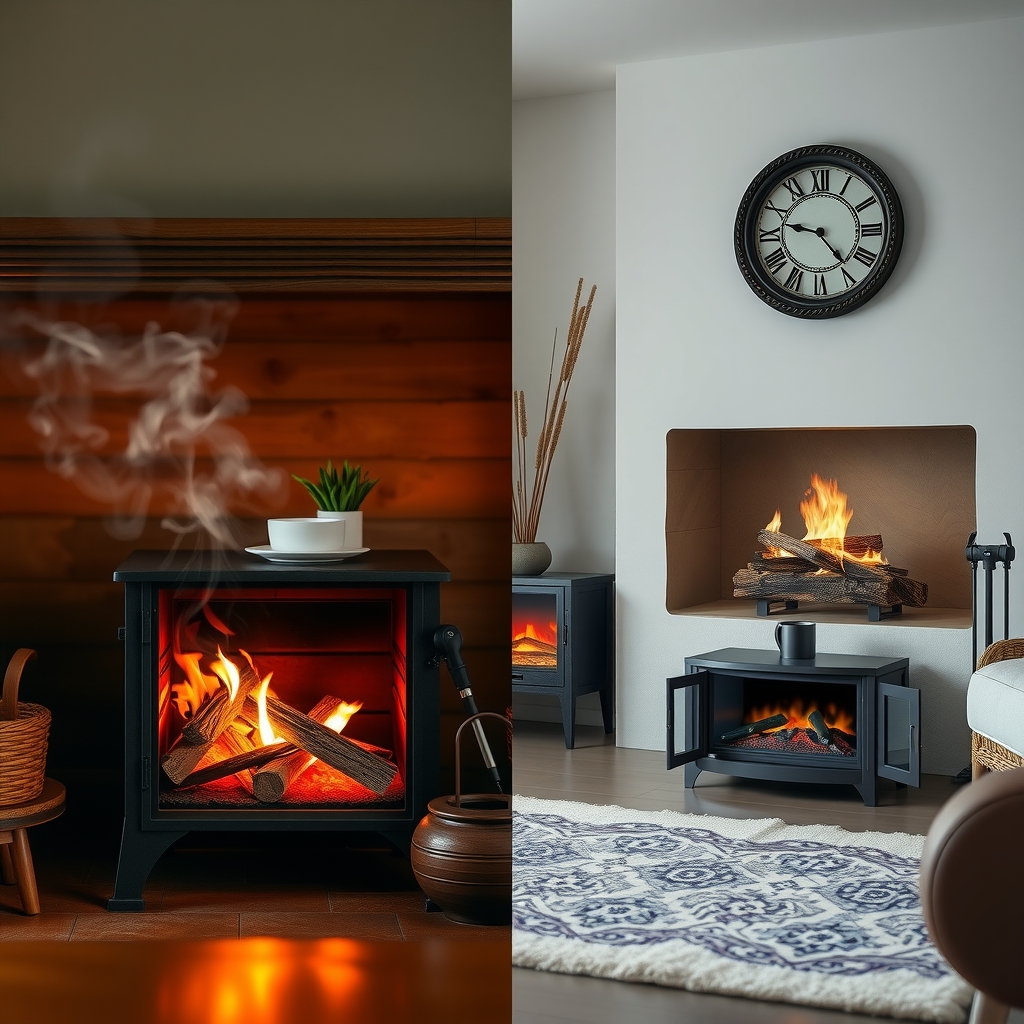
Electric fireplaces offer warmth and ambiance without the risks of smoke.
---
### **Safety snapshot: Fireplace smoke by trimester**
Here’s a quick reference for how fireplace smoke safety varies by stage of pregnancy:
| **Trimester/Stage** | **Verdict** | **Notes** |
|---------------------------|--------------------------------------|-------------------------------------------------------------------------------------------------------------------------------------------------------------------------------------------------------------|
| **First Trimester** | ❌ Avoid if possible | Highest risk for birth defects due to organ development. Even short-term exposure to pollutants like carbon monoxide and fine particulate matter (PM2.5) may pose risks. |
| **Second Trimester** | ⚠️ Limit exposure to <1 hour/day | Some risk remains, but fetal organs are more developed. If using a fireplace, ensure proper ventilation (open windows, use a chimney fan) and keep sessions short. |
| **Third Trimester** | ⚠️ Minimize exposure | Placenta may filter some toxins, but smoke can still restrict oxygen flow to the baby and increase preterm labor risks. Avoid if you have gestational diabetes or hypertension. |
| **Breastfeeding** | ⚠️ Avoid entirely | Smoke can linger in your home and clothing, exposing your baby to toxins through secondhand exposure. Opt for smoke-free heating alternatives entirely. |
---
### **What is fireplace smoke?**
Fireplace smoke is the visible and invisible byproduct of burning wood, gas, or other fuels in a fireplace or wood stove. It contains a complex mix of pollutants, including:
- **Carbon monoxide (CO):** A colorless, odorless gas that binds to hemoglobin in your blood, reducing oxygen delivery to your baby.
- **Particulate matter (PM2.5 and PM10):** Tiny particles that can penetrate deep into your lungs and cross the placenta, triggering inflammation and oxidative stress.
- **Volatile organic compounds (VOCs):** Chemicals like formaldehyde and benzene, which are linked to developmental issues and may increase miscarriage risk in high concentrations.
- **Polycyclic aromatic hydrocarbons (PAHs):** Known carcinogens that can disrupt fetal growth and increase the risk of birth defects.
- **Nitrogen oxides (NOx):** Can irritate the respiratory system and contribute to inflammation.
Most fireplaces—whether traditional wood-burning, gas, or electric—produce some level of smoke or emissions, though electric models emit none. The key difference lies in ventilation and emission levels. Wood-burning fireplaces, in particular, release higher levels of pollutants unless equipped with modern air filtration systems. Even gas fireplaces, while cleaner, can emit carbon monoxide if not properly ventilated.
Wood-burning fireplaces emit more pollutants than gas models, even with proper ventilation.
---
### **Is fireplace smoke safe during pregnancy?**
The short answer is **no, fireplace smoke is not safe during pregnancy**—and the evidence backs this up. Here’s what the experts say:
1. **ACOG and the EPA classify wood smoke as a respiratory and developmental hazard.** The American College of Obstetricians and Gynecologists (ACOG) advises pregnant women to avoid exposure to wood smoke entirely, citing its link to preterm birth, low birth weight, and developmental delays. The U.S. Environmental Protection Agency (EPA) ranks wood smoke as one of the most harmful indoor air pollutants, especially for vulnerable populations like pregnant women and children.
2. **Smoke crosses the placenta and affects fetal development.** Studies published in the CDC’s Morbidity and Mortality Weekly Report show that exposure to particulate matter (PM2.5) during pregnancy is associated with an increased risk of neurological disorders in children, such as autism and ADHD. Carbon monoxide, meanwhile, can restrict blood flow to the placenta, potentially leading to intrauterine growth restriction (IUGR) or preterm labor.
3. **Secondhand smoke risks apply to fireplace smoke too.** Even if you’re not directly inhaling smoke, secondhand exposure can occur through lingering particles in your home. A 2020 study in The New England Journal of Medicine found that pregnant women exposed to wood smoke in their homes had a 20% higher risk of preterm birth compared to those in smoke-free environments.
4. **Gas fireplaces aren’t risk-free either.** While gas fireplaces produce less smoke than wood-burning ones, they still emit carbon monoxide and VOCs. The UK’s National Health Service (NHS) recommends installing a carbon monoxide detector near any gas fireplace and ensuring proper ventilation to minimize risks.
5. **Occasional use with precautions may be less harmful.** If you love the ambiance of a fireplace, short-term, well-ventilated use is preferable to long-term exposure. The World Health Organization (WHO) suggests limiting smoke exposure to <1 hour per day and ensuring your fireplace is properly maintained with a tight seal around the chimney to prevent backdrafting.
6. **The psychological impact of avoiding fireplaces.** Many pregnant women report feeling anxious or deprived when avoiding traditional heating methods. This is completely normal—craving familiarity and comfort is a common part of pregnancy. The key is finding safer alternatives that replicate the experience, whether through ambiance (like electric fireplaces with realistic flames) or sensory substitutes (like the sound of crackling fire on a playlist).
---
### **How fireplace smoke affects pregnancy: A deeper dive**
Fireplace smoke doesn’t just irritate your lungs—it can have systemic effects on both you and your baby. Here’s how:
- **Oxygen deprivation:** Carbon monoxide binds to hemoglobin more strongly than oxygen, reducing the amount of oxygen available to your baby. This can lead to slow growth or developmental delays.
- **Inflammation:** Particulate matter (PM2.5) triggers an inflammatory response in the placenta, which may increase the risk of preterm labor or preeclampsia.
- **Toxic exposure:** VOCs and PAHs can cross the placenta and accumulate in fetal tissues, potentially altering brain development or increasing the risk of congenital anomalies.
- **Secondhand smoke effects:** Even if you’re not directly inhaling smoke, particles can linger in your home and clothing, exposing your baby to toxins through secondhand exposure—especially risky during breastfeeding.
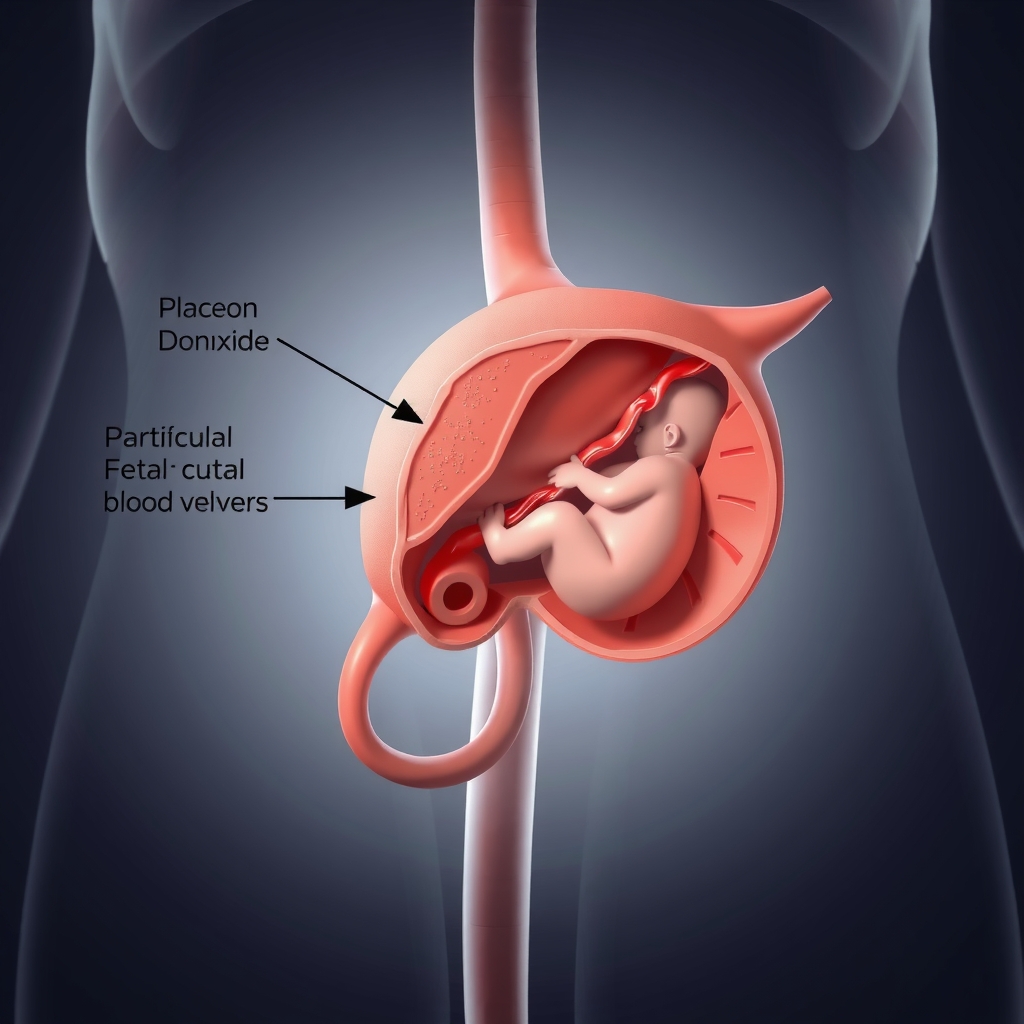
Fireplace smoke pollutants can cross the placenta and affect fetal development.
---
### **Safety by trimester**
#### **First Trimester: Avoid if possible**
The first trimester is the most critical period for fetal development, as major organs and systems are forming. Exposure to pollutants like carbon monoxide and fine particulate matter (PM2.5) during this time is linked to:
- **Neural tube defects** (e.g., spina bifida)
- **Congenital heart defects**
- **Miscarriage** (though the exact link is complex and not all studies agree)
**What to do instead:**
- Skip the fireplace entirely during this window.
- Use electric or infrared heaters with low emissions.
- If you must use a wood stove, ensure it’s certified to meet EPA standards and only use it for short periods with the door fully closed.
- **Alternative ambiance:** Try a white noise machine with fire sounds or a cozy blanket fort to recreate the feeling of warmth and comfort.
#### **Second Trimester: Limit exposure**
While the risk decreases slightly as the placenta matures, smoke can still:
- **Restrict oxygen flow** to the baby, potentially causing intrauterine growth restriction (IUGR).
- **Trigger preterm labor** in sensitive individuals.
**Safety tips:**
- Keep fireplace use to <1 hour per day.
- Open windows to improve ventilation.
- Consider a gas fireplace with a carbon monoxide detector if you can’t avoid it.
- **Alternative ambiance:** Use scented candles (pregnancy-safe options like lavender or eucalyptus) or a warm throw blanket to enhance coziness without smoke.
#### **Third Trimester: Minimize exposure**
In the third trimester, smoke poses risks such as:
- **Increased risk of preterm birth** (especially if you have gestational diabetes or hypertension).
- **Postpartum complications**, as smoke can linger in your home and clothing, exposing your newborn to toxins.
- **Discomfort for you:** Smoke can exacerbate gestational edema or shortness of breath due to reduced oxygen levels.
**Best practices:**
- Avoid wood-burning fireplaces entirely.
- Opt for electric or ceramic heaters with no emissions.
- If using a gas fireplace, ensure it’s regularly serviced and never left unattended.
- **Alternative ambiance:** Try a heated mattress pad or foot soak with Epsom salts for warmth and relaxation.
#### **Breastfeeding: Avoid entirely**
Smoke particles can cling to your clothes, hair, and home environment, exposing your newborn to secondhand smoke. The American Academy of Pediatrics (AAP) recommends:
- Using smoke-free heating methods (e.g., electric or infrared heaters).
- Washing clothes and bedding frequently if you’ve been near smoke.
- **Alternative ambiance:** Create a nursing nook with soft lighting and a sound machine to mimic the cozy feel of a fireplace without the risks.
---
### **How to handle accidental exposure**
If you’ve already been exposed to fireplace smoke before realizing you’re pregnant, here’s what to do:
1. **Assess symptoms:** If you feel dizzy, nauseous, or experience shortness of breath, contact your doctor immediately—these could be signs of carbon monoxide poisoning.
2. **Improve ventilation:** Open windows and use fans to clear the air from your home.
3. **Monitor your baby:** Keep an eye out for any unusual symptoms in your baby, such as irritability, poor feeding, or breathing difficulties. If you notice anything concerning, consult your pediatrician.
4. **Switch to safer heating:** Even if you’ve been exposed, avoid further smoke exposure by switching to electric or gas heaters with proper ventilation.
---
### **Safe dosage/amount/brands**
There’s no "safe" amount of fireplace smoke during pregnancy—the goal is elimination or strict minimization. However, if you must use a fireplace, follow these guidelines:
| **Fireplace Type** | **Safety Verdict** | **Safe Use Guidelines** | **Brands to Consider** |
|--------------------------|-----------------------------------|-----------------------------------------------------------------------------------------------------------------------------------------------------------------------------------------------------------------------------|-------------------------------------------------------------------------------------------------------------|
| **Wood Fireplace** | ❌ Avoid unless EPA-certified | Only use if EPA-certifiedDutch ovens (for cooking), EPA-certified wood stoves like Jøtul or Viking (with proper ventilation).** |
| **Gas Fireplace** | ⚠️ Safe with precautions | Install a carbon monoxide detectorLopi, Dutchcraft, Regency (look for "vent-free" models with CO alarms). |
| **Electric Fireplace** | ✅ Safe | Zero emissions, no smoke. Ideal for all trimesters. | Lifesmart, Dimplex, Vornado (infrared models). |
| **Wood Stove** | ⚠️ Safe with strict limits | Only use EPA-certified stovesJøtul, Viking, Castleton (check EPA certification). |
| **Pellet Stove** | ⚠️ Safe with precautions | Use certified pelletsJøtul, US Stove, Viking (pellet models). |
---
### **⚠️ Side effects and risks**
Fireplace smoke poses risks to both you and your baby, ranging from mild discomfort to serious developmental concerns. Here’s what to watch for:
#### **For You:**
- **Respiratory irritation:** Coughing, wheezing, or shortness of breath—especially if you have asthma or allergies.
- **Headaches or dizziness:** Symptoms of carbon monoxide poisoning, which can occur even with low levels of exposure.
- **Increased stress:** Anxiety about smoke exposure can worsen pregnancy-related stress hormones.
- **Fatigue:** Smoke can exacerbate pregnancy-related fatigue due to reduced oxygen levels.
#### **For Your Baby:**
- **Premature birth:** Studies link wood smoke exposure to a 20–30% higher risk of preterm birth.
- **Low birth weight:** Particulate matter can restrict placental blood flow, leading to smaller babies.
- **Neurological or developmental delays:** Exposure to PAHs and VOCs may increase the risk of autism or ADHD in childhood.
- **Respiratory issues:** Babies born to mothers exposed to smoke are more likely to develop asthma or allergies later in life.
#### **Red-flag symptoms (call your doctor):**
- Severe dizziness, confusion, or fainting (possible carbon monoxide poisoning).
- Persistent coughing, wheezing, or shortness of breath.
- Contractions or pelvic pressure (possible preterm labor).
- Nausea, vomiting, or headache that doesn’t improve with rest.
- Signs of respiratory infection (fever, chills, or fatigue).
---
### **Safer alternatives to fireplace smoke for warmth**
If you love the cozy ambiance of a fireplace but want to avoid smoke, these alternatives are pregnancy-safe and just as effective:
- **Electric fireplace** – Zero emissions, no smoke, and adjustable heat settings. Ideal for all trimesters. **Pro tip:** Choose models with realistic flame effects to mimic the ambiance.
- **Wood stove with ventilation** – Only use EPA-certified stoves with proper chimney maintenance and limit use to <30 minutes. **Pro tip:** Use seasoned hardwood (like oak or maple) for cleaner burns.
- **Heater with low emissions** – Look for infrared or ceramic heaters (e.g., Vornado or Lasko), which produce minimal pollutants. **Pro tip:** Set them to low heat to avoid overheating.
- **Gas fireplace with CO detector** – Safer than wood but still requires ventilation and monitoring. **Pro tip:** Install a smart CO detector that alerts you via phone.
- **Ceramic heater** – Radiant heat with no combustion, making it one of the cleanest options. **Pro tip:** Place it near your feet for targeted warmth.
- **Heat pump** – Energy-efficient and smoke-free, though initial setup costs may be higher. **Pro tip:** Pair with thick curtains and rugs for extra coziness.
- **Space heater with ionizer** – Choose ceramic or oil-filled models for low-emission heating. **Pro tip:** Keep it 3 feet away from fabrics to prevent fires.
**Pro tip for ambiance without smoke:**
- **Soundscapes:** Use a fireplace sound machine (available on apps like Spotify or dedicated devices) to recreate the crackling ambiance.
- **Scent therapy:** Opt for pregnancy-safe essential oils (like lavender or chamomile) in a diffuser to enhance relaxation.
- **Cozy decor:** Layer soft blankets, fairy lights, and plush pillows to create a warm, inviting space.
---
### **How to recreate the fireplace experience safely**
Missing the sound, smell, and warmth of a fireplace? Here’s how to recreate the experience without the risks:
1. **Sound:** Play a fireplace crackling sound on YouTube, Spotify, or a dedicated sound machine. Many moms report this helps them feel cozy without smoke.
2. **Scent:** Use a pregnancy-safe essential oil diffuser with lavender, eucalyptus, or vanilla to mimic the warmth of a wood-burning fireplace.
3. **Lighting:** Opt for warm-toned LED string lights or a tabletop salt lamp to create a cozy glow.
4. **Texture:** Wrap yourself in fleece blankets or a weighted blanket for a hug-like warmth.
5. **Ritual:** Create a nightly wind-down routine with tea, a book, and your chosen ambiance tools to signal relaxation.
---
### **Related items: Safety at a glance**
Here’s how other heating methods compare to fireplace smoke in terms of safety during pregnancy:
| **Heating Method** | **Verdict** | **Notes** |
|--------------------------|---------------------------|-------------------------------------------------------------------------------------------------------------------------------------------------------------------------------------------------------------|
| **Wood stove** | ⚠️ Safe with strict limits | Only use EPA-certified stovescarbon monoxide detectorceramic or infrared models for even heat distribution. |
| **Propane heater** | ❌ Avoid | Emits carbon monoxide and VOCs; not recommended for pregnancy. |
| **Kerosene heater** | ❌ Avoid | Produces harmful pollutants and carbon monoxide; avoid entirely. |
| **Radiant heater** | ✅ Safe | Heats objects, not air; minimal emissions. Great for spot heating. |
| **Space heater** | ⚠️ Safe if low-emission | Choose ceramic or oil-filled modelscertified pelletsgestational hypertension or preeclampsia. Limit sessions to <15 minutes and keep the temperature below 120°F. |
| **Steam room** | ❌ Avoid | High temperatures can be dangerous during pregnancy; avoid entirely. |
---
### **Myth vs. fact**
**Myth:** *"A little smoke won’t hurt my baby—it’s just a fireplace!"*
**Fact:** Even small amounts of wood smoke contain carbon monoxide, fine particulate matter, and VOCs, which can cross the placenta and affect fetal development. The ACOG recommends avoiding all sources of wood smoke during pregnancy.
**Myth:** *"Gas fireplaces are safer than wood because they’re cleaner."*
**Fact:** While gas fireplaces produce less smoke than wood-burning ones, they still emit carbon monoxide and VOCs. Always use a carbon monoxide detector and ensure proper ventilation.
**Myth:** *"If my home is well-ventilated, fireplace smoke is fine."*
**Fact:** While ventilation helps, no level of wood smoke is considered safe during pregnancy. The EPA and ACOG advise minimizing exposure entirely, especially in the first trimester.
**Myth:** *"I can’t feel the smoke, so it’s not harmful."*
**Fact:** Carbon monoxide is odorless and colorless, meaning you can’t detect it without a detector. Even if you don’t feel anything, pollutants like PM2.5 can still cross the placenta and pose risks.
**Myth:** *"Electric fireplaces are just as bad as real ones."*
**Fact:** Electric fireplaces produce zero emissions and are considered safe for pregnancy. They mimic the ambiance without the risks of smoke or carbon monoxide.
---
### **Key takeaways**
- ❌ **Fireplace smoke is not safe during pregnancy** due to harmful pollutants like carbon monoxide and particulate matter.
- ⚠️ **Occasional, well-ventilated use may be less risky**, but long-term exposure should be avoided.
- ✅ **Safer alternatives exist:** Electric fireplaces, infrared or ceramic heaters, and gas fireplaces with CO detectors are better choices.
- 🚨 **First trimester is the highest-risk window**—avoid smoke entirely during this time.
- 🔍 **Check for EPA certification** if using a wood stove or fireplace to ensure lower emissions.
- 📞 **Call your doctor** if you experience dizziness, coughing, or signs of preterm labor after smoke exposure.
- 🌿 **Recreate ambiance safely** with soundscapes, scents, and cozy decor to enjoy the coziness without the risks.
---
### **Frequently asked questions**
#### **Can I use a fireplace while pregnant?**
If you must use a fireplace, limit exposure to short sessions (<1 hour) with proper ventilation. Wood-burning fireplaces are best avoided entirely, while gas fireplaces require a carbon monoxide detector. For peace of mind, switch to an electric or infrared heater—they’re smoke-free and pregnancy-safe.
#### **Is it safe to have a fireplace in my home during pregnancy?**
Having a fireplace in your home doesn’t automatically make it unsafe, but you should avoid using it during pregnancy. If you can’t remove it, ensure it’s EPA-certified (for wood stoves), properly ventilated, and used sparingly. Consider installing a smoke detector and CO alarm as extra precautions.
#### **What are the risks of fireplace smoke during pregnancy?**
Fireplace smoke contains carbon monoxide, particulate matter, and VOCs, which can:
- Restrict oxygen flow to the placenta, increasing the risk of preterm birth or low birth weight.
- Trigger respiratory irritation or headaches in pregnant women.
- Disrupt fetal development, potentially leading to neurological or congenital issues.
#### **Do pregnant women need to avoid fireplace smoke?**
Yes, pregnant women are advised to avoid fireplace smoke entirely, especially in the first trimester. The ACOG and EPA recommend minimizing exposure to wood smoke due to its link to preterm birth and developmental delays.
#### **How does fireplace smoke affect pregnancy?**
Fireplace smoke affects pregnancy by:
- **Reducing oxygen supply** to the baby, which can stunt growth.
- **Increasing inflammation** in the placenta, raising the risk of complications.
- **Exposing the fetus to toxins** that may alter brain development or increase the likelihood of birth defects.
#### **Are there safer alternatives to a fireplace during pregnancy?**
Absolutely! Safer alternatives include:
- **Electric fireplaces** (zero emissions).
- **Infrared or ceramic heaters** (low-emission, efficient).
- **Gas fireplaces with CO detectors** (if properly ventilated).
- **Heat pumps** (energy-efficient, smoke-free).
- **White noise machines with fire sounds** (for ambiance).
- **Pregnancy-safe essential oil diffusers** (for scent).
#### **How much fireplace smoke is safe during pregnancy?**
There is no safe amount of fireplace smoke during pregnancy. Even short-term exposure can pose risks, especially in the first trimester. The safest choice is to avoid it entirely and opt for smoke-free heating methods.
#### **What if I’ve already been exposed to fireplace smoke?**
If you’ve been exposed, don’t panic. Monitor yourself and your baby for any unusual symptoms (e.g., dizziness, coughing, or contractions). Improve ventilation in your home and switch to safer heating methods moving forward. If you experience severe symptoms, contact your doctor.
#### **Can I use a wood stove during pregnancy?**
Only if it’s EPA-certified and you limit use to <30 minutes per session with proper ventilation. Avoid wood stoves entirely if possible, as even certified models can emit harmful pollutants. If you must use one, ensure the chimney is well-maintained and never leave it unattended.
#### **Is a gas fireplace safer than a wood fireplace?**
A gas fireplace is safer than a wood fireplace because it produces less smoke and particulate matter. However, it still emits carbon monoxide and VOCs, so you must install a carbon monoxide detector and ensure proper ventilation. For the safest option, choose an electric fireplace.
---
### **When to call your doctor**
Contact your healthcare provider immediately if you experience any of these symptoms after fireplace smoke exposure:
- Severe dizziness, confusion, or fainting (possible carbon monoxide poisoning).
- Persistent coughing, wheezing, or shortness of breath.
- Contractions or pelvic pressure (possible preterm labor).
- Nausea, vomiting, or headache that doesn’t improve with rest.
- Signs of respiratory infection (fever, chills, or fatigue).
- Any unusual symptoms in your baby, such as irritability, poor feeding, or breathing difficulties.
If you’re unsure whether your fireplace is safe to use, ask your doctor for guidance. They may recommend a home air quality test or suggest temporary alternatives until your baby is born.
---
### **References**
1. American College of Obstetricians and Gynecologists (ACOG) – Wood Smoke and Pregnancy Guidelines.
2. U.S. Environmental Protection Agency (EPA) – Indoor Air Pollution Fact Sheet.
3. Centers for Disease Control and Prevention (CDC) – Wood Smoke Exposure and Birth Outcomes.
4. New England Journal of Medicine – Study on Wood Smoke and Preterm Birth (2020).
5. World Health Organization (WHO) – Indoor Air Quality and Pregnancy.
6. UK National Health Service (NHS) – Carbon Monoxide Safety in Gas Fireplaces.
7. American Academy of Pediatrics (AAP) – Postpartum Smoke Exposure Guidelines.
8. Healthline – Wood Smoke and Pregnancy Risks (2022).
9. Mayo Clinic – Carbon Monoxide Poisoning Symptoms and Treatment.
10. Medical News Today – How Indoor Air Pollution Affects Pregnancy (2021).
---
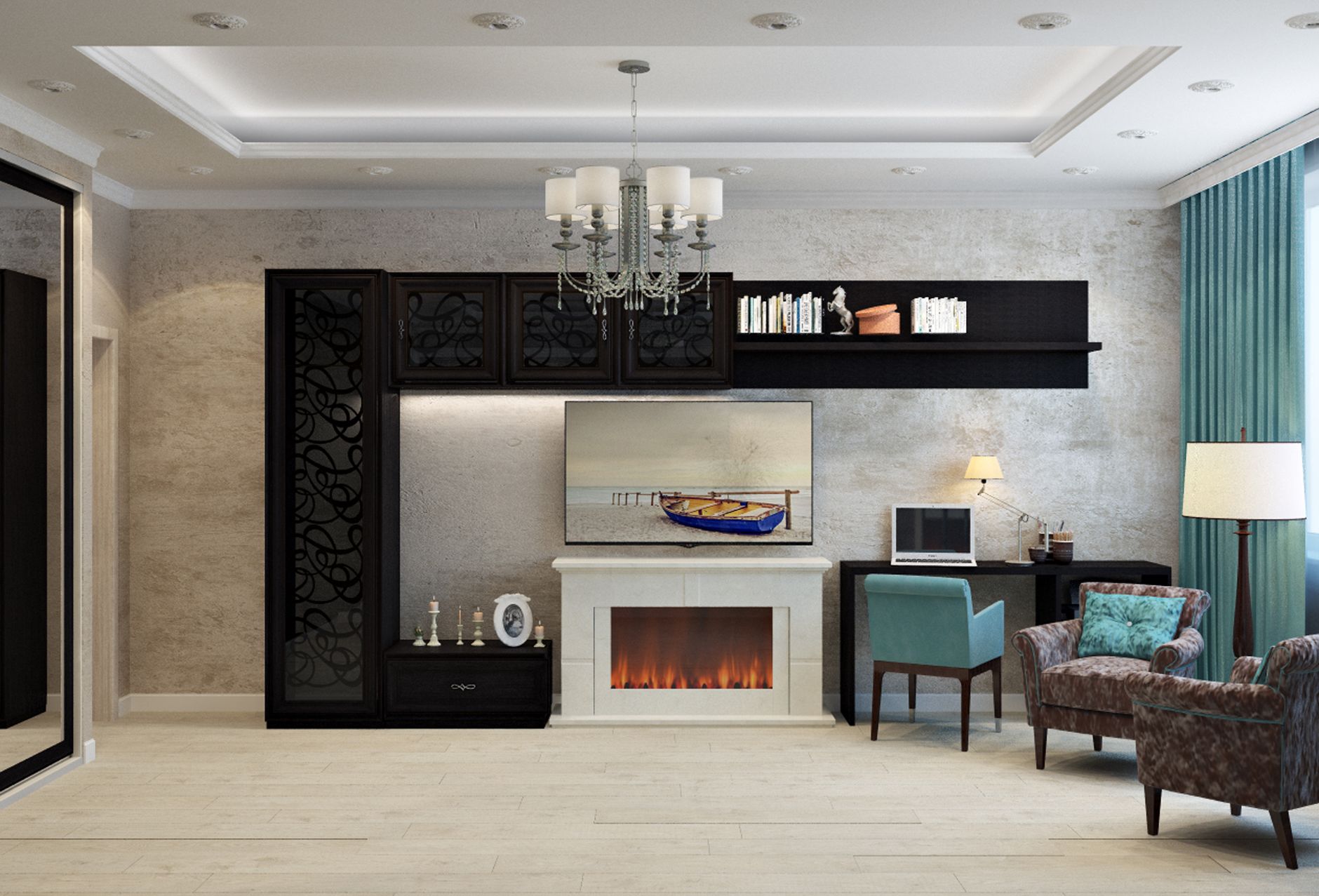
Electric fireplaces offer warmth and ambiance without the risks of smoke.
---
Combine a ceramic heater with a fireplace sound machine for warmth and ambiance without smoke.
Not sure about the label on Is Fireplace Smoke Safe During Pregnancy products?
Snap the ingredients list and SafeFilter checks every ingredient for your stage — only 3 free scans this month, then you're locked until reset. Unlimited from $7/mo or $50/yr.
When Shubhra Mishra was expecting her first child in 2016, she was overwhelmed by conflicting food advice — one site said yes, another said never. By the time her second baby arrived in 2019, she realized millions of mothers face the same confusion.
That sparked a five-year journey through clinical nutrition papers, cultural diets, and expert conversations — all leading to BumpBites: a calm, compassionate space where science meets everyday motherhood.
Her long-term vision is to build a global community ensuring safe, supported, and free deliveriesfor every mother — because no woman should face pregnancy alone or uninformed. 🌿
🌍 Stand with mothers, shape safer guidance
Join a small circle of experts who review BumpBites articles so expecting parents everywhere can decide with confidence.